

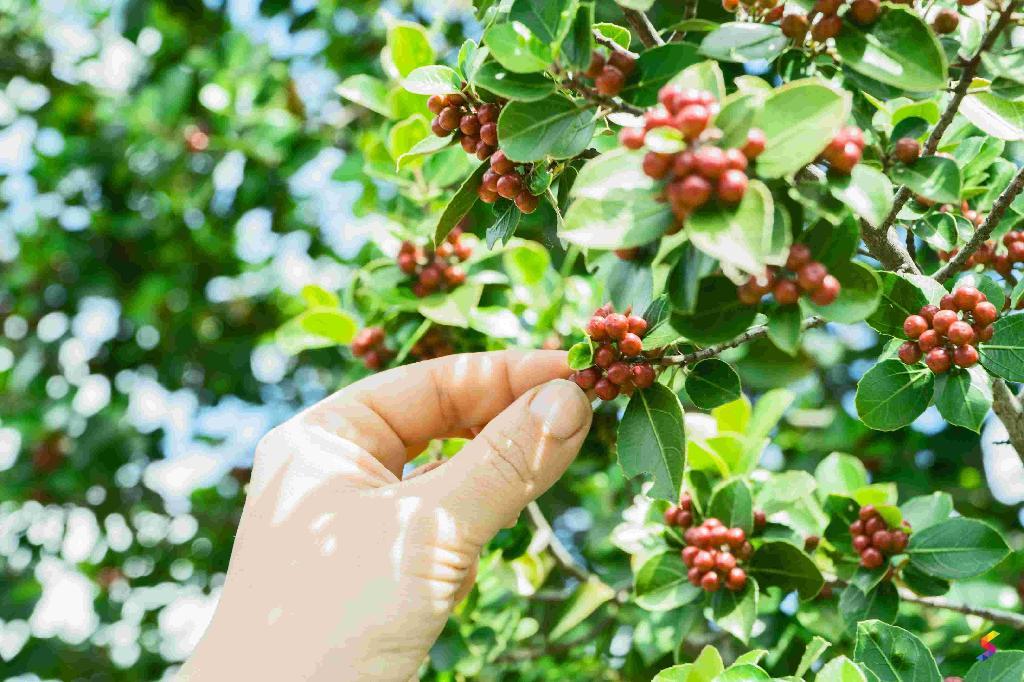


How to grow and care for blackberries is a rewarding journey, leading you to a bountiful harvest of juicy, sweet berries. This comprehensive guide delves into everything from choosing the right variety for your climate to mastering the art of pruning and pest control. Discover the secrets to cultivating thriving blackberry bushes, ensuring a delicious and satisfying experience for years to come.
We’ll explore various blackberry types, ideal soil conditions, and the essential steps for successful planting. From watering and fertilization to pruning and pest management, this guide covers all aspects of blackberry cultivation. You’ll also learn about harvesting techniques and storage methods to keep your berries fresh and flavorful.
Introduction to Blackberry Growing
Blackberries are a delicious and rewarding fruit to grow in your garden. Their sweet flavor and versatility in desserts and jams make them a popular choice for home gardeners. This section will delve into the various types of blackberries, their specific needs, and how to choose the best variety for your climate and gardening goals.
Blackberry Varieties
Different blackberry varieties are suited to various climates. Understanding the different types—erect, trailing, and thornless—is crucial for selecting the right one for your space and preferences. Each type presents unique characteristics that influence the overall care requirements and yield.
- Erect Blackberries: These varieties typically grow upright, often needing support structures like trellises or fences. They are known for their productive yields, especially when provided with proper care. Examples include ‘Prime-Ark’ and ‘Thornless’.
- Trailing Blackberries: These types spread along the ground, often needing extensive support to keep them contained. They often produce a heavy yield over time, but require more space and regular maintenance. A good example is ‘Blakemore’.
- Thornless Blackberries: These varieties are a popular choice for gardeners seeking to minimize thorns in their garden. They still require similar care to other types, but are often preferred for their reduced maintenance. ‘Loch Ness’ is a prime example.
Ideal Soil Conditions
Blackberries thrive in well-drained soil rich in organic matter. The soil pH should ideally be slightly acidic to neutral (6.0-7.0). This optimal environment ensures healthy root development and robust plant growth. Amendments such as compost or well-rotted manure can significantly improve the soil structure and fertility.
Comparison of Blackberry Varieties
The table below highlights key differences between some popular blackberry varieties, considering yield, disease resistance, and climate tolerance.
| Variety | Yield | Disease Resistance | Climate Tolerance |
|---|---|---|---|
| ‘Prime-Ark’ | High | Good | Zones 5-8 |
| ‘Blakemore’ | Medium-High | Fair | Zones 6-9 |
| ‘Loch Ness’ | Medium | Excellent | Zones 5-9 |
Overall Care Requirements
Blackberries require consistent care to flourish and produce a bountiful harvest. Regular watering, especially during dry spells, is essential. Proper pruning is crucial to maintain the shape and vigor of the plant. Consistent monitoring for pests and diseases, and addressing them promptly, is also key to ensuring a healthy plant. Additionally, consider fertilization to maintain soil health and optimize fruit production.
Following a consistent schedule for these practices will contribute to the success of your blackberry patch.
Planting Blackberries: How To Grow And Care For Blackberries
Planting blackberries successfully hinges on choosing the right time, depth, and spacing, as well as preparing the soil appropriately. Proper planting practices are essential for establishing a healthy and productive blackberry patch. These practices ensure optimal root development and subsequent vigorous growth.The ideal planting time for blackberries varies significantly based on your regional climate. Understanding these variations is crucial for achieving the best results.
A critical aspect is selecting a suitable planting location, ensuring proper sunlight exposure and well-drained soil. A carefully considered planting approach is key to long-term blackberry success.
Optimal Planting Times
Knowing the best time to plant blackberries is vital for successful establishment. Different regions experience varying growing seasons, so timing is crucial. Spring planting is generally preferred, allowing roots to establish before the hot summer months. Fall planting, in suitable climates, can also be effective, giving roots a head start before winter dormancy.
Blackberries are a rewarding fruit to grow, requiring well-drained soil and plenty of sun. While you’re thinking about spring gardening, are you wondering if it’s too early to plant geraniums? Checking out is it too early to plant geraniums might help you time your geranium planting with your blackberry bushes. Remember to mulch around the blackberry plants to retain moisture and keep weeds at bay for a bountiful harvest.
Planting Depth and Spacing
Proper planting depth and spacing are essential for optimal growth and yield. Different blackberry varieties have varying requirements. Generally, the crown of the plant should be just slightly below the soil surface, with the top of the root ball level with the soil line. Spacing depends on the type of blackberry, whether it’s a trailing or erect variety.
Trailing varieties need more space to spread, while erect types require less.
Soil Preparation
Soil preparation is a cornerstone of successful blackberry cultivation. Healthy soil is the foundation for a thriving blackberry patch. A well-prepared soil bed promotes good drainage and aeration, which are critical for healthy root development. Blackberry plants thrive in well-drained, fertile soil. Avoid overly compacted or heavy clay soils.
Blackberries are surprisingly easy to cultivate, just give them some sun and well-drained soil. Knowing how to properly space them out is key for healthy growth. While we’re on the subject of growing things, have you ever considered the star of bethlehem plant profile? star of bethlehem plant profile offers some fascinating insights into its care, and honestly, some of those tips can translate beautifully to growing blackberries.
Ultimately, a bit of research goes a long way when you’re aiming for a bountiful harvest.
- Amendments: Adding organic matter like compost or aged manure to the soil significantly improves its structure and fertility. This enhances water retention and aeration, fostering healthy root growth. This step is essential for long-term health and productivity.
- Testing: Conducting a soil test to determine the soil’s pH and nutrient levels is highly recommended. This crucial step allows you to tailor amendments to address specific soil deficiencies.
- Drainage: Ensure adequate drainage to prevent waterlogging. Poor drainage can lead to root rot, a significant threat to blackberry plants. This step prevents a common issue affecting blackberry plants.
Step-by-Step Planting Guide, How to grow and care for blackberries
A clear step-by-step guide simplifies the process of planting blackberries. This methodical approach ensures accuracy and optimizes the outcome. Using appropriate tools is essential for efficiency and ease.
- Site Selection: Choose a location with at least 6-8 hours of direct sunlight daily and well-drained soil. Avoid areas prone to flooding.
- Soil Preparation: Dig a hole twice as wide and slightly deeper than the root ball. Amend the soil with compost or other organic matter to improve its quality.
- Planting: Carefully remove the blackberry plant from its container and place it in the prepared hole. Ensure the crown is just slightly below the soil surface. Backfill with the amended soil, gently firming around the roots.
- Watering: Water thoroughly after planting to settle the soil and encourage root establishment. Consistent watering, especially during dry periods, is crucial.
- Mulching: Apply a layer of mulch around the base of the plant to conserve moisture, suppress weeds, and regulate soil temperature.
Tools for Planting
Essential tools for successful planting include a shovel, hand trowel, garden fork, and a watering can. Using the appropriate tools ensures accuracy and efficiency throughout the planting process.
Soil Type Considerations
The specific needs of different soil types vary significantly when planting blackberries. Understanding these differences allows for tailored planting practices.
Blackberries are surprisingly easy to cultivate, just give them ample sun and well-drained soil. Learning how to care for them is key, especially concerning watering and pruning. If you’re looking for a similar rewarding experience with indoor plants, check out this excellent calathea orbifolia growing guide for tips on nurturing these beautiful foliage plants. Ultimately, growing blackberries involves patience and a bit of TLC, just like any other fruitful plant.
| Soil Type | Specific Needs |
|---|---|
| Sandy Soil | Amend with organic matter to improve water retention. Frequent watering may be required. |
| Clay Soil | Amend with organic matter and sand to improve drainage. Regular soil testing and pH adjustment may be needed. |
| Loamy Soil | Generally well-suited for blackberries, but soil testing can still help fine-tune amendments. |
Watering and Fertilizing
Blackberry bushes thrive on consistent moisture and appropriate nourishment. Understanding the nuances of watering and fertilization is crucial for achieving a bountiful harvest. Proper techniques will promote healthy root development and encourage vigorous fruiting. This section delves into the specifics of hydration and nourishment, helping you cultivate thriving blackberry plants.
Watering Frequency and Amount
Blackberries require consistent moisture, especially during establishment and fruiting. The frequency and amount of water needed depend significantly on climate and soil type. Drought-prone regions or sandy soils will require more frequent watering than areas with high rainfall or clay soils. Water deeply and thoroughly, aiming to saturate the root zone without creating waterlogged conditions. A general guideline is to water deeply once or twice a week, depending on the weather.
However, monitor the soil moisture regularly. Stick your finger a few inches into the soil; if it feels dry, it’s time to water.
Fertilizer Selection and Application
Blackberry plants benefit from a balanced fertilizer that provides essential nutrients for growth and fruiting. A complete fertilizer with a balanced NPK ratio (nitrogen, phosphorus, and potassium) is ideal. Look for a fertilizer formulated for fruiting plants. Organic fertilizers, such as compost or well-rotted manure, are excellent choices, providing sustained release of nutrients. For chemical fertilizers, follow the package instructions carefully for application rates and methods.
Identifying Overwatering and Underwatering
Recognizing signs of overwatering and underwatering is essential for maintaining healthy blackberry plants. Overwatering can lead to root rot, characterized by yellowing leaves, wilting, and a general decline in plant vigor. Underwatering, on the other hand, is evident through wilting leaves, especially during midday heat, and stunted growth. Monitoring the soil moisture and adjusting watering accordingly will prevent these issues.
Soil Drainage Importance
Adequate soil drainage is crucial for blackberry health. Poor drainage can lead to waterlogged conditions, suffocating the roots and promoting diseases. If your soil drains poorly, consider amending it with organic matter like compost or peat moss to improve drainage. This will allow excess water to drain away, preventing root rot and ensuring the roots have access to oxygen.
Ideal Fertilizer Application Schedule
| Blackberry Variety | Spring Application (March-April) | Summer Application (June-July) | Fall Application (September-October) |
|---|---|---|---|
| Loganberry | Balanced fertilizer (1-2 lbs/100 sq ft) | Balanced fertilizer (1-2 lbs/100 sq ft) | Balanced fertilizer (1-2 lbs/100 sq ft) |
| Triple Crown | Balanced fertilizer (1-2 lbs/100 sq ft) | Balanced fertilizer (1-2 lbs/100 sq ft) | Balanced fertilizer (1-2 lbs/100 sq ft) |
| Black Satin | Balanced fertilizer (1-2 lbs/100 sq ft) | Balanced fertilizer (1-2 lbs/100 sq ft) | Balanced fertilizer (1-2 lbs/100 sq ft) |
| Other Varieties | Balanced fertilizer (1-2 lbs/100 sq ft) | Balanced fertilizer (1-2 lbs/100 sq ft) | Balanced fertilizer (1-2 lbs/100 sq ft) |
This table provides a general guideline. Adjust application rates based on your specific soil conditions and plant needs. Always follow manufacturer instructions for the best results.
Pruning and Training
Blackberry pruning is crucial for healthy growth, maximizing yield, and preventing disease. Proper pruning techniques ensure that the plants remain vigorous and productive year after year. Ignoring pruning can lead to overcrowding, weak canes, and diminished fruit production. This section will guide you through the essential pruning and training methods for different blackberry types.Pruning isn’t just about removing unwanted growth; it’s about shaping the plant for optimal fruit production.
Understanding the different pruning methods, coupled with appropriate training techniques, is key to a successful blackberry harvest.
Importance of Pruning
Pruning blackberries is essential for maintaining plant health and maximizing fruit production. It removes dead, diseased, or damaged canes, improving air circulation and reducing the risk of fungal diseases. Proper pruning encourages new growth, leading to more flowers and larger, higher-quality fruit. It also allows for better sunlight penetration, reducing the chance of fungal infections.
Different Pruning Techniques
Blackberry pruning techniques vary depending on the type of blackberry plant. Primarily, there’s summer pruning and winter pruning.
- Summer Pruning: Summer pruning focuses on removing suckers and unwanted growth. This is crucial for maintaining plant shape and preventing overcrowding. By removing these unwanted shoots, you encourage the development of strong, healthy fruiting canes.
- Winter Pruning: Winter pruning is the most significant pruning event and involves shaping the plant’s structure. This process involves cutting back or removing canes depending on the specific blackberry type. It is often done in late winter or early spring before new growth begins. This is the most crucial time to remove old or unproductive canes, as well as any that are diseased or damaged.
It allows for the development of strong, productive fruiting canes for the upcoming season. The goal is to create a balanced and well-structured plant.
When to Prune
The optimal time for pruning varies slightly depending on the climate and specific blackberry variety. Generally, winter pruning is performed in late winter or early spring before new growth emerges. Summer pruning can be done throughout the summer months, as needed. Following the appropriate schedule ensures that pruning is effective and minimizes the stress on the plant.
How to Prune
Proper pruning techniques are essential for maintaining plant health and yield. Incorrect pruning can damage the plant and reduce its overall productivity.
- Identify the type of canes: Know which canes are fruiting canes and which are the new canes. Fruiting canes are the canes that produce fruit in the current year, while new canes are the ones that will produce fruit in the following year.
- Remove dead, diseased, or damaged canes: Regularly inspect the canes for signs of disease, damage, or decay. Removing these canes helps prevent the spread of disease and promotes overall plant health.
- Maintain the desired plant structure: Use pruning to maintain a balanced plant structure, encouraging fruiting canes while removing weak or unproductive canes. Maintain a balance between the number of fruiting canes and the number of new canes.
- Follow specific instructions for the type of blackberry: Different blackberry varieties have different pruning requirements. Some require more aggressive pruning than others. Thoroughly research your specific variety to determine the best approach.
Training Methods
Training blackberries involves guiding their canes to a desired shape or support system. This is crucial for maximizing production and preventing damage from heavy fruit loads or wind. There are several effective training methods, each tailored to different blackberry varieties.
- Arch or espalier training: This method involves training the canes to grow horizontally along a trellis or wire system. This helps to distribute the weight of the fruit and improves air circulation.
- Single-stem training: This method involves training a single stem to grow vertically, which is commonly used for erect varieties. This method provides support for the canes and maximizes fruit production. The vertical structure also helps to keep the fruit off the ground, improving air circulation and preventing rotting.
Pruning Techniques Visual Guide
| Pruning Technique | Description | Image |
|---|---|---|
| Summer Pruning | Removing suckers and unwanted growth to maintain shape and prevent overcrowding. | (Imagine a picture of a blackberry plant with suckers being trimmed.) |
| Winter Pruning | Cutting back or removing canes depending on the variety. Removing old, unproductive, diseased, or damaged canes. | (Imagine a picture of a blackberry plant with canes being pruned.) |
Pest and Disease Management
Blackberries, while rewarding, are susceptible to various pests and diseases. Proper identification and proactive management are crucial for maintaining a healthy and productive patch. Ignoring these issues can lead to significant yield loss and even plant death. Understanding the common problems and their solutions will help you enjoy a bountiful harvest for years to come.Effective pest and disease management involves a combination of preventative measures and targeted treatments.
Proactive strategies, such as proper plant spacing and good sanitation, can significantly reduce the risk of infestations. When problems arise, timely and accurate identification is key to choosing the most effective control methods.
Common Blackberry Pests
Understanding the pests that target blackberries is essential for prevention. Many pests feed on the leaves, stems, or fruit, causing damage and reducing yield. Careful observation is key to catching problems early.
- Aphids: Small, sap-sucking insects that appear in colonies on leaves and new growth. They can cause distorted growth and weaken the plant. Regular inspections, particularly during periods of new growth, are vital.
- Japanese Beetles: These beetles feed on leaves, causing significant damage if populations are high. Beetle activity is typically more noticeable during the summer months.
- Spider Mites: Tiny arachnids that create webbing on leaves. They feed on plant sap, causing yellowing and leaf drop. Mites thrive in dry conditions, so maintaining adequate moisture is crucial for prevention.
- Cutworms: These are the larval stage of moths or butterflies. They feed on the stems of young plants, often cutting them at the soil line. Regular checks, especially around the base of the plants, are important.
Common Blackberry Diseases
Blackberry plants are susceptible to several fungal and bacterial diseases. Recognizing the symptoms early allows for prompt treatment and prevents widespread infection.
- Anthracnose: This fungal disease causes brown spots and lesions on leaves, stems, and fruit. Overcrowding and poor air circulation increase the risk. Proper spacing and pruning can help.
- Leaf Spot: Various fungal pathogens can cause leaf spots, which can lead to premature leaf drop and reduced photosynthesis. Conditions like excessive moisture and poor air circulation contribute to the problem.
- Cane Blight: This fungal disease affects the canes, leading to wilting and dieback. Identifying and removing infected canes is essential for preventing the spread.
- Bacterial canker: This bacterial disease causes lesions on the stems and canes. Symptoms include cankers, dieback, and wilting.
Preventative Measures
Proactive measures are essential in preventing pest and disease issues. These measures reduce the risk of infestation and disease.
- Proper Spacing: Adequate space between plants allows for better air circulation, reducing humidity and the risk of fungal diseases.
- Good Sanitation: Removing and destroying infected plant material prevents the spread of diseases and pests.
- Appropriate Watering: Avoid overhead watering, which can promote fungal diseases. Water at the base of the plants.
- Strong Plant Variety: Choosing disease-resistant blackberry varieties can significantly reduce the risk of problems.
Treatment Methods
Early intervention is key for effective treatment. Once a problem is identified, address it promptly to prevent further spread.
- Insecticides: Use insecticides as directed on the label for specific pests. Choose products that are effective against the identified pest and are environmentally responsible.
- Fungal Fungicides: Apply fungicides to infected plants as directed on the label. Proper application and timing are essential for efficacy.
- Removal of Infected Parts: Removing and destroying infected plant parts, such as leaves, stems, or canes, can help stop the spread of diseases.
Pest and Disease Identification Guides
Consult reliable resources for accurate identification. These resources provide detailed information about various pests and diseases.
- Local Extension Offices: Local agricultural extension offices provide valuable resources and expertise.
- Online Resources: Numerous online resources, including university websites and gardening forums, offer information and images of common pests and diseases.
Summary Table
| Pest/Disease | Symptoms | Control Methods |
|---|---|---|
| Aphids | Distorted growth, sticky residue | Insecticidal soap, neem oil |
| Anthracnose | Brown spots on leaves, stems, and fruit | Fungicides, improved air circulation |
| Japanese Beetles | Leaf skeletonization | Traps, insecticides |
| Spider Mites | Webbing on leaves, yellowing | Increased humidity, insecticidal soap |
Harvesting and Storage

Blackberry harvesting is a rewarding experience, allowing you to enjoy the sweet fruits of your labor. Timing is crucial for optimal flavor and quality, and proper harvesting and storage methods will ensure your berries last longer. Knowing the best practices for both will guarantee a delicious and extended harvest.
Optimal Harvesting Time
Blackberries are best harvested when they reach their full color and firmness. Avoid picking berries that are still green or have a soft texture. The ideal time to harvest depends on the variety of blackberry you’re growing. Generally, fully ripe blackberries will have a deep, glossy black color and a firm, plump texture. Picking them at this stage ensures maximum sweetness and flavor.
Proper Harvesting Techniques
Careful harvesting methods prevent damage to the plant and ensure a longer lifespan for the berries. Use clean, sharp pruners or your hands to gently pluck the berries from the canes. Avoid twisting or pulling, which can damage the plant and potentially spread diseases. Picking only fully ripe berries and avoiding bruising are essential for optimal quality.
Gently remove the berry from the stem, avoiding any unnecessary pressure or jerking movements.
Storage Methods and Effectiveness
Proper storage is crucial to maintaining the freshness and quality of your harvested blackberries. Several methods exist, each with varying degrees of effectiveness.
| Storage Method | Effectiveness (days) | Details |
|---|---|---|
| Refrigeration (in a container with a paper towel) | 3-5 days | Place harvested blackberries in a shallow container lined with a paper towel to absorb excess moisture. This method helps maintain freshness by controlling moisture levels. |
| Freezing (in airtight containers) | 6-8 months (or more) | Freezing is an excellent long-term storage option. Ensure berries are thoroughly cleaned and placed in airtight containers before freezing. This process preserves the berries’ quality for an extended period. |
| Drying (in a dehydrator or oven) | Indefinite (with proper storage) | Drying blackberries removes moisture, preventing spoilage. Dried blackberries can be used in baking or as a healthy snack. Store in airtight containers in a cool, dry place. |
Preventing Spoilage
Proper handling and storage techniques are key to preventing spoilage of harvested blackberries. Maintaining optimal temperature and humidity levels, as well as using appropriate containers, are crucial factors. Minimizing handling and avoiding bruising are essential steps in preserving their quality. Freezing is an excellent method for long-term preservation. Ensure that the berries are thoroughly cleaned before storage to prevent mold or bacteria growth.
Storing them in a well-ventilated container in a cool and dark place helps maintain their freshness.
Troubleshooting Common Problems

Blackberry bushes, while generally resilient, can face various challenges. Understanding the potential issues and their solutions is crucial for maintaining a healthy and productive patch. This section details common problems, their causes, and effective remedies. Knowing how to diagnose the problem is key to implementing the correct solution and preventing future issues.Identifying and addressing problems promptly can save you time, effort, and yield.
By understanding the root causes and implementing the appropriate solutions, you can prevent significant setbacks and enjoy a bountiful harvest.
Poor Growth
Poor growth in blackberry bushes can stem from several factors. Insufficient water, nutrient deficiencies, or unsuitable soil conditions can hinder development. Improper planting depth or location can also affect growth. A lack of sunlight, competition from other plants, or damage to the root system can also be culprits. Regular monitoring of the plant’s overall condition is essential to detect early signs of problems.
- Assess watering needs: Consistent moisture is vital. Ensure the soil is consistently moist, but not waterlogged. Deep watering is more effective than frequent shallow watering.
- Check for nutrient deficiencies: Conduct a soil test to determine the levels of essential nutrients like nitrogen, phosphorus, and potassium. Apply appropriate fertilizers according to the test results.
- Evaluate soil conditions: Ensure the soil is well-drained and rich in organic matter. Amendments like compost or peat moss can improve soil structure and drainage.
- Verify planting depth and location: Ensure the root ball is planted at the correct depth. Choose a location that receives adequate sunlight (at least 6-8 hours per day). Consider the spacing requirements for the specific blackberry variety.
- Examine root system health: Carefully check for any signs of root damage or diseases. Healthy roots are crucial for proper nutrient uptake.
Lack of Fruit
A lack of fruit production in blackberry bushes could be due to several factors. Inadequate pollination, insufficient sunlight, or diseases can all contribute. Poor pruning practices or unsuitable plant varieties for the climate can also hinder fruit production.
- Assess pollination: Blackberries require pollinators for fruit development. Ensure there are sufficient pollinating insects in the area or consider hand-pollination.
- Verify sunlight exposure: Blackberries need ample sunlight for optimal fruit production. Ensure the plants receive at least 6-8 hours of direct sunlight daily.
- Examine for diseases and pests: Infections can prevent fruit development. Regular inspections can help identify and address potential problems.
- Evaluate pruning techniques: Improper pruning can reduce flower and fruit production. Follow recommended pruning techniques for the specific blackberry variety.
- Consider plant variety: Some blackberry varieties are better suited to specific climates and growing conditions. Select a variety that is appropriate for your region.
Pest Infestations
Common blackberry pests include aphids, Japanese beetles, and cane borers. These pests can cause significant damage to the plant, affecting growth and fruit production. Early detection and prompt treatment are essential to prevent widespread infestations.
- Identify pests: Careful observation is key to identifying the specific pests infesting your plants. Note the type of damage they are causing (e.g., holes in leaves, wilting, or chewed stems).
- Implement pest control measures: Use appropriate insecticides, or try natural methods like introducing beneficial insects or using insecticidal soaps.
- Monitor pest populations: Regular monitoring can help you detect infestations early, allowing for timely intervention.
- Preventative measures: Use row covers or netting to prevent pests from reaching the plants.
Troubleshooting Table
| Problem | Possible Causes | Solutions |
|---|---|---|
| Poor Growth | Insufficient water, nutrient deficiencies, unsuitable soil, improper planting | Water regularly, amend soil, fertilize appropriately, ensure correct planting depth and location |
| Lack of Fruit | Inadequate pollination, insufficient sunlight, diseases, poor pruning, unsuitable variety | Encourage pollinators, ensure adequate sunlight, address diseases, prune correctly, select suitable variety |
| Pest Infestations | Aphids, Japanese beetles, cane borers | Identify pests, use appropriate controls, monitor populations, use preventative measures |
Conclusion
In conclusion, cultivating blackberries is a journey that blends knowledge of plant care with a touch of patience and dedication. By following the steps Artikeld in this guide, you can successfully grow healthy, productive blackberry plants, enjoying a bountiful harvest of delicious berries. Remember, consistency in care and attention to detail are key to achieving a successful outcome. Happy gardening!