



How to get rid of quackgrass? This comprehensive guide dives into every aspect of conquering this tenacious weed, from identifying its telltale signs to employing effective removal methods, both manual and chemical. We’ll explore preventative measures, crucial for long-term lawn health, and delve into the nuances of post-treatment care. Learn the secrets to a quackgrass-free lawn, no matter the environment or soil type.
Understanding quackgrass’s lifecycle, growth habits, and its distinctive characteristics is key to successful eradication. This guide breaks down various removal strategies, highlighting the advantages and disadvantages of each. We’ll also cover crucial preventative steps to ensure you don’t have to fight this persistent weed again.
Understanding Quackgrass
Quackgrass, a persistent and aggressive weed, poses a significant challenge to lawn care enthusiasts. Its ability to spread rapidly and its resilience to common control methods make it a formidable opponent. Recognizing quackgrass’s characteristics is crucial for effective management strategies.Quackgrass, scientifically known asAgropyron repens*, is a perennial grass. This means it lives for more than two years, establishing a robust root system that makes it tough to eradicate.
Understanding its lifecycle and growth habits is essential for developing a successful control plan.
Quackgrass Characteristics
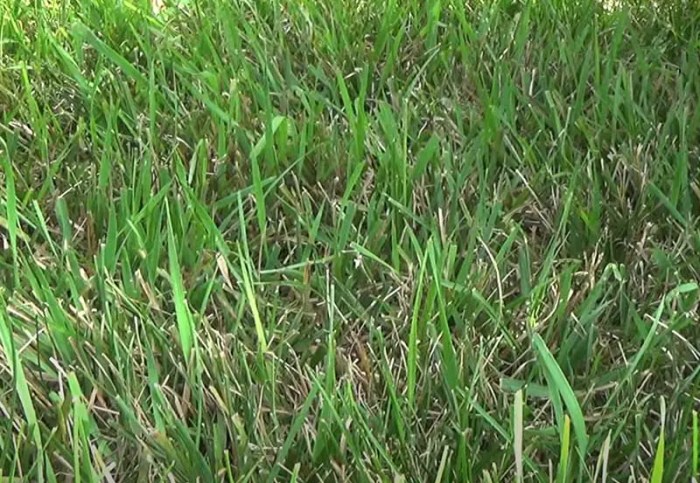
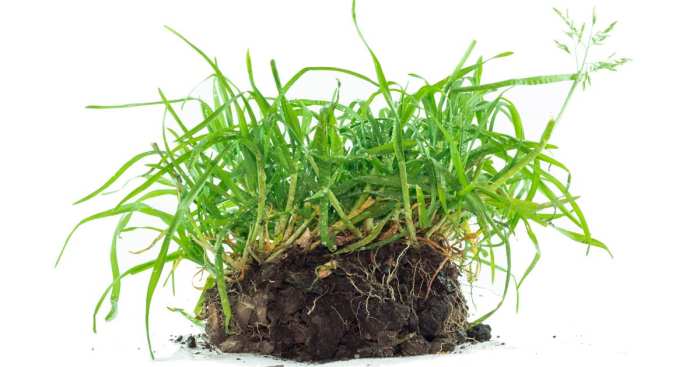
Quackgrass exhibits distinctive characteristics that set it apart from other grasses. Its rhizomes, underground stems, spread extensively, allowing it to quickly colonize large areas. These rhizomes produce new shoots, which helps the weed re-establish itself even after apparent eradication attempts. The leaves of quackgrass are typically a bluish-green to a deep green color, often with a slightly rough texture.
They can vary in width, and the leaves are usually flat. The plant’s growth pattern can range from dense clumps to more scattered formations, depending on the environmental conditions.
Growth Habits and Lifecycle
Quackgrass is a perennial grass, meaning it lives for multiple years. Its growth cycle is influenced by environmental factors like temperature and moisture. During the growing season, it rapidly produces new shoots and spreads its rhizomes. The plant goes dormant during the colder months, and the dormant period allows for more effective control strategies.
Identifying Quackgrass
Visual identification is often the first step in tackling a quackgrass infestation. Look for its characteristic bluish-green to deep green color, the rough texture of the leaves, and the spreading rhizomes. Also, examine the plant’s root system, which is a vital aspect for distinguishing it from other weeds. The rhizomes are often a crucial identifier.
Quackgrass vs. Other Common Weeds
Differentiating quackgrass from other common weeds is important for precise treatment. Its distinctive characteristics help distinguish it from similar-looking grasses or weeds. Incorrect identification can lead to ineffective control methods.
Comparison Table: Quackgrass and Other Weeds
| Weed Type | Identifying Features | Typical Growth Locations |
|---|---|---|
| Quackgrass (*Agropyron repens*) | Bluish-green to deep green leaves, rough texture, extensive rhizomes, persistent roots, dense or scattered growth patterns | Lawns, disturbed soil, along roadsides, in meadows, and in waste areas. |
| Dandelions (*Taraxacum officinale*) | Yellow flower heads, deeply-lobed leaves, taproot, rosette growth pattern. | Lawns, open areas, and disturbed soil |
| Crabgrass (*Digitaria spp.*) | Flattened, slightly rough leaves, often reddish-brown in color, usually appears in patches. | Lawns, especially in warm-season climates |
| Nutsedge (*Cyperus spp.*) | Three-sided stems, often with a triangular appearance, small flowers that appear in spikes. | Lawns, gardens, and cultivated areas |
Prevention Strategies
Quackgrass, with its tenacious rhizomes, can quickly take over a lawn if left unchecked. Proactive measures are crucial to preventing its unwelcome invasion. A well-maintained lawn, healthy soil, and strategic choices in grass types all play significant roles in deterring quackgrass. Understanding the principles behind prevention is key to long-term lawn health and beauty.Proper lawn care practices are not just about aesthetics; they are a critical defense against weeds like quackgrass.
A healthy, vigorous lawn can outcompete and suppress weed growth. This involves a multifaceted approach, addressing soil health, fertilization, and grass selection.
Lawn Care Practices for Quackgrass Prevention
Effective lawn care encompasses more than just mowing. A balanced approach to watering, fertilization, and mowing is vital for discouraging weed establishment. Maintaining a healthy, vigorous lawn helps prevent weed invasions.
Dealing with pesky quackgrass can be a real chore, but thankfully, there are some effective methods. One thing I’ve found helpful is to pull it up by the roots, ensuring you get every bit of it. However, sometimes household issues can also be surprisingly tricky to solve, like when your washing machine starts leaking. If you’re wondering why is my washing machine leaking , there are likely a few simple fixes, or it might be time to call a professional.
No matter what you do, make sure you’re persistent and diligent when tackling those stubborn quackgrass patches.
- Regular Watering: Consistent, deep watering encourages healthy root growth, strengthening the grass’s ability to compete with weeds. Avoid shallow, frequent watering, as this can lead to weak root systems, making the lawn more susceptible to weed infestations. Adequate moisture is crucial for the grass to thrive and out-compete quackgrass.
- Appropriate Fertilization: A balanced fertilization program, tailored to your specific soil type and grass species, provides the essential nutrients for healthy growth. Over-fertilization can encourage weed growth, so follow product instructions carefully. A healthy, well-nourished lawn is less likely to be invaded by quackgrass.
- Proper Mowing: Maintaining the correct mowing height and frequency helps promote healthy grass growth. Regular mowing discourages seed production and helps maintain a strong turf. This is a fundamental aspect of lawn maintenance for quackgrass prevention.
Soil Health and Fertilization in Quackgrass Prevention
The health of your lawn’s soil is directly linked to its ability to resist quackgrass invasion. A rich, well-drained soil provides the ideal environment for healthy grass growth. This also contributes to the overall resilience of your lawn.
- Soil Testing: Understanding your soil’s composition, pH levels, and nutrient content is essential for developing a tailored fertilization plan. This will help you avoid nutrient deficiencies or imbalances that can create opportunities for quackgrass to thrive.
- Organic Matter Addition: Incorporating organic matter, such as compost or well-rotted manure, improves soil structure, water retention, and aeration. Healthy soil is less likely to be invaded by quackgrass. This process creates a more robust environment for your lawn to flourish.
- Correct pH Levels: The optimal pH range for most lawn grasses is between 6.0 and 7.0. A soil test can determine your soil’s pH and guide you in making necessary adjustments. The right pH is critical for nutrient availability and grass health, ultimately deterring weed infestations.
Recommended Lawn Grasses for Quackgrass Resistance
Choosing grass types with inherent resistance to quackgrass can significantly reduce the risk of invasion. Different grasses possess varying degrees of tolerance to weed pressure.
- Kentucky Bluegrass: Known for its dense growth habit, Kentucky bluegrass can effectively suppress weed growth. It’s often a preferred choice for lawns experiencing quackgrass challenges.
- Tall Fescue: Tall fescue is a hardy grass that is relatively resistant to a variety of weeds, including quackgrass. Its resilience makes it a strong contender for combating quackgrass infestations.
- Fine Fescue: Fine fescue varieties also demonstrate some resistance to quackgrass, particularly if the lawn is well-maintained. This type of grass can effectively compete with the weed.
Mowing Height and Frequency
Maintaining the appropriate mowing height and frequency can create a more challenging environment for quackgrass. This is because the right conditions will help the grass thrive.
- Optimal Mowing Height: Generally, a mowing height of 2-3 inches for cool-season grasses and 3-4 inches for warm-season grasses promotes healthy root development and helps suppress weed growth. This encourages the grass to grow vigorously, making it harder for quackgrass to take root.
- Regular Mowing Frequency: Regular mowing prevents seed production and helps maintain a healthy, vigorous lawn. The frequency of mowing depends on the growth rate of the grass and the specific conditions of the lawn. Regular mowing helps maintain a competitive advantage for the grass.
Manual Removal Methods: How To Get Rid Of Quackgrass
Tackling quackgrass manually requires patience and persistence. While not always the most efficient method, especially for large infestations, hand-pulling and digging can be effective, particularly in smaller areas or when combined with other control strategies. Understanding the best tools and techniques can significantly improve your chances of success.
Hand-Pulling Techniques
Hand-pulling is a common initial approach for quackgrass removal. It’s often the most effective when the root system is still relatively shallow. This method relies on the ability to grasp the plant firmly and pull it out from the root.
Proper technique is crucial for successful hand-pulling. Start by carefully identifying the base of the quackgrass plant, avoiding damage to surrounding vegetation. Using both hands, firmly grasp the plant just above the soil line. Pull steadily and firmly, ensuring you lift the plant directly upwards. Avoid yanking, as this can damage the roots and potentially spread the plant.
- Tools for Hand-Pulling: A hand trowel or a small hand rake can aid in loosening the soil around the plant’s base, making it easier to grip and pull.
- Timing is Key: Hand-pulling is most effective when the soil is moist, as this allows for better grip and easier removal of the roots. Avoid pulling during periods of drought, as the soil will be too dry and the plant will be more difficult to remove.
- Following Up: After pulling, ensure you remove all visible root fragments to prevent regrowth. Follow up with a hoe to cultivate the soil and reduce the risk of regrowth. This helps to disrupt the remaining root system and prevents new shoots from emerging.
Digging Tools for Quackgrass Removal
Digging tools provide a more thorough approach, especially for established quackgrass plants or those with deeper root systems. They’re ideal for removing large clumps and preventing regrowth.
Dealing with quackgrass can be a real pain, but thankfully, there are effective strategies. One key part of controlling it is understanding how to properly care for your garden’s other plants, like ferns. Knowing how to overwinter ferns how to overwinter ferns will help you maintain a healthy ecosystem, which in turn can help reduce the spread of quackgrass.
Ultimately, a healthy, balanced garden is the best defense against pesky weeds like quackgrass.
When using digging tools, carefully loosen the soil around the plant’s base to expose the root system. Use a hand trowel, shovel, or garden fork to cut through the soil and lift the plant and its roots. A small garden fork can be beneficial for loosening the soil around the roots, allowing for better leverage when lifting the plant.
- Choosing the Right Tool: A hand trowel is effective for smaller areas and shallower roots. For deeper roots, a shovel or garden fork is more suitable. A spade can also be used for large infestations.
- Deep Excavation: Ensure you dig deep enough to remove the entire root system, as even small fragments can lead to regrowth. Aim for at least 6-8 inches deep to remove the majority of the root system.
- Aftercare: After digging, thoroughly remove all visible root pieces. Fill in any holes left behind to prevent the area from becoming compacted. This can be done by mixing in compost or other organic matter.
Essential Tools for Manual Removal
A variety of tools can enhance your manual removal process. Choosing the right tools depends on the size of the infestation and the depth of the roots.
| Tool | Description |
|---|---|
| Hand Trowel | Ideal for smaller plants and loosening soil around the roots. |
| Shovel | Effective for deeper roots and larger areas. |
| Garden Fork | Useful for loosening soil and exposing the root system. |
| Spade | Best for large areas and deep roots, enabling efficient excavation. |
| Hoe | Essential for cultivating the soil after removal to prevent regrowth. |
Challenges and Limitations of Manual Removal
Manual removal methods, while effective, have limitations. The time required for complete eradication can be substantial, especially for extensive infestations. Quackgrass often has extensive root systems that make complete removal challenging. Repeated applications may be necessary for persistent infestations.
Moreover, certain soil conditions can make manual removal difficult. Clay soil, for instance, can be more challenging to dig through, while extremely dry soil can make pulling more strenuous. Additionally, some infestations might require multiple passes to ensure complete eradication.
Chemical Control Methods
Tackling quackgrass often necessitates a chemical approach, but this method requires careful consideration of both efficacy and environmental impact. Herbicides offer a potentially swift solution, but they should be used strategically and responsibly. Understanding the various types of herbicides and their application methods is key to effective and safe control.
Herbicide Types for Quackgrass
Herbicides work by interfering with the metabolic processes of plants, ultimately leading to their death. Different herbicides target different stages of plant growth or specific plant components, making some more effective on quackgrass than others. A broad spectrum herbicide, for instance, can kill many types of plants, but may not be the most targeted solution for a specific weed like quackgrass.
The effectiveness of each herbicide will depend on the specific product, the stage of quackgrass growth, and environmental conditions.
- Pre-emergent herbicides are applied before the quackgrass seeds germinate. They prevent the emergence of the weed by inhibiting seed germination or early growth. This approach is proactive and can significantly reduce quackgrass populations over time. An example would be a product containing a chemical like trifluralin or bensulfuron-methyl.
- Post-emergent herbicides are applied after the quackgrass seedlings have emerged. They work by targeting the above-ground parts of the plant. Post-emergent herbicides are often used to control established quackgrass populations. Examples include products containing glyphosate or 2,4-D.
- Selective herbicides target specific types of plants, minimizing harm to desirable vegetation. These are particularly useful when controlling quackgrass in areas with other plants that you want to protect. However, careful selection of the specific herbicide and its application is vital.
Herbicide Application Precautions
Safe herbicide use is paramount. Always follow the manufacturer’s instructions carefully, paying close attention to dosage, application methods, and safety precautions. Protective gear, such as gloves, eye protection, and long sleeves, should always be worn. Avoid spraying during windy conditions to prevent drift and ensure the herbicide doesn’t affect unintended areas.
Dealing with quackgrass can be a real pain, but knowing how to get rid of it is key. One strategy is to pull it out by the roots, which is often effective for smaller patches. However, for a more robust approach, consider the key facts about growing the eastern redbud bush key facts about growing the eastern redbud bush – their shade-tolerant nature might actually help deter the spread of quackgrass.
Ultimately, consistent vigilance and the right approach are essential to keeping quackgrass at bay.
- Proper storage is crucial. Store herbicides in their original containers in a cool, dry, and well-ventilated area, away from food and other sensitive items. Always label the containers clearly and follow the recommended storage guidelines.
- Environmental awareness is essential. Apply herbicides only when necessary, and avoid spraying over water bodies or into storm drains. Herbicide runoff can contaminate water sources and harm aquatic life. This includes avoiding applications during periods of heavy rainfall or when the forecast predicts potential rain.
Application Methods and Effectiveness
The choice of herbicide application method impacts the effectiveness and environmental impact. A targeted approach can minimize the amount of herbicide used while maximizing its impact on the quackgrass.
- Spot treatment involves applying the herbicide directly to individual quackgrass plants. This is suitable for small infestations and allows for more precise control, reducing the overall herbicide used.
- Broadcast application involves spraying the herbicide over a larger area. This is more efficient for larger infestations but requires a greater volume of herbicide, potentially increasing environmental risk if not carefully managed. Consider the potential for drift or runoff.
Environmental Impact of Herbicide Use
Herbicide use has an undeniable impact on the environment. While they can be effective at controlling weeds, there are potential risks to consider. Responsible use is critical to minimizing these effects.
- Water contamination is a significant concern. Herbicide runoff can contaminate water sources, harming aquatic life and potentially affecting human health. Careful application and proper disposal methods are crucial to mitigating this risk.
- Soil and ecosystem impact can result from inappropriate herbicide use. Herbicides can disrupt soil ecosystems and affect beneficial organisms, impacting overall biodiversity. This can be minimized by choosing appropriate herbicides and by considering the long-term consequences of the application.
Biological Control Methods
Biological control offers a potentially sustainable alternative to chemical methods for managing quackgrass. It leverages natural enemies of the weed, aiming to reduce populations without the use of synthetic chemicals. This approach can be particularly effective when integrated with other control methods for long-term management.Biological control involves introducing organisms that target the quackgrass, such as insects or fungi.
These organisms act as natural predators or pathogens, reducing the plant’s ability to grow and reproduce. Careful consideration of the introduced species’ potential impact on the surrounding ecosystem is crucial to avoid unintended consequences.
Biological Control Agents
Biological control agents for quackgrass are primarily insects and fungi that feed on the plant or cause disease. These agents are often chosen based on their specific feeding habits or pathogenicity to the weed, minimizing harm to other plants in the ecosystem. The introduction of a biological control agent requires thorough research to ensure its effectiveness and safety.
Potential Benefits and Risks
Biological control offers several potential advantages over chemical methods. It can reduce the environmental impact by minimizing the use of harmful chemicals, potentially leading to long-term sustainability. Furthermore, the controlled release of these agents can be more targeted, reducing the risk of harm to beneficial insects and other organisms. However, the success of biological control is contingent on factors such as the agent’s effectiveness, its ability to establish itself in the target area, and the absence of negative interactions with other species.
Potential risks include the agent becoming ineffective over time, or it potentially affecting non-target species.
Specific Biological Control Agents
Several insects and fungi have shown promise as biological control agents for quackgrass. Their specific mechanisms of action and effectiveness vary, and successful implementation requires a thorough understanding of their interaction with the target weed and the surrounding environment.
- Certain insect larvae feed directly on the roots of quackgrass, disrupting its ability to absorb nutrients and causing significant damage. Examples include certain types of nematodes, which are microscopic worms, and beetles that feed on the roots of the plant.
- Fungal pathogens can infect and weaken quackgrass, leading to its decline. These fungi may target specific stages of the plant’s life cycle or its root systems.
Comparison of Chemical and Biological Control Methods
| Control Method | Pros | Cons |
|---|---|---|
| Chemical | Rapid results; effective at high concentrations. | Environmental damage (soil, water contamination); potential harm to non-target species; development of resistance in quackgrass; human health risks. |
| Biological | Environmentally friendly; potential for long-term control; minimal human health risks. | Slower results; requires careful consideration of the agent’s interaction with the environment; potential for ineffective or non-sustainable outcomes. |
Specific Examples
Examples of biological control agents and their modes of action include certain species of nematodes that specifically target the roots of quackgrass. These nematodes feed on the roots, disrupting nutrient uptake and eventually leading to the death of the plant. Similarly, specific fungal pathogens can infect the plant tissues, weakening it and eventually leading to its demise. The effectiveness of each agent can vary depending on environmental conditions, such as temperature and moisture.
Post-Treatment Care
Congratulations! You’ve successfully tackled the quackgrass infestation. Now, the crucial phase begins: ensuring the treated area heals properly and stays quackgrass-free. Proper post-treatment care is essential for long-term success. This involves more than just removing the visible weeds; it’s about preventing their return and promoting healthy, thriving growth in the area.
Ensuring Complete Root Removal
Thorough removal of quackgrass roots is paramount to prevent regrowth. Simply pulling the visible parts isn’t enough. Quackgrass has a robust root system that spreads aggressively. Use a shovel or garden fork to carefully dig around the base of the plants, ensuring you remove as much of the root network as possible. Look for rhizomes (underground stems) that connect different plants.
Complete removal minimizes the chances of new shoots sprouting from remaining roots. Avoid leaving any pieces of the rhizomes behind, as they can quickly regenerate into new plants.
Reseeding and Overseeding
A bare or disturbed area is vulnerable to weed invasion. Reseeding or overseeding the treated area with appropriate grass seed is essential to establish a healthy turf cover. Select grass species that are well-suited to your local climate and soil conditions. Choose seeds that are resistant to common weeds and diseases. Ensure the soil is properly prepared before sowing seeds.
This usually involves tilling or aerating the soil to loosen it and improve seed-to-soil contact. Planting seeds at the recommended depth and ensuring proper watering is vital for germination and growth.
Watering and Fertilizing
Consistent watering is crucial for newly seeded areas. Water deeply and regularly, especially during dry periods, to encourage root development. Maintain a consistent moisture level in the soil. Overwatering, however, can also be detrimental, so observe your soil’s moisture content. Fertilizing the area with a balanced fertilizer after the grass has established helps to promote healthy growth and resilience.
Choose a fertilizer that provides the necessary nutrients for vigorous growth and resistance to weed invasion. Consult a local garden center for advice on appropriate fertilizer types and application rates.
Timeline for Recovery and Regrowth
The time it takes for the treated area to recover and regrow depends on several factors, including climate, soil conditions, and the chosen grass type. A table outlining a general timeline for recovery and regrowth is presented below. It’s important to remember that these are estimates, and individual results may vary.
| Phase | Duration (approximate) | Key Activities |
|---|---|---|
| Initial Root Removal & Soil Preparation | 1-2 days | Thorough root removal, soil aeration, and reseeding. |
| Seed Germination | 7-14 days | Consistent watering and monitoring for germination. |
| Seedling Growth | 2-4 weeks | Continued watering, weed control, and light fertilization. |
| Turf Establishment | 4-8 weeks | Regular watering and fertilization, consistent monitoring. |
| Maturity | 3-6 months | Maintenance, monitoring for regrowth and weed control. |
Quackgrass Identification in Different Environments
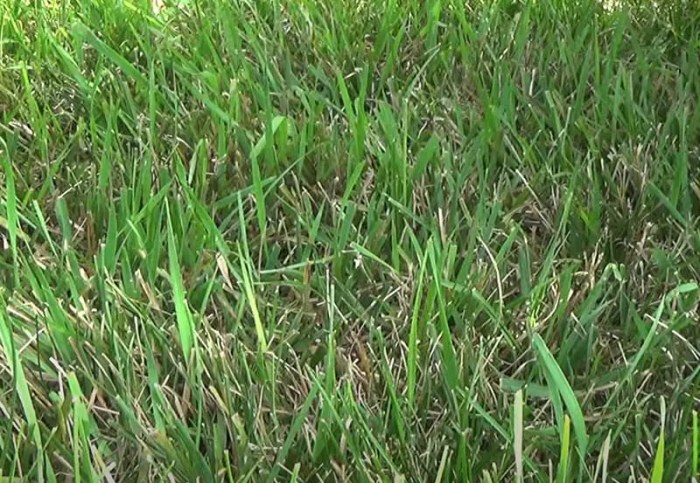
Quackgrass, a tenacious weed, can be challenging to identify, especially in diverse environments. Its adaptability to various soil types, climates, and light conditions makes accurate recognition crucial for effective control. Understanding how quackgrass behaves in different settings allows for targeted and more successful eradication efforts.Quackgrass displays a remarkable ability to thrive in a range of conditions, from sun-drenched lawns to shaded areas.
Recognizing its unique characteristics in these different environments is vital for identifying it early and preventing its spread.
Quackgrass in Different Soil Types
Soil type significantly influences quackgrass growth. Quackgrass is known for its resilience in a variety of soil compositions, but some exhibit subtle differences. In sandy soils, its rhizomes (underground stems) might spread more horizontally due to the soil’s loose structure. In clay soils, the dense soil can limit rhizome spread, but the plant’s root system may grow deeper to access available water.
This adaptation in different soil types can influence the best control strategies.
Quackgrass Growth Variations in Different Climates
Quackgrass’s growth rate and vigor are affected by temperature and rainfall. In warmer, wetter climates, quackgrass tends to grow more rapidly and aggressively. Conversely, in cooler, drier regions, growth may be slower but still persistent. Knowing the typical climate conditions can help predict the rate of growth and the timing of optimal control measures.
Influence of Sunlight and Water on Quackgrass Growth, How to get rid of quackgrass
Sunlight and water availability are crucial factors in quackgrass development. Quackgrass prefers full sun but can tolerate partial shade. Adequate moisture is essential for its growth, but prolonged periods of drought can stunt its growth. Knowing the amount of sunlight and water available in the specific area can help predict the density and vigor of the infestation.
Quackgrass Growth in Different Lawn Types
Quackgrass’s growth patterns can differ depending on the surrounding vegetation. In established turfgrass lawns, quackgrass often forms dense patches that compete with the desirable grass. In wildflower meadows, quackgrass may spread less aggressively but still compete for resources with the native plants. Identifying quackgrass in these diverse lawn types requires careful observation of its unique characteristics.
Visual Identification of Quackgrass at Different Growth Stages
Recognizing quackgrass at different growth stages is essential for effective management. Seedlings, for example, often have a delicate appearance, while mature plants exhibit a robust, spreading growth habit. Knowing these differences helps distinguish quackgrass from other similar-looking weeds. A visual guide can assist with identification.
| Growth Stage | Description | Image Description |
|---|---|---|
| Seedling | Small, emerging plants with narrow leaves, often appearing light green. | A young, tender quackgrass shoot with fine, light-green leaves emerging from the soil. |
| Mature Plant | Larger, robust plants with wider, more prominent leaves. | A mature quackgrass plant displaying broader, dark green leaves and a noticeable spread of rhizomes. |
Preventing Recurrence
Quackgrass eradication is a marathon, not a sprint. While effective methods can eliminate existing infestations, preventing future problems is crucial for long-term lawn health. This involves understanding the environmental factors that contribute to quackgrass growth and implementing proactive strategies to minimize its return. A proactive approach often proves far more economical and less labor-intensive in the long run.A successful strategy for preventing quackgrass return hinges on a multi-faceted approach that considers both the inherent properties of the weed and the conditions that favor its growth.
This includes addressing the soil, maintaining the lawn, and understanding the role of preventative measures in a long-term control plan.
Healthy Soil Conditions
Maintaining optimal soil health is paramount in preventing quackgrass resurgence. Quackgrass thrives in compacted, poorly drained soils with low organic matter content. Enhancing soil structure through organic matter incorporation is a cornerstone of prevention. This improves water retention, aeration, and nutrient availability, creating an environment less hospitable to quackgrass.
Proper Lawn Maintenance Practices
Regular lawn care routines play a vital role in deterring quackgrass regrowth. These practices should focus on reducing the conditions that favor quackgrass establishment.
- Mowing Height and Frequency: Maintaining a consistent mowing height and frequency encourages a healthy, dense turf. A thick, vigorous lawn can outcompete quackgrass for resources. Regular mowing helps prevent the development of weed seedlings and prevents the accumulation of thatch, a favorable environment for quackgrass.
- Fertilization: Appropriate fertilization is essential for a healthy lawn. Avoid over-fertilizing, as excessive nitrogen can encourage weed growth. A balanced fertilization schedule, tailored to the specific needs of the lawn, promotes healthy turf growth and suppresses weed growth. A soil test is highly recommended to determine the specific nutrient needs of the lawn.
- Watering Practices: Watering deeply and less frequently encourages deep root growth, making the lawn more resilient to weed invasion. Avoid shallow, frequent watering, which can lead to a shallow root system and make the lawn more susceptible to weeds.
Role of Preventative Measures
Preventative measures are an integral component of a comprehensive quackgrass control strategy. Early intervention and consistent maintenance significantly reduce the likelihood of recurrence. By addressing soil health, implementing appropriate lawn care practices, and proactively managing potential stressors, the chances of quackgrass returning diminish considerably. Investing in preventative measures can save time, effort, and resources in the long run.
Long-Term Lawn Maintenance Checklist
A proactive approach to lawn maintenance can effectively deter quackgrass regrowth. The following checklist Artikels key steps to establish a healthy lawn that can resist quackgrass invasion:
| Action | Frequency | Importance |
|---|---|---|
| Soil Testing | Annually | Determines nutrient levels and pH, guiding fertilization practices. |
| Organic Matter Incorporation | Every 2-3 years | Improves soil structure and water retention, reducing quackgrass growth. |
| Consistent Mowing | Weekly or Bi-weekly | Encourages a dense turf that outcompetes weeds. |
| Balanced Fertilization | Spring and Fall | Provides essential nutrients without encouraging excessive weed growth. |
| Deep Watering | As Needed | Promotes deep root growth, making the lawn more resilient. |
| Weed Monitoring | Regularly | Early detection and removal of emerging weeds, preventing infestations. |
Final Wrap-Up
Tackling quackgrass requires a multi-faceted approach. This guide equips you with the knowledge to identify, prevent, and remove this troublesome weed. From manual methods to chemical and biological control, we’ve covered it all. Remember, consistent maintenance and a deep understanding of your lawn’s needs are crucial for long-term success. Now you’re prepared to reclaim your lawn from this pervasive weed.