




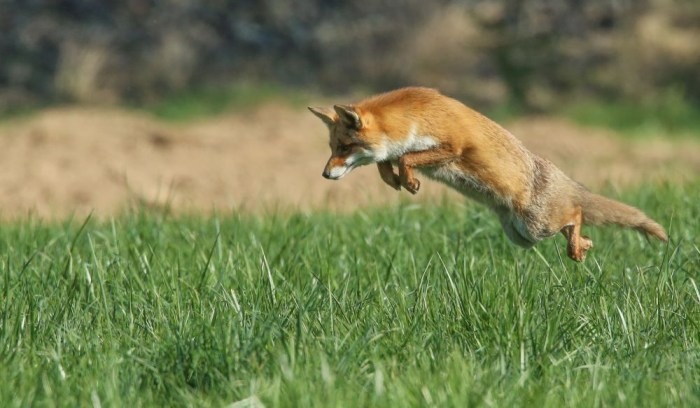
How to get rid of foxes in your yard? This comprehensive guide dives deep into understanding fox behavior, implementing effective deterrents, managing food sources, and utilizing professional assistance. We’ll explore the nuances of fox activity, from their foraging habits to the best methods for keeping them out of your garden. Whether you’re dealing with persistent visitors or simply looking to prevent future encounters, this guide equips you with the knowledge and strategies to reclaim your yard.
From understanding why foxes are drawn to your yard to learning about the best ways to deter them, this guide offers a thorough approach. We’ll cover everything from modifying your landscaping to employing effective deterrents and managing food sources. You’ll discover how to build a fox-resistant oasis in your own backyard.
Understanding Fox Behavior
Foxes are surprisingly adaptable creatures, and their foraging habits in residential areas can be quite complex. Understanding their motivations and routines is key to effectively deterring them without resorting to harsh measures. Their presence in yards is often driven by readily available food sources, which can fluctuate depending on the season. Observing their typical activities and recognizing potential triggers can significantly aid in developing a targeted approach to managing fox encounters.Residential areas offer a unique blend of food sources, from discarded pet food to ripening fruits.
This abundance can attract foxes, leading them to frequent yards. Their natural curiosity and opportunistic nature make them particularly prone to exploring unfamiliar environments.
Fox Foraging Habits in Residential Areas
Foxes are opportunistic feeders, constantly searching for food sources. They are highly adaptable and will readily exploit available resources in residential settings. This includes scavenging for leftovers, searching for small rodents, and consuming fruits and vegetables. Their foraging habits often involve methodical exploration of the area, including yards, gardens, and surrounding spaces.
Common Reasons for Fox Visitation
Foxes frequent yards primarily due to the presence of readily available food. Discarded pet food, spilled garbage, and accessible fruits or vegetables all contribute to their attraction. Also, the proximity to natural habitats often makes the area a convenient stopping point for hunting activities.
Typical Activities in Yards
Foxes often engage in various activities when visiting yards. These include searching for food, digging in gardens for grubs or rodents, and even playing or resting. They may also mark their territory, using urine and scent-marking to communicate with other foxes. This behavior is part of their natural instincts and should be considered as a normal aspect of their presence.
Seasonal Variations in Fox Behavior
Foxes exhibit seasonal variations in their behavior, primarily driven by food availability. During the breeding season, their focus may shift to securing resources for their kits. In the spring and summer, an abundance of fruits and insects may draw them to gardens and yards. As winter approaches, their foraging intensity increases as they seek food to store energy.
Potential Triggers for Fox Attraction
Several factors can trigger a fox’s attraction to a specific yard. These include easily accessible food sources, proximity to natural habitats, and the presence of cover, such as bushes or dense vegetation. Lack of natural predators in the area and a history of positive experiences in the yard are also contributing factors.
Role of Food Sources
Food sources play a critical role in attracting foxes to yards. The presence of readily available food, including pet food, garbage, or spilled food, significantly increases their likelihood of visiting. The types of food available and their accessibility significantly influence fox behavior and activity. The availability of easily accessible food can drive their preference for a particular yard.
Getting rid of foxes can be tricky, but deterrents like motion-activated sprinklers can sometimes help. One interesting approach is to plant dense shrubs, like red twig dogwood shrubs , to create a physical barrier. These shrubs are not only visually appealing but can also make it harder for foxes to navigate your yard, potentially deterring them. Ultimately, though, finding a long-term solution may require a multifaceted approach.
Food Attraction Table
| Food Type | Attractiveness Level | Removal Strategy |
|---|---|---|
| Pet Food | High | Store pet food securely, clean up spills immediately. |
| Garbage | High | Secure garbage cans, use tight-fitting lids, and consider a garbage disposal system. |
| Fruits and Vegetables | Medium | Store fruits and vegetables securely, protect plants with netting or barriers. |
| Bird Feeders | Medium | Use feeders with squirrel-resistant designs or eliminate them altogether. |
| Rodents | High | Control rodent populations through trapping or other measures. |
Deterrent Methods: How To Get Rid Of Foxes In Your Yard
Keeping foxes out of your yard requires a multifaceted approach. Simply relying on one tactic is often insufficient. Effective deterrents combine various strategies to create a hostile environment for these clever animals. This section delves into practical methods, from motion-activated devices to physical barriers and landscape modifications, offering a comprehensive guide to crafting a fox-free haven.Understanding fox behavior is crucial for implementing successful deterrents.
Foxes are intelligent and resourceful; they quickly learn to adapt to their surroundings. A well-planned and consistent approach, therefore, is key to maintaining a fox-free yard.
Comparative Analysis of Deterrent Methods
Different deterrents offer varying degrees of effectiveness, cost, and potential drawbacks. A systematic evaluation allows for a personalized strategy tailored to individual needs and resources.
| Deterrent Method | Effectiveness | Cost | Potential Drawbacks |
|---|---|---|---|
| Motion-activated sprinklers | Generally effective, especially in conjunction with other methods | Moderate | Can be disruptive to other wildlife, require consistent maintenance |
| Sound devices (e.g., sonic deterrents) | Variable effectiveness, some foxes may become accustomed | Low to moderate | May be annoying to homeowners or pets, not always reliable |
| Repellent sprays | Limited effectiveness, short-term solution | Low | May be harmful to pets or other animals if used improperly, potentially ineffective against persistent foxes |
| Physical barriers (fences, netting) | Highly effective if properly constructed | High | Can be costly to install, may require significant labor |
| Landscape modifications | Effective in combination with other methods | Variable | May take time to see results, requires careful planning |
| Lighting | May deter, but requires strategic placement | Moderate | Potential for attracting other nocturnal creatures, requires careful consideration of surrounding environment |
| Scent deterrents | Limited effectiveness, often short-lived | Low | May not be as effective as other methods, potential for harming other animals if applied improperly |
Motion-Activated Sprinklers
Motion-activated sprinklers utilize a sensor to trigger a spray of water when a fox approaches. This sudden shower can be a significant deterrent, disrupting the fox’s foraging habits and causing them to avoid the area.To implement these devices effectively, position them strategically, aiming the spray at likely entry points. Consider the range of the sensor and ensure the spray’s reach covers the entire perimeter of the affected area.
Choose a sprinkler with a forceful water stream and ensure the water pressure is sufficient for the sprinkler to function properly.
Dealing with pesky foxes in your yard can be tricky, but sometimes the best solutions are surprisingly simple. One thing to consider is deterrents like motion-activated sprinklers or strategically placed noisemakers. Plus, have you considered the environmental impact of using a dryer versus a clothesline for laundry? Choosing the right method for drying clothes might actually be a key factor in preventing unwanted critters from making your yard their home, as it impacts the overall scent profile.
So, check out this article on should you use dryer or clothesline to see if swapping to a clothesline could be part of your fox-deterrent strategy. Ultimately, a multi-pronged approach is often the most effective when trying to manage unwanted wildlife in your yard.
Sound Devices
Sound devices, such as sonic deterrents, emit high-frequency sounds or noises that are unpleasant to foxes but tolerable for humans and pets. Their effectiveness is often debated; some foxes may become accustomed to the sounds, rendering them less effective over time.Install the devices strategically, ideally along the perimeter of the yard, where foxes are most likely to enter. Follow the manufacturer’s instructions carefully for optimal placement and use.
These devices often need to be paired with other deterrents for maximum impact.
Repellent Sprays
Repellent sprays contain substances that foxes find unpleasant, causing them to avoid the area. However, their effectiveness is generally limited, and they should be considered a supplemental deterrent rather than a primary method.Carefully select a repellent spray specifically designed for foxes, following all instructions carefully. Apply the spray along likely entry points or areas where foxes have been spotted.
Be cautious of potential harm to pets or other animals if used improperly.
Physical Barriers
Fences and netting provide effective physical barriers, preventing foxes from entering the yard. The effectiveness is highly dependent on proper construction and placement.For fences, use materials such as sturdy wire mesh or wood, ensuring the height is sufficient to deter foxes. A minimum height of 6 feet is recommended. Ensure the fence is properly anchored to prevent digging or climbing.
Fill any gaps or holes that foxes might use to gain entry. Newer methods include electrified fencing, but use with extreme caution.
Landscape Modifications
Modifying landscape features can significantly impact fox activity. This includes removing or reducing food sources, such as fallen fruit or pet food left outdoors. Planting thorny shrubs or prickly plants along the perimeter can deter foxes from approaching.Elevate garden beds or structures to limit fox access. Eliminate dense vegetation or hiding spots where foxes can easily conceal themselves.
Lighting
Strategic lighting can help deter foxes by disrupting their nighttime activity. Bright outdoor lighting can deter them from entering the yard.Choose high-intensity outdoor lights positioned strategically around the yard. Consider motion-activated lights for added effectiveness and energy efficiency.
Scent Deterrents
Scent deterrents are often used to discourage foxes from entering a yard. Some, such as certain essential oils or strong-smelling substances, can be effective.Employ these deterrents carefully, following safety guidelines and ensuring they don’t harm pets or other animals. Always dilute the substance and test in an inconspicuous area before widespread application.
Managing Food Sources
Foxes are opportunistic feeders, and a readily available food source in your yard can quickly attract them. Understanding what attracts them and strategically eliminating those food sources is crucial in deterring them from your property. This section delves into the specific food items foxes are drawn to and actionable steps to make your yard less appealing.Attracting foxes to your yard often boils down to readily available food.
By strategically managing food sources, you significantly reduce the likelihood of these animals becoming a regular visitor. This involves everything from securing garbage properly to maintaining a clean garden.
Common Food Sources Attracting Foxes
A variety of items in your yard can entice foxes. Garbage, pet food, bird feeders, and even fallen fruits can all become a feast for these animals. Understanding these common sources is the first step towards creating a fox-free environment.
Dealing with pesky foxes in your yard can be tricky. One crucial step is understanding when to avoid tempting them, like not leaving out tempting scraps. Think about timing, and consider delaying starting those seeds until the last frost has passed, as this will ensure better germination rates and avoid wasted effort. Refer to this helpful guide on why you should wait to start seeds for a more in-depth understanding of the optimal planting time.
Once you’ve followed these steps, you’ll be well on your way to a fox-free haven!
- Garbage: Improperly stored garbage is a significant draw. The strong odors and easily accessible food scraps tempt foxes into your yard.
- Pet Food: Leftover pet food, especially if left outside for extended periods, can quickly become a focal point for foxes. This is especially true for outdoor pets.
- Bird Feeders: Attracting birds also attracts foxes, particularly if the feeders are not cleaned regularly or the bird seed spills on the ground.
- Fallen Fruits and Vegetables: Fruit trees and vegetable gardens can attract foxes if not maintained properly. Unharvested or fallen fruits can become a quick snack.
- Rodents and Insects: A thriving rodent population or insect infestation can provide foxes with a supplementary food source, encouraging them to remain in the area.
Eliminating Access to Food Sources
Implementing effective strategies to eliminate or minimize access to these food sources is crucial.
- Garbage Disposal: Store garbage in sealed, secure containers. Emphasize the importance of keeping garbage cans in a shed or garage, away from fox-accessible areas, and thoroughly washing bins after emptying. Consider using heavy-duty, locking bins.
- Pet Food Management: Feed pets indoors or in a covered area, and immediately clean up any spills. Never leave pet food outside overnight.
- Bird Feeder Management: Choose feeders that have a platform design to prevent seed from falling to the ground. Clean feeders regularly to remove spilled seed or leftover food. Consider using feeders with squirrel baffles to reduce access to birds and foxes.
- Garden Maintenance: Harvest fruits and vegetables promptly. Remove any fallen fruits or vegetables regularly. Keep your garden clean of debris.
- Rodent and Insect Control: Employ pest control methods to reduce rodent and insect populations to limit potential food sources.
Comprehensive Guide to Proper Storage and Security
Proper storage and security are essential in keeping food sources inaccessible.
- Secure Garbage Bins: Use heavy-duty, locking bins, and store them in a secure location, such as a shed or garage, away from walls or fences.
- Pet Food Security: Store pet food in airtight containers. Feed pets indoors or in a covered area, immediately removing any leftover food.
Maintaining Clean Gardens and Eliminating Potential Food Sources
Regular maintenance of your garden plays a crucial role in preventing fox attraction.
- Regular Harvesting: Harvest fruits and vegetables promptly to prevent them from falling and rotting on the ground.
- Debris Removal: Regularly remove fallen fruits, leaves, and other organic debris from your garden and yard.
Managing Bird Feeders to Avoid Attracting Foxes
Proper bird feeder management is vital to prevent unwanted visitors.
- Regular Cleaning: Clean bird feeders frequently to remove spilled seed or leftover food, preventing foxes from associating your yard with a food source.
- Placement: Consider placing feeders in areas that are less accessible to foxes.
Removing Fallen Fruits and Other Organic Debris
Removing organic debris is critical for a fox-free environment.
- Regular Removal: Regularly remove fallen fruits, leaves, and other organic debris from your yard.
Table of Food Sources, Elimination Methods, and Preventive Measures
| Food Source | Elimination Methods | Preventive Measures |
|---|---|---|
| Garbage | Secure garbage in locking bins, store in a shed or garage | Regularly empty and wash bins, keep bins away from fences |
| Pet Food | Feed indoors or in a covered area, clean up spills immediately | Never leave pet food outside overnight |
| Bird Feeders | Clean feeders regularly, use squirrel-proof feeders | Place feeders in areas less accessible to foxes |
| Fallen Fruits/Vegetables | Harvest fruits and vegetables promptly, remove fallen debris | Maintain regular garden maintenance |
| Rodents/Insects | Employ pest control methods | Regular pest control to minimize rodent and insect population |
Professional Assistance
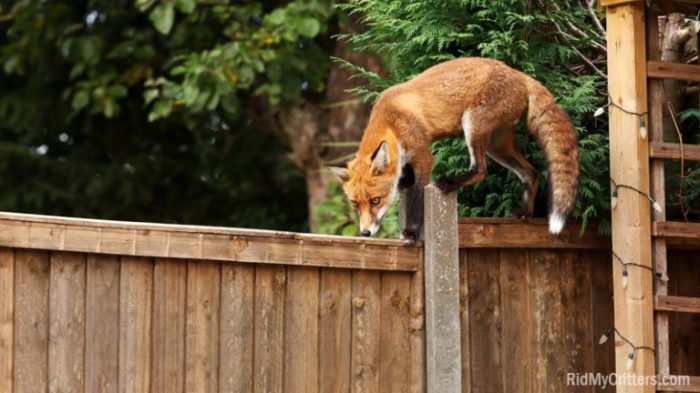
Sometimes, dealing with a persistent fox problem requires more than DIY methods. If your attempts to deter foxes fail, or if the problem escalates to the point of impacting your safety or property, professional assistance is a viable and often necessary option. Consulting a wildlife control expert can ensure the humane and effective resolution of the issue.Professional wildlife control experts possess specialized knowledge and tools to address complex situations.
They are trained to understand fox behavior and are equipped to handle potentially dangerous or challenging situations. Their expertise often leads to more efficient and less disruptive solutions than attempting DIY removal methods.
When Professional Assistance is Necessary
Foxes may become habituated to readily available food sources around your property. This can lead to aggressive behavior and a reluctance to leave the area, requiring professional intervention. Persistent issues with property damage, such as digging or scratching, or instances of aggression toward humans or pets, indicate a need for expert intervention. If you find that your attempts at deterrents are not working, and the fox problem persists, seeking professional help is crucial.
The Role of Wildlife Control Experts
Wildlife control experts play a vital role in managing fox populations. They are trained to implement humane methods for removing foxes from a property. Their knowledge extends to identifying the root causes of the problem, such as readily available food sources. Furthermore, they are adept at using non-lethal deterrents and, when necessary, implementing trapping or relocation strategies.
Finding Reputable Wildlife Control Services
Seeking recommendations from neighbors or local animal shelters can be a valuable first step in finding a reputable wildlife control service. Online reviews and ratings can provide further insight into a company’s reputation and service quality. Local government agencies or animal control organizations may also provide resources for finding qualified wildlife control experts. Ensure that any chosen company is licensed and insured to handle wildlife removal.
Local Regulations and Permits
Before engaging any wildlife control company, understand your local regulations and permit requirements for fox removal. Some areas may have specific rules or restrictions regarding wildlife control practices. Consult with your local authorities to understand any applicable laws and ensure compliance. Failure to adhere to these regulations could result in legal penalties.
Different Approaches Used by Wildlife Control Experts
Wildlife control experts utilize various approaches, ranging from habitat modification to trapping and relocation. Habitat modification techniques involve altering the environment to discourage foxes from using the area. Trapping and relocation, though controversial, may be necessary in specific circumstances. Reputable experts will consider the best approach for each situation.
Comparison of Different Approaches
| Approach | Description | Pros | Cons |
|---|---|---|---|
| Habitat Modification | Altering the environment to discourage fox presence. | Humane, non-invasive. | May not be effective in all cases. Requires careful planning. |
| Trapping and Relocation | Capturing the fox and relocating it to a suitable habitat. | Effective for removing the fox. | Ethical concerns regarding relocating animals, potential for animal stress and complications. Requires proper permits. |
| Repellents and Deterrents | Using deterrents to discourage fox activity. | Relatively inexpensive, less invasive. | Effectiveness varies depending on the situation. May require multiple attempts. |
Potential Risks of DIY Fox Removal
Attempting DIY fox removal methods can pose significant risks. Improper techniques can lead to injury to both the fox and the individual attempting the removal. In some cases, attempting to handle the situation without proper training could cause harm to the foxes and may worsen the problem. Improper trapping methods may result in harm or injury to the animal.
Additionally, illegal activity may result if local regulations are not followed.
Comparison of Wildlife Control Companies
(Example table, adapt to your local market)
| Company | Services Offered | Approximate Fees | Reputation |
|---|---|---|---|
| ABC Wildlife Control | Trapping, relocation, habitat modification | $300-$500 | High ratings, experienced staff |
| XYZ Wildlife Solutions | Habitat modification, repellents, education | $200-$400 | Good reviews, local expertise |
| Local Animal Control | Trapping, relocation, education | $150-$300 | Trusted government service |
Long-Term Prevention Strategies
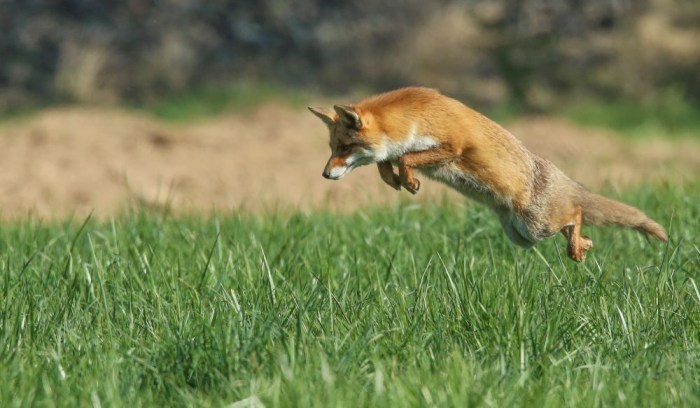
Foxes are persistent creatures, and a single deterrent may not be enough to keep them away permanently. A long-term approach to fox prevention requires a multifaceted strategy that considers their behavior and the factors that attract them to your yard. This proactive strategy ensures a fox-free environment for years to come.A successful long-term prevention plan involves more than just a few quick fixes.
It’s about creating an environment that is less appealing to foxes, making your yard a less desirable place to live. This includes addressing food sources, creating physical barriers, and maintaining a consistent approach to deterrents.
Maintaining a Fox-Resistant Yard Environment
Maintaining a consistent, fox-resistant yard environment requires a proactive approach. This includes regular checks and adjustments to ensure the effectiveness of your deterrents. Foxes are intelligent and adapt quickly to new challenges, making ongoing vigilance crucial for long-term success.
- Regular Trash and Food Waste Management: Properly storing trash and food scraps is essential. Empty bins immediately after use and ensure lids are secure. Consider using bear-resistant containers for added security. Never leave pet food outdoors overnight. Foxes can be attracted to the smell of food from a considerable distance, making consistent management crucial.
- Landscaping for Fox Deterrence: Landscaping plays a significant role in deterring foxes. Avoid dense shrubs and tall grasses, which provide cover and hiding places. Consider using landscaping features like thorny bushes or prickly plants to create physical barriers and discourage foraging. Plantings that are fragrant, like certain flowers and herbs, might also deter foxes.
- Perimeter Security Measures: Physical barriers are important. A six-foot-high fence, made of sturdy material and buried deeply to prevent digging, is often effective. Ensure the fence is continuous and extends beyond the perimeter of the yard to prevent tunneling or hopping over. Adding chicken wire under the fence further discourages digging.
- Consistent Maintenance Practices: Regular cleaning and maintenance are vital to prevent attracting foxes. Keep your yard tidy, removing any potential food sources like fallen fruits or vegetables. Clean up pet waste promptly and dispose of it properly. Consistency is key in maintaining a fox-resistant environment.
Ongoing Monitoring and Adjustments
Continuous monitoring is critical for long-term fox prevention. Foxes are intelligent and will adapt to your deterrents over time. Regular observation will help you identify any new areas of attraction and adjust your strategy accordingly. Regular monitoring helps you spot changes in fox behavior and address potential issues promptly.
- Regular Inspections: Inspect your yard regularly to identify any signs of fox activity. Look for digging, droppings, or tracks. Note any changes in fox behavior or patterns, and adjust your deterrents accordingly. If you notice new patterns of activity, it’s time to re-evaluate your strategies and adjust your approach. For instance, if foxes are frequently seen near a particular food source, consider altering your waste disposal practices.
- Adjusting Deterrents: Deterrents should be flexible and adaptable. If a particular method isn’t working, modify or replace it with a more effective solution. This might include relocating food sources, adding more barriers, or trying a different type of repellent. For instance, if a simple motion sensor isn’t deterring foxes, consider a more intense deterrent like a sound device.
Modifying Yard Design to Reduce Potential Fox Attraction Points, How to get rid of foxes in your yard
Modifying your yard design is a key aspect of long-term fox prevention. It involves proactively addressing potential attractions to minimize the appeal of your yard to foxes.
- Reducing Hiding Places: Foxes seek out areas where they can feel safe and hidden. Reducing hiding places in your yard makes it less inviting. This could involve removing dense brush piles, tall grasses, and other areas that provide cover. A well-maintained, open yard makes it harder for foxes to feel safe.
- Eliminating Water Sources: Foxes need water to survive. Eliminating sources of water in your yard will make it less appealing. This includes removing standing water, bird baths, or other sources where foxes might drink. If you can’t remove all water sources, consider placing them in areas less accessible to foxes.
Landscaping Suggestions for Discouraging Fox Activity
Strategic landscaping can be a powerful tool in deterring foxes. The goal is to make your yard less appealing by altering its appearance and structure.
- Choose Fox-Resistant Plants: Planting thorny bushes, fragrant flowers, or other plants that are unappealing to foxes can deter them from entering your yard. These plants create a physical barrier or have scents that deter foraging.
- Create Physical Barriers: Incorporate physical barriers like fences, thorny shrubs, or prickly plants to deter foxes from entering your yard. These barriers create an obstacle that foxes are less likely to overcome.
Implementing Long-Term Prevention Measures: A Checklist
This checklist provides a structured approach to implementing long-term preventative measures.
| Step | Action |
|---|---|
| 1 | Regularly inspect yard for fox activity |
| 2 | Secure all food and trash containers |
| 3 | Maintain a clean and tidy yard |
| 4 | Modify yard design to eliminate hiding places |
| 5 | Implement physical barriers (e.g., fences) |
| 6 | Use fox-resistant landscaping |
| 7 | Monitor and adjust deterrents as needed |
Closure
In conclusion, successfully managing fox issues in your yard requires a multifaceted approach. By understanding their behavior, employing appropriate deterrents, strategically managing food sources, and considering professional assistance when needed, you can effectively minimize encounters and create a safe and enjoyable outdoor space. This guide provides a roadmap for achieving long-term fox-resistant yard environment. Remember, consistent vigilance and proactive measures are key to long-term success.