




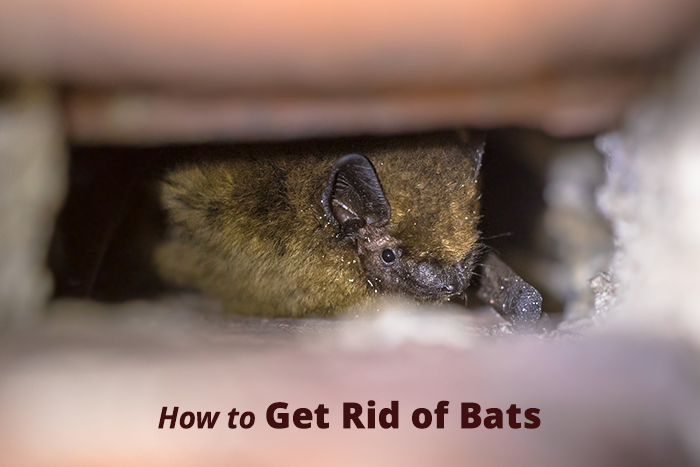
How to get rid of bats? This comprehensive guide delves into the world of bat removal, offering a step-by-step approach to safely and humanely addressing bat infestations. From identifying entry points to implementing effective exclusion techniques, we’ll cover everything you need to know to reclaim your property.
Understanding bat behavior is crucial for a successful removal strategy. Different seasons affect their activity levels, and certain building features can attract them. This guide also provides practical insights on creating a less appealing environment for bats, ensuring a long-term solution.
Identifying Bat Entry Points: How To Get Rid Of Bats
Finding bat entry points is crucial for effective bat removal and preventing future infestations. Knowing where bats are entering your home allows you to seal off these pathways, keeping them out and protecting your property. This process requires careful inspection and attention to detail, as even small openings can be exploited by bats.Understanding common entry points is the first step in successfully deterring bats.
Bat entry points are often overlooked, as they can be small and hidden. A thorough examination of your home’s exterior, attic, and walls is essential to identify these potential access points.
Common Bat Entry Points in Buildings, How to get rid of bats
Bat entry points often mimic the entry points of other small animals. They frequently seek out areas where there are minimal barriers. Identifying these points is key to keeping your home bat-free.
- Attics: Attics, with their sloped roofs and often exposed framing, are common entry points. Bats may enter through gaps in the roof sheathing, around vents, or even through openings in the eaves. For example, a poorly sealed attic vent can allow bats easy access.
- Walls: Walls, particularly those in older homes or areas with deteriorated insulation, may contain cracks or gaps that serve as entry points. These cracks might be small, but they can still allow bats to enter. Consider the possibility of an old chimney or vent that is no longer used.
- Eaves: Eaves, the overhangs of a roof, are another potential entry point. They provide shelter and a convenient pathway for bats to enter the home. A missing or damaged piece of the eaves’ protective barrier can offer an entry point.
- Chimneys: Chimneys, if not properly sealed, can become entry points. This is particularly true if there are gaps or cracks around the chimney’s exterior. Furthermore, an opening in the chimney’s cap can allow access for bats.
Methods for Identifying Entry Points
Identifying these entry points requires careful observation and a systematic approach. A thorough inspection is crucial to pinpoint potential entry points and ensure they are sealed.
- Visual Inspection: A visual inspection of the exterior of the building, including attics, walls, and eaves, is the first step. Look for any gaps, cracks, holes, or openings. Pay particular attention to areas where the building’s structure meets the roof, like at the eaves or around vents.
- Use of Tools: Tools like flashlights, mirrors, and long-handled probes can be helpful in reaching hard-to-see areas. A flashlight allows for better illumination, while mirrors allow you to see behind corners. Long-handled probes can be used to locate and check for openings in hard-to-reach areas, like the attic.
- Weather Stripping Inspection: Check weather stripping around doors and windows. Any gaps or tears in weather stripping can create entry points. Replacing or repairing weather stripping is an easy way to seal these gaps.
- Professional Inspection: If you are unsure or uncomfortable inspecting the building yourself, consider hiring a professional pest control company. A professional inspection can help identify entry points that are hard to locate.
Table of Common Entry Points
The following table summarizes potential entry points and their likely locations. This table can help homeowners visualize and prioritize their inspection process.
| Entry Point | Likely Location | Description | Severity |
|---|---|---|---|
| Cracks | Walls, foundation, fascia | Small openings in the building’s structure. | Low to Moderate |
| Gaps | Around vents, pipes, or electrical conduits | Openings between materials. | Low to Moderate |
| Holes | Roof sheathing, soffits, eaves | Larger openings in the building’s exterior. | Moderate to High |
| Openings in Chimney | Chimney cap or flue | Unprotected openings in the chimney structure. | Moderate to High |
Understanding Bat Behavior

Bats are fascinating creatures, playing crucial roles in their ecosystems. However, their presence near human structures can sometimes become problematic. Understanding their natural behaviors and the factors that influence their activity patterns is key to effectively managing bat populations and preventing issues with buildings. This section delves into the world of bat behavior, offering insights into their habits and preferences.Understanding bat behavior is vital for successful bat exclusion strategies.
By knowing their routines, preferred habitats, and the stimuli that attract them, homeowners and property managers can develop more effective and humane solutions. This involves considering various aspects, from their feeding habits to their social interactions and their responses to seasonal changes.
Getting rid of bats can be tricky, but a crucial step is understanding their habits. Knowing how to create a bat-resistant environment is key, and sometimes a beautiful houseplant like a Ficus Tineke can offer a visual distraction. For a comprehensive guide on cultivating a thriving Ficus Tineke, check out this helpful resource: ficus tineke growing guide.
Ultimately, addressing the root causes of the bat presence is the most effective way to banish them from your property.
Natural Behaviors Attracting Bats to Buildings
Bats are drawn to buildings for a variety of reasons, often related to the resources they need to survive. Understanding these attractions helps in designing preventative measures. Bats are primarily insectivores, relying on a consistent supply of insects for sustenance. Buildings with suitable roosting spaces, access to abundant insect sources, and shelter from harsh weather conditions are naturally attractive to them.
Factors Influencing Bat Activity Patterns
Bat activity is significantly influenced by environmental factors. Temperature fluctuations directly impact bat activity levels. Higher temperatures often translate to increased foraging activity, as bats become more mobile in search of insects. Conversely, cooler temperatures can lead to periods of inactivity, particularly during winter months. Access to food sources also heavily influences their activity.
Buildings located near areas with abundant insect populations, such as gardens or agricultural fields, are more likely to attract bats. Additionally, the presence of water sources for drinking and bathing also plays a role.
Seasonal Variations in Bat Behavior
Bat activity patterns exhibit marked seasonal variations. During the warmer months, bats are more active, spending more time foraging for insects and maintaining their body weight for breeding. The breeding season itself, typically during the summer, can lead to increased activity and the formation of larger roosting colonies. In contrast, the winter months often see a decrease in bat activity as they enter a state of dormancy, known as hibernation.
Getting rid of bats can be tricky, but understanding the best window styles can make a difference. For instance, choosing energy-efficient windows, like those featured in most popular window styles , can often deter bats looking for entry points. Installing sturdy screens and sealing any gaps around existing windows will further deter unwelcome nighttime visitors.
The specific duration and intensity of these seasonal changes depend on the species of bat and the specific climate conditions.
Potential Attractants Encouraging Bats to Stay Near Buildings
Buildings can unintentionally become attractive to bats due to specific features. For example, poorly maintained or accessible attics or crevices offer suitable roosting spaces, while outdoor lighting, particularly during the evening, can attract insects and indirectly attract the bats that feed on them. Furthermore, the presence of trees or shrubs near the building can provide cover and access to insect populations.
The availability of suitable roosting spaces, including sheltered areas, is critical in determining bat activity near structures.
Bat Communication and Human Activity
Bats communicate through a variety of means, including ultrasonic vocalizations. These calls are crucial for navigation, echolocation, and social interactions within the colony. Human activities, such as the use of noise pollution or light pollution, can disrupt these communication patterns. Excessive noise levels can make it harder for bats to use echolocation effectively, potentially affecting their foraging success.
Similarly, bright outdoor lights can disrupt their navigation and foraging behaviors, leading to misorientations. Understanding these impacts is essential for mitigating human-induced disturbances to bat populations.
Safe Bat Removal Methods
Getting rid of bats safely and humanely is crucial. Improper removal methods can endanger the bats, cause property damage, or even expose humans to diseases. This section details effective and ethical techniques for safely removing bats from your home or building.Bats play a vital role in the ecosystem as pollinators and insect controllers. Removing them should only be done as a last resort when the risk to human health or property outweighs the benefit of keeping them.
Furthermore, disrupting a bat colony’s habitat can have significant ecological consequences.
Bat Exclusion Techniques
Exclusion, or preventing bats from entering in the first place, is the preferred method for bat removal. It’s a more environmentally friendly approach than trapping or killing bats. This method focuses on sealing off any entry points bats may use to enter a structure.
- Identifying and Sealing Entry Points: Carefully inspect your home’s exterior for any potential openings. This includes cracks, crevices, gaps around vents, and damaged areas of the roof, siding, or foundation. Use a flashlight and climb around the exterior to thoroughly examine your home. Seal any openings larger than a quarter-inch with caulk, steel wool, or hardware cloth. Remember to seal any potential entry points to prevent future infestations.
- Installing Bat Houses: If the bats are not causing harm, a bat house can be a viable option. By providing a suitable nesting environment elsewhere, you can encourage the bats to relocate to the house. This method offers a non-invasive and sustainable way to deal with bat issues. Research the proper bat house placement and size before implementation. Ensure the bat house is positioned at a safe distance from the structure, such as on a tree or other suitable location.
Bat Removal Procedures
If exclusion is not an option or if the bats are already inside, safe removal is necessary. These methods are to be used only as a last resort, as they may not be as environmentally friendly.
- Professional Bat Removal: A qualified wildlife removal service should be contacted for bat removal. These professionals are trained in humane bat removal methods and have the necessary equipment to safely remove the bats without harming them. They will assess the situation, seal entry points, and relocate the bats to a suitable habitat. This method often involves minimal disruption to the building and ensures the safety of both humans and bats.
- Trapping Bats Humanely: Live traps, specifically designed for bats, can be used to capture and relocate the bats. Carefully follow the manufacturer’s instructions to avoid harming the bats during the process. Transport the captured bats to a safe location away from the structure and release them in a suitable habitat. Always prioritize the safety and well-being of the bats throughout the process.
Comparing Removal Techniques
Exclusion is generally the most humane and environmentally friendly approach. It prevents future infestations and does not harm the bats. Professional removal is best suited for situations where DIY approaches are impractical or ineffective. Live trapping is also a humane option but requires careful attention to detail and adherence to the manufacturer’s instructions.
| Method | Effectiveness | Pros | Cons |
|---|---|---|---|
| Exclusion | High | Humane, environmentally friendly, prevents future issues | Requires thorough inspection and sealing |
| Professional Removal | High | Expert handling, minimal disruption | Costly |
| Trapping | Moderate | Humane, potentially less expensive than professional removal | Requires expertise, risk of harming bats if not done correctly |
Bat Exclusion Techniques

Bat infestations can be frustrating and even harmful, but proactive exclusion methods can prevent future problems. Proper sealing and installation of deterrents can significantly reduce the likelihood of bats returning to your property. Understanding the specific techniques and materials involved is crucial for successful bat exclusion.Effective bat exclusion involves a multi-faceted approach that combines sealing entry points, creating physical barriers, and using appropriate materials.
This proactive approach is crucial to preventing future infestations and ensuring the safety and well-being of both bats and humans.
Sealing Entry Points
Proper sealing of potential entry points is a fundamental aspect of bat exclusion. Bats can squeeze through incredibly small openings, so a thorough inspection is essential. Identify any cracks, gaps, or holes in your home’s exterior walls, roof, or foundation. These can be entry points for bats. Pay close attention to areas around chimneys, vents, pipes, and eaves.
- Thorough inspection is key. Use a flashlight and a mirror to inspect hard-to-reach areas. Pay attention to places where the building materials meet or overlap. Even a small crack or gap can be a potential entry point.
- Use appropriate sealing materials. Caulk, expanding foam, steel wool, or metal flashing can effectively seal gaps. Select the material best suited for the specific entry point and building material. Consider using weatherstripping around doors and windows.
- Reinforce vulnerable areas. If a particular area has repeatedly shown to be an entry point, reinforce it with additional materials or structural supports. This could involve adding additional layers of sealant or even installing metal flashing or other barriers.
Installing Bat-Proofing Materials
Proper installation of bat-proofing materials is essential for their effectiveness. Poor installation can lead to gaps or weaknesses, negating the intended purpose. Carefully follow the manufacturer’s instructions for the chosen material. If unsure, consult a professional.
- Apply caulk evenly. Overlap caulking seams slightly to create a continuous seal. Avoid applying too much caulk, as this can create an uneven surface and potentially compromise the seal.
- Use expanding foam judiciously. Apply expanding foam in a thin, even layer, ensuring no air pockets are trapped. Allow the foam to fully expand before adding any additional layers.
- Install metal flashing properly. Ensure metal flashing is securely attached to the structure, and that there are no gaps or overlaps that could allow bats to pass through. Critically, ensure the flashing extends beyond the entry point to provide a full seal.
Creating Physical Barriers
Creating physical barriers can deter bats from accessing potential entry points. These barriers need to be durable and resistant to weather. The specific design will depend on the structure and the location of the entry point.
- Install netting. Fine-mesh netting can be attached over areas where bats are known to enter. This acts as a physical barrier, preventing them from gaining access.
- Use hardware cloth. Hardware cloth, a strong metal mesh, can be used to reinforce areas where bats might be trying to penetrate. This can be installed as a cover or integrated into the structure.
- Install chimney caps. Chimneys are common entry points. Ensure the chimney cap is properly fitted and seals the opening completely. This prevents bats from using the chimney as a passageway.
Comparing Bat Exclusion Materials
The following table compares different bat exclusion materials based on their effectiveness, cost, and installation difficulty.
| Material | Effectiveness | Cost | Installation Difficulty |
|---|---|---|---|
| Metal flashing | High | Medium | Medium |
| Caulk | Medium | Low | Low |
| Expanding foam | High | Low | Medium |
| Hardware cloth | High | Medium | Medium |
Preventing Future Bat Infestations
Successfully removing bats is only half the battle. To truly resolve the issue and prevent a return, proactive measures are crucial. This involves understanding what attracts bats to your property and taking steps to modify the environment to make it less appealing. By addressing the root causes, you can significantly reduce the risk of future infestations.A proactive approach to bat prevention focuses on eliminating the factors that draw bats to your building.
This encompasses everything from sealing potential entry points to modifying landscaping features that could attract or provide shelter. By making your property less appealing to bats, you significantly reduce the likelihood of another infestation.
Maintaining Building Integrity
Proper building maintenance is paramount in deterring future bat infestations. Regular inspections and prompt repairs are essential. Addressing potential entry points before they become a problem is crucial in preventing future issues.
- Regular Inspections: Conduct thorough inspections of your building’s exterior, especially attics, eaves, and foundation areas. Look for any cracks, gaps, or holes, no matter how small they may seem. These can serve as entry points for bats.
- Prompt Repairs: Address any identified gaps or openings immediately. Use appropriate caulking, weatherstripping, or sheet metal to seal these vulnerabilities. This proactive measure is vital in preventing bats from gaining access.
- Gutters and Downspouts: Ensure gutters and downspouts are properly functioning to divert water away from the building’s foundation. Standing water can attract insects, a primary food source for bats, increasing the likelihood of bat activity.
Landscaping Strategies
Landscaping plays a significant role in bat attraction. Modifying your landscaping can dramatically reduce the appeal of your property to bats.
- Reduce Insect Habitats: Minimize areas where insects can breed and thrive. This includes overgrown vegetation, piles of debris, and stagnant water. Eliminating these breeding grounds will reduce the insect population that bats rely on for food. For instance, regularly trimming bushes and trees can help.
- Remove Bat Roosting Spots: If possible, identify and remove any areas in your yard that might serve as alternative roosting spots for bats. This includes sheds, stacked wood, or dense foliage. Removing these provides less shelter and encourages them to find roosts elsewhere.
- Avoid Attractants: Ensure your landscaping doesn’t include sources of food or water that might attract insects. For example, avoid leaving standing water in bird baths or birdbaths, and keep your garbage cans sealed properly to prevent attracting pests.
Environmental Modifications
Creating an environment less conducive to bat activity involves a combination of physical and structural changes.
- Minimize Lighting: Reduce or eliminate exterior lighting, particularly in areas where bats are known to roost or hunt. Bats rely on their natural senses, and bright lights can disrupt their natural routines.
- Maintain Cleanliness: Keeping your property clean and free from clutter can minimize potential insect breeding grounds. This helps to decrease the availability of food for bats, reducing the incentive for them to frequent the area.
- Natural Predators: Consider the presence of natural predators that prey on insects. These predators, such as owls or bats, can help naturally regulate insect populations, indirectly reducing the food supply for bats.
Legal and Ethical Considerations
Bat removal, while seemingly straightforward, often involves navigating a complex web of local regulations and ethical considerations. Understanding these nuances is crucial for ensuring a safe and responsible approach to bat management. A homeowner’s or property manager’s actions should always prioritize the well-being of the bats and comply with local ordinances.Before undertaking any bat removal project, thorough research into local regulations is essential.
This knowledge will prevent potential legal issues and ensure compliance with the law. Ethical considerations must also be factored in to ensure humane treatment of these fascinating creatures.
Getting rid of bats requires a careful approach. One often-overlooked aspect is ensuring your property doesn’t offer a tempting haven. For example, understanding the different types of creeping thyme, like the creeping thyme varieties available here , can help you create a less appealing landscape. These low-growing plants are excellent ground covers and can deter bats if strategically placed around potential entry points.
Ultimately, though, a professional removal service is often the best course of action for safely and effectively dealing with bat infestations.
Local Regulations Regarding Bat Removal
Local ordinances often dictate permissible methods for bat removal. Some jurisdictions may require permits or specific procedures for handling bat colonies. Regulations can vary widely depending on factors such as the location, the size of the colony, and the specific type of bat. Consulting with local wildlife agencies or animal control authorities is vital to understand applicable regulations.
Ethical Implications of Bat Removal
Bat removal should always prioritize humane treatment. Bats play a crucial role in the ecosystem, serving as crucial components of the food chain. Displacing or harming them can disrupt this balance. A proactive approach to bat exclusion and prevention, rather than eradication, is often more ethical and environmentally sound.
Importance of Humane Bat Removal Methods
Humane removal methods are paramount for the well-being of bats. These methods prioritize minimizing stress and ensuring the safety of the animals. Methods such as gradual exclusion, employing professional bat removal experts, and using appropriate traps and techniques can minimize the impact on the bats. For example, utilizing one-way doors allows bats to exit the building but prevents re-entry.
Potential Legal Issues Related to Bat Removal
Unlawful removal methods can lead to legal ramifications. Harassing or harming bats without authorization is a violation of local and sometimes state wildlife regulations. Disregarding local ordinances, or harming or killing bats without proper permits can lead to fines or legal action. It is critical to research local laws and regulations before starting any bat removal project.
Examples of Ethical Considerations When Dealing with Bats
Consider the following ethical considerations when handling bats:
- Prioritize exclusion over eradication. Finding and sealing entry points to prevent future infestations is a far more ethical approach than removing an entire colony.
- Use humane removal methods. Employing professional bat removal experts is vital in this regard, as they are trained in humane handling techniques.
- Avoid harming or killing bats. Displacing bats rather than killing them is the most ethical and responsible course of action.
- Respect the ecological role of bats. Recognize that bats are vital components of the ecosystem, playing an important role in pollination, pest control, and seed dispersal.
- Seek professional help if necessary. Consult with wildlife control specialists when dealing with large or complex bat colonies.
Illustrations of Bat Entry Points
Finding the precise locations where bats enter your property is crucial for effective removal and prevention. Knowing the entry points allows you to target your bat-proofing efforts and prevent future infestations. Identifying these points often requires careful observation and potentially some detective work. Understanding the materials of your home’s structure will help you visualize potential entry areas.
Common Bat Entry Point Locations
Identifying the specific points where bats enter your home is essential for successful removal and preventative measures. Bats often choose areas that offer a relatively easy and unobstructed path into the building, taking advantage of any available openings. Knowing these locations allows you to seal off the access points, making it much harder for bats to enter.
- Exterior Walls: Cracks and gaps in siding, brick, or stucco are common entry points. These openings, sometimes as small as a quarter-inch, can allow bats to slip inside. Often, these cracks are around pipes, vents, or electrical boxes. Inspect the areas around these elements for any openings.
- Roofing: Bats can penetrate gaps or holes in the roof, especially near chimneys, skylights, or vents. Damaged or missing shingles, loose flashing, and poorly sealed attic vents are all potential pathways. Look for areas where the roof meets the walls, where flashing is improperly installed, or where there are any visible signs of damage.
- Attic Access Points: Unsealed or poorly maintained attic access points are frequently used by bats seeking shelter. Check the areas around vents, pipes, and any other points of entry to the attic. Even a small gap or hole can be a sufficient entry point.
- Chimneys and Vents: Chimneys and vents, if not properly sealed, can allow bats to enter. Check the mortar around the chimney, as well as the flashing around vents, for any cracks or gaps. These points are often overlooked, but they can be crucial entry points.
- Foundation: Cracks in foundation walls, gaps around pipes or vents penetrating the foundation, and improperly sealed crawl spaces are all common entry points for bats. Look for cracks in the concrete or brickwork, especially near the ground level. Inspect any openings around utility lines or pipes.
Visualizing Entry Points in Different Building Materials
Understanding the materials used in your home’s construction is key to identifying potential bat entry points. Different materials have different vulnerabilities.
| Building Material | Potential Entry Points |
|---|---|
| Wood Siding | Cracks and gaps along the seams, nail holes, or around window and door frames. Rotten or damaged sections of the siding can create larger openings. |
| Brick or Stone Veneer | Cracks in the mortar between bricks or stones, gaps around windows and doors, or damaged sections of the veneer. Look for areas where the veneer meets the underlying structure. |
| Stucco | Cracks in the stucco, especially around windows and doors, or where the stucco meets the underlying structure. Areas around pipes or vents are particularly susceptible. |
| Metal Siding | Small gaps or holes in the metal panels, particularly around fasteners or where the panels meet. Look for areas where the metal siding is damaged or rusted. |
Examples of Bat-Proofing Measures
Implementing proper bat-proofing measures after identifying entry points is crucial for long-term prevention. These methods can effectively seal off entry points, making it much harder for bats to enter.
- Caulking and Sealing: Caulking and sealing gaps and cracks with appropriate materials can significantly reduce the risk of bat entry. This simple step can often prevent future infestations. Use weather-resistant caulk for exterior applications.
- Installing Screens and Mesh: Screens and mesh can be installed over attic vents, chimneys, and other openings to prevent bats from gaining access. This is a cost-effective and simple method for preventing future entry.
- Repairing Damaged Roofing: Fixing damaged or missing shingles, ensuring proper flashing, and repairing any holes or gaps in the roofing will prevent bats from entering through the roof. Thoroughly inspecting the entire roof structure is crucial.
- Using Steel Mesh or Metal Plates: Installing steel mesh or metal plates over identified openings can create a physical barrier, making it difficult for bats to enter. These methods are very effective in sealing up entry points.
Ending Remarks
In conclusion, safely removing bats requires a multifaceted approach that combines knowledge of their behavior, careful identification of entry points, and the implementation of humane removal techniques. This guide provides a comprehensive resource to help you successfully address bat infestations while upholding ethical and legal standards. Remember, a proactive approach to prevention is key to maintaining a bat-free environment long-term.