



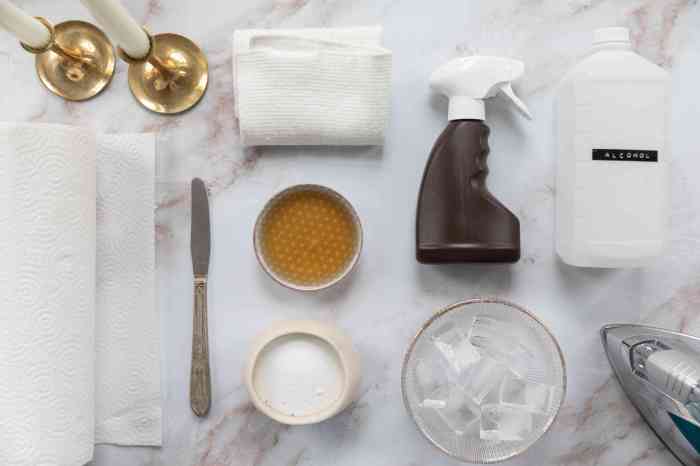
How to get candle wax out of carpet? This is a common household dilemma, and the solution often hinges on acting fast. Candle wax, whether paraffin, soy, or beeswax, can quickly embed itself into carpet fibers, leaving unsightly stains. Knowing the type of wax will help determine the best approach to removal. This guide provides a comprehensive breakdown of effective methods, from the quick-acting ice method to the heat-softening technique, and even dives into the use of cleaning solutions.
Safety precautions are also a key component, so let’s explore the best practices to remove candle wax from your carpets without causing further damage.
This guide walks you through various methods, including using ice to freeze and remove wax, applying heat to soften it, and employing blotting techniques to absorb the residue. It also provides essential information on cleaning solutions, including commercial options and natural alternatives. We’ll delve into safety precautions, different wax types, and how to prevent future candle wax spills.
Introduction to Candle Wax Removal

Candle wax stains on carpets can be a frustrating problem, often leaving unsightly marks that are difficult to remove. The challenge lies in the various types of waxes and their interaction with carpet fibers. Prompt action is crucial to prevent the wax from setting into the carpet fibers, making removal significantly more challenging. Understanding the different types of waxes and their properties is essential to choosing the right removal method.Candle wax stains can be a major concern, especially if the wax has been allowed to set.
Quick action is key to minimizing the damage and restoring the carpet to its original condition. The method of removal will vary depending on the type of wax, so a thorough understanding of the wax type is important. Different waxes, such as paraffin, soy, and beeswax, react differently with carpet fibers. This necessitates careful consideration of the specific type of wax involved.
Knowing the appropriate safety precautions is also paramount for a successful and safe removal process.
Candle Wax Types and Carpet Effects
Various types of candle waxes exhibit different properties that affect carpet fibers differently. Paraffin wax, often found in mass-produced candles, is prone to melting and spreading. Soy wax, a more environmentally friendly alternative, can also melt but may leave discoloration. Beeswax, a natural wax, can be more challenging to remove, potentially causing damage if not handled correctly. Understanding these differences is crucial to choosing the right removal method.
Safety Precautions for Candle Wax Removal
Safety is paramount when dealing with cleaning solutions and procedures for candle wax removal. Always test any cleaning solution in an inconspicuous area of the carpet first to ensure it doesn’t cause discoloration or damage. Use caution when applying heat or using chemicals. Follow product instructions carefully and wear appropriate protective gear, such as gloves and eye protection.
Ensure proper ventilation to avoid inhaling harmful fumes. These precautions will minimize the risk of accidents and ensure a successful cleaning process.
Wax Type and Removal Methods
| Wax Type | Recommended Removal Method | Potential Issues |
|---|---|---|
| Paraffin | Use ice and a spatula to carefully lift the wax. | Potential for scratching carpet fibers if not handled gently. |
| Soy | Apply gentle heat to soften the wax and blot it away with a clean cloth. | Possible discoloration of the carpet if heat is applied incorrectly. |
| Beeswax | Apply warm water and blot with a clean cloth. | Potential for damage to the carpet fibers if the water is too hot or the area is over-saturated. |
Careful consideration of the wax type and the potential issues associated with each removal method is essential to avoid damaging the carpet. Different wax types require different approaches to ensure effective removal without causing further harm to the carpet fibers.
Methods for Removing Candle Wax
Dealing with a sticky candle wax mishap on your carpet can be frustrating, but with the right approach, you can salvage your flooring. These methods provide effective solutions for removing candle wax stains without causing further damage.Effective wax removal hinges on understanding the wax’s physical state. Wax can be softened and loosened using either cold or heat, allowing for easier extraction and minimizing damage to the carpet fibers.
Different techniques work better for different types of wax and carpet.
The Ice Method for Candle Wax Removal
The ice method works best for quickly solidifying wax, making it easier to remove. It’s especially effective for delicate or sensitive carpet fibers, as the process doesn’t involve heat, reducing the risk of scorching or discoloration.Using ice effectively involves carefully freezing the wax, then gently scraping it away. This method is best for fresh wax spills.
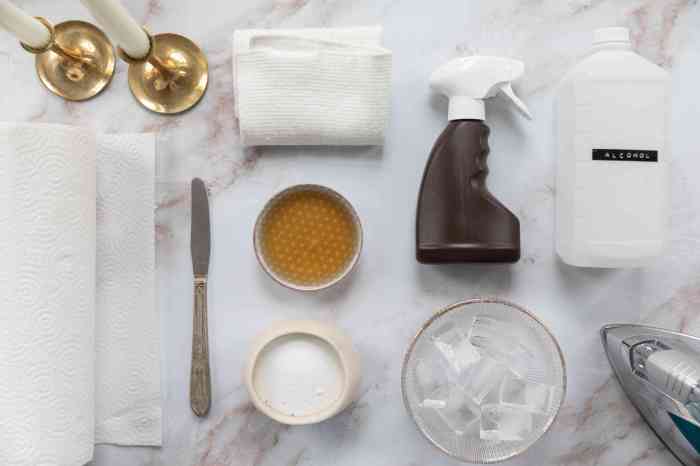
- Freezing the Wax: Wrap ice cubes or a block of ice in a paper towel or clean cloth. Place the ice directly onto the wax stain. Cover the entire wax area with ice to ensure even freezing. Let the ice sit for 10-15 minutes, or until the wax is completely solid. Avoid leaving the ice on for too long, as this could damage the carpet fibers.
- Carefully Scraping the Wax: Once the wax is solid, use a dull knife or a plastic spatula to gently scrape away the hardened wax. Work slowly and carefully, ensuring you don’t damage the carpet fibers beneath. Begin at the edges of the wax stain and work your way inward.
- Blot Remaining Residue: After scraping, blot the remaining wax residue with a clean cloth or paper towel. Use gentle, upward strokes to avoid spreading the stain. Continue blotting until the residue is gone.
The Heat Method for Candle Wax Removal
The heat method is effective for removing stubborn wax that hasn’t been frozen. It works by softening the wax, making it easier to lift away from the carpet. However, it’s crucial to be careful with heat, as excessive heat can damage the carpet fibers or cause discoloration.
- Heating the Wax: Use a low heat source, like a hairdryer on a low setting or a warm iron with a protective cloth between the iron and the carpet. Hold the heat source a few inches above the wax stain and move it in small, overlapping circles. Avoid concentrating the heat in one spot for too long.
- Scraping Softened Wax: Once the wax is softened, use a plastic spatula or a dull knife to gently scrape the softened wax away. Start at the edges of the stain and work your way inward. Avoid applying excessive pressure, which can damage the carpet.
- Blot Remaining Residue: After scraping, blot the remaining wax residue with a clean cloth or paper towel. Continue blotting until the stain is gone.
Comparison of Methods, How to get candle wax out of carpet
| Method | Step 1 | Step 2 | Step 3 |
|---|---|---|---|
| Ice Method | Freeze wax | Carefully scrape wax | Blot remaining residue |
| Heat Method | Heat wax | Scrape wax | Blot remaining residue |
| Blotting Method | Blot wax | Apply absorbent material | Remove absorbent material |
Using blotting materials like paper towels or clean cloths can help absorb any remaining wax residue. Paper towels are often readily available and effective, but clean cloths, especially those made of microfiber, can be more absorbent and gentler on delicate carpet fibers. For heavily soiled areas, consider using several layers of absorbent material for better results.
Cleaning Solutions and Their Application
Dealing with stubborn candle wax stains on your carpet can be frustrating. Choosing the right cleaning solution and applying it correctly is crucial to avoid further damage and restore your carpet’s pristine appearance. This section delves into various cleaning solutions, their application methods, and important considerations for safe and effective wax removal.Understanding the different cleaning solutions available, along with their appropriate application methods, is vital to successfully removing candle wax from carpets.
Proper preparation and testing are key to preventing unintended damage to your carpet fibers and achieving the best possible results.
Cleaning Solution Categories
Various cleaning solutions can be employed for stubborn wax stains, categorized by their effectiveness and safety. These categories allow you to choose the most suitable solution for your specific carpet type and wax residue.
Dealing with a sticky candle wax spill on your carpet? First, blot up as much wax as possible with a clean cloth. Next, carefully use a cool iron (placed through a thin towel) to draw out the remaining wax. While you’re at it, you might also be wondering if bleach is an effective roach killer. To find out if bleach is a viable option for getting rid of roaches, check out this article on does bleach kill roaches.
Once you’ve addressed the wax, you can move on to dealing with the potential roach problem, or just enjoy your newly wax-free carpet!
- Commercial Carpet Cleaners: Commercial carpet cleaners are often formulated with powerful surfactants and solvents. They can effectively lift wax stains, but they may also contain harsh chemicals that can damage delicate carpet fibers. Careful consideration of the carpet’s material and the cleaner’s ingredients is essential. Always test a cleaner on an inconspicuous area before applying it to the entire stain.
- Natural Cleaning Solutions: These solutions often utilize readily available household items like baking soda, dish soap, or rubbing alcohol. While generally safer for carpets, their effectiveness can vary depending on the type of wax and carpet fibers. Natural solutions usually require more effort and multiple applications.
Preparing and Applying Cleaning Solutions
Before applying any cleaning solution, it’s crucial to prepare the area and test the solution’s impact on an inconspicuous spot. This preventative measure ensures the chosen solution doesn’t damage your carpet fibers.
- Testing the Solution: Always test a cleaning solution on a hidden area of the carpet before applying it to the stain. This preliminary test will reveal the solution’s effect on the carpet fibers and allow you to adjust the application method or choose a different solution if necessary. This precaution avoids unexpected discoloration or damage to the carpet.
- Application Methods: Different solutions may require various application methods. For example, a baking soda paste might be applied directly to the stain, while a diluted solution of rubbing alcohol may require a damp cloth or sponge. The specific method should be tailored to the chosen cleaning solution and the type of carpet fiber.
Dilution Rates and Safety Precautions
Understanding the proper dilution rates for cleaning solutions is essential to avoid damaging the carpet. Excessive concentration can cause discoloration or damage, while insufficient concentration might not effectively remove the wax. Always follow the product instructions and test the solution in an inconspicuous area before applying it to the entire stain.
- Dilution Rates: Dilution rates for cleaning solutions vary significantly. Some solutions, like rubbing alcohol, may need to be diluted with water before application, while others, like dish soap, may be used directly. Always consult the product instructions or label for specific dilution recommendations.
- Safety Precautions: Take precautions when using any cleaning solution. Wear gloves and ensure proper ventilation. Some solutions may have specific safety warnings or instructions, so always read the label carefully and follow all instructions.
Comparison of Cleaning Solutions
The following table summarizes the pros and cons of different cleaning solutions, aiding in the selection of the most suitable option for your specific needs.
| Solution | Pros | Cons |
|---|---|---|
| Rubbing alcohol | Effective on many wax types; relatively quick drying | Can damage some carpet fibers; potentially flammable |
| Dish soap | Relatively safe; often readily available | Can leave a residue; may require multiple applications |
| Baking soda paste | Natural and safe; often effective on stubborn wax | Can be messy; may require more time and effort |
Preventing Future Candle Wax Stains
Candle wax stains on carpets can be a frustrating experience. Preventing these spills in the first place is far more convenient and less damaging than dealing with the aftermath. This section focuses on proactive measures to safeguard your carpets and furnishings from future candle wax disasters.
The Importance of Candle Holders
Candle holders are crucial for preventing wax spills. They provide a stable base for the candle, reducing the risk of accidental tipping and subsequent wax drips. Properly chosen candle holders also help contain any wax that might melt or drip, preventing it from spreading to surrounding surfaces.
Safe Handling Practices
Safe handling practices are essential to minimize the risk of candle wax stains. Always handle candles with care, ensuring they are not jostled or bumped. Avoid placing candles near flammable materials, and never leave burning candles unattended. Keeping children and pets away from candles is also critical for safety. Always use a sturdy candle holder and avoid using candles near curtains or other flammable materials.
Dealing with candle wax on your carpet can be a real pain, but thankfully, there are some effective solutions. First, you want to gently scrape off as much wax as possible. Then, blotting with a clean cloth is key, and for stubborn spots, try using a hairdryer on a low setting to soften the wax before blotting again.
This method also works well on other stubborn stains. Learning how to clean shoes like Crocs is a whole other ballgame, though, and if you want some great tips on that, check out this guide on how to clean crocs. Once you’ve dealt with the wax, you can then vacuum up any remaining residue.
Ensure the candle holder is stable and won’t tip over easily.
Preventing Drips onto Carpets
To prevent candle wax from dripping onto carpets, position candles a safe distance away from carpets and other fabric-covered surfaces. Consider using a heat-resistant surface beneath the candle holder. This will help prevent the candle’s heat from damaging the carpet or furniture. A suitable placement is essential to avoid drips and potential damage.
Positioning Candles Strategically
Strategically positioning candles away from carpets and furniture is paramount. Avoid placing candles directly on or near carpets. Use a sturdy surface like a table or mantelpiece, ensuring the candle holder is stable and the candle is not in danger of tipping over. If possible, keep candles at least 12 inches away from any fabric surfaces to reduce the risk of dripping.
Always place candles in a location where they will not be disturbed or knocked over.
Dealing with candle wax on your carpet can be a sticky situation, but thankfully, there are easy solutions. For instance, blotting up the wax with a paper towel is crucial, then you can try gently scraping off any excess. Learning how to clean cloth car seats can be surprisingly similar, with methods like using a damp cloth and mild detergent.
However, for stubborn candle wax, you might need to use a specific carpet cleaner or even a specialized spot remover, as detailed in the steps for how to clean cloth car seats. The key is to work quickly and carefully to prevent further damage to your carpet.
Potential Hazards and Mitigation Strategies
| Hazard | Mitigation Strategy |
|---|---|
| Wax drips | Use candle holders to contain drips. |
| Hot wax | Use candle holders and avoid placing candles too close to flammable materials. |
| Spills | Place candles away from carpets, furniture, and flammable materials. |
Troubleshooting and Additional Tips
Removing candle wax from carpets can be tricky, and sometimes things don’t go as planned. This section covers common pitfalls, how to handle stubborn wax, and specialized techniques for different carpet types. Understanding these nuances will help you confidently tackle any wax spill.
Common Mistakes to Avoid
Trying to remove wax too aggressively can damage the carpet fibers. Avoid using hot water, as this can melt the wax further into the fibers, making removal more challenging. Don’t rub the wax; this can spread the stain and embed the wax deeper. Always work from the outside of the stain inward to prevent spreading. Using harsh chemicals or abrasive tools can also cause irreversible damage.
Handling Set Wax
Wax that has hardened into the carpet requires a different approach. First, carefully scrape off as much excess wax as possible using a butter knife or a plastic spatula. Be gentle to avoid pulling out fibers. For stubborn wax, consider using a hairdryer on a low setting to gently heat the area. This will soften the wax, allowing for easier removal with a clean cloth or paper towels.
Carpet Type Considerations
Different carpet fibers react differently to cleaning solutions. Wool carpets, for example, are more delicate and susceptible to damage from harsh chemicals. Avoid using harsh solvents or scrubbing vigorously. Nylon carpets are generally more resilient but can still be damaged by prolonged exposure to heat or moisture. Always test any cleaning solution on an inconspicuous area first to ensure it won’t cause discoloration or damage.
Troubleshooting Cleaning Solutions
Certain cleaning solutions may not be effective on all carpet types or in all situations. If a solution doesn’t lift the wax, try a different method or a more gentle solution. For instance, a diluted dish soap solution might be effective where rubbing alcohol isn’t. If the stain persists, consider professional carpet cleaning services.
Removing Wax from Specific Carpet Types
- Wool Carpets: Use a soft brush or a clean cloth dampened with a mixture of lukewarm water and mild dish soap. Gently blot the stain, avoiding harsh scrubbing. Never use hot water or harsh chemicals. Allow the area to air dry thoroughly.
- Nylon Carpets: A mixture of white vinegar and water may help loosen the wax. Apply the solution to the stain and blot with a clean cloth or paper towels. Avoid saturating the carpet, as this can damage the fibers. Always test the solution in an inconspicuous area first.
Comprehensive Checklist for Wax Spills
- Assess the situation: Determine the type of carpet and the size of the wax spill.
- Gather your supplies: Have on hand a clean cloth or paper towels, a plastic spatula, a hairdryer (low setting), rubbing alcohol, a mild dish soap solution, and white vinegar.
- Scrape off excess wax: Use a plastic spatula or butter knife to gently scrape off as much wax as possible.
- Apply heat (if needed): Carefully use a hairdryer on a low setting to soften the remaining wax.
- Blot, don’t rub: Blot the stain with a clean cloth or paper towel, working from the outside in to prevent spreading.
- Test cleaning solution: Test a small amount of your chosen cleaning solution on an inconspicuous area of the carpet.
- Apply solution: Gently apply the cleaning solution to the stain and blot until the wax is lifted.
- Allow to dry: Allow the carpet to air dry completely.
Last Point: How To Get Candle Wax Out Of Carpet
In conclusion, removing candle wax from carpets can be tackled effectively with the right approach. Understanding the type of wax and acting quickly are crucial. By following the methods Artikeld here, from using ice and heat to blotting and using cleaning solutions, you can successfully tackle those pesky candle wax stains. Prevention is key, and by remembering the tips provided, you can minimize the chance of future spills and keep your carpets looking their best.
Happy cleaning!