

How to declutter kitchen counters? This guide dives deep into the art of transforming a chaotic countertop into a functional and beautiful workspace. From identifying the culprits of clutter to implementing effective storage solutions, we’ll explore every step to achieve a kitchen that’s both organized and aesthetically pleasing. Get ready to reclaim your counter space and enjoy a more harmonious cooking environment.
We’ll cover everything from evaluating your current items to choosing the right storage containers, and even delve into maintaining a clutter-free environment long-term. We’ll also look at how to organize specific items like spices, utensils, and appliances. It’s all about finding a system that works for
-you* and your unique kitchen setup.
Identifying Clutter Sources
Kitchen counters, despite their intended functionality, often become dumping grounds for various items. This accumulation, often perceived as minor, can significantly impact workflow and overall kitchen aesthetics. Identifying the sources of this clutter is the first step toward creating a more organized and functional space.
Common Kitchen Counter Clutter Items
A multitude of items contribute to kitchen counter clutter. These range from everyday essentials to occasional necessities, and even items that might not be used regularly. Understanding these categories is crucial for effective decluttering.
- Frequently used items like spices, condiments, and cooking utensils.
- Everyday essentials such as mail, phone chargers, and small appliances.
- Items associated with meal preparation like cutting boards, measuring cups, and serving dishes.
- Temporary storage items such as takeout containers, grocery bags, and newspapers.
- Seasonal or infrequently used items like holiday decorations or out-of-season cookware.
Categorizing Items by Use Frequency
A crucial aspect of decluttering is understanding how often each item is used. This helps prioritize storage solutions and ensures that frequently used items are easily accessible while infrequently used items are stored away.
- High-Frequency Use: Items used daily or multiple times a day. These include everyday cooking utensils, spices, and commonly used appliances.
- Medium-Frequency Use: Items used a few times a week. These might include certain serving dishes or seasonal cooking equipment.
- Low-Frequency Use: Items used only occasionally or seasonally. Examples include holiday decorations, seldom-used appliances, or out-of-season cookware.
Assessing Item Value and Importance
Not all items on the counter are equally valuable or important. This assessment involves evaluating the item’s utility, its emotional significance, and its overall contribution to your kitchen’s functionality.
Taming kitchen counters is all about strategic organization. First, get rid of anything you haven’t used in three months. While you’re at it, consider swapping out your current seating for some seriously comfy bean bag chairs, like the ones featured in this review of best bean bag chairs. They’ll instantly transform your kitchen from a cluttered workspace to a relaxing hangout.
Then, group similar items together and use attractive containers to store the rest, keeping your counters looking sleek and tidy.
- Functionality: Does the item serve a purpose in the kitchen? Is it broken or damaged? Does it still perform its intended function?
- Sentimental Value: Does the item hold any emotional significance? If so, is it truly irreplaceable or can a similar item fulfill its function?
- Practicality: Is the item genuinely useful in the current layout and workflow of the kitchen? Or is it just taking up space?
Storage Solutions for Different Use Frequencies
Different storage solutions are suited for items with varying use frequencies. This ensures easy access to frequently used items and efficient storage for those used less often.
| Item Category | Use Frequency | Storage Solution |
|---|---|---|
| Spices and Condiments | High | Spice rack, drawer organizers, or countertop spice jars |
| Cooking Utensils | High | Drawer organizers, utensil holders, or hanging pot rack |
| Serving Dishes | Medium | Cabinets, decorative trays, or drawer dividers |
| Out-of-Season Cookware | Low | Cabinets, storage containers, or designated shelves |
| Seasonal Decorations | Low | Boxes, designated storage spaces, or out-of-sight cabinets |
Impact of Sentimental Attachment on Decluttering Decisions
Sentimental attachment to items can significantly influence decluttering decisions. Acknowledging these attachments is crucial for making informed choices that align with your needs and the space’s purpose.
- Identify the emotional connection: Understanding why an item holds sentimental value can help determine whether to keep or discard it.
- Seek alternatives: Consider if a similar item can fulfill the same function without the emotional attachment.
- Establish a designated area: A special box or designated space for sentimental items can help manage and limit their presence on the counter.
Evaluating and Discarding Items

Decluttering your kitchen counters is about more than just tidying up; it’s about creating a space that truly works for you. A crucial step in this process is evaluating and discarding items you no longer need or use. This allows you to reclaim valuable counter space and reduce the feeling of clutter.A systematic approach to evaluating items will help you make informed decisions and ensure a successful decluttering experience.
By asking yourself the right questions and using a structured method, you can quickly and effectively identify what to keep, donate, sell, or discard.
Evaluating Items, How to declutter kitchen counters
To efficiently evaluate items on your counter, consider a structured approach. Begin by examining each item individually and asking yourself a series of questions. This process helps you connect with the items and determine their true value to you.
Questions to Ask Yourself
Here are some questions to ask yourself about each item:
- Have I used this item in the past month?
- Do I need this item?
- Is this item in good condition?
- Is this item something I truly enjoy using?
- Does this item serve a specific purpose that I still require?
- Is there a similar item I could use instead?
- Can this item be easily replaced if needed?
Categorizing Items
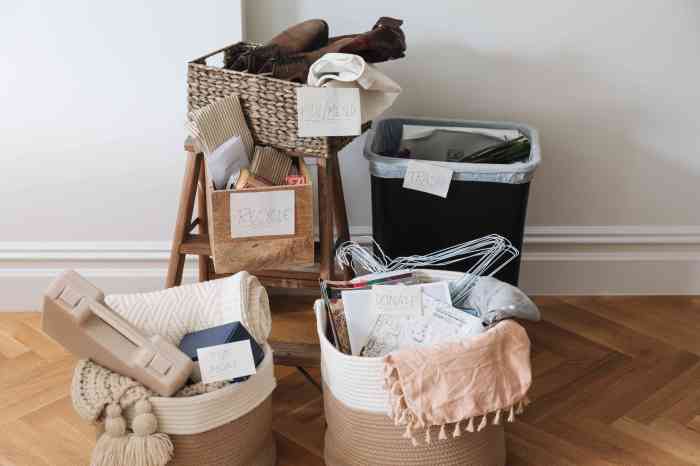
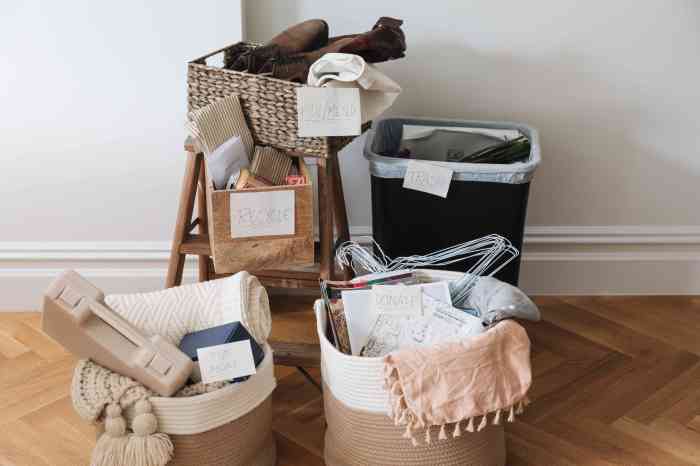
Once you’ve evaluated each item, categorize them into one of four piles: “keep,” “donate,” “sell,” and “discard.” This structured approach will help you quickly identify items that need to be removed.
- Keep: Items that are essential, frequently used, and in good condition.
- Donate: Items that are in good condition but you no longer need or use. Consider local charities or shelters.
- Sell: Items that are in good condition and might have value, such as unused kitchen gadgets or tools. Platforms like online marketplaces or local classified ads are helpful.
- Discard: Items that are broken, damaged, or unusable. Proper disposal is important, and for certain items, local regulations might apply.
Discarding Unwanted Items
Discarding unwanted items requires a methodical approach to ensure proper disposal and prevent potential hazards. The following table Artikels the steps involved in discarding unwanted items.
| Step | Description |
|---|---|
| 1 | Identify the items to be discarded. |
| 2 | Check for any potential hazards or safety concerns before discarding the items. |
| 3 | Ensure the items are properly packaged or contained to prevent spills or damage during transport. |
| 4 | Dispose of the items according to local regulations. For hazardous materials, consult with local authorities. |
Realistic Expectations
Setting realistic expectations is crucial for a successful decluttering experience. Don’t aim for perfection; focus on progress. One small decluttering session can make a significant difference. It’s important to acknowledge that complete elimination of all clutter might not be achievable in one go. Instead, strive for gradual improvement over time.
Implementing Storage Solutions
Transforming a cluttered kitchen counter into an organized haven hinges on smart storage solutions. Careful selection and strategic placement of containers and organizers can significantly improve both the aesthetic and functional aspects of your kitchen space. This phase is about maximizing the utility of every inch, ensuring everything has a designated home, and maintaining a pleasing visual harmony.Effective storage solutions are not just about tidiness; they’re about creating a workspace that fosters efficiency and enjoyment in the kitchen.
Thoughtful organization makes meal preparation and cleanup smoother, allowing you to focus on the culinary process rather than wrestling with a chaotic counter.
Storage Options for Kitchen Counter Items
Choosing the right storage solution depends on the item being stored and the available space. Different storage options offer varying degrees of accessibility, aesthetic appeal, and functionality.
- Baskets: Woven baskets are versatile and can accommodate various items like fruits, vegetables, or even baking supplies. Their natural textures add a warm and inviting touch to the kitchen. Baskets can be placed directly on the counter or stacked on shelves, offering a visually appealing way to group similar items. However, baskets may not be ideal for smaller, delicate items or those needing easy access.
Some baskets can be quite bulky, so consider the available space carefully.
- Containers: Clear containers are excellent for showcasing ingredients or storing dry goods. They offer transparency, making it easy to locate items quickly. Different sizes and shapes of containers allow for tailored organization within drawers or on shelves. They are great for maintaining a clean and organized look. However, too many containers can quickly overwhelm the space, so be strategic in your selection.
- Drawers: Drawers provide a dedicated space for storing utensils, small appliances, or other frequently used items. Utilizing drawer dividers can keep items from shifting and prevent clutter. This allows for easy access and a well-defined space for specific categories of items. Drawers offer excellent accessibility but can become disorganized if not managed properly.
Comparing Aesthetic Appeal of Storage Solutions
The visual impact of storage solutions plays a crucial role in the overall kitchen design. Consider the materials, colors, and patterns of the containers when selecting storage options. Matching or coordinating storage containers with the kitchen’s existing color scheme can create a cohesive and aesthetically pleasing look.
- Clear containers are generally favored for their ability to show the contents, allowing for an immediate visual of what’s stored inside. This is beneficial for quick inventory of items and prevents having to open everything to locate an ingredient. However, they might not be suitable for items that need to be hidden from view, like condiments or items that can easily become damaged by light.
- Opaque containers, on the other hand, can be preferable for storing items that you want to conceal or those that might be susceptible to discoloration or damage from light exposure. This offers a sense of order and visual simplicity, making the counter appear more organized and less cluttered. However, opaque containers might make locating items a bit more challenging.
- Wooden or woven baskets bring a natural and warm feel to the kitchen. They can complement a variety of kitchen styles, from farmhouse to modern. Their natural texture adds visual interest and warmth to the space. However, they might not be as suitable for storing items that require frequent access due to their design.
Space-Saving Storage System for Small Kitchens
Small kitchen counters necessitate a highly efficient storage system. Prioritize vertical space utilization to maximize storage capacity. Stackable containers and wall-mounted organizers are ideal for this purpose.
Utilizing Vertical Space
Vertical storage solutions are crucial for maximizing space in a small kitchen. Consider utilizing wall-mounted shelves or hanging organizers to keep frequently used items within easy reach.
Organizing Items Within Storage Containers
Maintaining visual appeal within storage containers involves grouping similar items and ensuring that the containers are filled to a reasonable level. This prevents items from shifting or becoming lost within the container. Keeping items upright, where possible, will ensure a neater look. Labeling containers can also be beneficial for quick identification.
Maintaining a Clutter-Free Environment
Successfully decluttering your kitchen counters is just the first step. Maintaining a clutter-free space requires consistent effort and a proactive approach. This involves establishing routines, incorporating daily habits, and regularly reviewing your storage solutions. By integrating these practices into your daily life, you can transform your kitchen from a chaotic space to a functional and organized haven.Maintaining a clutter-free kitchen counter is an ongoing process, not a one-time fix.
It’s about building good habits and making the organization of your kitchen a part of your daily routine. This requires mindful actions and a commitment to consistent upkeep.
Daily Habits to Prevent Clutter
Implementing daily habits is crucial for preventing clutter from accumulating. These simple actions, when incorporated into your routine, significantly contribute to a sustained clutter-free environment. Consistency is key.
- “One in, one out” Rule: This simple rule is vital. Every time you introduce a new item to your counter, make a conscious effort to remove an equivalent item. This prevents overaccumulation and maintains a balanced, functional space. For example, if you bring a new cookbook to the counter, remove an old one that you no longer use.
- Designated Spots for Items: Assign a specific location for each frequently used item. This eliminates guesswork and ensures items are consistently returned to their designated spot. For instance, mugs belong on the mug rack and utensils in the utensil drawer.
- Post-Meal Cleanup: Immediately after meals, wipe down counters and put dishes away. This prevents the accumulation of dirty dishes and crumbs, and avoids creating a build-up of clutter.
- Wipe Down Counters Regularly: Dedicate a few minutes each day to wipe down counters and remove any spills or crumbs. This simple act helps maintain a clean and organized space.
- “Empty the Counter” Ritual: Make it a habit to clear your counters at the end of each day. Put items away, or clean up any spills. This ensures a clean and clutter-free workspace for the next day.
Establishing Routines for Putting Items Away
Establishing routines for putting items away is key to maintaining a clutter-free kitchen. These routines should be specific and straightforward, allowing you to effortlessly maintain order.
- Designated Zones: Divide your counter into designated zones for different categories of items (e.g., spices, cooking utensils, ingredients). This will help you quickly locate items and ensure they are returned to their proper spot.
- Visual Reminders: Use visual reminders to reinforce your routines. For example, a small note or a picture on your countertop can remind you to clear the counter each evening.
- Timing Your Routine: Tie your routine to specific times. For instance, after each meal, or at the end of each day, you put items away. This creates a consistent pattern and makes it a habit.
The “One In, One Out” Concept
The “one in, one out” principle is a simple yet effective strategy for managing clutter. It promotes a controlled environment and prevents the accumulation of unnecessary items.
The “one in, one out” rule encourages mindful consumption and prevents your kitchen from becoming overcrowded.
This principle is particularly helpful for items that are frequently rotated, such as cookbooks, recipe cards, or similar items.
Weekly Decluttering Checklist
A weekly checklist provides a structured approach to maintain your clutter-free kitchen. This approach ensures you address potential clutter issues regularly.
| Day | Action |
|---|---|
| Monday | Wipe down all counters and surfaces. |
| Tuesday | Check for items that are no longer used or needed. |
| Wednesday | Check for overflowing drawers and cabinets. |
| Thursday | Organize any frequently used items. |
| Friday | Review storage solutions and update them if necessary. |
Reviewing and Updating Storage Solutions
Regularly reviewing and updating your storage solutions is crucial. Your needs and habits may evolve over time, and your storage solutions should adapt accordingly.This ensures that your storage solutions remain effective and that you continue to maintain a clutter-free kitchen. For instance, if you start using a new type of cookware frequently, your storage solutions may need adjusting.
Visual Organization and Aesthetics
Transforming your kitchen counters from cluttered to curated is a journey of visual appeal as much as practical efficiency. Beyond the functionality of storage, the aesthetic impact of your counter space significantly affects the overall ambiance of your kitchen. Careful consideration of visual organization techniques and the incorporation of decorative elements can elevate your kitchen from functional to inspiring.Beyond simply tidying up, a visually appealing counter space fosters a sense of calm and order, making meal preparation and enjoying meals more enjoyable.
Visual Organization Techniques
Strategic placement of items plays a vital role in creating a visually organized counter. Group similar items together, keeping frequently used items within easy reach. This reduces the feeling of clutter and enhances the flow of your daily routine. Consider using a combination of different heights and depths for your storage containers, preventing a monotonous look. This also allows for easier access to items stored at various levels.
For instance, smaller, frequently used items can be placed in easily accessible front-facing locations, while larger or less frequently used items can be stored in the back.
Color Coordination and Visual Harmony
Color coordination is a powerful tool for creating a visually cohesive and pleasing kitchen counter. Using a cohesive color palette, whether monochromatic, analogous, or complementary, fosters a sense of visual harmony. This can be achieved by choosing containers and decorative items that complement the existing color scheme of your kitchen. For instance, if your cabinets are a light beige, choosing containers in warm terracotta tones or soft greens will create a harmonious aesthetic.
Avoid overwhelming the space with too many different colors. Stick to a limited color palette to maintain a clean and organized look.
Decorative Elements
Adding personal touches through decorative elements can significantly enhance the visual appeal of your kitchen counters. Small potted plants, decorative bowls, or framed artwork can introduce personality and warmth to the space. Carefully curated decorative elements can add depth and visual interest without overwhelming the space. For example, a collection of ceramic bowls in varying shades of blue placed strategically can add visual interest and a touch of elegance.
Clear Containers for Visibility
Clear containers are invaluable for maintaining visibility and organization. They allow you to see the contents inside, preventing you from having to dig through stacks of items to find what you need. Clear containers also visually lighten the space, making the counter feel less cluttered. Using clear glass jars or acrylic containers can showcase your ingredients, spices, or other kitchen essentials in an attractive and accessible manner.
Arranging Frequently Used Items
Frequently used items should be within easy reach and arranged in a way that maximizes accessibility without sacrificing visual appeal. Consider using a small, stylish tray to group items like utensils, measuring cups, or frequently used condiments. A well-arranged arrangement of frequently used items makes daily tasks easier and more efficient.
Aesthetic Styles for Kitchen Counter Organization
| Style | Color Palette | Key Elements |
|---|---|---|
| Modern Minimalist | Neutral tones (white, gray, black, beige) | Sleek lines, clear containers, few decorative elements |
| Rustic Farmhouse | Warm tones (wood tones, terracotta, cream) | Wooden trays, vintage-inspired items, woven baskets |
| Coastal Chic | Blues, whites, greens, light wood tones | Seashells, nautical decor, glass jars |
| Bohemian | Earthy tones (terracotta, browns, greens) | Macrame, natural fibers, colorful textiles |
Specific Counter Items and Storage
Taming the kitchen counter often involves strategic storage solutions for various items. A well-organized counter not only enhances the aesthetic appeal of the space but also promotes efficiency in your daily cooking routines. Effective storage prevents clutter and allows for quick access to essential tools and ingredients.Proper organization streamlines workflows, reducing the time spent searching for specific items and preventing accidents.
Keeping your kitchen counters clutter-free is key to a peaceful cooking space, but sometimes pesky ants can be a real problem, especially around hummingbird feeders. To avoid the ant invasion, you might consider using some creative solutions like using a mesh cover or placing the feeder in a shallow dish of water. Once your hummingbird feeder is ant-free, you can return to the task of decluttering your counters, focusing on essential items and discarding anything unnecessary.
Check out these tips on how to keep ants out of hummingbird feeders for some clever tricks.
By implementing thoughtful storage solutions, you can transform a chaotic countertop into a functional and visually appealing workspace.
Spice and Condiment Storage
Organizing spices and condiments requires a blend of accessibility and visual appeal. A dedicated spice rack or drawer organizer is highly recommended for this purpose. This helps maintain order and ensures easy identification of each spice.
- Labeling: Labeling each spice jar or container with the name of the spice is crucial for quick identification. This practice reduces confusion and saves time when preparing meals.
- Grouping: Group spices by category (e.g., herbs, peppers, etc.) to further enhance organization. This can be done in a drawer or on a shelf, depending on the space available.
- Clear containers: Clear containers allow for immediate identification of the contents without opening the container. This aids in preventing mistakes in the kitchen.
Utensil Organization
Efficient storage of frequently used utensils is key to maintaining a clutter-free counter. Utensils should be readily available but not obstruct the countertop’s workflow.
- Pot racks and utensil holders: Pot racks and utensil holders can be hung on the wall or placed on the counter, depending on the space. These holders can be made of various materials, from metal to wood, to complement your kitchen’s aesthetic.
- Drawer dividers: Using drawer dividers to separate utensils by type (e.g., spoons, knives, whisks) prevents them from shifting and colliding. This promotes a neat and orderly appearance.
- Magnetic strips: Magnetic strips can be a smart solution for storing knives and other metal utensils. These strips can be mounted on the wall or on the inside of a cabinet door.
Small Appliance Storage
Small appliances and gadgets should be stored in a manner that preserves their functionality and keeps them readily available.
Clearing clutter from my kitchen counters is key to a calm kitchen vibe. It’s amazing how much a tidy space can affect your mood! Plus, it’s easier to find things when everything has its place. Thinking about those beautiful zinnias in my garden, I’ve noticed how similar decluttering is to reviving their vibrant blooms. To get those zinnias back to their best, check out this simple guide on how to make zinnias bloom again.
Once you’ve tackled the counters, your kitchen will feel like a whole new space, ready to inspire culinary creations!
- Designated areas: Allocate specific areas on the counter or in cabinets for each appliance to avoid clutter and confusion. This will allow for faster access when needed.
- Storage containers: Use storage containers or bins to organize smaller appliances or gadgets. These containers not only protect the appliances but also contribute to a tidy appearance.
- Stackable trays: Stackable trays are an excellent choice for organizing small appliances like blenders, food processors, or mixers. These trays can be placed on shelves or countertops, adding both practicality and visual appeal.
Under-Counter Storage
Maximizing under-counter space is essential for storing items not used daily.
- Pull-out drawers: Pull-out drawers are highly effective for accessing items stored under the counter without having to move other items. This type of storage solution promotes a smooth workflow.
- Bins and baskets: Using bins and baskets to store items under the counter creates organized compartments, making it easy to locate items. This also aids in the overall aesthetic appeal of the space.
- Shelving: Installing shelving units under the counter can effectively utilize vertical space, offering a multitude of storage solutions.
Pull-Out Spice Rack Integration
A pull-out spice rack offers unparalleled convenience. It’s designed for ease of access, eliminating the need to rummage through drawers or shelves.
- Installation: A pull-out spice rack can be integrated into existing cabinetry or installed as a stand-alone unit, depending on the layout and available space.
- Accessibility: The pull-out design significantly improves accessibility to spices, condiments, and other frequently used items, reducing search time and maintaining a neat appearance.
Illustrative Examples
Decluttering your kitchen counters is more than just tidying up; it’s about creating a functional and aesthetically pleasing space. Seeing examples of well-organized and clutter-free counters can be incredibly inspiring and provide practical ideas for your own kitchen. These examples will illustrate different approaches and storage solutions, ranging from minimalist elegance to themed organization.Visualizing different styles of kitchen counter organization can be highly beneficial.
Understanding how various storage solutions and aesthetics work in practice can greatly inform your own decluttering and organization choices.
A Well-Organized Kitchen Counter
A well-organized kitchen counter is a functional space that seamlessly integrates storage with aesthetics. It’s characterized by a clear, unobstructed surface area that’s free of unnecessary items. Essential tools and ingredients are easily accessible, while less frequently used items are stored neatly away. Counters should not feel overcrowded, but rather offer a sense of calm and efficiency.
- A countertop might feature a sleek, stainless steel cutting board, a set of knives in a magnetic strip, and a small, decorative bowl for fruit or herbs. A few well-placed spice jars are visible, but everything else is stored in cabinets or drawers.
- The counter is clean and free of crumbs or spills. A simple, attractive utensil holder is placed within easy reach.
A Cluttered Kitchen Counter
A cluttered kitchen counter presents a stark contrast to the well-organized example. It’s a space overwhelmed by items, making it difficult to find what you need and potentially posing a safety hazard. The abundance of items often leads to a sense of chaos and stress.
- A cluttered counter might have stacks of dishes, overflowing spice jars, various appliances, and miscellaneous items piled haphazardly.
- The surface is often covered with food remnants, paper towels, and other clutter, making it difficult to navigate the space.
A Kitchen Counter with Effective Appliance Storage
Effective appliance storage keeps your kitchen counters clutter-free while ensuring appliances are easily accessible.
- A good example includes a slim, under-counter appliance organizer. This could neatly house a blender, food processor, and stand mixer. The appliance organizer slides out for easy access, but is otherwise hidden when not in use.
- This solution prevents appliances from taking up precious counter space, while keeping them readily available when needed.
An Organized Spice Rack
A well-organized spice rack is crucial for easy spice retrieval and maintaining a tidy counter space.
- A spice rack can be mounted on the wall, keeping the counter free of clutter. Each spice is labeled clearly, and the rack is organized alphabetically or by category.
- This ensures that you can locate the desired spice quickly and easily without rummaging through a disorganized collection.
A Minimalist Kitchen Counter
A minimalist kitchen counter emphasizes simplicity and functionality. It’s characterized by a clean, uncluttered surface, using only essential items, and a neutral color palette.
- A minimalist kitchen counter may feature a sleek, marble countertop with a few carefully selected items, such as a cutting board, a set of knives, and a small bowl of fresh herbs. Storage is concealed in drawers and cabinets.
- The minimalist style emphasizes the beauty of the space’s natural elements and creates a calm, uncluttered atmosphere.
A Themed Kitchen Counter
A themed kitchen counter creates a cohesive and visually appealing space, often reflecting a specific hobby or interest.
- A themed counter, for example, could showcase a collection of vintage coffee mugs and teapots, neatly organized and displayed in a corner cabinet. A designated space could house cookbooks and recipe cards, perhaps organized by region or cuisine.
- The thematic organization adds personality and enhances the overall appeal of the kitchen.
Conclusion: How To Declutter Kitchen Counters
In conclusion, decluttering your kitchen counters is a journey, not a sprint. By following these steps, you’ll not only gain a more organized space but also create a more functional and aesthetically pleasing kitchen. Remember, it’s about finding the right balance between efficiency, storage, and personal style. With a little planning and the right strategies, you can achieve a kitchen counter that’s both beautiful and practical.
So, grab your containers, get ready to declutter, and enjoy the space you create.