



How to clean couch cushions effectively is a crucial skill for maintaining a clean and comfortable living space. Different fabric types and fillings require specific care, and neglecting proper cleaning can lead to various problems, from unsightly stains to potentially damaging the cushions themselves. This guide dives deep into the world of couch cushion cleaning, providing step-by-step instructions and expert advice to keep your furniture looking its best for years to come.
From identifying different fabric types to addressing stubborn stains, this guide equips you with the knowledge and tools to tackle any couch cushion cleaning challenge. We’ll explore the importance of pre-cleaning inspections, the best cleaning solutions for various materials, and how to maintain your cushions for optimal longevity. Get ready to transform your couch from drab to fab!
Introduction to Couch Cushion Cleaning: How To Clean Couch Cushions
Keeping your couch cushions clean is crucial for maintaining the aesthetic appeal and longevity of your furniture. Regular cleaning not only prevents the build-up of dirt, stains, and odors, but also extends the lifespan of your cushions, protecting the investment you’ve made. A clean couch creates a more welcoming and hygienic living space, promoting comfort and well-being.Couch cushions come in a wide variety of materials, each requiring a unique cleaning approach.
From the plush softness of velvet to the durable strength of microfiber, understanding the fabric type and filling material is essential for effective and safe cleaning. Different types of fillings, such as down, foam, or fiber, will also influence the best cleaning methods. Ignoring these factors can lead to irreversible damage, so proper knowledge is key.
Couch Cushion Fabric Types and Cleaning
Understanding the different fabric types of your couch cushions is paramount to choosing the right cleaning method. Different fabrics react differently to cleaning solutions and techniques. This knowledge is essential to prevent damage and maintain the condition of your furniture.
| Fabric Type | Cleaning Method | Precautions | Recommended Products |
|---|---|---|---|
| Velvet | Spot clean with a mild detergent solution and a soft cloth. Avoid harsh scrubbing. Professional cleaning is often recommended for deep cleaning. | Do not use bleach or harsh chemicals. Test cleaning solutions in an inconspicuous area first. | Mild dish soap, specialized velvet cleaner. |
| Microfiber | Spot clean with a damp cloth or a specialized microfiber cleaner. Avoid excessive moisture. | Do not use harsh chemicals or abrasive cleaners. | Microfiber cleaning solution, mild dish soap. |
| Linen | Spot clean with a damp cloth or a mild detergent solution. Allow to air dry completely. | Avoid using harsh chemicals or excessive water. Avoid putting linen cushions in a washing machine. | Mild detergent, white vinegar (diluted). |
| Leather | Clean with a damp cloth and a leather cleaner specifically designed for the type of leather. Avoid water damage. | Do not use abrasive cleaners. Allow leather to dry completely before use. | Leather cleaner, leather conditioner. |
| Polyester | Spot clean with a damp cloth and a mild detergent solution. Allow to air dry completely. | Avoid excessive moisture, harsh chemicals, and scrubbing. | Mild detergent, upholstery cleaner. |
Potential Consequences of Neglecting Cleaning
Ignoring the cleaning of your couch cushions can have significant repercussions on both the aesthetics and the structural integrity of your furniture. Over time, dirt, stains, and spills can accumulate, leading to the development of unpleasant odors and potentially permanent damage.Failure to clean your couch cushions can lead to the development of mold or mildew, particularly in humid environments.
This can cause irreversible damage to the fabric and filling of the cushions. Furthermore, neglecting cleaning can result in the buildup of dust mites, allergens, and bacteria, potentially impacting the health and well-being of your family. In severe cases, neglect can even lead to structural damage or premature wear and tear of the couch cushions.
Gathering Supplies and Equipment
Arming yourself with the right tools and cleaning solutions is crucial for a successful couch cushion cleaning endeavor. Knowing what supplies to gather and how to use them effectively will prevent damage to your cushions and ensure a thorough, safe cleaning process. Choosing the right equipment based on your couch’s material is vital for a successful outcome.
Essential Cleaning Supplies
A comprehensive cleaning arsenal is essential for tackling various cushion materials. This section details the crucial supplies needed for a successful clean, from basic cleaning solutions to specialized tools.
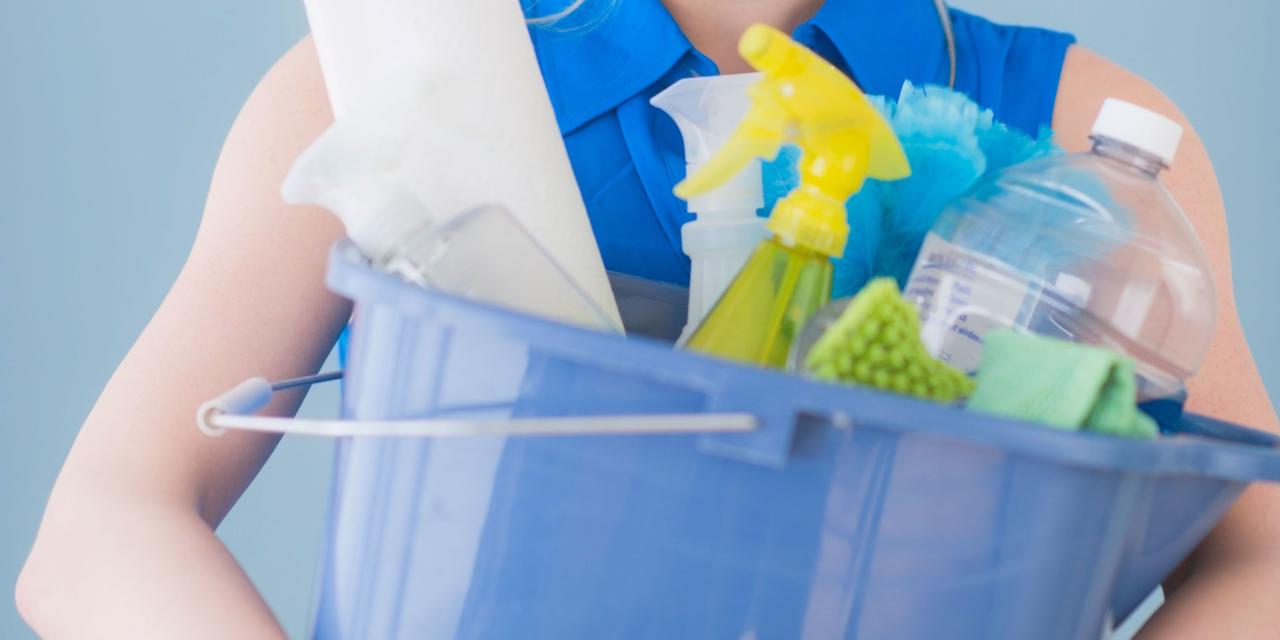
- Vacuum Cleaner with Attachments: A powerful vacuum cleaner with upholstery attachments is a must-have for removing loose dirt, dust, and debris from the cushions. A crevice tool is especially useful for reaching into tight spaces and corners.
- Cleaning Solutions: The right cleaning solution depends heavily on the cushion’s fabric. A gentle, specialized cleaning solution is preferred over harsh chemicals to avoid damaging the fabric.
- Microfiber Cloths: Soft, absorbent microfiber cloths are ideal for applying and wiping away cleaning solutions without scratching the cushion material. They are also effective for blotting up excess moisture.
- Scrub Brush: A soft-bristled scrub brush is helpful for tackling stubborn stains or dirt, particularly on more textured fabrics.
- Bucket and Sponges: A clean bucket and a set of clean sponges are vital for rinsing and cleaning the tools used. This helps maintain cleanliness and prevents cross-contamination.
- Protective Gear: Wear gloves to protect your hands from harsh chemicals and potential irritants. Eye protection is also recommended if using strong cleaning agents.
Choosing the Right Cleaning Tools
The choice of cleaning tools is directly related to the material of your couch cushions. Different materials require different approaches to avoid damage or ineffective cleaning.
- Fabric Type: For delicate fabrics like silk or velvet, use a gentle cleaning solution and a soft-bristled brush or microfiber cloth. Avoid harsh scrubbing, as this can damage the fabric.
- Stain Type: Different stains require specific cleaning solutions. For example, a protein-based stain (like blood or egg) might require a specialized stain remover. Always test a cleaning solution on an inconspicuous area first to prevent unexpected color changes or damage.
- Cushion Filling: The type of filling material in the cushions will also influence the cleaning process. For example, foam cushions generally don’t require soaking but should be treated gently to avoid damaging the foam structure. Down or feather cushions may need specialized cleaning methods.
Cleaning Solution Checklist
This checklist ensures you have everything you need before starting the cleaning process.
- Vacuum Cleaner
- Cleaning solution (appropriate for fabric type)
- Microfiber cloths
- Scrub brush (soft-bristled)
- Bucket and sponges
- Protective gloves and eye protection (if using strong chemicals)
Cleaning Solution Guide
This table provides a general guide to cleaning solutions and their uses, along with important precautions.
| Cleaning Solution | Use | Precautions |
|---|---|---|
| Mild Dish Soap | Removing general dirt and grime | Dilute with water; test on an inconspicuous area first |
| Baking Soda Paste | Removing stubborn stains and odors | Apply a paste, let it sit, then brush gently |
| White Vinegar | Removing some stains and odors; disinfecting | Dilute with water; avoid using on delicate fabrics |
| Specialized Stain Remover | Treating specific stains (e.g., blood, grease) | Follow product instructions carefully; test on a hidden area first |
Pre-Cleaning Inspection and Preparation
Before diving into the cleaning process, a thorough pre-cleaning inspection is crucial for a successful outcome. This step allows you to identify potential problems, assess the fabric’s condition, and plan the most effective cleaning strategy. Proper preparation minimizes damage to your couch and ensures the best possible results.A careful pre-cleaning inspection is akin to a medical diagnosis—it helps you understand the specific needs of your couch cushions before treatment.
By identifying potential problems early, you can prevent further damage and ensure that the cleaning process is tailored to the specific condition of your furniture.
Identifying Potential Stains
Understanding the origin of a stain is essential for choosing the right cleaning method. Different stains require different approaches, and knowing the source can save you time and effort, potentially preventing permanent damage. For instance, a coffee spill requires a different treatment than a grease stain.
- Food and Drink Spills: Quickly blotting up spills is key to minimizing damage. Different liquids react differently to various cleaning solutions. A sugary drink, for example, will require a different treatment than a juice spill.
- Grease and Oil Stains: These often require a more aggressive approach, sometimes involving specialized cleaning agents. Careful blotting and then applying a cleaning solution specific to grease or oil stains is crucial to avoid spreading the stain.
- Ink and Marker Stains: These can be particularly stubborn. Identifying the type of ink (ballpoint, felt-tip, etc.) will help determine the appropriate cleaning agent. Professional help may be needed for difficult-to-remove ink stains.
Assessing Fabric and Filling Condition
The condition of the fabric and filling material directly impacts the cleaning process. Knowing the material type and its current state allows you to tailor your approach and avoid potential damage. A delicate fabric will require a gentler cleaning method than a more durable one.
- Fabric Type Identification: Determine the fabric composition (cotton, linen, polyester, etc.). Different fabrics respond differently to cleaning agents. For example, a delicate silk or wool fabric might require a specialized cleaning solution or professional cleaning.
- Filling Condition Evaluation: Inspect the filling material for any signs of damage, such as holes or tears. If the filling is damaged, professional cleaning might be necessary to avoid further damage to the cushion.
Protecting Furniture During Cleaning
Protecting your furniture is paramount to prevent further damage during the cleaning process. This involves covering the surrounding area and using appropriate cleaning tools.
Cleaning couch cushions can be tricky, but a good deep clean is essential. One thing to consider when tackling the task is whether mothballs will deter mice. You might be tempted to use them around your furniture, but before you do, check out if they’re actually effective at keeping mice away from your house by reading this informative article on will mothballs keep mice away.
Regardless of the results, be sure to thoroughly vacuum and spot clean any stains before tackling the next stage of cleaning your cushions.
- Protecting Surrounding Surfaces: Cover the floor and any other surfaces that might be exposed to cleaning agents or water to prevent damage. Use drop cloths or old newspapers to protect the area around the couch.
- Choosing Appropriate Cleaning Tools: Using soft-bristled brushes or microfiber cloths helps prevent scratching or damage to the fabric. Avoid using abrasive tools or harsh chemicals that could damage the couch’s fabric or filling.
Cleaning Procedures for Different Cushion Types
Couch cushions come in a myriad of materials, from luxurious velvet to durable microfiber. Understanding the specific characteristics of each fabric and filling is crucial for a successful cleaning process. This ensures that your cushions retain their beauty and comfort while avoiding damage. Different cleaning methods are required for different cushion types to maintain their quality and longevity.Cleaning different cushion types requires specific techniques to prevent damage and maintain their original quality.
This section will provide detailed guidance on cleaning procedures tailored to various fabric types and fillings, ensuring optimal results and minimizing the risk of ruining your cushions.
Cleaning those couch cushions can be a real chore, but a little know-how goes a long way. First, vacuum thoroughly to remove loose debris. Then, consider using a gentle cleaning solution, like a mixture of mild dish soap and water, for tougher stains. For more stubborn marks, you might find some helpful tips on how to grow morning glories how to grow morning glories surprisingly applicable, particularly for delicate fabrics.
Finally, remember to blot, not rub, and allow the cushions to air dry completely before placing them back on the couch.
Cleaning Microfiber Cushions
Microfiber fabrics are known for their stain resistance and easy maintenance. They are generally quite durable, and their tightly woven structure makes them less prone to damage. Proper cleaning is essential to maintain the fabric’s appearance and avoid attracting dirt. Regular cleaning helps maintain the fabric’s natural properties, including its resistance to staining.
Cleaning couch cushions can be a real pain, but it’s totally doable! First, you need to spot-treat any stains, then vacuum thoroughly. For tougher messes, consider looking into specialized cleaning solutions. Knowing how to repair rotted wood can be helpful if you have a frame that needs attention – check out how to repair rotted wood for some great tips.
Once you’ve tackled any underlying issues, you can focus on revitalizing the cushions themselves with a gentle, specialized cleaner. It’s all about taking care of the details!
- Vacuum regularly: Use a vacuum cleaner with a soft brush attachment to remove dust, dirt, and loose debris. This is a crucial initial step to prevent build-up and staining.
- Spot clean spills immediately: Blot up any spills with a clean, absorbent cloth. Avoid rubbing, as this can spread the stain and potentially damage the fabric. Work from the outside of the stain inward.
- Use a mild detergent solution: For more stubborn stains, mix a small amount of mild, liquid detergent with lukewarm water. Test the solution on an inconspicuous area first to ensure it doesn’t damage the fabric. Apply the solution to the stain, blot with a clean cloth, and rinse thoroughly with clean water.
- Allow to air dry completely: Avoid using a hairdryer or direct heat sources. Air drying ensures that the fabric doesn’t shrink or become damaged.
Cleaning Velvet Cushions
Velvet cushions add a touch of elegance and texture to any seating area. However, their delicate nature requires careful handling during cleaning. Proper care extends the life of the cushions, preserving their softness and plush appearance.
- Vacuum gently: Use a vacuum cleaner with a soft brush attachment to remove dust and debris. Avoid using excessive suction, as this can damage the velvet’s delicate fibers.
- Spot clean immediately: Blot any spills with a clean, absorbent cloth. Avoid scrubbing or rubbing the stain, as this can damage the velvet’s surface. Work from the outside of the stain inward.
- Use a specialized velvet cleaner: If a stain persists, use a cleaning solution specifically designed for velvet. Follow the product instructions carefully.
- Air dry completely: Allow the cushion to air dry in a well-ventilated area. Avoid direct sunlight or heat sources to prevent damage.
Cleaning Linen Cushions
Linen cushions offer a natural, rustic charm. Their breathable nature makes them ideal for warmer climates. The unique characteristics of linen fabric require special attention during cleaning.
- Vacuum regularly: Use a vacuum cleaner with a soft brush attachment to remove dust and debris.
- Spot clean immediately: Blot up spills with a clean, absorbent cloth, working from the outside of the stain inward. Avoid harsh scrubbing.
- Wash with cool water and mild detergent: If the cushion is machine washable, follow the care instructions on the tag. Use a gentle cycle and a mild detergent. If hand-washing is necessary, use cool water and a mild detergent, ensuring thorough rinsing.
- Air dry completely: Allow the cushion to air dry completely before replacing it on the furniture. Avoid direct sunlight or heat sources.
Cleaning Foam Cushions
Foam cushions are common in many furniture pieces due to their affordability and comfort. Foam cushions require careful handling during cleaning, as they can easily be damaged.
- Vacuum regularly: Remove dust and debris with a vacuum cleaner with a soft brush attachment.
- Spot clean with mild detergent: If spills occur, blot immediately with a clean, absorbent cloth. A diluted mild detergent solution can be used for persistent stains.
- Avoid excessive moisture: Foam cushions can absorb moisture and become damaged. Avoid submerging them in water or using excessive amounts of cleaning solutions.
Cleaning Down Cushions
Down cushions provide exceptional softness and warmth. Their delicate nature requires careful handling and specialized cleaning methods to prevent damage. Down cushions are a luxury choice for seating, but require more care.
- Professional cleaning recommended: Due to the delicate nature of down, professional cleaning is strongly recommended for down cushions.
- Vacuum regularly: Use a vacuum cleaner with a soft brush attachment to remove surface dirt and debris.
- Spot clean with a gentle cleaning solution: For minor spills, blot immediately with a clean, absorbent cloth. A diluted cleaning solution can be used for persistent stains, but professional cleaning is highly recommended.
| Fabric Type | Step 1 | Step 2 | Step 3 |
|---|---|---|---|
| Microfiber | Vacuum regularly | Spot clean spills immediately | Use mild detergent solution |
| Velvet | Vacuum gently | Spot clean immediately | Use specialized velvet cleaner |
| Linen | Vacuum regularly | Spot clean immediately | Wash with cool water and mild detergent |
Addressing Stains and Odors
Couch cushions, whether made of velvet, linen, or microfiber, are susceptible to various stains and odors. Understanding the causes and employing the right cleaning methods is crucial for maintaining the beauty and longevity of your furniture. This section will delve into identifying common stains, providing specific removal procedures, and outlining strategies for eliminating persistent odors, while emphasizing the importance of preventative measures.Effective stain and odor removal requires a multifaceted approach.
Simply spraying a cleaner on a stain and wiping it away may not always be enough. Different materials and stains require tailored solutions. Spot cleaning is essential for immediate action, but a comprehensive deep clean is often necessary to address deeper issues. This section will detail these procedures to help you confidently maintain your couch’s pristine condition.
Common Couch Cushion Stains and Their Causes
Couch cushions are prone to a variety of stains, each with its own source. Identifying the stain’s origin is crucial for choosing the right cleaning method. Food spills, drinks, and pet accidents are frequent culprits. Understanding the type of stain will help you avoid spreading it further and choose the most effective cleaning agent.
Specific Stain Removal Procedures
| Stain Type | Cause | Cleaning Procedure |
|---|---|---|
| Food Spills (e.g., sauces, coffee) | Accidental spills, meals | Blot up excess immediately with a clean cloth. For liquid stains, gently dab with a clean, damp cloth. Apply a specialized stain remover, following product instructions. Rinse and blot dry. |
| Drink Spills (e.g., wine, juice) | Accidental spills, refreshments | Act quickly. Blot up excess liquid. Apply a gentle, specialized stain remover, following product instructions. Rinse with cool water and blot dry thoroughly. |
| Pet Accidents (e.g., urine, feces) | Pet accidents | Act quickly to prevent the stain from setting. Blot up excess liquid with a clean cloth. Use an enzymatic cleaner specifically designed for pet stains and odors. Rinse thoroughly and allow to air dry completely. |
| Ink | Accidental marker or pen spills | Blot up excess ink with a clean cloth. Apply a specialized ink remover, following product instructions. Rinse with cool water and blot dry. |
Removing Persistent Odors
Persistent odors, often stemming from pet accidents or spills, can be more challenging to eliminate. Enzymatic cleaners are highly effective in breaking down organic matter responsible for odors. Allow ample time for the cleaner to work and air out the cushions thoroughly. Baking soda can also be used as a natural deodorizer. Sprinkle it on the affected area, let it sit for several hours, and vacuum it up.
Spot Cleaning vs. Deep Cleaning
Spot cleaning is crucial for immediate stain removal, preventing the stain from setting and spreading. Deep cleaning, on the other hand, is necessary for addressing more persistent stains and odors. This involves a more comprehensive cleaning process, including the use of specialized cleaning solutions, and thorough rinsing and drying. Deep cleaning is generally recommended for more significant soiling or odor issues.
Preventative Measures
Preventative measures are key to minimizing the occurrence of stains and odors. Using placemats and coasters can prevent spills. Regularly vacuuming and inspecting your couch cushions can help you identify and address issues early. Providing designated areas for pets to relieve themselves can also help prevent accidents. Furthermore, keeping spills contained and cleaning them up promptly will significantly reduce the risk of permanent stains and odors.
Post-Cleaning Care and Maintenance
Bringing your couch cushions back to life after a deep clean is just half the battle. Proper post-cleaning care is crucial for ensuring their longevity and preventing future issues like mold or lingering odors. This phase involves more than just letting them dry; it’s about preserving your investment and keeping your couch looking its best for years to come.
Drying and Airing Out Cushions
Proper drying is vital to prevent mold and mildew growth. Different cushion types require varying drying methods. For removable cushions, lay them flat in a well-ventilated area, away from direct sunlight. Use fans to circulate air and speed up the process. Avoid placing them near heat sources, as this can cause the fabric to shrink or become brittle.
For non-removable cushions, focus on thorough air circulation around the cushions to ensure even drying.
Preventing Mold and Mildew
Mold and mildew thrive in damp environments. To prevent their growth, ensure adequate ventilation after cleaning. Keep cushions in a well-ventilated area, preferably outdoors, and away from sources of moisture, such as leaky pipes or humidifiers. Regular inspection of the cushions, especially in areas prone to moisture, is essential. If mold or mildew appears, address it promptly by thoroughly cleaning the affected areas with a solution of bleach and water (following product instructions carefully).
Importance of Proper Ventilation
Proper ventilation is essential for the complete drying of the cushions and to prevent the growth of mold or mildew. Open windows, use fans, or place the cushions in a well-ventilated area to accelerate the drying process. Ensure that the area is not prone to moisture build-up. Avoid placing cushions in enclosed spaces or areas with poor air circulation.
The faster the cushions dry, the lower the risk of mold or mildew forming.
Extending the Lifespan of Your Couch Cushions
Regular maintenance is key to extending the life of your couch cushions. Protecting them from everyday wear and tear will keep them looking their best and save you from costly replacements. Prevention is always better than cure. Using protective covers or slipcovers can shield them from spills, stains, and everyday wear and tear.
Maintenance Tasks for Keeping Cushions Clean, How to clean couch cushions
Regular maintenance is crucial for preventing stains and odors and extending the life of your couch cushions. A proactive approach to cleaning and care will help maintain the beauty and longevity of your furniture.
- Regular Vacuuming: Vacuuming your cushions regularly removes dust, dirt, and debris that can lead to stains and odors. This simple step prevents buildup and makes deep cleaning less frequent.
- Spot Cleaning: Addressing spills immediately is crucial to preventing permanent stains. Use a clean cloth or paper towel to absorb the spill, then apply a gentle cleaning solution to the affected area. Avoid scrubbing, which can damage the fabric.
- Protective Covers: Protective covers or slipcovers are a great way to shield your cushions from everyday wear and tear. They protect the cushions from spills, stains, and general wear and tear, prolonging their lifespan.
- Professional Cleaning: Periodic professional cleaning can remove deep-seated stains, dirt, and odors that regular cleaning may not address. Consult a professional cleaning service if you notice stubborn stains or odors.
Troubleshooting Common Cleaning Issues
Cleaning your couch cushions can sometimes lead to unexpected problems. Understanding potential issues and how to address them is crucial to maintaining your furniture’s beauty and longevity. This section provides a comprehensive guide to common cleaning problems and effective solutions.
Identifying Water Damage
Water damage is a frequent concern when cleaning couch cushions. Improper water application or using excessive amounts of water can lead to water stains, mold growth, and even structural damage. Carefully consider the type of fabric your cushions are made of before applying water or any cleaning solution.
Avoiding Fabric Damage
Incorrect cleaning methods can easily damage the fabric of your couch cushions. Harsh scrubbing, using abrasive cleaning agents, or excessive heat can lead to fading, discoloration, and even rips or tears. Always test cleaning solutions in an inconspicuous area first to ensure they won’t harm the fabric. A gentle approach is key to preventing damage.
Dealing with Stubborn Stains
Certain stains, like ink or oil, can be incredibly stubborn. Standard cleaning solutions may not be enough to completely remove them. If a stain persists, consider using specialized stain removers, but always follow the product instructions carefully. Using too much of a stain remover can also cause issues, so be cautious.
Addressing Cleaning Inaccuracies
Sometimes, cleaning efforts don’t yield the desired results. This might be due to the type of stain, the fabric’s composition, or even the cleaning method itself. If standard cleaning methods don’t work, consulting a professional upholstery cleaner can be a viable option. This is especially important for delicate or intricate fabrics.
Table of Common Cleaning Issues and Solutions
| Issue | Possible Cause | Solution |
|---|---|---|
| Water stains | Excessive water application, improper drying | Allow cushions to air dry completely, blot up excess moisture with a clean cloth. |
| Fabric damage (fading, discoloration) | Using harsh cleaning agents, abrasive scrubbing | Use gentle cleaning solutions, avoid harsh scrubbing or excessive heat. |
| Stubborn stains (ink, oil) | Incorrect cleaning method, lack of specialized stain remover | Test stain removers in a hidden area first, follow product instructions. |
| Cleaning method ineffective | Stain type, fabric type, or inappropriate cleaning method | Consider consulting a professional upholstery cleaner. |
Safe Practices and Precautions
Couch cushion cleaning can be a straightforward task, but safety should always be paramount. Following proper precautions minimizes risks and ensures a successful cleaning process without compromising your health or damaging your furniture. These measures are crucial for both personal safety and the longevity of your couch.
Safety Measures During Cleaning
Proper safety measures are essential during the cleaning process. These prevent accidents and ensure a safe environment for cleaning. Understanding these steps is vital to avoid potential harm.
- Wear appropriate personal protective equipment (PPE), such as gloves and eye protection. This protects your hands from harsh chemicals and your eyes from splashes or irritants. For instance, if using bleach or ammonia-based solutions, eye protection is crucial.
- Always test cleaning solutions in an inconspicuous area of the cushion before applying them to the entire surface. This ensures the solution doesn’t damage the fabric or cause discoloration.
- Keep children and pets away from the cleaning area to prevent accidents or exposure to cleaning solutions.
- Never mix cleaning solutions without consulting the product labels. Mixing incompatible chemicals can create dangerous fumes or harmful reactions.
- Work in a well-ventilated area. Proper ventilation is essential to avoid inhaling harmful fumes or vapors released by cleaning solutions.
Using Appropriate Cleaning Solutions
Using the right cleaning solutions is crucial for both effective cleaning and safety. Choosing the correct solution prevents damage to the couch fabric and ensures a thorough clean.
- Always follow the manufacturer’s instructions on the cleaning solution packaging. These instructions provide crucial information on dilution rates, application methods, and precautions.
- Select cleaning solutions appropriate for the fabric type of your couch cushions. Using a solution designed for a different fabric type might cause damage or unintended results.
- Choose cleaning solutions with minimal harsh chemicals. Solutions containing ammonia or bleach should be used with caution and diluted properly, according to the manufacturer’s instructions.
- Avoid using abrasive cleaners or scrub brushes, which can damage the cushion fabric. Gentle scrubbing can remove stubborn stains without causing damage.
Protecting Yourself from Chemical Exposure
Protecting yourself from chemical exposure is paramount during the cleaning process. Proper precautions prevent allergic reactions, skin irritation, and respiratory issues.
- Always wear gloves when handling cleaning solutions to prevent skin contact with potentially harmful chemicals.
- Work in a well-ventilated area to minimize the inhalation of fumes or vapors from cleaning solutions.
- Rinse thoroughly any area that comes in contact with cleaning solutions. This ensures that residual chemicals do not cause irritation or damage.
- In case of contact with chemicals, flush the affected area with water immediately and seek medical attention if necessary.
Importance of Ventilation During Cleaning
Proper ventilation is crucial to minimize the risk of inhaling harmful fumes during the cleaning process. Adequate airflow reduces the concentration of chemicals in the air, preventing health risks.
- Open windows and doors to allow fresh air to circulate in the cleaning area. This dilutes the concentration of cleaning solution vapors.
- Use a fan to increase airflow and expedite the drying process. This minimizes the time you are exposed to fumes and speeds up the overall cleaning process.
- Ensure proper ventilation when using cleaning solutions containing volatile organic compounds (VOCs). These chemicals can have adverse health effects.
- If possible, move the cleaning process outdoors to benefit from the natural ventilation.
Safety Tips for Cleaning Couch Cushions
A list of practical safety tips is essential for preventing accidents and ensuring a smooth cleaning process. These tips will enhance your cleaning efforts while prioritizing safety.
- Always test cleaning solutions in an inconspicuous area before applying them to the entire cushion.
- Store cleaning solutions in a cool, dry place, out of reach of children and pets.
- Read and follow all safety instructions on cleaning solution labels.
- If you are unsure about a cleaning solution, consult with a professional cleaner.
- Never leave cleaning solutions unattended.
- Be mindful of your surroundings while working, ensuring you are not likely to trip or fall.
- Use a damp cloth to wipe away spills immediately, to prevent stains from setting in.
- If you experience any adverse reaction during the cleaning process, discontinue use and seek medical attention.
Epilogue
In conclusion, cleaning your couch cushions doesn’t have to be a daunting task. By understanding the specific needs of your fabric and filling types, following the detailed procedures Artikeld in this guide, and prioritizing safety precautions, you can keep your couch looking pristine and extending its lifespan. Regular cleaning, combined with proper maintenance, ensures a comfortable and aesthetically pleasing living environment.
Armed with this knowledge, you can confidently tackle any cleaning project, leaving your couch looking its best.