



How to clean car interior effectively is a crucial skill for any car owner. A clean car interior not only enhances the aesthetic appeal but also improves the overall driving experience and can even help maintain the value of your vehicle. This guide covers everything from prepping your car for cleaning and understanding different interior materials, to cleaning specific components like seats and carpets, removing stubborn stains and odors, and maintaining a clean interior long-term.
Get ready to transform your car’s interior into a pristine haven!
This comprehensive guide details the crucial steps for achieving a sparkling clean car interior. We’ll explore various cleaning methods tailored to different materials, from fabric to leather and vinyl, ensuring your vehicle’s interior looks its best. We’ll also delve into the specifics of cleaning individual components, providing detailed instructions and product recommendations. Finally, we’ll equip you with strategies for maintaining a clean interior over time.
Introduction to Car Interior Cleaning
Keeping your car’s interior clean is more than just aesthetics; it’s essential for maintaining its value and preserving its lifespan. A clean interior minimizes the accumulation of dirt, grime, and odors, which can damage upholstery, reduce the car’s resale value, and create an unpleasant environment for passengers. Regular cleaning also helps prevent the spread of bacteria and allergens, promoting a healthier and more hygienic driving experience.A clean interior reflects well on the owner, making a positive first impression and enhancing the overall driving experience.
Proper cleaning extends the life of your car’s materials, preventing premature wear and tear. By following the right techniques and using the correct products, you can effectively clean your car’s interior without damaging its components.
Preparing the Car Interior for Cleaning
Before embarking on a deep clean, preparation is key. Gather the necessary supplies and take safety precautions to ensure a smooth and efficient cleaning process. This includes a vacuum cleaner, various cleaning solutions (for different materials), microfiber cloths, and protective gear like gloves. Ensure you have all the cleaning products appropriate for your car’s materials (fabric, leather, vinyl) and take note of any specific instructions or precautions for each material.
It is crucial to protect yourself from harsh chemicals by wearing gloves and ensuring proper ventilation during the cleaning process.
Cleaning your car’s interior can be a tedious task, but a little elbow grease goes a long way. One tip I’ve found super helpful is to use a microfiber cloth for wiping down surfaces – it picks up dust and dirt like crazy. Plus, you could try adding some of those lovely tall low light plants tall low light plants to your car for a fresh, clean ambiance.
They’ll also help filter the air, making the cleaning process even more effective and creating a healthier environment for you inside your car.
Different Types of Car Interiors and Cleaning Methods
Cars have diverse interior materials, each requiring specific cleaning techniques. Understanding these differences is vital for effective and safe cleaning.
- Fabric interiors, such as cloth seats, are susceptible to stains and dirt. Regular vacuuming and spot cleaning are essential. Using the appropriate fabric cleaner can maintain the integrity of the fabric and prevent damage. Always test any cleaning solution on an inconspicuous area of the fabric first to avoid unintended discoloration or damage.
- Leather interiors demand gentle handling. Using specialized leather cleaners and conditioners is crucial for maintaining the leather’s suppleness and preventing cracking. Harsh chemicals should be avoided, as they can dry out and damage the leather. Leather cleaning should be done with soft cloths and gentle pressure.
- Vinyl interiors are commonly found in dashboards, door panels, and other hard surfaces. All-purpose cleaners and microfiber cloths are effective for vinyl surfaces. Vigorous scrubbing should be avoided, as it can lead to scratches or damage the surface.
Comparison of Cleaning Methods for Different Materials
The table below provides a concise comparison of cleaning methods for various interior materials, outlining the appropriate cleaning techniques, products, and precautions to follow.
Keeping your car’s interior spotless is a breeze, but sometimes the chill of winter can make it a bit tougher. Just like you’d want to cozy up your bedroom with a few tricks, like checking out how to warm up your bedroom in winter here , a little extra attention to detail is key. A quick vacuum and a wipe-down will make a huge difference in maintaining a clean and comfortable car interior.
| Material | Cleaning Method | Specific Products | Precautions |
|---|---|---|---|
| Fabric | Spot cleaning, vacuuming, upholstery cleaning | Fabric cleaner, spot remover | Test cleaning in inconspicuous area |
| Leather | Leather cleaner, conditioner | Leather cleaner, conditioner | Avoid harsh chemicals |
| Vinyl | All-purpose cleaner, microfiber cloth | All-purpose cleaner | Wipe gently |
Cleaning Specific Interior Components
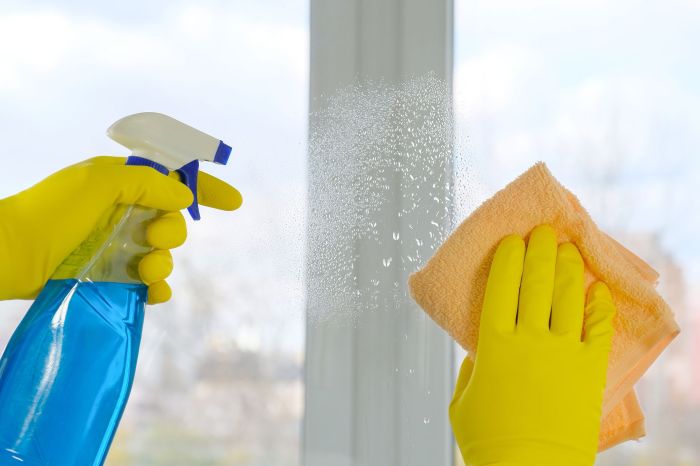
Taking care of your car’s interior is crucial for maintaining its value and your comfort. Regular cleaning not only improves the aesthetics but also prevents the buildup of dirt, dust, and allergens, contributing to a healthier and more pleasant driving experience. Proper cleaning methods also extend the lifespan of your car’s interior materials.Cleaning specific interior components requires different approaches, as each material reacts differently to cleaning solutions.
Knowing the correct procedures and using the right products can make a big difference in achieving a sparkling clean interior. This section will detail the specific steps for cleaning your dashboard, seats, carpets, headliners, and sun visors.
Cleaning the Dashboard
The dashboard, often the first point of contact, accumulates dust and grime easily. A simple cleaning routine can significantly improve its appearance. Begin by removing loose dust and debris using a soft brush or vacuum attachment. Next, use a slightly damp microfiber cloth and a mild all-purpose cleaner to wipe down the surface, ensuring you avoid harsh scrubbing that can damage the dashboard’s finish.
For stubborn marks or stains, use a dedicated dashboard cleaner or a diluted solution of the all-purpose cleaner. Crucially, always test any cleaning solution in an inconspicuous area first to ensure it doesn’t affect the dashboard’s material or color.
Cleaning Car Seats
Maintaining clean and comfortable seats is essential for a pleasant driving experience. The cleaning process varies depending on the fabric type. For fabric seats, begin by vacuuming to remove loose dirt and debris. For spot cleaning, apply a fabric cleaner specifically designed for your seat material, following the manufacturer’s instructions. Treat any stains immediately with a stain remover appropriate for the type of stain.
Leather seats require a different approach. Use a leather cleaner and conditioner to maintain their softness and prevent drying. Always check the product instructions and avoid using harsh chemicals.
Cleaning Car Carpets and Floor Mats
Carpets and floor mats collect a significant amount of dirt and grime over time. Regular cleaning prevents the buildup of odor and damage to the fibers. Start by vacuuming the carpets thoroughly, paying close attention to areas around the pedals and floor mats. For stubborn stains, use a carpet cleaner or upholstery cleaner. If the stain is significant, consider professional extraction services for deep cleaning.
Sprucing up your car’s interior is a rewarding task. First, tackle those pesky crumbs and spills, then move onto the seats and dashboard. Don’t forget about the headliner, though! For optimal longevity, understanding your car’s roof lifespan and replacement tips is key, as a well-maintained headliner will extend your vehicle’s interior’s lifespan and improve the overall appearance.
roof lifespan and replacement tips can help you determine the best time for a replacement. Once that’s done, you can confidently tackle the final steps of cleaning, ensuring a spotless and refreshed car interior.
Ensure the cleaning solution is appropriate for the carpet material. When dealing with spills, act quickly to prevent the stain from setting.
Cleaning Car Headliners and Sun Visors
The headliner and sun visors are often overlooked but play a crucial role in the overall interior appearance. Regular cleaning keeps them looking fresh and prevents the accumulation of dust and debris. For headliners, use a soft brush or vacuum attachment to remove dust. For stubborn stains, apply a mild cleaning solution with a microfiber cloth. Clean the sun visors with a damp microfiber cloth and a mild all-purpose cleaner, focusing on removing smudges and fingerprints.
Avoid harsh scrubbing, as it can damage the material.
Cleaning Steps for Interior Components, How to clean car interior
| Component | Cleaning Steps | Specific Products | Precautions |
|---|---|---|---|
| Dashboard | Dust, wipe, spot treat | All-purpose cleaner, microfiber cloth | Test cleaning in hidden area |
| Seats (Fabric) | Vacuum, spot clean, treat stains | Fabric cleaner, stain remover | Follow manufacturer’s instructions |
| Carpets | Vacuum, spot clean, extract stains | Carpet cleaner, upholstery cleaner | Use appropriate extraction tools |
| Headliners | Dust, wipe with mild solution | Mild cleaning solution, microfiber cloth | Avoid harsh scrubbing |
| Sun Visors | Wipe with damp cloth and mild cleaner | All-purpose cleaner, microfiber cloth | Avoid harsh scrubbing |
Removing Stains and Odors
Dealing with spills and lingering smells in your car’s interior can be a frustrating experience. Fortunately, with the right techniques and products, you can effectively tackle these issues and restore your car’s pristine condition. Proper stain removal is crucial to prevent permanent damage and maintain the overall cleanliness and aesthetic appeal of your vehicle.Addressing stains and odors promptly is essential to avoid permanent damage and maintain a pleasant interior environment.
Early intervention minimizes the chances of stains setting in, making the cleaning process easier and more effective.
Common Stain Removal Techniques
Different stains require different approaches. Understanding the nature of the stain is the first step towards successful removal. For instance, a greasy food stain may require a different solution than a sugary drink spill. Always test any cleaning solution on an inconspicuous area first to avoid unintended damage to the upholstery or other materials.
Removing Food and Drink Stains
Food and drink spills are common occurrences in a car, and their treatment depends heavily on the type of material they are spilled on. For fabric upholstery, blotting the stain with a clean cloth or paper towel is crucial to prevent the stain from spreading. For leather or vinyl, using a specialized leather or vinyl cleaner is essential to avoid damaging the material’s surface.
For stubborn stains, consider using a mixture of mild dish soap and water, or a specialized stain remover designed for the specific material.
Addressing Pet Stains and Odors
Pet accidents can be a significant challenge, especially regarding the persistent odors. Commercial pet stain removers are specifically formulated to tackle the organic components of pet waste, breaking down the odor-causing molecules effectively. Using a mixture of white vinegar and water in a spray bottle can also help neutralize the odor. Crucially, avoid harsh scrubbing or excessive moisture, which can damage the upholstery or lead to water spots.
Always follow the product instructions carefully to achieve optimal results.
Neutralizing Odors
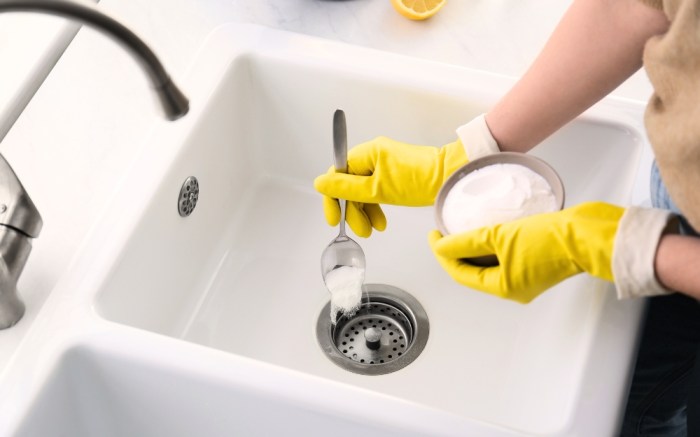
A combination of strategies is often necessary to eliminate odors. A good starting point is to thoroughly clean the affected area to remove any remaining residue. Then, introduce odor neutralizers. Baking soda is an excellent absorbent and can be sprinkled directly on the affected area and left for several hours or overnight to absorb odors. Activated charcoal is another effective odor absorber and can be placed in a container within the car.
Odor eliminator sprays are commercially available and are often designed for car interiors, offering a convenient solution. Vinegar is also a natural deodorizer and can be sprayed onto the affected area, though it may leave a noticeable scent that requires additional steps to neutralize.
Effective Stain and Odor Removal Products
A variety of products can assist in removing stains and neutralizing odors. For fabric upholstery, specialized fabric cleaners and stain removers are beneficial. For leather or vinyl, dedicated leather and vinyl cleaners are essential. For persistent odors, odor eliminator sprays are a good option.
Odor Neutralizers List
- Baking soda: A versatile odor absorber that can be sprinkled on affected areas and left for a few hours or overnight.
- Activated charcoal: Effective in absorbing odors, place it in a container inside the car.
- Odor eliminator sprays: Commercially available, often specifically formulated for car interiors. Always follow the product instructions.
- Vinegar: A natural deodorizer, but may leave a scent that needs further neutralization. Dilute it with water for use.
Maintaining a Clean Car Interior
A clean car interior not only enhances the aesthetic appeal but also reflects well on the owner. Regular maintenance plays a crucial role in preventing grime and odors from accumulating, saving you time and effort in the long run. Proactive steps, such as establishing a cleaning schedule and understanding common culprits of dirt buildup, are key to preserving your vehicle’s interior.Proactive cleaning is essential for maintaining a car’s interior.
By consistently following a cleaning schedule and understanding the causes of dirt and grime, you can keep your vehicle looking its best and protect it from long-term damage.
Regular Cleaning Schedules
A regular cleaning schedule is crucial for preventing dirt and grime buildup. This proactive approach saves time and effort compared to extensive deep cleaning sessions. A consistent schedule prevents minor issues from escalating into more significant problems.
- Weekly Quick Cleanings: Dedicate 15-30 minutes each week to a quick clean. This involves wiping down surfaces, vacuuming carpets, and addressing any spills immediately. This simple routine prevents dirt from settling and becoming embedded in the interior materials.
- Monthly Deep Cleaning: Schedule a more thorough cleaning once a month. This includes cleaning upholstery, thoroughly vacuuming all surfaces, and cleaning hard-to-reach areas like crevices and air vents. This step ensures that all accumulated dirt and grime are removed.
- Quarterly Detailing: Every three months, consider a professional detailing session, or dedicate a significant portion of time to a thorough cleaning and conditioning. This will help maintain the condition of your car’s interior materials and accessories, extending their lifespan.
Avoiding Dirt and Grime Buildup
Understanding the sources of dirt and grime is vital for preventing buildup. By identifying common culprits and implementing preventative measures, you can maintain a clean interior.
- Food and Drink Spills: Immediate action is key. Wipe up spills promptly to prevent stains and odors from setting in. Using appropriate cleaning solutions tailored to the affected materials is important. Never let spills linger.
- Pet Hair and Debris: Regular vacuuming and the use of pet-friendly cleaning products will keep hair and debris from accumulating in carpets and upholstery. Brushing your pet before entering the car can also minimize the amount of hair transferred into the interior.
- Outdoor Elements: Protecting the interior from harsh weather conditions, such as direct sunlight and rain, can help prevent fading and damage to materials. Parking in shaded areas and using protective covers are recommended.
Protecting the Car Interior
Protecting the car’s interior from damage is crucial for maintaining its value and longevity. Preventive measures can significantly reduce the need for costly repairs.
- Use Floor Mats: Floor mats protect the carpets from dirt, spills, and wear and tear. Choose durable, washable mats that effectively trap debris. This prevents dirt and moisture from seeping into the car’s carpets and upholstery.
- Protective Covers: Using seat covers or other protective coverings can safeguard the upholstery from stains, wear, and tear. This is particularly useful when transporting pets or carrying items that may cause damage.
- Cleaning Supplies Organization: Storing cleaning supplies in a designated area ensures easy access and prevents clutter. A dedicated cleaning caddy or storage bin can help keep all your supplies organized.
Maintaining a Car’s Interior
A comprehensive approach to interior maintenance is crucial for preserving its condition. This includes a combination of regular cleaning and proactive measures.
- Regular Cleaning Schedule: A consistent cleaning routine minimizes the need for extensive deep cleaning sessions.
- Proactive Maintenance: Taking preventative steps to avoid dirt and grime buildup, such as immediate spill cleanup, reduces the need for extensive repairs later.
- Protecting from Damage: Using floor mats and protective coverings for upholstery safeguards the interior from wear and tear.
Deep Cleaning the Car Interior
A thorough deep clean goes beyond a quick wipe-down. It’s a comprehensive process that addresses all nooks and crannies, removing embedded dirt, grime, and odors that surface cleaning misses. This meticulous approach ensures a fresh, clean, and healthy environment inside your vehicle. Deep cleaning also extends the life of your car’s interior materials by preventing premature wear and tear.A deep clean is essential for maintaining the pristine condition of your car’s interior.
It tackles stubborn stains, embedded dust, and lingering odors, revitalizing the overall appearance and improving the air quality. This process is more than just surface-level cleaning; it delves into the fabric of your car’s upholstery and other materials.
Thorough Vacuuming
Proper vacuuming is foundational to a deep clean. It removes loose debris, dust, and crumbs that surface cleaning often overlooks. Focus on all surfaces, including crevices, floor mats, and under seats. Use a brush attachment for carpets and upholstery to dislodge embedded particles. Using a powerful vacuum cleaner is crucial for efficient and effective deep cleaning.
Spot Cleaning and Stain Removal
Spot cleaning tackles specific areas with stubborn stains. The first step is to identify the type of stain and the material it affects. Different cleaning agents and techniques are required for various materials, such as leather, fabric, or carpets. Always test cleaning solutions on an inconspicuous area first to avoid damaging the material. This preventive measure ensures that the chosen cleaning solution doesn’t alter the material’s color or texture.
Cleaning Delicate Materials (Leather, etc.)
Leather and other delicate materials require specialized care. Avoid harsh chemicals and abrasive tools that could damage the material’s surface. Use leather-specific cleaning solutions and microfiber cloths for gentle cleaning. Apply the cleaner sparingly and wipe gently in the direction of the material’s grain. Regular conditioning is vital to maintain the leather’s suppleness and prevent cracking.
Cleaning Air Vents and Hard-to-Reach Areas
Air vents and other hard-to-reach areas accumulate dust and debris. Use a small brush attachment on your vacuum cleaner or a specialized cleaning tool to remove dust and dirt from these areas. Compressed air can also be helpful for dislodging stubborn particles. Be meticulous in cleaning the vents to ensure optimal airflow.
Deep Cleaning the Headliner and Sun Visors
The headliner and sun visors can harbor dust and debris. Use a microfiber cloth dampened with a mild cleaning solution to wipe down these surfaces. For tougher stains, consider using a specialized cleaning product designed for headliners and sun visors. Avoid using excessive water or harsh chemicals that could damage the material.
Using Specialized Tools
Specialized tools are essential for a thorough deep clean. A detailing brush, a variety of microfiber cloths, and a carpet cleaning solution designed for specific materials are invaluable. A high-quality vacuum cleaner with various attachments is a necessity. Employing specialized tools allows for precise and effective cleaning, maximizing the effectiveness of the cleaning process.
Conclusion
Deep cleaning your car interior is a worthwhile investment in maintaining its condition. The process involves a methodical approach to remove dirt, grime, and stains, and extend the life of the interior’s components. By following the steps Artikeld above, you can effectively restore your car’s interior to its pristine condition.
End of Discussion: How To Clean Car Interior
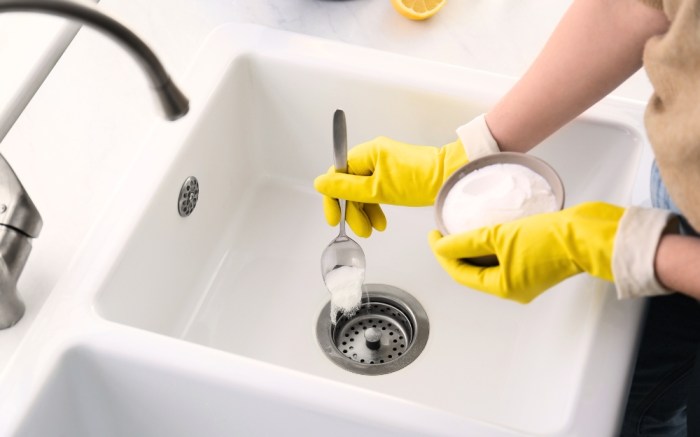
In conclusion, cleaning your car interior is more than just a chore; it’s an investment in your vehicle’s appearance and longevity. By following the detailed steps and product recommendations Artikeld in this guide, you can effectively clean every corner of your car’s interior. From tackling stubborn stains to maintaining a fresh scent, this comprehensive approach ensures a spotless and pleasant driving experience.
Remember, regular cleaning and preventative measures are key to maintaining a clean and beautiful car interior.