


How to clean an artificial Christmas tree is a crucial task for keeping your festive decorations in tip-top shape. Whether you’ve got a classic PVC tree or a stylish flocked masterpiece, this guide will walk you through every step, from pre-cleaning prep to post-cleaning storage. We’ll explore different tree types, effective cleaning methods, and essential tools to ensure your tree shines year after year.
From removing ornaments and dismantling the structure to choosing the right cleaning solutions and drying techniques, this comprehensive guide covers all aspects of artificial Christmas tree maintenance. Discover how to tackle stubborn messes and prevent future problems, ensuring your tree remains a festive centerpiece for years to come.
Introduction to Artificial Christmas Trees
Artificial Christmas trees have become a popular alternative to traditional, natural trees, offering convenience, sustainability, and aesthetic versatility. Their widespread adoption stems from a desire for consistent holiday cheer year after year, coupled with a growing awareness of the environmental impact of cutting down real trees. These synthetic options provide a festive atmosphere without the need for seasonal tree farms and the potential for damage to ecosystems.Different types of artificial Christmas trees cater to diverse needs and preferences.
They come in a wide array of sizes, shapes, and features, allowing individuals to find the perfect fit for their space and style. Understanding the various materials and construction methods can help you choose the tree that best suits your needs.
Types of Artificial Christmas Trees
Artificial Christmas trees are broadly categorized by the materials used in their construction. This variety allows for diverse aesthetics and price points. The most common types include PVC, PE, and flocked trees.
Material Composition and Construction
Artificial Christmas trees are crafted from various materials, influencing their durability, aesthetic appeal, and cost. PVC, or polyvinyl chloride, is a common choice for its affordability and ease of production. PE, or polyethylene, is another widely used material, often chosen for its flexibility and resilience. Flocked trees, on the other hand, are adorned with a layer of artificial snow or fibers for a more natural appearance.
These materials impact the overall look, feel, and longevity of the tree.
Sizes, Shapes, and Branching Patterns
Artificial Christmas trees come in a range of sizes, from compact tabletop models to towering floor-standing options. The shapes vary from traditional conical forms to more contemporary styles, like slim, modern designs or full, classic pyramids. Branching patterns also play a significant role, influencing the overall fullness and density of the tree. These choices provide flexibility for decorating and fitting the tree within any given space.
Comparison of Artificial Tree Types
| Tree Type | Pros | Cons |
|---|---|---|
| PVC | Affordable, lightweight, readily available, often come in various sizes and shapes. | Can be less durable than other types, may not have the same level of fullness as other types, might not have the same visual appeal as more premium trees. |
| PE | More durable and long-lasting than PVC, typically have a fuller appearance, often have a more realistic feel. | Can be slightly more expensive than PVC trees, might not be as lightweight as PVC. |
| Flocked | Provide a realistic, snowy look, add a touch of elegance, can come in various sizes and styles. | Can be more prone to shedding or tangling of fibers if not handled carefully, may not be as sturdy as other types, often more expensive than standard PVC or PE trees. |
Pre-Cleaning Procedures
Before diving into a thorough cleaning, pre-cleaning steps are crucial for a successful and safe artificial Christmas tree restoration. These preliminary procedures ensure a smoother and more efficient cleaning process, minimizing damage to the tree and maximizing its lifespan. Proper preparation prevents problems and sets the stage for a sparkling, festive display next year.
Cleaning your artificial Christmas tree is a breeze! Just give it a good shake outside to get rid of the dust bunnies, and then, to get the best results, consider techniques like using a vacuum cleaner with a brush attachment. Knowing how to sow grass seed in winter successfully is a skill that can translate well to cleaning your artificial Christmas tree.
Just like you need the right conditions for the grass to grow, the right cleaning method is key to keeping your tree looking its best for years to come. For a detailed guide on how to sow grass seed in winter successfully, check out this helpful resource: how to sow grass seed in winter successfully. Ultimately, a thorough, gentle approach will keep your artificial Christmas tree in pristine condition for your next holiday season.
Removing Loose Ornaments and Decorations
Before embarking on a deep clean, remove any loose ornaments, lights, or decorations. This step prevents these items from getting tangled in the tree branches during the cleaning process and ensures they are not damaged. It also allows for a more thorough cleaning of the tree itself. Carefully go through every branch and pick up any loose items.
Detaching and Removing the Tree Stand
Detaching the tree stand is a vital first step to fully access the tree structure. A secure and stable tree stand is necessary to keep the tree upright. Removing the stand allows you to thoroughly clean the base and the tree itself. Consult the tree’s instructions for specific detachment procedures to prevent damage to the stand or the tree.
Disassembling the Tree Structure
Careful dismantling of the tree’s structure is necessary to effectively clean every branch and component. If the tree has multiple sections, carefully disconnect them according to the manufacturer’s instructions. Ensure that all connections are securely detached and noted for reassembly. This thorough dismantling allows for a comprehensive clean without damaging the structure.
Removing Large Ornaments
To effectively clean the tree, large ornaments need to be carefully removed. This is essential to ensure that the cleaning solution can reach all parts of the tree. If the ornament is firmly attached, use gentle but firm pressure to remove it. Consult the manufacturer’s instructions for guidance if needed. Always handle the ornaments with care to prevent breakage.
Cleaning Methods for Artificial Christmas Trees
Artificial Christmas trees offer a festive ambiance without the hassle of natural trees. Proper cleaning extends their lifespan and ensures a fresh scent each year. This section delves into various cleaning methods, from gentle hand-washing to more vigorous machine washing, tailored for different tree types and materials.Cleaning your artificial tree is crucial for maintaining its beauty and preserving its festive spirit.
This ensures it stays in pristine condition year after year, ready to welcome the holiday season.
Hand-Washing Methods
Manual cleaning is often the safest option, especially for delicate or intricate trees. It allows for a more thorough scrubbing of individual branches and needles. Start by carefully removing any loose ornaments or decorations. Then, submerge the tree base in a tub of lukewarm water mixed with a mild detergent. Gently agitate the tree branches in the soapy water.
Avoid excessive scrubbing, as this can damage the tree’s needles.
Machine Washing (If Applicable)
Some artificial trees are designed for machine washing. Refer to the manufacturer’s instructions for specific guidelines. Ensure the tree is fully disassembled before placing it in the washing machine. Use a gentle cycle with a mild detergent. Drying should be done thoroughly to prevent mold or mildew growth.
Properly drying the tree is essential to prevent mildew and other issues.
Spot Cleaning Techniques
Spot cleaning is ideal for tackling specific areas or small messes. Use a soft-bristled brush or a damp cloth to gently clean stained areas. Ensure the cleaning solution is diluted and not too harsh. Avoid harsh chemicals or abrasive materials that might damage the tree’s surface.
Cleaning Different Parts of the Tree
Cleaning the tree involves addressing its different parts with varying methods. For needles, a gentle hand-washing or spot cleaning approach is best. For branches, avoid excessive scrubbing to maintain their shape and integrity. The base should be cleaned thoroughly, as it can accumulate dirt and debris.
Cleaning Solutions Comparison
The choice of cleaning solution significantly impacts the tree’s condition. A comparison table Artikels the pros and cons of common solutions:
| Solution | Pros | Cons |
|---|---|---|
| Mild Detergent | Effective at removing dirt and grime; generally safe for most materials. | May not be as effective for stubborn stains; requires rinsing thoroughly to prevent residue. |
| Baking Soda | Gentle abrasive; effective at removing stains and odors; environmentally friendly. | May scratch delicate surfaces if used excessively; can be messy. |
| Vinegar | Excellent at removing odors and stains; cost-effective. | May leave a lingering vinegar scent; can be corrosive to some materials. |
Choosing the right cleaning method and solution ensures the longevity and festive appeal of your artificial Christmas tree. Follow manufacturer instructions for the best results.
Cleaning Tools and Equipment
Proper cleaning of your artificial Christmas tree involves the right tools. Choosing the correct equipment ensures a thorough, efficient, and safe cleaning process, minimizing damage to the tree and maximizing its longevity. This section details the essential tools and equipment, along with safe usage guidelines.Effective cleaning relies on appropriate tools. Using the wrong tools can lead to damage or incomplete cleaning, requiring repeated efforts.
A carefully selected set of tools, used correctly, makes the process simpler and more effective.
Essential Cleaning Tools
Careful selection of cleaning tools is crucial for a successful cleaning. The right tools make the job easier and more effective, while the wrong ones can cause damage or incomplete cleaning. Below are some essential tools for cleaning artificial Christmas trees.
- Soft Brush: A soft-bristled brush is ideal for removing dust and debris from the tree’s branches. This helps prevent scratching or damage to the tree’s material, whether plastic, PVC, or other materials. Use a brush specifically designed for delicate surfaces, such as a soft-bristled paintbrush or a miniature artist’s brush.
- Vacuum Cleaner: A vacuum cleaner, especially one with a brush attachment or crevice tool, is excellent for removing dust and small particles embedded in the tree’s branches. A vacuum cleaner with a low suction setting is essential to avoid damaging the tree. Consider a handheld vacuum cleaner for accessibility in tight spaces and around delicate ornaments.
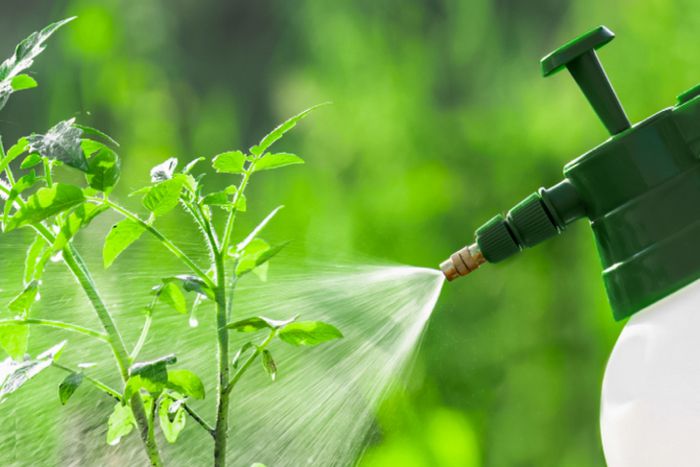
- Spray Bottle: A spray bottle filled with a mild cleaning solution is helpful for loosening dirt and grime. Ensure the cleaning solution is specifically designed for use on artificial materials. A diluted solution of mild dish soap and water is generally safe and effective.
- Gloves: Wearing gloves during the cleaning process protects your hands from potential irritants in cleaning solutions. This is especially important if the cleaning solution contains harsh chemicals. Use disposable or washable gloves, depending on your preference and the cleaning solution used.
Using Cleaning Tools Effectively and Safely
Proper use of cleaning tools ensures a thorough and safe cleaning experience. Using the wrong technique can lead to damage or ineffective cleaning, requiring multiple attempts.
| Tool | Use |
|---|---|
| Soft Brush | Gently brush off loose dust and debris from branches and ornaments. Avoid harsh scrubbing or excessive pressure. |
| Vacuum Cleaner | Use the brush attachment on a low suction setting to remove dust and small particles from branches and ornaments. Avoid using the vacuum’s nozzle directly on the tree’s base to prevent damage. |
| Spray Bottle | Lightly mist the cleaning solution onto the tree’s branches. Ensure the solution is diluted appropriately and that it is not applied with excessive force. |
| Gloves | Protect your hands from potential irritants in cleaning solutions. Dispose of gloves properly after use. |
Proper use of tools is crucial to avoid damaging the tree.
Post-Cleaning Procedures
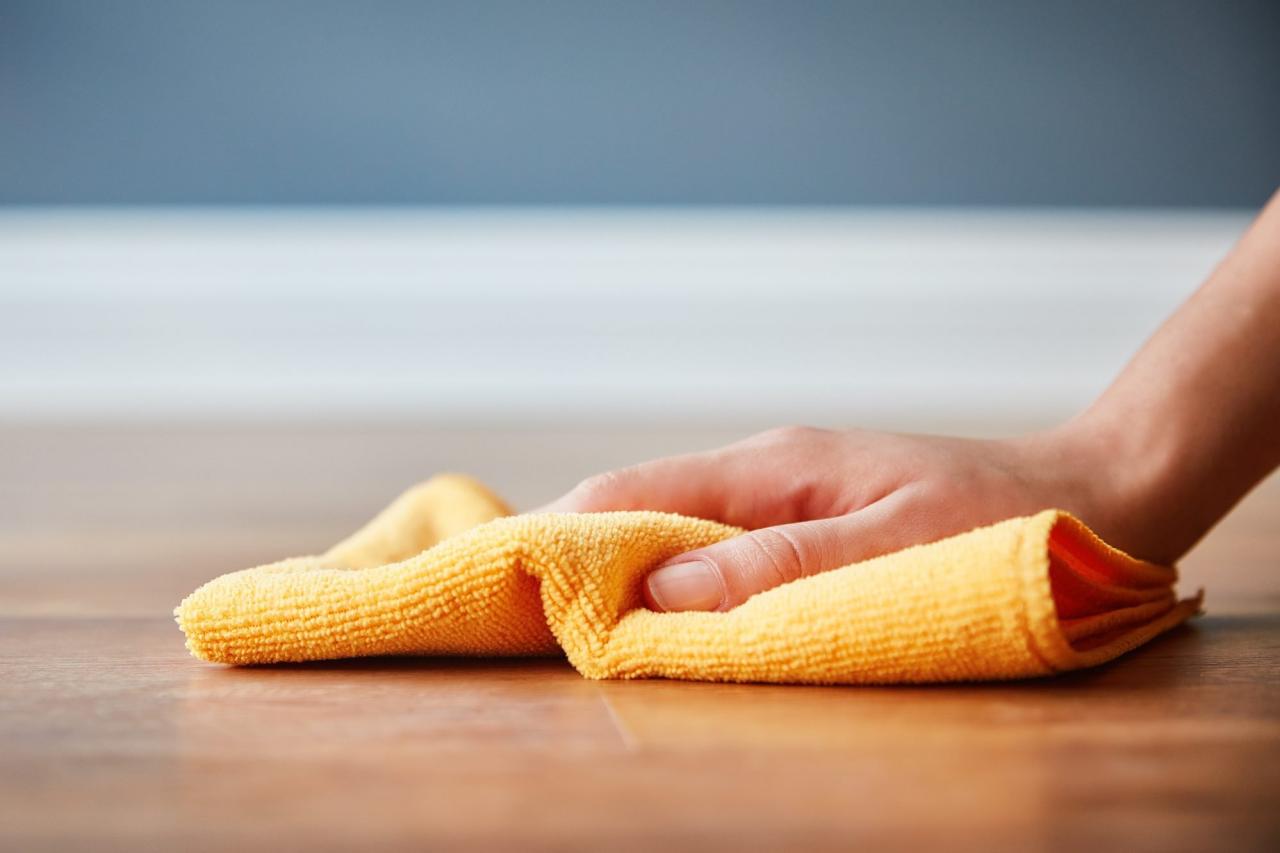
After meticulously cleaning your artificial Christmas tree, proper post-cleaning procedures are crucial for its longevity and future enjoyment. These steps ensure your tree remains in pristine condition, ready to be displayed year after year. Neglecting these procedures can lead to premature damage, mold growth, and potentially a shorter lifespan for your investment.Thorough drying and proper storage are key components of maintaining your artificial Christmas tree’s quality and aesthetics.
Cleaning your artificial Christmas tree doesn’t have to be a chore! Just a quick shake outside, and then a good vacuuming of the needles and branches will do the trick. Speaking of plants, have you ever considered growing cucumbers in pots? If so, check out this helpful guide on how to grow cucumbers in pots like a pro for some amazing tips.
Afterwards, you’ll be ready to tackle that tree again, ensuring a fresh, festive look for next year.
This section Artikels the essential steps to follow to achieve optimal results.
Importance of Thorough Drying
Proper drying is essential to prevent mold and mildew growth, which can compromise the tree’s structural integrity and appearance. Moisture trapped within the tree’s branches or needles can lead to unpleasant odors and potentially damage the material used in its construction.
Steps for Proper Tree Storage
Proper storage safeguards the tree from dust, insects, and other environmental factors. This process ensures the tree remains intact and ready for display in the following year.
- Disassemble the Tree Carefully: Carefully remove all ornaments, lights, and any other decorative elements. This prevents accidental breakage during storage and ensures that all components are stored separately, avoiding damage from their weight.
- Inspect for Damage: Thoroughly examine the tree for any broken branches, damaged needles, or other signs of wear. Addressing these issues now will prevent further deterioration during storage.
- Dry the Tree Completely: Ensure that the tree is completely dry before storing it. This includes the branches, needles, and any internal components. A completely dry tree will be free of moisture, which prevents the growth of mold and mildew.
- Protect from Insects: If possible, store the tree in a container or bag that is sealed or otherwise protected from insects. This prevents insect infestations, which can damage the tree’s structural integrity and aesthetic appeal.
Avoiding Damage During Storage
Proper storage methods protect the tree from potential damage. This includes minimizing stress on the branches and needles.
Cleaning your artificial Christmas tree is a breeze! Just give it a good shake outside to get rid of loose pine needles. For a deeper clean, consider using a garden hose and some mild dish soap. And remember, using the right water filter can make a big difference in the quality of the water you use for cleaning, and for your overall household.
Choosing the best home water filters is key for this process and for overall water quality. best home water filters are a great investment for cleaner water, which, in turn, will help your tree stay looking its best. Once rinsed thoroughly, store it in a cool, dry place until next year!
- Use a Sturdy Storage Container: Select a storage container that is large enough to accommodate the tree without causing undue stress or bending of branches. Avoid containers that are too small or that might crush the tree during storage.
- Store in a Cool, Dry Location: Choose a location that is free from excessive moisture, extreme temperatures, and direct sunlight. These conditions can cause damage to the tree over time.
- Avoid Overcrowding: Do not store multiple trees in a single container, as this can lead to damage from pressure and friction between the trees. Ensure there is enough space between the trees to avoid bending or breaking of branches.
Putting the Tree Back Together
This section details the process of reassembling your artificial Christmas tree after cleaning and storage. This methodical approach will help ensure the tree’s integrity.
- Carefully Unpack the Tree: Begin by unpacking the tree, taking care to avoid any sudden movements or impacts that might damage the tree’s branches or structure. Handle the tree with care, ensuring it remains intact.
- Reconnect the Branches: Using the instructions provided with the tree, carefully reconnect any disassembled branches or sections. This will restore the tree’s original shape and integrity.
- Reattach Ornaments and Lights: Once the tree is assembled, carefully replace the ornaments and lights. This will complete the process and make the tree ready for display.
Troubleshooting Common Problems: How To Clean An Artificial Christmas Tree

Artificial Christmas trees, while offering festive cheer, can sometimes present challenges. Understanding the potential issues and their solutions empowers you to maintain your tree’s beauty and longevity. This section delves into common problems, their causes, and effective remedies.Proper care and maintenance are key to preventing these problems. By understanding the underlying causes, you can proactively address potential issues before they impact your holiday décor.
Artificial Christmas Tree Needle Shedding
Artificial trees, despite their name, can still experience shedding of needles, albeit usually not as dramatically as natural trees. This issue can stem from several factors. Poor manufacturing quality, rough handling during transportation or setup, and insufficient storage between seasons are potential causes. A tree that has been subjected to significant temperature changes may also shed needles.
- Assess the Tree’s Condition: Carefully inspect the tree for loose or broken needles. If significant shedding occurs, consider the potential causes mentioned above. If you recently moved the tree or it was stored in extreme conditions, this might explain the problem.
- Gentle Brushing: Use a soft-bristled brush or a vacuum cleaner with a brush attachment to gently remove loose needles. Be cautious to avoid damaging the tree’s structure.
- Professional Cleaning: If the shedding is extensive, professional cleaning services might be necessary to restore the tree’s appearance.
- Storage Improvement: Store the tree in a cool, dry place between seasons to minimize temperature fluctuations. Avoid stacking heavy objects on top of the tree to prevent breakage and needle loss. If you’ve previously stored it in a damp environment, dry it thoroughly before storing it for next year.
Unpleasant Odors Emitted by the Tree
An artificial tree emitting an unpleasant odor can be quite frustrating. Possible culprits include improper storage or exposure to substances that release strong smells. Sometimes, if the tree has been stored in a humid environment, mildew or mold could be a contributing factor.
- Thorough Cleaning: Thoroughly clean the tree with a gentle cleaning solution. Pay special attention to areas where dirt or debris might have accumulated.
- Proper Storage: Ensure the tree is stored in a dry, well-ventilated area between seasons. This will prevent mold or mildew growth.
- Air Circulation: Place the tree in a well-ventilated room to allow air circulation. This can help to minimize any lingering odors.
- Odor-Neutralizing Agents: Consider using odor-neutralizing sprays or powders to absorb any lingering odors. Baking soda sprinkled around the tree’s base can also help.
Artificial Tree Instability Issues
If your artificial tree isn’t standing upright, several factors could be at play. Inadequate support, damaged stand, or the weight of the decorations might be the reason.
- Check the Stand: Ensure the tree stand is sturdy and properly supports the tree’s weight. If the stand is damaged, replace it with a sturdy one.
- Adjust the Stand: Adjust the tree stand’s positioning to ensure it’s firmly on the floor and the tree is balanced.
- Add Support: Use additional support such as a tree stand extension, weighted base, or strategically placed ornaments to enhance stability. Adding ornaments evenly around the base is also important.
- Re-evaluate Decorations: Ensure the ornaments are distributed evenly and not concentrated on one side of the tree. Overloading one side can cause the tree to lean.
Troubleshooting Table, How to clean an artificial christmas tree
| Problem | Cause | Solution |
|---|---|---|
| Tree shedding needles | Poor storage, rough handling, temperature fluctuations | Gentle brushing, professional cleaning, improved storage practices |
| Tree smells bad | Improper storage, exposure to strong smells, mold/mildew | Thorough cleaning, proper storage, odor-neutralizing agents |
| Tree won’t stand upright | Weak stand, damaged stand, unevenly distributed decorations, excessive weight | Check/replace stand, adjust stand, add support, redistribute decorations |
Maintaining Artificial Christmas Trees
Keeping your artificial Christmas tree looking its best between cleanings involves a proactive approach. Regular maintenance not only preserves its aesthetic appeal but also extends its lifespan, saving you money and reducing waste. Proper care ensures your tree remains a festive centerpiece for years to come.Proper maintenance involves a combination of proactive measures and routine procedures to keep your artificial Christmas tree in top condition.
This includes preventative steps to prevent damage and regular upkeep to preserve its pristine appearance.
Preventative Measures to Extend Lifespan
Regular maintenance significantly impacts the longevity of your artificial Christmas tree. Preventative measures form the foundation of a long-lasting, well-maintained tree. These strategies are essential to minimizing wear and tear on the tree, keeping it looking fresh, and preventing damage.
- Regular Dusting: Regular dusting, ideally weekly, helps prevent dust and debris buildup. This is crucial for preserving the tree’s vibrancy and minimizing the need for a more extensive cleaning. Using a soft-bristled brush or a duster can effectively remove surface dust.
- Protect from Direct Sunlight: Storing your tree in a location protected from direct sunlight helps prevent fading of colors and materials. Excessive UV exposure can cause the tree’s decorations or material to lose their vibrancy. Indirect light is ideal for preserving the tree’s original color and texture.
- Proper Storage: Storing the tree in a cool, dry place, away from moisture and extreme temperatures, safeguards it from damage. These conditions are critical to preventing mold, mildew, or other damage that could compromise the tree’s structural integrity.
Regular Maintenance Checklist
A regular maintenance checklist ensures consistency and helps prevent overlooked issues. This proactive approach will help keep your tree in pristine condition throughout the holiday season and beyond.
- Weekly Dusting: This simple step prevents the accumulation of dust and debris, maintaining the tree’s visual appeal.
- Check for Damage: Regularly inspect the tree for any signs of damage, such as broken branches or loose ornaments. Promptly addressing these issues prevents further deterioration.
- Trim Ornaments Carefully: When removing ornaments, ensure you’re doing so carefully to prevent damage to the tree’s branches or structure. This will prolong the tree’s lifespan and ensure it looks pristine for the next holiday season.
- Inspect for Mold or Mildew: If stored in a damp environment, check for signs of mold or mildew, especially after extended storage periods. Prompt removal of any mold is essential to prevent the spread and preserve the tree’s structural integrity.
Storing the Tree During the Off-Season
Proper storage during the off-season protects your artificial Christmas tree from damage. Following these steps ensures the tree is preserved for future use.
- Unplug and Remove Decorations: Before storing, ensure the tree is unplugged and that all ornaments are removed. This prevents electrical issues and safeguards the tree’s components from potential damage.
- Tidy and Pack the Tree: Carefully pack the tree, ensuring branches are not bent or damaged. Use appropriate storage bags or containers to prevent damage to the tree’s structure during transport and storage. Avoid folding branches, as this can break them.
- Store in a Cool, Dry Place: Choose a cool, dry location for storage. Avoid areas prone to moisture, direct sunlight, or extreme temperatures. Proper storage conditions prevent mold, mildew, and other forms of damage.
- Label and Organize: Label the storage container with the year and any specific care instructions. This will help you easily identify and retrieve the tree for next year’s holiday season.
Final Conclusion
In conclusion, maintaining your artificial Christmas tree doesn’t have to be a daunting task. By following these pre-cleaning, cleaning, and post-cleaning procedures, you can ensure your tree is sparkling and ready for the holidays. Proper care not only keeps your tree looking its best but also extends its lifespan, saving you money and effort in the long run. Remember to choose the right cleaning methods and tools for your specific tree type, and enjoy a hassle-free Christmas season.