



How to clean a broom? This guide dives deep into the world of broom maintenance, from the basics of different broom types to detailed cleaning procedures and tips for long-lasting cleanliness. Whether you use a traditional, push, or motorized broom, understanding the best cleaning methods is key to keeping your home sparkling and your broom in tip-top shape. Let’s explore the specifics of each broom type and uncover the secrets to optimal cleaning.
Brooms, whether traditional, push, or motorized, are essential tools for maintaining a clean home. However, neglect can lead to dirt buildup, hindering their effectiveness and potentially affecting the quality of your cleaning. Proper cleaning is not just about aesthetics; it’s about restoring performance and maintaining the longevity of your valuable broom.
Introduction to Broom Cleaning
Keeping your broom clean is crucial for maintaining a healthy and hygienic environment, as well as ensuring its longevity and optimal performance. A clean broom sweeps up dirt and debris more effectively, reducing the risk of spreading dust and allergens. Regular cleaning prevents buildup that can hinder its effectiveness and potentially damage the broom’s bristles or frame over time.Different types of brooms, from traditional to motorized, require specific cleaning methods to maintain their function.
Understanding these differences is key to ensuring the broom remains a valuable tool in your cleaning routine. Knowing the common reasons for broom needing cleaning, like dust accumulation and dirt buildup, will help you establish a proactive cleaning schedule. This guide will equip you with the tools and knowledge to keep your broom in tip-top shape.
Types of Brooms
Brooms come in various designs, each tailored for different cleaning tasks. Traditional brooms, often made of natural fibers like straw or corn, are ideal for sweeping floors. Push brooms are designed for larger areas, making them useful for outdoor patios or driveways. Motorized brooms, powered by electricity or gasoline, are capable of sweeping large surfaces efficiently, and are often used in commercial or industrial settings.
Importance of Regular Cleaning
Regular cleaning is essential for maintaining a broom’s effectiveness and hygiene. Dust and dirt buildup can clog the bristles, reducing the broom’s sweeping power. This accumulation can also spread dust and allergens throughout your home or workspace. Proactive cleaning prevents these issues, ensuring your broom remains a vital tool for maintaining cleanliness.
Common Reasons for Broom Cleaning
Brooms accumulate dust, dirt, and debris from regular use. This buildup can affect their performance, hindering their ability to effectively sweep up dirt. Over time, this accumulation can damage the bristles or the frame, decreasing their lifespan. Regular cleaning addresses these issues, keeping your broom in top condition.
Tools and Materials Needed
Cleaning a broom typically requires basic tools and materials. A dustpan, a broom brush, and a cleaning solution are generally sufficient for most types of brooms. Additional materials, such as a hose or a bucket of water, may be needed for more thorough cleaning. The specific tools required will vary based on the broom type and the level of cleaning needed.
Comparison of Broom Types and Cleaning Methods
| Broom Type | Cleaning Method | Materials Needed |
|---|---|---|
| Traditional Broom | Brush the bristles under running water, and remove any loose debris. Soak the broom head in a mild detergent solution. Rinse thoroughly and air dry. | Dustpan, broom brush, cleaning solution, water, and a hose. |
| Push Broom | Remove debris from the bristles with a brush. Use a cleaning solution and a brush to clean the frame. Rinse with water and allow to air dry. | Dustpan, broom brush, cleaning solution, water, and a hose. |
| Motorized Broom | Empty the debris bin. Use a cleaning solution and brush to clean the bristles and the frame. Rinse with water and allow to air dry. Consult the manufacturer’s instructions for specific maintenance procedures. | Dustpan, broom brush, cleaning solution, water, and a hose. Consult manufacturer’s manual. |
Cleaning Different Broom Types
Brooms, whether traditional, push, or motorized, require different cleaning approaches. Understanding these distinctions ensures optimal hygiene and longevity for your cleaning tools. This section dives into the specifics of each type, detailing the safest and most effective methods.Proper cleaning is crucial for maintaining the effectiveness and lifespan of your brooms. Different broom types require tailored care to prevent damage and ensure optimal performance.
Following the detailed procedures below will help you keep your brooms in top condition.
Traditional Broom Cleaning
Traditional brooms, often made of natural fibers like straw or palm, require gentle handling. Their inherent structure dictates a specific cleaning process.
- Step 1: Removing Loose Debris: Begin by removing any large debris like dirt clumps, sand, or leaves from the bristles. A gentle shake or brushing against a sturdy surface is sufficient.
- Step 2: Washing the Bristles: Fill a bucket with warm, soapy water. Submerge the broom head, ensuring all bristles are thoroughly wet. Gently agitate the bristles with a soft-bristled brush or sponge to dislodge embedded dirt.
- Step 3: Rinsing and Drying: Carefully rinse the broom thoroughly under running water to remove all soap residue. Allow the broom to air dry completely in a well-ventilated area, ideally hanging upside down to prevent water from pooling in the bristles.
Push Broom Cleaning
Push brooms, typically used for hard floors, are more durable than traditional brooms. Their design allows for more efficient cleaning and their components necessitate a different approach.
- Step 1: Emptying the Dustpan: Empty the dustpan of the push broom, removing any collected dirt, dust, or debris.
- Step 2: Cleaning the Dustpan and Base: Clean the dustpan and base with a damp cloth, paying attention to any accumulated dirt or grime. Ensure you remove any trapped debris from the base’s crevices.
- Step 3: Bristle Cleaning: If the push broom’s bristles are removable, clean them as described for traditional brooms. If not, use a stiff-bristled brush to remove stubborn dirt from the bristles.
Motorized Broom Cleaning
Motorized brooms offer convenience but demand specific care to prevent damage to their electrical components. Safety is paramount.
- Step 1: Unplugging the Broom: Before any cleaning procedure, unplug the motorized broom from the power source to avoid electrical hazards.
- Step 2: Removing Debris: Carefully remove any visible debris from the brush head and dustbin.
- Step 3: Cleaning the Brush Head and Dustbin: Use a damp cloth to clean the brush head and dustbin. Avoid submerging any electrical components in water.
- Step 4: Drying: Allow the motorized broom to air dry completely before plugging it back in.
Comparing and Contrasting Cleaning Methods
Traditional brooms, requiring manual effort, are suitable for outdoor areas and light indoor cleaning. Push brooms, with their dustpans, are designed for efficient hard-floor cleaning. Motorized brooms provide greater cleaning power but necessitate careful handling due to their electrical components.
| Broom Type | Step 1 | Step 2 | Step 3 |
|---|---|---|---|
| Traditional Broom | Remove loose debris. | Wash bristles in soapy water. | Rinse and air dry completely. |
| Push Broom | Empty dustpan. | Clean dustpan and base. | Clean bristles (if removable). |
| Motorized Broom | Unplug the broom. | Remove debris from brush head and dustbin. | Clean brush head and dustbin, air dry. |
Cleaning Procedures and Techniques
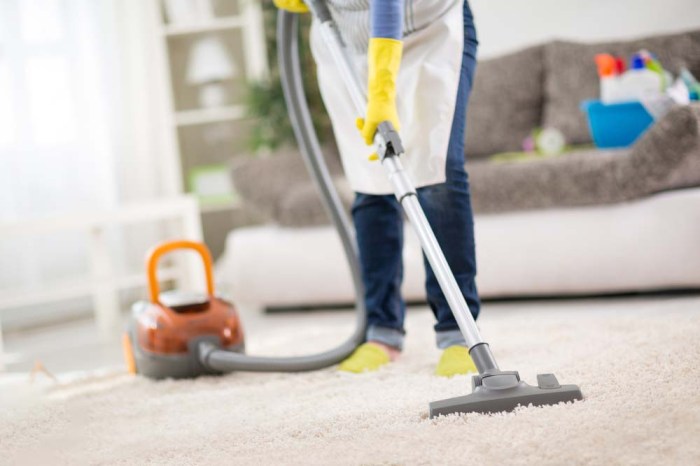
Broom cleaning might seem simple, but a proper technique ensures your broom’s longevity and effectiveness. Knowing how to clean each part correctly prevents damage and maximizes its lifespan. This section details the crucial steps for thorough cleaning, from the head to the handle. It also explores different cleaning solutions and common pitfalls to avoid.Cleaning your broom isn’t just about getting it clean; it’s about maintaining its performance and preventing premature wear.
Proper cleaning procedures will keep your broom in top condition, ensuring it continues to sweep effectively and efficiently.
Removing Dirt and Debris from the Broom Head, How to clean a broom
Regularly removing dirt and debris from the broom head prevents clogging and improves sweeping efficiency. Start by brushing away loose dirt and dust with a stiff-bristled brush. For stubborn debris, use a soft-bristled brush or a damp cloth to gently remove particles without damaging the bristles.
Cleaning the Broom Handle
The broom handle often accumulates dust, dirt, and grime. A damp cloth or sponge with mild soap and water can effectively clean the handle. Ensure the handle is completely dry before storing the broom to prevent mildew or mold growth. For wooden handles, avoid using harsh chemicals or excessive moisture, as this can damage the wood.
Keeping your broom clean is essential, but sometimes those pesky squirrels can wreak havoc on your yard, making it a real challenge. To tackle the mess they leave behind, check out this helpful guide on how to get rid of squirrels in your yard. Once you’ve got the squirrels under control, you can properly clean your broom, making sure to remove all debris and leaves for optimal performance.
A clean broom is a happy broom!
Cleaning the Broom Bristles
The bristles of the broom are crucial for sweeping. To clean them, start by removing any loose dirt or debris. For tougher dirt, you can use a stiff brush or a scrub brush to loosen the dirt. If the bristles are made of natural materials like straw or palm, use a gentle approach to avoid breakage. If the bristles are synthetic, you can submerge the entire broom head in a mixture of mild soap and water for a thorough cleaning.
Cleaning Solutions and Their Effectiveness
Various cleaning solutions can be used for broom cleaning, each with its own advantages and disadvantages.
- Water: Water is the simplest and most effective solution for general cleaning. It’s great for removing dust and light dirt. Its drawback is that it can leave the broom damp, potentially leading to mold or mildew if not dried thoroughly.
- Mild Soap and Water: Adding a touch of mild dish soap to water enhances cleaning power, effectively removing stubborn dirt and grime. Avoid using harsh chemicals or strong detergents, as they may damage the bristles or handle.
- Baking Soda Paste: A paste of baking soda and water can be used to scrub away tough stains and odors. This is particularly effective for removing sticky or greasy residue.
Common Mistakes to Avoid
Several common mistakes can damage your broom or diminish its cleaning effectiveness.
- Using harsh chemicals: Avoid using abrasive cleaners or harsh chemicals, as they can damage the bristles or handle, especially if it’s made of wood.
- Over-soaking the broom: Over-soaking the broom, particularly the wooden handle, can lead to warping or damage. Always ensure thorough drying.
- Using excessive force: Avoid scrubbing the bristles too vigorously, especially if they are made of natural materials. This can lead to breakage or damage.
Step-by-Step Broom Cleaning Guide
This guide provides a systematic approach to cleaning your broom, ensuring optimal results and longevity.
- Prepare the cleaning area: Gather necessary tools like a bucket, cleaning solution, soft-bristled brush, and a stiff-bristled brush. Ensure the area where you will be cleaning is safe and accessible.
- Remove loose debris: Use a stiff-bristled brush to remove any loose dirt, dust, and debris from the broom head.
- Clean the bristles: Submerge the broom head in a mild soap and water solution for a thorough cleaning. Use a soft-bristled brush to loosen any remaining dirt.
- Clean the handle: Clean the handle with a damp cloth or sponge with mild soap and water. Ensure the handle is completely dry.
- Rinse and dry: Rinse the broom head thoroughly with clean water. Allow the broom to air dry completely before storing.
Cleaning Solutions Comparison
This table summarizes different cleaning solutions and their pros and cons.
| Cleaning Solution | Pros | Cons |
|---|---|---|
| Water | Simple, effective for general cleaning | May leave broom damp, prone to mildew |
| Mild Soap and Water | Effective for stubborn dirt, removes grime | Can damage some materials if too harsh |
| Baking Soda Paste | Effective for tough stains, removes odors | May be abrasive |
Maintaining Broom Cleanliness
Keeping your broom clean and well-maintained not only ensures its effectiveness but also extends its lifespan. Regular upkeep prevents the accumulation of dirt, grime, and debris, which can impact its performance and overall aesthetic appeal. A clean broom is a happy broom, ready to tackle any cleaning task.Regular maintenance is key to a longer-lasting and more effective broom.
By following a simple checklist and employing smart storage techniques, you can maintain your broom in pristine condition. This, in turn, saves you time and effort in the long run, as a clean broom is a more efficient cleaning tool.
Regular Maintenance Checklist
This checklist ensures your broom remains in optimal condition, preventing buildup and maximizing its lifespan. Regular cleaning and storage are essential for preventing damage to the broom’s bristles, handle, and overall structure. A well-maintained broom is a valuable asset in any household.
- Weekly Cleaning: Sweep away loose debris from the bristles. This prevents the buildup of dust, dirt, and other particles that can quickly clog the bristles, reducing cleaning effectiveness and creating a breeding ground for bacteria and allergens.
- Monthly Deep Cleaning: Thoroughly clean the bristles, removing embedded dirt and debris. If the broom has a removable head, detach and clean it separately, paying special attention to any corners or crevices. Disassemble and wash parts as appropriate.
- Quarterly Inspection: Check the broom’s handle for any signs of wear or damage. Inspect the bristle condition. Tighten any loose parts and replace any damaged or frayed bristles.
Preventing Future Dirt Buildup
Implementing preventative measures is crucial to maintaining a clean broom. Understanding how dirt accumulates and what causes it allows you to proactively maintain a clean broom.
- Broom Placement: Store the broom in a dry, clean location away from direct sunlight and moisture. This prevents the growth of mold and mildew, which can damage the broom’s bristles and handle.
- Cleaning Habits: Immediately wipe down the broom after use. This prevents dried dirt and grime from adhering to the bristles and handle.
- Protective Covers: Consider using a broom cover to protect it from dust and dirt when not in use. This prevents the accumulation of debris and moisture, and it can be especially helpful in areas with high levels of dust or allergens.
Storage Recommendations
Proper storage preserves the broom’s condition and extends its life. The chosen storage method should be suitable for the type of broom and the environment in which it is stored.
Cleaning a broom is surprisingly simple. Just give it a good shake outside to get rid of loose dust and debris. For a deeper clean, use a stiff brush and some soapy water. Speaking of cleaning, did you know that 90s bathrooms are making a comeback? 90s bathrooms back in style are all the rage, complete with those iconic colors and patterns.
Finally, rinse the broom thoroughly and let it air dry for a sparkling clean tool.
- Vertical Storage: Hanging the broom upright, away from moisture and direct sunlight, prevents bending or warping of the handle. This is an effective method for brooms with a sturdy handle.
- Horizontal Storage: Placing the broom flat on a shelf or in a designated area ensures that the bristles are not bent or damaged. This method is suitable for brooms with delicate or soft bristles.
- Broom Closet: A dedicated broom closet or storage area keeps the broom organized and away from potential damage sources. A broom closet also ensures that the broom is protected from moisture, dust, and other environmental factors.
Handling Different Stains
Dealing with stains on a broom effectively prevents damage and maintains the broom’s condition. Proper cleaning procedures are essential to remove stains without harming the broom’s materials.
- Water-Based Stains: Wipe away water-based stains immediately with a damp cloth or sponge. Allow the broom to air dry thoroughly before storing.
- Sticky Substances: Use a scraper or putty knife to remove sticky substances. Then, clean the affected area with a mild detergent solution and water. Allow to air dry completely before storage.
- Grease or Oil Stains: Blot the stain with a clean cloth. Use a grease-cutting cleaner to remove any remaining traces. Rinse thoroughly and allow to dry completely.
Storage Options Table
This table Artikels various storage options for brooms, highlighting their respective advantages and disadvantages.
Cleaning your broom is a breeze, really! Just give it a good shake outside to get rid of loose debris. For stubborn dirt, a simple scrub with a stiff brush and soapy water works wonders. Knowing how long weed killer lasts on your lawn can be crucial, too, since you want to avoid reapplying it before it’s had a chance to fully take effect.
Refer to this resource for more details on how long weed killer lasts on your lawn: how long does weed killer last on lawn. Once you’ve finished cleaning, store it upright to prevent damage and ensure a long lifespan for your broom.
| Storage Option | Advantages | Disadvantages |
|---|---|---|
| Vertical Hanging | Preserves handle shape, prevents bending, space-saving | May not be suitable for all broom types, may require dedicated space |
| Horizontal Storage | Suitable for various broom types, protects bristles | Can take up more space, may not be as space-efficient |
| Broom Closet | Organized storage, protects from dust and moisture | Requires dedicated space, may not be feasible for all users |
Tips for Maintaining a Broom in Excellent Condition
These tips will keep your broom in top-notch shape, ensuring optimal performance and longevity.
- Regular Inspection: Inspect the broom regularly for any signs of wear and tear. This allows for early detection and prevents further damage.
- Appropriate Cleaning Products: Use the correct cleaning products for the type of broom and the specific stain. Avoid harsh chemicals that may damage the bristles or handle.
- Proper Drying: Allow the broom to dry completely before storing. Moisture can lead to mildew, mold, and other problems.
Troubleshooting and Common Issues: How To Clean A Broom
Maintaining a clean and functional broom is crucial for efficient cleaning and longevity. Understanding common problems and their solutions can significantly extend the life of your broom and prevent frustration. This section will detail common issues, troubleshooting steps, and how to determine when a broom needs replacement.
Common Broom Cleaning Problems
Brooms, like any cleaning tool, can encounter various issues during or after cleaning. Understanding these problems is the first step in effective troubleshooting. Common problems include sticky bristles, broken or bent parts, and loss of effectiveness.
Troubleshooting Sticky Bristles
Sticky bristles are a common issue, often stemming from the build-up of grime and residue. Addressing this promptly prevents further build-up and ensures the broom remains effective.
- Identify the Source: Determine if the stickiness originates from food debris, dirt, or cleaning products. If the source is food residue, the stickiness will be more pronounced and likely localized to the area of the spill.
- Cleaning Solutions: Mild soap and water is often sufficient. For stubborn residue, consider using a solution of white vinegar and water. Avoid harsh chemicals that could damage the bristles or the broom’s structure.
- Brushing and Drying: Gently brush the bristles to dislodge any trapped particles. Rinse thoroughly with water, and allow the broom to air dry completely before storing.
Troubleshooting Broken or Bent Parts
Broken or bent parts are often a result of improper handling or impact. Replacing broken parts or repairing bent ones can restore the broom’s functionality.
- Inspect the Damage: Carefully examine the broom for broken or bent bristles, handles, or attachments. Identify the specific area or part affected.
- Repair or Replacement: Depending on the extent of the damage, consider repair or replacement. Small bends can sometimes be straightened with gentle pressure. For broken parts, a replacement part or even a complete broom may be necessary.
- Proper Handling: Use caution when handling the broom to prevent further damage. Avoid dropping or hitting the broom against hard surfaces.
Loss of Broom Effectiveness
Over time, the effectiveness of a broom can diminish. This is usually caused by accumulated dirt, damage, or improper usage.
- Assess the Broom’s Performance: Note how effectively the broom collects dust and debris. If the broom is not gathering as much as it used to, this indicates a potential problem.
- Cleaning and Maintenance: Regular cleaning and maintenance can significantly extend the broom’s effectiveness. Ensure the broom is properly cleaned after each use to prevent the accumulation of dirt and debris.
- Inspect for Damage: Thoroughly inspect the broom for any damage to the bristles or handle. Bent or broken bristles can hinder the broom’s effectiveness.
Identifying When a Broom Needs Replacement
There are clear signs indicating that a broom needs replacing, rather than simply needing maintenance.
- Severe Damage: If the broom is severely damaged, beyond repair, a replacement is necessary. Significant cracks or breakage in the handle, or significant damage to the bristles will indicate this.
- Loss of Functionality: If the broom no longer effectively collects dust or debris, and the problems cannot be solved by cleaning, it’s time to replace it.
- Age and Wear: Over time, brooms can lose their effectiveness due to wear and tear. If the broom is very old or has been used extensively, it may need replacing.
Troubleshooting Table
| Problem | Possible Cause | Solution |
|---|---|---|
| Sticky Bristles | Accumulated grime and residue | Clean with mild soap and water, or a vinegar solution. |
| Broken/Bent Parts | Improper handling or impact | Repair or replace broken parts, gently straighten bent parts. |
| Loss of Effectiveness | Accumulated dirt, damage, or improper usage | Clean thoroughly, inspect for damage, and consider replacement if necessary. |
End of Discussion
In conclusion, maintaining a clean broom is vital for efficient cleaning and the longevity of your tool. This comprehensive guide provides a roadmap for cleaning various broom types, from the classic traditional to the modern motorized models. By following these steps and preventive measures, you’ll not only keep your broom in excellent condition but also enhance your cleaning experience.
Remember to tailor your cleaning method to the specific broom type, and prioritize safety when dealing with motorized brooms. With regular care, your broom will be a reliable and effective cleaning partner for years to come.