

How to attract pollinators is a crucial aspect of gardening and environmental stewardship. This guide delves into the fascinating world of pollinators, exploring their diverse needs and preferences. From understanding the importance of these vital creatures to creating habitats that support their thriving populations, you’ll discover practical strategies for attracting a variety of pollinators to your garden.
We’ll cover everything from identifying the common pollinator species in your region to selecting the right plants, designing a pollinator-friendly landscape, and maintaining a thriving garden ecosystem. Learn how to support these essential insects, birds, and other animals by implementing simple yet effective techniques.
Understanding Pollinators
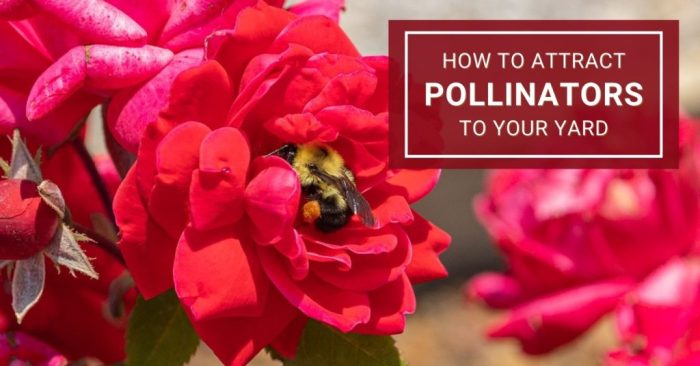
Pollinators are vital components of our ecosystems, playing a crucial role in plant reproduction and the overall health of our environment. They are responsible for the fertilization of a vast majority of flowering plants, impacting food production and biodiversity. Understanding their diverse needs and the factors influencing their populations is key to supporting their continued role in our planet’s delicate balance.Pollinators are a diverse group, each with unique characteristics and requirements.
Their presence is critical to maintaining the health of ecosystems, impacting everything from the production of our food to the intricate web of life within our natural spaces.
Common Pollinator Types
Different regions support varying pollinator species. A broad understanding of these types is crucial to recognizing the importance of each. Understanding their distinct roles is essential to appreciating their individual contributions to our ecosystems.
- Bees: Honeybees, bumblebees, and solitary bees are common in North America and Europe. They are highly efficient pollinators, contributing significantly to plant reproduction. Honeybees, in particular, are managed in large-scale operations, highlighting their importance in agriculture.
- Butterflies: A wide array of butterfly species are found across diverse regions, contributing to the pollination of numerous plant species. Their vibrant colors and fluttering movements add to the beauty of our natural landscapes.
- Hummingbirds: These birds are particularly important pollinators in the Americas. Their long beaks and hovering flight allow them to access nectar in flowers that are inaccessible to other pollinators.
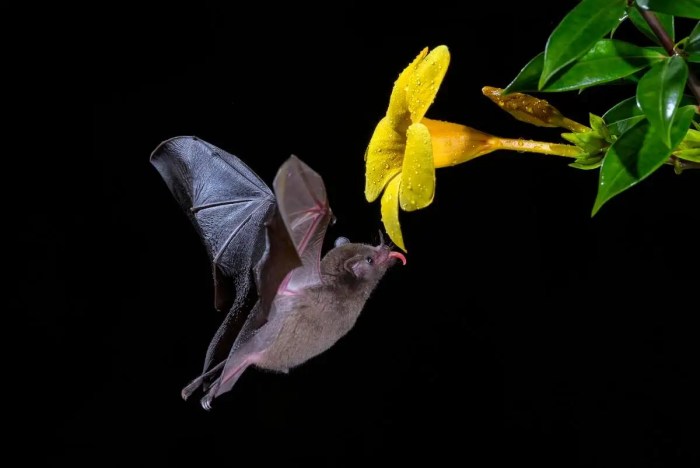
- Moths: Many moth species, particularly those active at night, play a significant role in pollination. Their nocturnal activity complements the daytime efforts of other pollinators.
- Flies: Various species of flies, including hoverflies, are also pollinators. Their presence, often overlooked, is essential for plant reproduction in certain ecosystems.
- Beetles: Certain beetle species are specialized pollinators, contributing to the pollination of specific plant species.
Essential Roles and Importance
Pollinators are critical to maintaining the biodiversity of our ecosystems. They directly impact the health and productivity of plant communities.
- Food Production: Pollinators are directly linked to the production of many fruits, vegetables, and nuts. Their activity is essential for maintaining the productivity of agricultural systems.
- Ecosystem Stability: Pollinators contribute to the overall health of ecosystems by maintaining the balance between plant and animal life.
- Biodiversity: Their role in plant reproduction is crucial for the survival of many plant species and the animals that rely on them.
Differing Needs and Preferences
Different pollinator species have specific needs and preferences regarding food sources, nesting sites, and environmental conditions. Understanding these nuances is critical to supporting their survival.
- Bees: Bees require a variety of flowering plants for nectar and pollen, and appropriate nesting sites. Different bee species have varying preferences in terms of the types of flowers they prefer. Some are generalists, while others are specialists.
- Butterflies: Butterflies require specific plants for both nectar and larval food. Providing a variety of nectar sources throughout the seasons, along with larval host plants, is vital.
- Hummingbirds: Hummingbirds primarily feed on nectar, with preferences for certain flower shapes and colors. Providing a continuous supply of nectar-rich flowers is essential for supporting hummingbirds.
Factors Influencing Pollinator Health
Several factors influence the health and population of pollinators. Addressing these issues is essential for supporting their continued presence in our ecosystems.
- Habitat Loss: The loss of natural habitats, often due to urbanization and agriculture, directly impacts pollinator populations. Providing diverse habitats is crucial for their survival.
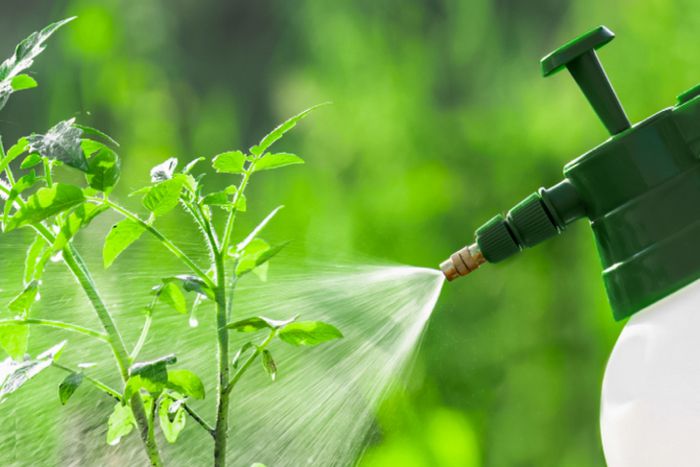
- Pesticide Use: Pesticide use, while necessary in agriculture, can harm pollinators. Minimizing pesticide use and promoting alternative pest control methods is crucial.
- Climate Change: Changes in temperature and precipitation patterns can affect the timing of plant flowering and pollinator activity, disrupting their synchronized relationships.
Impact of Human Activities
Human activities significantly influence pollinator populations. Understanding these impacts is essential for developing sustainable practices.
- Habitat Fragmentation: The division of habitats into smaller fragments limits pollinator movement and access to resources.
- Monoculture Agriculture: Large-scale agricultural practices often rely on monoculture crops, providing limited food sources for pollinators.
Attracting Specific Pollinators
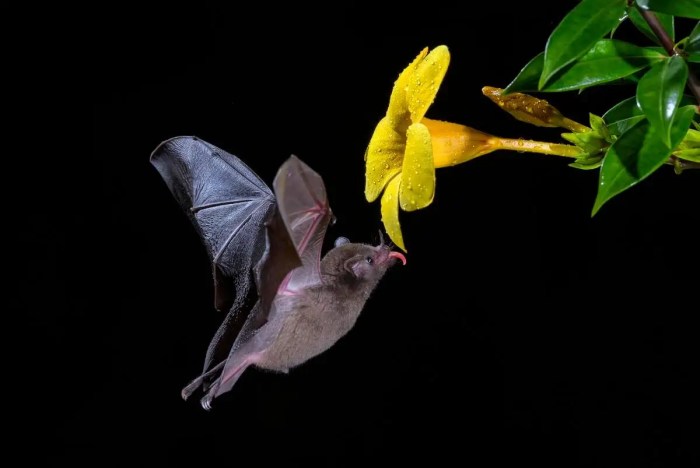
Attracting pollinators isn’t just about providing food; it’s about catering to their specific needs and preferences. Different pollinators, from bees to butterflies to hummingbirds, have unique tastes in flower shapes, colors, and nectar. Understanding these preferences allows us to create more effective pollinator gardens that support a diverse range of these vital creatures.
Bee-Friendly Flowers, How to attract pollinators
Bees are crucial pollinators, and their preferences heavily influence the types of flowers we should prioritize. Bees are drawn to flowers with abundant nectar and pollen, as well as specific floral characteristics. The shape, color, and scent of a flower play a critical role in attracting bees. Flowers that offer a landing platform are also important, allowing bees to easily access the pollen and nectar.
- Flower shape and size play a crucial role in bee attraction. Bees often prefer flowers with shallow, flat landing platforms, such as those found in many daisy and sunflower families. Deep, tubular flowers, while attractive to other pollinators, are less suitable for many bees, as they might not be able to easily reach the nectar or pollen within the flower structure.
- Color preferences vary among bee species. Some bees are attracted to bright colors like blue, purple, and yellow, while others may be more responsive to white or cream. The overall color intensity and pattern also influence bee attraction. Consider the diversity of bee species in your region when selecting colors.
- Nectar and pollen content are essential. Bees are attracted to flowers that produce copious amounts of nectar and pollen. The concentration of these resources also affects their interest. A high concentration of easily accessible nectar and pollen is key for efficient foraging.
A Comparative Look at Bee-Attracting Plants
The following table highlights plants particularly attractive to different bee species, taking into account their preferences for flower shape, color, and nectar/pollen production.
| Bee Species | Best Plants | Flower Characteristics |
|---|---|---|
| Honey Bees | Sunflower, Lavender, Goldenrod | Bright yellow, large flowers, abundant nectar and pollen |
| Bumblebees | Coneflowers, Black-eyed Susans, Bee Balm | Deep tubular flowers, vibrant colors, plentiful pollen and nectar |
| Mason Bees | Lavender, Red Clover, Buckwheat | Small, tubular flowers, easily accessible pollen, often in dense clusters |
| Leafcutter Bees | Various flowering plants, especially those with abundant pollen | Diverse, seeking abundant pollen for nesting |
Butterfly-Friendly Flowers
Butterflies, like bees, are important pollinators. Their preferences for flowers are often driven by visual cues and the availability of nectar. Butterflies are attracted to bright colors and patterns, as well as flowers with abundant nectar.
- Color preferences are a major factor. Butterflies are often attracted to bright colors like orange, red, pink, and yellow. The contrast and patterns on the flowers also influence their choices. They are drawn to a variety of colors, which is why many flowers are successful in attracting them.
- Nectar source is critical. Butterflies rely heavily on nectar as their primary food source. Flowers with abundant nectar, like butterfly bushes and milkweed, are highly attractive to them. The concentration and availability of nectar in a flower are key elements.
- Flower shape also matters. Some butterfly species prefer flowers with shallow landing platforms, allowing them to easily access the nectar. Other species might prefer more complex flower structures, like those found in milkweed, which provide both nectar and a place to lay eggs.
Hummingbird-Friendly Flowers
Hummingbirds are remarkable pollinators, and their attraction is strongly influenced by flower shape and nectar content.
Attracting pollinators is easier than you think! A great way to support these vital insects is by planting diverse flowering plants. For example, consider the various types of creeping thyme, like the creeping thyme varieties available here , which offer a continuous bloom throughout the season and are beloved by bees and butterflies. These low-growing beauties are also fantastic for ground cover, making them a practical addition to any garden aiming to attract pollinators.
- Flower shape is paramount. Hummingbirds are attracted to tubular flowers, often with a long, narrow corolla. The shape allows them to reach the nectar at the base of the flower using their long beaks. A long, narrow flower tube is crucial.
- Nectar concentration is vital. Hummingbirds have a high metabolic rate and need a concentrated nectar source. Flowers with high nectar concentration are the most attractive. The concentration of sugar in the nectar plays a significant role.
- Flower color can influence attraction, but the shape and nectar content are generally more critical. Bright colors are a contributing factor, but the overall shape and the quantity of nectar are the key elements.
The Importance of Plant Diversity
Creating a diverse garden is crucial for attracting a wide range of pollinators. A variety of flowers with different shapes, sizes, colors, and nectar sources provides a broader range of food sources for various pollinator species. This diversity is essential for supporting the health and well-being of these vital insects and birds. A mixed garden with diverse species ensures a more balanced ecosystem.
Attracting pollinators is all about providing a diverse buffet! Think about adding some height to your garden with tall low light plants, like these tall low light plants. They’ll offer a wonderful food source and create a vertical interest that’s irresistible to buzzing visitors. This vertical variety will really help your pollinator-attracting efforts thrive!
Creating Pollinator-Friendly Habitats
Attracting pollinators isn’t just about providing flowers; it’s about crafting an entire ecosystem that supports their needs. A pollinator-friendly habitat goes beyond individual plants; it encompasses the overall environment, including water sources, plant diversity, and minimizing harmful practices. By understanding these factors, you can create a haven for these vital creatures, contributing to a healthier garden and a thriving ecosystem.A successful pollinator garden is a carefully orchestrated blend of plant choices, water availability, and mindful practices.
Creating such a haven is not only rewarding for the pollinators but also for the gardener, who experiences the beauty and bounty of a vibrant, thriving garden.
Best Landscaping Choices for Supporting Pollinators
Providing a variety of plants throughout the growing season ensures a continuous food source for pollinators. This diversity is crucial, as different pollinators have different preferences for flower types, colors, and nectar production. A balanced approach that considers the life cycle of the pollinators is key to their survival and reproduction.
- Native Plants: These plants are adapted to local conditions and provide essential food and shelter for native pollinators. Native plants often have a longer bloom time and support a wider variety of pollinators. Consider a mix of native shrubs, perennials, and wildflowers.
- A Diverse Array of Flowers: Offer a range of flower shapes, colors, and sizes. Different pollinators are attracted to different floral characteristics. Some prefer tubular flowers, while others prefer flat, open blossoms. This diversity ensures a varied diet for the pollinators.
- Blooming Throughout the Season: Select plants that bloom at different times of the year to provide a consistent food source for pollinators. This is particularly important for pollinators that have a specific breeding season or that require nectar during particular periods. Consider the timing of the bloom for each plant to avoid gaps in food availability.
- Non-Flowering Plants: Beyond flowers, consider the importance of foliage. Some pollinators, such as certain types of butterflies, rely on foliage for shelter and roosting. Including a variety of trees and shrubs that provide suitable habitat, like shrubs with dense foliage, contributes to the overall health of the pollinator ecosystem.
Significance of Diverse Flowering Plants Throughout the Growing Season
Providing a diverse range of flowering plants throughout the growing season is crucial for supporting pollinators. This continuous supply of nectar and pollen ensures a consistent food source for different species of pollinators, regardless of their specific needs or life cycles. The diversity of flowering times across various plants ensures a consistent food supply for the different species.
- Continuous Food Supply: Pollinators need a constant supply of food, especially during periods of high activity, such as during their breeding season. Planting a variety of flowers that bloom at different times ensures a constant food supply for different pollinators.
- Supporting Different Pollinator Needs: Different pollinators have specific preferences for flower types, colors, and nectar production. Providing a range of flowers ensures that different pollinators have access to the food they need.
- Long-Term Sustainability: A garden with diverse flowering plants is more sustainable in the long term. This is because the plants are less susceptible to pest infestations and diseases when a variety of species are present. The presence of a wider variety of plants and bloom times also helps to ensure the long-term sustainability of the pollinator population.
Establishing a Water Source Accessible to Pollinators
Providing a reliable water source is essential for pollinators, particularly during dry periods. Water is critical for hydration, and some pollinators, like butterflies, also use water for their larval development.
- Shallow Dishes or Bird Baths: These should be filled with fresh water and changed regularly to prevent the growth of bacteria and disease.
- Water Features: A small pond or fountain can provide a natural water source. The presence of shallow water sources allows for easier access to water for pollinators.
- Humid Environments: Pollinators benefit from humid environments, so including plants that retain moisture can help to create a more hospitable environment for pollinators.
Role of Native Plants in Supporting Local Pollinator Populations
Native plants are specifically adapted to the local climate and soil conditions, which makes them ideal for supporting local pollinators. These plants have evolved alongside local pollinators, creating a mutually beneficial relationship.
- Adapted to Local Conditions: Native plants are well-suited to the local environment, minimizing the need for extensive watering and maintenance. This allows the garden to support pollinators with minimal human intervention.
- Evolved with Local Pollinators: Native plants have evolved alongside the pollinators in the area, creating a symbiotic relationship. This ensures that the plants and pollinators are suited to each other’s needs.
- Supporting Local Biodiversity: Native plants attract and support a wider range of local pollinators and other wildlife, contributing to a healthier and more diverse ecosystem.
Minimizing Pesticide Use in Pollinator-Friendly Gardens
Pesticides pose a significant threat to pollinators, as they can directly harm them or contaminate the food sources they rely on. Minimizing pesticide use is crucial for creating a healthy and sustainable pollinator habitat.
Attracting pollinators is all about providing a buffet of blooms! One fantastic addition to your pollinator-friendly garden is the pink muhly grass, a lovely ornamental grass with a unique appeal. Its delicate pink plumes, detailed in the pink muhly grass profile , offer a valuable food source for butterflies and other buzzing visitors. A mix of flowering plants and grasses like this will ensure a constant supply of nectar and pollen, creating a haven for pollinators.
- Integrated Pest Management (IPM): Using IPM techniques to manage pests naturally can reduce the need for harmful pesticides. This includes using beneficial insects, natural predators, and other biological controls to minimize the need for chemical pesticides.
- Natural Pest Control Methods: Employing natural pest control methods, such as companion planting and introducing natural predators, can help to keep pest populations in check without harming pollinators.
- Organic Gardening Practices: Adhering to organic gardening practices that avoid synthetic pesticides is essential for creating a safe and healthy environment for pollinators.
Plants Harmful to Pollinators
Some plants produce toxins or have other characteristics that are detrimental to pollinators. Awareness of these plants is crucial for creating a pollinator-friendly garden.
- Certain Horticultural Varieties: Some hybrid and non-native varieties of plants may not be suitable for pollinators due to their lack of nectar or pollen. They may also contain toxins.
- Plants with Strong Insecticidal Properties: Certain plants produce substances that are toxic to insects, including pollinators. These plants should be avoided in pollinator-friendly gardens.
- Plants with Strong Odor or Irritants: Some plants produce strong odors or irritants that can repel pollinators. These plants can negatively impact the pollinator population.
Maintaining Pollinator Gardens
A thriving pollinator garden isn’t a one-and-done project. It requires ongoing care and attention to ensure a continuous supply of food and shelter for the buzzing, fluttering, and crawling visitors. Consistent maintenance will attract more pollinators, increase the garden’s overall health, and create a truly vibrant ecosystem.Maintaining a pollinator garden is an ongoing process that requires careful consideration of various factors to ensure its long-term success and to maintain a healthy environment for pollinators.
Regular Plant Maintenance
Regular plant maintenance is crucial for a healthy pollinator garden. It involves removing dead or diseased plant parts, encouraging new growth, and ensuring a continuous supply of nectar and pollen throughout the growing season. This proactive approach prevents the spread of diseases and pests and allows the plants to allocate their energy to producing more flowers. Deadheading, for instance, encourages more blooms and helps prevent the plant from putting energy into producing seeds before it has flowered fully.
- Deadheading: Removing spent flowers and seed heads promotes continued flowering, ensuring a consistent food source for pollinators. This process also improves the garden’s aesthetic appeal. An example would be deadheading spent zinnias, encouraging them to produce more blooms throughout the summer.
- Pruning: Regular pruning helps maintain plant shape, promotes air circulation, and prevents overcrowding. It also allows sunlight to reach the interior of the plants, encouraging healthy growth and flower production. Pruning overgrown shrubs and trees in your pollinator garden will allow for better airflow and reduce the risk of fungal diseases.
- Watering: Appropriate watering is essential for healthy plant growth and development. Overwatering can lead to root rot, while underwatering can cause stress, making plants less attractive to pollinators. Water deeply but less frequently to encourage deep root growth and drought tolerance.
Providing Shelter and Nesting Sites
Pollinators need safe places to rest, nest, and raise their young. Providing suitable shelter and nesting sites within your garden will attract a wider variety of pollinators. These safe havens provide essential protection from predators and harsh weather conditions.
- Providing Rocks and Logs: Incorporate rocks and logs into your garden to provide shelter for solitary bees and other beneficial insects. These insects often use crevices and hollow spaces in logs for nesting. Place them strategically in shaded areas for optimal comfort and safety.
- Installing Birdhouses and Bat Houses: While not directly pollinators, birds and bats can play a vital role in controlling pest populations. By providing appropriate nesting sites, you contribute to a balanced ecosystem that supports your pollinators. This is crucial to controlling the pest populations that can harm your garden and pollinators.
- Leaving Some Bare Ground: Allowing some bare ground in your garden can provide essential nesting and overwintering sites for ground-nesting bees and other beneficial insects. This allows them to find a safe haven for their survival during harsh seasons.
Plant Spacing and Diversity
Appropriate plant spacing and diversity are essential for a thriving pollinator garden. This strategy creates a more varied and complex environment that attracts a wider range of pollinators. A diverse garden offers a wider range of food sources, catering to the varied dietary needs of different pollinator species.
- Plant Spacing: Adequate spacing between plants allows for better air circulation, reducing the risk of fungal diseases and promoting healthy growth. It also provides enough space for pollinators to move around freely among the flowers.
- Plant Diversity: Include a variety of flowering plants that bloom at different times throughout the growing season. This ensures a continuous supply of nectar and pollen, catering to the needs of various pollinator species. This strategy will attract a larger diversity of pollinators and support a more balanced ecosystem.
Monitoring Pollinator Populations
Regularly monitoring the health of pollinator populations in your garden is essential for understanding their well-being and adjusting your management strategies accordingly. This involves noting the types of pollinators present, their abundance, and any changes over time.
- Regular Observations: Keep a record of the types of pollinators visiting your garden, including bees, butterflies, and other insects. Note the frequency of visits and any changes in population levels over time.
- Identify Problems: If you notice a decline in pollinator populations, investigate possible causes. This might involve changes in the environment, the presence of pesticides, or a lack of suitable resources. For example, if you see fewer bees, check for pesticide use in your neighborhood or nearby gardens.
Dealing with Pest Issues
Pest issues can significantly impact pollinator health and garden vitality. Addressing pest issues in a responsible way is essential to maintain a healthy ecosystem.
- Integrated Pest Management (IPM): Implementing IPM strategies is crucial for managing pest issues effectively. This approach focuses on preventing pest infestations rather than relying solely on pesticides. Introduce beneficial insects that prey on pests to control populations naturally.
- Selective Pesticide Use: If pesticides are necessary, choose the least harmful options and apply them judiciously. Always follow label instructions and avoid spraying during peak pollinator activity. Avoid using broad-spectrum pesticides that may harm beneficial insects.
Educational Resources
Learning about pollinators and their vital role in our ecosystems is crucial for effective conservation. This section provides resources to deepen your understanding and get involved in local efforts to protect these essential creatures. From local organizations to online guides, these tools empower you to become a champion for pollinators.
Local Organizations
Many local organizations are dedicated to pollinator conservation. They often conduct research, organize events, and advocate for policies that support pollinators. Reaching out to these groups can offer valuable insights into specific challenges and opportunities in your area.
- Local chapters of the Xerces Society for Invertebrate Conservation provide valuable information and resources on pollinator health and habitat creation.
- Native plant societies and nurseries often have information on the best plants to attract pollinators in your region, and some may offer workshops or gardening advice.
- University extension offices and agricultural departments frequently host educational programs and workshops on pollinator gardening and conservation.
Online Resources
Numerous reputable online resources offer detailed information about pollinators and their conservation. These resources provide a wealth of knowledge and support for individuals and organizations committed to protecting these vital creatures.
- The USDA’s Natural Resources Conservation Service (NRCS) website provides information on pollinator habitats and how to create them.
- The Pollinator Partnership website offers extensive information about pollinators, including identification guides, conservation strategies, and resources for educators.
- Numerous university websites, like those of Cornell University and the University of California, provide research-based articles and educational materials on pollinator ecology and conservation.
Books and Articles
Books and articles provide in-depth insights into pollinator gardening and conservation. They offer detailed information about specific plant species, pollinator behavior, and effective strategies for habitat creation.
“Pollinator gardening isn’t just about planting flowers; it’s about creating a diverse and thriving ecosystem for these vital insects.”
Excerpt from “Attracting Pollinators
A Guide to Planting and Protecting Pollinators” by [Author Name].
- Many books, such as “Attracting Pollinators: A Guide to Planting and Protecting Pollinators” and “The Pollinator’s Handbook,” provide practical advice and inspiration for creating pollinator-friendly gardens.
- Scientific journals and publications often feature research on pollinator ecology and conservation, offering a deeper understanding of these important issues.
Community Involvement
Community involvement is essential for effective pollinator conservation. Local initiatives, like workshops and educational programs, can engage diverse groups and raise awareness about the importance of pollinators.
- Organize community workshops or volunteer days to educate residents about pollinator gardening and conservation.
- Collaborate with local schools and community centers to incorporate pollinator education into their curriculum and programs.
- Partner with local businesses to support pollinator conservation efforts through donations, sponsorships, or promotional activities.
Key Actions for Supporting Pollinators
This table summarizes key actions you can take to support pollinator populations in your area. Consider implementing these strategies to foster a healthier environment for these essential creatures.
| Action | Description |
|---|---|
| Plant native flowers and plants | Choose plants that are native to your region to attract the specific pollinators that are prevalent in your area. |
| Reduce pesticide use | Minimizing pesticide use protects pollinators from harmful chemicals. |
| Create water sources | Providing water sources like shallow dishes or birdbaths can help pollinators stay hydrated. |
| Avoid disturbing nesting sites | Understanding and respecting pollinator nesting habitats helps ensure their survival. |
Examples of Pollinator-Friendly Gardens: How To Attract Pollinators
Creating a pollinator-friendly garden isn’t just about planting pretty flowers; it’s about thoughtfully designing a space that caters to the diverse needs of these essential creatures. These gardens become vital havens, providing food, shelter, and breeding grounds for a multitude of pollinators, contributing to a healthier ecosystem.A well-designed pollinator garden is more than just a collection of plants; it’s a habitat meticulously crafted to support the entire pollinator lifecycle.
From providing nectar sources throughout the growing season to offering nesting sites and safe spaces, every element plays a crucial role in supporting these vital creatures.
Sample Pollinator-Friendly Garden Layout
A well-structured pollinator garden is crucial for maximizing its effectiveness. The following table illustrates a sample layout, emphasizing the importance of diverse plant types and spatial arrangement.
| Zone | Plant Selection | Description |
|---|---|---|
| Core | Large shrubs, trees | Provide structural elements and shelter for pollinators. Offer a variety of nectar and pollen sources. |
| Mid-ground | Perennials, some biennials | Offer consistent blooms throughout the season, providing a continuous food source for pollinators. |
| Border | Annuals, groundcovers | Add vibrant color and visual appeal, providing supplemental nectar and pollen. |
| Water Feature | Shallow dish, birdbath | Provides water for pollinators and other wildlife. |
| Paths/Walkways | Gravel, mulch | Maintain accessibility while minimizing disturbance to pollinators. |
Plant Selection for Different Regions
Different regions have varying climates and soil conditions, necessitating tailored plant choices. This ensures the plants thrive and provide a continuous food source for pollinators. Careful consideration of plant hardiness zones and local conditions is paramount.
- Warm climates (e.g., Southern US): Plants like bougainvillea, hibiscus, and various citrus trees offer vibrant blooms and abundant nectar. Native flowering plants are also crucial for providing essential resources for local pollinators.
- Temperate climates (e.g., Midwestern US): A diverse range of perennials, such as coneflowers, bee balm, and milkweed, provide a robust food source throughout the growing season. Consider native plants to maximize support for local pollinators. Trees like oak and maple provide essential nesting sites.
- Cool climates (e.g., Northern US): Early-blooming shrubs and trees, like willows and fruit trees, are crucial for supporting pollinators at the start of the season. Choose plants known to thrive in cooler temperatures and provide nourishment in the spring and early summer.
Specific Characteristics of Plants Used in the Gardens
The characteristics of the plants directly influence their appeal to pollinators. Plant selection should consider the specific needs of the target pollinator species.
- Flower Shape and Color: Pollinators are drawn to specific flower shapes and colors, often associated with their visual cues and nectar production. A variety of flower shapes and colors ensures attraction for different pollinator types.
- Bloom Time: Ensuring a continuous bloom throughout the growing season is essential for sustaining pollinators. A succession of plants blooming at different times ensures a constant food source. This minimizes the impact of seasonal changes on the pollinators’ food supply.
- Nectar and Pollen Production: Different plants produce varying amounts of nectar and pollen, essential nutrients for pollinators. A combination of high-nectar and high-pollen plants supports a broader range of pollinator species.
Design Choices for the Gardens
Careful design choices maximize the garden’s effectiveness as a pollinator habitat.
- Spatial Arrangement: Strategically placing plants in close proximity to one another, while still allowing for adequate space for pollinators to move around, is vital. This creates effective foraging areas and encourages interaction between pollinators.
- Plant Diversity: A diverse range of plants with varying bloom times and structures is key to supporting a variety of pollinator species. This diversity ensures a continuous food source throughout the season and addresses the needs of different pollinators.
- Shelter and Nesting Sites: Incorporating elements such as rocks, shrubs, and small trees provides nesting and shelter areas for pollinators. This creates a complete habitat conducive to a healthy pollinator population.
Aspects Supporting Pollinator Diversity
The design of a pollinator-friendly garden directly impacts the diversity of pollinators it supports.
- Native Plant Selection: Native plants are adapted to local conditions and support native pollinators, contributing to the local ecosystem’s health and resilience.
- Water Source Provision: Including a shallow dish or birdbath provides essential water for pollinators, crucial for their survival, especially during dry periods.
- Minimizing Pesticide Use: Avoiding pesticides helps protect pollinators from harmful chemicals and ensures the health of the ecosystem.
Ultimate Conclusion
In conclusion, creating a pollinator-friendly garden is a rewarding journey that benefits both your garden and the environment. By understanding pollinator needs, choosing the right plants, and maintaining a healthy habitat, you can contribute to a thriving ecosystem. Remember, every action, no matter how small, can make a significant difference in supporting these essential creatures.