
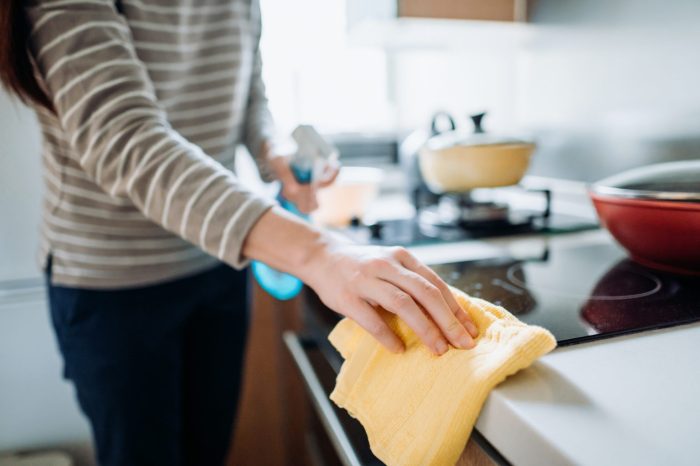



Homemade stainless steel cleaner offers a refreshing alternative to store-bought options, saving money and potentially reducing harmful chemicals. This guide explores the benefits, various recipes, safety precautions, cleaning techniques, and even the environmental impact of crafting your own stainless steel shine. From kitchen appliances to countertops, discover how homemade stainless steel cleaner can effortlessly transform your space.
This comprehensive guide covers everything you need to know about making your own stainless steel cleaner. We’ll delve into the different types of stainless steel surfaces, the common pitfalls of improper cleaning, and compare the ingredients, cost, and effectiveness of store-bought and homemade options. Get ready to learn about a range of recipes, from simple to sophisticated, ensuring you can tackle any stain or grime.
Introduction to Homemade Stainless Steel Cleaners

Homemade stainless steel cleaners offer a cost-effective and often environmentally friendly alternative to store-bought products. These DIY solutions can be tailored to specific needs and concerns, and can often provide a more thorough cleaning experience, particularly for stubborn marks. Moreover, you have complete control over the ingredients, allowing you to avoid potentially harsh chemicals found in commercial cleaners.Stainless steel surfaces are diverse, ranging from kitchen appliances to bathroom fixtures and even outdoor furniture.
Homemade cleaners can effectively target these varied surfaces, while minimizing damage to the material. However, it’s crucial to understand that improper cleaning methods can lead to scratches, dulling, or even damage to the protective layer on stainless steel, rendering the surface susceptible to rust and corrosion. Choosing the right cleaner and technique is essential to maintaining its aesthetic appeal and longevity.
Common Problems with Improper Cleaning
Using abrasive cleaners or harsh scrubbing techniques can cause scratches and dull the shine of stainless steel. These scratches not only affect the visual appeal but can also compromise the steel’s protective layer, increasing the risk of rust and corrosion. Additionally, improper cleaning can leave behind streaks or water spots, diminishing the overall aesthetic. Therefore, a gentle, targeted cleaning approach is crucial to maintaining the surface’s integrity.
Comparison of Store-bought and Homemade Cleaners
| Feature | Store-bought | Homemade |
|---|---|---|
| Ingredients | Often contain harsh chemicals like bleach, ammonia, or abrasive powders. | Usually use mild ingredients like vinegar, baking soda, dish soap, or lemon juice. |
| Cost | Generally more expensive due to packaging and marketing. | Significantly less expensive as ingredients are readily available. |
| Effectiveness | May be effective at removing surface dirt and grime, but can also potentially damage the surface with prolonged use of harsh chemicals. | Often as effective as store-bought cleaners for removing everyday stains, while minimizing potential harm to the surface and the environment. |
Common Homemade Stainless Steel Cleaner Recipes

Homemade stainless steel cleaners offer a cost-effective and eco-friendly alternative to store-bought products. These recipes, using readily available ingredients, can effectively remove various types of stains and maintain the shine of your stainless steel appliances. By understanding the ingredients and their functions, you can tailor your cleaning solution to address specific needs.Understanding the chemical reactions involved in these recipes will help you comprehend their effectiveness and tailor them to your specific cleaning needs.
I’ve been experimenting with homemade stainless steel cleaner lately, and it’s surprisingly effective! Thinking about how much water a washing machine uses, though, makes me wonder if my cleaning routine could be even more eco-friendly. Knowing how much water a washing machine uses is key to a sustainable cleaning routine. how much water does a washing machine use Maybe I can adjust my cleaning schedule to coincide with lower water usage days.
Regardless, I’m still pretty happy with my homemade stainless steel cleaner results.
Using vinegar, baking soda, or lemon juice creates an acidic environment that loosens dirt and grime. These are powerful cleaning agents, but they must be used cautiously to avoid damaging the surface of the stainless steel.
Stainless Steel Cleaner Recipe 1: The Gentle Citrus Clean
This recipe leverages the natural acidity of lemon juice for a gentle, yet effective clean. It’s ideal for everyday maintenance and light stains.
- Ingredients:
- 1 cup warm water
- 1/2 cup lemon juice
- 1 tablespoon olive oil (optional, for added shine)
Instructions:
- Combine warm water and lemon juice in a spray bottle.
- Add olive oil, if using.
- Shake well to mix.
- Spray the solution onto the stainless steel surface.
- Wipe clean with a soft cloth.
Stainless Steel Cleaner Recipe 2: The Powerful Baking Soda Blend
This recipe is particularly effective for tougher stains, grease, and stubborn food residue. Baking soda’s abrasive nature helps remove deep-set dirt.
Homemade stainless steel cleaner is surprisingly effective, and the right cleaning solution can really make a difference in your kitchen. Thinking about how your kitchen looks, though, might spark some ideas about your color scheme. Knowing how to choose a color palette, like in designer tips for choosing color palette , can help you decide on the perfect accents and finishes to complement your newly cleaned stainless steel.
Ultimately, a well-chosen cleaning solution and a cohesive color palette can transform your kitchen’s aesthetic.
- Ingredients:
- 1/2 cup baking soda
- 1/4 cup white vinegar
- 1 cup warm water
Instructions:
- Mix baking soda and vinegar in a bowl until a paste forms.
- Add warm water to the paste to create a smooth, spreadable consistency.
- Apply the paste to the stainless steel surface.
- Allow the paste to sit for 5-10 minutes to loosen dirt.
- Wipe clean with a soft cloth.
Stainless Steel Cleaner Recipe 3: The Multi-Purpose Vinegar Wash
This recipe is a classic, employing the strong cleaning power of white vinegar. It’s suitable for general cleaning and for removing water spots.
- Ingredients:
- 1 cup white vinegar
- 1 cup warm water
Instructions:
- Combine vinegar and warm water in a spray bottle.
- Spray the solution onto the stainless steel surface.
- Wipe clean with a soft cloth.
Cleaning Power Comparison
| Recipe | Ingredients | Effectiveness (scale 1-5) |
|---|---|---|
| Recipe 1 (Gentle Citrus Clean) | Warm water, lemon juice, olive oil | 3 (Good for light stains, daily maintenance) |
| Recipe 2 (Powerful Baking Soda Blend) | Baking soda, white vinegar, warm water | 4 (Effective for tougher stains and grease) |
| Recipe 3 (Multi-Purpose Vinegar Wash) | White vinegar, warm water | 3 (Good for general cleaning, removing water spots) |
Ingredient Safety and Considerations
Homemade stainless steel cleaners, while often touted as environmentally friendly, require careful consideration of ingredient safety. Using the wrong ingredients or improper handling techniques can lead to unpleasant or even dangerous outcomes. Understanding potential hazards, safety precautions, and best practices for storage is crucial for a safe and effective cleaning experience.While homemade cleaners offer a tempting alternative to store-bought options, it’s vital to acknowledge the potential risks associated with certain ingredients and their interaction with stainless steel.
Some ingredients, when combined, can produce harmful fumes or corrosive reactions that damage not only the steel but also your health.
Potential Hazards of Ingredients
Many ingredients commonly used in homemade stainless steel cleaners, like vinegar or lemon juice, can be irritating to the skin or eyes if not handled carefully. Other ingredients, such as bleach or ammonia, present a far greater risk. Improper mixing of these strong chemicals can generate toxic fumes, and prolonged exposure can cause serious respiratory problems or skin burns.
Always prioritize safety and use caution when handling any potentially hazardous ingredient.
Safety Precautions for Handling Homemade Cleaners
Proper handling of homemade cleaners is paramount. Always wear appropriate personal protective equipment (PPE), including gloves, eye protection, and a mask. This protective gear will prevent skin contact, eye irritation, and inhalation of harmful fumes. Choose gloves specifically designed for handling cleaning agents to prevent leaks or damage.
Ventilation Considerations
Proper ventilation is critical when using any cleaning solution, homemade or store-bought. Open windows and use exhaust fans to ensure adequate airflow in the area. This minimizes the risk of inhaling harmful fumes or vapors, which can cause respiratory distress or other health problems. Concentrate cleaning activities in well-ventilated spaces to prevent potential health risks.
Storage Best Practices
Storing homemade cleaners correctly is just as important as using them safely. Store cleaners in airtight containers to prevent spills and evaporation. Label containers clearly with the contents and any potential hazards. Store cleaners out of reach of children and pets to avoid accidental exposure. Designate a specific, well-ventilated storage area for your homemade cleaning solutions to maintain safe storage practices.
Potential Risks of Store-Bought Cleaners
While store-bought cleaners often offer convenience, they may contain harsh chemicals that can harm the environment and your health. Some store-bought cleaners contain volatile organic compounds (VOCs), which can release harmful gases into the air. Others may contain corrosive agents that can damage stainless steel over time. Be aware of the potential hazards when selecting a store-bought cleaner and always follow the manufacturer’s instructions carefully.
Choosing eco-friendly store-bought options may mitigate some of these risks, but it’s still crucial to prioritize safety and proper handling.
Cleaning Techniques and Applications
Mastering the art of stainless steel cleaning involves more than just applying a solution. Choosing the right technique, understanding surface variations, and knowing how to address specific stains are crucial for achieving a gleaming finish. This section delves into various cleaning methods and their application to different stainless steel surfaces, ensuring a thorough and effective cleaning experience.Different cleaning methods offer varying degrees of effectiveness and efficiency.
The best approach depends on the type of stainless steel surface, the nature of the stains, and your personal preferences. Wiping and spraying are two common techniques, each with its own advantages and disadvantages.
Cleaning Techniques
Understanding the nuances of wiping and spraying techniques is key to effective stainless steel cleaning. Wiping, often with a microfiber cloth, allows for precise application of cleaner and can be particularly useful for intricate surfaces. Spraying, on the other hand, is a quicker method for covering larger areas and is often preferred for quick touch-ups or routine cleaning.
- Wiping: This technique offers precise control and is ideal for detailed cleaning of stainless steel surfaces. Using a microfiber cloth ensures minimal scratching and provides a smooth, streak-free finish. For tougher stains, a dampened microfiber cloth with the chosen cleaning solution is recommended.
- Spraying: Spraying is a fast method for cleaning larger surfaces. Use a spray bottle filled with the homemade cleaner and apply evenly across the area. Wipe with a clean microfiber cloth to remove excess cleaner and achieve a spotless shine. This is excellent for routine maintenance of countertops and appliances.
Cleaning Different Stainless Steel Surfaces
The cleaning approach needs to adapt to the specific surface being cleaned. Stainless steel appliances, sinks, and countertops each require slightly different considerations.
- Appliances: Focus on removing any food residue or spills promptly. Use a soft cloth and the appropriate cleaning solution to avoid scratching the appliance’s surface. For stubborn stains, consider a targeted approach, such as using a cleaning paste made from baking soda and water. Never use abrasive cleaners on appliances, as this can damage the finish.
- Sinks: Sinks often accumulate hard water stains and food particles. A combination of warm water, dish soap, and a gentle scrub with a sponge or brush will effectively remove these. For stubborn stains, a homemade cleaner or a dedicated sink cleaner can be used. Avoid harsh scrubbing or abrasive materials that may damage the sink.
- Countertops: Regular cleaning with a homemade stainless steel cleaner prevents build-up of grime and stains. Use a soft cloth or sponge and avoid abrasive materials. Prompt removal of spills is crucial for maintaining the countertop’s pristine appearance. A gentle scrubbing motion and careful rinsing can remove even stubborn stains.
Cleaning Stainless Steel Cookware
Cleaning stainless steel cookware effectively is essential for preserving its quality and ensuring food safety.
- Initial Rinse: Immediately rinse the cookware with hot water to remove loose food particles.
- Gentle Scrubbing: Use a soft sponge or brush with warm soapy water to remove any remaining food residue. Avoid using abrasive materials or harsh scrubbing, as this can damage the cookware’s surface.
- Cleaning Solution Application: Apply the homemade cleaner to the cookware and allow it to sit for a few minutes to loosen stubborn food particles. Use a soft cloth or sponge to gently wipe the cleaner away. For particularly stuck-on food, consider applying the cleaner, covering the pan, and letting it sit for a longer time before scrubbing.
- Rinsing and Drying: Rinse the cookware thoroughly with hot water and dry immediately with a clean cloth or towel. This prevents water spots and promotes a lasting shine.
Addressing Specific Stains
Different stains require tailored cleaning methods.
- Water Stains: Use a dedicated cleaner, or a mixture of baking soda and vinegar to effectively remove these.
- Food Stains: Immediate cleaning is key to prevent stubborn food stains from becoming permanent. The type of stain will determine the best method, such as using a gentle scrub or a paste-based cleaner.
- Burn Marks: A paste made of baking soda and water, or a commercial stainless steel cleaner, can help lift burn marks. Use a soft cloth or sponge to scrub gently. Avoid abrasive materials or excessive force.
Troubleshooting and Maintenance
Homemade stainless steel cleaners, while effective, can sometimes lead to unexpected issues. Understanding potential problems and their solutions, along with preventative maintenance strategies, ensures your stainless steel shines consistently. This section dives into common troubleshooting scenarios and provides proactive tips to keep your appliances and fixtures looking their best.
Common Cleaning Problems and Solutions, Homemade stainless steel cleaner
Maintaining a consistently clean and streak-free stainless steel surface requires careful attention to detail. Minor issues can often be resolved with simple adjustments to your cleaning technique or the choice of cleaning agent.
- Streaking and Water Spots: Using insufficient cleaning solution or not drying thoroughly can result in streaking and water spots. Use a microfiber cloth or chamois for drying, ensuring the cloth is clean and lint-free. Applying a small amount of a glass cleaner or dedicated stainless steel polish can also help eliminate water spots. Applying the cleaner and then immediately wiping with a microfiber cloth and ensuring the surface is completely dry will prevent streaking.
- Scuffs and Scratches: Harsh abrasives or improper cleaning tools can lead to scuffs and scratches. Avoid scouring pads or steel wool, opting instead for soft cloths and non-abrasive cleaners. For stubborn scuffs, consider a specialized stainless steel scratch remover, following the product instructions carefully.
- Discoloration or Residue: Inconsistent cleaning solutions or improper application can cause discoloration or residue. Ensure your cleaning solution is properly diluted and applied evenly. If residue persists, try a different cleaning solution or a combination of solutions.
Preventing Future Problems
Proactive measures are crucial in maintaining the pristine look of your stainless steel. Regular maintenance routines minimize the need for extensive troubleshooting.
- Regular Cleaning Schedule: Establish a regular cleaning schedule for your stainless steel surfaces. A weekly or bi-weekly cleaning routine will prevent buildup and keep the surface looking its best.
- Proper Tool Selection: Use the right tools for the job. Avoid abrasive tools that can scratch the surface. Microfiber cloths are your best friend for cleaning and drying.
- Appropriate Cleaning Solution Selection: Experiment with different cleaning solutions to find the best fit for your stainless steel. If one solution isn’t working, consider trying a different, non-abrasive cleaner.
Cleaning Stubborn Stains and Rust
Stubborn stains and rust can sometimes require more targeted cleaning solutions. These techniques provide effective methods for removing these persistent issues.
Homemade stainless steel cleaner is surprisingly effective, but what about those stubborn grime spots on your outside windows you just can’t reach? Fortunately, there are some great tips for tackling those hard-to-clean windows, like using a telescoping pole and a squeegee, as detailed in this helpful guide on how to clean outside windows you cant reach. Once you’ve tackled those high windows, you can confidently use your homemade stainless steel cleaner to restore a sparkling shine to your cleaned surfaces.
- Stubborn Stains: For baked-on food or other stubborn stains, consider using a paste made from baking soda and water. Apply the paste, let it sit for a few minutes, and then gently wipe away with a soft cloth. Repeat if necessary.
- Rust Removal: For rust spots, a paste made from lemon juice and salt can be effective. Apply the paste, let it sit for a while, and then gently scrub with a soft cloth. If the rust is severe, consider using a commercial rust remover, but always follow the product’s instructions carefully.
Preventing Water Spots and Streaks
Minimizing water spots and streaks is a crucial aspect of maintaining a sparkling stainless steel finish.
- Thorough Drying: Always dry your stainless steel surfaces thoroughly after cleaning. A clean microfiber cloth or chamois will help prevent water spots and streaks.
- Appropriate Cleaning Solution: Use a cleaning solution that’s designed for stainless steel, or a combination of ingredients that is specifically formulated to minimize the risk of streaking.
- Cleaning Direction: Wipe your stainless steel in the direction of the grain. This will help to prevent streaks and maintain the surface’s natural sheen.
Environmental Impact and Sustainability
Making your own stainless steel cleaners is a surprisingly impactful way to reduce your environmental footprint. Choosing eco-friendly cleaning solutions can have a significant positive effect on the planet, both directly and indirectly. From the materials used to the waste generated, the environmental benefits are multifaceted.
Store-Bought Cleaners vs. Homemade Cleaners: An Environmental Comparison
Store-bought stainless steel cleaners often come in plastic bottles, requiring significant resources for production and contributing to plastic waste. The chemicals used in these cleaners, though effective, can have detrimental effects on the environment if not properly disposed of. Conversely, homemade cleaners utilize readily available ingredients and often reduce or eliminate the need for packaging. This directly impacts waste generation and resource consumption.
Sustainability of Homemade Cleaners
Using homemade stainless steel cleaners promotes sustainability by reducing reliance on commercially produced, often single-use, cleaning products. Homemade cleaners typically utilize readily available, natural ingredients, decreasing the need for sourcing and transportation of specialized chemical components. This localized approach minimizes the environmental impact associated with global supply chains.
Eco-Friendly Aspects of Homemade Solutions
Homemade cleaners frequently use natural, biodegradable ingredients. For instance, white vinegar, a common component in many recipes, is a natural acid that effectively cuts through grime and is easily broken down in the environment. This contrasts with many store-bought cleaners containing harsh chemicals that can persist in the environment, harming ecosystems. Furthermore, using homemade cleaners reduces the demand for chemically-based cleaners, contributing to a more sustainable consumption pattern.
Packaging and Disposal Considerations
Store-bought cleaners often come in single-use plastic packaging, increasing plastic waste. This packaging typically ends up in landfills or pollutes waterways. In contrast, homemade cleaners can use reusable containers, significantly reducing the environmental impact associated with packaging. Proper disposal of the natural ingredients used in homemade cleaners usually involves composting or simply discarding them with regular household waste, which often biodegrades more readily.
Real-Life Examples of Impact
Consider a household using a store-bought stainless steel cleaner weekly. The plastic bottle, often non-recyclable, ends up in a landfill. Contrast this with a household making their own cleaner. They use glass or reusable spray bottles, significantly reducing waste. The ingredients, like vinegar and baking soda, can be readily disposed of without contributing to chemical pollution.
These examples illustrate the tangible difference homemade cleaners can make in terms of environmental impact.
Conclusive Thoughts
Crafting your own stainless steel cleaner is a rewarding experience that combines practical solutions with eco-consciousness. You’ll discover the satisfaction of creating a cleaner that’s tailored to your needs and budget while potentially minimizing environmental impact. Armed with the recipes, safety tips, and cleaning techniques in this guide, you’ll transform your stainless steel surfaces into gleaming showpieces. So, ditch the store-bought cleaners and embrace the brilliance of homemade solutions!