

Home office decor ideas are essential for creating a productive and inspiring workspace. From maximizing functionality in a small space to incorporating your personal style, we’ll explore a variety of options. Whether you prioritize ergonomic setups, budget-friendly solutions, or specific themes, this guide has something for everyone. We’ll delve into different design styles, discuss the impact of color and lighting, and even explore how to integrate technology seamlessly into your home office.
This comprehensive guide covers everything from creating a functional workspace to adding aesthetic touches and budget-friendly options. Discover how to craft a home office that’s not only visually appealing but also optimized for productivity and relaxation. We’ll explore specific themes, lighting, materials, and the integration of technology. Get inspired and create the home office of your dreams.
Creating a Functional Workspace
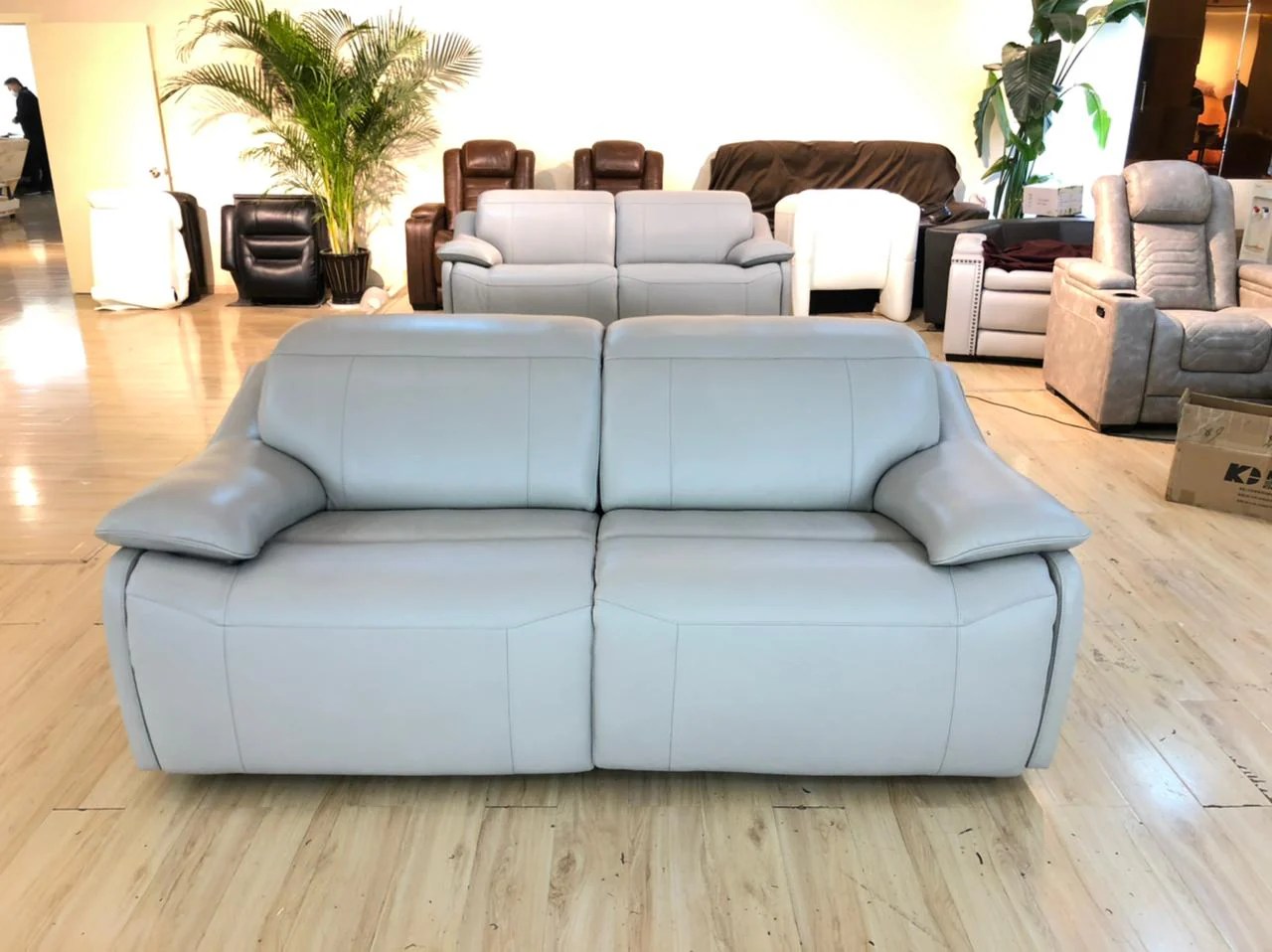
Transforming your home into a productive and inspiring workspace is achievable with careful planning and design. A functional home office fosters focus and efficiency, allowing you to seamlessly blend work and personal life. Strategic layouts, ergonomic setups, and thoughtful organization are key to maximizing your space and your productivity.A well-designed home office is more than just a place to work; it’s an extension of your personality and a reflection of your needs.
By considering factors like natural light, color psychology, and incorporating elements of relaxation, you can create a space that supports your well-being and enhances your work performance.
Small Home Office Design Ideas
Small spaces can be surprisingly functional with the right strategies. Maximize vertical space by utilizing tall bookshelves or wall-mounted organizers. Multi-functional furniture pieces, like a desk with drawers or a bed with storage underneath, are excellent choices. Consider using a folding screen or a room divider to create a sense of separation and privacy without sacrificing space.
Ergonomic Setups for Home Office
An ergonomic setup is essential for preventing discomfort and promoting optimal posture. Choose a chair with adjustable lumbar support, armrests, and a height-adjustable seat. A standing desk or a desk with adjustable height is highly recommended to alternate between sitting and standing throughout the workday. Ensure your monitor is at eye level to minimize strain on your neck and eyes.
Proper keyboard and mouse placement are crucial for comfortable typing and mouse use. Consider the use of a footrest for added support during extended periods of sitting.
Storage Solutions for Home Office
Organizing your home office efficiently is key to maintaining focus and reducing clutter. Utilize vertical space by installing wall-mounted shelves or using stackable storage bins. Label everything clearly to quickly locate items. Consider using storage solutions that blend seamlessly with your décor. A stylish filing cabinet or a visually appealing desk organizer can not only improve functionality but also elevate the aesthetic appeal of your workspace.
Combined Work and Relaxation Areas
Creating a space that seamlessly integrates work and relaxation is possible. A dedicated relaxation corner with comfortable seating, a cozy reading nook, or a small home library can enhance the overall atmosphere. Consider using a room divider or a plant screen to create a visual separation between the work and relaxation zones. Lighting can play a significant role in transitioning between work and relaxation modes.
Dimmable lighting options can create a relaxed atmosphere during breaks.
Home Office Layout Visual Representation
Imagine a home office with a large window overlooking a garden. A standing desk sits by the window, maximizing natural light and allowing for flexibility in working postures. A corner office area is furnished with a comfortable chair, bookshelves, and a small table for personal items. A separate relaxation zone with a plush armchair and a side table for coffee and books is located in the vicinity of the work area.
This illustrates a balance between work and relaxation in a visually appealing layout.
Workspace Arrangements
Different workspace arrangements cater to diverse needs and preferences. A standing desk provides a dynamic workspace, promoting physical activity and reducing the risk of prolonged sitting. A corner office maximizes space utilization in small areas, offering a focused work environment. An open-plan office area can promote collaboration and communication. Each arrangement should be carefully planned to meet specific requirements.
So, you’re looking for some home office decor ideas? I’ve been thinking a lot about how to create a productive and aesthetically pleasing space lately, and it got me thinking about my strawberry patch. For example, if you’re aiming for a vibrant green, you might want to check out this helpful guide to fertilizing strawberries guide to fertilizing strawberries – it’s amazing how a little bit of plant care can inspire you to tackle your office setup! Ultimately, a well-organized and visually appealing home office space can seriously boost your productivity.
Natural Light and Productivity
Natural light significantly impacts productivity. Maximize natural light by positioning your desk near a window. Consider using sheer curtains or blinds to control the amount of light entering the space. Proper lighting can also improve focus and reduce eye strain. Natural light improves mood and can increase energy levels throughout the day.
Color Psychology and Productivity
Colors influence mood and behavior. Cool colors, like blues and greens, can promote calmness and focus, while warm colors, like yellows and oranges, can energize and inspire. Using a color scheme that aligns with your personality and work style can significantly impact your productivity and well-being. Consider the overall impact of color on the atmosphere and mood of the space.
Plants in Home Office Designs
Plants can add a touch of nature and life to your home office, improving air quality and reducing stress. Consider placing plants strategically to enhance the visual appeal of the space. Select plants that thrive in the available light and humidity levels. Choose plants that can help purify the air, which can have a positive impact on your mood and focus.
Aesthetic Considerations
Transforming your home office into a haven of productivity and inspiration hinges not just on functionality, but also on aesthetic appeal. A visually pleasing space fosters a sense of calm and encourages creativity, leading to a more productive and enjoyable work environment. By carefully considering interior design styles, decor elements, and lighting, you can create a home office that reflects your personality and enhances your focus.A well-designed home office transcends practicality; it becomes an extension of your personal style.
By blending aesthetic considerations with functionality, you cultivate a space that’s both productive and personally fulfilling. This approach empowers you to embrace your creativity and optimize your work experience.
Interior Design Styles
Different interior design styles can significantly impact the ambiance of your home office. Minimalist designs, characterized by clean lines and a neutral color palette, promote a sense of calm and focus. Bohemian styles, rich in texture and vibrant colors, foster creativity and individuality. Modern designs, often featuring sleek furniture and contemporary artwork, emphasize sophistication and efficiency. Selecting a style that aligns with your personal taste and work style is crucial for creating a space that inspires you.
Elements of Calm and Focus
Several decor elements can evoke a sense of calm and focus in a home office. Natural elements like plants, wood accents, and natural light create a connection to the outdoors, reducing stress and enhancing well-being. Soft, neutral color palettes, such as soft grays, calming blues, and warm beiges, contribute to a serene atmosphere. Consider incorporating artwork that evokes tranquility, such as landscapes or abstract pieces that resonate with you.
Ergonomic furniture, ensuring proper posture and comfort, is paramount for maintaining focus throughout the workday.
Art and Personal Touches
Incorporating personal touches through art, photographs, and meaningful objects is crucial for making your home office feel uniquely yours. Artwork that reflects your interests, passions, or hobbies can serve as visual inspiration and motivation. Displaying photographs of loved ones or cherished memories creates a sense of warmth and connection. Adding personal mementos or decorative items that hold significance for you fosters a sense of comfort and belonging.
These personal touches enhance the space’s individuality and make it a place you truly enjoy working in.
Lighting for Ambiance
Appropriate lighting significantly impacts the ambiance and productivity of a home office. Natural light, whenever possible, is highly beneficial for mood and well-being. Combine natural light with strategically placed task lighting to ensure adequate illumination for work-related tasks. Ambient lighting, such as soft lamps or string lights, can set a welcoming and relaxing mood. Layer lighting to create depth and visual interest, allowing for flexible adjustment based on the time of day or your specific tasks.
Materials for Furniture and Decor
The choice of materials for furniture and decor can significantly impact the overall aesthetic and feel of your home office. Natural materials like wood, stone, and linen evoke a sense of warmth and tranquility. Metal accents, particularly polished metals like copper or brass, add a touch of sophistication and modernity. Durable and high-quality materials contribute to the longevity and functionality of your workspace.
Consider the materials’ sustainability and environmental impact for a more responsible choice.
Textiles and Textures
Textiles and textures play a significant role in shaping the atmosphere of a home office. Soft fabrics like wool or velvet can create a cozy and inviting environment. Introduce varying textures, such as the smooth surface of a desk and the plush texture of a rug, to add visual interest and dimension. Consider using textured fabrics for cushions, throws, and curtains to enhance the space’s visual appeal and create a welcoming atmosphere.
Wall Colors and Mood
Wall colors significantly impact the mood and productivity of a home office. Light and neutral colors, such as soft pastels or whites, promote a sense of calm and spaciousness. Warmer tones, such as beige or light browns, create a cozy and inviting atmosphere. Cooler colors, such as blues or greens, can evoke a sense of tranquility and focus.
The selection of wall colors should complement your chosen interior design style and contribute to the overall ambiance.
Decorative Accents
A variety of decorative accents can elevate the aesthetic appeal and functionality of your home office. Plants bring life and freshness into the space, contributing to a calming atmosphere. Statement pieces, like a unique sculpture or a colorful rug, add personality and visual interest. Small decorative items, such as figurines, vases, or framed prints, can personalize the space and make it feel uniquely yours.
These elements enhance the overall aesthetic and contribute to a more inspiring and productive workspace.
Budget-Friendly Options: Home Office Decor Ideas
Creating a stylish and functional home office doesn’t have to break the bank. With a little creativity and resourcefulness, you can transform a spare room or corner into a productive and inspiring workspace without emptying your wallet. This section explores budget-friendly decor ideas, repurposing techniques, DIY projects, and cost-effective solutions to enhance your home office.Budgeting for a home office often involves careful planning and creative solutions.
Prioritizing essential items and strategically selecting affordable options can help you achieve a desirable workspace without compromising on functionality or style.
Repurposing Existing Furniture
Before investing in new furniture, consider the items you already own. Repurposing existing furniture and decor can be an economical way to create a unique home office. A simple coat of paint, a new set of knobs, or some strategic rearranging can breathe new life into old pieces.
Spice up your home office with some fresh decor! A great way to refresh the space is by painting your laminate cabinets. This can totally transform the look and feel, and a quick search for “how to paint laminate cabinets” will reveal plenty of helpful guides. how to paint laminate cabinets Once you’ve tackled that, you can add some pops of color with patterned rugs or stylish wall art to really tie the whole space together.
- An old dresser can be transformed into a stylish desk by adding a new countertop and hardware. This can significantly reduce the cost of purchasing a new desk while maintaining functionality.
- An antique cabinet can be repurposed as a storage unit for office supplies, books, and other essentials. This not only saves money but also adds a touch of character to the space.
- An old bookshelf can be repurposed into a display area for decorative items or as a place to store files and documents. It provides a functional and aesthetic solution without needing a new bookshelf.
DIY Decor Projects
DIY projects are a fantastic way to add a personal touch to your home office while saving money. Simple projects can make a significant difference in the overall aesthetic and functionality of the space.
- Create wall art by repurposing old photographs, fabric scraps, or even painted canvases. This can create a unique and personalized wall display.
- Paint or stencil existing furniture or accent walls to match your desired color scheme or add a pop of personality.
- Craft decorative storage solutions, like baskets, boxes, or trays, from repurposed materials to add unique storage and display options.
Affordable Furniture Options
Numerous budget-friendly furniture options are available for a home office. Choosing furniture that fits your space and needs without exceeding your budget is crucial.
So, you’re revamping your home office? Awesome! Finding the perfect balance between productivity and style is key. Consider incorporating some vibrant pops of color with patterned rugs or a bold piece of artwork. Knowing how to wash your jeans the right way here will save you a ton of time and energy, so you can focus on the design of your workspace.
Ultimately, a well-organized and aesthetically pleasing home office boosts creativity and makes working from home much more enjoyable.
- Consider buying used furniture from online marketplaces or local thrift stores. This can provide a unique piece for your space at a lower price point.
- Modular furniture systems can be incredibly versatile and adaptable to different spaces and needs. These allow you to customize the arrangement of the furniture based on your requirements and available space.
- Folding desks and tables are great options for smaller spaces or temporary use. These can save space and money, providing a cost-effective solution for a home office that doesn’t require a permanent desk.
Cost-Effective Accessories
Adding stylish accessories to your home office can elevate the space without breaking the bank. Choosing the right accessories can significantly impact the ambiance and functionality of the office.
- Incorporate natural elements, such as plants and wooden accents, to create a calming and inviting atmosphere. These are often inexpensive and readily available.
- Use affordable lighting options like string lights or desk lamps to create the perfect ambiance and lighting for your home office.
- Colorful rugs or decorative throw pillows can add a touch of personality and color to the space. These are affordable ways to add vibrancy to the room.
Sustainable and Eco-Friendly Decor
Incorporating sustainable and eco-friendly practices into your home office decor can make a positive impact on the environment. Using recycled or reclaimed materials can add character and value to your home office.
- Use recycled or reclaimed wood for shelves or other furniture pieces to support sustainability.
- Opt for furniture made from sustainable materials like bamboo or reclaimed wood. These are more environmentally friendly than conventional wood and can be just as stylish.
- Choose eco-friendly paints and finishes for your home office decor. This reduces the environmental impact of your choices.
Specific Styles and Themes

Transforming your home office into a personalized sanctuary starts with choosing a captivating theme. This allows you to infuse your workspace with personality, fostering a more productive and inspiring environment. Consider your personal preferences and lifestyle when selecting a theme.From the timeless charm of vintage aesthetics to the bold energy of industrial designs, a well-chosen theme can elevate your home office from a functional space to a truly unique and inspiring area.
Each style offers distinct character, influencing not only the furniture and decor but also the overall ambiance and productivity.
Vintage Style Home Office
A vintage-inspired home office evokes a sense of nostalgia and history. Antique furniture pieces, such as a wooden desk or a vintage typewriter, can be incorporated. Consider using warm-toned colors like cream, beige, and dusty rose. Vintage textiles, such as patterned wallpaper or throw blankets, add character and depth. Accessories like antique clocks, vintage maps, or framed photographs enhance the vintage aesthetic.
This approach creates a comforting and inviting atmosphere, perfect for those who appreciate the beauty of the past.
Rustic Style Home Office
A rustic home office embraces natural elements and earthy tones. Wooden furniture, often with visible wood grain, is a key component. Consider incorporating reclaimed wood for a unique touch. Natural materials like stone, wicker, or leather can be incorporated for seating and accents. Warm colors like brown, beige, and gray are prevalent, creating a cozy and welcoming ambiance.
Incorporate elements like woven baskets, rustic wall hangings, or potted plants to complete the rustic aesthetic. This style is ideal for those who appreciate the connection to nature and the warmth of natural materials.
Industrial Style Home Office
An industrial-style home office is characterized by exposed brick walls, metal accents, and raw materials. Steel or metal desks and chairs are common choices. Exposed pipes and ductwork can be incorporated for a more pronounced industrial feel. Dark colors like gray, black, and dark brown are prominent. Incorporate industrial-style lighting fixtures, such as pendant lights or Edison bulbs, to complete the look.
This style is best for those who prefer a bold, modern, and edgy atmosphere.
Color Scheme: Teal and Gray Home Office
A teal and gray color scheme offers a calming and sophisticated environment. Teal, a vibrant yet soothing blue-green, creates a sense of serenity. Gray provides a neutral backdrop, balancing the teal accents. Consider using teal for accent walls, furniture pieces, or textiles. Gray can be incorporated into the walls, flooring, or upholstery.
Introduce natural elements like wood or plants to ground the space. This combination creates a modern and inviting atmosphere, perfect for those seeking a balance between tranquility and vibrancy.
Modern Minimalist Home Office
A modern minimalist home office focuses on clean lines, uncluttered surfaces, and neutral colors. Furniture with simple designs and streamlined aesthetics is preferred. Neutral colors like white, gray, and beige are common choices. Introduce natural light and large windows to enhance the sense of spaciousness. Use simple and elegant lighting fixtures to complete the look.
This style is ideal for those who prioritize functionality and a sense of calm.
Nature-Inspired Home Office
A nature-inspired home office incorporates natural elements to foster a connection with the outdoors. Incorporate natural wood tones, earthy colors, and plants. Natural textures, such as woven baskets or stone accents, can also be incorporated. Use large windows to maximize natural light, showcasing views of nature. Potted plants, botanical prints, or photographs of natural landscapes can further enhance the connection to nature.
This style is perfect for those who seek tranquility and a connection to the natural world.
Artistic Style Integration
An artistic home office integrates artistic elements to showcase personality and passion. A collection of artwork or framed prints can be displayed on walls or shelves. The artwork should align with the individual’s aesthetic preferences, reflecting their interests or passions. The style and medium of the art can vary, ranging from paintings to sculptures to photography. Consider incorporating artistic elements into the furniture or accessories, such as a handcrafted desk or a unique lamp.
This style is ideal for those who enjoy expressing their creativity and personality through art.
Geometric Patterns in Home Office Decor
Geometric patterns add visual interest and structure to a home office. They can be incorporated into wallpaper, textiles, or accessories. Geometric patterns can range from simple stripes to complex patterns. These patterns can be used to create a sense of order and balance, or to add a touch of boldness and dynamism. The use of geometric patterns can be subtle or bold, depending on the desired effect.
This approach can add a modern touch or a vintage flair, depending on the chosen patterns.
| Style | Key Features | Color Palette | Ambiance |
|---|---|---|---|
| Vintage | Antique furniture, warm tones, textiles | Cream, beige, dusty rose | Nostalgic, comforting |
| Rustic | Natural materials, wood grain, earthy tones | Brown, beige, gray | Cozy, welcoming |
| Industrial | Metal accents, exposed materials, dark colors | Gray, black, dark brown | Bold, modern, edgy |
Technology Integration
Transforming your home office into a productive and aesthetically pleasing space involves thoughtful integration of technology. This crucial aspect impacts not only functionality but also the overall ambiance of your workspace. Smart choices in technology placement and organization directly contribute to a more efficient and enjoyable work environment.Effective technology integration is not merely about adding devices; it’s about optimizing their use and minimizing clutter.
By strategically placing and organizing your tech, you create a workspace that promotes focus and minimizes distractions. This approach enhances efficiency and creates a visually appealing and well-organized home office.
Monitor Selection and Placement
Monitor selection significantly influences your home office design. Different monitor types cater to various needs and preferences, impacting both functionality and aesthetics. Consider the size and resolution needed for your tasks, from graphic design to document editing. A larger screen provides more workspace and detail, while smaller screens might be suitable for simple tasks. Placement is crucial; position monitors for optimal viewing angles and to avoid eye strain.
Avoid glare from windows or overhead lights. Consider ergonomic monitor stands to adjust height and angle.
Optimizing Space for Tech Devices, Home office decor ideas
Efficient use of space is key to a functional home office. Maximize horizontal and vertical space by utilizing wall-mounted shelves or floating desks for monitors, printers, and other equipment. Use storage solutions like drawers and cabinets to keep smaller accessories organized. This method frees up valuable floor space, maintaining a clean and clutter-free workspace.
Cable Management Strategies
Cable clutter is a common problem in home offices. Employing organized cable management techniques is essential for both aesthetics and functionality. Use cable clips, zip ties, or cable trays to neatly route wires and cords. This prevents tripping hazards and maintains a professional appearance. Consider installing cable channels behind the desk or in the wall for a seamless look.
Smart Home Technology Integration
Smart home technology offers numerous benefits for a home office. Integration with smart lighting systems can automatically adjust brightness based on time of day or activity. Smart speakers can handle scheduling, music, and reminders. This level of automation streamlines workflow and contributes to a more efficient and productive workspace. Integration of smart devices like smart plugs and outlets can also help manage energy consumption.
Examples of Tech Equipment Organization
Implementing effective organization strategies is essential for a clutter-free home office. Use vertical space with wall-mounted shelves or floating desks for monitors, printers, and other equipment. Utilize storage solutions like drawers and cabinets to keep smaller accessories organized, ensuring optimal workflow. This approach maximizes available space and creates a more aesthetically pleasing and functional workspace.
Different Types of Monitors
Choosing the right monitor type is essential for a well-designed home office. Consider factors like resolution, size, and functionality. Standard LCD monitors provide a clear and affordable option for general use. Ultrawide monitors offer a wider view, excellent for tasks requiring multiple windows or applications. OLED monitors deliver exceptional picture quality and color accuracy, ideal for graphic design or photography.
Creating a Clutter-Free Workspace
Maintaining a clutter-free home office is crucial for focus and productivity. Establish designated spaces for all tech equipment and accessories. Regularly declutter and organize to maintain a clear and organized workspace. Use storage solutions to keep items concealed and readily accessible. This creates a streamlined and efficient environment.
Final Review
In conclusion, creating a stunning and functional home office involves careful consideration of both form and function. We’ve explored diverse ideas, from ergonomic setups to budget-friendly options and various design styles. Remember to prioritize your needs and preferences to achieve a space that is not only aesthetically pleasing but also conducive to productivity and relaxation. Your home office should reflect your unique style and personality, becoming a space where you thrive.
Hopefully, this guide has sparked your creativity and inspired you to design your ideal workspace.