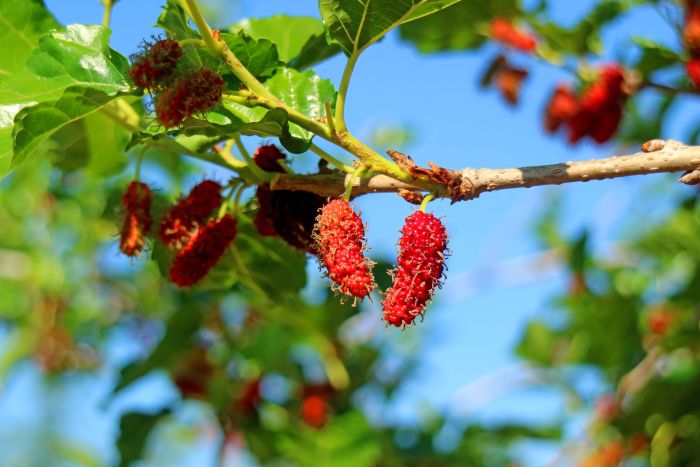


Growing red mulberry trees is a rewarding journey, offering a unique blend of aesthetic appeal and delicious fruit. This comprehensive guide delves into every aspect of cultivating these beautiful trees, from their history and ideal growing conditions to harvesting their delectable fruit and incorporating them into your culinary repertoire. We’ll explore various mulberry varieties, planting techniques, essential care practices, and even troubleshooting common issues.
Whether you’re a seasoned gardener or a novice, this guide provides a thorough understanding of growing red mulberry trees.
From selecting the right variety to understanding their specific needs for optimal growth and fruit production, we’ll cover it all. Learn how to create a nurturing environment for these trees and maximize your harvest, including preservation methods for long-term enjoyment. Plus, discover the fascinating role red mulberry trees play in supporting local wildlife.
Introduction to Growing Red Mulberry Trees
The red mulberry, a deciduous tree native to North America, is a captivating choice for both landscape enthusiasts and those seeking a fruit-bearing addition to their property. Its distinctive reddish-brown bark, rapid growth, and abundant fruit production make it a versatile tree, suitable for various purposes. Understanding its characteristics, history, and cultivation requirements is key to successful cultivation.Red mulberry trees are not only visually appealing but also provide a bounty of delicious fruit.
Their rapid growth and adaptability to various climates make them a viable option for a wide range of landscapes. The knowledge of specific varieties and their traits further refines the choice for optimal fruit yield and aesthetic appeal.
Red Mulberry Tree Characteristics
Red mulberry trees are known for their rapid growth rate and adaptability. They typically reach heights ranging from 30 to 50 feet, and their spreading canopy provides ample shade. The trees are noted for their distinctive reddish-brown bark, which becomes increasingly furrowed with age. Their fruit, a dark purple or reddish-black berry, ripens in late summer or early fall and is enjoyed fresh, in jams, or dried.
History and Cultural Significance
Red mulberry trees have a rich history, particularly in North America. Indigenous communities have traditionally utilized the fruit for sustenance and various cultural purposes. The trees are known for their ease of propagation and ability to thrive in diverse conditions, which contributed to their widespread use. In some regions, they hold cultural significance, representing resilience and abundance.
Ideal Climate and Soil Conditions
Red mulberry trees thrive in warm climates with ample sunlight. They are relatively tolerant of different soil types, but well-drained soil is crucial for healthy growth. A pH range of 6.0 to 7.5 is ideal, and adequate moisture is important, particularly during the establishment phase. The trees can tolerate occasional periods of drought once established, but consistent moisture is preferred.
Available Varieties and Their Features
Numerous varieties of red mulberry trees are available, each with slightly different characteristics. These variations influence the tree’s size, growth rate, and fruit production. Selecting the appropriate variety depends on the specific needs and preferences of the cultivator.
Comparison of Red Mulberry Varieties
| Variety | Average Height (ft) | Growth Rate (ft/yr) | Fruit Production |
|---|---|---|---|
| ‘Missouri’ | 30-40 | 2-3 | High |
| ‘Ohio’ | 40-50 | 3-4 | Medium |
| ‘Arkansas’ | 35-45 | 2.5-3.5 | High |
| ‘Southern’ | 45-60 | 3-4 | Very High |
This table provides a general overview of different red mulberry varieties. It highlights the variations in height, growth rate, and fruit production. Cultivators should consult local nurseries and agricultural resources for detailed information on specific varieties. Consideration should be given to the climate and soil conditions in the growing area when making selections.
Planting and Establishing Red Mulberry Trees
Getting your red mulberry tree established successfully is key to its long-term health and productivity. Careful planning and execution during planting are essential for a strong, thriving tree. Proper planting procedures, combined with understanding the specific needs of the tree, are crucial for ensuring a healthy and fruitful future.
Optimal Planting Time
The ideal planting time for red mulberry trees varies depending on the region. Generally, spring (after the last frost) is the preferred time for planting in temperate zones. This allows the roots to establish themselves before the harsh winter months. In warmer climates, fall planting is also suitable, offering the benefits of cooler temperatures and ample moisture for root development.
Avoid planting during extremely hot or cold weather, as this can stress the young tree. For example, in USDA Hardiness Zones 6-8, spring planting is best, while in Zone 9 and 10, either spring or fall planting is suitable.
Planting Procedure
Proper hole preparation is paramount for a successful planting. Dig a hole twice as wide and just as deep as the root ball. This allows for proper root spread and minimizes root circling. Carefully remove the tree from its container, gently loosening any circling roots. Place the tree in the center of the hole, ensuring the top of the root ball is level with the surrounding soil.
Backfill the hole with soil, firming it gently around the roots to eliminate air pockets.
Watering Techniques
Thorough watering is crucial for establishing the tree. Water deeply and consistently for the first few weeks after planting, especially during dry spells. This helps to settle the soil around the roots and promotes healthy root growth. Maintain consistent moisture, but avoid overwatering, which can lead to root rot. Water deeply, allowing the water to penetrate to the bottom of the root zone.
Spacing Considerations
Appropriate spacing between trees is essential for optimal growth. Red mulberry trees can grow quite large, so allow enough space for their mature size. Consider the mature spread of the tree when determining spacing. For example, if you expect the tree to reach 20 feet wide, plan for a minimum of 20 feet between trees to allow for healthy growth.
A general guideline is to space trees 15-25 feet apart, depending on the variety and expected size.
Pest and Disease Protection
Protecting young trees from pests and diseases during their initial growth period is vital. Inspect the tree regularly for any signs of pests or diseases. Use appropriate pest control measures, such as organic pesticides or beneficial insects, if necessary. Maintain good soil health, ensuring adequate drainage and nutrients to strengthen the tree’s natural defenses against pests and diseases.
Early detection and prompt treatment can prevent major problems.
Tools and Materials for Planting
- Shovel: Used for digging the planting hole and mixing soil.
- Hand trowel: Useful for finer soil work around the roots.
- Watering can or hose: Essential for providing water to the newly planted tree.
- Pruning shears: For trimming any damaged or diseased roots.
- Measuring tape: For accurate spacing measurements.
- Gloves: For protecting hands during digging and planting.
- String or stakes: For marking the planting area and maintaining spacing.
This table summarizes the tools and materials commonly used for planting. Using the appropriate tools ensures a smooth and efficient planting process.
Care and Maintenance of Red Mulberry Trees
Red mulberry trees, with their beautiful foliage and delicious fruit, require diligent care to thrive. Proper watering, fertilization, pruning, and pest management are crucial for maintaining their health and productivity. Understanding these aspects will help ensure a bountiful harvest and a visually appealing tree for years to come.Red mulberry trees, like most fruit trees, have specific needs that must be met to ensure their growth and longevity.
Ignoring these needs can lead to decreased fruit production, susceptibility to diseases, and a compromised overall health. By addressing these care and maintenance aspects, you can ensure your red mulberry trees flourish and provide you with a rewarding experience.
Watering Needs
Meeting the hydration needs of red mulberry trees is essential for healthy growth and fruit production. The frequency and amount of watering depend significantly on weather conditions. In dry climates or during extended periods of drought, trees require more frequent watering than in areas with ample rainfall.Newly planted trees need more consistent watering to establish their root systems.
Getting those red mulberry trees to thrive is a rewarding gardening project. You’ll need to consider the specifics of your local climate, especially if you’re dealing with a harsh winter. For instance, if you’re also growing elephant ears, you’ll need to know how to overwinter them properly to ensure they survive the cold season. How to overwinter elephant ears is a great resource to learn about that.
Ultimately, with a little care, your red mulberry trees should flourish, producing delicious fruit for years to come.
Mature trees generally need less frequent but deep watering, allowing water to reach the deeper roots. Monitoring the soil moisture is key to ensuring appropriate watering. Water deeply but less frequently, ensuring the water penetrates the soil. Avoid shallow watering, which can encourage shallow root systems.
Fertilizing
Red mulberry trees benefit from regular fertilization, particularly during their active growth periods. Appropriate fertilization promotes healthy growth, vigorous foliage, and abundant fruit production.A balanced fertilizer formulated for fruit trees is often suitable. A granular, slow-release fertilizer can be applied in the spring or early summer, following the manufacturer’s instructions. Avoid over-fertilizing, as this can lead to nutrient imbalances and potentially harm the tree.
Thorough soil analysis can help determine the specific nutrient needs of your tree and guide fertilizer choices. Organic fertilizers are also a viable option. They gradually release nutrients into the soil, promoting healthy growth.
Pruning
Pruning is a vital part of maintaining the health and shape of red mulberry trees. Regular pruning helps to remove dead, diseased, or damaged branches, improving air circulation and light penetration. It also promotes the development of a strong, well-shaped tree. Proper pruning techniques are important to avoid damaging the tree. This is especially true for young trees.Pruning should be done during the dormant season, typically in late winter or early spring, when the tree is not actively growing.
Light pruning can be done in the summer months. Consult with arborists or experienced gardeners for advice on appropriate pruning techniques specific to red mulberry trees.
Pest and Disease Management
Regular monitoring for pests and diseases is crucial for preventing serious issues in red mulberry trees. Early detection and prompt action can prevent significant damage and maintain the health of the tree. Understanding potential pests and diseases allows for the development of a preventative approach.Preventive measures, such as maintaining healthy tree vigor through proper watering and fertilization, can significantly reduce the risk of pest and disease infestations.
Regular inspections can help detect potential problems early. Use of pest control measures must consider the environmental impact of the product.
Pest and Disease Control Methods
| Method | Effectiveness | Potential Drawbacks |
|---|---|---|
| Biological Control (e.g., introducing beneficial insects) | Often highly effective and environmentally friendly | May take longer to see results, and may not be effective against all pests |
| Chemical Control (e.g., pesticides) | Can be very effective, often fast-acting | Can be harmful to beneficial insects, pollinators, and the environment. Proper application and disposal are critical. |
| Cultural Control (e.g., sanitation) | Effective in preventing and reducing pest populations | May not be effective for all pest types. |
| Resistant Varieties | Effective in reducing pest and disease susceptibility | May not be available for all pest/disease concerns. Some pest and disease resistance can be specific to certain regions or climates. |
Harvesting and Utilizing Red Mulberry Fruits
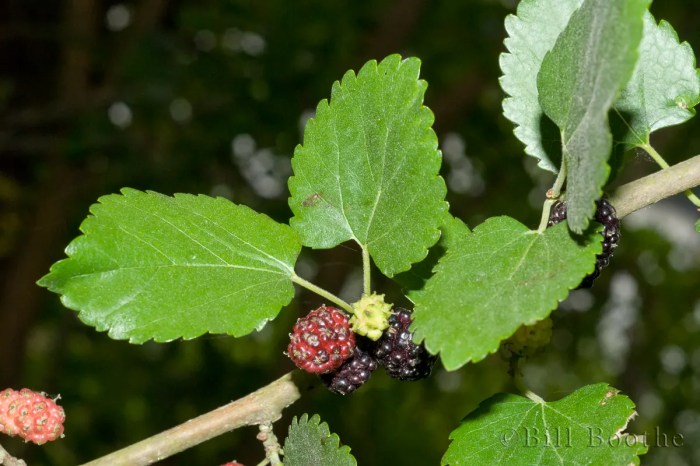
Red mulberry trees, with their abundant and flavorful fruit, offer a rewarding harvest. Understanding the ripening process and optimal harvesting techniques ensures a bountiful yield and delicious fruit. Knowing how to best preserve and utilize these fruits maximizes their enjoyment throughout the year.Red mulberry fruits, typically a deep crimson or reddish-purple color, ripen over a period of several weeks.
The optimal time for harvesting is when the fruit is fully colored and begins to soften slightly. Overripe fruit can easily bruise and lose its quality. This delicate balance between ripeness and firmness is key to successful harvesting.
Ripening Period and Characteristics
Red mulberry fruits exhibit a progression in color and texture as they mature. Initial stages are firm and less intensely colored, progressing to a deep, rich red and a slightly softer texture. The exact timing varies depending on the specific cultivar and local climate conditions. A slight give when gently pressed indicates ripeness.
Optimal Harvesting Methods
Carefully harvesting red mulberry fruits minimizes damage to the fruit and tree. Using clean, sharp pruners or scissors, cut the fruit from the branch. Avoid pulling or twisting, as this can damage the fruit and the tree. Picking the fruit directly from the tree is preferred for preventing damage. A sturdy basket or container is necessary to collect the harvested fruit.
Avoid harvesting fruit when wet, as this increases the risk of bruising and spoilage.
Utilizing Red Mulberry Fruits
Red mulberry fruits can be enjoyed fresh, preserved, or incorporated into a variety of culinary applications. Fresh consumption provides the most intense flavor and nutritional value. Preservation methods offer a way to enjoy these fruits throughout the year.
Fresh Consumption
Red mulberries are best enjoyed fresh, providing a burst of sweetness and a slightly tart flavor. They can be eaten as a snack or incorporated into salads or desserts.
Preservation Methods
Several preservation methods can extend the life of red mulberries. These methods include drying, freezing, and making jams or jellies.
Getting those red mulberry trees to thrive is a rewarding experience, but sometimes you need a little extra help, like understanding how a pool skimmer works. What is a pool skimmer used for ? Well, it’s like a specialized net for your pool, and in a similar way, mulberry trees need the right care and attention to flourish.
So, let’s get those mulberry trees healthy and happy!
| Preservation Method | Pros | Cons |
|---|---|---|
| Drying | Preserves the fruit’s texture and flavor. Long shelf life. | Can slightly alter the fruit’s taste and texture. Requires careful drying conditions to prevent mold. |
| Freezing | Preserves the fruit’s nutrients and flavor. Easy to implement. | Can slightly alter the fruit’s texture. May require extra space for storage. |
| Jams/Jellies | Creates a delicious and versatile spread. | Requires more preparation time. May not suit everyone’s taste. |
Culinary Applications
Red mulberries can be incorporated into a wide variety of dishes. They can be used in pies, cobblers, jams, sauces, or even added to baked goods for a unique flavor.
Recipes and Suggestions
A simple way to enjoy red mulberries is to make a fresh fruit salad. Combine them with other summer fruits like strawberries, blueberries, and raspberries for a refreshing treat. You can also use them to create a delicious sauce for pancakes or waffles.
Troubleshooting Common Issues with Red Mulberry Trees: Growing Red Mulberry Trees
Red mulberry trees, while generally resilient, can face various challenges. Understanding potential problems and their solutions is crucial for maintaining healthy and productive trees. This section delves into common issues, providing diagnostic tools and effective treatment strategies to ensure your red mulberry thrives.Red mulberry trees, like any other plant, are susceptible to various problems, ranging from nutrient deficiencies to insect infestations and fungal diseases.
Proper identification and timely intervention are key to preventing significant damage and maintaining the overall health and productivity of your trees.
Nutrient Deficiencies
Nutrient deficiencies are a common issue in trees, impacting growth and overall health. Identifying the specific nutrient lacking requires careful observation of symptoms. For example, yellowing leaves might indicate a lack of nitrogen, while interveinal chlorosis (yellowing between leaf veins) suggests a deficiency in magnesium. Soil testing is often a crucial first step to determine the specific nutrient imbalances.
Once identified, appropriate amendments like fertilizer applications can address the issue.
Fungal Infections
Fungal diseases can severely impact the health and appearance of red mulberry trees. Early detection is critical. Common fungal diseases include powdery mildew, anthracnose, and leaf spot. Powdery mildew manifests as a white, powdery coating on leaves and stems. Anthracnose causes dark spots and lesions on leaves and fruit.
Leaf spot diseases exhibit various patterns of spots on leaves. Addressing fungal issues involves removing infected plant material, improving air circulation around the tree, and applying appropriate fungicides.
Insect Infestations
Various insects can target red mulberry trees, causing damage to leaves, fruit, and stems. Common pests include aphids, scale insects, and caterpillars. Aphids suck sap from leaves, leading to leaf distortion and yellowing. Scale insects are small, immobile insects that cluster on branches and stems, sucking sap and weakening the tree. Caterpillars can defoliate trees, particularly during their larval stage.
Effective control strategies often involve a combination of cultural practices, such as introducing beneficial insects, and using appropriate insecticides.
Pest and Disease Comparison
| Pest/Disease | Symptoms | Control Strategies |
|---|---|---|
| Powdery Mildew | White powdery coating on leaves and stems | Pruning infected areas, improving air circulation, using fungicides |
| Anthracnose | Dark spots and lesions on leaves and fruit | Removing infected plant material, applying fungicides, proper tree care |
| Leaf Spot | Various patterns of spots on leaves | Removing infected plant material, improving air circulation, applying fungicides |
| Aphids | Leaf distortion, yellowing | Introducing beneficial insects, insecticidal soaps, horticultural oils |
| Scale Insects | Small, immobile insects on branches and stems, sap sucking | Pruning affected areas, horticultural oils, insecticidal sprays |
| Caterpillars | Defoliation of leaves | Introducing beneficial insects, hand-picking, insecticidal sprays |
Signs of Decline
Recognizing signs of decline in a red mulberry tree is crucial for prompt intervention. Signs include significant leaf loss, dieback of branches, wilting, and unusual discoloration. The cause of decline could be environmental factors, disease, pests, or nutrient deficiencies. Comprehensive diagnosis is essential to determine the precise cause and initiate appropriate corrective actions. For example, if a tree suddenly loses most of its leaves, it might indicate a significant water stress or a major pest infestation.
Red Mulberry Trees in Landscaping and Gardens
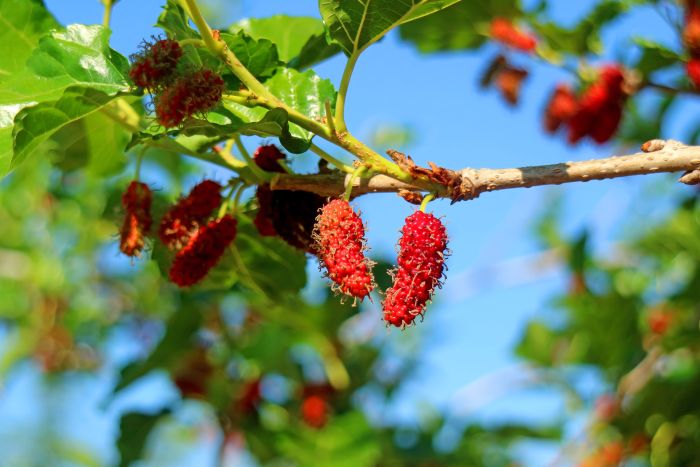
Red mulberry trees, with their striking beauty and bountiful fruit, offer a unique charm for any landscape. Beyond their delicious fruit, their adaptability and aesthetic qualities make them excellent additions to various garden designs. This section will explore the versatility of red mulberry trees in landscaping, from creating privacy screens to acting as focal points.Red mulberry trees, known for their rapid growth and distinctive form, can be strategically incorporated into a wide array of garden styles.
Their mature size and shape, combined with their fruit production, can enhance the overall appeal and functionality of a garden.
Aesthetic Appeal and Landscaping Styles
Red mulberry trees possess a visual appeal that transcends their fruit production. Their broad, spreading canopies create shade, while their vibrant green foliage adds a touch of life to any garden. The color and texture of the leaves, especially when viewed from a distance, contribute significantly to the overall visual interest of a landscape. Their bark, initially smooth and light gray, develops a more textured and darker appearance with age, further enhancing their visual appeal.
Design Ideas for Incorporating Red Mulberries
Strategic placement is key when incorporating red mulberry trees into garden layouts. For example, in a formal garden, a single red mulberry tree planted as a focal point can draw attention to a specific area. In a more relaxed, informal setting, a cluster of red mulberry trees can form a natural screen or windbreak. The mature size of the tree should be considered when selecting a location, ensuring there’s adequate space for its canopy to fully develop.
Privacy Screens and Windbreaks
Red mulberry trees, due to their dense foliage, can effectively create privacy screens or windbreaks. Planting several trees in a row, or in a staggered pattern, can help to block unwanted views or mitigate harsh winds. This is especially beneficial in areas with a high level of traffic or adjacent properties. The quick growth rate of red mulberry trees makes them ideal for quickly establishing a natural barrier.
Focal Points and Visual Impact
In a garden where visual interest is paramount, red mulberry trees can serve as striking focal points. Their unique shape and mature size make them stand out from other plants. A strategically placed red mulberry tree can draw attention to a particular area, such as a patio, walkway, or water feature. Their ability to produce fruit further enhances their visual impact and adds a touch of natural beauty.
Comparison of Uses in Landscaping Projects
Red mulberry trees can be utilized in various landscaping projects, each showcasing their unique visual impact and practical benefits. They can provide shade, create privacy, act as windbreaks, and add an aesthetic touch to a variety of garden styles. The mature size and shape of the trees should be carefully considered in relation to the overall garden design.
Table: Landscaping Scenarios with Red Mulberry Trees
| Landscaping Scenario | Design Option | Visual Impact | Practical Benefits |
|---|---|---|---|
| Formal Garden | Single tree as a focal point, planted near a pathway or fountain. | Creates a strong visual statement, enhances symmetry. | Adds elegance and character to the space. |
| Informal Garden | Cluster of trees forming a natural screen or windbreak. | Provides a sense of seclusion and privacy. | Reduces wind, enhances natural beauty. |
| Modern Garden | Multiple trees strategically placed to create a defined space. | Adds a contemporary feel with natural elements. | Creates a unique aesthetic and privacy. |
| Small Backyard | A single, smaller variety tree planted to create visual interest. | Adds dimension without overwhelming the space. | Suitable for limited space, still provides a focal point. |
Red Mulberry Trees for Wildlife
Red mulberry trees are more than just aesthetically pleasing additions to a landscape; they are vital components of local ecosystems, providing critical resources for a wide array of wildlife. Their fruit, leaves, and even the shade they offer play significant roles in supporting biodiversity and the health of surrounding habitats. Understanding this multifaceted role is key to appreciating the importance of these trees.Red mulberry trees offer a unique and valuable food source for a variety of animals, supporting a complex web of interactions within the local environment.
This benefits not only the animals themselves but also contributes to the overall health and stability of the ecosystem. The availability of this food source, in turn, influences the distribution and abundance of different wildlife species.
Getting those red mulberry trees to thrive can be tricky, but it’s rewarding! You’ve got to be patient, though, and avoid those costly mistakes. Often, we get caught up in flashy “demo projects” that promise to boost our returns, but sometimes, the most effective strategies are the simplest ones, like focusing on sound, sustainable practices. For example, avoiding “no demo projects to increase value” no demo projects to increase value and instead concentrating on meticulous care will ultimately pay off more than any gimmicky approach.
So, back to those mulberry trees, let’s focus on the basics for a healthy, productive yield!
Red Mulberry as a Food Source
Red mulberry trees are a significant food source for many birds, mammals, and insects. The fruit, rich in nutrients, provides sustenance during different life stages. The trees’ leaves, while not as nutritionally rich as the fruit, are also consumed by some herbivores. The availability of this food source is particularly important during times of scarcity.
Importance in Supporting Local Ecosystems
Red mulberry trees play a critical role in maintaining local biodiversity. Their presence fosters a complex ecosystem, offering habitat and food for numerous species. This contributes to the overall health and stability of the environment, and the trees’ resilience to various environmental factors makes them valuable additions to diverse landscapes.
Attracting Wildlife to Red Mulberry Trees
The abundant fruit production and diverse offerings make red mulberry trees highly attractive to various wildlife. Attracting birds and other wildlife to these trees can be achieved through planting strategically located trees, or by planting a variety of trees to support different needs.
Impact on Different Wildlife Populations
The impact of red mulberry trees on different wildlife populations varies based on the species and their specific dietary needs. For example, birds might rely heavily on the fruit, while mammals might consume both fruit and leaves. Understanding these variations is crucial for evaluating the overall ecological impact of these trees.
Wildlife Benefiting from Red Mulberry Trees
| Wildlife Species | Specific Needs | Interaction with Red Mulberry |
|---|---|---|
| American Robins | Abundant fruit sources for feeding young and themselves. | Consume significant amounts of the fruit, particularly during breeding season. |
| Grackles | Opportunistic feeders, often consuming diverse foods. | Consume the fruit, and are known to feed on fallen fruits. |
| Deer | Herbivores, requiring significant amounts of vegetation. | Browsing on leaves, though less prominent than fruit consumption. |
| Squirrels | Store food for winter use. | Collect and bury fruit for later consumption. |
| Various Insect Species | Food and shelter in the form of leaves and decaying fruit. | Feed on leaves, nectar, and other tree parts, supporting a vital part of the food chain. |
Sustainable Practices for Growing Red Mulberry Trees
Red mulberry trees offer a delicious fruit and numerous environmental benefits. Cultivating them sustainably ensures their long-term health and positive impact on the ecosystem. This approach prioritizes resource conservation, responsible management, and the preservation of natural processes.Sustainable practices in mulberry cultivation extend beyond simply planting and harvesting. They encompass a holistic approach to the entire lifecycle of the tree, considering its impact on the surrounding environment and community.
This includes water conservation, responsible fertilization, pest management, and careful selection of locally adapted varieties.
Water Conservation Strategies, Growing red mulberry trees
Efficient irrigation techniques are crucial for conserving water, a precious resource. Mulching around the base of the trees helps retain moisture in the soil, reducing the need for frequent watering. Drip irrigation systems can deliver water directly to the roots, minimizing water loss through evaporation. Choosing drought-tolerant varieties of red mulberry is also an important aspect of water conservation.
By selecting varieties adapted to local climate conditions, the trees can better withstand periods of low rainfall, thereby reducing the reliance on supplemental irrigation.
Responsible Fertilization Practices
Chemical fertilizers can negatively impact soil health and water quality. Instead, incorporating organic matter like compost and aged manure provides nutrients gradually, promoting healthy soil structure and microbial activity. This approach supports a balanced ecosystem and prevents nutrient runoff into water sources. Composting kitchen scraps and yard waste creates a valuable fertilizer, reducing reliance on external inputs.
This also contributes to waste reduction.
Pest and Disease Management through Sustainable Methods
Employing natural pest control methods, such as introducing beneficial insects, can help manage pests effectively. These methods often disrupt the life cycle of the pest or attract natural predators. Proper sanitation practices, like removing diseased leaves and branches, can also help prevent the spread of diseases. These approaches minimize the environmental impact of pesticides and promote biodiversity in the surrounding area.
For instance, encouraging the presence of birds and other beneficial insects through appropriate landscaping can help control pest populations.
Selection of Locally Adapted Varieties
Choosing locally adapted red mulberry varieties is essential for the long-term success of the trees. These varieties are better equipped to handle the specific climate, soil conditions, and pest pressures of a particular region. This reduces the need for extra care and interventions. For example, if you are planting trees in a region prone to drought, choosing a variety that thrives in dry conditions is a more sustainable approach than introducing a less drought-tolerant variety.
Carbon Sequestration and Environmental Benefits
Red mulberry trees, like other trees, absorb carbon dioxide from the atmosphere during photosynthesis. This process contributes to carbon sequestration, mitigating the effects of climate change. Furthermore, these trees provide habitat and food for various wildlife species, enhancing biodiversity. Their deep root systems improve soil structure and water retention, contributing to overall ecosystem health.
Sustainable Practices Comparison Table
| Sustainable Practice | Environmental Impact |
|---|---|
| Water Conservation (Mulching, Drip Irrigation) | Reduced water consumption, improved soil moisture retention, less runoff |
| Organic Fertilization (Compost, Manure) | Improved soil health, reduced nutrient runoff, enhanced microbial activity |
| Natural Pest Control (Beneficial Insects) | Reduced pesticide use, enhanced biodiversity, minimized environmental pollution |
| Selection of Locally Adapted Varieties | Improved tree resilience to local conditions, reduced need for interventions, less environmental stress |
End of Discussion
In conclusion, growing red mulberry trees is a journey that blends beauty, sustenance, and environmental responsibility. We’ve explored the entire process, from initial planting to harvesting and beyond. By understanding their unique needs, you can create a thriving ecosystem in your garden or landscape. Whether you’re aiming for a bountiful harvest, a visually appealing addition to your property, or a way to support local wildlife, this guide equips you with the knowledge to cultivate these remarkable trees successfully.