



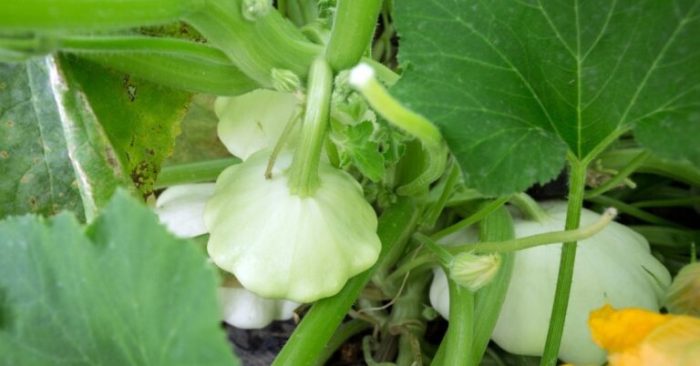
Growing patty pan squash is a rewarding experience, leading to bountiful harvests of these unique summer squash. This comprehensive guide walks you through every step, from choosing the perfect variety to preparing delicious recipes. Discover the joys of cultivating this delightful vegetable, learning about its history, ideal growing conditions, and optimal planting methods.
We’ll explore the different types of patty pan squash, their distinct characteristics, and how to select the best ones for your garden. We’ll also delve into the crucial aspects of planting, care, and harvesting, providing practical tips and detailed instructions. From seed starting to pest control, this guide will equip you with the knowledge to grow your own delicious patty pan squash.
Introduction to Growing Patty Pan Squash
Patty pan squash, a delightful summer squash, is known for its unique, scalloped shape and delicate flavor. These small, vibrant vegetables are incredibly versatile in the kitchen, adding a touch of freshness and sweetness to various dishes. They’re a favorite among gardeners for their relatively easy cultivation and abundant harvests.Growing patty pan squash requires understanding its needs, including sunlight, soil type, and water.
Proper care ensures a bountiful crop of these tasty summer treats. The key to successful cultivation lies in providing the ideal environment for healthy growth and production.
Patty Pan Squash Characteristics
Patty pan squash is a warm-season crop, ideally suited for growing in the summer months. The distinctive scalloped shape of the fruit sets it apart from other squash varieties. Its delicate flavor profile, often described as slightly sweet and mild, makes it a popular choice for salads, stir-fries, and roasted dishes.
Historical Context and Origin
Patty pan squash, with its intriguing name, has a fascinating origin story. Its exact origins are somewhat debated, but its presence in gardens suggests a long history of cultivation. Early European settlers likely brought the plant to new territories, and it has since spread across diverse regions. Its adaptability to various climates has contributed to its widespread popularity among home gardeners.
Patty Pan Squash Varieties
Patty pan squash comes in various cultivars, each with unique traits. Some varieties exhibit a more vibrant color, while others feature a deeper, richer flavor profile. The size and shape of the squash can also vary.
- ‘Yellow Beauty’: This variety is known for its bright yellow skin and abundant yield. It is a popular choice for gardeners looking for a reliable and productive plant.
- ‘Green Beauty’: This variety boasts a distinctive deep green hue, offering a slightly different flavor compared to yellow varieties. Its robust growth and abundant fruit production make it a reliable choice.
- ‘White Patty Pan’: A rarer variety, this type features a creamy white skin, adding a touch of elegance to the garden. While less common, it is equally delightful to grow and enjoy.
Ideal Growing Conditions
Patty pan squash thrives in warm, sunny conditions, requiring at least six to eight hours of direct sunlight daily. The ideal soil type is well-drained and rich in organic matter. This ensures proper water absorption and nutrient availability for optimal growth. Maintaining consistent moisture is crucial for successful harvests.
- Sunlight: A minimum of six hours of direct sunlight is vital for healthy growth and fruit production. More sunlight results in larger fruits and faster maturity. Partial shade may lead to smaller, less productive plants.
- Soil Type: Well-drained soil that is rich in organic matter is best. A slightly acidic to neutral pH is ideal for the plant’s overall health. Adding compost or other organic matter improves soil structure and nutrient availability.
- Water Needs: Consistent moisture is key. Water deeply and regularly, ensuring the soil remains consistently moist but not waterlogged. Avoid overwatering, as this can lead to root rot. Mulching around the plants helps retain moisture and suppress weeds.
Planting and Seed Starting
Patty pan squash, with their cheerful shapes and delicious flavor, are a rewarding addition to any garden. Proper planting and seed starting techniques are crucial for a bountiful harvest. These steps will ensure your plants get off to a strong start and produce a healthy crop.Starting seeds indoors or directly in the garden each has its pros and cons.
Understanding these factors helps you choose the method best suited for your climate and gardening style. Ultimately, both methods can be successful if the right steps are followed.
Best Planting Time
The ideal time to plant patty pan squash seeds or seedlings depends heavily on your specific climate zone. For optimal growth, aim to plant outdoors after the last expected frost date. This usually falls between late spring and early summer. If starting seeds indoors, begin 6-8 weeks before the last expected frost date to give seedlings a head start.
In milder climates, you might have a slightly longer planting window.
Soil Preparation
Healthy soil is the foundation for healthy plants. Patty pan squash thrive in well-drained, fertile soil with a pH between 6.0 and 7.0. Before planting, amend the soil with compost or other organic matter to improve its structure and fertility. This will provide essential nutrients and improve drainage. A good rule of thumb is to amend the soil with 2-3 inches of organic matter.
Planting Methods and Spacing
Proper spacing is vital for good air circulation and reduces the risk of disease. The spacing guidelines are critical for each planting method.
- Direct Seeding: Sow seeds 1 inch deep and 18-24 inches apart in rows, maintaining 3-4 feet between rows. This allows ample room for the plants to grow and prevents overcrowding.
- Starting Indoors: Plant seeds in seed starting mix about 1/2 inch deep, maintaining a spacing of 2-3 inches apart. Transplant seedlings into the garden after the last frost, spacing them 2-3 feet apart in rows, with 3-4 feet between rows.
Germination
Germination is the process of a seed sprouting. To ensure successful germination, provide seeds with adequate moisture, warmth, and light.
- Moisture: Keep the soil consistently moist but not waterlogged. Use a spray bottle or watering can with a fine rose to avoid disturbing the seeds.
- Warmth: Maintain a temperature of 70-80°F (21-27°C) for optimal germination. A seedling heat mat can be helpful for maintaining the correct temperature.
- Light: Once seedlings emerge, provide them with plenty of sunlight. Place them in a sunny location or under grow lights.
Planting Method Comparison
| Planting Method | Timing | Soil Preparation | Spacing | Pros | Cons |
|---|---|---|---|---|---|
| Direct Seeding | After last frost | Amend soil with compost | 18-24 inches apart, 3-4 feet between rows | Saves time and effort | Potentially lower germination rate, requires careful monitoring of moisture |
| Starting Indoors | 6-8 weeks before last frost | Use seed starting mix | 2-3 inches apart, 2-3 feet between rows | Allows for earlier planting, better control over germination | Requires extra space and effort, potential for damping-off |
Care and Maintenance
Patty pan squash, with their cheerful appearance and delicious flavor, require attentive care to thrive. This stage of cultivation focuses on the crucial tasks of maintaining optimal growing conditions to ensure a bountiful harvest. Consistent watering, appropriate fertilization, and vigilant pest control are key elements to a successful yield. Pruning also plays a vital role in maximizing plant health and productivity.
Watering
Proper watering is essential for patty pan squash. These plants need consistent moisture, especially during hot, dry periods. Avoid overwatering, as this can lead to root rot. Water deeply, allowing the water to penetrate the soil to the roots. A general rule is to water deeply once or twice a week, depending on the specific climate and soil conditions.
Observe the soil moisture regularly to determine the frequency of watering. Water early in the morning to allow leaves to dry before nightfall, preventing fungal diseases.
Fertilizing
Patty pan squash are moderate feeders, but they benefit from regular fertilization to support healthy growth and fruit production. A balanced fertilizer with a ratio like 10-10-10 is suitable. Apply fertilizer according to the package instructions, typically every 2-4 weeks, depending on the fertilizer type. A soil test can reveal the specific nutrient needs of your garden, guiding you to use the most effective fertilizer.
Pest Control
Maintaining a healthy plant population is critical to successful pest management. Various pests and diseases can impact patty pan squash. Early detection and proactive management are crucial. Implementing preventive measures can significantly reduce the likelihood of problems.
Pest and Disease Prevention
- Cultural Practices: Regularly removing and destroying any infected plant parts is vital. Maintaining proper spacing between plants allows for better air circulation, minimizing humidity and reducing the risk of fungal diseases. This also helps to deter pests that prefer dense planting.
- Beneficial Insects: Attract beneficial insects like ladybugs and lacewings to your garden. These natural predators can effectively control many common pests.
- Crop Rotation: Rotating crops can help break pest and disease cycles. Avoid planting squash in the same location year after year.
Common Pests and Diseases
Patty pan squash are susceptible to various pests, including squash bugs, aphids, and spider mites. Diseases like powdery mildew and downy mildew can also affect the plants. Early detection is key to effective management. Monitoring plants regularly for signs of infestation is crucial.
Pruning
Pruning is a crucial aspect of patty pan squash care. It promotes healthy plant growth and enhances fruit production. Remove any dead, diseased, or damaged leaves and stems. Pinch off the tips of the main stems (suckers) to encourage bushier growth and direct energy towards fruit development. Prune plants that have overgrown or become crowded.
Pruning Schedule
- Initial Pruning: Prune suckers and excess growth as the plant starts to develop.
- Ongoing Maintenance: Regularly prune to maintain a healthy plant structure, directing energy towards fruit development.
- Removal of Damaged Parts: Remove any damaged leaves or stems immediately to prevent the spread of diseases.
Pest Control Methods Comparison
| Method | Description | Effectiveness | Environmental Impact |
|---|---|---|---|
| Biological Control | Utilizing natural predators to control pests | Generally low impact, environmentally friendly | Minimal, often highly effective |
| Chemical Control | Using pesticides | Potentially highly effective, but may harm beneficial insects | Potentially high, depending on the pesticide |
| Cultural Control | Practices like crop rotation and proper spacing | Effective in preventing pest problems | Minimal |
Harvesting and Storage
Patty pan squash, with their charming scalloped shapes, are a delightful addition to any garden. Knowing when and how to harvest them ensures peak flavor and quality. Proper storage methods extend their freshness, allowing you to enjoy these summer gems throughout the fall.
Signs of Ripeness
Patty pan squash are ready to harvest when their skin has developed a firm, but not hard, texture. The color should be consistent with the variety you’ve grown, ranging from pale yellow to deep orange. Look for a smooth, unblemished surface. Avoid harvesting squash that still have a soft or overly green skin, as these will likely be less flavorful and may not hold up as well in storage.
Harvesting Techniques
Proper harvesting techniques are crucial to prevent damage to the squash and the surrounding plants. Use a sharp knife or pruning shears to cut the squash from the vine, leaving a small portion of stem attached. This helps prevent bruising and promotes proper healing of the plant. Avoid yanking or pulling the squash, as this can damage the stem and potentially harm the plant.
Gently lift and cut, aiming to minimize any impact on the surrounding area.
Storage Tips
To maximize the shelf life of your patty pan squash, proper storage is essential. Store harvested squash in a cool, dry, and well-ventilated area, away from direct sunlight and moisture. A cool pantry or a cellar is ideal. Avoid storing them near ethylene-producing fruits, such as apples or bananas, as these can accelerate ripening and spoilage.
Immediate Use Preparation
For immediate use, rinse the squash thoroughly and remove any stems or blemishes. You can then slice, dice, or chop the squash according to your desired preparation method. Consider using them in soups, stews, or as a side dish with other vegetables.
Storage Method Comparison
| Storage Method | Description | Pros | Cons |
|---|---|---|---|
| Cool Pantry | Storing in a cool, dry pantry away from direct sunlight. | Convenient, readily accessible storage. | May not provide the ideal humidity level. |
| Cellar | Storing in a cool, dark, and well-ventilated cellar. | Maintains ideal humidity and temperature. | Requires a cellar or similar space. |
| Refrigerator | Storing in the crisper drawer of the refrigerator. | Maintains freshness for a shorter period. | Can cause moisture buildup and potentially accelerate softening. |
Companion Planting and Soil Enrichment
Patty pan squash, with their cheerful yellow and orange blossoms and delicious, delicate fruit, thrive in the right environment. Optimizing their growing conditions, including companion planting and soil enrichment, can significantly impact the plant’s health and yield. Proper soil preparation and choosing the right neighbors can help ensure a bountiful harvest.Companion planting is a technique that involves strategically placing certain plants together to enhance their growth and repel pests.
Patty pan squash are surprisingly easy to grow, but if you’re looking for a similar low-maintenance vine, consider exploring the fascinating world of string of turtles! Learning how to grow and care for these unique plants can be a rewarding experience. how to grow and care for string of turtles is a great resource if you’re intrigued by this plant’s unique charm.
Once you’ve mastered the basics, you’ll be well-equipped to tackle the juicy, yellow patty pan squash that are so delightful to harvest and eat fresh.
Soil enrichment, on the other hand, focuses on improving the soil’s quality to provide optimal nutrients for the squash plants. These practices work in harmony to create an environment that supports healthy, vigorous growth.
Best Companion Plants
Choosing the right companions for patty pan squash can contribute to a more productive garden. Certain plants, when grown alongside patty pan squash, can help deter pests, improve soil health, and enhance overall plant vigor.
- Basil: Known for its pest-repelling properties, basil can help keep away squash bugs and other pests. Its aromatic presence can also deter some unwanted insects.
- Marigolds: Marigolds are excellent companion plants for squash. Their strong scent repels nematodes and other soil-borne pests that can harm squash roots.
- Garlic: Planting garlic near squash can deter squash vine borers, a significant pest for these plants. The strong scent of garlic also helps to improve the overall soil health.
- Rosemary: Rosemary, with its aromatic properties, can deter pests and enhance the overall health of the squash plants.
Plants to Avoid Planting Near Patty Pan Squash
Certain plants can negatively impact the growth of patty pan squash. Understanding these interactions can help maintain a balanced and productive garden.
- Cucumbers: While both patty pan squash and cucumbers belong to the cucurbit family, planting them too close together can increase the risk of diseases and pests spreading between the two.
- Tomatoes: Tomatoes can compete with patty pan squash for nutrients and water. Planting them too close can lead to stunted growth and lower yields.
- Potatoes: Potatoes can deplete soil nutrients that patty pan squash require for optimal growth. Planting them in the same area may lead to nutrient deficiencies in the squash.
Soil Enrichment for Patty Pan Squash
Patty pan squash, like other vegetables, require nutrient-rich soil for optimal growth and yield. Enriching the soil with organic matter provides essential nutrients and improves soil structure, leading to better water retention and aeration.
My patty pan squash are thriving! It’s amazing how quickly they grow, but I’m already thinking about how to store the harvest. To keep my precious squash safe and sound, I’m planning to repurpose some space in my walk-in closet storage. Walk in closet storage solutions are surprisingly useful for vegetables, and I’m confident this will keep my patty pan squash fresh until the next harvest.
This is going to be a great way to ensure a healthy and bountiful supply!
- Composting: Composting is a valuable method of enriching the soil. By breaking down organic materials, compost creates a rich, nutrient-filled substance that improves soil structure and water retention. This helps to provide a steady supply of nutrients to the squash plants over time.
- Adding Organic Matter: Incorporating organic matter like well-rotted manure, compost, or aged straw into the soil significantly improves its structure. This improves water retention, aeration, and overall nutrient availability. Adding organic matter improves the soil’s ability to retain water, preventing both drought stress and waterlogging.
Companion Planting Strategies
A well-planned companion planting strategy can significantly improve garden yields and minimize pest issues. This table Artikels some effective strategies.
| Companion Plant | Benefit | Potential Drawbacks |
|---|---|---|
| Basil | Repels squash bugs and other pests | None significant |
| Marigolds | Repels nematodes and soil-borne pests | Can compete for nutrients if planted too densely |
| Garlic | Deters squash vine borers | Strong smell may not be preferred by all gardeners |
| Rosemary | Deters pests and improves overall health | May not significantly impact pest control compared to basil or marigolds |
| Cucumbers | N/A | Competition for resources |
| Tomatoes | N/A | Competition for resources and increased disease risk |
| Potatoes | N/A | Nutrient depletion |
Troubleshooting and Problem Solving: Growing Patty Pan Squash
Patty pan squash, with their cheerful appearance and delicious flavor, can be a rewarding addition to any garden. However, like any plant, they can encounter challenges. Understanding common problems and their solutions can help you ensure a bountiful harvest. This section delves into troubleshooting, equipping you with the knowledge to address issues and maintain healthy, productive plants.
Growing patty pan squash is a rewarding experience, but sometimes pesky pests can ruin the harvest. To keep those unwanted critters away, consider using essential oils like peppermint or tea tree oil, which are known to deter various insects. Using these, like essential oils that repel roaches , can create a natural barrier and protect your squash plants.
This will help ensure a bountiful harvest of delicious patty pan squash!
Common Growth Problems
Patty pan squash plants, like other vegetables, can experience various growth problems. These issues, often stemming from environmental factors or cultural practices, can lead to stunted growth, reduced yields, or even plant death. Identifying the root cause and implementing appropriate solutions are crucial for maintaining healthy plants.
- Stunted Growth: Insufficient sunlight, poor soil drainage, or nutrient deficiencies can lead to slow or stunted growth. A lack of adequate water, especially during dry periods, also impacts growth. Plants need consistent moisture, especially during the critical growth stages. Early detection is key, as early intervention can prevent further growth retardation. Proper watering and fertilization, along with ensuring adequate sunlight exposure, are crucial steps to remedy this issue.
- Leaf Discoloration: Yellowing or browning of leaves can indicate a variety of problems, including nutrient deficiencies (like nitrogen or potassium), pests, diseases, or environmental stresses. Overwatering or underwatering can also lead to leaf problems. Proper diagnosis is vital; addressing the underlying cause is essential for recovery.
- Pest Infestations: Aphids, squash bugs, and other pests can damage leaves, stems, and fruit. Early detection and intervention are essential. Identifying the specific pest is important for implementing the correct control method. Cultural practices, such as companion planting, can also deter pests.
- Disease Outbreaks: Fungal diseases like powdery mildew or squash vine borers can affect the health of plants. Identifying the specific disease is vital. Preventive measures, such as proper spacing, good air circulation, and removing infected plant parts, can significantly minimize disease spread. Thorough examination for early symptoms is crucial for timely intervention.
Addressing Specific Issues
Proper diagnosis is crucial for effective treatment. A visual inspection of the plants, along with understanding environmental conditions and recent practices, can provide valuable clues.
| Problem | Possible Causes | Solutions |
|---|---|---|
| Stunted Growth | Insufficient sunlight, poor soil drainage, nutrient deficiencies, lack of water | Ensure adequate sunlight, improve soil drainage, fertilize, provide consistent watering. |
| Leaf Discoloration | Nutrient deficiencies, pests, diseases, environmental stress, over/underwatering | Amend soil with appropriate nutrients, identify and control pests, treat diseases, adjust watering schedule. |
| Pest Infestations | Aphids, squash bugs, other insects | Identify pest, implement appropriate control measures (insecticides, beneficial insects, cultural controls). |
| Disease Outbreaks | Fungal diseases (powdery mildew, etc.), other pathogens | Identify disease, remove infected plant parts, improve air circulation, use disease-resistant varieties. |
Varieties and Cultivars
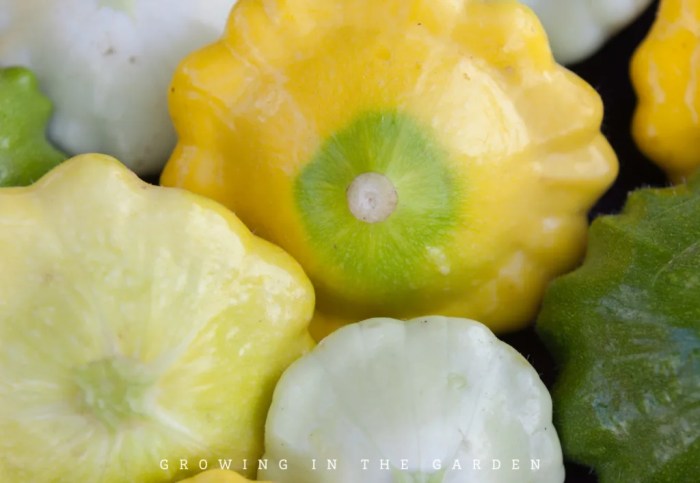
Patty pan squash, with its unique, scalloped shape, comes in a delightful array of varieties. Choosing the right variety for your garden can significantly impact your harvest. Different varieties exhibit variations in growth rate, yield, and flavor, catering to different gardening preferences and culinary tastes. Understanding these distinctions allows you to select the best-suited variety for your garden and culinary needs.
Popular Patty Pan Squash Varieties
Patty pan squash varieties offer a spectrum of characteristics. This diversity allows gardeners to select varieties that align with their specific preferences and garden conditions.
- ‘Black Beauty’: This variety is known for its striking black skin and distinctive flavor. It typically yields a good amount of fruit, and its robust nature makes it suitable for various growing conditions.
- ‘Green Button’: This variety produces small, round, and bright green squash. Known for its relatively quick growth rate and reliable yield, it’s a popular choice for gardeners seeking a productive variety.
- ‘Gold Rush’: This cultivar boasts a golden-yellow skin, which contrasts beautifully with its bright interior. It often yields a good amount of fruit, and its golden hue adds a touch of elegance to the harvest.
- ‘Sunburst’: Known for its vibrant yellow-orange flesh and characteristic scalloped shape, this variety offers a delicious flavor. Its yield and growth rate are usually satisfactory.
- ‘Yellow Scallop’: This variety provides a consistent yield of yellow patty pan squash. Its flavor is often described as sweet and mild, and it is typically a medium-growth variety.
Yield and Growth Rate Comparison
The growth rate and yield of different patty pan squash varieties can differ significantly. Factors like the specific variety and growing conditions play a vital role.
- Some varieties, like ‘Green Button’, tend to have a faster growth rate and higher yield, while others, like ‘Black Beauty’, might take slightly longer to mature but still produce a satisfying harvest. Careful observation of your specific variety will help you gauge the growth timeline and yield expectation.
- Growing conditions also influence yield and growth rate. Factors such as soil quality, watering, and sunlight availability impact the overall performance of each variety.
Flavor Profiles of Different Varieties
The flavor profiles of patty pan squash varieties vary slightly, impacting their suitability for different culinary applications.
- Some varieties, such as ‘Gold Rush’, are known for their mild and sweet flavor, making them suitable for a wide range of dishes. Others, like ‘Black Beauty’, may possess a more robust or slightly earthy flavor.
- These variations in flavor profiles offer gardeners a selection based on their personal preferences. Consider the specific recipes you intend to prepare when selecting a variety.
Comparative Table of Patty Pan Squash Varieties
The following table provides a concise comparison of various patty pan squash varieties.
| Variety | Skin Color | Shape | Growth Rate | Yield | Flavor |
|---|---|---|---|---|---|
| Black Beauty | Black | Scalloped | Medium | Good | Robust, slightly earthy |
| Green Button | Green | Round | Fast | High | Mild, sweet |
| Gold Rush | Golden Yellow | Scalloped | Medium | Good | Mild, sweet |
| Sunburst | Yellow-Orange | Scalloped | Medium | Satisfactory | Sweet |
| Yellow Scallop | Yellow | Scalloped | Medium | Consistent | Sweet, mild |
Culinary Uses and Recipes
Patty pan squash, with its unique, scalloped shape, offers a delightful culinary experience. Its delicate flavor and tender texture make it a versatile ingredient suitable for various cooking methods. This section explores the many ways to prepare and enjoy this charming squash, highlighting its versatility in both savory and potentially sweet dishes.Patty pan squash is an excellent addition to a wide array of recipes, ranging from simple side dishes to more complex main courses.
Its mild flavor allows it to complement other ingredients without overpowering them, making it an ideal choice for both experienced and novice cooks. This section delves into the preparation and cooking techniques to maximize the flavor and texture of patty pan squash.
Versatility in Culinary Applications
Patty pan squash’s delicate flavor and tender texture make it suitable for various cooking methods, from roasting and sautéing to grilling and baking. Its unique shape and mild flavor allow it to be used in both savory and potentially sweet dishes. Its versatility makes it a wonderful addition to salads, soups, or as a main course.
Patty Pan Squash Recipes
A wide array of recipes showcase the versatility of patty pan squash. Here are a few examples, illustrating its use in diverse dishes:
- Roasted Patty Pan Squash with Herbs: This simple dish showcases the natural sweetness of the squash. Toss sliced patty pan squash with olive oil, herbs (such as oregano, thyme, or rosemary), salt, and pepper. Roast until tender and slightly caramelized. This dish is excellent as a side dish or as a component in a larger meal.
- Sautéed Patty Pan Squash with Garlic and Lemon: Sautéed patty pan squash offers a bright and flavorful side dish. Thinly sliced squash is sautéed in olive oil with minced garlic and a squeeze of fresh lemon juice. This dish is perfect as a side dish with grilled meats or fish.
- Grilled Patty Pan Squash Salad: Grilling enhances the natural sweetness of patty pan squash. Thinly sliced squash is grilled until slightly charred, then tossed with a light vinaigrette and fresh herbs. This dish is ideal as a refreshing salad, potentially paired with other seasonal vegetables and grilled chicken or fish.
- Patty Pan Squash Fritters: For a fun and flavorful twist, try making patty pan squash fritters. The squash is grated, mixed with other ingredients like flour, eggs, and herbs, and then pan-fried until golden brown. These fritters are delicious on their own or served as a side dish.
Preparing Patty Pan Squash for Different Cooking Methods, Growing patty pan squash
Proper preparation is crucial for achieving the best results when cooking patty pan squash. The method of preparation will vary slightly depending on the chosen cooking method.
- Roasting: Halve or slice the squash, then toss with olive oil, herbs, and seasonings. Ensure the squash is evenly coated for optimal roasting.
- Sautéing: Slice the squash thinly for even cooking and to ensure it cooks quickly. This method emphasizes the squash’s delicate texture.
- Grilling: Slice the squash thinly and brush with oil to prevent sticking. Grill over medium heat, turning occasionally, until tender and slightly charred.
Nutritional Benefits
Patty pan squash is a nutritional powerhouse, rich in vitamins, minerals, and antioxidants. A medium-sized patty pan squash contains a significant amount of Vitamin C, Vitamin A, and dietary fiber, contributing to overall health and well-being.
Cooking Methods Table
This table Artikels different cooking methods for patty pan squash, highlighting preparation steps and approximate cooking times.
| Cooking Method | Preparation | Approximate Cooking Time (minutes) |
|---|---|---|
| Roasting | Halve or slice, toss with oil, herbs, and seasonings | 20-25 |
| Sautéing | Slice thinly, sauté in oil with garlic and lemon | 10-15 |
| Grilling | Slice thinly, brush with oil | 5-8 |
Closure
In conclusion, growing patty pan squash is a journey filled with the thrill of nurturing plants and the satisfaction of a bountiful harvest. We’ve covered everything from the initial steps of selecting a variety and preparing the soil to the final stages of harvesting and storing your bounty. Armed with this knowledge, you can confidently embark on your own patty pan squash adventure, enjoying the fruits (and vegetables!) of your labor.