



Garage items you should throw away – it’s a surprisingly liberating realization. We all accumulate stuff in our garages, convinced it might have a future use. But how many of those tools, parts, and forgotten treasures are truly worth keeping? This guide helps you identify items that are better off released from their garage confinement.
From assessing the condition of your tools to planning the disposal process, we’ll cover every step to help you declutter your garage. You’ll discover the surprising psychological and practical benefits of getting rid of unnecessary items.
Identifying Unnecessary Garage Items

Decluttering your garage isn’t just about tidying up; it’s about reclaiming space and reducing stress. Often, we accumulate items that hold little practical value, creating a cluttered and overwhelming environment. This article delves into the common culprits of garage clutter and provides a roadmap for identifying and discarding unnecessary possessions.Identifying what to keep and what to discard can feel overwhelming.
The sheer volume of accumulated items can be daunting, and the emotional attachment to some possessions can make the process challenging. However, a systematic approach can significantly simplify the process and lead to a more organized and functional garage space.
Common Garage Clutter
Many items commonly reside in garages, but their usefulness often diminishes over time. These include, but are not limited to:
- Outdated tools and equipment (e.g., broken power tools, obsolete gardening implements).
- Unused sporting goods (e.g., old bicycles, golf clubs, expired fitness equipment).
- Accumulated seasonal items (e.g., winter clothes, holiday decorations not used for several years).
- Leftover building materials or supplies (e.g., scraps of wood, paint cans, outdated plumbing components).
- Boxes of old paperwork (e.g., receipts, manuals, expired warranties).
Reasons for Holding Onto Unnecessary Items
Understanding why people hold onto items that serve little purpose is crucial for effective decluttering. Several factors contribute to this behavior.
- Sentimental attachment: Items associated with cherished memories can be difficult to part with, even if they no longer serve a practical function.
- Fear of loss: The fear of needing an item in the future, even if improbable, can lead to hoarding behavior. This is often exacerbated by a lack of proper storage and organization.
- The “what if” scenario: The potential for an item to be useful at some point in the future can keep it stored away.
- Financial reasons: In some cases, the belief that an item might have resale value or could be useful in the future might hinder discarding.
- Indecisiveness and procrastination: Lack of clarity on whether to keep or discard items often results in them being stored indefinitely.
Sentimental Value vs. Actual Need
Differentiating between sentimental value and actual need is vital in decluttering. Sentimental value is an emotional attachment to an item, often connected to memories or experiences. Actual need, on the other hand, is the practical utility and necessity of the item. It is important to recognize that these two factors are distinct.
“A well-organized garage isn’t just about tidiness; it’s about making space for what truly matters.”
Psychological Factors in Garage Hoarding
Several psychological factors contribute to the tendency to accumulate items in the garage. These include:
- Fear of loss: This fear often leads to holding onto items even when they are no longer needed or useful. This can be linked to a desire for control and security.
- Impulsivity: Impulsive purchases can quickly lead to an accumulation of items that are never used or needed.
- Stress or anxiety: Clutter can exacerbate stress and anxiety, creating a cycle that reinforces the hoarding behavior.
Checklist for Evaluating Garage Items
This checklist can guide you through the process of evaluating each item in your garage.
| Item | Usefulness | Condition | Keep/Discard |
|---|---|---|---|
| Power drill | Yes | Good | Keep |
| Outdated gardening tools | No | Poor | Discard |
| Old bicycle | No | Good | Donate/Sell |
Using this checklist, you can systematically evaluate each item based on its usefulness and condition.
Assessing the Condition of Items

Decluttering your garage isn’t just about getting rid of stuff; it’s also about evaluating the condition of what you’re keeping. Knowing whether an item is truly beyond repair or just needing a little TLC can save you time, money, and potential problems down the line. A thorough assessment will help you make informed decisions about what to keep, repair, or discard.Proper assessment of items in your garage helps you determine their usefulness and potential risks.
This process allows you to make informed decisions about their disposal or repair, maximizing the lifespan of usable items and minimizing the accumulation of hazards.
Commonly Deteriorating Garage Items
Understanding which items are prone to damage or deterioration is crucial for a successful garage cleanup. Knowing the typical lifespan and potential hazards associated with specific materials helps to categorize and evaluate items. This includes identifying items susceptible to moisture, rust, or wear and tear.
- Sporting Goods: Items like bicycles, skates, and sporting equipment are prone to rust, damage from elements, and wear and tear, especially if not properly stored.
- Gardening Tools: Tools like shovels, rakes, and hoes can rust if exposed to moisture or not properly cleaned and stored after use.
- Paint Supplies: Paint cans, brushes, and rollers can dry out, crack, or become unusable if not stored properly.
- Furniture and Household Items: Items like outdoor furniture, patio sets, and other household items can degrade due to weathering, UV exposure, and general wear and tear.
- Electronics: Devices like power tools and other electronic items can become damaged from moisture, power surges, or age, leading to malfunction or complete failure.
Factors Influencing Item Condition
The condition of items in a garage is affected by several factors. These include the material, storage environment, and frequency of use. Knowing these influences helps in evaluating the item’s suitability for repair or disposal.
- Metal: Metal items like tools and equipment are susceptible to rust and corrosion when exposed to moisture. The presence of salt or chemicals can accelerate this process.
- Plastic: Plastic items can degrade over time due to UV exposure, leading to cracking or discoloration. The type of plastic and its intended use influence its longevity.
- Fabric: Fabric items, such as outdoor furniture cushions and covers, can fade, mildew, or tear due to sunlight, rain, and exposure to pests.
- Wood: Wood items are prone to rot, warping, and insect damage when exposed to moisture or pests. The type of wood and its construction play a significant role in its durability.
Identifying Damaged or Broken Items
Thoroughly inspecting items is essential to determine their condition. Look for signs of damage or deterioration, such as rust, cracks, tears, and mold.
- Visual Inspection: Examine each item carefully for visible damage, such as dents, cracks, or rust.
- Functionality Test: Test the functionality of items like tools, equipment, and appliances to identify any malfunctions.
- Moisture Check: Inspect for signs of moisture damage, such as mildew, discoloration, or warping.
Grading System for Assessing Repairability
A simple grading system can help you determine the repairability of an item. This allows you to prioritize items for repair or replacement.
- Excellent (A): Item is in perfect condition and fully functional. No repairs needed.
- Good (B): Item shows minor wear but is still functional. Potential for repair.
- Fair (C): Item has noticeable damage but may be repairable with some effort. Requires careful consideration.
- Poor (D): Item is significantly damaged and unlikely to be repaired economically. Consider discarding.
Potential Risks of Storing Damaged Items
Storing damaged items can lead to further deterioration and potential safety hazards. Understanding these risks is important to determine the best course of action for each item.
| Item Condition | Potential Risks |
|---|---|
| Rusting metal tools | Sharp edges, potential for injuries, and further spread of rust to other items. |
| Cracked or broken plastic | Potential for sharp edges, chemical leaching, and attracting pests. |
| Moldy or mildewed items | Health risks from mold spores, potential for further damage to surrounding items. |
| Damaged electrical equipment | Electrical hazards, potential for fire or electrocution. |
Deciding What to Discard
Getting rid of unwanted garage items can feel overwhelming. It’s easy to get emotionally attached to things, especially those holding memories or past projects. However, a well-organized garage is more than just aesthetic; it’s about efficiency and practicality. Clear decision-making is key to a successful garage cleanout.Effective garage decluttering requires a strategic approach. A clear understanding of what you need and don’t need, along with a system for assessing items’ value and condition, is critical.
Clearing out the garage often reveals forgotten treasures – or, more realistically, junk. Old paint cans, rusted tools, and broken furniture are prime candidates for the trash heap. But, speaking of discarding things, have you ever considered growing morel mushrooms? Learning how to cultivate these delicious fungi can be surprisingly rewarding, and a fantastic alternative to simply throwing things away.
how to grow and care for morel mushrooms is a great place to start. Ultimately, decluttering your garage is about making space for what you truly need and appreciate – not just more stuff you might regret storing.
This phase goes beyond simply throwing things away; it’s about consciously choosing what stays, what needs repair, and what must go. This allows for space optimization and prevents the garage from becoming a repository for forgotten items.
Setting Realistic Expectations for Garage Storage, Garage items you should throw away
A garage should serve its intended purpose. It’s not a storage space for everything you own, but rather a designated area for vehicles, tools, and essential outdoor equipment. Setting realistic expectations helps avoid overcrowding. Consider what items truly belong in the garage, and what items are better suited for other areas of the home or storage facilities.
Avoid filling every nook and cranny, as this can lead to a cluttered and disorganized space.
Strategies for Making Difficult Decisions
Making decisions about discarding items requires a structured approach. The “two-year rule” is a common strategy. Ask yourself if you’ve used the item in the past two years. If not, it’s highly likely you won’t need it in the future. This doesn’t apply to seasonal items or tools used infrequently.
Clutter in your garage is a real drag, and getting rid of stuff is key to a tidy space. One crucial step for any workspace, especially if you’re familiar with a “closing shift cleaning method”, is identifying items that are truly useless. Think about how often you use something – if it hasn’t seen the light of day in ages, it’s probably time to toss it.
Following a systematic cleaning method like the one described in closing shift cleaning method can help you declutter effectively and make the most of your space, ultimately leading to a more productive garage. Outdated tools, broken equipment, and expired supplies should definitely be on the list of items to throw away.
Another helpful method is the “one-in, one-out” rule. When you acquire a new item, consider if something similar can be removed to maintain the storage balance.
Decluttering Based on Item Types
Different items require different approaches. For example, tools need to be inspected for damage and functionality. Broken tools should be discarded, while repairable ones can be prioritized for repair. Sporting equipment can be checked for wear and tear, and outdated or damaged items should be discarded. Consider donating usable equipment to local sports programs or individuals.
For clothing, assess the condition, seasonality, and if they still fit. Clothes in good condition that are no longer needed can be donated.
Repurposing and Donating Items
Repurposing items can add a unique touch to your garage and other areas of your home. An old toolbox might become a stylish planter, or an unused piece of lumber could be transformed into a shelf. Donation centers are valuable resources for giving items a second life. Check with local charities or non-profit organizations to see if they accept donations.
You can significantly contribute to a community in need while decluttering your garage.
Separating Items to Be Kept, Repaired, or Discarded
A clear system is essential for separating items. A simple sorting system using labeled bins (keep, repair, discard) is effective. Consider using different colored bins or bags to visually distinguish the categories. A spreadsheet can also be used to list items, their condition, and the decision made. For example, you can record the item, its condition, whether it needs repair, and if it will be kept or discarded.
This systematic approach prevents confusion and ensures that you make informed decisions about each item.
Planning the Disposal Process
Now that you’ve identified the items to discard, the next crucial step is planning their disposal. This ensures you’re being environmentally responsible and complying with local regulations. A well-thought-out disposal plan minimizes waste and maximizes the value of usable items.Proper disposal methods not only protect the environment but also help you avoid potential fines or legal issues related to improper waste management.
Understanding your options and local regulations is key to efficient and responsible disposal.
Disposal Options
Planning your disposal strategy involves selecting the appropriate method for each item. Recycling, donating, and trash disposal are the most common options. Choosing the right method for each item is vital for responsible waste management.
Clearing out the garage is a great way to declutter and free up space. Old paint cans, broken tools, and expired cleaning supplies are prime candidates for the trash. Knowing the standard window sizes in your home, like those that are often overlooked in the garage, can help you decide what’s truly necessary to keep. If you’re trying to determine if you have enough space for a new project or are re-evaluating your storage needs, understanding what are standard window sizes could be crucial.
Ultimately, focus on items you haven’t used in the last year – they’re likely taking up space you could put to better use.
- Recycling: This involves separating materials for reuse in manufacturing new products. This is an environmentally friendly approach as it reduces the need for raw materials and lowers the overall environmental impact. Common recyclables include paper, plastic, glass, and metal.
- Donation: This option allows items in good condition to find new homes. This method reduces landfill waste and provides valuable resources for those in need. Items suitable for donation include clothes, furniture, and household goods.
- Trash Disposal: This method is for items that are broken, damaged, or beyond repair. These items are often unsuitable for recycling or donation, and must be disposed of properly to avoid environmental contamination.
Disposal Method Comparison
This table compares the environmental impact of different disposal methods. The higher the score, the greater the environmental impact.
| Disposal Method | Environmental Impact Score (1-5, 5 being highest) | Explanation |
|---|---|---|
| Recycling | 1 | Reduces the need for raw materials, conserving resources and minimizing waste. |
| Donation | 2 | Extends the lifespan of items and reduces the need for new production. |
| Trash Disposal | 5 | Requires significant resources for landfill space and often generates harmful pollutants during decomposition. |
Local Regulations
Local regulations regarding waste disposal vary significantly. Understanding your city’s specific rules for recycling, donation, and hazardous waste disposal is essential. Check your local municipality’s website or contact your waste management department for detailed information. For example, some areas have specific guidelines for electronic waste (e-waste) disposal.
Preparing Items for Disposal
Proper preparation of items for disposal ensures efficient processing and avoids contamination. This includes cleaning, separating, and labeling items. For example, cleaning up food residue on dishes prevents contamination of recycling streams.
- Cleanliness: Thoroughly clean items to remove any contaminants that could affect the recycling process or create safety hazards.
- Separation: Separate recyclable materials from non-recyclable items to facilitate efficient processing.
- Packaging: Carefully package fragile or bulky items to prevent damage during transport.
- Labeling: Clearly label items to ensure proper disposal and processing.
Example Disposal List
This example demonstrates a list of items requiring specific disposal methods.
- Recycling: Cardboard boxes, newspapers, aluminum cans, plastic bottles
- Donation: Gently used clothing, books, and furniture
- Trash Disposal: Broken appliances, expired medications, hazardous materials
Creating a Sustainable Storage System: Garage Items You Should Throw Away
Turning your garage from a chaotic dumping ground into a functional and organized space requires a sustainable storage system. This isn’t a one-time project; it’s a lifestyle change that involves consistent effort and smart strategies. A well-organized garage not only enhances its aesthetic appeal but also saves time and prevents the frustration of searching for lost items.A well-maintained garage is a testament to efficient organization.
Regular decluttering is crucial for keeping the space tidy and usable. This routine maintenance, combined with designated storage spaces, maximizes the garage’s capacity and minimizes clutter. This proactive approach prevents the accumulation of unnecessary items and ensures that the garage remains a functional and organized space.
The Importance of Regular Decluttering
Regular decluttering is the cornerstone of a sustainable storage system. It prevents the garage from becoming overwhelmed with accumulated items. By regularly reviewing and removing items you no longer need or use, you maintain a clear and organized space. This practice ensures the garage remains a functional and accessible area, making it easier to find what you need.
Regular decluttering is essential for avoiding the feeling of being overwhelmed by the contents of the garage, and it enables efficient use of space.
Designated Storage Spaces for Each Item
Creating designated storage spaces for each item is a key element in maintaining a tidy garage. This approach not only streamlines storage but also promotes a sense of order. It eliminates the guesswork associated with finding specific items and contributes to a sense of calmness. Each item should have a specific location to ensure items are readily available when needed.
Optimizing Storage Space in a Garage
Maximizing garage space involves strategic planning and the utilization of vertical space. Consider installing overhead storage solutions, such as shelving units or wall-mounted racks. This approach effectively leverages vertical space, allowing for the storage of items without taking up valuable floor space. This efficient use of space is particularly important in garages with limited floor area. Utilize the height of the garage for storing seldom-used items or bulky equipment.
Different Storage Solutions for Various Types of Items
A variety of storage solutions cater to different item types. For bulky items like sports equipment or seasonal decorations, consider using storage containers or bins. These can be stacked neatly, keeping items organized and protected. For smaller tools and hardware, shelves or drawers can be highly effective. Properly labeled storage containers are essential for easy identification and retrieval of items.
Storage Methods: Benefits and Drawbacks
| Storage Method | Benefits | Drawbacks |
|---|---|---|
| Shelves | Versatile, can hold various items, easy to access. | Can take up floor space if not used efficiently, may not be suitable for bulky items. |
| Bins | Organized storage for various items, protects contents from dust and damage, stackable. | Can be bulky, potentially more expensive than shelves, may not be as aesthetically pleasing as other options. |
| Cabinets | Secure storage for sensitive items, often come with drawers for smaller items, often have locks for security. | Can be expensive, may not be suitable for all item types, can take up a significant amount of floor space. |
| Wall-mounted Racks | Maximize vertical space, frees up floor space, useful for tools and equipment. | Not suitable for all items, can be challenging to install, requires planning. |
Illustrating the Impact of Discarding Items
Clearing out the clutter in your garage isn’t just about tidiness; it’s about creating a healthier, more efficient, and more sustainable lifestyle. This section dives into the multifaceted benefits of decluttering, demonstrating how discarding unnecessary items positively impacts your mental well-being, the environment, and your finances.Decluttering goes beyond aesthetics. It’s a powerful process that can significantly improve your overall quality of life, reducing stress and promoting a sense of calm.
By removing physical clutter, you often find a corresponding reduction in mental clutter, leading to increased focus and clarity.
Psychological Benefits of Decluttering
Decluttering often leads to a profound sense of relief and accomplishment. The act of letting go of items you no longer need or use can free up mental space, allowing you to focus on what truly matters. This mental clarity can manifest in reduced stress and anxiety. Studies have shown a correlation between a cluttered environment and increased stress levels, highlighting the positive impact of a clean and organized space.
Environmental Advantages of Reducing Waste
Discarding items responsibly can have a significant positive impact on the environment. Reducing waste minimizes the strain on landfills, conserves resources, and reduces the demand for new materials. Every item you choose to discard is one less that needs to be manufactured, transported, and disposed of. By choosing to declutter and recycle, you contribute to a healthier planet.
Financial Benefits of Getting Rid of Unused Items
Clearing out unused items from your garage can lead to unexpected financial gains. You might discover hidden treasures, such as valuable tools or sporting equipment, that you can sell or donate. Furthermore, getting rid of items you no longer need frees up space, reducing the need for additional storage solutions, saving you money in the long run. This is especially true for those who have a smaller garage or limited storage space.
Visual Representation of Space and Financial Savings
An infographic, while not directly implemented here, would visually showcase how decluttering saves space and money. It would likely use a before-and-after comparison of a cluttered and a decluttered garage. One side would display a cramped garage filled with various items, and the other side would show the same garage after decluttering, with clear, open space. The infographic would then correlate this space saving with the financial savings gained from not needing to purchase additional storage or by potentially selling items.
For example, it could illustrate how decluttering a garage might free up $500 by selling old tools or equipment, and this would directly relate to the space freed up in the garage.
Example of a Cluttered and Decluttered Garage
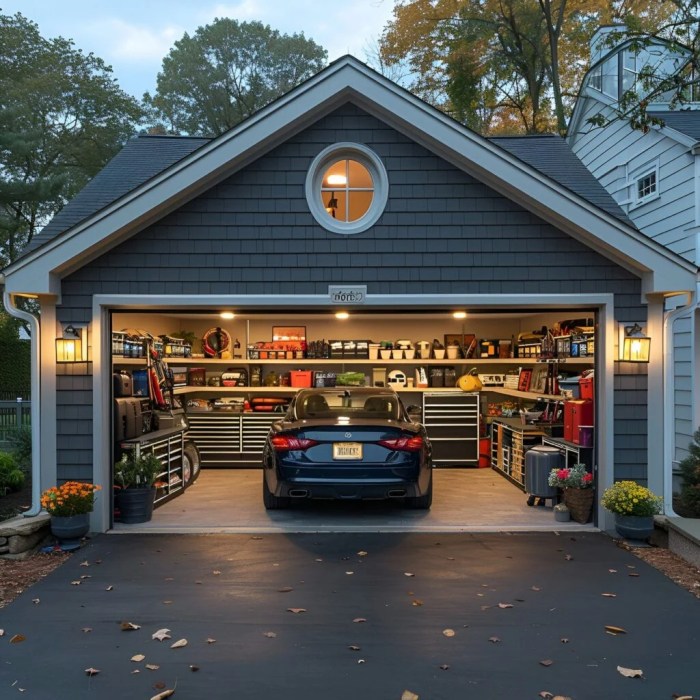
Imagine a garage overflowing with boxes, sporting equipment, tools, and furniture. This cluttered space is visually overwhelming, making it difficult to find anything and contributing to a feeling of stress and disorganization. In contrast, a decluttered garage would feature a well-organized layout, with items stored efficiently in their designated spots. The space would be clearly defined, allowing for easy access to needed tools and equipment and contributing to a feeling of calm and order.
Cluttered Garage Image Description: A large, dimly lit garage is packed with various items. Boxes, sporting equipment, tools, and even furniture are piled haphazardly, creating a sense of disorganization and overcrowding. The space feels cramped and cluttered.
Decluttered Garage Image Description: The same garage, now well-organized, is bathed in natural light. The space is noticeably larger and brighter. Tools and equipment are neatly stored in designated areas, with clear pathways. The overall impression is one of spaciousness, order, and calm.
Final Review
Ultimately, decluttering your garage isn’t just about clearing space; it’s about freeing up mental space and creating a more functional and enjoyable environment. By identifying items to discard, you gain a clearer perspective on what truly matters, leading to a more organized and less stressful life. So, grab your trash bags and get ready to transform your garage from a storage nightmare to a functional space!