

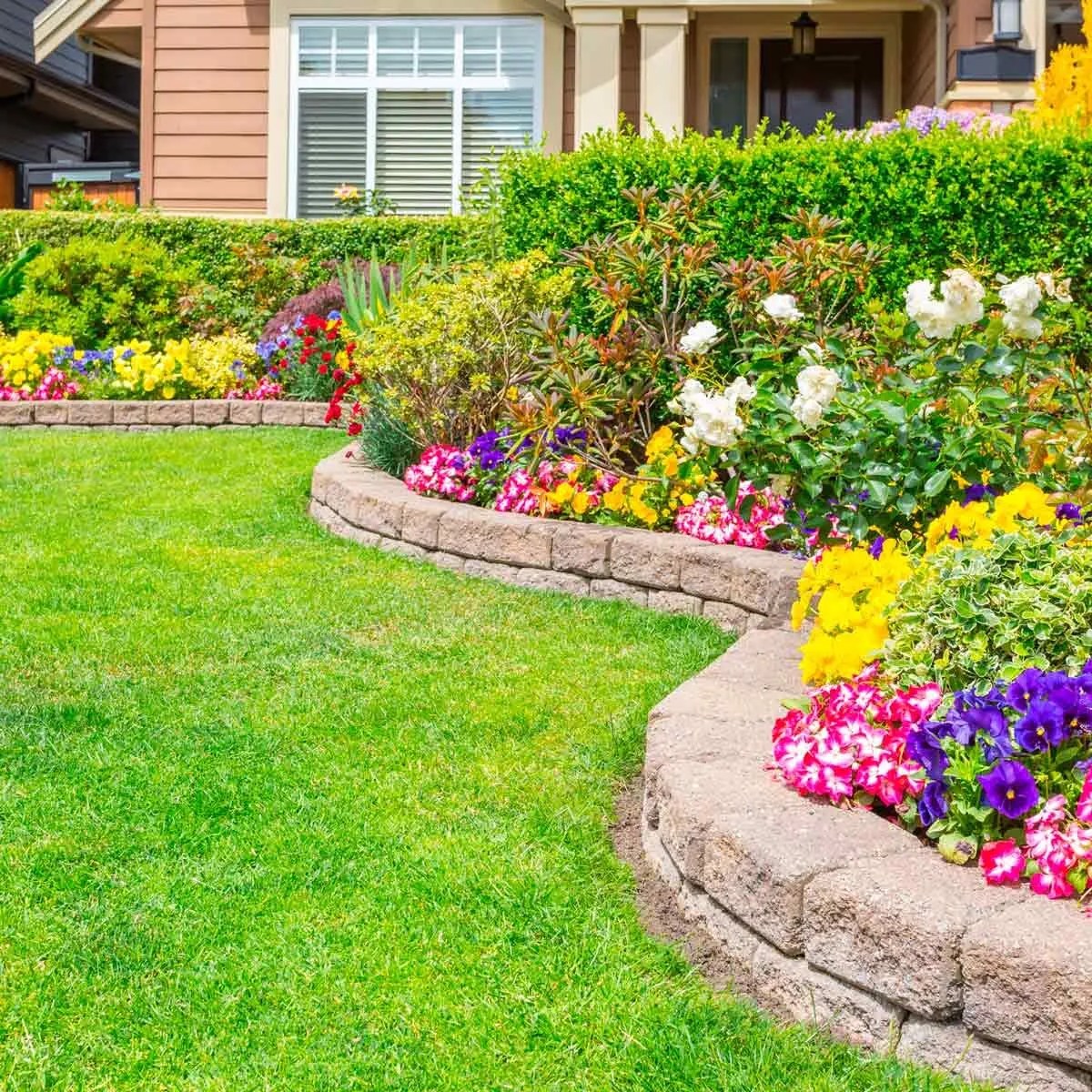
Front yard flower bed ideas are a fantastic way to enhance your home’s curb appeal and create a welcoming atmosphere. From choosing the perfect design to selecting vibrant blooms, this guide covers everything you need to know to transform your front yard into a beautiful oasis. We’ll explore various design styles, plant selection strategies, maintenance tips, and even budgeting considerations to help you achieve your dream flower bed, no matter your experience level.
This comprehensive guide dives deep into the world of front yard flower beds, offering practical advice and inspiring examples to ignite your creativity. We’ll examine different design concepts, from classic to contemporary, and delve into the art of plant selection, considering factors like climate, sunlight, and color coordination. Discover how to cultivate a stunning and sustainable flower bed that brings beauty and joy to your home.
Front Yard Flower Bed Design Concepts
Creating a captivating front yard flower bed is more than just planting flowers; it’s about crafting a visually appealing and harmonious space that complements your home’s architecture and reflects your personal style. This involves careful consideration of design elements, color palettes, and the surrounding landscaping to achieve a cohesive and inviting aesthetic.A well-designed front yard flower bed can significantly enhance curb appeal, adding value and charm to your property.
Choosing the right design style, plants, and colors can transform a simple space into a beautiful focal point.
Five Distinct Design Styles
Different design styles can transform your front yard flower bed into a unique and eye-catching feature. Consider these five distinct approaches:
- Formal Garden Style: This style emphasizes symmetry, precise lines, and structured shapes. Planted in rows or geometric patterns, often with clipped hedges and neatly trimmed shrubs, this design exudes elegance and order. It typically features classical, symmetrical flower arrangements, often with a focus on traditional roses, boxwoods, and hostas. This style is best suited for homes with traditional or formal architectural styles, creating a sense of grandeur and sophistication.
- Informal Cottage Garden Style: This style embraces a more relaxed and natural aesthetic. It features a variety of flower types, including wildflowers, herbs, and perennials, often planted in clusters or mounds. The plants are typically less structured, allowing for a more organic look. This style is ideal for homes with a rustic, farmhouse, or craftsman aesthetic, offering a sense of warmth and charm.
Imagine a mix of colorful annuals, vibrant perennials, and cascading vines.
- Modern Minimalist Style: This style focuses on clean lines, geometric shapes, and a limited color palette. It uses a mix of low-maintenance plants, such as succulents, grasses, and ornamental shrubs, and incorporates smooth, defined borders. This design approach is perfect for contemporary homes with modern architecture, showcasing a sleek and sophisticated look. Consider using sculptural planters, metallic accents, and contrasting textures.
- Mediterranean Garden Style: This style evokes a warm and inviting atmosphere, drawing inspiration from the sun-drenched landscapes of the Mediterranean. It typically features drought-tolerant plants, such as succulents, cacti, and flowering shrubs, in warm colors like terracotta, gold, and burnt orange. It often includes stone pathways, patios, and water features. This design works well with homes that have a Mediterranean, Spanish, or Southwestern architectural style, providing a sense of warmth and vibrancy.
- Zen Garden Style: This style focuses on tranquility and serenity, emphasizing minimalist design and natural elements. It features carefully raked gravel or sand, small decorative stones, and low-growing plants. The goal is to create a meditative space that promotes peace and harmony. This style is best suited for homes that already feature a serene or calming aesthetic.
Importance of Architectural and Landscaping Considerations
The design of your front yard flower bed should complement the surrounding architecture and landscaping. Consider the home’s style, size, and materials when selecting plants and design elements. For example, a large, traditional home might benefit from a formal garden, while a smaller, modern home might suit a minimalist design. The existing landscaping, such as trees, shrubs, and walkways, should be integrated into the flower bed design for a seamless transition.
A well-planned design creates a unified and cohesive look.
Color Palettes for Front Yard Flower Beds
Color palettes significantly impact the overall aesthetic of your flower bed. Warm colors, such as reds, oranges, and yellows, create a cheerful and energetic atmosphere. Cool colors, such as blues, purples, and greens, evoke a sense of calmness and serenity. Consider using a combination of colors to create visual interest and depth. A balanced color scheme that harmonizes with the home’s exterior is crucial.
For instance, a muted palette of greens, grays, and creams can create a sophisticated look, while a vibrant mix of pinks, purples, and oranges can add a playful touch.
Creating a Cohesive Design
A cohesive design involves careful selection of plants, colors, and textures. Choose plants that complement each other in terms of size, shape, and color. For example, tall plants can provide a backdrop for shorter plants. Plant groups of similar plants together to create visual interest and depth. Use borders, pathways, and other elements to delineate different sections of the flower bed.
This ensures the flower bed blends seamlessly with the surrounding landscaping and architectural features.
Examples of Front Yard Flower Bed Designs
Imagine a traditional home with a large front yard. A formal garden design, with neatly arranged rows of roses, boxwoods, and hostas, would create a sense of grandeur. For a modern home, a minimalist design featuring geometric shapes, low-maintenance succulents, and contrasting textures would offer a sleek and sophisticated look.
| Style | Pros | Cons |
|---|---|---|
| Formal Garden | Elegant, symmetrical, structured, emphasizes order | Can appear stiff or overly manicured, requires more maintenance |
| Informal Cottage Garden | Relaxed, natural, welcoming, variety of flowers | Can look less defined, requires more ongoing care |
| Modern Minimalist | Clean lines, low maintenance, suitable for contemporary homes | May appear stark or uninviting if not planned well |
| Mediterranean | Warm, inviting, drought-tolerant, suits sunny climates | May not be suitable for all climates, requires specific plant choices |
| Zen Garden | Tranquil, peaceful, minimalist, promotes serenity | Can be less visually stimulating, requires specific materials and maintenance |
Plant Selection and Arrangement: Front Yard Flower Bed Ideas
Choosing the right plants for your front yard flower bed is crucial for a beautiful and thriving display. Careful consideration of factors like sunlight, water needs, and plant compatibility is essential to ensure your chosen plants flourish and create a harmonious aesthetic. Proper arrangement further enhances the visual appeal and creates a dynamic, eye-catching display.A well-planned flower bed, incorporating a thoughtful selection of plants, will provide years of enjoyment.
By considering factors like height, bloom time, and color, you can create a visually stunning and engaging front yard.
Thinking about sprucing up your front yard flower bed? It’s amazing how a few well-placed blooms can transform the look of your home. But, sometimes, decluttering the kitchen is just as important! If you’re looking for clever tools to help you organize your kitchen and get rid of excess clutter, check out this list of kitchen gadgets to declutter.
Once you’ve freed up some kitchen space, you can focus on those gorgeous front yard flower bed ideas with renewed energy.
Plant Selection Based on Local Conditions, Front yard flower bed ideas
Understanding your local climate and sunlight conditions is paramount in plant selection. Different plants have varying needs for sunlight and water. A plant that thrives in full sun may struggle in a shady location. Similarly, a plant accustomed to dry conditions may not do well in consistently moist soil. Researching your local USDA plant hardiness zone is beneficial for selecting plants that are well-suited to your region’s climate.
Suitable Flowering Plants for Various Environments
A wide array of flowering plants can thrive in front yard environments. Choosing plants that complement each other in terms of height, bloom time, and color creates a visually interesting and dynamic display.
- Annuals: Annuals offer a vibrant display of color, but require annual replanting. Examples include petunias, zinnias, and marigolds, which come in various colors and bloom times.
- Perennials: Perennials provide lasting beauty and are well-suited to a variety of conditions. Daylilies, coneflowers, and hostas are examples, each with varying heights and bloom times.
- Shrubs: Shrubs offer structure and height to the flower bed, often providing color and fragrance throughout the growing season. Roses, hydrangeas, and azaleas are good examples.
Methods of Plant Arrangement
Arranging plants strategically within the flower bed significantly impacts the overall aesthetic. Consider grouping similar plants together, layering them in tiers, or creating cascading effects.
- Grouping: Grouping plants of similar heights, colors, and textures creates visual cohesion and a sense of unity. For example, a group of purple petunias and lavender shrubs might look harmonious together.
- Layering: Layering plants of varying heights creates depth and dimension. Taller plants positioned in the back of the bed can support smaller plants in front, creating a three-dimensional effect.
- Cascading: Trailing plants or those with cascading growth habits can add visual interest and soften the edges of the bed. Examples include certain types of ivy or ferns.
Complementary Plant Combinations
Choosing plants that complement each other in terms of color, texture, and form enhances the overall visual impact of the flower bed.
- Color Harmony: Plants with complementary colors create a visually pleasing contrast. For example, reds and oranges can be paired with blues and purples.
- Textural Variety: Incorporating plants with different textures, such as soft foliage versus stiff foliage, creates visual interest and prevents a monotonous appearance. For instance, the soft texture of ferns complements the hard edges of a shrub.
- Form and Shape: Plants with varied forms and shapes can enhance the flower bed’s visual appeal. Tall, upright plants paired with rounded shrubs create a more balanced look.
Plant Combination Examples
Combining different plant types can result in a stunning display. A combination of tall coneflowers, medium-height lavender, and low-growing groundcover can create a beautiful mix of textures and colors.
| Plant Type | Sun Exposure | Placement Suggestions |
|---|---|---|
| Daylilies | Full Sun | Back of the bed, or in a grouping for visual impact |
| Petunias | Full Sun to Partial Shade | Front of the bed, or in containers for added color |
| Hydrangeas | Partial Shade to Full Sun | Mid-ground or back, where they can show off their large blooms |
| Lavender | Full Sun | Excellent in a grouping or as a border for a more rustic feel |
Maintenance and Care
Keeping your front yard flower bed vibrant and healthy requires consistent effort and attention. Proper maintenance not only enhances the aesthetic appeal but also ensures the longevity and health of your plants. Ignoring these tasks can lead to pest infestations, diseases, and a decline in the overall beauty of your landscaping.Regular maintenance is key to a thriving flower bed.
It’s like taking care of a pet – consistent attention to watering, feeding, and grooming leads to a happy, healthy companion. By following a structured routine and understanding the specific needs of your plants, you can ensure your flower bed remains a beautiful focal point for years to come.
Watering Techniques
Proper watering is essential for plant health. Overwatering can lead to root rot, while underwatering can cause wilting and stress. Deep watering, allowing water to penetrate deeply into the soil, is more effective than frequent, shallow watering. Monitor the soil moisture regularly to determine the appropriate watering schedule. Consider using a moisture meter for accurate readings.
Different plants have varying water needs, so research the specific requirements of your chosen species. During periods of extreme heat or drought, adjust your watering schedule accordingly.
Weeding and Deadheading
Regular weeding is crucial to prevent unwanted plants from competing with your flowers for resources. Removing weeds promptly helps maintain the health and beauty of your flower bed. Deadheading, the removal of spent flowers, encourages more blooms and keeps the plants looking their best. By removing faded blooms, you prevent the plant from expending energy on seed production, redirecting its energy towards producing more flowers.
Fertilization and Pest Control
Regular fertilization provides essential nutrients to your plants, promoting healthy growth and abundant blooms. Use a balanced fertilizer appropriate for the type of plants in your flower bed. Follow the manufacturer’s instructions carefully to avoid over-fertilizing, which can harm the plants. Pest control is also vital. Regular inspections and the use of natural pest control methods, when possible, can prevent infestations.
Introduce beneficial insects, such as ladybugs, that prey on common garden pests.
Pruning Techniques
Pruning helps maintain the shape and size of your plants, promoting healthy growth and encouraging new blooms. Different plants require different pruning techniques. Research the specific needs of each plant type to ensure proper pruning. For example, roses require specific pruning techniques to encourage flowering, while some annuals may only need deadheading.
Handling Unexpected Issues
Diseases and insect infestations can occur unexpectedly. Prompt identification and treatment are crucial to prevent the spread of problems. Isolate affected plants and research the specific disease or pest to determine the best course of action. Seek advice from local nurseries or gardening experts for effective solutions.
Minimizing Maintenance
Choosing plants that are well-suited to your climate and soil type can significantly reduce the need for maintenance. Select drought-tolerant varieties if you live in a dry climate. Mulching around the base of plants helps retain moisture, suppress weeds, and regulate soil temperature. Proper plant selection and careful planning can make a significant difference in the overall maintenance requirements of your flower bed.
| Month | Tasks | Frequency |
|---|---|---|
| Spring | Watering, weeding, fertilization, pruning, pest control | Weekly |
| Summer | Watering, weeding, deadheading, pest control | Bi-weekly |
| Autumn | Watering, weeding, pruning, preparing for winter | Bi-weekly |
| Winter | Protecting plants from frost, watering as needed | As needed |
Budgeting and Materials

Planning a beautiful front yard flower bed doesn’t have to break the bank. With careful budgeting and resourceful material choices, you can create a stunning display without emptying your wallet. This section will guide you through estimating costs, comparing options, and crafting a realistic budget for your project, while also offering budget-friendly plant choices.A well-planned budget is crucial for any landscaping project.
It allows you to stay within your financial limits, prioritize your needs, and make informed decisions about materials and plants. Knowing the potential costs in advance allows for adjustments and ensures that your project remains enjoyable and achievable.
Estimating Costs
The cost of creating a front yard flower bed varies significantly depending on the scope of the project. Factors like the size of the bed, the type of soil amendments needed, the cost of plants, and potential labor expenses all contribute to the overall price. A small, simple bed might cost a few hundred dollars, while a larger, more elaborate design could easily exceed a thousand.
Thinking about front yard flower bed ideas? I’ve been experimenting with different color schemes, but recently, my homemade laundry detergent attempt was a complete disaster. Trying to save money by making my own laundry detergent ended up being a total fail, like a really ugly flower bed! Instead of focusing on those awful stains, I’m going back to the drawing board for my front yard flower bed ideas.
Hopefully, I’ll have better luck with the flowers than I did with homemade laundry detergent fail.
Researching local plant nurseries and landscaping companies can help you get a clearer picture of potential costs in your area.
Comparing Material Options
Instead of always building from scratch, consider repurposing existing materials. Old bricks, reclaimed wood, or even repurposed containers can create unique and charming flower beds at a fraction of the cost of new materials. This approach not only saves money but also adds character and personality to your design. For example, using landscape timbers to create raised beds is a popular and cost-effective option.
Creating a Realistic Budget
A realistic budget involves breaking down the project into manageable components. Create a detailed list of all expected expenses, including plant purchases, soil amendments, and any potential labor costs. Consider the cost of different soil types and amendments needed to improve drainage and fertility. For instance, if you decide to amend the existing soil, estimate the cost of the amendments and how much you need.
Set aside a contingency fund for unexpected expenses, like unforeseen issues with the soil or the need for extra plants. This ensures your project stays on track and within budget.
Budget-Friendly Plant Options
Many beautiful and vibrant flowers don’t come with a high price tag. Consider native plants, which are often more affordable than exotic varieties. Perennials, which return year after year, can also be a cost-effective choice, especially when compared to annuals. Consider plants with similar needs in terms of sunlight and water to reduce maintenance efforts and costs.
For example, consider using a mix of perennials, shrubs, and ground covers for a visually appealing and cost-effective landscape.
A well-planned budget is crucial for any landscaping project. It allows you to stay within your financial limits, prioritize your needs, and make informed decisions about materials and plants.
DIY Ideas for Enhancing a Front Yard Flower Bed
These cost-effective DIY ideas can enhance your front yard flower bed without breaking the bank:
Repurpose old containers, such as buckets or tubs, to create unique and eye-catching planters.
Use reclaimed wood or landscape timbers to build raised beds, saving money and adding a personalized touch.
Create a DIY edging using landscape fabric, rocks, or bricks to define the bed’s perimeter, improving the visual appeal without excessive cost.
Incorporate gravel or mulch to create pathways or borders within the flower bed, adding aesthetic appeal at a low cost.
Thinking about sprucing up your front yard flower bed? Choosing the right blooms can really brighten up your home, but did you know that the air quality in your neighborhood might affect your plants’ health? For a truly thriving flower bed, consider investing in a good best air quality monitors to help you identify potential pollutants.
Ultimately, the right flowers, paired with a healthy environment, will create the perfect front yard oasis!
Adding Features to the Flower Bed
Transforming your front yard flower bed from a simple display of blooms into a captivating focal point involves thoughtfully incorporating hardscaping elements, water features, and decorative accents. These additions not only enhance the visual appeal but also create a more inviting and functional outdoor space. Careful consideration of these elements will make your flower bed stand out from the crowd.
Incorporating Hardscaping Elements
Hardscaping elements like pathways, stones, and pavers provide structure and visual interest to a flower bed. They define areas, create focal points, and add a touch of elegance. Paths of flagstone or brick can lead to the flower bed, drawing the eye and providing easy access. Strategically placed stones or pavers can create borders, highlighting specific plant groupings or acting as a backdrop for the blooms.
Integrating Water Features
The addition of water features such as small fountains or birdbaths can transform the flower bed into a tranquil oasis. A gentle fountain, perhaps with a sculpted basin, can add a soothing sound and a focal point. A birdbath, attractively designed and positioned, can invite birds and provide a unique visual element. These additions bring a sense of nature and serenity to the space.
Using Decorative Accents
Statues or sculptures, carefully selected and placed, can add a touch of personality and artistry to the flower bed. A small, whimsical gnome or a more classical-style statue can create a focal point, adding character and depth to the overall design. These additions should complement the existing style and theme of the flower bed.
Incorporating Lighting Options
Integrating lighting options, particularly low-voltage landscape lighting, can significantly enhance the beauty of the flower bed at night. Pathways can be highlighted, flowerbeds can be Artikeld, and specific plants can be emphasized, allowing the design to come alive in the evening. Strategic placement of spotlights or well-placed path lights can create a magical atmosphere.
Examples of Front Yard Flower Beds with Integrated Features
Consider a flower bed incorporating a meandering flagstone path leading to a central fountain. Or imagine a raised bed with a sculpted stone border and a miniature statue in the center, illuminated by subtle path lights. These examples demonstrate how hardscaping and decorative elements can elevate the design of the flower bed. A thoughtfully designed flower bed can provide a welcoming and inviting front yard that is memorable for its beauty and design.
| Material | Cost | Benefits | Drawbacks |
|---|---|---|---|
| Flagstone | Medium | Natural look, durability, good drainage | Can be heavy, requires professional installation |
| Brick | High | Classic look, durability, various colors | Can be expensive, may require sealing |
| Pavers | High | Variety of colors and styles, easy installation | May not be as durable as other options, potential for uneven surfaces |
| Wood | Low | Natural look, relatively inexpensive | Susceptible to rot and decay, requires regular maintenance |
Last Word

In conclusion, creating a beautiful and thriving front yard flower bed is a rewarding project. By carefully considering design concepts, plant selection, and maintenance strategies, you can cultivate a space that reflects your personal style and adds value to your home. Whether you prefer a classic arrangement or a modern masterpiece, remember that your flower bed is a canvas for your creativity and a testament to your commitment to creating a beautiful and lasting impression.