


Forsythia bushes plants that herald spring burst onto the scene with their vibrant yellow blooms, signaling the arrival of warmer weather. These deciduous shrubs are beloved for their cheerful display, marking the transition from winter’s chill to the vibrant colors and life of spring. From their botanical classification to their cultural significance, we’ll delve into the captivating world of forsythia, exploring their unique characteristics and role in landscaping and design.
We’ll also touch on their historical uses and how to care for these lovely spring harbingers.
This article provides a comprehensive guide to forsythia, covering everything from their botanical classification and common characteristics to their role in various landscapes, care tips, and even their cultural significance. Discover the different types of forsythia, their planting and care requirements, and their beautiful contribution to spring gardens.
Introduction to Forsythia
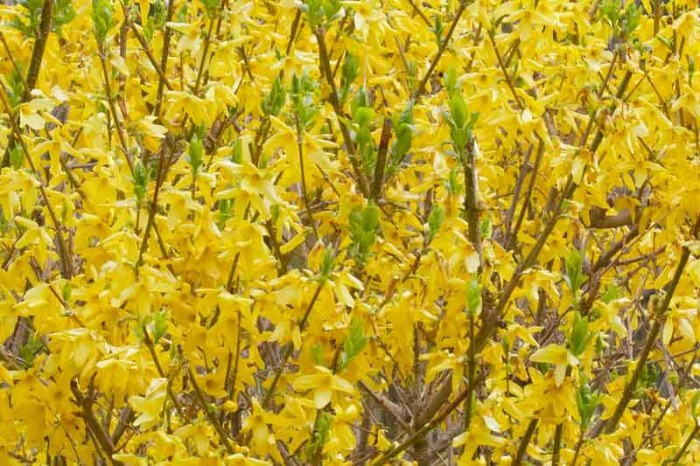
Forsythia, a vibrant harbinger of spring, graces gardens worldwide with its cheerful yellow blossoms. These deciduous shrubs are beloved for their profusion of flowers that often appear before the leaves unfurl, painting a striking display against the backdrop of winter’s fading hues. They are easily recognized by their dense branching and the abundance of golden-yellow flowers that cascade down their stems.Forsythia’s popularity stems from its striking visual appeal, its relatively easy cultivation, and its ability to signal the arrival of spring.
Their flowers, appearing in a spectrum of yellows, are a cheerful and welcome sight after the long winter months. These shrubs offer a burst of color, quickly transforming drab landscapes into vibrant oases.
Botanical Classification
Forsythia belongs to the Oleaceae family, a group of flowering plants that includes olive trees and jasmine. This botanical placement underscores the shared characteristics among these plants, reflecting evolutionary relationships and genetic similarities. The genus Forsythia comprises several species, each with its unique characteristics.
Common Characteristics
Forsythia shrubs exhibit several key traits that distinguish them from other spring-blooming shrubs. Their most prominent feature is the profusion of bright yellow flowers that bloom in early spring, often before the leaves emerge. This early flowering pattern sets them apart from many other flowering shrubs, making them a distinctive and sought-after addition to gardens. They typically have a dense, rounded or spreading form, and their branches are often somewhat flexible.
These characteristics contribute to their overall aesthetic appeal and make them suitable for various garden designs.
Historical Context
The popularity of forsythia is rooted in its early spring flowering, which serves as a welcome signal of the warmer seasons to come. Its use in landscaping and horticulture has evolved over time, becoming increasingly popular in the United States and Europe. The aesthetic appeal of its vibrant yellow blooms, combined with its relatively easy cultivation, contributed to its widespread adoption in gardens and parks.
Forsythia Overview
| Common Name | Botanical Name | Origin | Key Characteristics |
|---|---|---|---|
| Forsythia | Forsythia spp. | Eastern Asia (primarily China and Japan) | Early spring flowering, profusion of bright yellow flowers, deciduous, dense branching, often rounded or spreading form. |
| Golden Bell | Forsythia suspensa | Eastern Asia | Known for its pendulous flowers; can be more delicate than other species. |
| Border Forsythia | Forsythia intermedia | Hybrid between Forsythia suspensa and Forsythia viridissima | Often more compact and vigorous growth; commonly used in landscaping. |
Forsythia’s Role as a Spring Herald
Forsythia, with its vibrant yellow blooms, is a beloved symbol of spring’s arrival. More than just a pretty sight, these early-blooming shrubs hold a special significance in many cultures, marking the transition from winter’s chill to the warmth and renewal of spring. Their presence signals the changing seasons and the return of life’s cycle.Forsythia’s bright yellow flowers, often appearing before the leaves unfurl, act as a visual cue that spring is indeed on its way.
This characteristic early blooming, coupled with the noticeable change in weather patterns, makes forsythia a reliable indicator of the season’s transition. Its prominence in landscaping and cultural celebrations reinforces its symbolic role as a herald of spring.
Symbolic Meaning of Forsythia
Forsythia’s bright yellow flowers have a symbolic connection to the start of spring. The color yellow, often associated with sunshine and warmth, perfectly embodies the transition from the darker, colder months to the brighter days of spring. In many cultures, yellow is a color of hope and new beginnings, aligning perfectly with the revitalizing energy of spring. The flowers themselves represent the promise of growth and renewal that comes with the season.
Cultural Significance of Forsythia
The cultural significance of forsythia varies across different regions. In some parts of Asia, for example, the vibrant yellow blooms are associated with celebration and the beginning of new life cycles. In North America, forsythia’s bright color and early blooming have made it a popular ornamental plant, used extensively in landscaping and gardens to mark the arrival of spring.
The shrub’s presence in gardens and parks symbolizes hope and renewal, echoing the season’s message of growth and vitality.
Forsythia’s Flowering Timing Compared to Other Spring Plants
Forsythia’s flowering often precedes the blossoming of many other spring-blooming plants. This early bloom makes forsythia a reliable indicator of the season’s shift. The timing of flowering is often affected by local weather conditions, such as temperature and rainfall. A warm winter, for example, may lead to earlier forsythia blooms, whereas a late or cold spring might delay them.
Relationship Between Forsythia Bloom and Spring Weather
The relationship between forsythia’s blooming and the changing weather patterns is a direct one. As temperatures begin to rise and days lengthen, forsythia’s dormant buds respond to the environmental cues and begin to unfurl, producing the bright yellow blooms that are characteristic of spring. In some cases, a particularly warm spell may result in earlier blooming than expected.
Conversely, an unusually cold snap can delay the blooms.
Comparison of Flowering Periods
| Plant | Approximate Flowering Period (Northern Hemisphere) |
|---|---|
| Forsythia | March-April |
| Cherry Blossom | March-May (varies by variety) |
| Magnolia | March-May (varies by variety) |
| Tulip | March-May (varies by variety) |
| Crocus | March-April |
This table illustrates the approximate flowering periods of several popular spring-blooming plants, highlighting the earlier bloom of forsythia compared to other species. Note that these periods can vary depending on specific local conditions.
Types and Varieties of Forsythia: Forsythia Bushes Plants That Herald Spring
Forsythia, the vibrant harbinger of spring, comes in a surprising array of cultivars. Beyond the common yellow blooms, subtle differences in size, growth habit, and flowering time make selecting the right variety crucial for any landscape design. Understanding these variations allows gardeners to choose plants that perfectly complement their specific aesthetic and environmental conditions.Forsythia cultivars offer a spectrum of characteristics, influencing their suitability for different garden spaces.
Some varieties are compact and ideal for smaller gardens, while others boast a more expansive growth habit, perfect for larger landscapes. Differences in flower characteristics, such as bloom size and density, further refine the choices available to gardeners. Ultimately, knowing the nuances of these variations ensures a successful and visually pleasing spring display.
Forsythia bushes, those vibrant yellow beacons, are a sure sign spring is on its way. They’re a beautiful sight, and now I’m finally tackling my fridge organization, specifically with a new rectangular Lamu lazy susan. This amazing rectangular lamu lazy susan organizing my fridge is really making a difference, and it’s amazing how much more space I have now.
It’s getting me so excited for all the fresh produce spring will bring, and the forsythia bushes will be even more beautiful against that backdrop of a well-organized fridge!
Popular Cultivars
Numerous cultivars of forsythia have been developed, each with its own unique attributes. Understanding these differences allows gardeners to choose the right variety to enhance their landscape design. ‘Golden Showers’ and ‘Northern Gold’ are among the most popular selections, known for their prolific blooms and attractive growth patterns. Other notable cultivars offer specific benefits, such as increased hardiness in cold climates or enhanced disease resistance.
Size and Growth Habit Variations
Forsythia varieties exhibit diverse growth patterns. Some cultivars maintain a compact and bushy form, making them suitable for smaller gardens or containers. Conversely, other varieties have a more sprawling or upright habit, providing a dramatic focal point in larger landscapes. These differences in size and growth habit are crucial to consider when integrating forsythia into a garden’s overall design.
Flower Characteristics
The flowering characteristics of forsythia varieties are equally diverse. Some cultivars boast dense clusters of flowers, while others have a more open display. Differences in flower size and color (though predominantly yellow) also influence the overall visual impact. These factors are critical when evaluating the visual appeal of a forsythia in a specific location.
Comparison Table of Forsythia Varieties
| Variety | Height (ft) | Spread (ft) | Flowering Time | Growth Habit |
|---|---|---|---|---|
| ‘Golden Showers’ | 6-8 | 6-8 | Early Spring | Upright, somewhat spreading |
| ‘Northern Gold’ | 4-6 | 4-6 | Early Spring | Compact, bushy |
| ‘Spectabilis’ | 6-10 | 6-10 | Early Spring | Upright, strong growth |
| ‘Lynwood’ | 4-5 | 4-5 | Early Spring | Dense, compact |
‘Golden Showers’ Characteristics
‘Golden Showers’ is a vigorous, upright-growing variety, typically reaching 6-8 feet in height and spread. Known for its abundant, golden-yellow flowers that appear in early spring, it’s a popular choice for larger gardens or hedges. Its substantial size makes it a bold statement in a landscape.
‘Northern Gold’ Characteristics
‘Northern Gold’ stands out for its compact growth habit. Typically reaching 4-6 feet in height and spread, it’s well-suited for smaller gardens and containers. Its dense flowering clusters and early spring blooms make it a charming addition to any landscape. This cultivar’s compact size is an important consideration for smaller spaces.
Selecting the Right Variety
Careful consideration of the specific landscape design needs is essential when choosing a forsythia variety. The size and growth habit of the selected variety should be carefully matched with the available space and overall garden design. Consider the desired visual impact, the surrounding plants, and the specific microclimate when making your decision. By carefully matching the characteristics of the forsythia variety with the garden’s design and environmental factors, you can create a thriving and visually appealing landscape.
Planting and Care of Forsythia Bushes
Forsythia, those vibrant yellow beacons of spring, are beloved for their cheerful blooms. But these beauties need the right care to thrive and reward you with their spectacular displays year after year. This guide delves into the essential aspects of planting and maintaining healthy forsythia bushes, ensuring your spring will be filled with the joyful presence of these lovely shrubs.
Soil Preparation
Proper soil preparation is crucial for the success of any forsythia planting. Forsythia prefers well-drained soil that’s slightly acidic to neutral. A soil pH of 6.0 to 7.0 is ideal. Heavy clay soils can lead to waterlogging, hindering root development. Amend the soil with organic matter like compost or peat moss to improve drainage and aeration.
This improves the soil’s structure, making it more conducive to root growth and water retention. The addition of organic matter also helps maintain the soil’s fertility, providing essential nutrients for the forsythia’s growth.
Planting Depth and Spacing
When planting, ensure the root ball is at the same level it was in its container. Planting too deep can lead to poor growth and even death. Appropriate spacing is also essential for healthy growth. Forsythia shrubs need sufficient space to develop their full potential. Plant forsythia bushes at least 6-8 feet apart to allow for adequate air circulation and prevent overcrowding.
Overcrowding can lead to disease and hinder the proper development of the shrubs.
Ideal Growing Conditions
Forsythia thrives in full sun, with at least 6-8 hours of direct sunlight per day. Partial shade is tolerated, but flowering may be less abundant. The ideal soil type for forsythia is well-drained loam, rich in organic matter. This soil type provides excellent drainage, aeration, and nutrient retention. Regular watering is necessary, especially during the first year after planting.
Consistent moisture is essential for the establishment of the young roots. Water deeply and less frequently, allowing the soil to dry slightly between waterings. Overwatering can lead to root rot.
Forsythia bushes, those vibrant yellow beacons, are a sure sign spring is on its way. But sometimes, the flurry of spring cleaning can lead to a cluttered kitchen. To keep your kitchen organized and efficient, consider some helpful kitchen gadgets to declutter, like those ingenious storage solutions and space-saving tools. kitchen gadgets to declutter can make a huge difference in how your kitchen functions and how much time you save in the long run.
Ultimately, a decluttered kitchen frees up space for appreciating the beautiful forsythia bushes that mark the arrival of spring.
Fertilization
Fertilizing forsythia is crucial for maintaining its health and vigor. Apply a balanced, slow-release fertilizer in early spring, before new growth emerges. This will provide the essential nutrients needed for healthy foliage and abundant blooms. Follow the manufacturer’s instructions for the correct application rate. Avoid over-fertilizing, as this can harm the plant.
Excessive fertilizer can lead to excessive growth that can outstrip the plant’s ability to support it, or lead to salt buildup in the soil.
Pruning
Pruning is an important aspect of forsythia care. Prune forsythia after flowering to maintain its shape and encourage new growth. Remove any dead, damaged, or crossing branches. Light pruning every few years can help maintain the plant’s size and shape. Heavy pruning is generally discouraged as it can drastically reduce flowering.
Light pruning encourages new growth and promotes the development of new blossoms.
Pest and Disease Management
Forsythia is susceptible to various pests and diseases. Monitor your forsythia regularly for signs of infestation or disease. Early detection is key to effective treatment. Common pests include aphids, scale insects, and spider mites. Use insecticidal soap or horticultural oil to control these pests.
Common diseases include powdery mildew and leaf spot. Avoid overhead watering to prevent fungal diseases. Use fungicides, if necessary, following label instructions. Proper sanitation practices, such as removing and destroying affected plant parts, can help prevent the spread of diseases.
Essential Steps in Planting and Caring for Forsythia
| Step | Action |
|---|---|
| 1 | Assess soil conditions and amend with organic matter if needed. |
| 2 | Dig a hole twice as wide as the root ball. |
| 3 | Plant forsythia at the same depth as it was in the container. |
| 4 | Water thoroughly after planting. |
| 5 | Maintain consistent moisture, especially during the first year. |
| 6 | Fertilize in early spring with a balanced slow-release fertilizer. |
| 7 | Prune after flowering to maintain shape and encourage new growth. |
| 8 | Monitor for pests and diseases and treat promptly if necessary. |
Forsythia in Landscaping and Design
Forsythia’s vibrant yellow blooms make them a popular choice for spring landscaping. Their early flowering provides a burst of color that signals the arrival of warmer weather. Beyond their aesthetic appeal, forsythia’s versatility allows them to be incorporated into various garden designs, enhancing the overall beauty and functionality of outdoor spaces.Forsythia’s adaptability extends beyond simple planting. Their ability to thrive in various settings, from formal hedges to informal borders, and their compatibility with other plants makes them a valuable asset in any landscape design.
Understanding their different forms and how they can be used in combination with other plants will help you create a beautiful and functional outdoor space.
Forsythia in Hedging and Screening
Forsythia’s dense growth habit makes them excellent choices for creating hedges and screens. Their ability to grow into a compact form, when properly pruned, allows for controlled shaping and creates a strong visual barrier. The early spring flowering, followed by a vibrant green foliage, provides a continuous display of color and texture throughout the season.
Forsythia as a Focal Point
Forsythia can be strategically placed as a focal point in the garden. A group of forsythia bushes, planted in a prominent location, can draw the eye and become a defining element of the landscape. Consider their height and spread when choosing a location and planting scheme. By combining different varieties with varying flowering times, you can extend the display of color.
Planting them in a carefully designed bed, enhanced with appropriate ground cover or shrubs, can highlight their beauty even further.
Forsythia in Borders and Mixed Planting Schemes
Forsythia’s adaptability extends to borders and mixed planting schemes. The early spring blooms, combined with the green foliage, create a striking contrast when planted alongside other flowering shrubs or perennials. Consider the color palette of the surrounding plants to complement the forsythia’s yellow. Planting forsythia in a border, mixed with flowering bulbs or spring-blooming perennials, provides a continuous show of color and texture throughout the season.
For instance, planting them alongside ferns or hostas will add depth and contrast to the design.
Seasonal Impact of Forsythia
Forsythia’s impact on the landscape is significant throughout the year. In the spring, their vibrant yellow flowers create a striking visual impact, heralding the arrival of spring. In the summer, their lush green foliage adds a layer of texture and depth to the garden. During the fall and winter, their dormant state allows other plants to take center stage.
Examples of Landscape Design Styles Incorporating Forsythia
| Landscape Design Style | Forsythia Application | Visual Description |
|---|---|---|
| Formal Garden | Trimmed hedges, symmetrical plantings | Creates a structured and balanced look. Forsythia provides a defined border, emphasizing the garden’s order. |
| Informal Garden | Group plantings, natural borders | Offers a more relaxed and organic feel. Forsythia is incorporated into the natural flow of the garden, providing color and texture without strict symmetry. |
| Modern Garden | Contemporary plantings, clean lines | Emphasizes simplicity and clean lines. Forsythia is strategically placed to add pops of color and texture without disrupting the overall minimalist aesthetic. |
| Coastal Garden | Combined with native grasses and flowering bulbs | Blends well with the natural coastal environment. The forsythia’s bright yellow complements the soft greens and grays of the surrounding plants. |
Forsythia’s Environmental Impact
Forsythia, beloved for its vibrant spring display, plays a multifaceted role in the environment, both positive and potentially negative. Understanding this impact is crucial for responsible cultivation and appreciation of this popular ornamental plant. Beyond its aesthetic appeal, forsythia’s ecological footprint warrants consideration, especially concerning its potential invasiveness and sustainability.Forsythia’s presence significantly influences local ecosystems, from attracting pollinators to potentially disrupting native plant communities.
Its rapid growth and prolific seed production can, in some cases, outcompete native species, altering the biodiversity of the area. This interplay highlights the importance of careful planting and management practices.
Ecological Role in Natural Habitat
Forsythia, in its native habitats, contributes to the overall biodiversity by providing nectar and pollen sources for various pollinators. Its early spring flowering often precedes the blooming of other flowering plants, making it a crucial food source for insects and birds. The presence of forsythia in a region can support a healthy and balanced insect population, indirectly benefiting other species within the ecosystem.
Impact on Local Ecosystems
The impact of forsythia on local ecosystems can be complex. While providing a valuable food source for pollinators and a visual spectacle, its aggressive growth habit can sometimes lead to competition with native plants. This competition, if not managed properly, may result in a decline of native species and a shift in the plant community composition. Successful forsythia integration depends on understanding its growth rate and potential impact on the surrounding environment.
Potential for Invasive Growth, Forsythia bushes plants that herald spring
Some forsythia varieties are more prone to becoming invasive than others. This invasiveness is largely due to their rapid growth rates and prolific seed production, allowing them to quickly establish and spread. In areas with suitable conditions, such as disturbed soil or environments with a lack of competing vegetation, forsythia can outcompete native species, potentially disrupting the delicate balance of the local ecosystem.
Careful consideration of the specific forsythia variety and its potential for invasiveness is crucial for responsible planting.
Forsythia bushes, those vibrant yellow spring harbingers, are a beautiful reminder of warmer days to come. Their bright color is a key element in understanding warm and cool colors, understanding warm and cool colors , which can influence how we perceive the space around them. These cheerful yellow blooms are a welcome sign of spring’s arrival, perfectly embodying the joy of the season.
Sustainability Practices in Cultivation
Sustainable forsythia cultivation involves several key practices. Choosing native or non-invasive varieties reduces the risk of ecological disruption. Proper planting and maintenance techniques, including controlling its spread, are essential. Mulching around the base of the plant can help retain moisture and suppress weed growth, minimizing the need for chemical inputs. Implementing these sustainable practices ensures that forsythia’s presence enhances, rather than detracts from, the surrounding environment.
Attracting Pollinators
Forsythia’s bright yellow flowers are a visually appealing attraction for pollinators, particularly bees and butterflies. The abundance of nectar and pollen produced during early spring makes forsythia an important food source for these vital insects. Its early bloom often precedes the availability of other flowering plants, making it a crucial part of the spring pollination cycle. Planting forsythia strategically in conjunction with other flowering plants can create a rich and diverse pollinator habitat.
Forsythia in Art, Literature, and Culture
Forsythia, with its vibrant yellow blossoms heralding spring, has captured the imaginations of artists and writers for centuries. More than just a pretty sight, the forsythia plant holds a subtle symbolic weight, reflecting the renewal and hope of the season. This exploration delves into the ways forsythia has been represented in art, literature, and cultural expressions, uncovering its deeper meanings and historical significance.Forsythia’s presence in artistic and literary works often serves as a visual or metaphorical representation of spring’s arrival, evoking feelings of renewal and joy.
Its bright color palette and delicate structure provide a striking contrast against the often muted tones of winter, and its timing perfectly aligns with the transition into warmer months.
Artistic Representations of Forsythia
The vibrant yellow of forsythia has inspired numerous artistic interpretations. Early botanical illustrations often featured detailed depictions of the plant, highlighting its structure and the unique characteristics of its flowers. These meticulously crafted illustrations served not only as scientific records but also as artistic expressions, showcasing the beauty of nature’s artistry. Later, in landscape paintings, forsythia bushes frequently appear as elements of gardens or park settings, contributing to the overall mood and atmosphere of the scene.
In some works, forsythia might even be emphasized as a focal point, its brilliant blossoms drawing the viewer’s eye and celebrating the arrival of spring.
Literary Depictions of Forsythia
Forsythia’s presence in literature is less explicit compared to its visual representations. While not always the central subject, it often serves as a subtle symbol of spring and renewal. Poets and writers might use its imagery to evoke the feeling of a fresh start, or to highlight the beauty of nature’s cyclical processes. These mentions, though brief, often add a layer of depth to the literary work, connecting it to the natural world and the passage of time.
Symbolic Representation in Different Cultures
The symbolic meaning of forsythia varies across cultures, often aligning with its springtime association. In some cultures, it may symbolize rebirth and renewal, reflecting the new life that emerges with the changing seasons. In other instances, it might represent the passing of time and the cyclical nature of life. While the specific symbolic interpretations may differ, the underlying connection to the spring season and the promise of new beginnings remains consistent.
Historical Accounts and Anecdotes
Historical accounts and anecdotes surrounding forsythia’s presence in society are less documented compared to its widespread natural presence. However, within historical records of botanical gardens and landscaping practices, forsythia’s popularity as an ornamental plant can be traced. These accounts reveal how its vibrant blooms made it a desirable addition to gardens and parks, signifying the growing appreciation for its aesthetic value.
A Poetic Reflection on Forsythia
“Golden whispers, a sun-kissed embrace,Forsythia blooms, a spring’s sweet grace.From winter’s slumber, a vibrant array,Painting the landscape in hues of spring’s day.”
Illustrative Examples of Forsythia
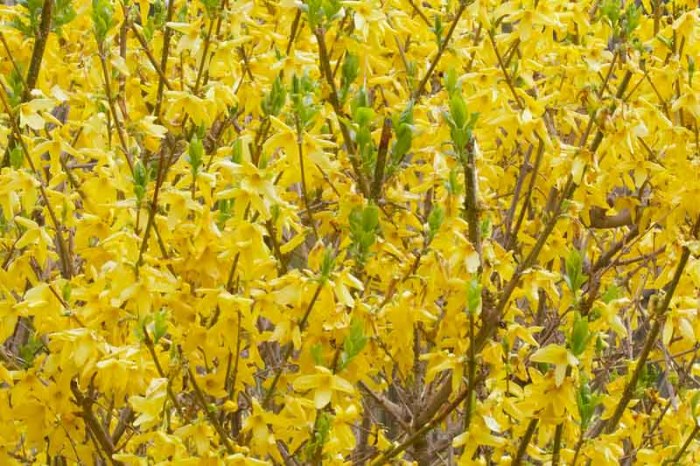
Forsythia, the vibrant harbinger of spring, offers a delightful array of forms and colors. Beyond their cheerful yellow blooms, these versatile shrubs showcase a captivating diversity, perfect for adding character and color to any garden setting. This exploration delves into the beauty and versatility of various forsythia varieties, illustrating their impact in different landscaping scenarios.Forsythia’s appeal extends beyond mere aesthetics; their resilience and adaptability make them a popular choice for gardeners of all experience levels.
From the delicate elegance of certain varieties to their ability to thrive in various climates, forsythia demonstrates a captivating blend of beauty and practicality.
Forsythia Varieties: A Colorful Spectrum
Forsythia varieties boast a wide range of flowering times, colors, and growth habits. This diversity allows gardeners to select the perfect forsythia to complement their specific landscape goals.
- ‘Golden Showers’: Known for its prolific, golden-yellow flowers that appear in early spring, this variety typically grows into a rounded shrub, reaching heights of approximately 6-8 feet. Its dense foliage provides a backdrop for the vibrant blossoms, creating a striking visual display. Its relatively compact form makes it suitable for smaller gardens or as a hedge.
- ‘Spectabilis’: This vigorous variety is distinguished by its large, bright yellow flowers that bloom in profusion. The flowers themselves can reach a substantial size, and the shrub typically grows to a height of 8-10 feet, with a similar spread. The abundance of blossoms creates a breathtaking display in the spring, making it a fantastic choice for a focal point in the garden.
- ‘Lynwood’: A smaller cultivar, typically reaching 4-6 feet in height, ‘Lynwood’ stands out with its compact growth habit and abundant blooms of vibrant yellow. Its manageable size makes it ideal for smaller gardens or as a specimen plant in borders or containers. The smaller size is beneficial for those with limited garden space, while the rich color adds a lively touch to any area.
Forsythia in Different Growth Stages
Forsythia’s transformation throughout the seasons is captivating. From the bare branches of winter to the burst of spring blossoms, each stage holds a unique charm.
- Winter Dormant: Forsythia shrubs in winter appear as bare, branching structures against the backdrop of the landscape. The stark lines of the branches provide a sense of quiet anticipation for the upcoming spring bloom. The woody structure of the branches is visible, showcasing the underlying framework of the plant.
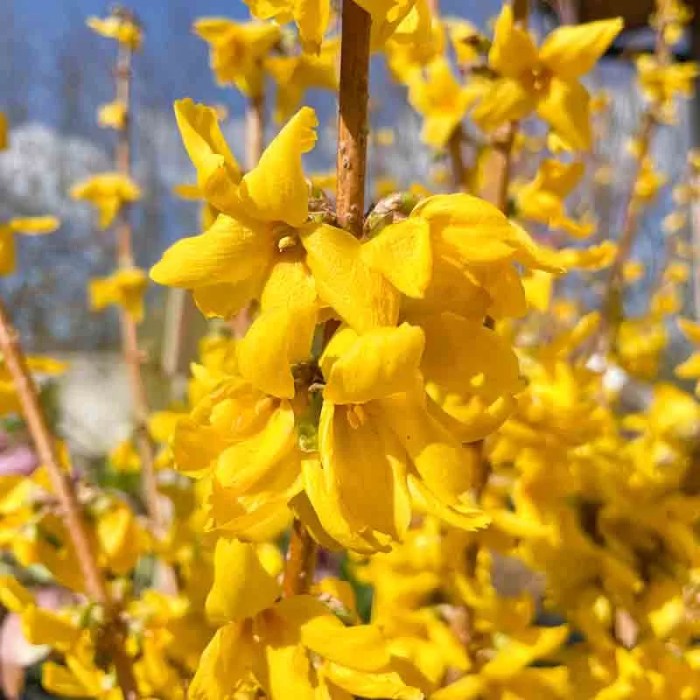
- Early Spring Bloom: As spring arrives, the bare branches begin to awaken, adorned with clusters of bright yellow flowers. The delicate blossoms emerge in a vibrant explosion of color, illuminating the landscape with a warm glow. The fragrance of the flowers often adds a further sensory delight to the scene.
- Full Bloom: During peak bloom, the forsythia shrub is a spectacle of color and form. The dense clusters of flowers cascade down the branches, creating a wall of sunshine. The vibrant yellow hues are contrasted by the subtle green of the leaves, which are starting to emerge.
- Post-Bloom: After the blossoms have faded, the forsythia begins to develop its foliage. The lush green leaves gradually fill in the branches, creating a dense and healthy canopy. The vibrant yellow blooms are replaced by the lush greenery, which provides a different but equally captivating visual appeal.
Forsythia in Landscaping
Forsythia can be incorporated into a variety of landscaping styles, adding a splash of spring color to any garden.
- Border Planting: Forsythia can be strategically placed in garden borders to add a splash of spring color, framing other plants or acting as a backdrop for annuals. The shrubs can be positioned to highlight the other plants in the garden, drawing the eye and enhancing the overall design.
- Focal Point: A large, well-established forsythia shrub can be a focal point in a garden, drawing attention and creating a sense of visual interest. The vibrant yellow blooms will stand out against the backdrop of other plants, highlighting the beauty of the shrub.
- Hedge or Screening: In some designs, several forsythia shrubs can be planted together to form a hedge or screen. The dense foliage and early bloom can create a living barrier or provide privacy in a garden setting. The plants are suitable for adding a touch of privacy to a garden, while the bright yellow flowers provide a striking visual display.
Last Word
In conclusion, forsythia bushes plants that herald spring are much more than just beautiful spring flowers. They are important symbols of renewal, offering a burst of color and energy to gardens and landscapes. Understanding their characteristics, cultivation, and environmental impact allows us to appreciate these cheerful shrubs even more. Whether you’re a seasoned gardener or just starting your spring gardening journey, this guide will equip you with the knowledge to cultivate and enjoy these vibrant spring heralds.