




Fabric leather sofas the advantages of each. Choosing between fabric and leather sofas can feel overwhelming. Each material boasts unique characteristics that cater to different preferences and lifestyles. From durability and comfort to aesthetics and cost, this comprehensive guide delves into the pros and cons of both options, helping you make an informed decision that perfectly complements your home decor and lifestyle.
We’ll explore the various types of fabric and leather, examining their manufacturing processes, and ultimately determining which material best suits your needs.
This in-depth exploration will cover everything from comfort and durability to cost and environmental impact, ensuring you have a thorough understanding of each material’s advantages and disadvantages. We’ll also discuss the cleaning and maintenance requirements, helping you to maintain the beauty and longevity of your chosen sofa. Finally, we’ll examine the safety and health implications, ensuring you choose a sofa that aligns with your well-being.
Introduction to Fabric and Leather Sofas
Choosing the right sofa is a significant investment, requiring careful consideration of materials and construction. Fabric and leather sofas each offer distinct advantages and disadvantages, impacting comfort, durability, and aesthetic appeal. This exploration delves into the world of sofa upholstery, examining the different materials, their properties, and manufacturing processes. Understanding these factors empowers you to make an informed decision when selecting a sofa that aligns with your lifestyle and preferences.
Types of Fabric Used in Sofas
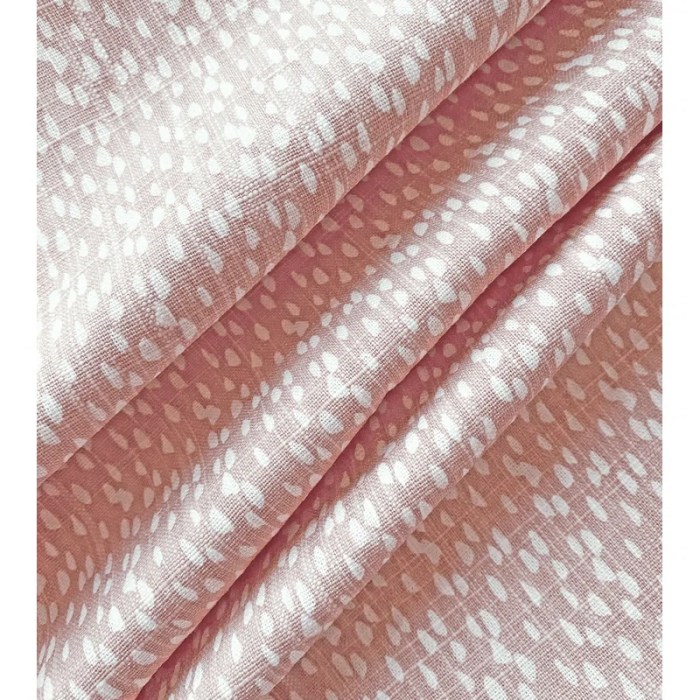
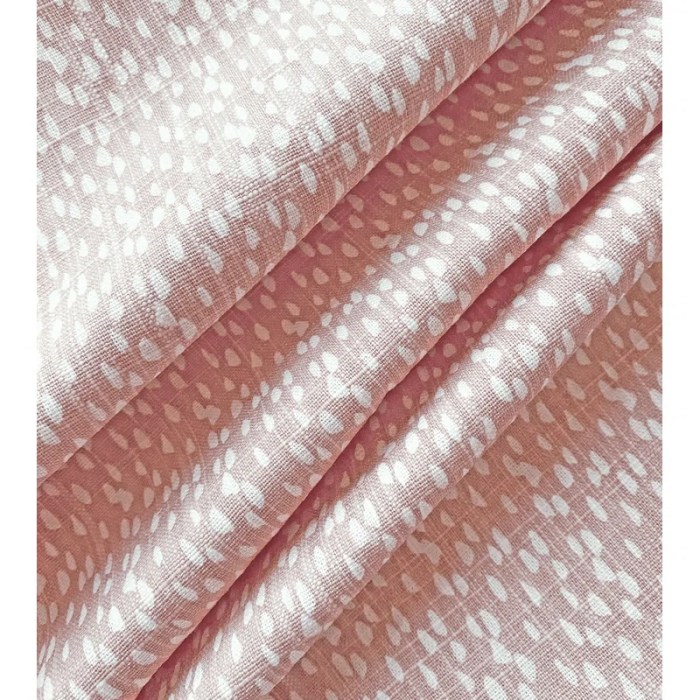
Fabric sofas present a wide array of choices, each with unique characteristics. From luxurious velvets to durable linens, the options are plentiful. Different fibers and weaves contribute to the distinct properties of each fabric type. Consideration should be given to factors like comfort, stain resistance, and the overall aesthetic appeal when selecting a fabric.
- Cotton: A natural fiber known for its breathability and affordability. Cotton fabrics can be woven in various textures, offering a wide range of aesthetic options. However, cotton can be prone to wrinkles and shrinking.
- Linen: Known for its natural texture and durability. Linen sofas are often favored for their breathability and ability to withstand wear and tear. Linen can also be susceptible to wrinkles and may require more frequent maintenance.
- Polyester: A synthetic fiber that excels in stain resistance and durability. Polyester blends often provide a balance between comfort and practicality. It may not always be as breathable as natural fibers.
- Velvet: A luxurious fabric known for its soft texture and rich appearance. Velvet sofas exude a sense of elegance and opulence, but they may be more susceptible to damage and require more delicate cleaning.
Fabric Sofa Comparison Table
This table summarizes the key advantages and disadvantages of different fabric types commonly used in sofa construction.
| Fabric Type | Pros | Cons |
|---|---|---|
| Cotton | Breathable, Affordable, Soft | Prone to wrinkles, shrinking, less durable |
| Linen | Durable, Breathable, Natural Texture | Prone to wrinkles, may require more maintenance |
| Polyester | Stain Resistant, Durable, Affordable | Less Breathable, May not feel as luxurious |
| Velvet | Luxurious, Soft Texture, Elegant | More Susceptible to damage, delicate cleaning required |
Types of Leather Used in Sofas
Leather sofas offer a timeless aesthetic and often exude a sense of sophistication. The durability and longevity of leather are often major selling points. Different types of leather have varying characteristics, which directly affect the sofa’s appearance, comfort, and longevity.
- Cowhide Leather: A common and affordable option. It exhibits good durability and offers a wide range of colors and finishes. Its characteristics might vary depending on the animal’s age and breed.
- Top Grain Leather: Considered a premium choice. This leather exhibits a distinctive natural grain pattern and is renowned for its strength and durability. Its higher cost reflects its superior quality.
- Full Grain Leather: A top-tier leather option, characterized by its visible natural markings and variations. It is highly durable and resilient, though it may require more maintenance to preserve its appearance.
- Aniline Leather: This type of leather features a natural, unfinished look. It accentuates the natural variations in the leather’s color and grain. Its porous nature requires special care to prevent stains.
Leather Sofa Comparison Table
This table presents a comparative analysis of different leather types, highlighting their strengths and weaknesses.
| Leather Type | Pros | Cons |
|---|---|---|
| Cowhide | Affordable, Durable, Wide range of colors | May have inconsistent quality, less luxurious |
| Top Grain | Strong, Durable, Distinctive natural grain | Higher cost, may not be as supple |
| Full Grain | Highly durable, Resilient, Natural markings | Higher cost, requires more maintenance |
| Aniline | Natural, Unfinished look, Natural variations | Porous, Requires special care to prevent stains |
Comfort and Durability
Choosing between a fabric or leather sofa often comes down to personal preference, but comfort and durability play a crucial role in the decision. Both materials have their strengths and weaknesses, and understanding these differences can help you make an informed choice that aligns with your lifestyle and needs. Factors like the type of fabric, leather grade, and construction techniques significantly influence the overall experience.Fabric and leather sofas offer distinct comfort experiences, with the feel and support varying depending on the specific material.
Durability, however, is equally important, as the sofa will be subjected to daily wear and tear. Different materials react differently to stains, scratches, and general use, impacting their lifespan. This section explores these key aspects, providing insights into how to maintain and care for each type of sofa for optimal performance.
Comfort Levels
Fabric sofas often feature a wider range of textures and styles, contributing to their varied comfort levels. The softness and breathability of the fabric can greatly influence how comfortable the sofa feels. However, different fabrics will have different degrees of give and support. For example, a plush velvet fabric will feel luxuriously soft, whereas a linen or cotton fabric might offer a more straightforward, supportive feel.
Conversely, leather sofas are generally known for their supportive and firm structure. While some may find this firm support uncomfortable, others appreciate the substantial feel of leather. The thickness and quality of the leather will also play a significant role in the overall comfort level.
Durability and Resistance to Wear and Tear
Leather sofas are renowned for their resilience to wear and tear. The natural oils in leather make it resistant to many stains and scuffs. However, the durability of leather can vary based on the quality of the leather. Lower-grade leather might not be as resistant to damage or scratches as high-quality, full-grain leather. Fabric sofas, while often less resistant to damage than leather, offer a broader range of choices in terms of fabric quality.
High-quality, durable fabrics like microfiber or upholstery-grade fabrics are known for their resistance to stains and wear. However, even with robust fabrics, the durability depends heavily on the construction and quality of the sofa itself.
Factors Affecting Lifespan, Fabric leather sofas the advantages of each
The lifespan of both fabric and leather sofas is influenced by several factors. For fabric sofas, the type of fabric, the construction of the sofa, and the frequency of use will play a role. High-quality fabrics and well-constructed frames will generally lead to a longer lifespan. Regular cleaning and maintenance can also significantly extend the life of a fabric sofa.
For leather sofas, factors such as the quality of the leather, the care it receives, and the environmental conditions it’s exposed to will impact its lifespan. Regular conditioning and protection from sunlight and extreme temperatures are crucial for preserving the quality of leather.
Cleaning Methods
Proper cleaning methods are crucial for maintaining the appearance and longevity of both fabric and leather sofas.
- Fabric Sofas: Spot clean spills immediately with a clean, damp cloth, blotting gently to avoid spreading the stain. Use a fabric-specific cleaning solution or a mild detergent diluted in water. For tougher stains, consult the sofa’s care instructions or a professional cleaning service. Always test cleaning solutions on a hidden area first to ensure they don’t damage the fabric.
- Leather Sofas: Leather sofas are best cleaned with a leather-specific cleaner. Apply a small amount to a clean cloth and gently wipe the affected area. Avoid using harsh chemicals or abrasive materials that could damage the leather. For spills, blot the area immediately with a clean cloth to prevent the stain from setting. Leather conditioners can help maintain the leather’s softness and suppleness, and regular conditioning is essential for its longevity.
Be sure to check for any specific instructions from the manufacturer or a professional leather cleaning service.
Care Instructions
Proper care is essential to maintaining the quality and appearance of both fabric and leather sofas.
| Material | Care Instructions |
|---|---|
| Fabric | Regular vacuuming to remove dust and dirt, spot cleaning spills promptly, and professional cleaning as needed. Follow manufacturer’s instructions for specific cleaning solutions. |
| Leather | Regular conditioning with leather-specific products to maintain moisture and prevent dryness, protecting from sunlight and extreme temperatures, and professional cleaning as needed. |
Aesthetics and Style
Choosing between a fabric or leather sofa often comes down to personal preference and the desired aesthetic of your living space. Both materials offer a wide range of design possibilities, from classic and timeless to modern and bold. Understanding the versatility of each material and the available styles can help you select the perfect sofa to complement your home decor.The appearance of a sofa plays a crucial role in the overall ambiance of a room.
Whether you lean towards a cozy and inviting atmosphere or a sleek and contemporary look, the right sofa can enhance the aesthetic appeal and create a cohesive design. The interplay of texture, color, and pattern with the room’s existing features will shape the overall feel.
Different Design Styles for Sofas
Different design styles lend themselves to either fabric or leather sofas, or a combination of both. Traditional styles often favor rich leathers, while contemporary settings might incorporate plush fabrics. Consider the overall theme of your home decor when selecting a sofa.
Versatility of Fabric and Leather Sofas
Both fabric and leather sofas are incredibly versatile and can seamlessly integrate into various interior design contexts. The choice often hinges on the specific desired look and the level of maintenance one is willing to commit to. Leather’s durability and ability to withstand high traffic areas makes it a strong contender for high-traffic rooms, while the soft textures and vibrant color palettes of fabrics are better suited for creating cozy and inviting spaces.
Popular Color Options and Patterns
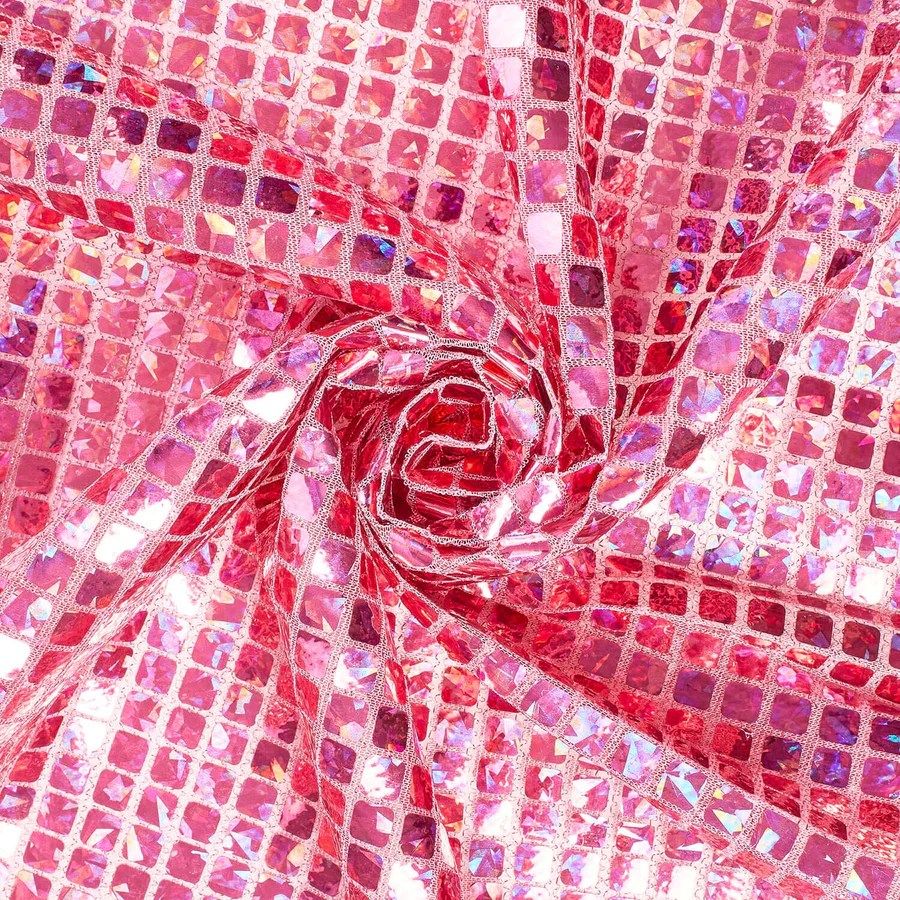
The selection of colors and patterns for both fabric and leather sofas is vast and varied. Neutrals like beige, gray, and black are popular choices for leather sofas due to their timeless appeal and ability to complement various interior design schemes. For fabric sofas, bolder hues and patterns are often used to add vibrancy and personality to a room.
Consider the existing color palette of your home when selecting a sofa to ensure a harmonious aesthetic.
Integration into Home Decor Styles
Fabric and leather sofas can be seamlessly integrated into various home decor styles. A classic, traditional living room might benefit from a rich leather sofa with intricate stitching, while a modern, minimalist space could feature a sleek, upholstered fabric sofa with clean lines. Consider the existing furniture, lighting, and overall style of the room when selecting a sofa to ensure a cohesive design.
Examples of Fabric and Leather Sofas in Different Design Styles
| Design Style | Fabric Sofa Example | Leather Sofa Example |
|---|---|---|
| Traditional | A deep emerald green velvet sofa with button tufting and a wood frame. | A rich brown leather sofa with a substantial, carved wooden base. |
| Modern | A light gray linen sofa with clean lines and simple, tapered legs. | A sleek, black leather sofa with minimalist, metal legs. |
| Contemporary | A navy blue boucle sofa with a geometric pattern and a chrome frame. | A light gray leather sectional with clean lines and a modern aesthetic. |
| Bohemian | A vibrant orange and blue patterned sofa with macrame accents. | A dark brown leather sofa with a tufted back and a hand-carved frame. |
| Coastal | A light blue and white striped sofa with a nautical theme. | A beige leather sofa with a relaxed, casual design. |
Cost and Maintenance
Choosing between a fabric or leather sofa often boils down to more than just aesthetics. A crucial factor is the long-term financial commitment. Understanding the initial price differences and the ongoing maintenance costs is essential for making an informed decision. This section delves into the cost implications of each material, examining factors like pricing, cleaning, repairs, and replacements to help you determine the most cost-effective option for your needs.The price range for sofas varies significantly, depending on the material, quality of construction, and desired features.
A budget-friendly fabric sofa can be purchased for a few hundred dollars, while a high-end leather sofa could cost several thousand. Factors influencing the price of both materials are numerous. For fabric, the type of fabric (e.g., linen, velvet, microfiber) and the construction methods (e.g., quilting, stitching) directly affect the price. For leather, the type of leather (e.g., full-grain, top-grain), the tanning process, and the thickness of the hide contribute to the cost.
Likewise, the craftsmanship, the design, and the brand recognition all impact the overall price.
Typical Price Range
The initial cost of a fabric sofa generally falls within a lower price range compared to leather. A basic fabric sofa can range from $300 to $1,500, depending on the quality and features. High-end fabric sofas can exceed $2,000. Leather sofas, on the other hand, typically have a higher starting price point, ranging from $1,500 to $10,000+ for premium models.
This price difference reflects the higher cost of leather and the often more intricate manufacturing processes.
Factors Influencing Cost
Several factors contribute to the varying costs of fabric and leather sofas. For fabric sofas, the type of fabric used significantly influences the price. Luxurious fabrics like velvet or linen often command a higher price than more common materials like polyester or microfiber. Similarly, the complexity of the stitching and construction methods, such as quilting or button tufting, can affect the final cost.
Leather sofas’ price is primarily determined by the type of leather. Full-grain leather, known for its natural characteristics and durability, is more expensive than top-grain or bonded leather. The tanning process, the thickness of the hide, and the finishing techniques further influence the cost.
Long-Term Maintenance Costs
While the initial cost of a fabric sofa is typically lower, the long-term maintenance costs can vary. Fabric sofas require regular cleaning and spot treatments to maintain their appearance. Leather sofas, despite their higher initial price, generally have lower long-term cleaning and maintenance costs.
Cleaning Costs
Regular cleaning of fabric sofas is essential to prevent stains and maintain their appearance. Fabric sofas can be cleaned with upholstery cleaners, which can range from a few dollars to several tens of dollars per cleaning. Leather sofas, however, often require less frequent professional cleaning, and their cleaning solutions are typically less expensive than those for fabric. For instance, a simple wipe-down with leather cleaner might cost only a few dollars.
Repair Costs
Fabric sofas, due to their construction, may be more prone to tears or damage in high-wear areas. Repairs, including replacing damaged sections or adding reinforcements, can range from a few dozen to a few hundred dollars. Leather sofas, if properly maintained, can often withstand damage better, and repairs may be less frequent or more affordable than those for fabric.
However, complex repairs, like stitching or replacing a torn section, can be expensive.
Replacement Costs
Fabric sofa replacements can be more frequent, depending on the fabric type and usage. A new fabric sofa might cost between $300 to $2,000+, depending on the quality. Leather sofas, given their durability, can last much longer, potentially requiring replacement only after several years of heavy use. However, replacing a leather sofa can still be expensive, ranging from a few hundred dollars to several thousand dollars.
Overall Cost-Effectiveness
Ultimately, the cost-effectiveness of either fabric or leather sofas depends on individual needs and preferences. A fabric sofa, while offering a lower initial cost, may require more frequent cleaning and repairs, potentially leading to higher long-term costs. Leather sofas, despite their higher initial price, often offer lower long-term maintenance costs and greater durability. Consider your budget, lifestyle, and desired lifespan when making your choice.
Choosing between fabric and leather sofas depends on your style and needs. Fabric sofas are often more affordable and come in a wider variety of colors and patterns. Leather sofas, while a bit pricier, offer durability and a classic look. To make your space shine, consider the best peel and stick tiles available. Best peel and stick tiles are a great way to update a room quickly and easily.
Ultimately, the best choice for you will depend on your budget, lifestyle, and personal preference. When considering fabric and leather sofas, remember the advantages of each material.
Environmental Impact
Choosing a sofa is more than just aesthetics; it’s a decision with environmental implications. From the raw materials to the manufacturing process and eventual disposal, the life cycle of a sofa significantly impacts our planet. Understanding the environmental footprint of different materials is crucial for making conscious consumer choices.The production of both fabric and leather sofas can have various environmental consequences.
These range from deforestation and water pollution in leather production to greenhouse gas emissions associated with fabric manufacturing. Considering the lifecycle impact of these choices, from extraction to disposal, is essential for responsible consumption.
Fabric Sofa Production’s Environmental Footprint
Fabric sofas, while often touted as more sustainable, can still carry an environmental burden. The manufacturing process often involves energy-intensive dyeing, weaving, and finishing techniques. The use of synthetic fibers, while potentially more durable, often involves fossil fuel-based resources. Additionally, the transportation of raw materials and finished products contributes to greenhouse gas emissions. Furthermore, the disposal of fabric sofas can present challenges, as the various fibers used may not be readily recyclable or compostable.
Leather Sofa Production’s Environmental Impact
Leather sofa production often faces criticism for its environmental impact. The tanning process, crucial for transforming animal hides into leather, can be highly polluting, often using harmful chemicals and releasing significant amounts of wastewater. Deforestation for grazing land for livestock is another significant environmental concern, as is the potential for animal welfare issues in the production chain. The long-term durability of leather, however, often outweighs the environmental considerations.
Eco-Friendly Fabric and Leather Options
Fortunately, numerous eco-friendly alternatives exist. Organic cotton, recycled polyester, and linen are examples of sustainable fabric options. These materials often reduce the environmental impact of the manufacturing process compared to conventional fibers. For leather, vegetable-tanned leather is a more sustainable alternative to chrome-tanned leather. Vegetable-tanned leather uses natural tannins derived from plants, reducing the reliance on harmful chemicals.
Sustainability Practices of Manufacturers
Some manufacturers are actively implementing sustainable practices. These include using recycled materials, minimizing water usage in production, and implementing energy-efficient processes. Transparency in supply chains and certifications from organizations like the Global Organic Textile Standard (GOTS) can help consumers identify and support manufacturers committed to sustainability.
Recyclability of Fabric and Leather Sofas
The recyclability of fabric and leather sofas varies greatly. While some synthetic fabrics can be recycled, others are difficult to process, and proper disposal is crucial. Leather, while potentially durable, is often more challenging to recycle due to its complex composition and the need for specialized processing. Many manufacturers, however, are working to develop more efficient recycling processes for their products.
Comparison of Environmental Footprints
Comparing the environmental footprint of fabric and leather sofa production is complex. Leather often carries a higher initial environmental impact due to the tanning process and potential animal welfare issues. However, the durability of leather can lead to a lower overall environmental footprint over the sofa’s lifespan if the leather is well-maintained and eventually recycled. Fabric sofas, while potentially less impactful in initial production, can have a higher impact if they contain difficult-to-recycle synthetic fibers or are not properly disposed of.
The specific environmental impact depends on the materials used, manufacturing processes, and the consumer’s care and disposal habits.
Cleaning and Maintenance
Maintaining the beauty and longevity of your fabric or leather sofa requires a dedicated cleaning routine. Regular care prevents stains, extends the life of your investment, and ensures a comfortable and aesthetically pleasing living space. Proper cleaning methods are crucial to avoid damaging the material and preserving its original quality.A thorough understanding of the specific cleaning needs of each material type is essential for effective maintenance.
Different fabrics and leathers react differently to cleaning agents, and improper methods can lead to discoloration, damage, or premature wear. This section provides detailed guidance on cleaning and maintaining both fabric and leather sofas, equipping you with the knowledge to keep your furniture looking its best.
Fabric Sofa Cleaning Methods
Different fabric types require distinct cleaning approaches. Understanding the fabric composition is key to successful cleaning. For example, a microfiber sofa will react differently to a cleaning solution than a linen sofa. Here’s a breakdown of cleaning various fabric types:
- Microfiber: Microfiber fabrics are known for their stain resistance, but regular cleaning is still crucial. A damp cloth with mild detergent or a specialized microfiber cleaner is usually sufficient. Avoid harsh scrubbing or excessive water, as this can damage the fibers. Always test any cleaning solution in an inconspicuous area first to ensure no color change or damage occurs.
- Polyester: Polyester fabrics are typically durable and resistant to most stains. A mild detergent solution and a soft-bristled brush can be used for cleaning. Similar to microfiber, spot clean any stains immediately and test any solution in a hidden area first.
- Linen: Linen fabrics are naturally absorbent and require careful cleaning. A damp cloth with a mild, pH-neutral cleaner is best. Avoid harsh chemicals or excessive water, which can cause shrinkage or damage. Always allow the fabric to air dry completely to prevent mildew.
- Velvet: Velvet’s delicate texture requires gentle handling. Vacuuming is crucial for removing dust and debris. For spills, blot the area with a clean, damp cloth immediately. A professional cleaning service is often recommended for more extensive cleaning to avoid damaging the delicate pile.
Leather Sofa Cleaning Procedures
Leather sofas require specific cleaning techniques based on the type of leather. The choice of cleaning agent and method varies depending on whether it’s genuine leather, faux leather, or a specific type like aniline leather.
Choosing between fabric and leather sofas depends on your lifestyle and needs. Fabric sofas are often more affordable and come in a wider variety of styles, but leather is generally more durable and easier to clean. However, when considering cleaning, it’s wise to know that certain areas, like some decorative throw pillows, are often better left alone.
Instead of focusing on the minutiae, focus on the important stuff like the sofa itself. Ultimately, understanding the advantages of each material, like their relative durability and ease of maintenance, is key to making the right choice for your home. For a comprehensive guide on places you shouldn’t waste time cleaning, check out this helpful resource: places you shouldnt waste time cleaning.
This knowledge will help you to focus your cleaning efforts on the areas that truly need attention, making your sofa care easier and more effective.
- Genuine Leather: Genuine leather is a natural material that requires careful handling. Use a leather cleaner specifically designed for the type of leather. A damp, soft cloth or a microfiber cloth is ideal for cleaning. Always avoid harsh chemicals or abrasive cleaners, as they can damage the leather’s protective layer. Allow the leather to air dry completely.
- Faux Leather: Faux leather, or vinyl, is more resilient than genuine leather and can be cleaned with a mild detergent solution and a damp cloth. Avoid using harsh chemicals or abrasive cleaners. Ensure the area is completely dry after cleaning to prevent water spots.
- Aniline Leather: Aniline leather is known for its porous nature. It requires extra care, and only very mild cleaning solutions are appropriate. Using a leather cleaner designed for aniline leather is recommended, and always test the solution on a hidden area before applying it to the entire surface.
Preventing Stains and Damage
Regular preventative measures can significantly reduce the risk of stains and damage on both fabric and leather sofas.
- Protective Covers: Using protective covers for your sofa can shield it from dust, spills, and other potential damage. Choose covers that are appropriate for the fabric or leather type.
- Immediate Action: Addressing spills or stains promptly is crucial to preventing them from setting. Blot the area with a clean cloth to absorb as much liquid as possible.
- Avoid Harsh Chemicals: Refrain from using harsh chemicals or abrasive cleaners, as they can damage the fabric or leather.
- Regular Vacuuming: Regular vacuuming helps to remove dust and debris, preventing them from embedding into the fabric and potentially causing stains or damage.
Spot Cleaning Guide
Spot cleaning is a vital part of maintaining your sofa. Follow these steps for both fabric and leather sofas:
- Assess the Stain: Identify the type of stain and its source. Knowing the stain’s origin will guide your cleaning method.
- Test the Cleaning Solution: Always test any cleaning solution on an inconspicuous area of the fabric or leather to ensure no damage or discoloration occurs.
- Blot, Don’t Rub: Blot the stain gently with a clean, damp cloth or paper towel to absorb the liquid. Avoid rubbing, as this can spread the stain or damage the fibers.
- Apply Cleaning Solution (If Necessary): Apply the appropriate cleaning solution to the stain and gently blot the area with a clean cloth.
- Allow to Dry: Allow the area to air dry completely before using the sofa again.
Cleaning Products
This table provides a general guide to cleaning products and their suitability for fabric and leather sofas. Always check product labels for specific instructions and safety warnings.
| Cleaning Product | Fabric Suitability | Leather Suitability |
|---|---|---|
| Mild Dish Soap | Good for many fabrics | Avoid on most genuine leather |
| Baking Soda | Good for stain removal on some fabrics | Avoid on most genuine leather |
| White Vinegar | Can be used for some fabrics | Avoid on most genuine leather |
| Leather Cleaner | Not suitable | Good for most genuine leather types |
| Microfiber Cleaner | Good for microfiber | Avoid on most genuine leather |
Safety and Health
Choosing a sofa isn’t just about aesthetics; it’s crucial to consider its impact on your health and safety. Different materials react differently to everyday use, and understanding these implications is vital for making an informed decision. From potential allergens to fire safety, this section delves into the important factors you should consider.Understanding the potential health and safety concerns associated with various sofa materials allows you to make informed choices that prioritize your well-being.
This knowledge empowers you to select a sofa that aligns with your family’s needs and preferences.
Health Implications of Different Materials
Different sofa materials have varying effects on human health. Leather, often perceived as luxurious, can sometimes be a source of concern for individuals with specific sensitivities. Natural leather, for example, can contain traces of chemicals used in the tanning process. Fabric sofas, on the other hand, offer a wide array of options, each with its own set of potential health implications.
Synthetics may contain specific chemicals that, while generally safe, can still trigger allergies in some individuals. Natural fibers, like cotton or linen, often have lower chemical content, but still pose some risks. Understanding the potential health implications is key to selecting a sofa that suits your family’s needs.
Safety Aspects Related to Sofa Use
Sofa safety extends beyond just material selection. Proper assembly and placement are critical. Ensure that the sofa is securely anchored to the wall, if applicable, to prevent tipping hazards. Check for any sharp edges or protruding parts that could pose a risk. Children and pets require special consideration; keep potentially dangerous parts out of reach.
Ensure the sofa meets the required safety standards.
Potential Allergies and Sensitivities
Certain materials can trigger allergies or sensitivities in individuals. Natural fibers, while often perceived as healthier, can cause reactions in people with sensitivities to pollen, dust mites, or other allergens. Synthetics, while potentially less allergenic, might still contain chemicals that trigger allergic responses in some individuals. Leather, while durable, can be a source of irritation for those with skin sensitivities.
Consult with a doctor if you have any specific concerns about allergies or sensitivities. Carefully consider your family’s history of allergies when choosing a sofa.
Fire Safety Regulations and Standards
Fire safety is paramount. Different sofa materials react differently to fire. Always check that the chosen material complies with local fire safety regulations and standards. Look for certifications that indicate the material’s fire resistance. For example, flame retardant treatments or specific materials are used to reduce the risk of fire.
Regular maintenance and prompt action in case of a fire are vital for safety.
Fabric and leather sofas each have their own perks. Leather offers a classic, durable look, while fabric sofas often boast more comfort and a wider array of colors and patterns. But, when you’re considering these options, it’s also worth thinking about how the style of your furniture fits with the rest of your home. For instance, are your kitchen island styles a bit dated?
If so, perhaps some research into outdated kitchen island styles might be helpful. Ultimately, choosing the right sofa comes down to your personal preferences and the overall aesthetic you’re aiming for. A stylish fabric or leather sofa will be a centerpiece for years to come.
Pros and Cons of Materials Concerning Allergies and Sensitivities
| Material | Pros (Regarding Allergies/Sensitivities) | Cons (Regarding Allergies/Sensitivities) |
|---|---|---|
| Natural Leather | Durable, often long-lasting, may resist some allergens. | Potential for chemical residues from tanning process, can cause irritation for some individuals. |
| Cotton Fabric | Often hypoallergenic, breathable, naturally occurring material. | Prone to stains and wrinkles, can harbor dust mites and allergens over time. |
| Polyester Fabric | Usually hypoallergenic, easy to clean, resistant to fading. | May not be as breathable as natural fibers, could release chemical fumes during cleaning. |
Always verify certifications and labels to ensure the material meets your safety and health needs.
Practical Applications: Fabric Leather Sofas The Advantages Of Each
Choosing between a fabric or leather sofa depends heavily on the intended space and its specific needs. Understanding the nuances of each material allows for informed decisions, leading to a sofa that perfectly complements the environment. From cozy living rooms to sleek waiting areas, the right material selection elevates the overall aesthetic and functionality.The suitability of fabric or leather is influenced by factors like the level of activity in the room, the desired style, and the overall budget.
Furthermore, proper matching of the sofa’s material to the room’s dimensions and decor enhances the space’s overall appeal and functionality.
Sofa Selection for Living Rooms
Living rooms, the heart of the home, often see a blend of relaxation and activity. Fabric sofas, with their variety of textures and patterns, offer a versatile and comfortable option. The ability to choose from a wide range of colors and designs allows for easy integration with various décor styles. For instance, a plush velvet fabric sofa can create a luxurious ambiance, while a modern linen sofa adds a touch of contemporary elegance.
Leather sofas, known for their durability and timeless style, are also a suitable choice for living rooms, particularly in areas with high foot traffic. Their classic appeal can add a touch of sophistication to any space.
Sofa Selection for Bedrooms
Bedrooms are spaces designed for rest and rejuvenation. Fabric sofas, with their soft textures, contribute to a calming atmosphere. The diverse range of fabrics, from cozy velvets to breathable linens, allows for tailored comfort and aesthetic appeal. Leather sofas, while offering durability, might not be the ideal choice for bedrooms due to their potential for a less relaxed feel compared to the soft textures of fabric.
However, specific leather types, like smooth, supple leathers, can be used effectively in bedrooms with a modern aesthetic. The key is to consider the desired ambiance.
Sofa Selection for Waiting Areas
Waiting areas, whether in offices, clinics, or hotels, require a balance of comfort and professionalism. Leather sofas, known for their durability and easy-to-clean nature, are a practical choice. The classic and polished appearance of leather contributes to a professional image. Fabric sofas can also be suitable, especially if the waiting area has a casual or modern feel.
Consider the frequency of use and the need for easy maintenance when choosing the material.
Matching Sofa Materials with Room Dimensions and Decor
A sofa’s material should harmoniously blend with the room’s overall design. Large rooms can accommodate both fabric and leather sofas without compromising the space’s aesthetic. However, smaller rooms may benefit from lighter-colored and more streamlined designs to maintain an open and airy feel. Matching the sofa’s style to the room’s decor creates a cohesive and visually appealing environment.
Consider the existing color palette, patterns, and textures when making your selection. A bold fabric sofa can become the focal point in a neutral-toned room, while a neutral-toned leather sofa complements a more eclectic design.
Appropriate Applications for Fabric and Leather Sofas
| Setting | Fabric Sofa | Leather Sofa |
|---|---|---|
| Living Room | Excellent choice for comfort and style, especially in high-traffic areas. | Suitable for durability and classic appeal; a good choice for families with children or pets. |
| Bedroom | Ideal for creating a relaxing and comfortable atmosphere. | Less suitable due to potential lack of comfort compared to fabric; consider modern styles for specific aesthetics. |
| Waiting Area | Acceptable if the design matches the room’s overall aesthetic; may require more frequent cleaning. | Excellent choice for durability, easy maintenance, and a professional appearance. |
End of Discussion
In conclusion, fabric and leather sofas each offer distinct advantages and disadvantages. The best choice ultimately depends on individual preferences, lifestyle, and budget. Consider your priorities, from comfort and durability to aesthetics and maintenance, to make an informed decision that will bring years of enjoyment to your living space. We hope this guide has provided valuable insights into the world of sofas, empowering you to select the perfect piece for your home.