


Do you have to pull weeds in the fall? The answer isn’t straightforward, as fall weed removal depends on various factors. Understanding fall weather patterns, weed lifecycles, and the pros and cons of different removal methods is key to making informed decisions about your garden. This guide will delve into the intricacies of fall weed pulling, offering insights into techniques, tools, and preventative measures to keep your garden healthy and weed-free.
Fall weather often presents unique challenges and opportunities for weed removal. Cooler temperatures and potentially less rainfall can affect weed growth, but soil conditions also play a crucial role. The specific timing of your efforts and the types of weeds you face will influence the best approach.
Understanding Fall Weed Removal: Do You Have To Pull Weeds In The Fall

Fall weed removal is a crucial part of maintaining a healthy and thriving garden. The changing weather conditions and shifting weed lifecycles during autumn necessitate specific strategies to ensure effective control without harming the environment. By understanding the nuances of fall weed removal, you can protect your garden’s long-term health and beauty.
Typical Fall Weather Patterns Affecting Weed Growth
Fall weather patterns significantly impact weed growth. Decreasing temperatures and shortening daylight hours slow down weed growth rates. This can lead to a reduction in the vigorous spread and growth of many common weed species. However, some weeds may continue to grow if conditions remain mild and there is sufficient moisture. Heavy rainfall can also promote the germination of some weed seeds that were dormant earlier in the season.
Understanding the interplay between temperature, moisture, and daylight hours is key to planning effective weed removal strategies.
Weed Lifecycles in the Fall
The lifecycle of common weeds changes in the fall. Many annual weeds complete their life cycle and die back as the temperatures drop. Perennial weeds, on the other hand, may continue to grow, though at a reduced rate. Some weeds, like dandelions, have a taproot that can survive the winter and regrow in the spring. Recognizing the specific life stages of weeds in your garden will guide your choice of weed removal method.
Knowing if a weed is an annual or perennial directly affects the strategy needed for removal.
Effectiveness of Different Weed Removal Methods in the Fall
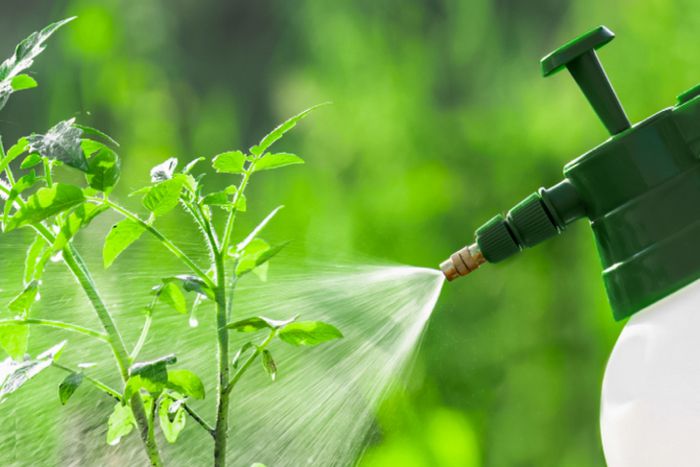
Different weed removal methods vary in their effectiveness during the fall. Manual methods like pulling and hoeing can be effective for smaller weeds, especially when the soil is moist. However, they may not be as effective for deeply rooted perennial weeds. Herbicides, when used correctly, can effectively kill weeds, but careful consideration of the surrounding environment and potential impacts is necessary.
Herbicides can vary in their ability to penetrate and kill different weeds, so selecting the right herbicide is critical. Using the right tools and following instructions carefully can significantly improve the outcome of weed removal.
Pros and Cons of Pulling Weeds in the Fall
Pulling weeds in the fall can be an effective method, particularly for smaller, shallower-rooted weeds. The benefits include minimal environmental impact and a direct approach to removing the weed from the root system. However, improper pulling can cause soil disturbance, leading to erosion and compaction. Additionally, pulling weeds that have gone to seed can spread weed seeds to other parts of the garden.
Understanding the soil type and the weed type is critical for successful pulling. The depth of the root system of the weed dictates the likelihood of complete removal.
Impact of Fall Weed Removal on Garden and Environment
Fall weed removal contributes to a healthier garden and surrounding environment. Removing weeds prevents competition for resources like sunlight, water, and nutrients, allowing your desired plants to thrive. This also reduces the spread of weed seeds and prevents them from germinating in the following spring. Choosing the right method minimizes environmental impact.
Fall weed pulling is a big question, and it depends a bit on what you’re working with. While you might want to tackle some stubborn weeds, you also need to consider when to cut back sedum for winter, as proper timing is key to its health. When to cut back sedum for winter will help you get that right, and then you can decide if you need to pull any fall weeds.
It’s all about balancing the two for a healthy garden!
Comparison of Fall Weed Removal Methods
| Method | Effectiveness | Time Commitment | Environmental Impact |
|---|---|---|---|
| Manual (Pulling/Hoeing) | Moderate for smaller weeds, less effective for deep roots | Variable, depends on weed density | Low, but can disturb soil if not done carefully |
| Herbicides | High, but requires caution and correct application | Generally lower, but depends on the size of the area | Potential for impact on non-target plants and the environment; careful selection of herbicides is crucial. |
This table provides a general comparison. The effectiveness, time commitment, and environmental impact can vary based on the specific weeds, soil conditions, and the chosen method.
Benefits and Drawbacks of Fall Weed Pulling
Fall weed pulling presents a unique opportunity to improve your garden’s health and prepare it for the next growing season. While it might seem counterintuitive to work in the garden during the colder months, fall offers distinct advantages and drawbacks compared to spring. Understanding these nuances can help you make informed decisions about your weed removal strategy.Fall soil conditions significantly impact weed removal success.
The soil’s moisture content and temperature play crucial roles in the effectiveness and safety of your efforts.
Fall weed pulling is definitely a debate! While some say you should pull them all, others argue it’s not necessary. It really depends on your garden’s needs. However, if you’re dealing with stubborn clogs in your kitchen faucet, you might need to give your faucet head a good cleaning. Check out this guide on how to clean faucet head for a helpful walkthrough.
Ultimately, if you’re aiming for a healthy, thriving garden next spring, fall weed removal might be a good idea.
Advantages of Fall Weed Pulling, Do you have to pull weeds in the fall
Fall weed pulling can offer several advantages over spring. The cooler temperatures and potential for rainfall often lead to more manageable soil conditions, making the process less strenuous. Many weeds are dormant or actively dying back in the fall, making them easier to pull. This is a great time to address persistent weed problems before they set the stage for a rapid spring growth spurt.
So, fall weed pulling – do you have to do it? Honestly, it depends on your goals, but often, tackling those pesky weeds in the fall can make a huge difference in your spring garden. Plus, if your holiday lights are acting up, it’s good to know how to fix them! For a quick guide on how to troubleshoot those string lights, check out this helpful resource: how to fix christmas lights.
Regardless of whether you tackle those weeds now, it’s a good idea to get those lights sorted out so you’re all set for your holiday decorations. Pulling them now will give you a head start on spring, though.
Disadvantages of Fall Weed Pulling
While fall weed pulling has its benefits, there are also some drawbacks to consider. Some weeds, particularly those that are more resilient or perennial, may not be completely dormant. Also, fluctuating temperatures and unpredictable weather can make the task more challenging and sometimes delay or prevent work entirely.
Fall Soil Conditions and Weed Removal
Fall soil conditions are typically more conducive to weed removal than spring. The soil is often more moist, which can make pulling weeds easier and reduce the risk of soil compaction. However, overly wet soil can also pose challenges, so careful observation is key. The cooler temperatures also slow down the growth rate of weeds, which can be beneficial for targeting them before they establish a strong root system.
Fall vs. Spring Weed Pulling
The following table highlights the key differences between fall and spring weed pulling:
| Characteristic | Fall Weed Pulling | Spring Weed Pulling |
|---|---|---|
| Weed Growth | Generally slower, some weeds dormant | Rapid growth, many weeds actively growing |
| Soil Moisture | Typically more moist, potentially wet | Variable, can be dry or saturated |
| Tools Needed | Hand trowels, weeding tools, garden forks, gloves | Similar tools, potential for tilling tools |
| Soil Temperature | Cooler, potentially fluctuating | Warmer, consistent |
| Potential Impacts of Improper Removal | Damage to beneficial soil organisms, disruption of root systems. | Damage to beneficial soil organisms, disruption of root systems. |
Potential Benefits of Fall Weed Removal
Fall weed removal can contribute to long-term soil health. By removing weeds before they go to seed, you can prevent the spread of unwanted plants throughout your garden. This can also help improve the soil’s structure and fertility, leading to a healthier environment for your plants.
Negative Impacts of Improper Fall Weed Removal Techniques
Improper fall weed removal techniques can negatively impact your garden. Pulling weeds aggressively or damaging the roots of desirable plants can lead to soil erosion and disrupt the delicate balance of the ecosystem. Carefully consider the surrounding plants and use appropriate tools to avoid unnecessary damage.
Techniques and Tools for Fall Weed Pulling
Fall weed pulling offers a chance to improve your garden’s health and prevent future problems. Proper techniques and the right tools are crucial for efficient and effective removal, minimizing damage to your soil and plants. By understanding the methods and selecting the right tools, you can tackle the task with confidence and achieve a healthier garden.Thorough preparation is key to successful fall weed pulling.
This involves more than just grabbing a hoe. A well-planned approach, including soil preparation, tool selection, and post-pull care, is essential for long-term garden success.
Methods for Effective Weed Removal
Fall weed pulling can be accomplished using various methods, from simple hand tools to specialized equipment. Choosing the right method depends on the size and type of weeds, the amount of ground to cover, and your personal preference.Hand pulling is a common and effective method for smaller weeds. Use your hands to carefully loosen the soil around the weed, then gently lift it out.
This method is best for shallow-rooted weeds and requires a bit of patience. For tougher weeds, use a garden trowel to dig around the root and sever it from the soil.For larger weeds or stubborn roots, a dandelion puller or weed拔 can provide an easier and more efficient method. These tools are designed to grasp and lift the weed, reducing the strain on your back and arms.For dense areas or when dealing with multiple weeds, a hoe or cultivator can be useful.
A hoe can cut through the soil and loosen the ground around the weed, while a cultivator can be used to loosen the soil and uproot larger weeds.
Soil Preparation Before and After Weed Pulling
Proper soil preparation is essential before and after weed pulling to ensure the best results. This will aid in the removal of weeds, the health of your garden, and minimize damage to the soil.Before pulling weeds, loosen the soil around the roots to make them easier to remove. Use a garden fork or cultivator to break up compacted soil and create a loose, aerated environment.
This will also help to prevent the roots from breaking off and leaving fragments behind.After pulling weeds, replenish the soil with organic matter like compost or well-rotted manure. This helps to improve soil structure, fertility, and water retention. This process will enrich the soil and improve its health, providing better support for plants.
Importance of Sharp Tools
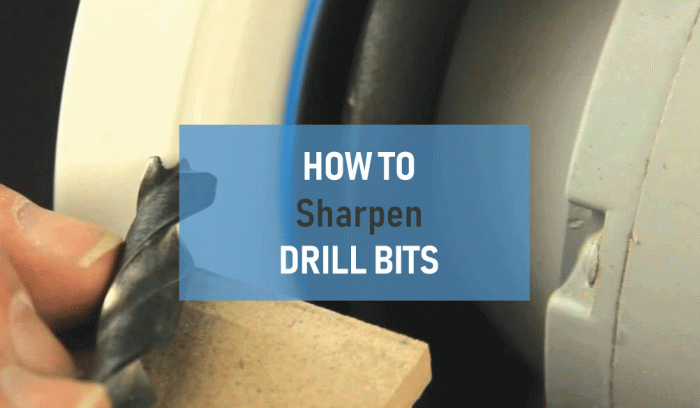
Using sharp tools is crucial for effective weed removal. Blunt tools can damage the soil, making it more difficult to remove weeds completely. Sharp tools minimize soil damage and ensure effective removal, preventing the weed from regrowing.
Examples of Hand Tools
Several hand tools are suitable for fall weed pulling. A sturdy garden trowel, a hand rake, and a dandelion puller are excellent examples. A garden fork can also be used to loosen soil and remove weeds.
Essential Tools and Supplies
- Gardening gloves: Protect your hands from dirt and sharp objects.
- Gardening trowel: For digging around the roots of weeds.
- Hand rake: To loosen soil and remove debris.
- Garden fork: To loosen soil and remove larger weeds.
- Dandelion puller: For easily lifting weeds.
- Weed拔: For larger or more stubborn weeds.
- Safety glasses: Protect your eyes from flying debris.
- Gardening shears: For cutting off stubborn roots or stems.
- Compost or well-rotted manure: To improve soil quality after removal.
Proper safety gear is important when pulling weeds, especially when using tools like hoes or shovels.
Comparison of Hand Tools
| Tool | Pros | Cons |
|---|---|---|
| Garden Trowel | Versatile, easy to use, good for smaller weeds | Less effective for large or stubborn weeds |
| Hand Rake | Effective for loosening soil, removing debris | Less effective for removing weeds directly |
| Garden Fork | Good for loosening soil and removing larger weeds | Can be more strenuous to use |
| Dandelion Puller | Efficient for lifting weeds, reduces strain | Limited to certain weed types |
| Weed拔 | Excellent for large or tough weeds | Can be more expensive |
This table highlights the advantages and disadvantages of each tool, aiding in your selection process. By considering these factors, you can make an informed decision and choose the best tools for your fall weed pulling needs.
Preventing Future Weed Growth
Fall weed removal is more than just a one-time task; it’s a proactive step towards a healthier, weed-free landscape. Effective fall weed control paves the way for a spring and summer free of the unsightly and often disruptive presence of weeds. This involves understanding the root causes of weed growth and implementing preventative strategies that extend beyond just pulling weeds.By taking a proactive approach to weed control in the fall, you can significantly reduce the effort and resources required to maintain a beautiful and healthy garden or lawn throughout the growing season.
A well-maintained soil and a protective layer of mulch will create an environment that is less hospitable to weeds, ultimately making your gardening experience more rewarding.
Mulching for Weed Prevention
Mulching is a cornerstone of preventing future weed growth. A layer of organic mulch smothers emerging weeds, suppressing their growth and preventing them from reaching maturity. This creates a barrier between the soil and the sunlight, which weeds need to germinate and grow. Furthermore, mulching helps retain soil moisture, reducing the frequency of watering and minimizing the stress on your plants.
- Different types of mulch, like shredded leaves, wood chips, and straw, offer varying degrees of effectiveness and aesthetic appeal. The choice of mulch will depend on your specific needs and preferences.
- Choosing the right mulch thickness is also crucial. A thicker layer provides better weed suppression and moisture retention, while a thinner layer may not be as effective.
Soil Amendments for Healthy Growth
Healthy soil is crucial for preventing weed growth. Weed seeds thrive in compacted, nutrient-poor soil, while healthy soil provides the nutrients and structure that encourage the growth of your desired plants, making them more competitive against weeds. Composting and adding organic matter to the soil are essential for improving its structure, fertility, and water-holding capacity.
- Composting creates a rich, nutrient-rich soil amendment that improves drainage and aeration, making it less appealing to weeds.
- Adding organic matter, like compost, manure, or aged sawdust, improves soil structure, water retention, and nutrient availability. These elements create a more hospitable environment for your plants, making them more resilient to weed invasion.
Organic and Natural Weed Control Methods
Natural and organic methods offer a more environmentally friendly approach to weed prevention. These methods focus on creating an environment that discourages weed growth without resorting to harsh chemicals.
- Using cover crops can help suppress weed growth by shading the soil and competing for resources. They also improve soil health and fertility, making the soil less hospitable to weeds.
- Using natural herbicides, such as vinegar or baking soda solutions, can target specific weeds. These solutions can be effective, but their use should be carefully considered to avoid harming desirable plants.
Mulch Comparison Table
| Mulch Type | Cost | Effectiveness | Environmental Impact |
|---|---|---|---|
| Shredded Leaves | Low (often free) | Moderate | High (recycles organic matter) |
| Wood Chips | Moderate | High | Moderate (depends on wood source) |
| Straw | Low | Moderate | High (renewable resource) |
| Grass Clippings | Free | Moderate (can attract pests) | Moderate (recycles organic matter) |
Specific Weed Types and Fall Removal

Fall weed removal is crucial for maintaining a healthy and vibrant garden. Understanding the specific types of weeds emerging in the fall and their unique characteristics allows for more effective and targeted removal strategies. This targeted approach saves time, effort, and resources, preventing the weeds from re-emerging and establishing a stronger foothold.
Common Fall Weeds
Fall brings a variety of weeds to the forefront. Identifying these weeds is the first step to successful removal. Different weeds have different life cycles and growth patterns, impacting how they should be treated in the fall. Understanding these factors helps in choosing the most effective removal techniques.
Fall Weed Removal Techniques
Choosing the right removal method is vital for dealing with different weed types effectively. Some weeds are better suited for hand-pulling, while others may require more involved techniques like spot treatments or hoeing. Consider the size, root structure, and surrounding environment when deciding on a removal method.
Weed Life Cycles and Fall Removal
The life cycle of a weed plays a significant role in determining its susceptibility to removal in the fall. Annual weeds complete their life cycle within a single growing season, while perennials can persist for multiple years. Understanding this difference is critical for effective fall removal. Some annual weeds might be more easily removed in fall, while perennials might need multiple treatments.
Comparing Removal Methods for Specific Weeds
Different weed removal methods have varying degrees of effectiveness depending on the weed type. Hand-pulling works well for smaller weeds with shallow roots, while herbicides are better for more persistent weeds with deep roots. For example, dandelion roots can be stubborn, requiring a more persistent removal approach than a simple pull. Spot treatments with herbicides can be effective for controlling the spread of certain weeds like chickweed.
Importance of Weed Identification
Proper weed identification is paramount for developing an effective removal strategy. Misidentification can lead to ineffective treatments, wasting time and resources. Different weeds have different needs, and a tailored approach is necessary for optimal results. For example, a dandelion is best removed with a combination of hand-pulling and herbicide spot treatment, as its taproot can make hand-pulling alone ineffective.
However, clover, while a common weed, is not easily controlled by herbicides.
Table: Specific Weed Types and Fall Removal
| Weed Type | Fall Removal Method | Typical Growth Pattern |
|---|---|---|
| Dandelion | Hand-pulling (with care to remove taproot) or spot treatment with herbicide | Perennial, often producing a taproot |
| Chickweed | Spot treatment with herbicide or hand-pulling | Annual, spreads quickly by seed |
| Clover | Hand-pulling (best done when young and small) | Perennial, spreads by seed and rhizomes |
| Purslane | Spot treatment with herbicide or hand-pulling | Annual, can be quite resilient and spread quickly |
| Crabgrass | Spot treatment with herbicide, or hand-pulling for small patches | Annual, grows quickly and can form dense mats |
Environmental Considerations
Fall weed removal, while crucial for a healthy garden, can have an environmental impact. Choosing the right methods matters significantly. The methods we use to control weeds can either benefit or harm the delicate balance of our ecosystems. Sustainable practices are not just good for the planet, but also for long-term garden health.
Impact of Different Weed Removal Methods
Various methods for weed removal have different effects on the environment. Some methods are gentler on the ecosystem, while others can introduce harmful chemicals or disrupt natural processes. Understanding these impacts is crucial for making informed choices.
- Manual Removal: This method, involving hand-pulling or digging, is generally considered the least impactful on the environment. It avoids the use of harmful chemicals and minimizes soil disturbance. However, it can be time-consuming for large areas and may not be effective for all weed types.
- Chemical Weed Control: Herbicides, while effective at eliminating weeds quickly, can have detrimental effects on soil and water quality. Chemical residues can persist in the environment, potentially harming beneficial insects, plants, and even groundwater sources. The long-term impact on soil organisms and the overall ecosystem should be carefully considered.
- Mechanical Removal: Methods like tilling, mowing, or using hoe-type tools can disrupt the soil structure and affect beneficial soil organisms. While effective, these methods can lead to erosion and loss of topsoil. The level of disturbance depends heavily on the intensity and frequency of use.
Importance of Eco-Friendly Methods
Protecting the environment is paramount. Choosing eco-friendly methods for weed removal supports a healthier ecosystem and preserves the long-term health of your garden. This means minimizing soil disturbance, avoiding harmful chemicals, and supporting natural processes.
- Protecting Beneficial Organisms: Many insects and microorganisms contribute to healthy soil. Chemical weed killers can harm these beneficial organisms, disrupting the delicate balance of the ecosystem. Manual methods are generally more respectful of these essential components of the soil.
- Maintaining Soil Health: Chemical herbicides can negatively impact soil health by killing beneficial microorganisms. Healthy soil is crucial for plant growth and overall garden well-being. Minimizing soil disturbance and promoting healthy soil conditions are essential.
- Preserving Water Quality: Runoff from chemical applications can contaminate water sources. Eco-friendly practices reduce the risk of water contamination, safeguarding the environment and protecting water resources.
Impact of Chemicals on Soil and Water Quality
Herbicides, if not applied correctly or disposed of properly, can contaminate soil and water sources. This can have far-reaching consequences, affecting the entire ecosystem.
“Chemical residues can persist in the environment, potentially harming beneficial insects, plants, and even groundwater sources.”
Importance of Less Invasive Methods
Minimizing soil disturbance and avoiding harmful chemicals is crucial for environmental protection. Less invasive methods of weed control are generally more sustainable and promote a healthier ecosystem. They maintain the delicate balance of the soil and reduce the risk of contaminating water resources.
Sustainable Weed Removal Practices
Sustainable weed removal practices prioritize environmental protection and long-term garden health.
- Mulching: Applying a layer of organic mulch helps suppress weeds by blocking sunlight and retaining moisture. It also improves soil health and reduces the need for chemical interventions.
- Cover Cropping: Planting cover crops can help smother weeds and improve soil structure. These crops can be tilled into the soil, adding organic matter and nutrients.
- Hand-Pulling/Digging: This method is highly effective for smaller areas and allows for targeted weed removal without impacting the soil or using chemicals.
Comparison of Environmental Impact
| Weed Removal Method | Environmental Impact |
|---|---|
| Manual Removal | Low impact, environmentally friendly, minimizes soil disturbance |
| Chemical Weed Control | High impact, potential for soil and water contamination, harmful to beneficial organisms |
| Mechanical Removal | Moderate impact, soil disturbance, potential for erosion |
| Mulching | Low impact, improves soil health, suppresses weeds |
| Cover Cropping | Low impact, improves soil structure, suppresses weeds |
Epilogue
Ultimately, deciding whether or not to pull weeds in the fall involves careful consideration of your garden’s specific needs, the types of weeds present, and your personal preferences. Employing effective techniques, understanding the environmental impact of your choices, and focusing on preventative measures will help you maintain a thriving and healthy garden year-round. Remember, a well-maintained garden is a testament to thoughtful planning and execution.