



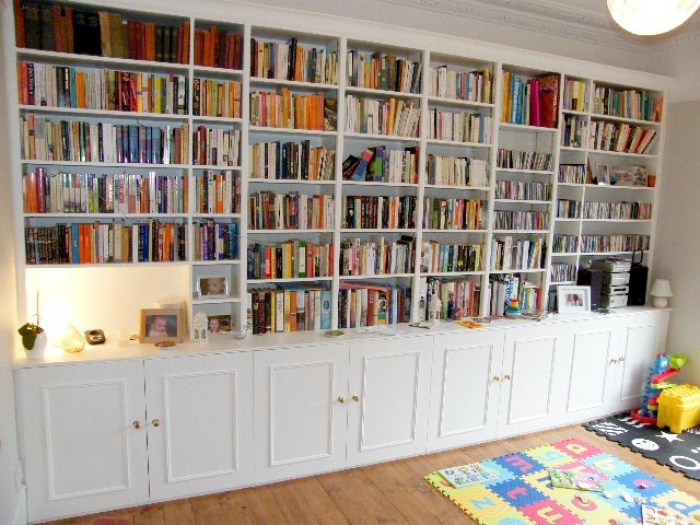
Diy built in bookcases – DIY built-in bookcases are a fantastic way to add personalized storage and character to any room. This guide will walk you through the entire process, from planning and design to finishing touches. We’ll cover everything from choosing the right materials to troubleshooting potential problems, ensuring you can create a stunning, custom bookcase that perfectly fits your style and space.
Imagine a bookcase that’s not just functional, but a statement piece in your home. Built-in bookcases offer a unique opportunity to tailor your storage to your specific needs, from maximizing small spaces to incorporating hidden storage. By diving into the details of DIY projects, you’ll learn how to transform a blank wall into a beautiful, organized focal point.
Introduction to DIY Built-in Bookcases
Building custom built-in bookcases is a popular trend, offering homeowners a unique opportunity to personalize their spaces. This approach allows for tailored storage solutions perfectly integrated into the existing architecture, maximizing functionality and aesthetic appeal. The trend reflects a growing desire for bespoke design and a focus on maximizing space efficiently.DIY built-in bookcases offer a compelling alternative to pre-fabricated options, often providing a more cost-effective and customized solution.
However, this choice requires a greater investment of time, skill, and potentially resources. Understanding the nuances of this trend will help homeowners make informed decisions about their design projects.
Materials for DIY Built-in Bookcases
Choosing the right material significantly impacts the look, feel, and longevity of your built-in bookcases. A variety of options are available, each with its own set of advantages and disadvantages.
- Wood: A classic choice for its aesthetic appeal and versatility. Different types of wood offer varying levels of durability, cost, and visual characteristics. For example, oak is known for its strength and rich color, while pine is more affordable and readily available. Proper finishing and sealing are essential to protect the wood from moisture and wear.
- Metal: Metal provides a modern and industrial aesthetic. Steel and aluminum are common choices, offering strength and durability. Metal can be painted or left exposed, allowing for a wide range of design possibilities. Consider factors like corrosion resistance and the potential weight of metal when selecting this material.
- Plywood: An affordable and readily available option. Plywood’s layered construction provides stability, making it suitable for shelving and backing. Its flat surface also simplifies painting or finishing. However, it may not be as visually appealing as solid wood and might require more careful finishing to achieve a professional look.
- Particleboard: A budget-friendly option, particleboard is composed of compressed wood particles. It’s typically less durable than solid wood or plywood, but can be easily worked with and finished. Be aware that it might not be the best choice for heavy shelving or high-traffic areas.
Design Styles for DIY Built-in Bookcases
Built-in bookcases can be designed to complement a wide range of interior styles. The choice of design heavily influences the overall ambiance of the room.
- Modern: Sleek lines, clean surfaces, and a focus on functionality characterize modern design. Often utilizing materials like metal or glass, modern built-ins prioritize simplicity and a minimalist aesthetic. Contemporary designs frequently feature open shelving, allowing for a clear view of the books and decorative items displayed.
- Rustic: Warm, natural materials like reclaimed wood or stone are frequently employed in rustic designs. This style often incorporates exposed beams, rough-hewn textures, and antique-style finishes. Rustic built-in bookcases are ideal for creating a cozy and inviting atmosphere.
- Transitional: This style blends traditional and modern elements. Transitional built-in bookcases might use a combination of wood and metal, featuring clean lines while incorporating traditional decorative elements. This design approach provides a flexible framework for various decorating needs.
- Coastal: Light and airy materials, like painted wood or natural woven baskets, are often used in coastal designs. The color palette usually leans towards light blues, creams, and natural tones. Coastal built-in bookcases often include nautical-inspired accents, reflecting a sense of relaxation and serenity.
Advantages and Disadvantages of DIY Built-in Bookcases
Understanding the pros and cons of DIY built-in bookcases can help you make an informed decision.
| Advantages | Disadvantages |
|---|---|
| Customization: Tailored to fit your specific needs and preferences. | Time commitment: Building built-ins requires significant time and effort. |
| Space maximization: Can be designed to maximize available space effectively. | Potential cost: Materials, tools, and labor can add up. |
| Enhanced aesthetic appeal: Integrates seamlessly with existing décor. | Skill requirement: Requires woodworking or construction skills. |
| Increased property value: Well-designed built-ins can increase the value of your home. | Potential for mistakes: Errors in design or construction can impact the final outcome. |
Planning and Design
Designing a custom built-in bookcase requires careful planning to ensure the final product seamlessly integrates into your space and fulfills your needs. This involves more than just choosing materials; it’s about understanding the space’s limitations, maximizing storage, and achieving an aesthetically pleasing design. Effective planning lays the foundation for a successful DIY project.A well-structured approach to planning ensures the bookcase is not just functional but also enhances the overall ambiance of the room.
Careful measurements and a thoughtful design translate to a finished product that meets expectations and adds value to your home.
Measuring and Planning the Layout
Careful measurement is crucial for a precise fit. Start by determining the exact dimensions of the space where the bookcase will be built. Use a tape measure to accurately record the width, depth, and height of the available area. Consider the height of the ceiling, the location of electrical outlets, and any other architectural features that might impact the bookcase’s placement or design.Taking multiple measurements and checking for discrepancies is essential to avoid costly mistakes.
I’ve been totally obsessed with DIY built-in bookcases lately. The possibilities are endless, and the satisfaction of creating something custom is just incredible. To get the most out of the space and maximize natural light, you really should consider cleaning outside windows before winter, as this will help to maintain the best light penetration. That way, your newly crafted DIY built-in bookcases will have the best light possible to showcase your collection.
clean outside windows before winter. Plus, a sparkling clean view just adds a whole other level of appeal to the finished product!
Using a level ensures the bookcase will be straight and stable. Detailed sketches or blueprints help visualize the layout, including the placement of shelves and potential obstructions. A clear plan minimizes surprises during the construction process.
Space-Saving Built-in Bookcase Design
Maximizing space is a priority in many homes. A space-saving built-in bookcase can effectively utilize every inch of available wall space. A clever design incorporates vertical space efficiently by adding tall, narrow shelves or a combination of open and closed storage.For instance, a corner bookcase can effectively use the otherwise wasted space in a corner. Integrating a combination of shelves, drawers, or cabinets within the design can accommodate various storage needs.
By carefully considering the layout, the bookcase can not only be functional but also a beautiful architectural feature.
Determining Exact Size and Shape
Accurate size and shape determination is critical for a successful project. A detailed scale drawing, created to represent the actual dimensions of the bookcase, is essential. Measurements should account for structural elements such as studs and joists within the wall.Using a combination of methods like measuring twice and verifying measurements against your design, you can ensure accuracy. Use a calculator to compute the total material requirements for the structure, shelves, and any other components.
A precise approach minimizes material waste and potential issues with fit during construction.
Considering Space Limitations and Architectural Details
Understanding space limitations and architectural features is vital to designing a functional and aesthetically pleasing built-in bookcase. A bookcase’s location within the room, for example, may be constrained by existing furniture or the layout of the room.Taking into account the ceiling height, the location of electrical outlets, and the structural elements of the wall is paramount. The bookcase’s design should complement the overall architectural style of the home, using appropriate materials and finishes to match the existing décor.
A well-designed bookcase can seamlessly blend into the space, enhancing its functionality and beauty.
Materials and Tools
Transforming your living space with a custom built-in bookcase requires careful consideration of the materials and tools. The right selection ensures a sturdy, aesthetically pleasing, and long-lasting piece that seamlessly integrates into your home. Choosing the correct materials and tools is crucial for a successful project, impacting both the structural integrity and the final appearance.The materials and tools needed for your DIY built-in bookcase project are varied, ranging from the wood itself to the hardware that holds it all together.
Proper planning and selection will save you time and frustration, making the construction process more efficient and enjoyable. A thorough understanding of the available options will guide you to choose the best materials and tools for your specific project.
Wood Types for Built-in Bookcases
Selecting the right wood is paramount for a successful built-in bookcase. Different types offer various characteristics in terms of durability, cost, and aesthetic appeal. Understanding these differences will help you make informed decisions.
- Hardwoods, like oak, maple, cherry, and walnut, are known for their strength, durability, and beauty. They offer a rich, natural look and can withstand years of use. Oak, for example, is a popular choice due to its robust nature and classic appeal. However, hardwoods often come with a higher price tag compared to softwoods.
- Softwoods, such as pine, fir, and cedar, are generally more affordable than hardwoods. They are easier to work with, making them a good option for beginners. However, softwoods may not be as durable as hardwoods and might require additional finishing to enhance their appearance.
Hardware for Built-in Bookcases
Appropriate hardware is crucial for the stability and functionality of your built-in bookcase. This includes everything from hinges to brackets, ensuring the components are well-connected and the bookcase can support its intended load.
- Hinges are essential for doors and drawers, ensuring smooth and secure operation. Consider the weight capacity and style to match the overall aesthetic.
- Brackets are used for supporting shelves and providing structural stability to the bookcase. The type of bracket chosen should match the weight the shelves will support.
- Screws and fasteners are necessary for assembling the components. Choose the right size and type of screws for the specific wood and hardware being used. Using the correct screws is crucial for long-term structural integrity.
Tools for Built-in Bookcases
A comprehensive set of tools is essential for successfully constructing your built-in bookcase. The selection should cover tasks from cutting and shaping the wood to assembling the final product.
- Measuring tools, such as a tape measure, level, and square, are crucial for ensuring precise measurements and accurate alignment.
- Power tools, including a circular saw, drill, and sander, can significantly speed up the process and improve the quality of the cuts. However, using power tools safely and effectively requires appropriate training and experience.
- Hand tools, such as a handsaw, hammer, and screwdriver, are still essential for tasks where precision and control are paramount. They also serve as valuable backup tools in case of power tool failure.
Choosing the Best Materials
The selection process involves considering your budget, the desired aesthetic, and the structural requirements of the bookcase. The longevity and beauty of your built-in bookcase depend on the quality of the materials chosen.
- Budget: Determine your budget constraints and prioritize materials accordingly. If cost is a major factor, softwoods might be a better choice. However, a higher budget allows for more luxurious and durable hardwoods.
- Aesthetic: Consider the overall style and design of your home. Select wood types that complement the existing décor. Darker woods like walnut create a more dramatic look, while lighter woods like maple offer a brighter, more airy feel.
- Durability: Evaluate the expected use of the bookcase. For heavy books or frequently accessed items, hardwoods are a better choice due to their strength and resilience.
Comparing Wood Types
Different wood types offer varying levels of durability, cost, and aesthetic appeal. This comparison will aid in your decision-making process.
| Wood Type | Cost | Durability | Aesthetic Appeal |
|---|---|---|---|
| Oak | Medium | High | Classic, warm |
| Maple | Medium | Medium | Elegant, versatile |
| Pine | Low | Low | Simple, affordable |
| Cherry | High | High | Rich, sophisticated |
Construction Techniques: Diy Built In Bookcases
Building custom built-in bookcases requires careful attention to detail and precise construction methods. Understanding the techniques for framing, installing shelves, securing the structure, and achieving stability is crucial for a successful project. Proper execution ensures the bookcase not only looks beautiful but also stands the test of time and use.Careful planning and accurate measurements are fundamental to the success of the project.
Following a methodical approach to construction, paying close attention to each step, ensures the bookcase will function as intended and meet aesthetic expectations.
Building the Frame
The frame acts as the backbone of the bookcase, providing support for the shelves and connecting the entire structure. A strong frame ensures the stability and longevity of the entire unit. Building a robust frame begins with cutting the lumber to the precise dimensions. Using a miter saw or table saw, ensure precise cuts to avoid any misalignment or gaps.
Joining the frame pieces is crucial. A variety of methods are available, including using wood glue, screws, and biscuits. The choice of technique depends on the type of wood and the desired strength of the joints. Use appropriate fasteners for the chosen wood type, considering factors like wood density and moisture content.
Installing Shelves and Supports
Shelves are a key component of a bookcase, providing space for books and other items. The method of installing shelves directly impacts the bookcase’s stability and the ability to hold weight evenly. Use shelf supports to distribute weight effectively. These supports come in various designs and materials. Choosing the right supports for the weight capacity of the shelves is critical.
Consider the weight of the books and other items that will be stored on each shelf. Use appropriate screws or nails to secure the shelf supports to the frame, ensuring they are firmly attached.
Securing the Bookcase to the Wall
A built-in bookcase must be securely anchored to the wall to prevent movement or tipping. This process involves using appropriate anchoring techniques that consider the wall material and the weight of the bookcase. Use wall anchors that are compatible with the type of wall (e.g., drywall, concrete). This step requires careful planning and measurements to ensure the anchors are placed correctly and the bookcase is level.
Precise placement of the anchors is crucial. If you are unsure about the best way to secure the bookcase, consult a professional.
Ensuring Stability and Structural Integrity
Achieving stability and structural integrity in a built-in bookcase is paramount for long-term use. This is achieved by using appropriate materials, following precise measurements, and employing suitable construction techniques. Use bracing techniques to support the shelves and frame. Bracing prevents warping or sagging of the shelves over time. Consider the overall weight distribution when planning the shelf placement.
Ensure the bookcase is level. Using a spirit level is essential for achieving a perfectly level installation.
DIY built-in bookcases are a fantastic way to add storage and style to any room. But let’s be honest, sometimes you need a little extra oomph. Cleaning up after a crafting session or a messy dinner? Did you know you can use dishwasher pods for more than just dishes? Check out uses for dishwasher pods for some seriously cool hacks.
The great thing about those DIY built-in bookcases is they open up so many opportunities to add clever storage solutions and maximize your space.
Finishing Techniques
Finishing the built-in bookcase enhances its aesthetic appeal and protects the wood from damage. Different finishing techniques can create a variety of looks, from a simple stain to a more elaborate paint job. Applying a finish to the bookcase protects the wood from scratches, moisture, and other environmental factors. A high-quality finish can increase the longevity of the bookcase.
Use quality finish products, applying multiple thin coats to ensure even coverage. Consider the type of finish based on the desired look and the longevity you want for the bookcase.
DIY built-in bookcases are a fantastic way to maximize storage space. They’re a great solution for organizing your home, but understanding how to store everything effectively is key. Learning about different storage solutions from resources like how to store everything in your home can transform your approach. Once you’ve got a handle on storage strategies, you can really get creative with your DIY built-in bookcases, tailoring them perfectly to your specific needs and home style.
Design Variations and Ideas
Transforming a simple room into a haven of knowledge and style often hinges on the strategic placement and design of built-in bookcases. Beyond the basic functionality of storage, these custom units can become architectural focal points, reflecting your personal taste and enhancing the overall aesthetic of your space. This section dives into diverse design possibilities, from incorporating lighting to achieving hidden storage, enabling you to create a built-in bookcase that perfectly complements your home’s character.Beyond the practicalities of storing books, built-in bookcases provide a platform for artistic expression.
Thoughtful design choices, including variations in style, lighting, and integrated storage, can elevate these units from mere functional pieces to statement-making features.
Style Variations, Diy built in bookcases
Different styles of built-in bookcases can transform a room. Contemporary designs often feature clean lines and minimalist aesthetics, using a variety of materials, including glass, metal, and wood, to achieve a sleek look. Traditional styles, on the other hand, might emphasize intricate details, rich wood finishes, and ornate moldings, providing a more classic feel. Transitional designs blend modern and traditional elements, creating a harmonious balance.
The style chosen should resonate with the overall design scheme of the room.
Functionality and Integrated Storage
Built-in bookcases are not limited to holding books. They can be tailored to accommodate various storage needs. Consider adding drawers for smaller items like stationery, magazines, or decorative pieces. Shelves with varying depths can be used for different purposes, accommodating larger items like framed photos or decorative items. Open shelving can display treasured collections, while closed cabinets offer discreet storage for less visually appealing items.
By thoughtfully integrating different storage solutions, you can maximize space and maintain an organized environment.
Lighting Strategies
Lighting plays a crucial role in highlighting the architectural design of built-in bookcases. Recessed lighting within the bookcase structure can illuminate books and other items, creating a warm and inviting ambiance. LED strip lights integrated into the shelves provide subtle yet effective illumination, highlighting the contents and creating a visually appealing display. Alternatively, strategically placed pendant lights or wall sconces can complement the built-in bookcase, providing ambient light and further enhancing the room’s aesthetic appeal.
A well-chosen lighting scheme can transform the bookcase into a captivating focal point.
Personalization Options
Built-in bookcases offer a canvas for personalization. Choosing the right wood finish, paint color, or decorative hardware can create a unique and personalized design that reflects your style. Consider incorporating custom artwork or decorative elements to further customize the bookcase’s appearance. Adding a personal touch with unique features can transform a functional piece into a cherished part of your home.
For example, adding a hidden compartment for special items or a decorative inlay with your family crest can create a personalized touch.
Hidden Storage Solutions
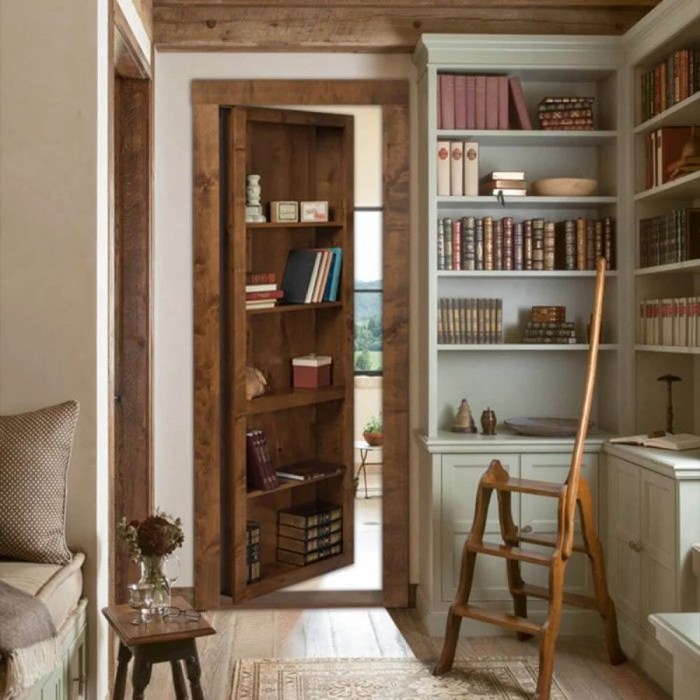
Concealed storage is an elegant way to maximize space while maintaining an uncluttered aesthetic. Sliding doors or hidden compartments can conceal storage areas, keeping the bookcase visually appealing and preventing the room from appearing cluttered. A clever design can incorporate pull-out trays, drawers, or shelves within the structure, allowing you to access stored items without sacrificing the overall aesthetic.
A hidden storage solution can effectively conceal items that are not intended for display.
Finishing and Aesthetics
Transforming your DIY built-in bookcases from raw construction to polished pieces of furniture involves careful selection and application of finishes. This step not only enhances the aesthetic appeal but also protects the wood from environmental damage and wear. Choosing the right finish is crucial to achieving a cohesive and attractive design, reflecting your desired style and complementing the overall room décor.The finishing process involves multiple stages, from preparing the surface to applying protective layers.
Each step plays a vital role in ensuring a durable and aesthetically pleasing outcome. A well-finished bookcase can elevate the entire space and showcase your craftsmanship.
Staining Options
Applying stain is a popular way to enhance the natural beauty of wood while adding depth and character. Different stains provide varying shades and tones, allowing for customization. A variety of wood stains are available, including water-based, oil-based, and gel stains. Each type offers unique characteristics, impacting the final appearance and longevity of the finish. For example, water-based stains are generally quicker to dry and easier to clean up, while oil-based stains can offer a more profound and durable finish.
Gel stains are ideal for achieving a more even and uniform color.
Painting Techniques
Painting offers a versatile way to achieve a desired color palette and style. Priming the surface is essential to ensure proper adhesion and even coverage. Choose a paint type appropriate for the wood surface, considering factors such as durability and moisture resistance. Various painting techniques can be employed, from simple solid colors to more elaborate patterns or designs.
Experimenting with different brushstrokes and layering techniques can add visual interest to the painted surfaces.
Finishing Techniques for Different Materials
Different materials require specific finishing techniques. For example, plywood might require multiple coats of sealant or primer to achieve a smooth, even surface before staining or painting. Solid wood often benefits from sanding between coats of stain or paint to ensure a seamless transition. Different wood types may also have varied porosity, which affects how finishes absorb and dry.
Consider these differences when selecting finishes for different components of your bookcase.
Selecting Appropriate Finishes
Matching the finish to your design style is crucial. A rustic design might call for a weathered or distressed finish, while a modern design could benefit from a clean, glossy paint or stain. The choice of finish should complement the overall aesthetic of the room, considering factors like the existing furniture and color scheme.
Adding Decorative Elements
Adding decorative elements can elevate the aesthetic appeal of your built-in bookcases. Consider incorporating decorative hardware, such as knobs or pulls, in a style that harmonizes with the overall design. Incorporating inlay work, marquetry, or other embellishments can provide unique and eye-catching accents. For example, using contrasting metal accents can add a touch of sophistication.
Applying a Protective Coating
Applying a protective coating, such as varnish or polyurethane, is vital for preserving the finish and preventing damage from scratches, moisture, and everyday wear. The application process typically involves multiple thin coats, allowing each coat to dry thoroughly before applying the next. Choosing a protective coating appropriate for the selected finish and the expected environmental conditions is important.
For example, outdoor furniture may require a more durable coating than indoor furniture. The number of coats needed will depend on the desired level of protection.
Troubleshooting and Common Issues
Building custom built-in bookcases can be incredibly rewarding, but it’s also important to anticipate potential problems. Knowing how to troubleshoot issues proactively can save time, materials, and frustration. This section Artikels common pitfalls and practical solutions for a smooth construction process.Addressing potential problems early on is crucial to achieving a sturdy and aesthetically pleasing final product. Understanding the causes of common issues, along with effective solutions, ensures the longevity and integrity of your DIY built-in bookcases.
Uneven Wall Conditions
Uneven walls are a frequent challenge in built-in projects. Proper measurement and preparation are key to mitigating this issue. Accurately measuring the wall’s irregularities, including dips and bumps, is essential for creating a level base.
- Accurate Measurements: Carefully measure multiple points along the wall’s length and height. Record these measurements to create a comprehensive profile of the wall’s surface. This helps to anticipate any discrepancies in the wall’s plane and ensure your framing and shelves are level.
- Leveling the Base: Utilize shims or specialized leveling blocks to compensate for unevenness. Precise leveling ensures that the base frame is perfectly aligned and provides a solid foundation for the entire bookcase structure.
- Wall Patching (if necessary): If significant irregularities exist, consider patching the affected areas with drywall compound. This will create a smoother surface to work with, ensuring a more accurate fit for the bookcase components. Allow the compound to dry completely before proceeding with the construction.
Support System Problems
Insufficient or improperly placed support systems can lead to sagging or structural failure. The design of the support system should be tailored to the weight and dimensions of the bookcase.
- Proper Support Beams: Ensure sufficient support beams are used to distribute weight evenly. Larger bookcases or those containing heavy items require stronger, more strategically placed supports. Consider using steel support brackets for heavy shelves.
- Bracing and Reinforcement: Proper bracing prevents twisting and warping of the frame. Add diagonal braces to support the bookcase structure, especially in corners or areas prone to stress.
- Shelf Supports: Ensure that shelf supports are adequately sized and spaced to prevent sagging. Use multiple supports for each shelf, particularly for shelves holding substantial weight.
Preventing Problems
Proactive measures can prevent many common issues. Careful planning and execution minimize the chances of encountering significant problems.
- Detailed Planning: Thorough blueprints and precise measurements are vital. A detailed plan minimizes errors and ensures a smooth construction process.
- Quality Materials: Using sturdy, high-quality materials is essential for long-term stability. Choose materials that can withstand the expected weight and stress.
- Testing and Checking: Regularly check the structure during construction. Look for any signs of unevenness or instability. This early detection allows for immediate correction.
Visual Examples and Inspiration
Transforming your living space with a custom built-in bookcase can significantly enhance both aesthetics and functionality. This section provides visual inspiration, exploring diverse design possibilities, materials, and lighting options to spark your own DIY project. Understanding the various styles and their associated pros and cons will empower you to make informed decisions, ultimately leading to a bookcase that perfectly complements your home’s unique character.Visual exploration is key to successful DIY projects.
Seeing examples of different designs, materials, and lighting schemes can ignite creativity and help you visualize the potential of your own built-in bookcase. This section provides inspiration through diverse examples and practical considerations.
Built-in Bookcase Design Examples
Various built-in bookcase designs can elevate your home’s interior. Different styles offer unique characteristics and visual appeals.
| Design | Image Description |
|---|---|
| Modern Minimalist | A sleek, contemporary design featuring clean lines, a neutral color palette, and minimal embellishments. Often includes glass or mirrored panels for a modern feel, maximizing light reflection. |
| Traditional Craftsman | A warm and inviting design, showcasing intricate woodwork, rich wood tones, and a classic aesthetic. Often includes detailed molding and decorative accents. |
| Rustic Farmhouse | A cozy and rustic design featuring exposed wood beams, reclaimed wood, and natural materials. May incorporate a natural wood finish, or distressed wood for an aged look. |
| Industrial Chic | A bold and industrial design featuring exposed metal framing, raw wood elements, and a rugged aesthetic. Metal shelving or exposed brick backing can add to the industrial character. |
Style and Material Comparisons
Different styles and materials offer distinct characteristics, influencing the overall aesthetic and functionality of a built-in bookcase.
| Style | Material | Description |
|---|---|---|
| Modern Minimalist | Laminate | A budget-friendly option providing a smooth, clean surface with various colors. Easy to maintain and resistant to scratches. |
| Traditional Craftsman | Solid Wood (Oak, Maple) | Creates a warm, rich aesthetic. Offers durability and longevity. Requires regular maintenance, like polishing or sealing. |
| Rustic Farmhouse | Reclaimed Wood | Provides a unique character with variations in color and grain. Offers a vintage look. Can vary in quality and require additional care for stability and structural integrity. |
| Industrial Chic | Metal (Steel, Iron) | Provides a bold and contemporary look. Durable and long-lasting. May require additional painting or powder coating for protection. |
Material Details
Understanding the material characteristics is crucial for making informed choices.
- Solid Wood: Offers a timeless look and excellent durability. Different types of wood have varying densities, colors, and grain patterns. Examples include oak, maple, cherry, and walnut, each with unique aesthetic appeal.
- Laminate: A cost-effective option that comes in a wide array of colors and patterns. Easy to clean and maintain. However, it might not be as durable as solid wood.
- Reclaimed Wood: Offers a unique, rustic charm with variations in color and texture. It may have imperfections and requires careful consideration for structural integrity.
- Metal (Steel, Iron): Provides a strong and durable structure, offering a modern or industrial look. May require additional finishes (e.g., paint, powder coating) to enhance its appearance and protect it from rust.
Material Pros and Cons
A balanced assessment of material properties is essential for successful DIY projects.
| Material | Pros | Cons |
|---|---|---|
| Solid Wood | Timeless appeal, durability, high-quality finish | Higher cost, requires maintenance |
| Laminate | Affordable, easy maintenance, wide variety of colors | Lower durability, not as visually appealing as solid wood |
| Reclaimed Wood | Unique character, rustic charm | Potential for structural issues, varying quality, higher maintenance |
| Metal | Strong, durable, modern look | Requires finishing to prevent rust, may not be suitable for all styles |
Lighting Options
Strategic lighting can significantly enhance the visual appeal and functionality of built-in bookcases.
- Recessed Lighting: Creates a soft, ambient glow, highlighting the bookcase’s design and the books within. Easy to install but requires electrical work.
- LED Strip Lighting: Offers flexibility for highlighting specific areas of the bookcase or creating a dramatic effect. Can be installed under shelves or along the edges.
- Track Lighting: Provides adjustable lighting for highlighting different parts of the bookcase or displaying decorative items. Allows for more control over the light distribution.
Budgeting and Cost Considerations
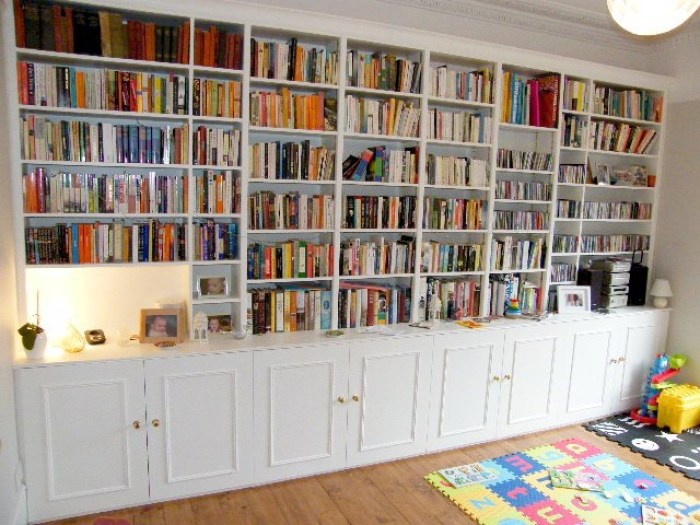
Building a custom built-in bookcase can be a rewarding project, but understanding the costs involved is crucial for a successful outcome. Careful budgeting ensures you have enough funds for materials, tools, and potentially labor, while also allowing for unforeseen expenses. This section delves into methods for estimating costs, cost-effective strategies, and prioritizing needs within a budget.Estimating the total cost involves several factors, from material prices to potential labor charges.
A well-defined budget allows you to track expenses and stay within your financial constraints. It is also important to plan ahead and understand the implications of choosing different materials and design options.
Estimating Material Costs
Accurately estimating material costs is essential to stay on budget. Researching current pricing for lumber, plywood, and other materials is vital. Consider variations in quality, size, and type of wood when comparing prices. Obtain quotes from multiple suppliers to get a better sense of market rates. Remember to factor in the cost of any specialized hardware or finishing materials.
Estimating Labor Costs
For complex built-in bookcases, professional labor may be required. If you are hiring a contractor, obtain detailed quotes for the tasks involved. These costs can include design consultations, material delivery, assembly, and any necessary modifications. Factor in potential delays or unexpected issues that might increase labor hours.
Material Cost Estimates
| Material | Approximate Cost per Unit/Piece (USD) | Quantity Needed | Total Estimated Cost (USD) |
|---|---|---|---|
| Pine Lumber (8 ft) | $5-$15 | 20 | $100-$300 |
| Plywood (4×8 Sheet) | $20-$40 | 2 | $40-$80 |
| Hardware (Brackets, hinges, etc.) | $5-$25 per set | 1 set | $5-$25 |
| Paint/Stain | $20-$50 per gallon | 1 gallon | $20-$50 |
| Finishing Supplies (sandpaper, etc.) | Variable | Assorted | $20-$50 |
*Note: Prices are estimates and may vary depending on location, supplier, and material quality.*
Cost-Effective Strategies
Cost-effective options exist to build a high-quality built-in bookcase without breaking the bank. Repurposing salvaged wood or using readily available, affordable materials like plywood can significantly reduce costs. Consider using less expensive wood for less visible parts of the bookcase. Focus on efficient cutting and assembly techniques to minimize material waste.
Prioritizing Needs and Budget
Prioritizing needs and budget involves carefully considering your project’s goals. List your essential features and functionalities for the bookcase. Define a maximum budget that aligns with your financial capabilities. Create a detailed plan to allocate funds for each stage of the project. Flexibility is crucial when unexpected costs arise.
Saving Money Without Compromising Quality
Saving money without compromising quality requires a balanced approach. Choosing durable and reliable materials, while prioritizing cost-effective options, is essential. Efficient planning and execution of construction steps can help reduce labor costs. Focusing on accurate measurements and precise cuts during the building process can minimize material waste. Seeking out deals on materials and tools, and making the most of your available resources can also be helpful.
Final Thoughts
Building a DIY built-in bookcase is a rewarding project, transforming your home into a personalized haven. From initial planning to the final touches, this comprehensive guide empowers you to create a truly unique and functional piece. Remember to carefully consider your space, materials, and design preferences, and don’t be afraid to experiment and personalize your design! With the right approach, you’ll not only have a beautiful new bookcase but also a fantastic DIY accomplishment to show for it.