


Difference between lacquer thinner and paint thinner is a crucial topic for anyone working with these solvents. Understanding their distinct properties, intended uses, and potential hazards is paramount. This comprehensive guide will delve into the chemical compositions, applications, safety precautions, and environmental impact of each, empowering you to make informed decisions when handling these essential tools.
From the chemical makeup of each thinner to their specific compatibility with different paints and lacquers, this discussion will cover the critical aspects needed to confidently choose the right thinner for any given task. We’ll also explore the environmental impact and the best safety practices for responsible handling.
Introduction to Solvents
Solvents are essential liquids that play a crucial role in numerous industrial and household applications. They act as a medium to dissolve other substances, enabling processes like cleaning, painting, and chemical reactions. Understanding their properties and characteristics is vital for safe and effective use. From delicate electronics to robust industrial machinery, solvents are frequently employed to achieve desired outcomes.Solvents facilitate a wide array of processes by dissolving various substances.
This property allows for cleaning, dissolving, and carrying other materials, making them integral components in manufacturing, construction, and daily life. Their ability to interact with and dissolve different substances is directly linked to their chemical composition and molecular structure.
General Properties of Solvents
Solvents exhibit a range of properties that determine their suitability for various applications. Their chemical composition dictates their interaction with other materials, influencing their dissolving power and compatibility. Understanding these properties is crucial for selecting the right solvent for a specific task. A thorough comprehension of these properties, including volatility, flammability, and toxicity, is vital for safe handling and application.
Solvent Classification by Chemical Composition
Different solvents have unique chemical compositions, leading to distinct properties and applications. Categorizing solvents by their chemical structure allows for a better understanding of their behaviors and potential hazards.
Knowing the difference between lacquer thinner and paint thinner is crucial for any DIY project. While both are solvents, they dissolve different types of paint. Interestingly, this knowledge can be surprisingly connected to something completely different, like how paint colors can impact your home’s energy efficiency, such as can paint colors affect your heating bills.
Ultimately, understanding these distinctions is key to achieving a clean and successful finish, whether you’re painting furniture or your entire house.
- Hydrocarbons: Hydrocarbons, primarily composed of hydrogen and carbon atoms, are commonly used as solvents due to their relatively low cost and non-polar nature. They are often employed in industrial cleaning and degreasing applications, as well as in some paint thinners. Examples include hexane, toluene, and benzene. Note that some hydrocarbons are considered hazardous due to their potential toxicity and flammability.
Knowing the difference between lacquer thinner and paint thinner is crucial for any DIY project, but sometimes it’s easy to get them mixed up. Luckily, there are tons of helpful tips out there, like those amazing TikTok organizing tricks pros love. TikTok organizing tricks pros love offer brilliant ideas for keeping your workspace tidy, which can help prevent accidental spills and ensure you’re using the right solvent.
Ultimately, understanding the distinctions between these thinners is key for a successful and safe painting job.
- Alcohols: Alcohols, containing a hydroxyl (-OH) functional group, exhibit a mix of polar and non-polar characteristics. This allows them to dissolve both polar and non-polar substances. Common applications include cleaning, and as solvents in certain types of coatings. Examples include ethanol and isopropyl alcohol.
- Ketones: Ketones, characterized by a carbonyl (C=O) group, are often employed as solvents in various applications, including industrial cleaning and certain types of paints and coatings. Their polar nature allows them to dissolve both polar and non-polar substances. Examples include acetone and methyl ethyl ketone.
- Esters: Esters, containing a carboxyl group, are used as solvents in numerous applications, including paints, coatings, and adhesives. Their properties vary depending on the specific ester, and their polarity influences their compatibility with different substances. Examples include ethyl acetate and butyl acetate.
Comparison of Solvent Types
The table below highlights the key differences between various solvent types, including lacquer thinner and paint thinner, in terms of their general properties.
| Solvent Type | Chemical Composition | Polarity | Flammability | Toxicity | Common Uses |
|---|---|---|---|---|---|
| Lacquer Thinner | Typically a mixture of hydrocarbons (e.g., mineral spirits) and possibly other solvents. | Generally non-polar | Highly flammable | May contain harmful VOCs; varies by specific formulation. | Dissolving lacquers, cleaning surfaces. |
| Paint Thinner | A mixture of solvents, often including aromatic hydrocarbons and other additives. | Generally non-polar | Highly flammable | May contain harmful VOCs; varies by specific formulation. | Dissolving paints, cleaning brushes, and removing old paint. |
| Acetone | Ketone | Polar | Highly flammable | Moderately toxic | Cleaning, degreasing, and as a solvent in certain paints and coatings. |
| Ethanol | Alcohol | Polar | Flammable | Generally less toxic than other solvents | Cleaning, antiseptic, and solvent in certain coatings. |
Solvent Properties and Common Uses
The table below demonstrates a categorization of solvents based on their chemical composition and common uses. This categorization aids in understanding the suitability of each solvent for specific tasks.
| Solvent Category | Chemical Composition | Typical Uses |
|---|---|---|
| Hydrocarbons | Alkanes, Alkenes, Aromatics | Cleaning, degreasing, paint thinners |
| Alcohols | Contain -OH group | Cleaning, solvents in coatings, antiseptics |
| Ketones | Contain C=O group | Cleaning, solvents in paints, coatings |
| Esters | Contain carboxyl group | Paints, coatings, adhesives |
Lacquer Thinner
Lacquer thinner is a crucial solvent in various painting and finishing applications. Understanding its composition, intended uses, and associated safety precautions is vital for proper handling and application. Its diverse applications range from home DIY projects to industrial manufacturing processes.Lacquer thinner, unlike other thinners, is specifically designed for dissolving lacquer-based paints. This makes it an essential tool for maintaining and restoring painted surfaces, from furniture to automobiles.
Its chemical makeup and the types of solvents it contains dictate its effectiveness and the necessary safety protocols.
Chemical Composition of Lacquer Thinner
Lacquer thinner is a complex mixture of organic solvents, primarily aromatic hydrocarbons, ketones, and alcohols. These components work synergistically to dissolve the lacquer film and allow for easy application and removal of the paint. The exact proportions of these components can vary depending on the specific manufacturer and intended use. This variability necessitates careful consideration of the product label for specific details.
Specific Solvents in Lacquer Thinner
The most common solvents found in lacquer thinner include, but are not limited to, aromatic hydrocarbons such as toluene and xylene. Ketones like methyl ethyl ketone (MEK) and acetone are also frequently present. Alcohols like isopropyl alcohol might also be included, although their presence is less common compared to the aromatic hydrocarbons and ketones. The specific blend of solvents directly influences the thinner’s effectiveness and its ability to dissolve different types of lacquer.
Intended Uses for Lacquer Thinner
Lacquer thinner is primarily used to clean brushes and tools after applying lacquer-based paints. It’s also crucial for thinning lacquer paints, allowing for smoother application and controlled flow. Further, it can be used to remove dried lacquer, making it invaluable for touch-ups or restoring surfaces with damaged or chipped lacquer coatings. It also plays a role in stripping old lacquer finishes from surfaces for repainting.
This versatile application makes it an indispensable tool for various painting and finishing projects.
Effects of Lacquer Thinner on Different Materials
Lacquer thinner can dissolve lacquer-based paints and coatings. However, it can also damage or degrade certain materials. For example, it can soften or swell some plastics and rubbers. Wood finishes, if not compatible with the solvents, can also be affected. It’s essential to test the thinner on an inconspicuous area of the material before applying it to a larger surface to prevent unwanted damage.
This precaution helps avoid unexpected and costly results.
Safety Precautions and Potential Hazards
Lacquer thinner is a flammable liquid and should be handled with extreme caution. It should always be used in well-ventilated areas to prevent the buildup of harmful vapors. Direct skin contact should be avoided, and protective gloves should be worn. Eye protection is also crucial to prevent irritation or damage to the eyes. Keep lacquer thinner away from open flames, sparks, and any ignition sources.
Knowing the difference between lacquer thinner and paint thinner is crucial for any DIY project, especially when considering your living space. For instance, if you’re looking for fresh ideas for a modern living room, like those found in contemporary living room ideas , you’ll want to be sure you’re using the right solvent. Ultimately, understanding these subtle distinctions will ensure your project goes smoothly, leaving you with a flawless finish, whether you’re painting furniture or refreshing your walls.
Proper storage is critical to prevent accidental spills or misuse. Strict adherence to these safety precautions minimizes potential risks.
Paint Thinner
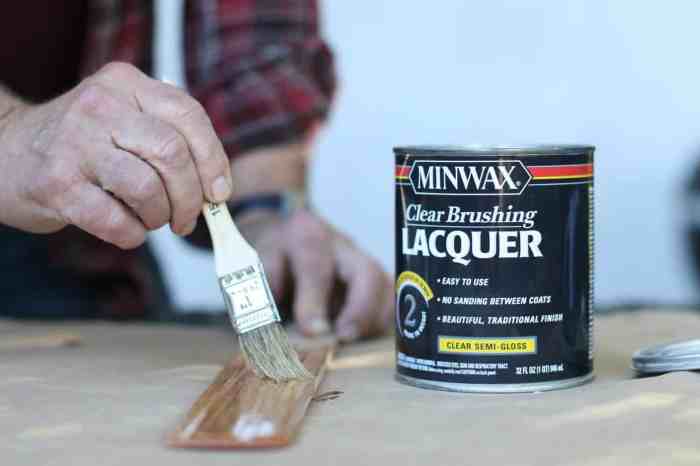
Paint thinner, a crucial component in the world of painting and restoration, plays a vital role in dissolving various paint types. Understanding its composition, compatibility, and appropriate usage is essential for achieving desired results and avoiding damage to surfaces. This section delves into the specifics of paint thinner, exploring its chemical makeup, common solvents, compatible paints, and practical applications.Paint thinner, unlike lacquer thinner, is designed for a broader range of paints, offering versatility for various projects.
This difference stems from its chemical composition and the types of solvents it incorporates.
Chemical Composition of Paint Thinner, Difference between lacquer thinner and paint thinner
Paint thinner is a complex mixture of volatile organic compounds (VOCs). These VOCs are carefully selected to dissolve specific types of paint resins and pigments while avoiding harsh effects on the surfaces being cleaned or painted. The exact blend varies depending on the specific formula and intended use.
The primary components in paint thinner are often aromatic hydrocarbons, such as toluene and xylene, along with aliphatic hydrocarbons like mineral spirits.
These components work in concert to effectively dissolve various paint types.
Common Solvents in Paint Thinner
A variety of solvents contribute to the effectiveness of paint thinner. These solvents vary in their properties and compatibility with different paint types.
- Toluene: A common aromatic hydrocarbon known for its strong dissolving power. It is often found in paint thinners designed for oil-based paints.
- Xylene: Another aromatic hydrocarbon, xylene exhibits excellent dissolving properties and is frequently used in paint thinners to achieve a smooth and even finish on a variety of surfaces.
- Mineral Spirits: A less volatile aliphatic hydrocarbon, mineral spirits are known for their ability to effectively clean brushes and tools after use. They are generally safer for use on some surfaces than aromatic hydrocarbons.
Types of Paints Compatible with Paint Thinner
Paint thinner is generally compatible with oil-based paints, which often use a resin that dissolves in these solvents. This compatibility allows for effective cleaning and thinning of oil-based paints. It’s also sometimes used for acrylics, though this application is less common and can vary depending on the specific formulation.
- Oil-based paints: These paints, with their oil-based resins, are readily dissolved by the solvents in paint thinner, making it an ideal choice for cleaning brushes, thinning paint, and removing old paint.
- Acrylic paints: While less common, some acrylic paints might be compatible, depending on the specific ingredients used in the acrylic paint’s formulation. However, it’s crucial to test compatibility on a small, inconspicuous area before proceeding with large-scale applications.
Appropriate Uses for Paint Thinner
Paint thinner finds its application in various scenarios, from cleaning paint brushes and tools to thinning oil-based paints and removing old paint.
- Cleaning brushes and tools: After painting with oil-based paints, paint thinner can effectively clean brushes and tools, removing residual paint and preventing drying.
- Thinning paint: Paint thinner can be added to oil-based paints to adjust their viscosity and achieve a desired consistency for smoother application.
- Removing old paint: Paint thinner can dissolve old oil-based paint, making it suitable for removing unwanted paint layers from surfaces before repainting.
Differences in Effects on Materials Compared to Lacquer Thinner
A crucial distinction between paint thinner and lacquer thinner lies in their effects on different materials. Paint thinner, with its aromatic hydrocarbon content, can be more aggressive, potentially harming certain surfaces if not used carefully. Conversely, lacquer thinner, with its different chemical composition, can be less harsh on some materials.
- Wood: While both thinners can affect wood, paint thinner might be more likely to damage the wood’s finish if not used appropriately. Proper safety measures are essential.
- Plastics: Paint thinner can damage certain types of plastics, whereas lacquer thinner might have less impact on some plastic types.
- Metals: Both thinners can affect metals, but the potential damage varies depending on the specific metal and the solvent mixture.
Key Differences

Lacquer thinner and paint thinner, while both solvents used in the painting industry, differ significantly in their chemical composition, intended uses, and potential hazards. Understanding these distinctions is crucial for safe and effective application. Choosing the wrong solvent can lead to damage to the painted surface or even health risks.The fundamental difference lies in the specific chemicals used to create the solvent.
Different chemical compositions determine the solvent’s ability to dissolve particular materials, like different types of paints. These differences directly affect how they perform in specific applications.
Chemical Makeup
Lacquer thinner and paint thinner differ in their chemical makeup, primarily in the types of solvents used. Lacquer thinner is often based on ketones, esters, or aromatic hydrocarbons. These components are specifically formulated to dissolve nitrocellulose-based lacquers, which are frequently used in automotive finishes and furniture polishes. Paint thinner, on the other hand, typically includes aromatic hydrocarbons like toluene or xylene, as well as aliphatic hydrocarbons, which are more effective at dissolving oil-based paints.
This difference in chemical makeup affects the solvents’ ability to dissolve different types of paints.
Intended Uses
Lacquer thinner is designed for dissolving nitrocellulose-based lacquers, enamels, and other coatings. These coatings are commonly found in automotive finishes and furniture polishes. Paint thinner, conversely, is intended for dissolving oil-based paints, varnishes, and stains. Understanding the specific paint type is crucial for selecting the correct solvent. Using the wrong solvent can result in damage to the surface or ineffective cleaning.
Compatibility with Materials and Applications
| Solvent | Compatible Materials | Incompatible Materials | Applications |
|---|---|---|---|
| Lacquer Thinner | Nitrocellulose-based paints, lacquers, enamels | Oil-based paints, varnishes, stains, some plastics | Automotive refinishing, furniture finishing, model building |
| Paint Thinner | Oil-based paints, varnishes, stains | Nitrocellulose-based paints, some plastics | Cleaning brushes, removing oil-based paint, degreasing |
The table highlights the key differences in compatibility. Using the wrong solvent can damage the surface being cleaned or painted. Always verify compatibility before use.
Hazards and Safety Precautions
Both lacquer thinner and paint thinner pose significant health and safety hazards due to their volatile nature. Inhalation of vapors can cause respiratory irritation, dizziness, and headaches. Skin contact can lead to dryness, cracking, and irritation. Always use proper ventilation, wear appropriate protective equipment (gloves, eye protection, respirator), and work in a well-ventilated area.
“Never mix solvents unless explicitly instructed by a professional. Mixing can produce unexpected and potentially dangerous chemical reactions.”
Proper handling and storage are crucial to prevent accidents and ensure personal safety.
Environmental Impact
Both solvents have an adverse impact on the environment. Improper disposal can lead to contamination of water sources and soil. The aromatic hydrocarbons found in many thinners are known air pollutants, contributing to smog and other environmental issues. Responsible disposal and minimized use are essential. Using less solvent whenever possible is a practical step.
Safety and Handling
Working with lacquer thinner and paint thinner requires careful attention to safety precautions. These solvents, while effective for cleaning and dissolving, pose significant health risks if mishandled. Understanding the appropriate safety measures, ventilation, personal protective equipment (PPE), and disposal procedures is crucial for preventing accidents and protecting your well-being.
Safety Precautions
Proper handling of solvents is paramount. Always wear appropriate protective gear and work in a well-ventilated area. Never smoke, eat, or drink while handling these substances. Store solvents in designated containers away from heat and open flames. Avoid contact with skin and eyes, and immediately flush any exposed areas with plenty of water.
Ventilation Requirements
Adequate ventilation is critical when working with solvents. Poor ventilation can lead to the buildup of harmful vapors, posing significant health risks. Ensure proper airflow by opening windows, using exhaust fans, or employing other ventilation systems. If working indoors, consider using a local exhaust ventilation system (LEV) to capture and remove vapors directly at the source. The amount of ventilation required depends on the specific solvent, the concentration used, and the size of the work area.
For example, a large-scale painting project in a small, enclosed space will necessitate a more powerful and extensive ventilation system compared to a small-scale project in a well-ventilated area.
Personal Protective Equipment (PPE)
Using appropriate personal protective equipment (PPE) is essential for safeguarding against potential exposure to solvents. This includes:
- Respirators: A respirator is crucial for filtering out airborne solvent particles and vapors. Different respirators are designed for varying levels of protection. Always choose a respirator appropriate for the specific solvent and concentration used.
- Gloves: Use chemical-resistant gloves to protect your hands from direct contact with solvents. Nitrile or neoprene gloves are commonly used for this purpose.
- Eye Protection: Safety glasses or goggles are essential to shield your eyes from splashes or mists of solvents.
- Protective Clothing: Wear long-sleeved shirts, long pants, and closed-toe shoes to prevent skin contact with the solvents. A lab coat can also offer additional protection. Always choose materials resistant to the specific solvent used.
Disposal Procedures
Proper disposal of solvents is vital to prevent environmental contamination. Never pour solvents down the drain or into the environment. Instead, follow local regulations for hazardous waste disposal. Contact your local waste management authority for specific instructions on how to dispose of used solvents safely and legally. This may involve specialized collection containers or recycling programs, depending on the quantity and type of solvent.
For example, some solvents may be recyclable through designated programs while others require specific hazardous waste disposal procedures.
Health Risks
Exposure to lacquer thinner and paint thinner can lead to various health issues. These solvents are highly volatile organic compounds (VOCs) and can cause:
- Irritation: Direct contact with solvents can cause skin and eye irritation, ranging from mild redness to severe inflammation.
- Respiratory Problems: Inhalation of solvent vapors can irritate the respiratory tract, leading to coughing, shortness of breath, and potentially more serious respiratory illnesses.
- Central Nervous System Effects: Prolonged or high-level exposure to solvents can impact the central nervous system, potentially causing dizziness, headaches, or even loss of consciousness.
- Liver and Kidney Damage: Repeated or significant exposure to certain solvents can potentially lead to damage to the liver and kidneys.
Applications and Compatibility: Difference Between Lacquer Thinner And Paint Thinner
Choosing the right solvent is crucial for achieving the desired results in painting and finishing projects. Understanding the compatibility of different solvents with various paints and lacquers is essential to avoid damaging the final product or compromising its longevity. This section delves into the specific applications where each solvent excels, the impact on drying times, and the materials they should be avoided on, to ensure a successful and safe project.
Compatibility Chart
Understanding the compatibility of solvents with different paint types is critical. This chart provides a quick reference guide to help determine which solvent is best suited for a particular project.
| Paint/Lacquer Type | Lacquer Thinner | Paint Thinner |
|---|---|---|
| Nitrocellulose Lacquer | Excellent | Poor to Fair (may not dissolve properly) |
| Acrylic Enamel | Poor | Good |
| Oil-Based Paint | Poor (will not dissolve properly) | Excellent |
| Water-Based Paint | Poor (will not dissolve properly) | Poor (will not dissolve properly) |
Specific Applications
Different solvents are best suited for specific tasks. Lacquer thinner excels at dissolving nitrocellulose lacquers, while paint thinner is ideal for oil-based paints. For example, restoring a vintage car’s nitrocellulose lacquer finish requires lacquer thinner. Similarly, painting a wooden deck with oil-based paint necessitates the use of paint thinner for cleaning and preparing the surface. Choosing the correct solvent for each task guarantees a smooth and effective finish.
Drying Time Effects
The drying time of a paint is significantly influenced by the solvent used. Lacquer thinner tends to evaporate more quickly, resulting in faster drying times for nitrocellulose lacquers. Conversely, paint thinner, often used with oil-based paints, can lead to longer drying periods. This difference in drying times is crucial to consider when planning a project to ensure the finish is properly cured before further work.
Materials to Avoid
Using the wrong solvent on certain materials can lead to damage or degradation. For instance, using lacquer thinner on oil-based paints will not dissolve the paint properly and might cause the paint to bubble or peel. Similarly, applying paint thinner to a nitrocellulose lacquer finish can damage the finish and cause it to become brittle over time. Avoid using solvents on plastics, rubber, or delicate finishes without consulting specific product instructions.
Potential Issues from Incorrect Solvent Use
Using the wrong solvent can result in a range of problems. A common issue is the inability of the solvent to effectively dissolve the paint, leading to uneven application or a lack of proper adhesion. This can cause the paint to peel or chip, reducing the overall quality and longevity of the finish. Furthermore, incorrect solvent use can damage the underlying surface, causing discoloration or deterioration.
Environmental Impact
Lacquer thinner and paint thinner, while crucial for painting and finishing, carry a significant environmental footprint. Their volatile organic compounds (VOCs) contribute to air pollution, and improper disposal can lead to water contamination. Understanding the environmental impact and implementing responsible handling practices is vital for sustainable painting processes.These solvents, used extensively in various industries, release VOCs into the atmosphere during use and can cause air pollution.
The long-term effects of this pollution on human health and the environment are significant and warrant careful consideration. Furthermore, improper disposal methods can lead to groundwater contamination, affecting ecosystems and potentially human health.
Pollution Risks from Improper Disposal
Improper disposal of lacquer and paint thinners can contaminate water sources, potentially harming aquatic life and creating health risks for humans who come into contact with the contaminated water. Improper disposal methods often lead to uncontrolled releases of solvents into the environment, posing serious risks to ecosystems and human health. For example, pouring these chemicals down drains or into open water bodies leads to the contamination of surface and groundwater.
This can affect the delicate balance of aquatic ecosystems, harming fish, plants, and other organisms. Furthermore, prolonged exposure to contaminated water can cause health issues in humans.
Role of Solvents in Painting and Finishing Processes
Solvents play a critical role in the painting and finishing processes. They are essential for dissolving and dispersing pigments and resins, creating the desired consistency and finish. However, their inherent volatility contributes to the overall environmental impact of these processes. The amount of solvent used and the efficiency of the application methods are crucial factors in minimizing environmental impact.
For instance, using high-quality, low-VOC solvents and employing spray techniques that minimize overspray can reduce the amount of solvent released into the atmosphere.
Methods for Reducing Environmental Impact
Various methods can be employed to mitigate the environmental impact of using lacquer and paint thinners. These methods include using low-VOC or VOC-free solvents whenever possible, adopting solvent recovery systems, and practicing proper application techniques.
- Using Low-VOC Solvents: Switching to solvents with lower VOC content is a crucial step. These solvents release fewer volatile organic compounds into the atmosphere, reducing air pollution. For example, water-based paints and coatings are becoming increasingly popular because they use minimal or no solvents, thereby reducing environmental impact significantly.
- Solvent Recovery Systems: Implementing solvent recovery systems, such as vapor recovery systems, can capture and recycle the solvents released during the painting process. This dramatically reduces waste and the environmental burden associated with the disposal of solvents.
- Proper Application Techniques: Careful application techniques, such as minimizing overspray, can reduce the amount of solvent released into the environment. Using appropriate ventilation systems, including local exhaust ventilation, can also minimize solvent emissions.
Regulations and Guidelines
Regulations and guidelines for handling solvents are crucial for minimizing their environmental impact. Strict adherence to these regulations is vital to protect the environment and public health.
- Waste Disposal Regulations: Regulations dictate the proper disposal methods for solvents, ensuring they are not released into the environment. Properly labeling and storing solvents are essential parts of adhering to these guidelines. Waste management authorities often provide specific guidelines on the appropriate disposal procedures for solvents, which vary by region.
- VOC Emission Standards: Many jurisdictions have implemented standards to regulate the VOC emissions from solvents used in painting and finishing processes. These standards are in place to reduce air pollution. For instance, the U.S. Environmental Protection Agency (EPA) sets standards for VOC emissions, which companies must adhere to.
- Handling and Storage Procedures: Strict guidelines for handling and storing solvents are essential to prevent accidental spills and releases into the environment. Adequate ventilation, proper storage containers, and spill containment measures are critical elements of these procedures. The type of storage container and the storage area should comply with local regulations.
Outcome Summary
In conclusion, while both lacquer thinner and paint thinner are solvents used in painting and finishing, their distinct chemical compositions and intended uses create significant differences. Knowing these differences, along with the necessary safety precautions, is vital for successful and safe projects. This exploration has highlighted the importance of understanding these solvents to avoid potential hazards and minimize environmental impact.
Choosing the correct solvent for your project is essential to achieving the best results and ensuring a safe work environment.