

Dethatching lawns the what why how and when – Dethatching lawns: the what, why, how, and when. This comprehensive guide dives deep into the world of lawn maintenance, exploring everything from understanding thatch buildup to the best methods for dethatching and crucial post-treatment care. We’ll uncover the benefits of regular dethatching, the ideal timing, and the essential safety precautions to ensure a healthy and vibrant lawn.
Learn the specifics of identifying thatch types, understanding their impact on your lawn, and the various methods for tackling this crucial aspect of lawn care. From manual techniques to power dethatchers, we’ll provide detailed instructions, comparisons, and essential safety tips to help you make informed decisions. Plus, we’ll cover the post-dethatching care, including watering, fertilizing, and weed control strategies.
Understanding Dethatching
Dethatching is a crucial lawn care practice that often gets overlooked. It involves removing thatch, a layer of dead and decaying plant matter that accumulates between the grass blades and the soil. A healthy lawn needs a proper balance of this organic material, but excessive thatch can hinder the lawn’s ability to thrive. This section dives deep into the intricacies of thatch buildup, its effects, and how to identify and manage it.A healthy lawn is characterized by a vibrant green color, good drainage, and robust root systems.
Dethatching helps maintain this health by removing the barrier thatch creates, promoting better air circulation, water penetration, and nutrient absorption for the roots. This, in turn, strengthens the overall health of your lawn, making it more resilient to pests and diseases.
What is Thatch?
Thatch is a layer of dead and decaying organic matter, primarily composed of stems, roots, and other plant debris. It’s a natural part of the lawn ecosystem, but when it builds up to excessive levels, it can become detrimental to the lawn’s health. This layer sits atop the soil and between the grass blades. Think of it like a carpet made of decomposed plant material.
Identifying Thatch Buildup
Determining the presence and extent of thatch buildup is the first step in addressing potential problems. Look for a layer of fibrous material between the grass blades. A simple visual inspection is usually sufficient. If you can easily rake a section of your lawn, and pull up a significant amount of brown, interwoven material, then you likely have thatch.
A depth of 1/2 inch or more often indicates excessive buildup.
Types of Thatch
Different types of thatch have varying characteristics and impacts on lawn health. Understanding these differences helps in targeted solutions.
- Fine Thatch: This type of thatch is characterized by its fine, interwoven texture. It’s often a light brownish color and can be difficult to see with the naked eye. While not as immediately problematic as coarse thatch, fine thatch can still impede water and air movement, impacting root development.
- Coarse Thatch: This type of thatch is noticeably thicker and more visible. It often appears as a dark brown or even black layer. This layer is more obvious, readily apparent, and significantly impacts the lawn’s health by creating a barrier that hinders water and air circulation, hindering proper nutrient uptake and root development.
Negative Effects of Excessive Thatch
Excessive thatch buildup can lead to several problems for your lawn. It creates a dense layer that prevents water and air from reaching the soil. This can lead to poor root development, making the lawn more susceptible to diseases and pests. Furthermore, thatch can also harbor insects and fungi, which can further weaken the lawn’s health. The roots are essentially starved of the air and water they need to thrive.
Think of a crowded room, where people cannot breathe and there’s no room for new growth.
Comparison of Thatch Types
| Thatch Type | Characteristics | Impact on Lawn Health |
|---|---|---|
| Fine Thatch | Light brownish, fine, interwoven texture, often difficult to see. | Can impede water and air movement, potentially impacting root development. |
| Coarse Thatch | Dark brown or black, thick, noticeable layer. | Significantly impacts water and air circulation, hindering nutrient uptake and root development, increasing susceptibility to disease. |
When to Dethatch
Knowing when to dethatch your lawn is crucial for maximizing its effectiveness and minimizing potential harm. Improper timing can lead to unnecessary stress on the grass, potentially hindering its recovery and growth. The optimal time for dethatching hinges on a variety of factors, including the type of grass, local climate, and the overall health of your lawn.Proper dethatching is more than just a chore; it’s an investment in a healthier, more vibrant lawn.
By understanding the nuances of when to dethatch, you can ensure your efforts result in a lush, thriving landscape.
Factors Influencing Dethatching Timing
Several factors influence the ideal time for dethatching. Understanding these factors allows you to schedule the procedure for optimal results. The health of your lawn is a significant factor. A stressed or weakened lawn will take longer to recover from the dethatching process, and an excessively thick thatch layer may require more time to break down. Consider the type of grass you have.
Knowing how to dethatch your lawn is crucial for healthy grass growth. It removes thatch, a layer of dead grass and other organic matter, which can suffocate the roots. Proper dethatching, whether you do it yourself or hire someone, is key to a thriving lawn. While you’re thinking about your outdoor spaces, you might also want to consider growing some indoor plants, like the fragrant Dracaena.
Learning how to care for a Dracaena, like grow dracaena fragrans indoors , adds a touch of elegance to your home. Ultimately, dethatching your lawn regularly will ensure a healthy, lush green space for you to enjoy.
Different grasses have different tolerances for stress, and some recover more quickly than others. The local climate also plays a vital role. Extreme temperatures, whether scorching heat or freezing cold, can hinder recovery and growth. Rainfall patterns, both frequency and intensity, also impact the optimal time.
Ideal Weather Conditions for Dethatching
Optimal weather conditions significantly impact the success of dethatching. These conditions minimize stress on the grass and promote faster recovery.
| Weather Condition | Description | Impact on Lawn |
|---|---|---|
| Temperature | Temperatures between 60°F and 80°F (15°C and 27°C) are ideal. | Avoid extreme heat or cold, as these can stress the grass. |
| Rainfall | A period of moderate rainfall a few days before and after dethatching is beneficial. | Sufficient moisture helps the grass recover and grow. |
| Humidity | Avoid very high humidity, which can increase the risk of fungal diseases. | Optimal humidity levels allow for better moisture retention. |
| Sunshine | Dethatching is best performed on an overcast day or early morning/late evening. | Avoid direct sunlight, which can dehydrate the grass. |
Relationship Between Lawn Health and Dethatching Timing
The health of your lawn significantly impacts the best time to dethatch. A healthy lawn, with robust roots and vigorous growth, is better equipped to handle the stress of dethatching. Conversely, a stressed or diseased lawn will take longer to recover. Consider the overall health of the lawn before scheduling a dethatching session. Look for signs of stress such as yellowing, browning, or thinning.
If your lawn shows signs of stress, postpone dethatching until it has recovered.
Determining the Appropriate Frequency of Dethatching
The frequency of dethatching depends on the thickness of the thatch layer and the health of your lawn. A healthy lawn with a thin thatch layer might only need dethatching every few years. A lawn with a thick thatch layer might need dethatching annually or even more frequently. Monitor the thickness of the thatch layer and the overall health of your lawn to determine the appropriate frequency.
Regular observation of your lawn will guide you in determining if and when dethatching is needed. For example, if you notice that the thatch layer is becoming noticeably thick and affecting grass growth, dethatching might be necessary.
Methods of Dethatching
Choosing the right dethatching method depends on several factors, including the size of your lawn, the thickness of the thatch layer, your budget, and your physical capabilities. Different methods offer varying levels of effectiveness and efficiency, so understanding the options available is crucial for achieving a healthy lawn. Careful consideration of each method will help you select the most suitable approach for your specific needs.Various methods are available for tackling thatch, each with its own strengths and weaknesses.
From the most labor-intensive manual techniques to the powerful mechanical solutions, the best method depends on the scale of the project and the resources you have available. Understanding the advantages and disadvantages of each will allow you to make an informed decision.
Manual Dethatching
Manual dethatching is a labor-intensive process suitable for smaller lawns or those with a thin layer of thatch. It involves physically removing the thatch using specialized tools, and it requires significant time and effort.
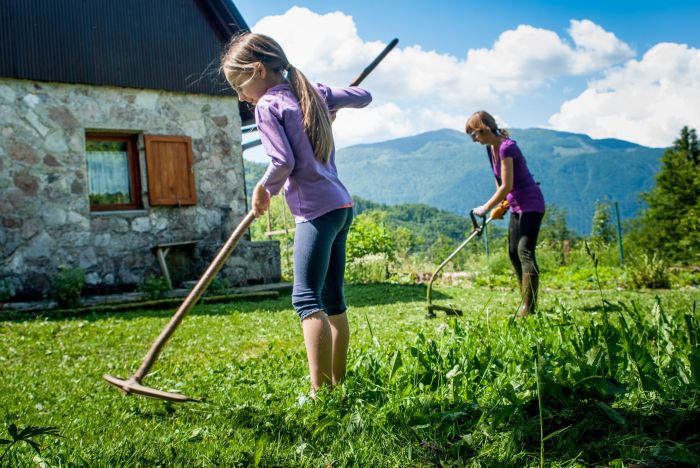
- Using a Rake: A standard lawn rake can be used to remove loose thatch. However, it’s less effective for thicker layers and can be very time-consuming. You’ll need to meticulously go over the area, raking and collecting the thatch. A crucial factor is the frequency of raking, as repeated passes can help remove more thatch effectively.
- Using a Dethatching Rake: A dethatching rake, with its tines, is designed to penetrate the thatch layer and lift it out. This is more effective than a standard rake for thicker thatch. The increased surface area of the dethatching rake, compared to a standard rake, allows for more efficient and thorough removal of thatch.
- Using a Thatch Knife: A thatch knife, with its sharp blade, can cut through thatch, effectively removing it from the lawn. This method is suitable for smaller areas and can be effective for thin layers of thatch. Be cautious with sharp blades to avoid damaging the lawn itself, and consider wearing protective gear.
Mechanical Dethatching
Mechanical dethatchers are powerful machines designed for larger lawns and thicker thatch layers. They offer a faster and more efficient way to remove thatch compared to manual methods.
- Using a Power Raking Dethatcher: These machines use rotating blades or tines to slice and remove thatch from the lawn. They’re effective for larger areas and thicker thatch layers. A power raking dethatcher requires more initial investment than manual methods, but it significantly reduces the time required for dethatching.
- Using a Dethatching Reel: These reels have multiple blades or tines that rotate quickly, lifting and removing the thatch from the lawn. They are particularly useful for lawns with thicker thatch. The continuous rotation of the blades or tines ensures consistent thatch removal, contributing to a more even and uniform surface.
Comparison of Methods
| Method | Effectiveness | Efficiency | Cost | Effort |
|---|---|---|---|---|
| Manual (Rake) | Low | Very Low | Low | High |
| Manual (Dethatching Rake) | Medium | Medium | Medium | Medium |
| Manual (Thatch Knife) | Medium | Medium | Medium | Medium |
| Mechanical (Power Raking) | High | High | High | Low |
| Mechanical (Dethatching Reel) | High | High | High | Low |
This table summarizes the advantages and disadvantages of different dethatching methods. The best choice depends on your specific needs and resources.
How to Dethatch Safely and Effectively
Taking care of your lawn involves more than just mowing. A healthy lawn needs regular maintenance to thrive, and dethatching is a crucial part of that. Proper dethatching removes thatch buildup, improving aeration and allowing water and nutrients to reach the roots. This process, when done correctly, promotes a stronger, more resilient lawn.Effective dethatching not only enhances the health of your lawn but also prevents potential problems like fungal diseases and pest infestations.
A healthy lawn is less susceptible to these issues, leading to better overall lawn care. This guide will detail the safe and effective methods for dethatching your lawn, using both manual and power tools.
Manual Dethatching with a Rake
Before you begin, ensure your lawn is relatively dry. A moist lawn will make the process more challenging. A dethatching rake is designed to remove thatch by raking it up. This method is a good option for smaller lawns or those who prefer a more hands-on approach.
- Gather Your Equipment: A sturdy dethatching rake, gloves, and a sturdy pair of shoes. Consider a garden hose for rinsing off the rake after use.
- Prepare the Area: Clear any obstacles like rocks or debris from the area you plan to dethatch. A slightly damp lawn is better than a wet one, as it will make the thatch easier to lift.
- Begin Dethatching: Start raking in a consistent direction, working systematically over the entire area. Avoid raking too aggressively or too quickly, as this can damage the grass blades.
- Inspect and Repeat: After the first pass, inspect the thatch. If significant thatch remains, repeat the process. A second or third pass might be necessary, depending on the thickness of the thatch layer.
- Cleanup: Once the thatch has been removed, use a garden hose or blower to clear the area of the detached material. Dispose of the collected thatch properly.
Power Dethatcher Techniques
Power dethatchers offer a faster way to remove thatch, particularly on larger lawns. Understanding the correct usage is crucial to avoid damage to your lawn.
- Check the Equipment: Before operating, inspect the power dethatcher for any damage or loose parts. Ensure all safety mechanisms are functioning correctly.
- Set the Depth: Adjust the dethatcher’s depth settings to the recommended level for your lawn type. Consult the manufacturer’s instructions for specific guidelines.
- Overlapping Passes: Overlap each pass by about one-third to ensure complete dethatching without missing any spots. This is especially important with power dethatchers, as a missed section can cause uneven removal.
- Avoid Overworking: Do not operate the power dethatcher for extended periods without breaks. This can overheat the engine and reduce its lifespan.
- Inspect and Adjust: After each pass, inspect the dethatching results and adjust the settings if necessary. A consistent depth is key to a good result.
Safety Precautions for All Methods
Safety should always be a top priority when dethatching. Proper safety measures can prevent injuries and ensure the well-being of you and those around you.
Dethatching lawns—what is it, why is it important, and how do you do it effectively? Knowing the “what, why, how, and when” is key to a healthy lawn, and there are some tried and true tricks longtime gardeners swear by to make the process easier and more effective. For instance, checking out tried and true tricks longtime gardeners swear by can reveal clever techniques to manage thatch buildup efficiently, avoiding unnecessary stress on your lawn.
Ultimately, proper dethatching leads to better water absorption, improved air circulation, and a stronger, more resilient lawn.
| Dethatching Method | Safety Guidelines |
|---|---|
| Manual Dethatching | Wear appropriate gloves and shoes. Maintain a safe distance from bystanders and pets. |
| Power Dethatching | Always use appropriate safety gear like eye protection, hearing protection, and work gloves. Follow manufacturer instructions for safe operation and maintenance. |
| Both Methods | Ensure the area is clear of obstructions and bystanders. Never operate a power dethatcher on a slope or wet lawn. |
Proper dethatching is crucial for a healthy lawn, but safety must always come first.
Post-Dethatching Care
Giving your lawn the best chance to recover and thrive after dethatching requires diligent post-treatment care. This involves understanding the lawn’s needs, and providing the proper environment for healthy regrowth. A well-maintained lawn, free of stress, will quickly recover and demonstrate its renewed vitality.Proper watering, fertilization, and weed/pest control are crucial steps in ensuring a successful recovery. These actions promote healthy grass growth, filling in any bare spots and enhancing the overall appearance of the lawn.
The right approach can lead to a vibrant, lush lawn that withstands the test of time.
Watering Schedule After Dethatching
Establishing a consistent watering schedule is paramount for healthy lawn recovery after dethatching. Dethatching can temporarily disrupt the soil’s moisture content and the grass’s ability to absorb water. Regular watering encourages root growth and helps the lawn recover faster. Water deeply but infrequently, allowing the water to penetrate the soil. Avoid shallow, frequent watering, which can encourage shallow root systems.
Observe the lawn’s condition; if the soil is dry to the touch, it’s time to water.
Ever wondered about dethatching lawns – what it is, why it’s important, and how to do it? Well, it’s a bit like spring cleaning for your grass, and similar to the easy cleaning tricks for a tidy dorm, it’s all about removing that layer of dead grass clippings and debris. Knowing the best time to dethatch your lawn is key for healthy growth, just like knowing the right cleaning products for your dorm.
Proper dethatching leads to a healthier, more vibrant lawn, so it’s definitely worth the effort! easy cleaning tricks for a tidy dorm can help you declutter your space in a snap. This process, similar to spring cleaning, is a great way to improve your lawn’s overall health and appearance.
- Initial days after dethatching: Water deeply, 1-2 times per week, for 30-45 minutes per watering. The soil should be thoroughly saturated, but not waterlogged. Monitoring soil moisture is key to avoiding overwatering. Observe the soil’s moisture content and adjust watering frequency accordingly.
- Following the initial watering phase: Gradually reduce watering frequency as the lawn recovers. Observe the lawn’s condition. If the soil remains moist, reduce watering to 1-2 times per week. If the soil dries out faster, increase watering to maintain moisture. The goal is to ensure the soil stays consistently moist but not soggy.
Fertilizing After Dethatching
Proper fertilization is essential for promoting healthy grass growth after dethatching. The dethatching process removes vital nutrients from the topsoil, and replenishing them is necessary for a rapid recovery. Using a balanced fertilizer formulated for cool-season grasses (if applicable) is recommended. Applying fertilizer too soon after dethatching can stress the lawn further.
- Timing is crucial: Wait until the lawn shows signs of recovery, usually about 1-2 weeks after dethatching, before applying fertilizer. Applying too soon can harm the lawn and impede recovery.
- Fertilizer type: Use a balanced fertilizer that provides equal amounts of nitrogen, phosphorus, and potassium. Avoid using high-nitrogen fertilizers, which can encourage excessive leaf growth at the expense of root development. Choose a fertilizer appropriate for your grass type, as this is critical for optimal results.
- Application method: Follow the manufacturer’s instructions carefully. Apply fertilizer evenly over the entire lawn, ensuring each area receives a proper dose. Use a spreader to achieve uniform distribution.
Weed and Pest Control After Dethatching
Dethatching can create favorable conditions for weeds and pests. Maintaining vigilance and taking preventive measures is crucial for preventing unwanted guests from thriving. Using pre-emergent herbicides can prevent weed growth before it begins.
- Weed prevention: Apply pre-emergent herbicides to prevent weed growth, usually about 2-4 weeks after dethatching. This method can prevent weeds from taking root and establishing themselves in the newly exposed soil. Select a pre-emergent specifically designed for your type of grass to maximize effectiveness.
- Pest monitoring: Regularly inspect the lawn for signs of pests. Early detection is key to preventing infestations. If pests are present, use appropriate pest control methods, but always follow the manufacturer’s instructions.
Lawn Recovery Time
The recovery time for a lawn after dethatching varies depending on several factors, including the type of grass, the severity of thatch buildup, and the weather conditions. In general, a healthy lawn can recover in 4-6 weeks.
- Gradual improvement: The lawn will gradually recover. Signs of recovery include new growth, a thicker appearance, and an overall healthier look.
- Weather considerations: Favorable weather conditions (sufficient moisture and sunlight) significantly accelerate recovery. Unfavorable weather conditions can delay recovery.
Watering and Fertilizing Schedule
| Week | Watering (Frequency/Duration) | Fertilizing |
|---|---|---|
| 1-2 | Deep watering (1-2 times per week, 30-45 minutes) | None |
| 2-3 | Deep watering (1-2 times per week, 20-30 minutes) | None |
| 3-4 | Deep watering (1-2 times per week, 15-20 minutes) | Apply balanced fertilizer |
| 4-6 | Deep watering (as needed, based on soil moisture) | Repeat fertilizer application if needed |
Lawn Health and Dethatching: Dethatching Lawns The What Why How And When

A healthy lawn isn’t just aesthetically pleasing; it’s a testament to the well-being of the soil beneath. A vital component of maintaining this health is understanding the role of dethatching. Dethatching, when performed correctly, can significantly improve the overall health and vigor of your lawn, leading to a lush, vibrant green expanse.Dethatching is more than just removing dead material; it’s a crucial step in revitalizing your lawn’s ecosystem.
A healthy lawn relies on a thriving root system and a well-aerated soil structure. Dethatching, when performed at the right time and with the appropriate techniques, helps create this environment by removing the buildup of thatch, promoting better air and water penetration, and ultimately strengthening the lawn’s resilience.
The Link Between Healthy Lawns and Dethatching
Healthy lawns exhibit robust growth, a deep green color, and a dense, even texture. They also demonstrate resistance to pests and diseases. Dethatching contributes to this health by removing the layer of dead organic matter (thatch) that can hinder proper nutrient absorption, water infiltration, and oxygen exchange within the soil. This, in turn, encourages a stronger root system and a more resilient lawn.
Signs of a Healthy Lawn and Dethatching’s Contribution
A healthy lawn typically shows vibrant green color, even growth, and a thick, dense appearance. Dethatching helps maintain these attributes by removing the thatch layer. This layer, if allowed to accumulate, can prevent water and air from reaching the roots, leading to stressed and weakened grass. By removing the thatch, dethatching promotes healthy root development and a more vigorous lawn, thus showcasing the desired characteristics of a healthy lawn.
Benefits of Regular Dethatching on Lawn Aeration
Regular dethatching is essential for maintaining optimal lawn aeration. Thatch acts as a barrier, hindering the penetration of air and water into the soil. By removing this barrier, dethatching allows air and water to reach the roots more effectively. This improved aeration promotes root growth, leading to a healthier and more resilient lawn.
Relationship Between Dethatching and Overall Soil Health
Dethatching is crucial for maintaining the overall health of the soil. The removal of thatch allows for better water and air penetration, promoting the growth of beneficial soil organisms and microorganisms. These organisms play a vital role in nutrient cycling and decomposition, creating a fertile environment for healthy root development.
Effects of Dethatching on Soil Nutrients
| Nutrient | Effect of Dethatching |
|---|---|
| Nitrogen | Dethatching, by improving soil aeration, allows for better nitrogen uptake by the grass roots, promoting healthy growth. |
| Phosphorus | Improved water penetration facilitates the availability of phosphorus for root absorption, contributing to root development and overall plant vigor. |
| Potassium | Better soil aeration and nutrient distribution increase potassium availability, crucial for disease resistance and stress tolerance in the grass. |
| Organic Matter | Removing thatch exposes beneficial organic matter, enhancing microbial activity and improving soil structure. |
Illustrative Examples
Let’s delve into real-world scenarios to visualize the impact of thatch buildup and the benefits of dethatching. Understanding the differences between healthy and unhealthy lawns through visual examples is crucial for effective lawn care.
Healthy Lawn Before and After Dethatching
A healthy lawn boasts a vibrant green color, a dense carpet of grass blades, and a relatively uniform texture. The soil is visible beneath the grass, but the grass effectively covers the soil. Dethatching a healthy lawn isn’t necessary; it’s a procedure for lawns exhibiting thatch buildup.
After dethatching a healthy lawn, the process should reveal a healthy, lush green lawn with no significant differences. The healthy lawn is simply left as it is. There’s no noticeable thatch buildup or uneven growth. The grass blades are still dense and the soil is readily visible beneath.
Lawn with Thatch Buildup
A lawn with excessive thatch buildup displays a different appearance. Instead of a dense, uniform green cover, it may appear patchy or uneven. The thatch itself is a layer of dead and decaying organic matter that can smother the grass blades.
The thatch layer is often brownish or tan and can be easily seen by scraping back a portion of the lawn. This layer prevents the proper penetration of water and nutrients. The grass blades may appear yellow or sparse in areas where the thatch is thickest. Water may pool on the surface, hindering proper drainage. This dense thatch layer creates an environment where diseases and pests can thrive.
Dethatching with Different Methods, Dethatching lawns the what why how and when
Different dethatching methods produce varying results. Mechanical dethatchers, like power dethatchers or those pulled by a tractor, physically remove the thatch layer. This approach can be very effective in removing significant amounts of thatch, but it can also potentially damage the lawn if not used carefully.
Another method involves using a specialized dethatching rake. This tool, typically used in smaller yards, is effective for a less aggressive approach to removing thatch. Manual methods, like raking, are less efficient in removing a thick thatch layer and are best suited for small lawns.
Types of Dethatching Equipment
Various types of dethatching equipment are available, each with its own characteristics.
- Power Dethatchers: These motorized machines use sharp blades to slice through thatch and often incorporate a collection system. They are suitable for larger lawns and can efficiently remove significant amounts of thatch. However, they can be more expensive and require more maintenance.
- Pull-Type Dethatchers: These attachments for tractors or other motorized equipment are a cost-effective way to dethatch large areas quickly. Their effectiveness is dependent on the size and type of thatch, but they are good for medium to large lawns.
- Dethatching Rakes: These manual rakes are best for small lawns or for spot treatment of thatch. They are relatively inexpensive and easy to use, but they are less effective on thick thatch layers.
Examples of Thatch Types
Thatch comes in various forms, each with its own visual characteristics.
There is a thin layer of thatch, where the thatch is almost imperceptible to the eye. The thatch layer may be visible when raked, but the lawn still looks healthy.
A thicker layer of thatch is visible, and the layer can be easily seen with the naked eye. It may appear as a matted layer between the grass and the soil.
A very thick layer of thatch is dense and difficult to remove. It may appear as a thick, almost impenetrable mat, significantly affecting the health of the lawn. In these cases, professional help may be necessary.
Last Point

In conclusion, dethatching lawns is a vital part of maintaining a healthy and thriving landscape. By understanding the “what,” “why,” “how,” and “when” of dethatching, you can significantly improve your lawn’s health and appearance. This guide has provided a comprehensive overview, equipping you with the knowledge to tackle thatch buildup effectively and safely, leading to a more vibrant and lush lawn.
Remember to prioritize safety, use the appropriate tools, and follow the recommended care procedures for optimal results.