



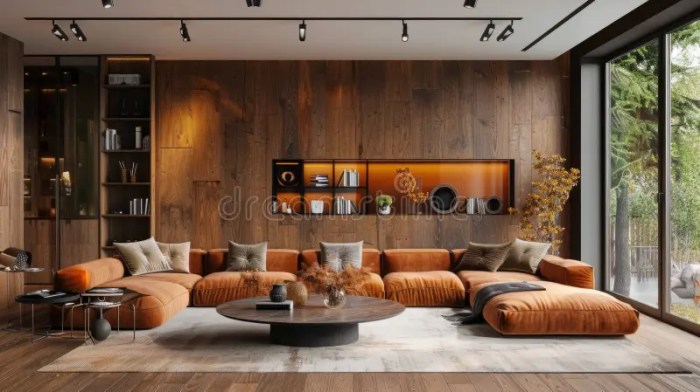
Cool rooms with wood paneling offer a unique blend of warmth and contemporary style. From the rich textures of various wood types to the impact of lighting, this guide delves into creating inviting spaces that are both visually appealing and functionally sound. We’ll explore different decorating styles, maintenance tips, and even smart home integrations to help you design the perfect cool room with wood paneling.
This comprehensive exploration will cover everything from choosing the perfect wood type and color palette to incorporating elements that evoke a cool and refreshing ambiance. We’ll also touch on the practical considerations of maintenance and ventilation, ensuring your wood paneling not only looks stunning but also lasts for years to come.
Aesthetic Appeal of Wood Paneling
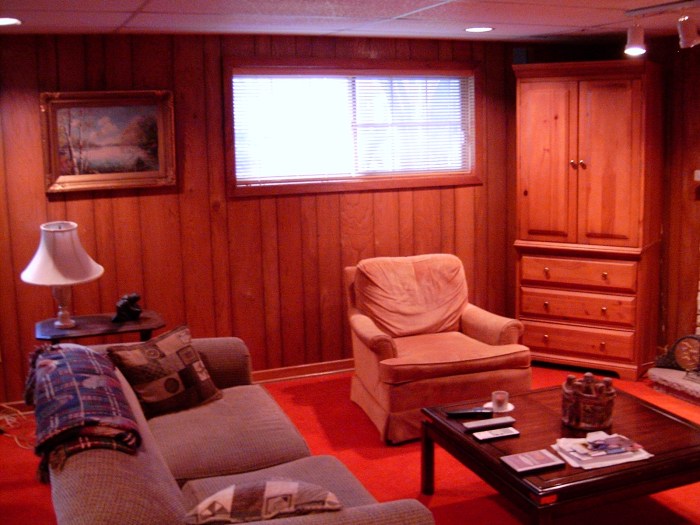
Wood paneling, a timeless design element, can transform a room into a cozy and sophisticated space. Its natural beauty, warmth, and versatility make it a popular choice for homeowners seeking to add character and value to their properties. The right wood type, lighting, color palette, and room size all contribute to the overall aesthetic impact. Understanding these factors can lead to a stunning and personalized space.Wood paneling, when done correctly, can significantly elevate the ambiance of a room.
Its tactile nature adds a level of richness and visual interest that other materials often lack. Careful consideration of the specific characteristics of wood types, lighting schemes, and complementary color palettes is key to maximizing the aesthetic appeal of wood paneling in a cool room.
Wood Types for Cool Rooms
Different wood types offer unique visual and tactile experiences. The grain, color, and texture of the wood significantly influence the overall aesthetic. For cool rooms, woods with a subtle, light tone or a distinctive grain pattern are often preferred. Species like light oak, ash, maple, and birch offer a range of aesthetic qualities. For instance, light oak provides a classic, warm feel, while ash possesses a unique, often darker grain pattern that can be very striking.
Maple exudes a smooth, light texture, while birch can have a cool, almost silvery appearance.
Lighting and Wood Paneling
Lighting plays a crucial role in enhancing the beauty of wood paneling. The interplay of light and shadow on the wood’s grain creates depth and dimension. Different lighting styles have varying effects:
- Ambient lighting, such as recessed lighting or chandeliers, provides a general illumination, highlighting the overall texture and grain of the wood paneling. This type of lighting creates a warm and inviting atmosphere.
- Task lighting, such as strategically placed lamps or pendant lights, focuses light on specific areas, drawing attention to particular features of the room, like artwork or a fireplace, while also highlighting the wood paneling.
- Accent lighting, such as spotlights or wall sconces, can be used to create dramatic highlights and shadows, emphasizing the unique grain and color of the wood paneling. These lights are often used to draw attention to specific details of the wood, such as intricate knots or variations in the grain.
Color Palettes for Cool Rooms with Wood Paneling
A well-chosen color palette can complement the warmth of wood paneling and create a truly cool and inviting atmosphere. Neutral palettes work exceptionally well with wood paneling, allowing the natural beauty of the wood to shine. Consider these combinations:
- Gray and white: This combination offers a contemporary and tranquil feel, particularly suitable for bedrooms or living rooms. The gray tones create a sense of calm, while the white provides brightness and spaciousness, complementing the light tones of the wood paneling.
- Pale blue and cream: This palette evokes a serene and refreshing ambiance. The pale blue accents can add a touch of coolness and serenity, contrasting with the warm tones of the wood paneling.
- Soft green and beige: This combination creates a sophisticated and calming space. The soft green hues introduce a touch of nature and freshness, while the beige adds warmth and complements the wood paneling’s natural tones.
Light vs. Dark Wood Paneling: Aesthetic Comparison
The choice between light and dark wood paneling often depends on the size and style of the room. A well-executed design can maximize the potential of either option.
| Wood Type | Color | Room Size | Aesthetic Impression |
|---|---|---|---|
| Light Oak | Natural | Small | Creates a sense of spaciousness and brightness, making the room feel larger. |
| Dark Walnut | Deep Brown | Large | Adds depth and sophistication to the space, creating a cozy and intimate atmosphere. |
| Light Ash | Light Grayish Brown | Medium | Creates a sense of balance and harmony, balancing the warmth of the wood with a cool undertone. |
| Dark Cherry | Deep Reddish Brown | Large | Creates a rich and dramatic atmosphere, making the space feel more intimate. |
Creating a Cool Ambiance
Wood paneling, when done right, can add a touch of warmth and character to any room. However, achieving a cool and refreshing aesthetic requires careful consideration of decorating styles, textures, and materials. The key is to balance the natural warmth of the wood with elements that evoke a sense of coolness and modernity.The cool aesthetic, in the context of a room with wood paneling, is about achieving a balance between the natural, warm tones of the wood and a sense of crispness and minimalism.
Cozy rooms with wood paneling are just fantastic, aren’t they? They instantly evoke a sense of warmth and elegance. Thinking about adding a touch of the tropics? The ZZ plant, also known as the Zanzibar gem plant, zz zanzibar gem plant profile , is surprisingly low-maintenance and adds a pop of green to the space, complementing the rustic charm of the wood paneling beautifully.
Ultimately, those cool rooms with wood paneling are a winner!
This is achieved through careful selection of complementary colours, textures, and overall design style. This guide will explore how to create a cool and refreshing atmosphere in a room with wood paneling.
Decorating Styles
Different decorating styles can work beautifully with wood paneling in a cool room. Scandinavian style, known for its clean lines and natural materials, pairs exceptionally well with wood paneling. The use of light, airy colours and natural elements like woven textiles creates a cool and inviting atmosphere. Minimalist design, with its emphasis on simplicity and functionality, can also be successfully integrated with wood paneling.
Modern design, with its focus on clean lines and contemporary elements, allows the wood paneling to act as a natural focal point, creating a stylish and sophisticated space.
Incorporating Cool Elements
To evoke a cool and refreshing feeling, incorporating cool-toned textiles is crucial. Consider using blues, greys, and whites in upholstery, throws, and curtains. These colours help to balance the warmth of the wood paneling and create a sense of spaciousness and tranquility. Natural elements, such as plants, can also enhance the cool ambiance. Indoor plants in varying sizes and heights, with their natural textures and vibrant colours, can add life and a refreshing touch to the room.
Layering Textures and Materials
Creating a layered and inviting atmosphere is essential for a visually appealing and comfortable room. Using contrasting textures is key. Pairing the smooth, natural wood paneling with the rough texture of a woven rug or the soft texture of a plush throw adds visual interest and a sense of depth. The variety of textures creates an inviting atmosphere that balances the cool tones and natural elements.
Material Contrasts
| Material | Color | Texture | Visual Effect |
|---|---|---|---|
| Concrete | Gray, Light Gray | Rough, smooth | Modern, industrial, cool |
| Metal (e.g., steel, copper) | Silver, Gunmetal, Bronze | Smooth, polished | Contemporary, sleek, sophisticated |
| Stone (e.g., marble, slate) | White, Gray, Dark Gray | Smooth, veined | Sophisticated, timeless, elegant |
| Glass | Clear, Frosted | Transparent, translucent | Modern, airy, bright |
These materials offer contrasting textures and colours, adding depth and a modern aesthetic to the room while maintaining the cool ambiance. The table showcases a variety of materials that can complement the wood paneling effectively.
Functionality and Practical Considerations
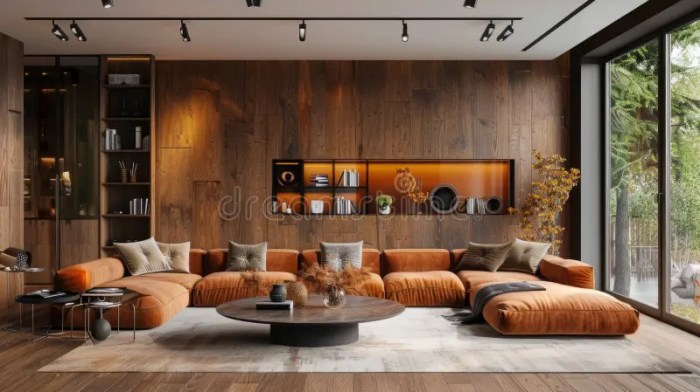
Wood paneling, while undeniably stylish, requires careful consideration of its practical implications. Beyond aesthetics, maintaining a cool and comfortable atmosphere involves understanding the unique demands of this material. This section delves into the maintenance, ventilation, technological integration, and overall functionality of wood paneling in a room’s design.
Wood paneling in a room instantly adds a cozy vibe, and it’s super popular right now. But beyond the cool aesthetics, designers also emphasize key entryway elements like lighting and storage solutions, as seen in entryway staples designers insist on. These thoughtful details carry that same cozy, welcoming feel into the rest of the space, which is essential when you’re creating a really cool room with wood paneling.
Maintenance Requirements
Proper maintenance is crucial for preserving the beauty and longevity of wood paneling. Regular cleaning and addressing potential issues promptly are key to maintaining its integrity. Wood paneling should be cleaned with a soft, damp cloth, avoiding harsh chemicals or abrasive materials. For stubborn stains, a mild soap solution can be effective. Regular dusting is also vital to prevent the accumulation of dust and dirt.
Inspection for signs of damage, such as warping or cracking, is important. Early detection and repair can prevent more significant issues.
Ventilation Strategies, Cool rooms with wood paneling
Adequate ventilation is essential in rooms with wood paneling to prevent moisture buildup, which can lead to warping, mold, and ultimately, an uncomfortable atmosphere. Proper ventilation methods include strategically placed vents, extractor fans, and even the use of plants that help regulate humidity. Natural ventilation, through windows or skylights, should be factored in for optimal airflow. Air circulation contributes significantly to maintaining a cool and healthy environment, especially in rooms with wood paneling, as the material can retain moisture.
Smart Home Integration
Smart home technology can enhance the functionality and create a more comfortable atmosphere in a room with wood paneling. Thermostats, controlled through an app, can maintain ideal temperatures while considering the thermal properties of wood. Humidity sensors and automated ventilation systems can ensure optimal moisture levels, further preventing issues with the paneling. Smart lighting systems can create ambient lighting effects that complement the wood grain, and enhance the overall coolness of the space.
Advantages and Disadvantages of Wood Paneling
Wood paneling offers numerous benefits, including its natural beauty, warmth, and soundproofing properties. However, it also presents certain challenges. Advantages include: creating a cozy and inviting atmosphere, insulation against noise, and adding significant visual appeal. Disadvantages involve: potential moisture damage, higher maintenance requirements compared to other materials, and cost. Careful consideration of these factors is crucial in the design process.
Cost-Effectiveness of Different Wood Types
The cost of wood paneling varies significantly depending on the type of wood. Different species exhibit varying levels of durability and maintenance requirements.
Cozy rooms with wood paneling are fantastic, but did you know the soil beneath your home, particularly clay soil, can significantly impact the feel of those rooms? Understanding and improving clay soil understanding and improving clay soil can lead to a more stable foundation, and ultimately, a more enjoyable space. Properly prepared soil means you can focus on creating the perfect atmosphere in your beautiful wood-paneled rooms, without worrying about settling or shifting issues.
| Wood Type | Cost | Durability | Maintenance |
|---|---|---|---|
| Oak | Medium-High | High | Moderate |
| Pine | Low-Medium | Moderate | Low |
| Mahogany | High | Very High | High |
| Cherry | Medium-High | High | Moderate |
The table above provides a general comparison. Specific costs will depend on the region, retailer, and the specific piece of wood. Ultimately, the best choice depends on the specific needs and budget of the homeowner.
Room Specific Applications
Wood paneling, with its inherent charm and versatility, can transform any cool room into a stylish and inviting space. Careful consideration of placement, wood type, and room size can significantly enhance the aesthetic appeal and functionality of the room. Understanding the potential challenges and advantages specific to each room type is key to successful integration.Effective application of wood paneling hinges on understanding its impact on the room’s atmosphere and perceived size.
Strategically placing panels can dramatically alter the ambiance, whether creating a cozy retreat or a spacious, modern haven. Furthermore, choosing the right wood type for the specific room can influence sound absorption and acoustic properties, making the space more pleasant and functional.
Bedrooms
Wood paneling in a bedroom can create a serene and calming atmosphere. Light-colored woods, such as birch or maple, can promote a sense of spaciousness, while darker woods, like walnut or cherry, can add a touch of elegance and intimacy. Paneling a wall behind the bed can serve as a focal point, creating a unique and personalized space.
Careful consideration of the wood’s texture is essential, as a smooth finish might feel more calming than a rough-hewn surface. Potential challenges include maintaining a balance between the warmth of wood and the need for a calming atmosphere, and ensuring the paneling doesn’t obstruct natural light.
Living Rooms
Living rooms are ideal for showcasing the natural beauty of wood paneling. A feature wall with wood paneling can draw the eye and serve as a focal point for the room. Darker woods can add depth and drama, while lighter woods can create a more airy and welcoming space. The placement of paneling can influence the perceived size of the room.
For smaller living rooms, light-colored wood and strategically placed panels can help create an illusion of spaciousness. Challenges might arise from choosing a wood type that complements the existing furniture and decor and ensuring the panels blend seamlessly with the room’s overall aesthetic.
Home Offices
Wood paneling in a home office can create a productive and inviting work environment. A combination of wood paneling and open shelving can create a warm, yet functional workspace. The type of wood used can influence the room’s acoustic properties. Hardwoods like oak or mahogany are known for their durability and resistance to wear and tear, making them ideal for high-traffic areas like home offices.
A potential challenge might be balancing the warmth of wood with the need for a professional and organized space.
Influence of Wood Type on Sound Absorption
The density and grain of the wood significantly affect sound absorption. Hardwoods, such as oak and maple, generally absorb sound better than softwoods, like pine. This is crucial in rooms where noise reduction is important, such as home offices or living rooms. For example, a home office with dense hardwood paneling might experience a considerable reduction in sound reverberation, leading to a quieter and more focused work environment.
Room-Specific Considerations
| Room Type | Wood Type | Pros | Cons |
|---|---|---|---|
| Bedrooms | Birch, Maple | Creates serene and calming atmosphere; light colors promote spaciousness | Potential for light reflecting glare if not placed correctly |
| Living Rooms | Walnut, Cherry | Adds depth and drama; can serve as focal point; complements various furniture styles | Darker woods may make a smaller room feel smaller if not strategically placed |
| Home Offices | Oak, Mahogany | Durable and resistant to wear; excellent for high-traffic areas; can improve acoustics | May require more maintenance compared to softwoods |
Visual Inspirations and Case Studies
Wood paneling, when thoughtfully integrated into a cool room design, can transform the space. Beyond the aesthetic appeal, the tactile and visual experience can create a unique ambiance. Understanding how other designers have achieved this can be invaluable for anyone considering wood paneling in their own project. This section dives into specific case studies, showcasing successful applications and design choices.Real-world examples of cool rooms featuring wood paneling offer invaluable insights into achieving the desired effect.
These case studies illustrate how different design choices can impact the overall atmosphere, functionality, and the practical considerations involved. Examining successful installations provides a practical guide for recreating a similar atmosphere.
Showcase of Beautifully Designed Cool Rooms
Wood paneling is not limited to a single style or color palette. Its versatility allows for a diverse range of design approaches. The following examples illustrate how wood paneling can be incorporated into various cool room styles, from minimalist to rustic.
- Modern Minimalist Retreat: A modern minimalist bedroom utilizes light-toned, vertical wood paneling to create a sense of spaciousness. The paneling extends from the wall to the ceiling, forming a clean and elegant backdrop for minimalist furnishings. A cool, muted color palette for the walls and furnishings enhances the tranquil atmosphere. Natural light floods the room, highlighting the wood’s natural beauty.
The focus is on clean lines, simple shapes, and the natural warmth of the wood.
- Rustic Cabin Charm: A rustic cabin features horizontal wood paneling, creating a warm and inviting ambiance. The rough-hewn wood adds texture and depth, mirroring the natural environment. The use of warm lighting and natural materials like leather and wool further enhances the cozy, rustic feel. The room is designed for relaxation and connection with nature. The wood’s natural variations in color and grain add character to the space.
- Industrial Chic Loft: In an industrial-chic loft, wood paneling is used strategically. A wall featuring exposed brick is paired with wood paneling on adjacent walls. This creates a striking contrast, highlighting the raw industrial aesthetic while maintaining warmth. Darker wood tones are often chosen to complement the industrial elements. The combination of wood and metal accents creates a sophisticated and unique atmosphere.
The exposed ceiling adds to the overall industrial feel.
Detailed Descriptions of Case Studies
These case studies explore specific examples of cool rooms incorporating wood paneling. The design choices in each case illustrate how the material can be utilized in different styles.
| Case Study | Design Choices | Impact |
|---|---|---|
| Modern Contemporary Living Room | Light oak wood paneling on one wall, contrasting with a neutral color scheme. Modern furniture with clean lines and minimalist design. Strategic use of lighting to highlight the wood’s grain. | Creates a visually appealing and spacious feel, balancing the warmth of the wood with the coolness of the overall design. |
| Rustic Retreat Bedroom | Darker stained wood paneling covering most of the walls, paired with natural fabrics and warm lighting. An exposed stone fireplace adds to the rustic charm. | Generates a cozy and inviting atmosphere, drawing inspiration from nature. |
| Coastal Modern Bathroom | Vertical wood paneling in a light gray-toned wood, contrasted with white tiles. Minimalist fixtures and a large window bring in natural light. | Combines the natural element of wood with the refreshing ambiance of the coastal style. |
Image Gallery
The following images demonstrate the diverse applications of wood paneling in cool rooms. Descriptions accompany each image to highlight the design choices and their effects.
- Image 1: A modern living room with vertical wood paneling on one accent wall. The light-toned wood contrasts beautifully with a neutral color palette, creating a spacious and airy feel. Minimalist furniture and strategically placed lighting accentuate the wood’s natural beauty. (Caption: Modern Minimalism with Wood Paneling)
- Image 2: A rustic cabin bedroom with horizontal wood paneling. The rough-hewn wood adds texture and depth, complementing the warm lighting and natural materials used throughout the space. (Caption: Rustic Cabin Charm)
- Image 3: An industrial loft with wood paneling on one wall that contrasts with exposed brick. The darker wood tones enhance the raw industrial aesthetic while maintaining warmth. (Caption: Industrial Chic Loft)
Outcome Summary: Cool Rooms With Wood Paneling
In conclusion, cool rooms with wood paneling offer a versatile design solution. By carefully considering aesthetic appeal, creating a cool ambiance, and understanding the functionality and practicalities, you can transform any room into a stylish and inviting space. This guide provided a comprehensive overview, offering valuable insights and practical advice to inspire your next home renovation project. Ultimately, choosing the right wood type and implementing the discussed techniques will result in a stunning and personalized cool room.