

Control whiteflies on houseplants is a crucial aspect of maintaining healthy indoor greenery. This comprehensive guide delves into the world of whiteflies, from identifying the various species and their damaging effects to effective non-chemical and chemical control methods, and preventive strategies. We’ll explore everything from physical removal to natural predators and safe chemical treatments, providing you with the knowledge to tackle this common houseplant pest.
This guide will equip you with the tools and knowledge needed to identify and combat whitefly infestations effectively. Learn about the different stages of whitefly development, the signs of infestation, and how to effectively address the issue, ensuring your houseplants remain thriving.
Identifying Whiteflies on Houseplants
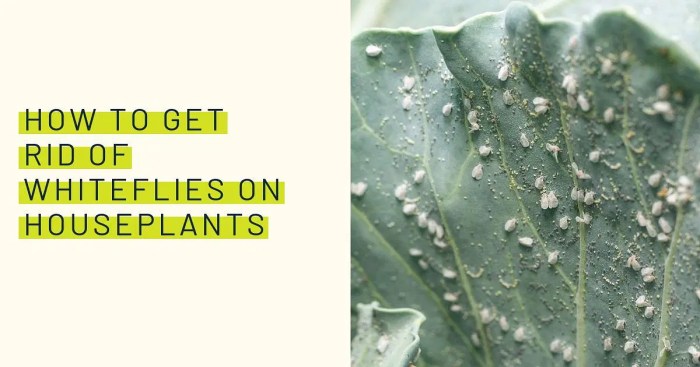
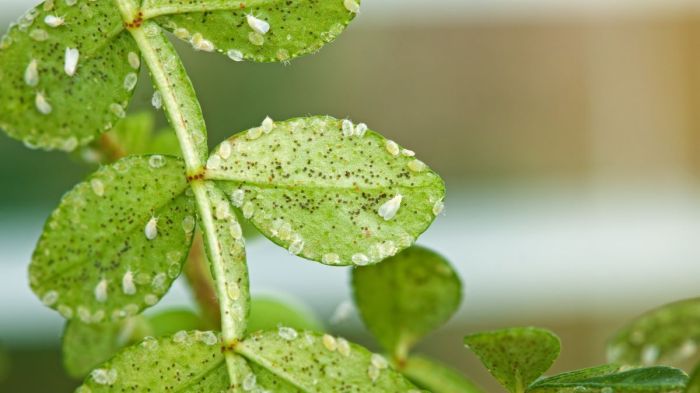
Whiteflies are tiny, sap-sucking insects that can wreak havoc on your beloved houseplants. Identifying these pests early is crucial for effective control. Early detection allows you to implement treatment strategies before the infestation becomes overwhelming. Understanding the different stages of whitefly development and their distinguishing characteristics will help you spot them quickly.Knowing the specific species of whitefly infesting your plants can also aid in selecting the most suitable control method.
Different species may respond differently to various treatments. This knowledge empowers you to make informed decisions for your plants’ health.
Common Whitefly Species on Houseplants
Various whitefly species commonly infest houseplants. Recognizing their distinct features is vital for targeted treatment. The most prevalent species include the greenhouse whitefly, the silverleaf whitefly, and the citrus whitefly. They differ in size, color, and location on the plant.
Whitefly Life Cycle Stages
Whiteflies undergo a complete metamorphosis, progressing through egg, nymph, and adult stages. Understanding these stages helps in identifying whiteflies at different points in their life cycle. Each stage has distinctive characteristics, facilitating identification and appropriate treatment.
- Eggs: Tiny, oval-shaped, and often laid in clusters on the undersides of leaves. They are almost translucent and difficult to see with the naked eye. Close inspection is often needed to spot them. Eggs are usually laid in clusters, often on the underside of leaves.
- Nymphs: These are the immature stages, appearing as small, white, or yellowish-gray insects. They are initially immobile and resemble tiny, white specks. As they mature, they become more active and develop distinctive characteristics. Nymphs are often found in dense groups on the undersides of leaves, and they can be hard to distinguish from other pests.
- Adults: Adult whiteflies are small, white, or light-yellow insects with delicate bodies. They have a characteristically winged structure, enabling them to fly. Their wings are often covered with a fine, powdery substance. Adult whiteflies are typically found on the undersides of leaves, and they are capable of dispersing to other plants.
Houseplants Commonly Targeted by Whiteflies
Certain houseplants are more susceptible to whitefly infestations than others. Understanding the susceptibility of your plant species can aid in preventive measures. Common targets include hibiscus, azaleas, and various types of succulents. Regular inspections are important to catch any signs of infestation early.
- Hibiscus: Known for their vibrant flowers and susceptibility to whitefly infestations. The delicate nature of hibiscus leaves often makes them a preferred feeding spot for whiteflies.
- Azaleas: These flowering plants can also be affected by whitefly infestations. The dense foliage can create ideal conditions for whitefly populations to thrive.
- Succulents: Despite their tough exterior, succulents can be vulnerable to whitefly infestations. The succulent leaves, particularly when clustered, provide a suitable environment for whitefly development.
Visual Characteristics of Whitefly Species
The following table provides a comparative overview of the visual characteristics of common whitefly species, facilitating accurate identification:
| Species | Size (mm) | Color | Shape | Location on Plant |
|---|---|---|---|---|
| Greenhouse Whitefly | 1.5-2.0 | Pale yellow to white | Oval-shaped body | Undersides of leaves, often in clusters |
| Silverleaf Whitefly | 1.0-1.5 | Pale yellow to white, often with a silvery sheen | Oval-shaped body | Undersides of leaves, often in dense colonies |
| Citrus Whitefly | 1.0-1.5 | Pale yellow to white | Oval-shaped body | Undersides of leaves, stems, and fruit |
Understanding Whitefly Damage
Whiteflies, tiny pests with a significant impact on houseplants, can cause noticeable damage if left unchecked. Recognizing the signs of infestation is crucial for prompt intervention and effective treatment. This section details the visible effects of whitefly infestations, their impact on plant health, and the long-term consequences of neglecting the problem.Understanding the visible damage caused by whiteflies allows for early detection and intervention.
By recognizing the symptoms, you can take proactive steps to safeguard your plants and prevent severe infestations.
Visible Signs of Whitefly Infestation
Whitefly infestations manifest in various ways, often starting subtly. Early detection is key to minimizing damage. Initial signs include the presence of small, white insects, typically clustered on the undersides of leaves. As the infestation grows, characteristic signs become more prominent.
Impact on Plant Health and Appearance
The impact of whiteflies extends beyond simply being an unsightly nuisance. Their feeding activities compromise the plant’s health and aesthetic appeal. Whiteflies suck plant sap, weakening the plant and hindering its growth.
Long-Term Effects of Untreated Infestations
Untreated whitefly infestations can lead to severe consequences for your houseplants. The continuous sap-sucking weakens the plant, making it susceptible to other diseases and pests. Leaves may progressively yellow, wither, and eventually fall off. Without intervention, the plant’s overall health deteriorates, potentially leading to its demise.
Damage Summary Table, Control whiteflies on houseplants
This table summarizes the damage caused by whiteflies across different plant parts.
Dealing with pesky whiteflies on your houseplants can be a real drag, but a little know-how goes a long way. One thing I’ve found really helpful is to consider your plant’s environment, which brings me to a separate but related topic: creating a cozy nook anywhere in your home. For example, checking out tips for creating a cozy nook anywhere in your home can give you ideas for making your plants feel right at home.
Ultimately, a happy plant is a healthy plant, which makes combating whiteflies much easier.
| Plant Part | Damage Description | Impact |
|---|---|---|
| Leaves | Yellowing, curling, distortion, stippling, premature dropping, and a sticky, sugary residue (honeydew) | Reduced photosynthesis, aesthetic decline, weakened plant |
| Stems | Possible discoloration or deformation, and honeydew buildup. | Compromised structural support, stunted growth, increased vulnerability to pathogens |
| Flowers | Reduced flower production, discoloration, and possible deformed buds | Decreased attractiveness, compromised reproduction |
| Roots | Indirect damage through overall plant stress. Whiteflies rarely directly affect roots. | Weakened root system, diminished nutrient absorption, increased susceptibility to other stressors |
Non-Chemical Control Methods
Battling whiteflies on houseplants doesn’t always necessitate harsh chemicals. Fortunately, numerous effective non-chemical strategies exist, ranging from simple physical removal to attracting beneficial insects. These methods are often gentler on your plants and the environment. Careful application of these techniques can significantly reduce whitefly populations without resorting to potentially harmful pesticides.
Physical Removal Methods
Physical removal techniques are often the first line of defense against a whitefly infestation. These methods focus on directly eliminating the pests from the plant, thus preventing further spread. These techniques are usually effective when infestations are relatively small.
- Manual Removal: Carefully inspect your plants for whiteflies and remove them by hand, using a soft brush or cotton swab dipped in rubbing alcohol. This method is most effective for small infestations and for targeted removal of particularly troublesome areas.
- Washing with Water: A gentle stream of water can dislodge many whiteflies, particularly the immature stages. A spray bottle filled with water is suitable for this task, ensuring the water stream is gentle enough not to harm the plant.
Sticky Traps
Sticky traps are passive tools that can effectively capture whiteflies. These traps are readily available and relatively easy to use. They work by attracting and ensnaring whiteflies as they fly.
- Placement and Maintenance: Position sticky traps near the infested plants to intercept whiteflies as they move about. Regularly check the traps and replace the sticky surface when it becomes saturated with insects.
Washing with Water and Mild Soap
Washing infested plants with a mixture of water and mild soap can dislodge many whiteflies and their eggs. This method is particularly useful for smaller plants or those with visible infestations.
Dealing with pesky whiteflies on your houseplants can be tricky, but luckily, there are some effective solutions. Thinking about winter care for your succulents is also important, especially if they’re struggling with the colder temperatures. For instance, adjusting watering schedules and moving them to a warmer spot are crucial steps for successful winter care, as outlined in this helpful guide on what to do with succulents in winter.
Once you’ve got those winter care tips down, you can tackle those whiteflies with confidence and keep your plants happy and healthy throughout the season!
- Procedure: Mix a mild dish soap (e.g., castile soap) with water according to the product instructions. Gently spray or wipe the infested leaves with the soapy water. Rinse thoroughly with plain water to remove the soap residue. This process can be repeated several times if needed.
Using a Strong Stream of Water
A strong stream of water can dislodge adult whiteflies and their eggs, particularly those that are less firmly attached to the leaves. Using a hose or spray nozzle with adjustable pressure, aim a strong but gentle stream at the leaves.
- Important Considerations: Avoid using too much force, as this could harm the plant. Focus on areas where whiteflies are concentrated. Repeating this process regularly can significantly reduce the population.
Comparing Non-Chemical Methods
The effectiveness and safety of different non-chemical methods vary depending on the scale of the infestation, the type of plant, and the individual’s comfort level with different techniques.
| Method | Effectiveness | Safety | Ease of Use |
|---|---|---|---|
| Manual Removal | High for small infestations | High | High |
| Washing with Water | Moderate to High | High | Moderate |
| Sticky Traps | Moderate to High | High | Low |
| Washing with Soap and Water | Moderate | High | Moderate |
| Strong Water Stream | Moderate to High | High | Moderate |
Natural Predators
Many beneficial insects prey on whiteflies, offering a natural and environmentally friendly control method. Attracting these predators can significantly reduce whitefly populations.
- Beneficial Insects: Ladybugs, lacewings, and parasitic wasps are common predators of whiteflies. Providing habitats for these insects can encourage their presence on your plants.
- Attracting Beneficial Insects: Plant flowers that attract these insects, like marigolds or dill. These plants provide nectar and pollen, encouraging the presence of beneficial insects.
Chemical Control Methods: Control Whiteflies On Houseplants
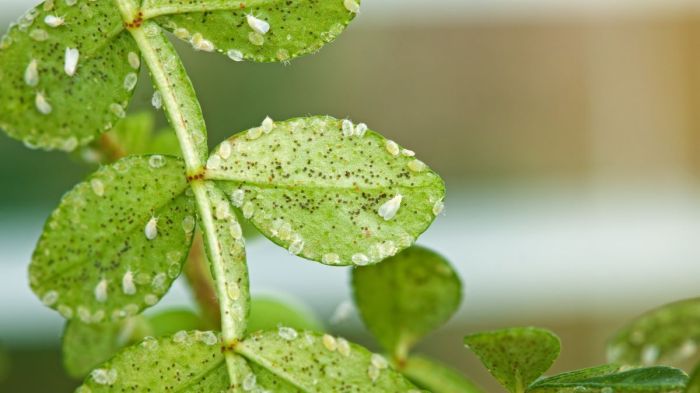
Dealing with whiteflies on houseplants can sometimes require a more direct approach than just natural remedies. Chemical controls, when used correctly and cautiously, can effectively eliminate infestations. However, it’s crucial to remember that these methods should be a last resort, as they can have potential impacts on the environment and your plants’ health. Always prioritize non-chemical methods first.Chemical control methods should be used only when other methods have failed.
Remember to follow label instructions precisely and take necessary safety precautions when handling these products.
Dealing with pesky whiteflies on my houseplants has been a real challenge lately. I’ve been experimenting with various methods, but honestly, sometimes I just need a break from the indoor jungle. That’s when I turn to crafting fun, spooky DIY outdoor Halloween decorations. Check out some cool ideas at diy outdoor halloween decorations. They’re super satisfying to make and distract me from the whiteflies long enough to get some serious pest control action going! Hopefully, these decorations will help scare off the whiteflies as well!
Insecticidal Soaps
Insecticidal soaps are a common and often effective first choice for chemical control of whiteflies. These soaps disrupt the whiteflies’ protective outer coverings, leading to dehydration and death. Different formulations exist, each with slightly varying effectiveness and application methods.
- Effectiveness: Generally, insecticidal soaps are effective against a range of soft-bodied insects, including whiteflies, aphids, and mealybugs. Their effectiveness can vary depending on the specific formulation and the severity of the infestation. For a stubborn infestation, a repeated application might be needed.
- Application Process: Thoroughly spray the infested plant parts, ensuring complete coverage. Pay close attention to the undersides of leaves, where whiteflies often congregate. Ensure the spray reaches all areas of the plant and that the solution is evenly distributed.
- Dilution Rates and Frequency: Follow the manufacturer’s instructions precisely for dilution rates. Typically, insecticidal soaps are diluted with water. Frequency also varies based on product and infestation. Regular applications may be needed to maintain control, especially during periods of high humidity.
Neem Oil
Neem oil, derived from the neem tree, is a natural insecticide with insecticidal properties. It disrupts the whitefly’s life cycle, preventing their feeding and reproduction. It also acts as a repellent, deterring them from returning to the treated plant.
- Effectiveness: Neem oil is a relatively safe and effective option for controlling whiteflies. It can be used as a preventive measure or to treat existing infestations. Repeated applications might be necessary to maintain control, especially in heavy infestations or high humidity.
- Safe Application: Dilute neem oil according to the manufacturer’s instructions. Avoid spraying during direct sunlight, as it can cause leaf burn. Ensure the plant is well-ventilated during application and avoid contact with eyes and skin. Always wear protective gear like gloves and eye protection.
- Precautions: Some plants might be sensitive to neem oil. Always test a small area of the plant first before treating the entire plant. Observe for any adverse reactions after application.
Horticultural Oils and Other Chemical Controls
Horticultural oils, similar to insecticidal soaps, smother whiteflies. Other chemical controls are available, but should be used cautiously.
- Effectiveness: Horticultural oils are effective against whiteflies but might be less effective than insecticidal soaps in certain conditions. Other chemical controls vary in their effectiveness and should be used with care.
- Considerations: Always refer to the specific product instructions and safety data sheets for precise application methods and precautions. Thorough research on the specific product is crucial to avoid potential risks to the plant or the environment.
- Alternative Controls: Consider consulting a professional or local gardening expert for guidance on alternative chemical controls. Always weigh the benefits against the potential drawbacks and risks before using any chemical control.
Chemical Control Comparison
| Control Method | Effectiveness | Safety | Environmental Impact |
|---|---|---|---|
| Insecticidal Soaps | Generally good | Relatively safe | Low |
| Neem Oil | Good, often a natural alternative | Generally safe | Lower |
| Horticultural Oils | Variable | Potential for leaf burn | Moderate |
| Other Chemical Controls | Variable | Potential risks | High (often) |
Prevention Strategies
Preventing whitefly infestations on houseplants is crucial for maintaining a healthy and thriving indoor garden. Proactive measures are often more effective and less stressful than dealing with an infestation once it takes hold. Early detection and consistent preventative care can significantly reduce the risk of these pesky pests.Regular monitoring and a healthy environment are key to deterring whiteflies.
By understanding their habits and the conditions they thrive in, you can create a less hospitable environment for them to establish a foothold. This proactive approach can save you significant time and effort in the long run.
Regular Plant Inspections
Regularly inspecting your plants is vital for early detection of whiteflies. Look for the telltale signs, such as small, white insects on the undersides of leaves, sticky residue, or discolored leaves. Early detection allows for immediate intervention, preventing a full-blown infestation. Visual checks should be part of your routine plant care, performed at least weekly. Even if you haven’t seen any signs of whiteflies, regularly checking for them is an important preventative step.
Maintaining a Healthy Plant Environment
Maintaining a healthy environment for your plants is a powerful preventative measure. This encompasses proper watering, appropriate light, and suitable humidity levels. Avoid overwatering, as this can lead to fungal issues that weaken the plants and make them more susceptible to pests. Ensure your plants receive adequate, but not excessive, light. Too much or too little light can stress the plant, making it more vulnerable to infestations.
Proper humidity is also important, but avoid creating an environment that’s too humid, as this can encourage fungal growth. Maintaining optimal conditions will help your plants resist pest infestations.
Naturally Resistant Plants
Certain plants are naturally more resistant to whitefly infestations than others. This inherent resistance can be a significant advantage in your preventative strategy. Varieties like orchids, African violets, and some succulents often have a higher tolerance to whiteflies. While these plants are not immune, their natural resilience can help limit the impact of an infestation.
Preventative Measures for Houseplant Care
| Preventive Measure | Description ||—|—|| Regular Inspections | Inspect plants weekly for signs of whiteflies. || Proper Watering | Water thoroughly but avoid overwatering, allowing soil to dry between waterings. || Adequate Light | Provide appropriate light levels for each plant species. || Good Ventilation | Ensure good airflow to prevent stagnant air that can attract pests. || Appropriate Humidity | Maintain a suitable humidity level for each plant.
|| Quarantine New Plants | Isolate new plants for a period of time before introducing them to your existing collection. || Pest-Free Environment | Regularly clean surfaces and remove debris that could harbor pests. |
Quarantine Procedures for New Plants
Quarantine new houseplants before introducing them to your existing collection. Isolate them for a period of 2-4 weeks, depending on the plant. Regular inspections during this period are crucial to detect any signs of pests or diseases before they spread. This preventive measure can protect your existing plants and prevent the introduction of whiteflies.
Ventilation and Humidity Control
Proper ventilation and humidity control are essential for preventing whitefly infestations. Good airflow prevents the stagnant air that attracts pests and helps keep humidity levels from becoming too high. A balanced environment reduces the likelihood of whiteflies establishing themselves. Consider using fans to improve ventilation, but avoid excessive drafts. Maintaining proper humidity, which varies by plant type, also minimizes conditions favorable to whiteflies.
Comprehensive Care Guide
Dealing with whiteflies on houseplants requires a multifaceted approach, combining prevention, identification, and targeted treatment. A comprehensive care plan is essential for effectively managing and eradicating these pests, minimizing their impact on your plants’ health and appearance. This plan should address not only the immediate infestation but also the underlying conditions that might have contributed to it.A comprehensive whitefly treatment plan involves proactive steps to prevent future infestations, combined with effective strategies to eliminate existing ones.
This includes thoroughly cleaning and treating infested plants, understanding the specific needs of your plant varieties, and creating a supportive environment that discourages whitefly proliferation.
Detailed Treatment Plan Steps
A thorough treatment plan combines several methods for the most effective results. Starting with identifying the infested plants is crucial. Isolate the affected plants from healthy ones to prevent the spread of the infestation.
Isolate affected plants from healthy ones to prevent the spread of the infestation.
Monitor the affected plants closely, noting any changes in the whitefly population.
Document the symptoms, including the severity of the infestation and the specific plant varieties affected.
Assess the environment for potential contributing factors, such as high humidity or lack of ventilation.
Thorough Cleaning and Treatment Procedure
Thorough cleaning and treatment are essential to effectively control whitefly infestations. The procedure involves a combination of physical removal and targeted treatments.
Step 1: Carefully inspect the plant for whitefly presence. Pay close attention to the undersides of leaves and stems, as well as the plant’s growing medium. Use a magnifying glass if necessary.
Step 2: Gently remove visible whiteflies using a soft brush or cotton swab dipped in rubbing alcohol. This will help remove the adults and their eggs.
Step 3: Wash the plant thoroughly with a gentle stream of water, ensuring to reach all surfaces, especially the undersides of leaves. This will dislodge many whiteflies and their eggs.
Step 4: For severe infestations, consider using a mixture of mild dish soap and water (a ratio of 1 teaspoon of dish soap per gallon of water). Apply this solution to the plant, ensuring all surfaces are covered. Let it sit for a few minutes before rinsing.
Step 5: Repeat steps 2-4 every few days or as needed until the infestation is significantly reduced or eliminated. A spray bottle can be a useful tool for this.
Step-by-Step Control Guide
A comprehensive approach combines various methods to control whiteflies effectively. This includes a combination of non-chemical and chemical control methods.
Step 1: Begin by isolating the infested plant(s). This will help prevent the infestation from spreading to other houseplants.
Step 2: Apply insecticidal soap or neem oil according to the product instructions. This is an effective method for eliminating whiteflies without harming beneficial insects. Always follow label instructions.
Step 3: Use sticky traps to capture adult whiteflies. These traps can be placed near the infested plants to help reduce the population.
Step 4: Ensure proper watering and humidity levels for the plants. Overwatering or extremely dry conditions can stress plants, making them more susceptible to pests.
Step 5: Monitor the plants regularly for any signs of recurrence. Continue with treatment as needed.
Checklist for Managing Whitefly Infestations
Regular monitoring and proactive measures are key to preventing whitefly infestations from becoming severe.
- Regularly inspect plants for signs of whiteflies.
- Isolate infested plants from healthy ones.
- Thoroughly clean and treat infested plants as described above.
- Maintain appropriate watering and humidity levels for the plants.
- Use a combination of non-chemical and chemical control methods as needed.
- Monitor the plants for recurrence and repeat treatments as necessary.
Last Point
Successfully controlling whiteflies on houseplants requires a multifaceted approach, combining meticulous observation, targeted interventions, and preventative measures. By understanding the life cycle, damage patterns, and various control methods, you can safeguard your indoor plants and enjoy their beauty for years to come. This comprehensive guide provides the tools you need to achieve this. Remember, consistent vigilance and a proactive approach are key to preventing future infestations and maintaining the health of your beloved houseplants.