



Concrete patio ideas on a budget are surprisingly achievable! This guide explores a spectrum of options, from choosing affordable materials to DIY installation strategies and creative design ideas. We’ll delve into planning, budgeting, and maintenance, offering practical steps to create your dream patio without breaking the bank.
Discover how to transform your outdoor space with budget-friendly concrete patios. We’ll walk you through everything from selecting cost-effective materials to designing layouts that maximize your space and your style.
Budget-Friendly Materials
Creating a beautiful patio doesn’t have to break the bank. With careful planning and the right materials, you can achieve a stunning outdoor space without exceeding your budget. This section delves into the world of affordable concrete patio materials, exploring their advantages and disadvantages to help you make informed choices.Choosing the right materials is crucial for a successful and budget-conscious concrete patio project.
Understanding the trade-offs between cost and quality is essential for staying within budget while ensuring a durable and aesthetically pleasing final product.
Affordable Concrete Patio Materials
Careful selection of materials is key to a cost-effective concrete patio. Different materials offer varying degrees of durability, aesthetics, and cost. Understanding these factors is critical for staying within budget.
- Gravel: Gravel is a very budget-friendly base material. It provides excellent drainage and stability, reducing the need for expensive compacted sub-base materials. However, it requires careful preparation to prevent settling and potential unevenness. It also offers limited aesthetic appeal on its own.
- Sand: Sand is another cost-effective base material, offering good drainage and a relatively smooth surface. It’s a good choice for simple patios where aesthetics are not a primary concern. However, sand can be more susceptible to erosion than gravel, and may require additional stabilizing measures.
- Ready-Mix Concrete: Pre-mixed concrete, often available in various colors and strength grades, offers a significant range in price. The cost depends heavily on the desired strength and the amount of concrete required. It offers a wider range of aesthetic options, from standard gray to pigmented concrete. However, transportation costs and the need for skilled labor can increase the overall project expenses.
- Recycled Concrete: Crushed or recycled concrete offers a significant cost savings compared to new concrete. It provides a strong and durable base, with the added benefit of being environmentally friendly. However, the appearance may vary and may require careful consideration to ensure aesthetic harmony with the overall design.
- Stamped Concrete: Stamped concrete offers a wide range of design options without the cost of specialized materials like paving stones. The initial cost is relatively low, but additional costs can arise from the cost of stamps, skilled labor, and the need for specialized preparation of the concrete.
Selecting Materials for Budget-Conscious Projects
Choosing materials wisely is crucial to staying within your budget. A well-informed decision considers the trade-offs between cost, durability, and aesthetics. The choice should be aligned with your project goals and budget.
- Consider the site conditions. Factors like soil type, drainage, and existing structures influence material selection. Poor drainage can lead to costly repairs and issues with the patio’s lifespan.
- Prioritize functionality. Determine the intended use of the patio. A high-traffic patio requires a more durable and robust concrete mix than a low-traffic area.
- Assess your aesthetic preferences. While cost is a major factor, consider the desired aesthetic impact of the patio. Aesthetics can be incorporated into the budget by carefully selecting materials that provide the desired look without excessive cost.
- Seek multiple quotes. Comparing prices from different suppliers and contractors is essential for getting the best possible deal. Don’t hesitate to ask questions about the quality of materials and their durability.
Patio Layouts Using Budget-Friendly Materials
Different layouts can be achieved using different budget-friendly materials. The choice of material influences the overall cost implications.
- Gravel Patio: A simple gravel patio with borders of paver stones or landscaping timbers provides a low-maintenance, cost-effective solution. The cost is dominated by the gravel and edging materials. The initial cost is low, but ongoing maintenance might be slightly higher than other options due to gravel settling and the need for periodic maintenance of the borders.
- Sand Patio with Decorative Stones: This option utilizes sand as a base and adds decorative stones or pebbles for a more visually appealing design. This approach is slightly more expensive than a gravel patio due to the added cost of decorative stones. The initial cost is moderate, and maintenance might be higher than gravel due to potential settling of the sand over time.
- Recycled Concrete Patio: This option leverages recycled concrete as the base material and complements it with a decorative border or a stamped design. The cost is significantly lower than a new concrete patio, making it an attractive option for budget-conscious homeowners. The initial cost is lower than a new concrete patio, but the need for specialized preparation and potential issues with aesthetic inconsistencies should be considered.
Cost Comparison of Concrete Materials
The table below illustrates the approximate cost per square foot for various concrete materials. These figures can vary based on location, availability, and the specific materials used.
Thinking about concrete patio ideas on a budget? It’s all about maximizing impact with minimal spending. Just like how designers instantly assess a room’s flow and aesthetic, you need to consider the overall look and feel when choosing your patio design. Things designers notice when they enter a room, like the interplay of light and shadow, the harmony of colors, and the balance of textures, can be key elements for your budget-friendly patio.
Ultimately, these considerations will make your concrete patio feel stylish and well-thought-out without breaking the bank. things designers notice when they enter a room. Remember, a little planning goes a long way!
| Material | Approximate Cost per sq ft |
|---|---|
| Gravel | $1-$3 |
| Sand | $2-$4 |
| Ready-Mix Concrete (Standard) | $5-$10 |
| Recycled Concrete | $3-$7 |
| Stamped Concrete | $6-$12 |
DIY Concrete Patio Installation
Transforming your outdoor space with a concrete patio doesn’t have to break the bank. DIY installation, when approached methodically, can be a rewarding project, saving you money while allowing you to customize your patio design. This guide will walk you through the process, from preparation to finishing, emphasizing budget-friendly strategies.DIY concrete patio installation requires careful planning and execution.
Looking for budget-friendly concrete patio ideas? Before you start pouring, consider if using wood ash in your landscaping might be a cost-effective option. We wanted to know if ashes were a good addition to the garden, so we asked the pros, and the answers were surprisingly insightful. are ashes good for a garden we asked the pros Knowing if ashes are right for your garden will help you decide if it’s a sustainable and budget-friendly way to improve your patio space, which can help your concrete patio ideas on a budget flourish.
A well-prepared area, correct material application, and diligent curing are crucial for a lasting and aesthetically pleasing result. By understanding the steps and necessary tools, you can successfully build your patio without professional assistance.
Preparation
Proper preparation is the cornerstone of a successful DIY concrete patio. It ensures a level, stable base for the concrete, maximizing longevity and preventing future issues. This involves accurately marking the patio area, removing existing vegetation and debris, and ensuring the ground is properly compacted and leveled. Improper preparation can lead to uneven settling, cracking, or even structural damage.
- Marking the Area: Use string lines and stakes to clearly define the patio boundaries. Precise marking ensures accurate placement of the concrete.
- Site Clearing: Remove all grass, weeds, rocks, and debris from the designated area. This eliminates obstacles and ensures a clean surface for concrete placement.
- Ground Leveling: Employ a level to identify and correct any unevenness in the ground. Use a combination of soil removal and fill to achieve a flat, stable surface. Compaction is vital for preventing future settling.
- Formwork: Establish sturdy forms to create the desired patio shape and dimensions. These forms can be made of wood, plywood, or metal, ensuring the concrete stays within the planned boundaries.
Pouring the Concrete
Careful concrete pouring is essential for a smooth and even patio surface. Mixing the concrete correctly and ensuring even distribution across the formwork will minimize potential issues like cracks and inconsistencies.
- Concrete Mix: Follow the manufacturer’s instructions precisely for the appropriate concrete mix. This includes using the correct amount of water and ensuring a consistent mix for even strength and texture.
- Pouring Technique: Pour the concrete slowly and evenly into the prepared formwork, working in sections to avoid air pockets. Use a vibrating tool to eliminate air bubbles and ensure a solid pour.
- Finishing: Immediately after pouring, use a trowel to level the concrete surface. This is crucial for achieving a smooth and visually appealing finish.
Finishing Techniques
Finishing the concrete patio ensures a professional aesthetic. A variety of techniques are available, depending on the desired look and the budget.
- Float Finishing: A float is used to smooth the surface, creating a uniform finish. This technique is suitable for most patios and provides a relatively smooth texture.
- Trowel Finishing: Troweling creates a highly polished surface, ideal for a sleek and contemporary look. However, this technique requires more experience and precision.
- Stamping: Using stamping tools, patterns can be imprinted into the wet concrete, mimicking natural stone or other textures. This technique adds visual interest and complexity.
Essential Tools and Equipment
A variety of tools are necessary for successful DIY concrete patio installation.
- Leveling Tools: Levels, string lines, and stakes are essential for ensuring a flat and even patio surface.
- Mixing Equipment: A concrete mixer or a wheelbarrow and shovel are needed for mixing the concrete correctly.
- Pouring and Finishing Tools: Trowels, floats, and vibrating tools are used for pouring and finishing the concrete.
- Formwork Materials: Wood, plywood, or metal forms are necessary to create the desired shape and dimensions of the patio.
Concrete Curing
Proper curing is crucial for the long-term strength and durability of the concrete patio. Concrete needs time to harden and gain full strength.
- Importance of Curing: Adequate curing allows the concrete to hydrate properly, developing its full strength and resistance to cracking and weathering.
- Curing Methods: Water curing, using a curing compound, or covering the patio with plastic sheeting are common methods for ensuring proper curing.
DIY Concrete Patio Installation Methods
Different methods can be employed for DIY concrete patio installation.
- Traditional Method: This involves pouring the concrete directly onto the prepared ground. It’s a straightforward approach, but proper leveling and compaction are crucial for success.
- Slab-on-grade Method: This method uses a reinforced concrete slab placed directly on the ground. It provides added strength and durability, suitable for larger patios or areas with potential ground movement.
Creative Design Ideas on a Budget
Turning your concrete patio into a beautiful outdoor space doesn’t have to break the bank. With a little creativity and careful planning, you can create a stunning patio that reflects your personal style while staying within your budget. Clever design choices can transform a simple concrete slab into a welcoming and inviting outdoor living area.Budget-conscious design often involves strategic material choices and creative layouts.
By understanding how to maximize space and incorporate elements that add visual interest without increasing costs, you can enjoy a beautiful patio without sacrificing your financial goals. Think about how you can use inexpensive materials and unique design elements to create a truly personalized and budget-friendly space.
Cost-Effective Design Ideas
Strategic material choices are crucial for a budget-friendly concrete patio. Using concrete stains and sealants in various colors and patterns can drastically alter the aesthetic of your patio without adding significant costs. Experimenting with different shades of gray, browns, or even subtle pastels can add visual appeal. Consider adding decorative borders, using stencils or stamps to create patterns on the concrete surface, or incorporating pebbles or gravel to add texture and visual interest.
Shapes and Patterns
A creative approach to shapes and patterns can significantly impact the visual appeal of your concrete patio without increasing material costs. Instead of a simple rectangular shape, consider a more dynamic design like a trapezoid, a circle, or even a free-form shape. These non-traditional shapes can add a unique touch and make the patio more visually interesting. For patterns, use simple geometric shapes like squares, hexagons, or triangles, created with stamps or stencils.
These patterns can be repeated or varied to create a visually engaging design.
Small Patio Designs
Maximizing space in a small concrete patio is key to making the most of your outdoor living area. Instead of sprawling designs, use a compact, functional layout. Incorporate built-in seating or benches to increase the seating area without adding additional square footage. Consider using a modular design, allowing for easy expansion or adaptation as your needs evolve.
Add a small, strategically placed fire pit or water feature to create a focal point and add visual appeal without consuming significant space.
Landscaping Enhancements, Concrete patio ideas on a budget
Landscaping elements can significantly enhance the visual appeal of a budget-friendly concrete patio without major costs. Use low-maintenance groundcovers like succulents, grasses, or creeping plants to create a natural border around the patio. Incorporate potted plants, strategically placed shrubs, or flowering vines to add color and texture. Use different heights and colors of plants to create depth and visual interest in the landscaping.
Adding gravel pathways or decorative stones can further enhance the visual appeal and add a touch of elegance to your patio.
Concrete Patio Maintenance and Repairs

Budget-friendly concrete patios, while a great way to save money, require proactive maintenance to prevent costly repairs down the road. Proper care can extend the lifespan of your patio and maintain its aesthetic appeal. This section dives into common issues, maintenance strategies, and DIY repair techniques for a budget-conscious approach.Understanding potential problems and addressing them early is key to preserving your concrete patio’s integrity and longevity.
Regular inspections and prompt action on minor issues can prevent them from escalating into major, more expensive problems.
Potential Issues and Problems
Budget-friendly concrete patios are susceptible to several issues. Uneven settling, caused by poor sub-base preparation, can lead to cracking and uneven surfaces. Freeze-thaw cycles, especially in climates with significant temperature fluctuations, can cause hairline cracks and spalling (the breaking off of small pieces of concrete). Exposure to harsh weather elements like strong winds, rain, and UV rays can degrade the concrete’s surface, leading to discoloration and reduced durability.
Improper sealing or lack of sealing can accelerate the deterioration process, leading to more significant problems in the long run. Finally, staining from oil, chemicals, or other substances can affect the aesthetic appeal and can be more difficult to remove than regular dirt.
Maintenance and Cleaning Procedures
Regular cleaning and maintenance are crucial for preventing problems. Sweep or use a soft broom to remove loose debris like leaves, dirt, and dust on a weekly basis. For more stubborn stains, use a mixture of mild detergent and water, applying it gently with a soft brush or sponge. Avoid harsh chemicals or abrasive cleaners that could damage the concrete’s surface.
A pressure washer can be used occasionally, but use a low setting to prevent damage and ensure water doesn’t penetrate the surface. Inspect the patio regularly for any signs of cracking, discoloration, or other damage.
Repairing Minor Cracks and Damages
Small cracks and damage can often be repaired with simple DIY techniques. For hairline cracks, use a concrete patching compound, following the manufacturer’s instructions. Ensure the crack is cleaned thoroughly before applying the patch. For larger cracks, consider using a concrete patching kit or a professional concrete repair solution, which can provide better structural support. In some cases, applying a concrete sealant after repair can enhance the durability of the patched area.
Remember to always wear appropriate safety gear like gloves and eye protection.
Sealing for Long-Term Protection
Sealing a concrete patio is a cost-effective way to protect it from the elements and extend its lifespan. Choose a concrete sealant specifically designed for outdoor use. Follow the manufacturer’s instructions carefully for application and curing times. Sealing not only helps to prevent water penetration, reducing the risk of cracking and spalling, but also enhances the patio’s aesthetic appeal by making it more resistant to stains.
Re-sealing every 1-3 years, depending on the environment and use, can significantly increase the patio’s durability. This preventative measure can save you from more costly repairs in the future.
Concrete Patio Inspiration & Examples
Transforming your outdoor space into a relaxing haven doesn’t have to break the bank. With a little creativity and smart choices, you can create a stunning concrete patio that complements your home’s aesthetic while staying within your budget. This section provides visual inspiration and practical examples to guide you through the process.Budget-friendly concrete patios offer a wide array of design possibilities.
From simple, minimalist designs to more elaborate patterns and features, the options are numerous. By understanding the available materials and design elements, you can achieve a beautiful and functional patio without overspending.
Visual Inspiration for Budget-Friendly Patios
A key to creating a beautiful budget-friendly patio is to leverage the inherent beauty of concrete. Various finishes and colors can be achieved without incurring significant extra costs. Consider incorporating simple landscaping elements like gravel pathways, low-growing plants, and strategically placed outdoor lighting to enhance the overall ambiance and create a cohesive space.
Detailed Descriptions of Budget-Friendly Patio Images
Imagine a patio with a simple, neutral gray concrete slab, featuring a subtle textured finish. Surrounding the patio are low-maintenance, drought-tolerant shrubs and a few strategically placed potted plants. The patio’s minimal design, combined with the surrounding landscaping, creates a tranquil and inviting atmosphere. The cost-effectiveness lies in the straightforward design, use of affordable plants, and the inherent low-maintenance qualities of the patio itself.Another example showcases a patio with a stamped concrete design mimicking flagstone.
This design adds visual interest without the high cost of real stone. The patio is bordered by a simple gravel border, adding to the natural aesthetic. A pergola with affordable latticework provides shade and defines the patio space. The budget-friendly aspect is evident in the use of stamped concrete instead of natural stone, economical gravel, and the DIY pergola.
Budget-Friendly Patio Design Examples
This table showcases five concrete patio examples, highlighting various budget-friendly designs, materials, and features.
| Patio Example | Design | Materials | Estimated Budget | Features |
|---|---|---|---|---|
| 1 | Simple Slab | Plain concrete, gravel border, low-maintenance plants | $1,500-$3,000 | Minimalist aesthetic, low-maintenance landscaping |
| 2 | Stamped Concrete | Stamped concrete, simple border, pergola | $2,000-$4,000 | Visual interest, defined space, affordable shade |
| 3 | Concrete Pavers | Rectangular concrete pavers, edging, simple planter | $2,500-$5,000 | Durable, versatile design, easy to install |
| 4 | Concrete Tiles | Small concrete tiles, decorative border, outdoor lighting | $3,000-$6,000 | Elegant, textured surface, functional lighting |
| 5 | Combined Concrete and Wood | Concrete slab, reclaimed wood border, fire pit | $4,000-$8,000 | Rustic charm, focal point, outdoor gathering space |
Gallery of Concrete Patio Designs
A gallery of different concrete patio designs emphasizing low-cost aesthetics and functionality is presented below.These designs range from simple slab patios to more elaborate stamped concrete designs. Each example demonstrates how creative design choices can transform a concrete patio into a beautiful and functional outdoor space without exceeding your budget. Consider the use of simple edging, strategic planting, and DIY features to reduce costs and enhance the overall aesthetic.
A key element to low-cost concrete patio designs is selecting materials with inherent low-maintenance qualities.
Concrete Patio Layout & Sizing
Designing a concrete patio involves more than just pouring concrete. Careful planning of the layout and sizing is crucial for a functional and aesthetically pleasing space that complements your home and yard. This section delves into various layout options, material calculations, and the importance of considering your surroundings.Patio layouts are highly customizable, allowing you to create a space tailored to your needs and budget.
From simple rectangles to intricate shapes, the possibilities are endless. Understanding how to calculate material requirements and size your patio appropriately will save you money and ensure a successful project.
Different Patio Layouts
Different patio layouts cater to various needs and aesthetics. A simple rectangular patio is a classic choice, ideal for its straightforward design and ease of construction. A more elaborate design, such as a curved or L-shaped patio, can enhance the visual appeal and maximize space utilization. Consider incorporating features like built-in seating, fire pits, or water features to personalize your patio design.
Calculating Materials and Area
Accurately calculating the necessary materials and area is essential for a cost-effective and efficient project. Begin by measuring the desired patio dimensions. Use a tape measure to obtain precise measurements for length and width. Determine the thickness of the concrete slab. The concrete mix’s required volume is calculated by multiplying the area (length x width) by the slab’s thickness.
Area (sq ft) = Length (ft) x Width (ft)
Volume (cubic yards) = Area (sq ft) x Thickness (inches) / 27Thinking about budget-friendly concrete patio ideas? Before you get too far down the rabbit hole of expensive materials, consider the potential cost savings from using alternative methods like blown-in insulation. Knowing the blown in insulation cost can help you factor in the total project budget more accurately. Ultimately, a little research into different materials and techniques can help you design the perfect concrete patio without breaking the bank.
Remember to account for any design elements, like steps or retaining walls, that will affect the overall material quantities. Local building codes may have regulations on concrete thickness, so always check these before starting the project.
Planning the Layout
Planning a concrete patio layout that harmonizes with the surrounding landscape is vital. Assess the existing terrain, noting any slopes or uneven surfaces. Consider how the patio will connect with the house, walkways, and other outdoor features. Planting trees or shrubs should also be considered and how they can enhance the overall landscaping.
Patio Size, Layout, and Cost Estimations
The following table provides a comparative overview of different patio sizes, layouts, and estimated costs. Note that these are estimations and actual costs may vary based on material prices, labor rates, and specific project requirements.
| Patio Size (sq ft) | Layout | Estimated Cost (USD) | Material Notes |
|---|---|---|---|
| 100 | Simple Rectangle | $1,500 – $2,500 | Standard concrete, basic installation. |
| 150 | L-shaped | $2,200 – $3,500 | More complex layout, potentially more labor. |
| 200 | Curved with seating | $3,000 – $5,000 | Includes custom forms, potential for decorative concrete. |
Remember to factor in any additional expenses, such as permits, landscaping, or decorative elements. Consider local material costs when evaluating the budget.
Budgeting & Planning
Planning a concrete patio is more than just picking a design. A crucial step involves creating a realistic budget and a detailed plan. This ensures the project stays within your financial limits and prevents unexpected cost overruns. Understanding the potential expenses and proactively planning for them can transform a daunting project into a manageable and rewarding experience.Careful budgeting is key to a successful concrete patio project.
It allows you to prioritize needs and desires, make informed decisions, and ultimately achieve a patio that perfectly fits your style and budget. This section will guide you through the process of creating a comprehensive budget plan, estimating costs, and showcasing budget-friendly project examples.
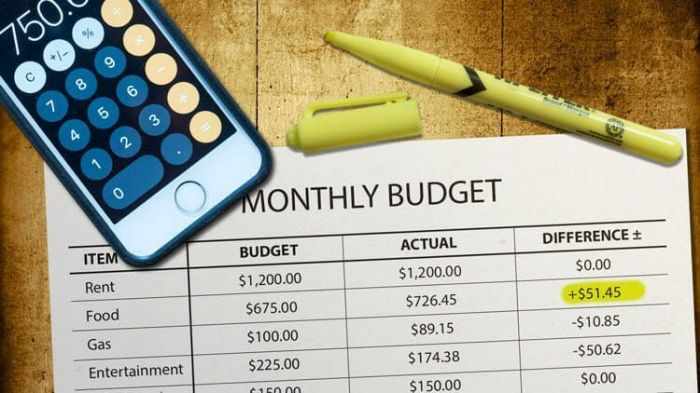
Creating a Concrete Patio Budget Plan
A concrete patio budget plan is a roadmap to success. It details every anticipated expense, from materials to labor, enabling you to stay within your financial parameters. Start by gathering information about the project size, materials, and potential labor costs.
Estimating Material and Labor Costs
Estimating costs is a critical step. Accurate material estimates are essential for avoiding shortages or overspending. Begin by determining the square footage of your patio. Then, research the cost of concrete, aggregate, and other materials needed. Factor in the cost of labor if you’re hiring a contractor.
Remember to add a contingency fund for unforeseen expenses.
Budget-Friendly Concrete Patio Projects
Budget-friendly concrete patios are achievable with careful planning and creative material choices. Consider using less expensive aggregate types, like gravel or recycled materials, to reduce the cost of concrete. Choosing a simpler design, like a rectangular patio, can also lower the overall cost.
Example Budget Breakdown for a Small Patio
- Concrete: $1,500 (for 100 sq ft at $15/sq ft)
- Labor (if hired): $1,000 (for a small patio, assuming 1-2 workers)
- Reinforcement Steel: $150
- Forms (if DIY): $200 (wood forms)
- Gravel/Aggregate: $250
- Total: $3,100
This example illustrates a small patio project. Costs can vary based on location, material prices, and labor rates.
Budget Allocation Table
| Category | Estimated Cost | Notes |
|---|---|---|
| Concrete Materials | $1,500 | Includes concrete mix, sand, and gravel. |
| Labor (if hired) | $1,000 | Consider hourly rates and project complexity. |
| Reinforcement Steel | $150 | Essential for patio strength. |
| Forms (if DIY) | $200 | Wood or metal forms for concrete shaping. |
| Gravel/Aggregate | $250 | Cost varies based on type and quantity. |
| Permits/Inspections | $50 | Local regulations may require permits. |
| Contingency Fund | $100 | Unforeseen expenses or material adjustments. |
| Total Estimated Cost | $3,100 |
This table provides a structured approach to allocating your budget. Remember to adjust figures based on your specific project requirements.
Closing Summary: Concrete Patio Ideas On A Budget
Crafting a beautiful and budget-friendly concrete patio is within reach! By carefully considering materials, installation methods, and design elements, you can create a stunning outdoor space without overspending. This comprehensive guide provides the tools and inspiration to bring your patio vision to life.