



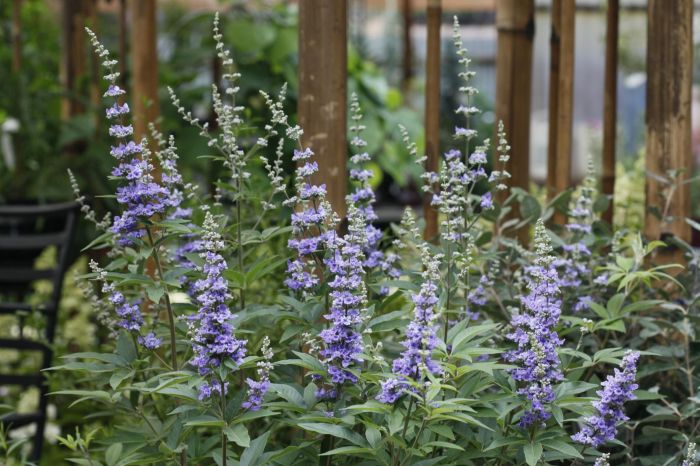
Chaste tree growing profile: embarking on a journey to understand the intricacies of cultivating this fascinating tree. From its botanical origins and geographic distribution to its life cycle and diverse varieties, we’ll explore everything you need to know to successfully grow your own chaste tree.
This guide will delve into the environmental factors influencing growth, from optimal sunlight and soil types to the impact of temperature and wind. We’ll also cover essential aspects like propagation methods, planting techniques, and ongoing maintenance, ensuring you have a complete picture of the tree’s needs throughout its life cycle.
Introduction to Chaste Tree Growth
The Vitex agnus-castus, commonly known as the chaste tree, is a flowering plant belonging to the Lamiaceae family. This versatile species boasts numerous common names, including monk’s pepper, Abraham’s balm, and, most notably, the chaste tree due to its historical use in herbal remedies. Its distinctive appearance and potential medicinal properties have garnered interest among horticulturalists and herbalists alike.The chaste tree thrives in various climates and geographical locations.
Understanding its typical distribution and natural habitat is crucial for successful cultivation. The tree’s resilience and adaptation capabilities make it suitable for diverse growing conditions, making it a compelling choice for gardeners.
Botanical Classification and Common Names
The chaste tree, scientifically known as
- Vitex agnus-castus*, is a member of the mint family (Lamiaceae). Its common names reflect its historical uses and appearance, highlighting the diverse cultural connections to this plant. The Latin name
- agnus-castus* translates to “chaste goat,” potentially referencing ancient beliefs or practices.
Geographic Distribution and Natural Habitat
Native to the Mediterranean region, the chaste tree thrives in various climates and landscapes. Its natural habitat encompasses the Balkan Peninsula, southern Europe, and the Middle East, where it often populates rocky hillsides, dry meadows, and open woodlands. This adaptability to diverse environments makes it a valuable plant for gardeners in various climates.
Life Cycle
The life cycle of the chaste tree, from seedling to mature specimen, encompasses several distinct stages. A young seedling will initially exhibit rapid growth, followed by a period of active development. As the tree matures, it will gradually increase in size and produce more flowers and fruits. The entire process is contingent on environmental factors, including temperature, sunlight, and soil conditions.
Varieties of Chaste Trees
Different varieties of chaste trees exhibit variations in growth characteristics, leaf morphology, and flowering patterns. Understanding these distinctions can be instrumental in selecting the ideal variety for a particular garden or climate.
| Variety | Growth Rate | Leaf Characteristics | Flowering Pattern |
|---|---|---|---|
| Vitex agnus-castus ‘Alba’ | Moderate | Oval, serrated leaves, light green | White flowers in clusters, early summer |
| Vitex agnus-castus ‘Purpurea’ | Fast | Elliptical, deep green leaves with reddish hues | Dark purple flowers in clusters, late summer |
| Vitex agnus-castus ‘Compacta’ | Slow | Small, rounded leaves, deep green | Dense clusters of purple flowers, throughout the summer |
Environmental Factors Influencing Growth
The chaste tree, with its unique beauty and potential uses, thrives under specific environmental conditions. Understanding these factors is crucial for successful cultivation and ensuring healthy growth. Proper sunlight, soil type, and temperature are vital for the tree’s development. Furthermore, wind exposure and moisture levels significantly impact the tree’s overall health and structure.Environmental conditions directly impact the growth, development, and overall health of a chaste tree.
Optimizing these conditions will lead to a more robust and productive tree, which is crucial for both aesthetic appeal and potential practical uses.
Optimal Sunlight Requirements
Chaste trees flourish in full sun, ideally receiving at least six to eight hours of direct sunlight per day. Sufficient sunlight provides the energy needed for photosynthesis, which fuels the tree’s growth and development. Partial shade can be tolerated, but the tree may exhibit slower growth rates and reduced fruit production in such conditions. For example, in regions with intensely hot summers, afternoon shade can be beneficial to prevent excessive heat stress.
Preferred Soil Types and Moisture Levels
Chaste trees generally prefer well-drained, loamy soils. Loamy soil offers a good balance of water retention and drainage, preventing waterlogging that can harm the tree’s roots. Heavy clay soils, conversely, can lead to waterlogged conditions, potentially causing root rot. The ideal moisture level is consistently moist but not waterlogged. Frequent but shallow watering is more effective than infrequent, deep watering, as it promotes healthy root development.
Impact of Temperature Fluctuations
Temperature fluctuations can significantly impact a chaste tree’s growth and development. Chaste trees thrive in moderate temperatures, typically between 15°C and 30°C. Extreme temperatures, whether very high or very low, can negatively affect the tree’s growth rate, leading to leaf damage, stunted growth, and reduced flowering or fruiting. For example, prolonged periods of freezing temperatures can damage the tree’s bark and branches, while excessive heat can cause leaf scorch and wilting.
Role of Wind Exposure
Moderate wind exposure is generally beneficial for a chaste tree’s overall health and structure. Gentle breezes help to circulate air around the tree, promoting healthy foliage and reducing the risk of fungal diseases. However, excessive wind exposure can lead to the breakage of branches and damage to the tree’s overall structure. In areas with strong and persistent winds, appropriate pruning or supportive structures can be essential for maintaining the tree’s health and preventing damage.
Effects of Environmental Stressors
| Environmental Stressor | Impact on Growth Profile |
|---|---|
| Excessive Heat | Reduced growth rate, leaf scorch, wilting, possible leaf drop. |
| Prolonged Drought | Reduced growth rate, leaf drop, reduced fruit production. |
| Heavy Rainfall/Flooding | Root damage, potential root rot, reduced growth. |
| Strong Winds | Branch breakage, damage to overall structure, potential uprooting. |
| Frost/Freezing Temperatures | Damage to bark and branches, potential for leaf damage or death, slowed or stunted growth. |
Growing Profile Characteristics
The chaste tree, with its delicate beauty and versatility, presents a fascinating growth profile. Understanding its typical size, shape, and rate of growth is crucial for successful cultivation and appreciation of this unique plant. Factors such as climate and soil type significantly influence its development. Knowing these characteristics allows gardeners to choose appropriate locations and manage the tree effectively.
Mature Size and Shape
The mature size of a chaste tree varies depending on the specific variety and growing conditions. Generally, chaste trees reach a height between 15 and 30 feet, with a spread of 10 to 20 feet. This dimension allows them to provide a significant amount of shade or act as a focal point in a landscape. The shape of the canopy is typically rounded or slightly oval, creating a dense and attractive foliage display.
This balanced form often makes them a desirable addition to gardens and yards.
Chaste trees are surprisingly adaptable, thriving in various conditions. However, if you’re noticing your chaste tree isn’t quite as perky as usual, you might want to check for common issues. For example, if your snake plant is drooping, it could be a sign of underwatering or overwatering, as discussed in this helpful guide on why is my snake plant drooping.
Ultimately, a well-maintained environment is key for a healthy chaste tree, regardless of the specific growing conditions.
Growth Rate
The growth rate of chaste trees can be influenced by a number of factors, including the specific variety, the local climate, and the quality of the soil. In optimal conditions, a chaste tree can exhibit relatively rapid growth during its younger years, which can then transition to a more moderate pace as it matures. Warm climates and well-drained soils generally support a faster growth rate compared to colder or poorly drained environments.
For example, a chaste tree planted in a sunny, fertile location in a mild climate might reach maturity sooner than one in a shaded, rocky area in a more challenging climate.
Aesthetic Appeal
Chaste trees are known for their attractive foliage and bark characteristics. The foliage, typically composed of ovate or lanceolate leaves, can vary in color from a deep, rich green to a lighter shade depending on the variety and environmental conditions. The leaves often have a smooth texture, adding to their aesthetic appeal. The bark, while often smooth on younger trees, may develop interesting patterns and textures as the tree ages.
Learning about the chaste tree’s growing profile is fascinating. It’s a surprisingly resilient plant, needing well-drained soil and lots of sun. Interestingly, some gardeners use pool noodles for various support systems, which can be really helpful when dealing with the potential challenges of the chaste tree’s growing profile. For example, ways to use pool noodles for staking plants could help keep the tree’s branches from getting damaged in windy conditions.
Ultimately, understanding its needs, like any plant, will lead to a thriving chaste tree.
Some varieties develop a distinctive, light gray or brownish bark that adds to the tree’s overall appeal.
Varieties and Growth Differences
Different varieties of chaste trees can exhibit variations in their growth profiles. Some varieties might be more compact, reaching a smaller height and spread, while others may be more vigorous, potentially reaching larger sizes. For example, the ‘Variegated’ variety might have a slower growth rate but retain a more compact and decorative shape compared to a standard variety.
Detailed research on specific varieties is crucial for selecting the best option based on the desired size and appearance in a particular landscape.
Learning about a chaste tree’s growing profile is fascinating, but sometimes those tricky little problems pop up. Knowing how to tackle those DIY home fixes yourself can be a real game-changer, especially when dealing with a tree’s needs. Home fixes you can do yourself can help you troubleshoot issues like pruning or adjusting soil composition, making sure your chaste tree thrives.
Ultimately, understanding the specifics of your chaste tree’s growing profile will ensure it gets the perfect care.
Propagation and Planting Methods
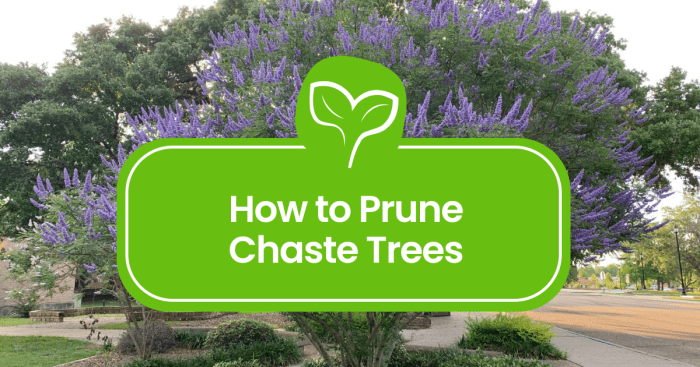
Propagating and planting chaste trees successfully hinges on understanding the specific needs of the species. Proper techniques ensure healthy growth and a thriving new tree. The right approach for propagation and planting will depend on the chosen method and the local environmental conditions.
Propagation Methods
Various methods are available for propagating chaste trees, each with its own set of advantages and considerations. Seed propagation, while readily available, can be a longer process compared to vegetative methods like cuttings.
- Seed Propagation: Chaste tree seeds, though readily obtained, often require a period of stratification to mimic natural conditions and encourage germination. This involves exposing the seeds to a period of cold, moist conditions. The stratification process can vary depending on the seed source and climate. Successful seed propagation can take several weeks or even months, depending on the species and environmental factors.
Careful seed storage is essential for optimal germination rates. Collect seeds from mature, healthy trees for the best results.
- Cuttings: Vegetative propagation through cuttings offers a faster and more reliable way to establish new chaste trees. This method involves taking a stem cutting from a mature plant and encouraging it to root. Softwood cuttings, taken from new growth, are often used for faster propagation. The success of this method is significantly influenced by the timing of the cutting and the plant’s health.
Proper handling and rooting hormone application are crucial for the survival and healthy development of the cutting.
Planting Procedures
Proper planting procedures are critical for the establishment of a thriving chaste tree. Careful site preparation and planting depth are vital to ensure the tree’s long-term health and vigor.
- Site Preparation: Choosing a suitable location is paramount. Chaste trees prefer well-drained soil and ample sunlight. Assess the soil quality and amend it as needed to improve drainage and fertility. This might involve adding organic matter like compost or well-rotted manure. Consider the mature size of the tree to ensure sufficient space for its root system to develop.
- Planting Depth: Planting the tree at the correct depth is crucial. The graft union (if applicable) should be slightly above the soil line to prevent root rot. The root ball should be fully covered by soil, but not buried too deeply. Over-deep planting can lead to issues with waterlogging and root rot.
- Spacing: Maintaining appropriate spacing between trees is essential for healthy growth. Sufficient space allows each tree to develop its root system and canopy without competition for resources. Overcrowding can hinder growth and lead to disease susceptibility. Consult local gardening guides or nurseries for species-specific recommendations.
Transplanting a Chaste Tree
Transplanting a chaste tree requires careful planning and execution. A detailed approach ensures minimal stress on the tree.
- Preparation: Carefully dig a hole larger than the root ball of the tree, ensuring the hole is deep enough to accommodate the roots without bending them. Ensure that the soil in the hole is well-amended for drainage and fertility.
- Excavation: Gently remove the tree from its container or previous location, taking care not to damage the roots. Avoid excessively tugging at the roots.
- Placement: Carefully position the tree in the prepared hole, ensuring the root ball is at the correct depth. Backfill the hole with soil, ensuring no air pockets are present.
- Watering: Water thoroughly after planting to settle the soil and promote root establishment. Maintain consistent moisture for the first few weeks.
Essential Tools and Materials
The following table Artikels the essential tools and materials needed for different propagation methods:
| Propagation Method | Essential Tools | Essential Materials |
|---|---|---|
| Seed Propagation | Seed tray, seed labels, watering can, trowel | Potting mix, seeds, humidity dome (optional) |
| Cuttings | Sharp pruning shears, rooting hormone, rooting medium, pot | Stem cuttings, water or rooting medium |
Maintenance and Care: Chaste Tree Growing Profile
Keeping your chaste tree healthy and thriving requires consistent care. Proper watering, fertilization, and pruning are crucial for its well-being, while vigilance against pests and diseases is essential for long-term health. Understanding and implementing these maintenance practices will ensure your chaste tree reaches its full potential and beauty.
Watering Practices
Adequate hydration is vital for a chaste tree’s growth and overall health. Overwatering or underwatering can both lead to problems. The frequency and amount of watering depend on factors like the tree’s size, the type of soil, and the local climate. Generally, deep watering is more effective than frequent, shallow watering. Allow the soil to dry slightly between waterings to prevent waterlogging, which can damage the roots.
During hot, dry periods, increase watering frequency. In colder climates, reduce watering as the soil freezes. Monitor the soil moisture regularly to ensure you’re providing the optimal amount of water.
Fertilizing Practices
Proper fertilization provides the nutrients necessary for vigorous growth and flowering. Use a balanced, slow-release fertilizer specifically formulated for flowering plants, following the manufacturer’s instructions. Avoid over-fertilizing, as this can harm the tree’s health. Apply fertilizer during the growing season, typically spring and summer, and avoid applying it during periods of drought or extreme heat. Adjust the application rate based on the tree’s size and the specific nutrient needs.
Pruning and Shaping
Pruning is essential for maintaining the tree’s shape and health. Regular pruning helps to remove dead, diseased, or damaged branches, encouraging new growth. It also helps to control the tree’s size and shape, preventing it from becoming overgrown or unruly. Prune during the dormant season (winter) to minimize stress on the tree. Proper pruning techniques involve making clean cuts at the branch collar to prevent disease entry points.
Consult resources on pruning techniques to learn the appropriate methods for your specific tree.
Pest and Disease Control
Chaste trees, like other plants, are susceptible to pests and diseases. Regular inspections for signs of pests and diseases are essential. If pests or diseases are detected, address them promptly. Use appropriate pest control methods, such as insecticidal soaps or horticultural oils, following label instructions. Avoid harsh chemicals that could damage the tree or the surrounding environment.
Encourage beneficial insects, such as ladybugs, that can help control pests naturally. Proper sanitation, such as removing fallen leaves and debris, helps reduce the risk of disease.
Managing Root Issues
Proper soil management and watering practices play a critical role in preventing root issues. Ensure adequate drainage to avoid waterlogging, which can lead to root rot. Avoid planting the tree too deeply, which can also affect root health. Proper soil preparation before planting is crucial for healthy root development. Regular monitoring for signs of root damage or disease is essential.
Consult with local arborists for further information and assistance.
Seasonal Maintenance Checklist
- Spring: Fertilize the tree, prune dead or damaged branches, inspect for pests and diseases, and monitor soil moisture.
- Summer: Increase watering frequency during hot, dry periods, continue pest and disease monitoring, and ensure proper soil drainage.
- Fall: Reduce watering frequency as the weather cools, inspect for pests and diseases, and prepare for winter conditions.
- Winter: Protect the tree from extreme cold and wind, monitor for signs of damage, and ensure proper drainage.
Visual Representations of Growth Stages
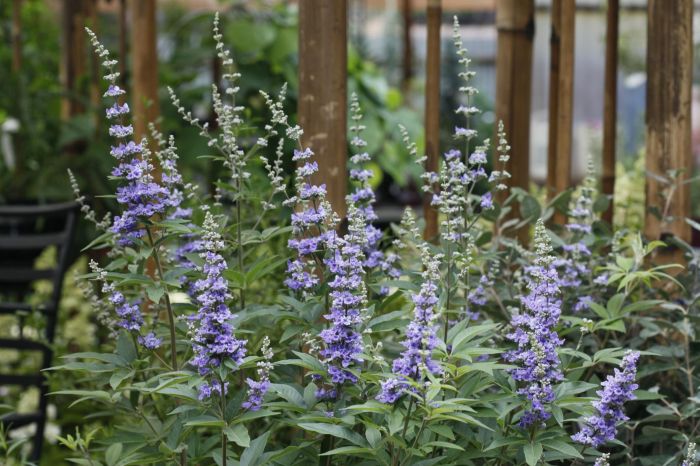
The chaste tree, with its elegant form and fragrant blossoms, showcases a fascinating journey from a tiny seedling to a mature specimen. Visualizing these stages of growth provides a tangible understanding of the tree’s development and the factors influencing its form. This section presents a series of images depicting key growth stages, accompanied by detailed descriptions of the tree’s appearance at each phase.Observing the progressive changes in the chaste tree’s structure, foliage, and flowering patterns allows us to appreciate the dynamic nature of its life cycle.
This visual approach enhances the understanding of the tree’s responses to environmental cues and its overall growth trajectory.
Seedling Stage
A young chaste tree seedling emerges from the ground, displaying a delicate stem and a cluster of small, vibrant green leaves. The initial root system is shallow but rapidly expands to anchor the seedling. The leaves are typically small and oval-shaped, and the bark is smooth and light grayish-brown. The overall structure is compact and low to the ground.
Juvenile Stage
The juvenile chaste tree demonstrates a rapid increase in height and a widening of the canopy. The leaves maintain their vibrant green color and gradually increase in size. The bark, still smooth, might show subtle variations in texture or color. The overall structure is still relatively compact, with a more defined trunk and branches emerging. The tree is starting to take on a recognizable form.
Mature Stage
A mature chaste tree displays a well-established canopy. The leaves remain a healthy green and exhibit a more rounded shape, becoming larger and denser. The bark is now thicker and displays a distinctive pattern, often exhibiting a gray or brownish hue with possible vertical lines or ridges. The branches are sturdy and extend outward, creating a full, rounded form.
Flowering is more prominent at this stage, with clusters of fragrant blossoms.
Canopy Development Progression
This table illustrates the progression of the chaste tree’s canopy development over time.
| Stage | Height (feet) | Canopy Spread (feet) | Leaf Density | Flowering |
|---|---|---|---|---|
| Seedling | 0.5-1 | 0.5-1 | Sparse | Absent |
| Juvenile | 3-6 | 2-4 | Moderate | Sparse |
| Mature | 10-20 | 6-15 | Dense | Abundant |
The table clearly demonstrates the increasing size and density of the chaste tree’s canopy as it matures.
Bark Characteristics
The bark of the chaste tree undergoes noticeable changes as the tree ages. Young trees possess smooth, light gray bark. As the tree matures, the bark thickens and develops a distinctive pattern. This pattern can include vertical ridges or fissures, adding to the aesthetic appeal of the mature tree. The color of the bark may also deepen to a darker gray or brownish tone.
Flowering and Leaf Characteristics
The chaste tree’s leaves are ovate to oblong and typically have serrated edges. At the seedling stage, leaves are small and relatively simple in structure. As the tree matures, leaves increase in size and display a richer green color. Flowering begins during the juvenile stage, with small, fragrant clusters of flowers. Mature trees exhibit profuse and vibrant flowering.
The flowers, often white or cream-colored, release a sweet fragrance.
Potential Problems and Solutions
Cultivating chaste trees, while rewarding, can present various challenges. Understanding potential issues and their solutions is crucial for successful growth and a healthy, thriving plant. This section will detail common problems, preventative measures, and how to recognize stress signals in your chaste tree.
Pest Management
Chaste trees, like many plants, are susceptible to pests. Identifying and addressing infestations promptly is vital for maintaining the tree’s health and preventing widespread damage. Common pests include aphids, spider mites, and scale insects. These pests can cause leaf distortion, discoloration, and stunted growth.
- Aphids: These small, sap-sucking insects can appear in large numbers, causing leaves to curl and yellow. Regular inspections and the application of insecticidal soap or neem oil can help control aphid populations. Encourage beneficial insects like ladybugs, which prey on aphids.
- Spider Mites: Spider mites are tiny arachnids that create webs on leaves. They also suck sap, leading to stippling and yellowing of leaves. Increased humidity can deter them. Thorough hosing down of the leaves, and insecticidal sprays, if necessary, can help combat infestations.
- Scale Insects: These insects are often found clustered on stems and branches. They suck sap, causing the affected areas to appear rough or distorted. Mechanical removal with a soft brush or insecticidal sprays are effective solutions. Ensure proper coverage of the affected areas.
Disease Management
Fungal diseases can pose significant threats to chaste trees. Early detection and appropriate treatment are essential to prevent extensive damage. Common fungal diseases include powdery mildew and leaf spot.
- Powdery Mildew: This fungal disease manifests as a white powdery coating on leaves and stems. Improving air circulation around the tree and reducing humidity can help prevent powdery mildew. If the disease is present, fungicidal sprays can be effective.
- Leaf Spot: Leaf spot diseases result in spots or lesions on leaves, often with a different color than the healthy leaf tissue. Avoiding overhead watering and maintaining good drainage can reduce the risk of infection. Apply fungicides as needed, according to the product instructions.
Environmental Issues, Chaste tree growing profile
Environmental factors can also negatively impact chaste tree growth. Understanding and addressing these factors is essential for healthy development.
- Drought: Chaste trees are relatively drought-tolerant but prolonged periods without water can cause stress. Regular watering, especially during dry spells, is crucial. Mulching around the base of the tree helps retain moisture.
- Overwatering: While drought can harm, overwatering can also be detrimental. Waterlogged soil can lead to root rot, causing the tree to wilt and eventually die. Ensure proper drainage around the tree and adjust watering schedules based on soil moisture.
- Poor Soil Conditions: Trees require well-draining soil rich in organic matter for optimal growth. Amendments like compost or peat moss can improve soil quality. Testing soil pH and adjusting as needed can further optimize conditions.
Stress Indicators
Recognizing stress signals in the tree is critical for timely intervention.
- Leaf discoloration: Changes in leaf color, such as yellowing, browning, or purple discoloration, can indicate a range of problems from nutrient deficiencies to pest infestations. Pay close attention to patterns and locations of the discoloration.
- Stunted growth: If the tree is not growing as expected, it may be experiencing stress from various factors, including lack of water, poor soil, or pest infestations. Compare the tree’s growth to healthy specimens.
- Branch dieback: Dying branches or twigs are often a symptom of stress or disease. Examine the affected areas for any visible pests or signs of fungal infections. Assess whether the dieback is localized or widespread.
Extreme Weather Impacts
Severe weather conditions, like frost, hail, or strong winds, can damage chaste trees.
- Frost Damage: Frost can damage the leaves and buds of chaste trees, potentially leading to defoliation. Protecting young trees with appropriate coverings during expected frost events can mitigate damage. Observing local frost warnings is essential.
- Hail Damage: Hail can cause physical damage to leaves and branches, leading to reduced photosynthesis and overall health. Assess the damage and take steps to remove damaged branches or leaves. Monitor for further complications.
- Strong Winds: Strong winds can cause breakage of branches and trunks. Ensure trees are properly anchored, especially young ones. Regular inspections can prevent major damage.
Ultimate Conclusion
In conclusion, nurturing a chaste tree is a rewarding experience. By understanding its growth profile, environmental requirements, and propagation methods, you can cultivate a healthy and beautiful specimen. We’ve provided a comprehensive guide, from initial planting to long-term maintenance, to empower you in this horticultural endeavor. Remember to pay close attention to the specific needs of the chosen variety for optimal results.