




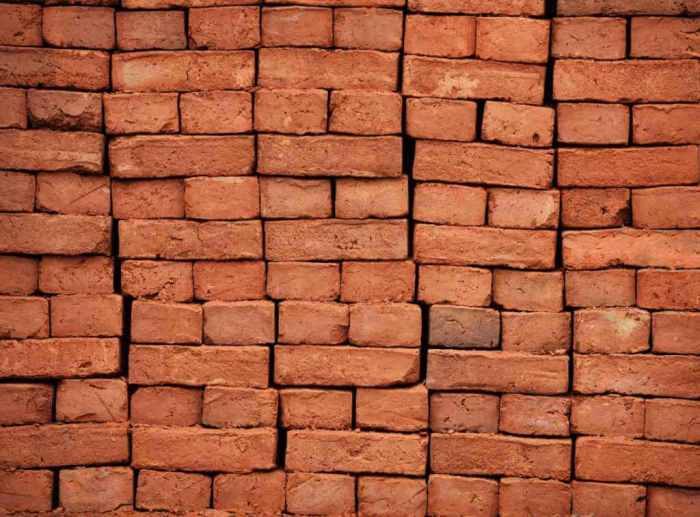
Bricks types uses and advantages are crucial in construction, offering a blend of durability, aesthetics, and versatility. From ancient civilizations to modern marvels, bricks have played a significant role in shaping our built environment. This exploration delves into the diverse world of bricks, covering their types, applications, and the undeniable advantages they bring to the table. We’ll look at everything from the fundamental composition of different brick types to the fascinating history behind their use in various architectural styles.
Understanding the nuances of brick construction allows us to appreciate the meticulous craft and enduring legacy of this remarkable material. This comprehensive guide covers everything from the different types of bricks and their unique characteristics to the various ways they’re used in buildings, the advantages they provide, and even the environmental impact of their production.
Types of Bricks
Bricks, fundamental building materials, come in various forms, each with unique properties suited for specific applications. Their versatility stems from the diverse compositions and manufacturing techniques employed, leading to a wide array of brick types. Understanding these differences is crucial for selecting the right brick for a given project, ensuring durability and aesthetic appeal.Bricks are broadly categorized by their composition and intended use.
Different types exhibit varying strengths, resistances to heat and moisture, and aesthetic characteristics. This detailed look at brick types will provide a comprehensive understanding of their properties, manufacturing processes, and visual characteristics.
Brick Composition and Manufacturing Processes
Bricks are crafted using a variety of materials, each influencing their properties. Understanding the composition and manufacturing processes provides insight into the resulting characteristics of each brick type.
| Brick Type | Composition | Manufacturing Process | Visual Characteristics |
|---|---|---|---|
| Clay Bricks | Predominantly clay, often mixed with sand, shale, and other minerals. | Clay is formed into bricks, dried, and then fired in a kiln at high temperatures. | Wide range of colors, from light beige to deep red, depending on the clay type and firing process. Common textures include smooth, slightly rough, and textured. Shapes are typically rectangular. |
| Concrete Bricks | A mixture of Portland cement, sand, aggregates (like gravel or crushed stone), and water. | The mixture is formed into bricks, cured in molds, and then allowed to harden. | Typically muted colors like gray, beige, or brown. Textures can vary from smooth to slightly rough, depending on the aggregate type and manufacturing process. Shapes are usually rectangular or modified rectangles. |
| Firebricks | Specialized clay mixtures, often high in alumina content, designed for high-temperature applications. | Similar to clay bricks, but fired at extremely high temperatures to enhance their refractory properties. | Generally a reddish-brown color, sometimes with a slightly darker hue. Their texture is often rough and slightly porous. Shapes are commonly rectangular, but specialized shapes are also used. |
| Facing Bricks | Clay or concrete bricks with a specific surface treatment, chosen for aesthetic appeal. | Clay facing bricks often undergo a specialized glazing or finishing process. Concrete facing bricks can have a variety of finishes. | Wide range of colors and textures, including smooth, textured, and patterned finishes. Shapes are generally rectangular, but variations exist. |
Visual Characteristics of Brick Types
The visual characteristics of bricks play a crucial role in architectural design. The colors, textures, and shapes of bricks can dramatically influence the aesthetic appeal of a building. Careful consideration of these factors is essential for achieving a harmonious and visually appealing design.
- Clay bricks exhibit a diverse range of colors, ranging from light beige to deep red, depending on the specific clay composition and firing process. Their texture can vary from smooth to slightly rough, offering diverse aesthetic options.
- Concrete bricks typically display muted colors like gray, beige, or brown, and their textures can range from smooth to slightly rough, depending on the aggregates used. Their shapes often conform to standard rectangular or modified rectangular formats.
- Firebricks are usually reddish-brown, sometimes with a darker hue, and their texture is often rough and slightly porous due to the high-temperature firing process. They are frequently used in high-temperature applications like furnaces and fireplaces.
- Facing bricks are available in a wide array of colors and textures, including smooth, textured, and patterned finishes. Their shapes can vary, allowing architects to incorporate them into diverse architectural styles.
Uses of Bricks
Bricks, a remarkably versatile building material, have been fundamental to construction for millennia. Their enduring popularity stems from their strength, durability, and relatively low cost, making them suitable for a wide array of applications, from humble residential homes to imposing industrial complexes. Their adaptability extends to diverse architectural styles, reflecting the evolving tastes and technological advancements throughout history.Bricks’ inherent qualities, including their fire resistance and compressive strength, make them ideal for load-bearing structures and exposed elements.
This versatility translates into a broad range of applications, making them an indispensable component in modern construction.
Residential Building Applications
Bricks are a popular choice for residential construction due to their aesthetic appeal and functional properties. They can be used to create visually appealing exteriors, offering a range of textures and colors to complement various architectural styles. From traditional brick facades to contemporary designs incorporating intricate patterns, bricks provide homeowners with numerous design possibilities. Furthermore, bricks contribute to a building’s insulation and energy efficiency, making them a sustainable choice for residential construction.
Commercial Building Applications
Commercial buildings, from offices to retail spaces, also frequently utilize bricks. Their strength and durability are vital for structures that need to withstand heavy foot traffic and potential environmental stresses. Bricks provide a professional and lasting aesthetic, which is particularly important in commercial settings. Their ability to maintain their appearance over time, coupled with their fire resistance, makes them a practical and durable material for these structures.
Different brick types offer unique advantages, from their strength to their aesthetic appeal. Knowing the various types and their applications is key to building something sturdy and beautiful. For example, cleaning stubborn oven grime can be a real hassle, but luckily there are effective methods to tackle this problem without harsh chemicals. Check out this simple guide on how to easily clean an oven without oven cleaner for some helpful tips.
Ultimately, understanding brick types, their uses, and their benefits is crucial for any construction project, whether it’s a simple oven or a grander structure.
Industrial Building Applications
The industrial sector often requires robust and resilient materials for their buildings. Bricks excel in this capacity, offering significant advantages in terms of durability and fire resistance. The strength of brick structures is particularly crucial for factories and warehouses that house heavy machinery and materials. Additionally, the fire-resistant nature of bricks plays a critical role in safeguarding against potential industrial accidents.
Brick Types in Different Building Elements
Different brick types are suited for specific building elements. For example, facing bricks are commonly used for exterior walls due to their aesthetic appeal and ability to withstand weather conditions. Engineered bricks, with their high compressive strength, are ideal for foundations, ensuring structural integrity and stability. Special bricks, such as fire bricks, are crucial for chimneys and fireplaces, withstanding high temperatures.
Bricks in Architectural Styles and Historical Periods
Bricks have been a cornerstone of architecture across various styles and historical periods. From ancient Roman structures to medieval castles, and throughout the Renaissance and beyond, bricks have been used to create lasting structures. The particular brick type and arrangement reflected the aesthetic preferences and technological advancements of each era. The evolution of brick construction techniques mirrors the development of architectural styles, highlighting the material’s enduring relevance.
Table of Building Types and Common Brick Types
| Building Type | Common Brick Types |
|---|---|
| Residential Homes | Facing bricks, common bricks, engineered bricks |
| Commercial Buildings (Offices, Retail) | Facing bricks, glazed bricks, patterned bricks |
| Industrial Buildings (Factories, Warehouses) | Engineered bricks, fire bricks, special purpose bricks |
| Historical Structures (Castles, Churches) | Handmade bricks, special-purpose bricks, depending on the era |
Advantages of Bricks
Bricks, a time-tested building material, offer a compelling combination of durability, aesthetic appeal, and thermal efficiency. Their enduring presence in construction speaks volumes about their inherent advantages, making them a popular choice across various architectural styles and climates.Brick construction excels due to its remarkable ability to withstand the rigors of time and environmental elements. Their inherent strength and resilience contribute significantly to the longevity of structures.
Beyond this, bricks demonstrate exceptional thermal properties, playing a vital role in regulating indoor temperatures and enhancing energy efficiency.
Durability and Longevity
Bricks are renowned for their exceptional durability. Their inherent strength, stemming from the high-fired clay composition, makes them resistant to weathering, decay, and the impact of harsh environmental conditions. This resistance translates into a longer lifespan compared to other materials. For example, many historic buildings constructed with brick remain standing and in good condition centuries after their initial construction.
The resilience of brick structures is further underscored by their ability to withstand seismic activity and other natural disasters.
Thermal Properties
Bricks possess excellent thermal properties, which contribute to their suitability in diverse climates. Their ability to insulate and retain heat is a crucial advantage, particularly in regions with extreme temperature fluctuations. The dense structure of fired clay bricks provides excellent thermal mass, helping to regulate temperature fluctuations within the building. This inherent ability to store and release heat helps moderate indoor temperatures, reducing the need for significant energy consumption for heating or cooling.
For instance, in colder climates, brick walls can help retain heat in winter, while in warmer climates, they can help maintain cooler temperatures.
Aesthetic Appeal and Versatility
Bricks offer a wide range of aesthetic possibilities, enabling architects and designers to incorporate them into a multitude of architectural styles. The natural color variations and textures of bricks, coupled with their ability to be laid in diverse patterns, provide a visually appealing and unique character to any structure. Brick facades can range from simple, traditional designs to elaborate and complex patterns, reflecting a wide spectrum of architectural tastes and preferences.
The versatility of bricks allows them to be used in everything from residential homes to commercial buildings, and even in intricate and innovative architectural designs.
Comparison with Other Building Materials
Brick construction, while offering numerous advantages, should be considered alongside other common building materials. A comparative analysis highlights the unique strengths and weaknesses of each.
| Material | Advantages | Disadvantages |
|---|---|---|
| Brick | Durability, longevity, thermal mass, aesthetic versatility, fire resistance | Higher initial cost, potentially slower construction, heavier than some materials |
| Concrete | Strength, cost-effectiveness, wide availability, ease of shaping | Lower durability than brick in certain conditions, less aesthetically versatile, can be prone to cracking |
| Wood | Lightweight, ease of construction, aesthetic appeal | Susceptible to decay, fire, and insect damage, shorter lifespan than brick, requires regular maintenance |
| Steel | Strength, durability, speed of construction | High cost, can be susceptible to corrosion, may require specialized installation, less aesthetic appeal in some applications |
Bricks offer a robust and aesthetically pleasing solution for various construction projects. Their longevity, thermal properties, and versatility make them a timeless choice for buildings across diverse architectural styles.
Environmental Impact
Bricks, a fundamental building material, have a significant impact on our environment. From the raw materials extraction to the final product’s lifespan, the entire brick production cycle influences our planet. Understanding this impact is crucial for making informed decisions about sustainable building practices. This section delves into the environmental footprint of brick production and explores strategies for minimizing its negative effects.
Energy Consumption in Brick Production
The process of creating bricks is energy-intensive. Kilns, used to fire bricks, require substantial amounts of fuel, often fossil fuels, to reach the high temperatures necessary for proper curing. This energy consumption contributes to greenhouse gas emissions, a major driver of climate change. Different types of kilns have varying energy requirements. Modern technologies, such as tunnel kilns, offer more efficient energy use compared to traditional open kilns.
Different brick types offer unique advantages, from their strength and durability to their aesthetic appeal. Knowing the best uses for each type, like using sturdy bricks for foundations or decorative bricks for facades, is key. But while you’re focusing on building projects, remember that optimizing your laundry routine can significantly impact your home’s overall efficiency, and the one laundry setting you should be using more is surprisingly impactful! Ultimately, whether you’re working with bricks or clothes, understanding the best practices for each will help you get the most out of your efforts.
Waste Generation in Brick Production
Brick production generates various forms of waste. Extraction of raw materials, like clay and shale, results in substantial earth disturbance. Furthermore, the manufacturing process often produces excess materials, including dust and debris. Proper waste management is critical to minimizing environmental harm. Effective recycling and reuse strategies can significantly reduce the environmental impact of brick production.
Sustainable Practices in Brick Manufacturing
Several sustainable practices are emerging in the brick industry to mitigate environmental concerns. Transitioning to renewable energy sources for kiln operation is a key step. Using recycled materials, such as industrial waste or construction debris, in brick production is another approach. Furthermore, optimizing the manufacturing process to minimize energy consumption and waste generation is essential.
Eco-Friendly Bricks and Their Features
Several types of eco-friendly bricks are being developed and used. One example is using recycled materials, like glass or fly ash, in the brick formulation. These recycled bricks can be lighter and require less energy to produce. Another innovation is the use of natural clays and earth pigments, reducing the need for chemical additives. Such bricks often have unique aesthetic properties.
Long-Term Environmental Benefits of Using Bricks
Bricks, when manufactured sustainably, offer long-term environmental benefits. Durable bricks contribute to reduced demolition and reconstruction, which in turn minimizes the need for new materials and the associated environmental impacts. Properly constructed brick buildings have exceptional longevity and can stand the test of time. Their durability reduces the need for frequent replacements, contributing to a lower overall environmental impact compared to materials with shorter lifespans.
Comparison of Conventional and Sustainable Brick Production
| Characteristic | Conventional Brick Production | Sustainable Brick Production |
|---|---|---|
| Energy Source | Primarily fossil fuels | Renewable energy sources (solar, wind) or waste-derived energy |
| Raw Materials | Mostly virgin materials | Recycled materials, natural clay |
| Waste Generation | Significant waste streams | Minimized waste through recycling and reuse |
| Greenhouse Gas Emissions | High emissions | Reduced emissions |
| Durability | Generally high | High |
| Cost | Potentially lower initial cost | Potentially higher initial cost |
Maintenance and Repair
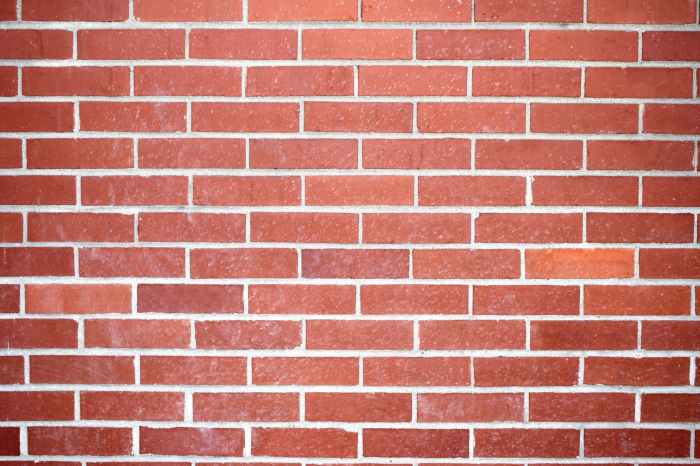
Brick structures, while durable, require regular maintenance to preserve their aesthetic appeal and structural integrity. Proper upkeep prevents costly repairs down the line and extends the lifespan of the building. This involves understanding the common issues affecting brickwork and employing appropriate repair techniques.Maintaining the beauty and stability of brick buildings is crucial. Ignoring issues like cracks or efflorescence can lead to significant damage over time.
Early intervention with appropriate maintenance procedures is key to preventing more extensive and costly problems in the future.
Methods for Maintaining Brick Structures
Regular inspection is vital for identifying potential problems early. This involves visually inspecting the brickwork for cracks, efflorescence, signs of weathering, and any other anomalies. Cleaning the brickwork regularly, using appropriate cleaning agents, is essential for maintaining its appearance and preventing the accumulation of dirt and grime that can accelerate deterioration. Proper drainage around the structure is also crucial to prevent water damage and moisture penetration.
Addressing Common Brick Issues
Cracks in brickwork can arise from various factors, including foundation settlement, temperature fluctuations, or improper construction techniques. Addressing cracks early can prevent further damage and structural instability. Efflorescence, a white or salt-like deposit on the surface of the bricks, is a common issue stemming from soluble salts within the brick or mortar. Identifying and treating the source of the salts is crucial to preventing its recurrence.
Tools and Techniques Used in Brick Repair
A range of tools and techniques are employed for brick repair. For minor cracks, patching with mortar matching the existing brickwork is a common solution. For larger cracks, specialized techniques like injecting epoxy resins or using steel reinforcement may be necessary. Tools used for brick repair include hammers, chisels, trowels, and various types of specialized mortars and adhesives.
Examples of Restoration Projects Involving Brickwork
Numerous historical buildings and structures have undergone restoration projects focusing on brickwork. Examples include the renovation of historical courtyards and the repair of monumental structures. Careful consideration of the original construction methods and materials is essential during the restoration process to maintain historical accuracy. These projects often require skilled artisans with a deep understanding of bricklaying techniques and historical preservation principles.
Maintenance Procedures for Different Brick Types
| Brick Type | Cleaning Method | Crack Repair | Efflorescence Treatment |
|---|---|---|---|
| Common Brick | Gentle pressure washing with mild detergent. | Mortar patching, epoxy injection (for severe cracks). | Cleaning with a solution of mild acid (consult with experts). |
| Facing Brick | Soft brush and mild detergent solution. | Mortar patching with matching mortar. | Cleaning with water and mild detergent. |
| Clay Brick | Avoid harsh chemicals, gentle brushing. | Careful mortar replacement, consider steel reinforcement. | Water washing, consult with experts for more severe cases. |
Note: The specific maintenance procedures may vary depending on the specific condition of the brickwork and the environment in which it is situated. Consulting with a qualified brickwork specialist is always recommended for complex repair work.
Historical Significance
Bricks, humble as they may seem, have played a pivotal role in shaping human civilization. From ancient Mesopotamia to modern skyscrapers, brick construction has evolved alongside societies, reflecting cultural values, technological advancements, and artistic sensibilities. Their enduring presence in historical structures speaks volumes about the ingenuity and resourcefulness of past generations.The history of brickwork isn’t just about building; it’s a narrative of progress, adaptation, and the lasting impact of materials on architecture.
Early civilizations recognized the durability and practicality of bricks, leading to a continuous evolution of techniques and designs that have shaped the world’s iconic landmarks.
Early Civilizations and the Invention of Bricks
The earliest known use of bricks dates back to ancient Mesopotamia, around 3500 BCE. These early bricks were often sun-dried, a simple yet effective method that allowed for the construction of monumental structures. The development of kiln-fired bricks marked a significant advancement, increasing their strength and durability, and paving the way for more complex architectural designs. This transition from sun-dried to fired bricks represents a crucial step in the evolution of construction techniques.
Evolution of Brick Construction Techniques
Brick construction techniques have undergone significant transformations throughout history. Early civilizations utilized simple, hand-formed bricks, often with basic shaping and bonding techniques. The introduction of molds improved the uniformity and precision of brick production. Over time, advancements in kiln technology led to higher firing temperatures, producing stronger and more resistant bricks. The development of sophisticated bonding patterns, arches, and vaults allowed for the creation of increasingly complex and impressive structures.
Different brick types offer unique benefits for various projects. From the classic durability of clay bricks to the aesthetic appeal of decorative options, understanding their uses and advantages is key. If you’re looking to add a touch of nature to your home, consider creating a living wall indoors; how to diy a living wall indoors provides a great starting point.
The right brick choice can then further enhance this green feature, providing a beautiful and functional addition to your space.
Table: Evolution of Brick Construction Techniques
| Period | Technique | Description |
|---|---|---|
| Ancient Mesopotamia (3500 BCE – 539 BCE) | Sun-dried bricks | Simple, hand-formed bricks, often mud-based, dried in the sun. |
| Ancient Egypt (3100 BCE – 30 BCE) | Kiln-fired bricks | Bricks fired in kilns, resulting in increased durability and strength compared to sun-dried bricks. Advanced techniques for bonding and laying. |
| Roman Empire (27 BCE – 476 CE) | Standardized brick sizes and mortar | Formalized brick production with standardized sizes and precise mortar application. Advanced techniques for arch construction. |
| Medieval Europe (5th-15th Centuries) | Improved Kilns and Mortar | Development of more efficient kilns and the use of specialized mortars improved the quality and durability of bricks. |
| Renaissance and Baroque Periods (14th-18th Centuries) | Advanced Construction Techniques | Increased use of brick in elaborate structures, incorporating more complex architectural designs and ornamental details. Use of specialized brick patterns. |
| Industrial Revolution (18th-19th Centuries) | Mass Production | Mechanized brick production, leading to wider availability and use of bricks in large-scale construction projects. |
| Modern Era (20th-21st Centuries) | Advanced Materials and Technology | Further advancements in brick manufacturing techniques, incorporating various types of bricks, including specialized bricks for specific purposes. Use of modern construction methods and materials, allowing for greater complexity in design. |
Famous Historical Buildings Constructed with Bricks
Numerous iconic structures throughout history were built using bricks. The Great Wall of China, with its vast expanse, exemplifies the monumental scale of brick construction. The Colosseum in Rome showcases the Romans’ mastery of brickwork in monumental architecture. The Taj Mahal, with its intricate designs, also demonstrates the use of bricks in artistic construction. These examples highlight the enduring strength and beauty of brick architecture across various cultures and time periods.
Significance of Brick Architecture in Different Eras
Brick architecture reflects the cultural and technological advancements of each era. In ancient civilizations, bricks signified societal organization and monumental achievements. The Roman Empire utilized brick in large-scale public works, demonstrating their engineering prowess. During the Renaissance, brick construction evolved to incorporate intricate designs, reflecting the artistic sensibilities of the period. The continued use of bricks in modern construction highlights their timeless appeal and practical applications.
Bricklaying Techniques: Bricks Types Uses And Advantages
Bricklaying, the art of assembling bricks to create structures, is a fundamental skill in construction. Understanding the principles of bricklaying, various techniques, and the importance of proper mortar application is crucial for building strong, durable, and aesthetically pleasing structures. A strong understanding of these principles allows for consistent quality, preventing costly repairs and ensuring longevity.Bricklaying involves more than just placing bricks; it requires precision, skill, and a deep understanding of how different techniques affect the overall strength and stability of the wall.
Different bond patterns are essential for achieving structural integrity, and mortar plays a critical role in the cohesion and durability of the final structure. Careful attention to detail, safety precautions, and the correct steps ensure the project’s success.
Fundamental Principles of Bricklaying, Bricks types uses and advantages
Bricklaying is based on several key principles, including accurate measurements, proper alignment, and the use of appropriate tools. These fundamentals ensure the structure’s stability and longevity. Bricklaying relies heavily on precision in measurement and alignment. Improper measurements or misaligned bricks can compromise the structural integrity of the wall.
Types of Bricklaying Bonds
Different bricklaying bonds create variations in the appearance and structural strength of a wall. The choice of bond depends on the specific project requirements and aesthetic preferences.
- Running Bond: This bond pattern involves placing bricks in a continuous horizontal row, with each course offsetting the one below. This method is a straightforward and common approach for achieving a consistent and aesthetically pleasing appearance. It offers good structural support, especially for walls with moderate heights and loads. The simplicity of this method makes it well-suited for both novice and experienced bricklayers.
- Flemish Bond: This bond combines headers and stretchers, creating a more complex and visually appealing pattern. Headers are bricks laid across the wall, while stretchers are bricks laid in the direction of the wall. The pattern of headers and stretchers creates a distinctive grid-like appearance, often preferred for its visual appeal and perceived strength. This method is often preferred for walls where aesthetics are paramount, or when a more complex pattern is desired.
Proper Mortar Application
Mortar is the crucial binding agent in bricklaying. The quality and application of mortar directly affect the wall’s strength, water resistance, and longevity. A strong mortar mix ensures that the bricks are securely joined, preventing gaps and potential water infiltration. The proper consistency of the mortar mix is critical, and different types of mortar may be required for various projects.
- Consistency: Mortar should be mixed to a workable consistency, neither too wet nor too dry. Too wet a mix can lead to sagging and settling, while too dry a mix can compromise its binding strength. The consistency should allow for easy application and spreading without excessive cracking.
- Application: Mortar should be applied evenly between the bricks, ensuring a full and consistent layer. Excess mortar should be removed immediately to prevent hardening and reduce the risk of blemishes. Proper application prevents the formation of voids and ensures a strong bond.
Safety Precautions in Bricklaying
Bricklaying involves working with heavy materials and tools, which requires strict adherence to safety protocols. Maintaining a safe work environment is paramount to prevent injuries.
- Protective Gear: Wearing appropriate safety gear, including safety glasses, gloves, and sturdy footwear, is essential to protect against potential hazards like flying debris and falls.
- Proper Lifting Techniques: Using proper lifting techniques and avoiding overexertion is crucial to prevent back injuries. Lifting heavy materials improperly can lead to long-term health problems.
- Scaffolding and Fall Protection: When working at heights, using appropriate scaffolding and fall protection measures is mandatory. Falls from heights are a serious risk in bricklaying and should be addressed with the utmost care.
Creating a Strong and Stable Brick Wall
Creating a strong and stable brick wall requires careful planning, precise execution, and the proper application of mortar. The structural integrity of a wall is paramount, as it directly affects the building’s overall safety.
- Laying Pattern: The choice of bond pattern directly affects the wall’s structural integrity. Choosing a suitable pattern and executing it with precision is crucial for strength and stability.
- Compaction: Ensuring proper compaction of the mortar is essential for creating a tight bond between the bricks. This step helps prevent cracks and ensures structural stability.
- Checking for Straightness: Regularly checking for straightness and alignment ensures the wall remains vertical and even. Maintaining accuracy throughout the process is key to achieving a high-quality finish.
Step-by-Step Guide to Building a Simple Brick Wall
This guide Artikels the steps involved in constructing a simple brick wall.
| Step | Description |
|---|---|
| 1 | Lay the foundation course, ensuring proper leveling and alignment. |
| 2 | Apply mortar to the first course of bricks, ensuring even distribution. |
| 3 | Place the first row of bricks, maintaining a consistent bond pattern (e.g., running bond). |
| 4 | Check for verticality and alignment of each brick, making necessary adjustments. |
| 5 | Repeat steps 2 and 3 for subsequent courses, continuing the chosen bond pattern. |
| 6 | Apply mortar between bricks and ensure proper compaction. |
| 7 | Check the wall for any defects and make corrections as needed. |
Conclusion
In conclusion, bricks types uses and advantages paint a vivid picture of a material that’s both timeless and adaptable. From their resilience and thermal properties to their aesthetic appeal, bricks offer a compelling alternative to other construction materials. This deep dive into the world of bricks provides a comprehensive understanding, empowering readers to appreciate the rich history and diverse applications of this remarkable building block.