


Are jacuzzi tubs out of style? The answer isn’t simple, as modern bathroom design trends are constantly evolving. From freestanding tubs to sleek alcove options, soaking tubs come in many shapes and sizes, each with its own appeal. This exploration dives into the factors influencing the popularity of jacuzzi tubs, comparing them to other soaking tub styles, and examining the role of technology, consumer preferences, and market trends.
The article delves into the history of jacuzzi tubs, their evolution in popular culture, and how their image has shifted over time. It also explores consumer preferences, including factors like price, maintenance, and energy efficiency. Alternatives to jacuzzi tubs, such as other soaking tub options, will be examined, along with their pros and cons, cost-effectiveness, and design integration.
Modern Trends in Bathroom Design
Bathroom design is evolving beyond the basic necessities, reflecting broader interior design trends and incorporating technological advancements. Soaking tubs, once a luxurious addition, are now central to creating a spa-like retreat within the home. This evolution in design is driven by a desire for personalized relaxation spaces, enhanced by aesthetic appeal and practical considerations. The role of social media and design influencers is significant in shaping these choices, influencing consumer preferences and creating new trends.Current bathroom design often prioritizes the creation of relaxing and personalized spaces, making the soaking tub a prominent feature.
Different types of soaking tubs cater to various needs and preferences, ranging from the classic freestanding tub to the modern alcove and the technologically advanced jacuzzi tub. The appeal of each tub type varies based on factors like available space, personal style, and the desire for specific features.
Current Soaking Tub Trends
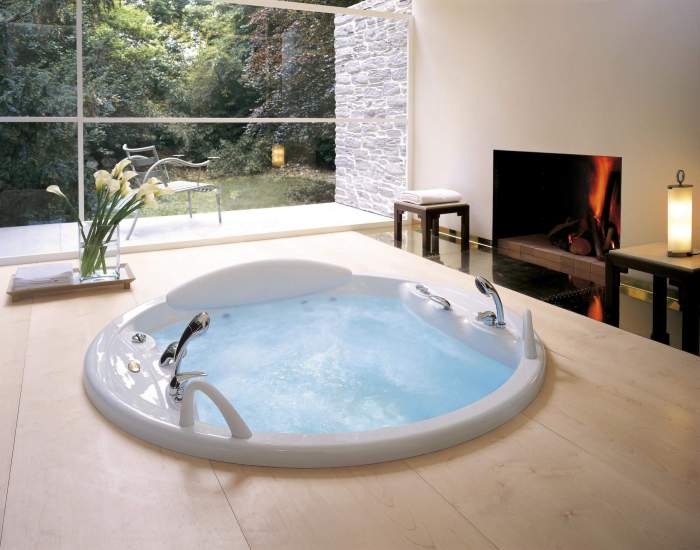
The prevalence of different soaking tub types reflects a shift in bathroom design preferences. Freestanding tubs, often chosen for their dramatic presence and ability to anchor a room, maintain their popularity. Alcove tubs, fitted into a recessed area, offer a more compact solution, ideal for smaller bathrooms. Jacuzzi tubs, with their integrated jets and often larger footprint, cater to those seeking a spa-like experience at home.
These various options provide flexibility for homeowners seeking to incorporate relaxation and personalization in their bathrooms.
Comparison of Soaking Tub Types
The popularity of different soaking tub types depends on several factors. Freestanding tubs often command the most attention due to their freestanding nature, creating a statement piece in the room. Alcove tubs are favored for their efficiency, utilizing space effectively in smaller bathrooms. Jacuzzi tubs stand out for their built-in jets, offering a personalized spa-like experience, often with advanced features.
Factors Driving Soaking Tub Trends
Space constraints, aesthetic preferences, and technological advancements influence the popularity of different soaking tub types. Smaller bathrooms might favor alcove tubs for their space-saving design, while larger spaces can accommodate the grandeur of freestanding tubs. Aesthetically, the material and design of the tub often reflect the overall style of the bathroom, ranging from sleek minimalism to ornate traditionalism.
Technological advancements, such as advanced jet systems and customizable features in jacuzzi tubs, further enhance the spa experience.
Role of Social Media and Influencers
Social media platforms and interior design influencers significantly impact bathroom design choices. Visual representations of different tub styles and installations on social media expose potential buyers to a broader range of possibilities. Design influencers, through their curated content, create trends and shape preferences, influencing consumer choices and preferences. This influence creates a direct connection between online trends and real-world bathroom installations.
Soaking Tub Comparison Table, Are jacuzzi tubs out of style
| Tub Type | Size (Approximate) | Installation | Maintenance |
|---|---|---|---|
| Freestanding | Variable, can be large | Potentially more complex, may require custom plumbing | Regular cleaning of the tub surface and jets |
| Alcove | Typically smaller | Relatively straightforward installation | Easy to clean due to the contained space |
| Jacuzzi | Often larger than alcove or freestanding | Installation can be complex due to jets and plumbing | Requires regular maintenance of jets and pumps |
Historical Context of Jacuzzi Tubs
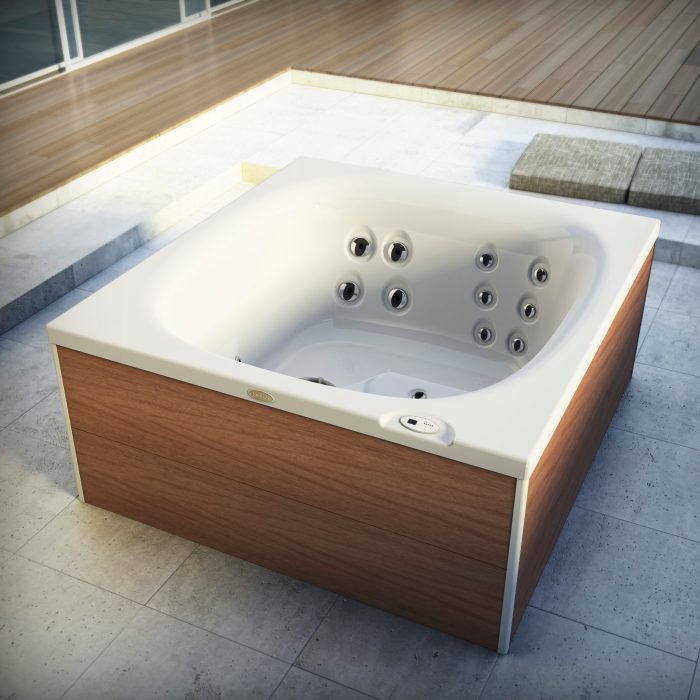
The Jacuzzi tub, a cornerstone of relaxation and luxury, has a rich history interwoven with technological advancements, cultural shifts, and evolving perceptions of well-being. From its humble beginnings as a therapeutic device to its current status as a desirable feature in modern bathrooms, the Jacuzzi tub has undergone significant transformations. This journey reflects not only engineering progress but also changing societal values and the enduring appeal of relaxation.The concept of hydrotherapy, using water jets for therapeutic purposes, existed long before the Jacuzzi brand.
However, the Jacuzzi family’s innovations, particularly those of Roy Jacuzzi, transformed the idea of a therapeutic bath into a widely accessible luxury item. This evolution involved not only the mechanical aspects of the tub but also its integration into the larger cultural landscape of relaxation and comfort.
While some might say jacuzzi tubs are passé, a well-maintained spa can still be a luxurious touch. To elevate your home’s curb appeal, consider ways to make your front porch look expensive, like adding tasteful lighting or some high-quality outdoor furniture. This could create a truly inviting space and might make your jacuzzi tub seem even more desirable, even if the trend is slightly shifting.
Check out this guide for some amazing ideas on make front porch look expensive. Ultimately, a jacuzzi tub’s desirability depends on personal preference, not just trends.
Early Innovations and Therapeutic Applications
The development of the Jacuzzi tub stemmed from Roy Jacuzzi’s exploration of hydrotherapy. He initially focused on creating a therapeutic device for patients recovering from injuries, leveraging the power of water jets for pain relief and muscle relaxation. These early iterations were less about luxury and more about functionality.
Popular Culture Representation
Jacuzzi tubs’ presence in popular culture has evolved alongside their design. In the mid-20th century, they were often depicted in aspirational contexts, signifying a luxurious lifestyle. Film and television frequently showcased these tubs as a feature of high-end homes, reinforcing their image as symbols of wealth and relaxation. This association between the Jacuzzi tub and the elite lifestyle persisted for decades.
Luxury and Relaxation Imagery
The early imagery of Jacuzzi tubs frequently associated them with luxury and healing. Advertisements and popular culture representations often depicted these tubs as integral parts of spa-like retreats or exclusive residences. This emphasis on relaxation and healing reinforced the idea of Jacuzzi tubs as exclusive products for those seeking ultimate comfort.
Are jacuzzi tubs out of style? Maybe, depending on the overall aesthetic. Sometimes, the most jarring features aren’t necessarily the tub itself, but the surrounding design choices. Think about front entrance features that are always eyesores, like mismatched or overly ornate details. These details can completely ruin the look of an otherwise beautiful home, and in a way, the same logic can apply to jacuzzi tubs.
Ultimately, a well-integrated jacuzzi, like any feature, is about more than just the tub itself.
Comparison of Initial Perception and Current Image
The initial perception of Jacuzzi tubs focused on their therapeutic benefits and association with luxury. Today, while the therapeutic aspect remains, the image has expanded to encompass a broader range of styles and affordability. They are no longer exclusively linked to elite lifestyles, but are found in various types of homes, reflecting their increasing accessibility and integration into everyday life.
The contemporary design choices also reflect the trend of personalization and individual taste.
Key Technological Advancements and Design Changes
| Year | Technological Advancements | Design Changes |
|---|---|---|
| 1960s | Initial development of jet-powered tubs. | Simple, primarily focused on therapeutic function. |
| 1970s | Introduction of more sophisticated jet systems and control panels. | Increased emphasis on comfort and design features. |
| 1980s-1990s | Advancements in materials, including acrylic and fiberglass. | Greater variety of sizes and shapes. Increased use of spas as a standalone relaxation space. |
| 2000s-Present | Increased use of digital controls and advanced water filtration systems. | Integration of contemporary design elements, such as sleek lines and minimalist aesthetics. More options for customization. |
Factors Influencing Consumer Preferences: Are Jacuzzi Tubs Out Of Style
Choosing a bathroom fixture, especially a soaking tub, involves a multifaceted decision-making process. Consumers weigh various factors, from the aesthetic appeal and price to the practical aspects of maintenance and sustainability. This meticulous evaluation ultimately shapes the design and functionality of modern bathrooms.The decision to purchase a jacuzzi tub is deeply personal and influenced by a wide range of considerations.
From budget limitations to space constraints, environmental consciousness, and individual preferences, each aspect plays a crucial role in the final selection.
Price Considerations
Price remains a significant driver in consumer decisions. Budget limitations often dictate the range of options available, impacting the type and features of the soaking tub. Luxury jacuzzi tubs, often featuring advanced jets and hydrotherapy functions, command higher prices compared to simpler models. Consumers carefully evaluate the cost-benefit ratio, balancing the desired features with their financial resources.
For example, a basic whirlpool tub might be more affordable than a sophisticated jacuzzi with multiple massage settings and chromatherapy lighting.
Maintenance and Energy Efficiency
Maintenance requirements and energy efficiency are also key factors. Consumers often prioritize fixtures that require minimal upkeep. Materials and construction techniques influence the longevity and ease of maintenance. Some tubs, particularly those with intricate designs or specialized jets, might demand more specialized cleaning and maintenance. Energy efficiency is becoming increasingly important, especially with rising energy costs.
Consumers are drawn to tubs that consume minimal energy for heating and operation. For instance, a tub with an insulated liner and energy-efficient heating system can significantly reduce energy consumption compared to less efficient models.
Are jacuzzi tubs out of style? Maybe not completely, but the way we think about outdoor relaxation is definitely evolving. Interior designers are getting creative with thrifted patio items, like vintage fire pits and repurposed outdoor furniture, bringing a unique touch to spaces. This often includes finding ways to bring the indoors out, and vice versa, like mixing and matching furniture from different eras, which might influence how we view soaking tubs, especially when considering the aesthetic appeal of a modern outdoor space.
Check out some ideas for patio items interior designers love to thrift to see how a fresh perspective on outdoor living might change your take on hot tubs.
Space Constraints and Accessibility
Bathroom space often dictates the type and size of soaking tub that can be accommodated. Consumers with limited bathroom space opt for smaller models or consider alternative designs that maximize the available area. Accessibility is another critical consideration, especially for those with mobility limitations. The shape, height, and ingress/egress features of the tub play a vital role in ensuring comfortable and safe use.
For example, a corner-mounted jacuzzi tub might be a better choice for a small bathroom than a freestanding model. Similarly, a tub with a low step-in height would be preferred by individuals with mobility challenges.
Environmental Concerns and Sustainable Practices
Growing environmental awareness is influencing consumer choices. Consumers are increasingly drawn to sustainable practices in their bathroom fixtures. Eco-friendly materials, water-saving features, and energy-efficient heating systems are becoming key priorities. The environmental impact of manufacturing and disposal processes is also considered. For example, tubs made from recycled materials or with water-saving features demonstrate a commitment to sustainable practices.
Comparison of Soaking Tub Types
| Tub Type | Pros | Cons |
|---|---|---|
| Freestanding | Aesthetically pleasing, versatile placement options | Can be bulky, may require more space, potential for water spills |
| Built-in/Recessed | Maximizes space, seamless integration with bathroom design | Limited design choices, installation can be more complex |
| Corner | Efficient use of corner space, compact design | Limited access to some corners, may require special design considerations |
| Jacuzzi Tub | Hydrotherapy benefits, varied massage settings | Higher price point, potentially higher maintenance needs, may require larger space |
| Whirlpool Tub | Relaxing massage benefits, often more affordable | Fewer features compared to a jacuzzi tub, potentially less luxurious |
Alternatives to Jacuzzi Tubs
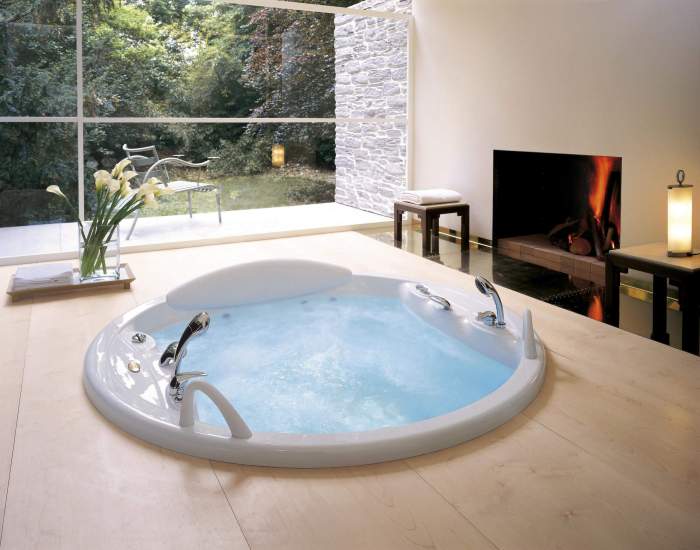
Tired of the jacuzzi tub’s bulky footprint and potential maintenance headaches? You’re not alone. Modern bathroom design often prioritizes sleek lines, efficient space utilization, and personalized experiences. Thankfully, a wealth of alternative soaking tub options are available, offering similar relaxation benefits without the drawbacks. These alternatives allow for a more tailored and cost-effective solution for creating a luxurious bathing experience.Soaking tubs, in various forms and styles, have emerged as popular choices for those seeking a relaxing bathing experience.
These alternatives are designed to cater to a diverse range of preferences, bathroom sizes, and budgets. Beyond their aesthetic appeal, these tubs often feature innovative designs, advanced materials, and user-friendly features, contributing to an overall enhanced bathing experience.
Soaking Tub Styles
A plethora of soaking tub styles are available, each with its own unique aesthetic and functionality. From freestanding tubs that become statement pieces to compact alcove tubs that seamlessly integrate into smaller spaces, the options are vast.
- Freestanding tubs are a classic choice, often characterized by their bold, independent design. They are typically larger and more luxurious, and can be easily placed in open spaces or corners of a bathroom, adding a dramatic focal point. Freestanding tubs frequently come in various shapes, from rounded to angular designs, providing options to match a bathroom’s overall aesthetic.
- Alcove tubs are a practical solution for smaller bathrooms. Their design fits snugly into a recessed alcove, maximizing space utilization and minimizing visual clutter. Alcove tubs can range from compact to spacious, offering various sizes to suit different needs.
- Corner tubs, as the name suggests, are specifically designed to fit into a corner. They are particularly well-suited for maximizing space in smaller bathrooms or creating a unique, focused bathing area. Corner tubs are often available in a variety of styles, ensuring they complement the bathroom’s existing décor.
- Drop-in tubs are a versatile option that seamlessly integrates into a pre-existing alcove or bathroom counter space. Their installation process is relatively straightforward and can be a cost-effective alternative to other tub types. They provide a more compact and streamlined look, ideal for contemporary or minimalist bathrooms.
Design Styles
The diverse range of soaking tubs allows for various design styles.
- Modern bathrooms often feature sleek, minimalist designs. A freestanding tub with clean lines, a matte black finish, or a polished chrome fixture can create a sophisticated atmosphere. The simple lines of a drop-in tub paired with modern tile work can provide a refreshing contrast.
- Rustic-style bathrooms can incorporate a clawfoot tub, with its traditional design, for a touch of old-world charm. The aged wood and rich tones of the tub create a cozy and inviting atmosphere. Corner or freestanding tubs can also be styled with distressed wood or natural stone finishes to maintain the rustic feel.
- Contemporary bathrooms can integrate a variety of soaking tubs, from freestanding tubs with unique shapes to sleek alcove tubs that complement modern lighting and cabinetry. The focus remains on the clean lines and seamless integration of the tub into the overall design.
Cost-Effectiveness
The cost of soaking tubs varies significantly depending on the materials, size, and features.
- Acrylic tubs, commonly used for drop-in and alcove tubs, are generally more affordable than tubs made from cast iron or stone. Acrylic is lightweight, making installation easier, and comes in various finishes, from standard white to unique colors.
- Cast iron tubs are known for their durability and classic look. They tend to be heavier and more expensive than acrylic tubs. Cast iron tubs often have a robust and long-lasting construction, and they can hold water at a constant temperature.
- Stone tubs, including those made from natural stone or engineered stone, are luxurious options with a high price point. Their aesthetic appeal and unique textures often justify the cost, but they may require specific installation considerations due to their weight.
Examples in Modern Design
Incorporating soaking tubs into modern bathroom designs can elevate the space’s aesthetic and functionality.
- A freestanding tub in a contemporary bathroom can be a dramatic focal point. This is often enhanced by sleek minimalist fixtures and high-end lighting. Consider a minimalist design, with the tub standing out as a key element of the room.
- In a smaller bathroom, an alcove tub can be integrated seamlessly into the design. A modern, sophisticated design can include a subtle contrast in color and texture, creating a calming space.
Soaking Tub Price Ranges
| Tub Type | Approximate Price Range |
|---|---|
| Acrylic Drop-in | $800-$2500 |
| Cast Iron Freestanding | $2000-$8000+ |
| Stone (Natural/Engineered) | $3000-$15000+ |
Impact of Technology on Jacuzzi Tubs
Technological advancements have dramatically reshaped the jacuzzi tub experience, moving beyond simple hydrotherapy to incorporate sophisticated features that enhance relaxation, safety, and overall user comfort. This evolution has been driven by consumer demand for more personalized and technologically integrated products, coupled with innovations in materials, energy efficiency, and user interfaces.The integration of smart features and energy-efficient technologies has significantly altered the design and function of jacuzzi tubs, offering a more engaging and eco-conscious bathing experience.
This shift reflects the broader trend towards smart home technology and the increasing importance of sustainable practices.
Smart Features in Jacuzzi Tubs
The rise of smart home technology has impacted jacuzzi tub design, introducing intuitive controls and personalized settings. Modern tubs often feature integrated digital displays, allowing users to select water temperature, massage intensity, and even pre-programmed aromatherapy settings. This level of customization provides a highly personalized and adaptable experience, enhancing the overall sense of relaxation and well-being. Voice control, a prevalent feature in smart homes, is increasingly being integrated into jacuzzi tub systems, enabling users to adjust settings hands-free.
This intuitive approach to operation enhances accessibility and user-friendliness, especially for those with mobility limitations.
Energy Efficiency in Modern Jacuzzi Tub Design
Energy efficiency is a crucial aspect of modern jacuzzi tub design. Manufacturers are increasingly incorporating energy-saving technologies to reduce operating costs and minimize environmental impact. This involves using more efficient pumps, heat exchangers, and insulation materials. Advanced heating systems optimize energy consumption by maintaining optimal water temperatures while minimizing waste. The incorporation of solar-powered options is another notable advancement, allowing users to further reduce their environmental footprint by harnessing renewable energy.
Examples of energy-efficient models include those with adjustable heating elements and systems that detect and automatically regulate water temperature.
Key Technological Features Influencing Jacuzzi Tub Appeal
Several key technological features significantly influence the appeal and desirability of modern jacuzzi tubs. These features contribute to a more convenient, personalized, and enjoyable bathing experience.
- Smart Controls: Digital interfaces and voice-command integration enhance user experience and accessibility.
- Energy Efficiency: Advanced heating systems and insulation materials minimize energy consumption, making tubs more environmentally friendly.
- Personalized Massage Programs: Pre-programmed massage settings offer customizable hydrotherapy options, tailoring the experience to individual preferences.
- Aromatherapy Integration: Built-in diffusers and aromatherapy systems create personalized sensory experiences, enhancing relaxation.
- Water Filtration Systems: Integrated water filtration systems maintain water quality and promote hygiene.
Evolution of Smart Features in Jacuzzi Tubs (Past Decade)
The incorporation of smart features in jacuzzi tubs has seen rapid growth over the past decade. The following table highlights the evolution of these features, showcasing the increasing sophistication and personalization available to consumers.
| Year | Key Smart Feature | Description |
|---|---|---|
| 2013-2015 | Basic Digital Controls | Limited digital displays for temperature and massage intensity adjustments. |
| 2016-2018 | App Connectivity | Integration with mobile apps for remote control and customized settings. |
| 2019-2021 | Voice Control Integration | Voice assistant compatibility for hands-free operation and setting adjustments. |
| 2022-Present | Personalized Profiles & AI-Driven Systems | Individualized user profiles for customized massage experiences and AI-driven systems for optimized energy usage. |
Market Trends and Consumer Perceptions
The jacuzzi tub market is experiencing a fascinating evolution, reflecting shifting consumer preferences and technological advancements. While the iconic image of a luxurious soaking tub persists, the reality is far more nuanced. Understanding current trends and consumer perceptions is crucial for businesses to adapt and remain competitive.
Current Market Trends
The market for jacuzzi tubs is adapting to a range of preferences. Consumers are increasingly seeking customizable and technologically integrated soaking experiences. This includes features like adjustable jets, aromatherapy diffusers, and integrated lighting systems. Smaller, more compact models are gaining popularity, particularly in smaller bathrooms or urban apartments. Sustainability is also emerging as a significant factor, with consumers showing interest in eco-friendly materials and energy-efficient models.
Consumer Perceptions Regarding Jacuzzi Tubs
Consumer perceptions of jacuzzi tubs are multifaceted. Luxury and relaxation are still prominent factors, but consumers are also more focused on practicality and value. The price point of jacuzzi tubs is a significant consideration. Some consumers view the cost as justifiable for the relaxation and therapeutic benefits, while others are seeking more affordable alternatives. The perceived practicality of a jacuzzi tub depends on factors like the size of the bathroom and the frequency of use.
Comparison of Soaking Tub Types
Consumers often compare jacuzzi tubs with other soaking tub types, like standard soaking tubs and air tubs. Standard soaking tubs offer a simpler, more traditional soaking experience, often at a lower price point. Air tubs, on the other hand, offer a less intense massage experience but still provide a relaxing soak. Consumers frequently evaluate the features, price, and perceived value proposition when making a decision.
Feedback often highlights the different levels of massage and relaxation offered by each type.
Marketing Portrayals of Jacuzzi Tubs
Marketing campaigns often emphasize the luxurious and indulgent nature of jacuzzi tubs. They frequently showcase the therapeutic benefits of the jets and the relaxing ambiance created by the water features. However, modern campaigns are also adapting to highlight the versatility of jacuzzi tubs in various bathroom styles. Images and videos emphasize the integration of the tub into the overall design and how it can enhance the bathroom as a whole.
Market Trends and Consumer Opinions Summary
| Market Trend | Consumer Opinion |
|---|---|
| Increased demand for customizable and technologically advanced models | Positive; consumers appreciate the personalized experience and advanced features. |
| Emphasis on smaller, compact models | Positive, especially in smaller bathrooms; practicality and value are important. |
| Growing interest in sustainable materials and energy efficiency | Positive; aligns with consumer values; eco-friendly options are sought. |
| Price point remains a significant factor | Mixed; some view the cost as worthwhile for the experience, while others seek alternatives. |
| Comparison with other soaking tub types | Consumers compare features, price, and overall value when deciding. |
Epilogue
Ultimately, the question of whether jacuzzi tubs are out of style depends on individual preferences and current design trends. While jacuzzi tubs maintain a certain allure, other soaking tub options offer compelling alternatives. Factors like space constraints, maintenance needs, and personal aesthetic preferences play a significant role in the final decision. The evolution of technology and changing consumer priorities also shape the market’s response to these soaking tub styles.
The conclusion highlights the ongoing dynamism in bathroom design and the variety of choices available to homeowners.