




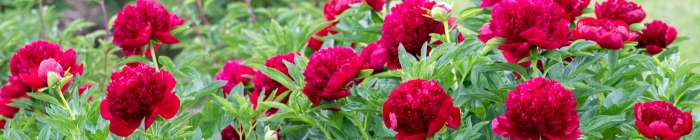
Plants you should never cut back in fall! Fall is a crucial time for plant care, but not all plants benefit from pruning. Some plants, if pruned in the fall, can suffer significant setbacks. This guide delves into the delicate balance between pruning and preserving your plants’ health throughout the colder months, revealing which plants should be left untouched during fall pruning.
We’ll explore the reasons why fall pruning is detrimental to specific plant types and provide alternative fall care strategies.
Understanding the timing and specific needs of your plants is key to their survival and thriving. By avoiding unnecessary pruning in the fall, you can protect your plants from winter’s harsh conditions. This article will help you identify the plants that shouldn’t be pruned during the fall and why.
Introduction to Fall Pruning

Fall pruning is a crucial gardening task that significantly impacts the health and vigor of your plants. Proper pruning techniques during the fall season can promote stronger growth, prevent disease, and encourage a beautiful display in the following spring. It’s a time for strategic action that sets the stage for a thriving garden year-round.Understanding the principles of fall pruning allows you to effectively manage your plants’ structure and prepare them for the challenges of winter.
By strategically removing dead, diseased, or damaged branches, you improve air circulation and sunlight penetration, minimizing the risk of pests and diseases. The key is to understand the specific needs of each plant type, ensuring the pruning schedule aligns with their individual characteristics and the local climate.
Timing Considerations for Fall Pruning
The optimal time for fall pruning varies depending on your geographical location and the specific plant. Generally, the best time is when the plant is dormant, typically after the first hard frost but before the ground freezes completely. This allows the plant to heal and prepare for winter without the added stress of active growth. Knowing your local climate and frost dates is critical for successful pruning.
For example, in zones with mild winters, you might have more flexibility, whereas in colder regions, pruning should be done earlier to allow adequate healing before winter’s onset.
Fall Pruning Needs by Plant Type
| Plant Type | Pruning Needs | Timing | Considerations |
|---|---|---|---|
| Deciduous Trees (e.g., maples, oaks) | Remove dead, diseased, or crossing branches. Light shaping and thinning may be done. | Late fall, after the leaves have fallen, but before the ground freezes. | Avoid pruning during periods of harsh weather or extreme temperatures. Consider the specific tree variety for best pruning practices. |
| Shrubs (e.g., roses, hydrangeas) | Remove dead, damaged, or diseased stems. Prune some shrubs to maintain shape and size, but do so lightly. | Late fall, after the foliage has died back. | Some shrubs may benefit from winter pruning to prevent overcrowding and encourage new growth. |
| Fruit Trees (e.g., apples, peaches) | Remove dead, damaged, or diseased branches. Shape and thin to improve air circulation and fruit production. | Late fall, after the fruit has been harvested. | Proper pruning techniques are crucial for fruit tree production and health. Consult resources for specific pruning guidelines for fruit tree varieties. |
| Evergreen Trees (e.g., pines, spruces) | Prune only to remove dead, diseased, or damaged branches. Avoid extensive pruning, as it can stress the plant. | Late fall, after the foliage has hardened. | Evergreens are generally pruned for maintenance rather than to promote growth, unlike deciduous plants. |
The table above offers a general guideline. Always consult specific resources for detailed information on pruning practices for different plant types. Remember, proper fall pruning is a crucial step in maintaining healthy and productive plants throughout the year.
Plants to Avoid Fall Pruning
Fall pruning, while beneficial for many plants, can be detrimental to others. Understanding which plants are best left untouched during this season is crucial for their health and overall success. Proper timing and technique are vital to ensure thriving growth and avoid unnecessary stress on the plant.Many plants are actively preparing for winter dormancy during the fall. Cutting them back at this time can disrupt these natural processes, potentially harming their ability to survive the colder months and leading to weakened growth and overall decline.
Plants Sensitive to Fall Pruning
Fall pruning can be detrimental to a variety of plants. Certain species are particularly vulnerable to this practice. These plants, often actively growing and developing new structures in the fall, need to maintain their energy stores to withstand winter’s challenges. Cutting them back prematurely can lead to damage.
- Deciduous Fruit Trees: Pruning fruit trees in the fall can disrupt the plant’s ability to set fruit buds for the following spring. Removing branches during this time can lead to fewer flowers and, consequently, fewer fruits. This is especially true for fruit trees like apples, pears, and plums, which need to retain their energy reserves to bloom and produce fruit the next year.
While fall is a great time to tidy up your garden, there are certain plants you should absolutely leave alone. For example, shallots are a crucial fall harvest, and knowing precisely when and how to harvest them is key to getting the best flavor and yield. Check out this helpful guide on when and how to harvest shallots for all the details.
Ultimately, respecting the natural life cycles of plants like shallots, and avoiding harsh cuts in the fall, will lead to a healthier and more productive garden next year.
- Roses: Roses are often pruned in the late winter or early spring, but fall pruning is generally discouraged. Cutting back roses during the fall can weaken them before the winter’s cold and potentially leave them vulnerable to diseases and pests.
- Lavender: Lavender, a beloved fragrant herb, thrives in specific conditions. Fall pruning can disrupt its ability to establish new growth and develop strong root systems for the next growing season. It’s generally recommended to prune lavender in late winter or early spring.
- Hydrangeas: Hydrangeas, particularly the mophead varieties, often produce their flowers on the current year’s growth. Pruning them in the fall can result in fewer blooms the following season. Ideally, hydrangeas should be pruned in late winter or early spring.
Negative Impacts of Fall Pruning
The timing of pruning is critical. Fall pruning can have a variety of detrimental impacts on the specific plants mentioned. These negative impacts can manifest in various ways, including reduced flowering, diminished fruit production, and increased susceptibility to winter damage.
- Reduced Flowering: Many flowering plants, like roses and hydrangeas, develop flower buds during the growing season. Fall pruning can damage or remove these buds, leading to fewer flowers the following spring. This is a significant negative impact as the plant’s energy is diverted from flower production.
- Increased Susceptibility to Winter Damage: Without adequate time to develop protective tissues and reserves, plants pruned in the fall may be more vulnerable to winter’s harsh conditions. This vulnerability can result in frost damage, cold injury, and even death in extreme cases.
- Delayed Growth: Fall pruning can interrupt the natural growth cycle of many plants, resulting in delayed growth and development in the spring. The plant’s energy reserves are depleted, leading to a weaker and less robust spring.
Pruning Schedule by Plant Type
A well-timed pruning strategy is essential for maintaining plant health and maximizing growth.
| Plant Type | Pruning Season | Reason |
|---|---|---|
| Roses | Late Winter/Early Spring | Allows for the removal of dead or diseased wood and promotes new growth. |
| Fruit Trees | Late Winter/Early Spring | Enables the removal of dead, diseased, or crossing branches, promoting better fruit production and air circulation. |
| Hydrangeas | Late Winter/Early Spring | Allows for the removal of dead or diseased branches and shaping for better flowering. |
| Lavender | Late Winter/Early Spring | Promotes healthy growth and a beautiful, full appearance. |
Potential Problems from Fall Pruning: Plants You Should Never Cut Back In Fall

Fall pruning, while tempting for tidying up gardens, can often lead to unforeseen consequences for plants. This practice, if not performed with meticulous care and consideration for the plant’s specific needs, can trigger stress, weaken defenses, and even lead to significant long-term damage. Understanding the potential pitfalls of fall pruning is crucial for maintaining healthy and thriving landscapes.The timing of pruning plays a significant role in its impact on plant health.
Spring pruning, typically performed after the risk of harsh winter weather has passed, allows plants to readily initiate new growth, minimizing stress. Fall pruning, on the other hand, often occurs when the plant is already undergoing dormancy or preparing for winter, making it more susceptible to damage.
Negative Impacts on Plant Health
Fall pruning can disrupt the natural dormancy process, increasing the risk of winter damage. Plants need this period of rest to prepare for the harsh conditions ahead. Removing leaves and branches prematurely can leave the plant vulnerable to frost, disease, and pests. Additionally, it can hinder the plant’s ability to store energy reserves for the following growing season.
Examples of Harm to the Plant
Improper fall pruning can lead to a variety of problems. For example, a plant pruned too heavily in the fall may struggle to regrow effectively in the spring, potentially leading to a delayed or stunted growth. This is particularly true for trees and shrubs that rely on stored energy reserves to support spring growth. Furthermore, wounds left by improper pruning can become entry points for pathogens, resulting in infections and further weakening the plant.
In severe cases, these infections can lead to the death of the plant.
Comparison of Fall and Spring Pruning Risks
Spring pruning, typically performed in late winter or early spring, allows plants to readily heal from pruning cuts as they begin new growth. This period of active growth allows the plant to readily produce new tissue and protective barriers. In contrast, fall pruning is performed during dormancy, and the plant’s healing capacity is significantly reduced. Wounds made in the fall may not heal effectively before the onset of winter, increasing the risk of disease and frost damage.
Potential Negative Consequences for the Plant
The potential negative consequences of fall pruning are multifaceted. They range from minor cosmetic issues to significant structural damage. These can include:
- Delayed or stunted growth: The plant may not have the energy reserves to initiate vigorous growth in the spring.
- Increased susceptibility to diseases and pests: Open wounds are vulnerable to infection and infestations.
- Frost damage: Exposed branches or stems can suffer damage from frost, especially if pruning has been extensive.
- Winter dieback: Extensive pruning can remove protective tissues, making the plant more vulnerable to cold.
- Structural weakening: Improper pruning can destabilize the plant’s structure, leading to future damage.
Illustrative Examples of Incorrect Fall Pruning
A common example of incorrect fall pruning is the removal of too many branches, particularly those that provide winter protection. This leaves the plant exposed to extreme cold, and the wounds may not heal properly. Another example is the removal of a significant portion of the foliage, depriving the plant of its protective layer and crucial energy reserves. This leaves the plant more vulnerable to the elements.
Table of Common Problems and Preventive Measures
| Problem | Description | Prevention |
|---|---|---|
| Delayed Spring Growth | The plant struggles to initiate new growth in the spring, potentially leading to a stunted or delayed season. | Avoid fall pruning whenever possible, or prune only very selectively, removing only dead or diseased material. |
| Increased Winter Damage | Exposed branches and stems are more vulnerable to frost and cold, leading to potential winter dieback. | Limit fall pruning to essential removals, such as dead or diseased branches, and avoid pruning branches that provide winter protection. |
| Disease and Pest Issues | Open wounds from pruning create entry points for pathogens and pests, increasing the risk of infection and infestation. | Use sharp, sanitized pruning tools to minimize damage and promote healing. Thoroughly clean pruning tools after each use. |
Alternatives to Fall Pruning
Fall is a crucial time for plant care, but aggressive pruning isn’t always the best approach. Many plants benefit from gentler methods that support their health and resilience over the winter months. Instead of severing branches, we can focus on supporting the plant’s natural processes.Choosing the right fall care strategy depends on the specific needs of the plant and the local climate.
Understanding the nuances of your garden will enable you to make informed decisions that promote healthy growth and longevity.
Mulching Techniques for Fall Plant Protection
Mulching is a powerful tool for safeguarding plants during the fall. A thick layer of organic mulch acts as a protective blanket, retaining moisture, regulating soil temperature, and suppressing weed growth. This is particularly important in colder climates, where extreme temperatures can harm sensitive plant roots.
Fall is a great time to tidy up your garden, but some plants shouldn’t be pruned then. Things like winter jasmine and certain types of ferns need to be left alone. They’re already working hard on their winter defenses and a fall trim could actually harm them. Instead of pruning, why not focus on keeping your home tidy and learn how to clean walls properly?
how to clean walls can be a great way to maintain a beautiful home, and let your plants rest and recover for the cold season. Knowing which plants to leave undisturbed is crucial for their overall health.
- Applying a protective layer: A layer of mulch, approximately 2-4 inches deep, is generally sufficient. Choose organic materials like shredded bark, wood chips, or straw. Avoid using synthetic materials, as these can hinder water absorption.
- Considering specific plant needs: Different plants have different mulch requirements. For example, some plants might need more protection than others due to their sensitivity to frost or soil dryness. Thorough research on your specific plant varieties will help you choose the right mulch type and depth.
- Maintaining moisture levels: Mulch helps to maintain moisture in the soil, preventing the roots from drying out, which is crucial for winter survival. This is especially important during dry spells, which can occur even during fall.
Watering Strategies for Fall Plant Health
Fall watering is often overlooked but is just as important as spring or summer watering. Water deeply and less frequently to encourage deep root growth, crucial for winter survival. Assess the soil moisture regularly, as overly wet soil can also harm plants.
- Deep watering: Focus on providing a deep watering rather than frequent, shallow waterings. This encourages the roots to grow deeper into the soil, making them more resilient to winter conditions.
- Assessing soil moisture: Before watering, check the moisture content of the soil. If the top inch of soil feels dry, it’s time to water. Overwatering can be just as detrimental as underwatering, leading to root rot.
- Adjusting for weather conditions: Pay close attention to rainfall patterns. If there’s adequate rainfall, reduce the frequency of supplemental watering. Consider using a rain gauge to track precipitation.
Protective Measures for Winterizing Plants, Plants you should never cut back in fall
Certain plants require extra protection from the harsh winter conditions. These measures include using winter covers, providing windbreaks, and selecting appropriate plant varieties.
- Using winter covers: Fragile plants can be covered with frost blankets or burlap to protect them from frost and extreme temperature fluctuations. These measures are crucial for plants that are not adapted to the local winter conditions.
- Providing windbreaks: Plants that are susceptible to wind damage can benefit from windbreaks, which can be as simple as strategically placing shrubs or other plants to deflect strong winds.
- Selecting appropriate plant varieties: Choose plant varieties that are known to thrive in your local climate. This will help them better withstand the challenges of the winter season, minimizing the need for additional protection.
Comparison of Fall Plant Care Methods
| Method | Description | Benefits | Drawbacks |
|---|---|---|---|
| Pruning | Removing branches and stems | Can improve air circulation, shape, and aesthetic | Can stress the plant, may increase vulnerability to diseases or pests |
| Mulching | Applying organic material around the base of plants | Retains moisture, regulates soil temperature, suppresses weeds | Can trap moisture, potentially leading to root rot if not applied correctly |
| Watering | Providing deep, infrequent waterings | Encourages deep root growth, crucial for winter survival | Overwatering can harm roots; requires monitoring soil moisture |
| Winterizing | Protecting plants from extreme cold, wind, and frost | Increases plant survival rates in harsh conditions | May require additional effort and resources |
Specific Plant Examples and Pruning Advice
Fall pruning, while beneficial for many plants, can be detrimental to others. Understanding which plants should be left undisturbed during this time is crucial for their health and vigor. Improper fall pruning can lead to increased susceptibility to disease, stress, and even death for certain species.Proper fall care and spring pruning techniques are essential for these plants to thrive.
Ignoring their specific needs can lead to stunted growth and reduced flowering or fruiting the following year. This section will Artikel several common plants that should be avoided for fall pruning, explain why, and detail the best approaches for their care throughout the season.
Protecting your fall foliage is crucial! Some plants, like certain types of hydrangeas and roses, benefit from being left undisturbed during the colder months. To ensure your AC is running smoothly all summer, remember to schedule your spring air conditioner maintenance early. Proper fall plant care will keep them thriving and beautiful for next year’s spring blooms.
Common Plants to Avoid Fall Pruning
Understanding the specific needs of different plants is critical. Some species are particularly vulnerable to stress and damage from fall pruning, and it is crucial to consider their unique characteristics.
- Roses: Roses are notoriously sensitive to fall pruning. The colder temperatures and shorter days of fall can make them more susceptible to frost damage if pruned too aggressively. The newly exposed wood is more vulnerable to winter chill. Proper fall care involves protecting the plants from harsh weather conditions and ensuring they have sufficient mulch around their roots.
In spring, focus on removing any dead or diseased canes, and shaping the plant to encourage healthy growth. This is best done once the danger of frost has passed.
- Hydrangeas: Fall pruning hydrangeas is a significant mistake. These plants are often pruned in late winter or early spring. Fall pruning can stimulate new growth that is susceptible to cold damage. In the fall, focus on providing adequate water and mulch to protect the roots. Spring pruning involves removing dead or damaged stems and shaping the plant.
Hydrangeas usually benefit from light pruning in the late winter or early spring.
- Camellias: Camellias bloom in winter and spring, and fall pruning can severely reduce their blooms. These plants are more resilient to frost and winter conditions, but pruning in fall is still a risk. Fall care involves keeping the plants well-watered and mulched. Spring pruning should focus on removing any dead or damaged branches and shaping the plant, but keep the structural framework intact.
- Fruit Trees (especially stone fruits like peaches and plums): Pruning fruit trees in the fall can damage the tree, potentially reducing fruit production in the following year. The fall is the time to protect the tree’s roots, not prune the branches. In the spring, focus on removing dead or diseased branches, and shaping the plant to allow for proper air circulation and sunlight.
Ideal Pruning Seasons for Specific Plants
The following table Artikels the ideal pruning seasons for various plants, providing a clear guide for maintaining their health and beauty.
| Plant Name | Pruning Season | Description |
|---|---|---|
| Roses | Late winter/Early spring | Remove dead or diseased wood, shape the plant to encourage healthy growth. |
| Hydrangeas | Late winter/Early spring | Remove dead or damaged stems and shape the plant for better air circulation. |
| Camellias | Late winter/Early spring | Remove dead or damaged branches and shape the plant. |
| Fruit Trees (Peaches, Plums) | Late winter/Early spring | Remove dead or diseased branches and shape the plant to allow for proper air circulation. |
| Other deciduous shrubs | Late winter/Early spring | Remove dead or damaged branches, shape the plant to promote a healthy form. |
Fall Plant Care Practices
Preparing your plants for the winter chill is crucial for their health and survival. Proper fall care involves a range of practices beyond pruning, ensuring your garden thrives through the cold months. This includes providing adequate protection, adjusting watering routines, and ensuring proper mulching to shield plants from harsh weather conditions.Fall is a time for thoughtful preparation, ensuring your plants are well-equipped to face the challenges of winter.
This involves more than just cutting back; it’s about nurturing and protecting your plants to prepare them for the dormant period ahead. This section Artikels key practices for fall plant care that extend beyond pruning, including winter protection and adjustments to watering schedules.
Winter Protection Strategies
Protecting plants from frost and cold temperatures is vital for their survival during the winter. Different plants have varying needs. Some require more protection than others. Understanding these needs is key to ensuring a healthy winter for your plants.
- Mulching: Applying a layer of mulch around the base of plants acts as an insulating blanket, protecting them from freezing temperatures and temperature fluctuations. A thick layer of organic mulch, such as shredded leaves, wood chips, or straw, helps retain soil moisture and regulate soil temperature. This prevents soil from freezing solid, which can damage root systems.
- Covering: For tender plants, consider using protective covers like row covers or fleece blankets. These can be draped over plants to create a barrier against frost and wind. This is particularly important for young plants or those that are not yet acclimated to the cold.
- Watering Adjustments: As the weather cools, the need for watering decreases significantly. Overwatering during the fall can lead to root rot, a significant threat to plant health during winter. Adjust your watering schedule accordingly, ensuring the soil is not waterlogged.
- Drainage Improvements: If your plants are prone to standing water, consider improving drainage around the base of the plants. This can be done by adding gravel or creating raised beds to improve water flow. Preventing waterlogging is crucial for avoiding root damage and fungal diseases that can set in during the winter.
Preparing Plants for Dormancy
Preparing plants for their dormant period involves understanding their specific needs and ensuring their ability to survive the cold months. This often involves adjusting watering and feeding routines to allow the plant to prepare for the lack of sunlight.
- Watering Schedule Changes: Plants generally require less water as temperatures drop. Adjust your watering schedule to avoid overwatering, which can damage the root system and invite disease.
- Fertilizer Cessation: Stopping fertilizer application in the fall is a crucial step. Plants are not actively growing and utilizing nutrients during dormancy, so fertilizer is unnecessary and can even be harmful.
- Pest and Disease Management: Conduct a thorough inspection of your plants for pests and diseases. Treating any infestations early can prevent problems from spreading as the plants enter dormancy. A clean start means a healthy end.
Fall Plant Care Summary
| Activity | Description | Importance |
|---|---|---|
| Mulching | Applying a layer of organic material around the base of plants. | Insulates roots, regulates soil temperature, retains moisture. |
| Covering | Using row covers or blankets to protect plants from frost. | Protects plants from extreme temperature fluctuations. |
| Watering Adjustments | Reducing watering frequency as temperatures decrease. | Prevents overwatering and root rot. |
| Drainage Improvements | Ensuring proper drainage around plants. | Avoids waterlogging and associated root damage. |
| Fertilizer Cessation | Discontinuing fertilizer applications. | Plants don’t need fertilizer during dormancy; it can be harmful. |
| Pest & Disease Management | Inspecting and treating for pests and diseases. | Prevents infestations from spreading during dormancy. |
Last Word
In conclusion, preserving your plants during the fall involves a careful understanding of their individual needs. Knowing which plants to avoid pruning and employing alternative fall care methods is essential for their health and longevity. This guide highlights the importance of considering the timing and specific needs of each plant type when it comes to fall care, helping you nurture your plants through the winter months.
Remember, a little extra care and attention during the fall can make a big difference in how your plants flourish throughout the year.