


Reasons you should start saving seeds opens a world of exciting possibilities for home gardeners and environmental enthusiasts alike. Imagine the satisfaction of growing your own food, knowing you’re contributing to a more sustainable future, and potentially saving a significant amount of money. This journey delves into the practical methods, tools, and benefits of seed saving, revealing how it fosters resilience, sustainability, and a deeper connection with nature.
Seed saving isn’t just about growing your own veggies; it’s a fascinating exploration of biodiversity, cultural heritage, and economic empowerment. From the environmental advantages to the practical techniques, this comprehensive guide will equip you with the knowledge to embark on your own seed saving adventure.
Benefits of Saving Seeds
Seed saving is a practice that goes beyond just preserving your favorite heirloom tomatoes. It’s a powerful tool for environmental stewardship, economic empowerment, and cultural preservation. By understanding the various advantages, you can appreciate the multifaceted value of this age-old tradition.Saving seeds allows you to cultivate plants with specific traits, adapt to local conditions, and contribute to the resilience of your local ecosystem.
It also offers a unique connection to the past and a path towards a more sustainable future.
Environmental Advantages of Seed Saving
Seed saving contributes significantly to the health of our planet. By reducing reliance on commercially produced seeds, we lessen the environmental impact of industrial agriculture. This includes decreased transportation emissions, reduced pesticide use, and a decrease in the demand for chemically treated seeds. Furthermore, saving seeds fosters biodiversity by preserving diverse genetic material, thus enhancing the adaptability of crops to changing climates.
Cultivating and maintaining native plant varieties contributes to the overall health of local ecosystems, supporting pollinators and other beneficial organisms.
Economic Benefits for Home Gardeners
Saving seeds can lead to substantial economic savings for home gardeners. The initial investment in seeds can be significant, but saving seeds eliminates the annual cost of purchasing seeds. The cost savings can be considerable over time, especially for gardeners who cultivate a wide variety of plants. The practice also empowers gardeners to develop their own seed banks and grow varieties tailored to their specific needs and preferences.
Cost-Effectiveness of Saving Seeds vs. Buying
The economic advantage of seed saving becomes clear when comparing the cost of buying seeds annually versus saving seeds over time. While purchasing seeds can be convenient, the cumulative cost adds up over the years. Saving seeds, on the other hand, reduces the expenses significantly.
| Seed Type | Average Cost per Pack (USD) | Average Saved Seed Yield (Packs) | Total Cost Savings over 5 Years (USD) |
|---|---|---|---|
| Tomato (heirloom) | $3.50 | 5 | $70.00 |
| Lettuce (various types) | $2.00 | 8 | $40.00 |
| Beans (bush) | $4.00 | 6 | $60.00 |
| Zucchini | $5.00 | 4 | $40.00 |
| Peppers (various types) | $3.00 | 6 | $60.00 |
These figures represent approximate values and can vary based on factors such as seed type, quantity, and local conditions. The substantial cost savings over five years become even more significant for large-scale gardeners. It is also important to note that the cost of buying seeds is not constant; it varies depending on the type and availability of seeds.
Cultural Significance of Seed Saving
Seed saving is deeply embedded in many cultures, representing a connection to tradition and heritage. For generations, families have passed down knowledge and practices related to seed saving, ensuring the continuity of heirloom varieties. These traditions often involve intricate knowledge of seed selection, storage, and propagation, reflecting cultural values and agricultural practices. Seed saving fosters a sense of community and shared history.
Resilience and Sustainability Aspects of Seed Saving
Seed saving contributes significantly to the resilience of local food systems. By preserving diverse seed varieties, we create a buffer against crop failures and environmental changes. This resilience extends to the sustainability of agriculture, reducing dependence on commercial seed sources and promoting the cultivation of locally adapted varieties.
Long-Term Benefits for Food Security, Reasons you should start saving seeds
Seed saving plays a crucial role in ensuring long-term food security. By preserving diverse seed varieties, we create a wider range of options for food production. This diversity is crucial in the face of changing climates and unforeseen challenges, safeguarding food production for future generations. This approach contributes to a more resilient and sustainable food system.
Practical Methods for Seed Saving
Turning your garden bounty into a future harvest is exciting! Saving seeds is a rewarding process that connects you to the life cycle of your plants and builds resilience in your food system. It’s a way to ensure a reliable supply of seeds for your garden year after year.Seed saving isn’t just about preserving your favorite varieties; it’s about understanding the intricacies of plant reproduction and the art of selecting and preserving seeds for the best possible outcome.
Harvesting Seeds from Different Vegetables
Different vegetables require specific harvesting techniques. Timing is crucial for successful seed collection. Overripe or underripe fruits won’t produce viable seeds. For instance, tomatoes need to be fully ripe before harvesting seeds, whereas beans should be harvested when the pods are dry and turning brown. Peppers, similarly, need to reach their full maturity.
Drying and Storing Seeds for Long-Term Preservation
Proper drying is vital for preventing mold and rot during storage. Seeds should be dried completely before storage to prevent fungal growth and maintain viability. A warm, dry, and well-ventilated area is ideal. Avoid direct sunlight, as intense heat can damage the seeds. Air drying is the most common method, but dehydrating in a low-temperature oven can also work well for some vegetables.
Saving seeds is a fantastic way to connect with nature and ensure your favorite flowers and veggies return year after year. It’s a rewarding hobby, especially if you’re planning a beautiful Christmas living room decor, like those gorgeous, fresh flower arrangements you can create. christmas living room decor ideas are often inspired by nature, and saving seeds provides the perfect, sustainable source for beautiful elements.
Plus, you’ll be amazed at how much you can save by growing your own!
Properly stored seeds can remain viable for several years.
Saving seeds is a fantastic way to ensure you have fresh, flavorful produce year after year. It’s a rewarding hobby, and you’ll be amazed at how much you can save! Plus, considering how many kitchen features can become eyesores over time, like those dated countertops or noisy appliances , growing your own food is a great way to add some freshness and charm to your home without breaking the bank.
It’s a simple, sustainable practice that benefits both your wallet and your garden.
Selecting Seeds for Saving
Selecting seeds for saving is a key part of the process. Choose plants that exhibit the traits you desire, such as disease resistance, high yield, or unique flavor profiles. Avoid plants that show signs of disease or pests. Look for plants that produce abundant and healthy fruit or vegetables. Examine the seed pods for any signs of damage or defects.
Select the best specimens to ensure the quality of the seeds you’ll save.
Seed Cleaning and Sorting
Thoroughly cleaning and sorting seeds before storage is crucial for seed longevity. Remove any debris, chaff, or damaged seeds. Cleaning prevents contamination and ensures healthy seeds. Use a fine-mesh sieve or a gentle hand-sorting method. Use a paper towel to gently dry the seeds and separate them from any remaining chaff or debris.
Sorting by size and shape can also be helpful for organizing seeds and increasing efficiency during planting time.
Step-by-Step Guide to Seed Saving
| Vegetable Type | Harvesting Time | Drying Method | Storage Method |
|---|---|---|---|
| Tomatoes | When fully ripe and firm | Air dry on paper towels in a warm, dry place | Store in labeled paper envelopes or airtight containers in a cool, dark, dry place |
| Beans | When pods are dry and turning brown | Air dry in a warm, dry place, then separate seeds from pods | Store in labeled paper envelopes or airtight containers in a cool, dark, dry place |
| Peppers | When peppers are fully ripe and firm | Air dry in a warm, dry place | Store in labeled paper envelopes or airtight containers in a cool, dark, dry place |
Importance of Storage Conditions and Longevity
Proper storage conditions are paramount for seed longevity. Cool, dark, and dry conditions are essential to prevent moisture damage, mold, and insect infestations. Seeds should be stored in airtight containers or paper envelopes. Label each container with the type of seed, the date of harvest, and any specific characteristics. Check seed viability periodically, especially for seeds stored for more than a year.
Open Pollination vs. Hybrid Seeds
Open-pollinated varieties are generally easier to save seeds from because they maintain their traits generation after generation. Hybrid seeds, created by cross-pollination of different varieties, often don’t produce true-to-type offspring, making saving seeds less reliable. Knowing whether you are working with an open-pollinated or a hybrid seed is important for ensuring successful seed saving.
Seed Saving Tools and Resources
From simple seed packets to complex drying racks, a well-equipped seed saver has a toolbox that supports their journey. This section dives into the essential tools and resources for successful seed saving, highlighting their uses and showcasing the power of community support. Choosing the right tools and understanding their application will ensure healthy seeds for future harvests.Essential tools and resources are critical for a successful seed-saving endeavor.
Having the right equipment makes the process smoother, safer, and more efficient. This section details the tools, resources, and best practices for effective seed saving, along with the importance of local seed-saving communities.
Essential Seed Saving Tools
A comprehensive set of tools facilitates the seed saving process, from collecting seeds to storing them for future use. Investing in the right tools ensures high-quality seed harvests and minimizes potential risks. These tools can range from simple to complex, depending on the scale of the project.
- Seed packets and envelopes: Small, labeled seed packets or envelopes are essential for organizing and storing seeds. This allows for easy identification of the variety and the year of collection, crucial for maintaining accurate records.
- Scissors or sharp knife: Used for carefully harvesting seeds from fruits or pods, these tools ensure clean cuts and minimize damage to the seeds. Sharp blades are important to avoid tearing or crushing seeds.
- Tweezers: These are invaluable for delicate seeds, ensuring gentle handling to prevent damage. They also allow for accurate removal of seeds from pods or other structures.
- Drying racks or trays: Allow for controlled drying of harvested seeds, preventing mold and ensuring proper germination. The materials should allow air circulation and be easy to clean.
- Labels and markers: Crucial for keeping track of seed varieties, collection dates, and any other relevant information. This organization ensures accurate identification and prevents mistakes.
- Paper bags or jars: These containers provide temporary storage for seeds during the drying process. Ensure they are clean and dry to avoid contamination.
Online Resources for Seed Saving
Accessing online resources expands knowledge and facilitates the process. These resources offer guidance, inspiration, and valuable insights into different methods and techniques for seed saving. Community forums provide invaluable support and insights from experienced seed savers.
- Seed saving websites: Numerous websites offer detailed information on seed saving, including guides, tutorials, and success stories. These websites often have forums and communities to connect with other seed savers.
- Seed saving blogs: Blogs dedicated to seed saving provide articles, tips, and inspiration from various seed savers. These blogs often showcase specific seed saving techniques for particular plants.
- Online seed libraries: These libraries often have resources for seed saving, providing information on seed saving techniques and specific plant varieties. They also connect individuals with others in the seed saving community.
- University extension websites: Local agricultural extension offices frequently have online resources for seed saving, often with specific information tailored to the region. These resources provide local advice for growing conditions and appropriate seed saving methods.
Seed Saving Tool Use
Proper use of tools is essential to ensure the health and viability of seeds. A step-by-step approach will help to maintain the quality and viability of the seeds. This method also contributes to accurate record-keeping.
- Harvesting seeds: Carefully collect seeds from the plant, ensuring they are mature and healthy. Use appropriate tools like scissors or tweezers to avoid damaging the seeds.
- Cleaning seeds: Thoroughly clean the seeds to remove any debris, dirt, or other contaminants. This step helps prevent fungal infections and other seed-borne diseases.
- Drying seeds: Spread the cleaned seeds on drying racks or trays in a well-ventilated area. Ensure the seeds are completely dry before storing.
- Storing seeds: Store the dried seeds in labeled paper bags or airtight containers in a cool, dry place. Proper labeling and storage are essential to ensure long-term seed viability.
Comparing Seed Saving Tools
Different tools offer varying levels of efficiency and precision. The best choice depends on the specific needs and the type of seeds being saved. Each tool has its strengths and weaknesses.
| Tool Name | Image Description | Function | Approximate Cost |
|---|---|---|---|
| Seed packets | Small, labeled paper envelopes | Storing and organizing seeds | Low (a few cents per packet) |
| Scissors/Sharp knife | Sharp blades for cutting | Harvesting seeds from pods or fruits | Low (a few dollars) |
| Tweezers | Small, handheld tools with fine tips | Handling delicate seeds | Low (a few dollars) |
| Drying racks | Wire or mesh racks for air circulation | Drying harvested seeds | Moderate (a few to tens of dollars) |
| Labels/Markers | Labels and pens for identifying seeds | Recording seed information | Low (a few dollars) |
Importance of Local Seed Saving Communities
Local seed saving communities play a vital role in supporting and fostering seed saving practices. These communities provide invaluable support, resources, and opportunities for learning and sharing knowledge. Their collective experience helps to preserve biodiversity and traditional varieties.
Saving seeds is a fantastic way to support sustainable gardening, and it’s surprisingly rewarding. Plus, it’s super economical! Think about all the delicious heirloom tomatoes you could grow next year if you saved the seeds from your favorites. Just like Martha Stewart’s incredible holiday hosting tips can elevate your gatherings, Martha Stewart’s best holiday hosting tips highlight the art of careful preparation and thoughtful presentation, similar to how saving seeds requires thoughtful preparation to ensure successful germination.
It’s a great way to appreciate the cycle of life, and it’s an amazing gift to yourself and the planet.
- Knowledge sharing: Experienced seed savers in the community share their knowledge and expertise, providing valuable guidance and support.
- Resource exchange: Seed saving communities often facilitate the exchange of seeds, allowing individuals to access diverse varieties and contribute to the preservation of genetic diversity.
- Support networks: Seed saving communities provide a supportive network for seed savers, fostering collaboration and encouraging continued participation in the process.
Maintaining Seed Viability and Quality
Preserving the life and quality of your seeds is crucial for successful harvests. Proper storage and handling, along with understanding the factors that influence seed viability, are key to ensuring that your seeds remain potent and ready to sprout. This section will delve into the intricacies of maintaining seed quality, covering everything from storage methods to testing procedures.Seed viability and quality are affected by a multitude of factors.
Environmental conditions, such as temperature and humidity, play a significant role. Furthermore, the seed’s inherent characteristics, including maturity and genetic makeup, contribute to its lifespan. Proper handling and storage techniques are paramount to preserving the seed’s potential for germination.
Factors Affecting Seed Viability
Seed viability is influenced by several intrinsic and extrinsic factors. Genetic predisposition plays a role, as some seed types are naturally more prone to degradation than others. The seed’s maturity at harvest time significantly impacts its initial viability. Seeds harvested prematurely may not have fully developed the necessary reserves for germination. Post-harvest handling, including cleaning, drying, and storage, further influences longevity.
Storage conditions, particularly temperature and humidity, directly affect the seed’s ability to remain viable.
Importance of Proper Seed Storage and Handling
Proper seed storage and handling are essential for maintaining viability. Cleanliness is paramount. Seeds should be stored in a clean, dry environment free from pests and diseases. Thorough cleaning removes debris and potential pathogens, minimizing the risk of contamination. Correctly drying seeds is vital to prevent fungal growth and moisture-related issues.
This usually involves carefully air-drying the seeds in a well-ventilated area, and not relying on direct heat. The chosen storage method should be carefully considered based on the seed type.
Seed Viability Testing
Seed viability testing is a crucial step in evaluating the quality of your stored seeds. This process determines the percentage of seeds capable of germination. A simple test involves placing seeds on damp paper towels, keeping them in a dark, humid environment, and observing for germination. This method can provide a quick assessment of seed viability. More sophisticated methods, like the tetrazolium test, are also available for a more precise measurement of seed viability.
Effects of Temperature and Humidity on Seed Storage
Temperature and humidity directly impact seed viability. High temperatures accelerate the deterioration process, while high humidity fosters mold and fungal growth. Low temperatures, on the other hand, slow down the rate of deterioration. Ideal storage conditions typically involve cool, dry environments, and specific temperature and humidity ranges will vary based on the type of seed.
Preventing Seed Diseases and Pests
Preventing seed diseases and pests is essential for maintaining seed quality. Proper seed cleaning and drying help to remove potential pathogens and pests. Storage in airtight containers can prevent insect infestations. Furthermore, maintaining a dry and cool environment is crucial for minimizing the risk of fungal growth.
Seed Storage Methods
Selecting the appropriate storage method is critical for long-term seed preservation. Different seed types have varying needs. Factors like the seed’s sensitivity to moisture, temperature, and light exposure determine the best storage method. Consider the following table for guidance:
| Seed Type | Storage Method | Temperature Range (°C) | Humidity Level (%) |
|---|---|---|---|
| Most vegetables and flowers | Cool, dry place (refrigerator or cool cellar) | 1-10 | 30-40 |
| Herbs | Cool, dry place (refrigerator or cool cellar) | 1-10 | 30-40 |
| Legumes | Cool, dry place (refrigerator or cool cellar) | 1-10 | 30-40 |
| Grains | Cool, dry place (refrigerator or cool cellar) | 1-10 | 30-40 |
| Bulbs | Cool, dry place (refrigerator or cool cellar) | 1-10 | 30-40 |
| Tropical Fruits | Refrigerator | 1-5 | 50-70 |
Importance of Seed Testing for Germination Rate
Testing germination rate provides critical data on seed quality. A high germination rate indicates a healthy seed stock. A low germination rate may signal the need for better storage conditions or handling procedures. Monitoring germination rates is a valuable tool for seed savers, ensuring the seeds retain their ability to sprout.
Seed Saving and Biodiversity: Reasons You Should Start Saving Seeds
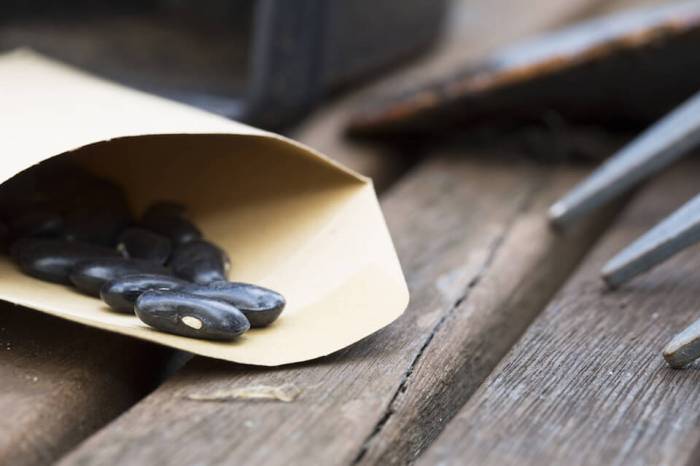
Seed saving is more than just a hobby; it’s a vital practice for preserving plant biodiversity and ensuring the resilience of our food systems. By carefully collecting and storing seeds from diverse plants, we safeguard the genetic material that underpins healthy ecosystems and future generations of crops. This practice is crucial for maintaining the incredible variety of life on Earth and supporting the long-term health of our planet.Seed saving, when done correctly, contributes significantly to the richness of plant life.
It fosters the conservation of heirloom varieties, wild relatives, and even genetically unique adaptations of crops to local conditions. This preservation of genetic diversity is essential to ensuring our food supply remains robust and adaptable to changing environmental conditions.
The Role of Seed Saving in Preserving Plant Biodiversity
Seed saving directly supports the preservation of plant biodiversity by safeguarding the genetic diversity within plant populations. By collecting seeds from a wide range of plants, including both cultivated and wild varieties, we maintain a repository of genetic material that can be utilized in future breeding programs and research. This ensures the survival of unique traits and adaptations that may be crucial for coping with environmental challenges.
Importance of Maintaining Diverse Seed Collections
Maintaining diverse seed collections is critical for ensuring a robust and resilient food system. A diverse seed collection encompasses a wider range of genetic material, allowing for adaptation to changing environmental conditions. This includes resistance to pests, diseases, and climate change. Having access to a wide variety of seeds also provides opportunities for breeding new varieties with improved characteristics.
Impact of Seed Saving on Local Ecosystems
Seed saving has a significant impact on local ecosystems by promoting the health and diversity of plant life. When we save seeds from local plants, we support the reproduction and survival of those species. This contributes to a more balanced and resilient ecosystem, increasing the chances of adaptation and survival for the entire environment.
Different Seed Saving Approaches and Their Impact on Biodiversity
Different seed saving approaches vary in their impact on biodiversity. Saving seeds from a wide range of plants, including wild relatives, promotes broader genetic diversity. Saving seeds from local varieties and heirloom crops helps to maintain the unique characteristics of these traditional varieties. The method of saving seeds, such as using open-pollinated varieties, also impacts the genetic diversity of future generations.
Careful selection and documentation of traits are key for maximizing the benefits to biodiversity.
Seed Saving and Crop Resilience
Seed saving contributes to the resilience of crops by maintaining and improving the genetic diversity within crop populations. Traditional varieties often possess unique traits that provide resistance to diseases, pests, and environmental stresses. By preserving these varieties, we ensure a more resilient crop system capable of adapting to future challenges. Seed saving also supports the development of new crop varieties through the incorporation of desirable traits from different seed sources.
Historical Significance of Seed Saving in Preserving Traditional Varieties
Seed saving has played a vital role in preserving traditional varieties of plants. For generations, farmers have saved seeds from their crops, maintaining unique characteristics and adaptations specific to their local environments. This practice has ensured the survival of heirloom varieties and the continuation of traditional farming practices.
Resources and Groups Promoting Seed Saving and Biodiversity
Numerous organizations and resources support seed saving and biodiversity initiatives. Local seed libraries, community gardens, and agricultural extension services are valuable resources for learning and sharing seed saving techniques. Online forums and seed-saving groups provide platforms for connecting with other enthusiasts and exchanging information. Organizations dedicated to preserving traditional varieties and heirloom seeds offer valuable support and resources.
- Seed Savers Exchange
- Local seed libraries
- Community gardens
- Agricultural extension services
- Online seed-saving groups
These resources and groups play a crucial role in facilitating seed saving practices and promoting biodiversity. They offer opportunities to learn new techniques, share knowledge, and connect with like-minded individuals.
Last Word
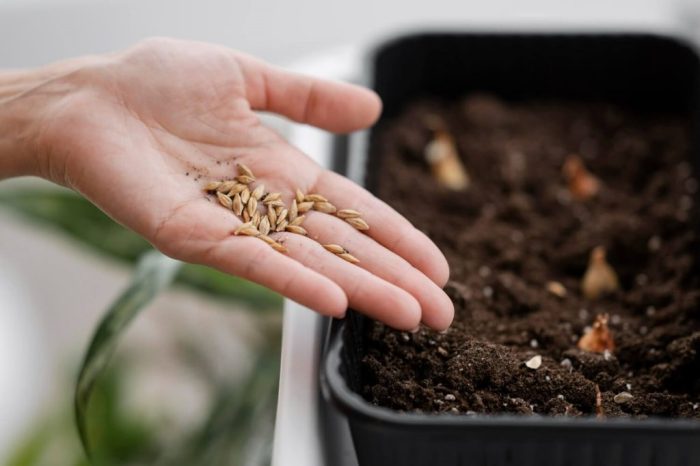
In conclusion, saving seeds offers a wealth of benefits, from environmental stewardship to economic savings and a stronger connection with your food source. By learning the practical techniques, utilizing the right tools, and understanding the importance of seed viability, you can cultivate a sustainable garden and contribute to a healthier planet. So, why not start your seed saving journey today?
You might be surprised at how rewarding it is.