

When and how to prune burning bush? This guide dives deep into the art of shaping and maintaining these vibrant shrubs, from understanding their growth cycles to mastering the perfect pruning techniques. We’ll explore the ideal times to prune, the best tools to use, and the various strategies for achieving the desired aesthetic and promoting healthy growth.
Knowing when and how to prune your burning bush is crucial for its overall health and beauty. Proper pruning encourages vigorous growth, promotes abundant blooms, and helps maintain a desirable shape. This comprehensive guide will walk you through the entire process, from selecting the right tools to implementing various pruning techniques, ensuring your burning bush thrives for years to come.
Introduction to Pruning Burning Bush
Burning bush, a popular ornamental shrub, benefits significantly from regular pruning. Proper pruning techniques ensure the plant maintains its shape, promotes healthy growth, and prevents it from becoming overgrown or leggy. This is crucial for maintaining its aesthetic appeal and overall health. Regular pruning also encourages new growth, which leads to a more vibrant and fuller appearance.Pruning is a necessary practice to manage the size and shape of the burning bush, maintaining its aesthetic value and preventing it from becoming a safety hazard.
Without regular pruning, the plant may become excessively dense, hindering airflow and sunlight penetration, which can lead to disease issues and weak growth. Moreover, overgrown bushes can present a tripping hazard.
When is the Ideal Time to Prune Burning Bush?
The optimal time for pruning burning bush is during its dormant season, typically in late winter or early spring, before new growth emerges. This timing allows the plant to heal from any pruning cuts and redirect its energy towards new growth during the active growing season. Pruning during the dormant season minimizes the risk of infection and promotes a more vigorous response from the plant.
Avoiding pruning during the growing season helps the plant allocate resources to its existing growth, and minimizes potential damage from pathogens.
Pruning Methods for Burning Bush
Different pruning methods offer varying levels of impact on the plant. Understanding the differences is essential to achieving the desired outcome.
- Light Pruning: Light pruning involves removing dead, damaged, or diseased branches, as well as shaping the plant to maintain its desired form. This approach is suitable for maintaining the existing shape of the plant without altering its overall size drastically. Light pruning is a valuable tool to maintain plant health and encourage healthy growth. It prevents the plant from becoming overgrown, while also maintaining its desired form.
Pruning burning bush is best done in late winter or early spring, before new growth emerges. Trim back any dead, diseased, or crossing branches to maintain its shape and encourage healthy new growth. Thinking about your living space, a black and white living room, like the ones in black and white living room ideas , could be a beautiful backdrop for the vibrant colours of your well-maintained burning bush.
This helps to keep your shrub looking its best and provides a balanced, healthy landscape.
- Heavy Pruning: Heavy pruning is a more intensive approach used to significantly reduce the size of the plant or rejuvenate an overgrown bush. It typically involves removing a larger proportion of branches, potentially including some older stems. This method can be used to drastically reshape the plant or revitalize a plant that has become overgrown. It’s essential to carefully assess the plant’s health and the extent of pruning required.
Over-pruning can weaken the plant, potentially leading to more damage.
Comparing Pruning Methods
The table below summarizes the key differences between light and heavy pruning methods for burning bush.
| Pruning Method | Description | Frequency | Impact on Size | Impact on Shape |
|---|---|---|---|---|
| Light Pruning | Removing dead, damaged, or diseased branches; shaping to maintain existing form. | Annual or bi-annual | Minimal | Slight |
| Heavy Pruning | Significant reduction in size; rejuvenation of overgrown bushes. | Less frequent, typically every 2-3 years | Significant | Dramatic |
Identifying the Right Tools for Pruning
Choosing the right pruning tools is crucial for a successful and safe burning bush pruning experience. Improper tools can damage the plant, leading to disease or even injury. The type of tool you select will depend on the size and thickness of the branches you need to remove. Understanding the characteristics of each tool and their appropriate uses will help you achieve the best possible results.Proper pruning tools are essential for ensuring clean cuts and preventing the spread of disease.
Sharp tools minimize damage to the plant and promote healing. Using dull tools can crush or tear the branch, leading to an open wound that is vulnerable to infection. The right tool for the job will also reduce the risk of injury to the pruner.
Types of Pruning Tools
Selecting the right pruning tool is crucial for efficient and safe pruning. Different tools are designed for various branch sizes, ensuring precision and minimizing damage to the plant. Various tools are available, each with specific advantages and disadvantages.
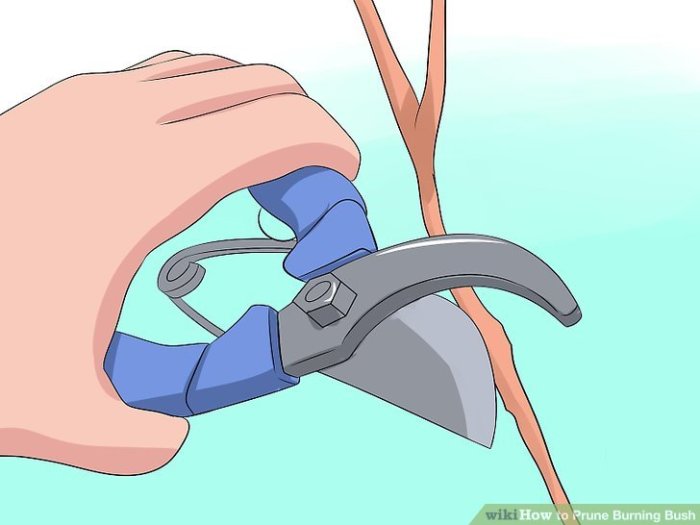
- Hand shears (pruning shears): These are ideal for smaller branches, typically up to 1/2 inch in diameter. Their compact design makes them easy to maneuver, especially in tight spaces. They are excellent for shaping and maintaining the overall form of the burning bush. A downside is their limited reach and strength, making them unsuitable for thicker branches.
- Loppers: These tools are designed for branches ranging from 1/2 inch to 1 1/2 inches in diameter. Loppers provide more leverage than hand shears, enabling you to cut through thicker branches more easily. The extended reach is a significant advantage for branches that are not easily accessible. However, they can be less precise than hand shears for finer work.
- Pruning saws: Pruning saws are necessary for branches larger than 1 1/2 inches in diameter. They provide the necessary cutting power for substantial branches, offering a straightforward solution for removing larger limbs. Saws offer the most cutting power, but they require more effort and precision to avoid damaging the plant. The larger size of the saw can also make it less convenient for detailed work compared to hand shears or loppers.
Importance of Sharp Tools
Sharp pruning tools are critical for efficient and safe pruning. A sharp blade cuts cleanly, minimizing damage to the plant and promoting faster healing. Dull blades crush or tear the branch, creating an open wound that is vulnerable to disease. This can lead to problems such as fungal infections and other issues.
“A sharp blade cuts cleanly, promoting plant health and reducing the risk of infection.”
Tool Comparison
The choice of pruning tool depends on the specific needs of the task. Each tool has advantages and disadvantages that influence its suitability for different situations.
| Tool | Branch Size (Approximate) | Advantages | Disadvantages |
|---|---|---|---|
| Hand shears | Up to 1/2 inch | Compact, precise, easy to maneuver | Limited reach, less powerful |
| Loppers | 1/2 inch to 1 1/2 inches | More leverage than shears, extended reach | Less precise than shears, can be bulky |
| Pruning saw | Over 1 1/2 inches | Significant cutting power | Requires more effort, less convenient for detailed work |
Understanding Burning Bush Growth Habits
Burning bushes, with their vibrant fall foliage, are popular landscape plants. Understanding their growth patterns is key to successful pruning and maintaining their health and beauty. Knowing how they grow, flower, and fruit allows you to prune strategically, ensuring the plant’s continued vitality. Different varieties may have slight variations, but the fundamental principles of pruning remain consistent.Burning bushes, scientifically known asEuonymus alatus*, typically exhibit a multi-stemmed, somewhat rounded growth habit.
This characteristic often necessitates more intensive pruning to maintain shape and density. They’re known for their rapid growth, especially in young stages, and their dense, often layered structure. This structure is important to consider when deciding where and how to prune.
Typical Growth Pattern and Structure
Burning bushes generally exhibit a vigorous, upright growth habit. This growth can become dense and, if left unchecked, lead to overcrowding. This density creates a need for strategic pruning to maintain airflow and light penetration. The structure is often multi-stemmed, and the stems can be somewhat winged or have prominent ridges, which are a characteristic feature of the plant.
Different Burning Bush Varieties and Pruning Needs
While
- Euonymus alatus* is the most common, other varieties exist, including some with variegated foliage. These variations may require slightly different pruning approaches. For example, a variegated burning bush might benefit from pruning that focuses on maintaining the variegation while also shaping the overall plant structure. Generally, the pruning needs for these varieties remain similar to those of the common
- Euonymus alatus* type, emphasizing the importance of balanced pruning techniques to encourage healthy growth.
Flowering and Fruiting Cycles and Pruning Impact
Burning bushes are known for their showy fall foliage, but they also produce flowers and fruit. Flowers, usually small and inconspicuous, often precede the vibrant fall foliage. Pruning during the flowering period may impact the plant’s ability to produce flowers and subsequent fruit. Heavy pruning during the flowering period may reduce or eliminate flowering in that particular season.
Pruning should generally be done after flowering and foliage has developed, to minimize interference with these natural cycles. The plant’s natural cycle of flowering and fruiting is vital for its overall health and beauty.
Identifying Healthy vs. Unhealthy Growth Patterns
Healthy burning bush growth exhibits a vibrant green color throughout the plant. New growth is typically a slightly brighter green and more vigorous. Look for a dense canopy with minimal dead or diseased branches. Unhealthy growth patterns may include yellowing or browning leaves, dead branches, or the presence of pests or diseases. The presence of pests or diseases can affect the plant’s ability to produce healthy leaves, flowers, and fruit.
Identifying these patterns early allows for timely intervention to prevent further damage and maintain the plant’s health. This involves carefully observing the plant’s overall condition and comparing it to the typical characteristics of healthy growth.
Basic Pruning Techniques for Burning Bush
Proper pruning of burning bushes is crucial for maintaining their health, shape, and overall beauty. Regular pruning encourages vigorous growth, prevents overcrowding, and helps to maintain a desirable size and structure. It also reduces the risk of disease and pests by improving air circulation. The key is to learn the appropriate techniques to ensure the bush thrives.Effective pruning allows for better sunlight penetration, promoting healthier growth throughout the plant.
This, in turn, results in a more vibrant and visually appealing burning bush. Knowing the different pruning methods and when to apply them will lead to a healthier, more beautiful landscape.
Heading Back
Heading back involves shortening stems to encourage new growth. This technique is especially useful for shaping the plant and controlling its size. It stimulates the growth of new branches from the pruned areas. This is important for maintaining a desired shape and size for the burning bush.
- Select branches you want to shorten.
- Using sharp, clean pruning shears, cut the branches back to a desired length, usually to a node or bud. A node is a point on the stem where a leaf or branch emerges.
- Make the cut at a 45-degree angle just above a healthy bud. This promotes healing and prevents disease.
- By shortening the stems, the bush will develop new, more compact growth.
Thinning
Thinning removes entire branches to improve air circulation and light penetration. This technique helps to prevent overcrowding and encourages the growth of stronger, healthier branches.
- Identify branches that are crossing, rubbing against each other, or growing inward towards the center of the bush.
- Using sharp, clean pruning shears, cut the branches out at the point where they emerge from the main stem or a larger branch. Ensure the cut is clean and precise.
- This process helps to prevent disease and pests, as it improves air circulation.
- This process ensures the bush receives adequate sunlight, which promotes stronger growth.
Rejuvenation Pruning, When and how to prune burning bush
Rejuvenation pruning is a more aggressive technique used to revitalize older, overgrown burning bushes. It involves removing a significant portion of the older stems to encourage new growth.
- Rejuvenation pruning is often needed every 5-10 years for older, overgrown burning bushes.
- This process involves removing a substantial amount of the older, less productive branches.
- Carefully select branches to be removed, targeting those that are weak, diseased, or dead. These are often the oldest and largest branches.
- By removing these older stems, you create space for new, vigorous growth from the base of the plant.
- Cut back the stems to within 12-18 inches of the ground. This promotes new growth from the base of the plant.
Making Clean Cuts
Making clean cuts is essential to prevent disease and promote healing. A clean cut seals more effectively, reducing the risk of infection.
Pruning burning bush is best done in late winter or early spring before new growth emerges. You want to remove any dead, diseased, or crossing branches. Thinking about when to stop mowing the lawn, when to stop mowing the lawn can be tricky but similar to pruning, timing is key. The goal is to keep the shape and health of your bush in top form, whether you’re tending your shrubs or your lawn.
- Use sharp, clean pruning shears, loppers, or pruning saws, depending on the size of the branch.
- Ensure the blades are sharp and free of debris to make a clean cut.
- Make the cut at a slight angle, just above a healthy bud. This helps the wound to heal properly.
- Immediately after pruning, clean your pruning tools with a disinfectant solution to prevent the spread of disease.
Pruning Strategies for Specific Needs
Burning bush pruning isn’t just about tidying up; it’s about shaping its future. Understanding your goals—whether it’s controlling size, encouraging blooms, or removing problem areas—will lead to a healthier and more visually appealing plant. Proper pruning techniques are crucial for achieving these objectives and ensuring the long-term well-being of your burning bush.
Shaping and Size Control
Burning bush, with its vigorous growth, can quickly become overgrown. Strategic pruning allows you to maintain a desirable size and shape for your landscape. Regular, light pruning throughout the year, particularly in late winter or early spring before new growth emerges, will keep the bush at a manageable size and prevent it from becoming a dominant feature. By selectively removing branches, you can maintain the desired aesthetic and prevent it from spreading beyond its designated area.
Encouraging Flowering or Fruiting
Burning bush is known for its showy blooms. Pruning can influence flowering and fruiting, although this may vary slightly depending on the specific cultivar. Light, yearly pruning promotes healthy growth and encourages the development of new flower buds. Avoid heavy pruning immediately before the flowering season as this can significantly reduce the display of blooms.
Removing Dead, Diseased, or Damaged Branches
Regular inspection for dead, diseased, or damaged branches is vital. These compromised areas can become entry points for pests and diseases. Prompt removal of these branches prevents the spread of problems to healthy portions of the plant. Using sharp, sanitized pruning tools is crucial for preventing the spread of diseases. Dispose of the removed branches properly.
Common Pruning Mistakes to Avoid
Proper pruning techniques are essential for maintaining a healthy burning bush. Avoiding common mistakes can lead to a more successful outcome.
- Pruning too heavily: Heavy pruning can shock the plant and reduce its ability to flower or fruit. A light touch is often more effective.
- Pruning at the wrong time: Pruning at the wrong time can prevent the plant from healing properly and can increase its susceptibility to diseases.
- Using dull tools: Dull pruning shears can crush and tear branches, which can lead to disease and unattractive wounds.
- Not sanitizing tools: Improper tool sanitation can spread diseases from one branch to another. Always clean your tools with a disinfectant before and after each use.
- Failing to dispose of the removed branches properly: Improper disposal can spread diseases and pests. Remove branches and discard them appropriately.
Safety Precautions When Pruning
Pruning burning bushes, like any outdoor activity involving heights and potential hazards, requires careful attention to safety. Ignoring safety precautions can lead to serious injuries, from minor cuts to more significant falls. Understanding the potential risks and implementing appropriate safety measures is crucial for a safe and successful pruning experience.Proper pruning techniques, combined with awareness of safety procedures, minimize the chances of accidents and ensure a positive outcome for both you and your burning bush.
Potential Hazards of Pruning
Pruning activities expose individuals to various hazards. Falling branches, especially from higher elevations, pose a significant risk. Branches, depending on their size and weight, can cause serious injuries or even fatalities if not properly handled. In addition to falling branches, the potential for encountering insects, such as stinging wasps or bees, within the bush should also be considered.
The presence of such insects can cause painful stings and allergic reactions in some individuals.
Appropriate Safety Measures for Different Weather Conditions
Weather conditions play a significant role in determining the safety of pruning activities. Wet weather, with its potential for slippery surfaces, increases the risk of falls. Heavy winds can make branches more unstable and prone to snapping, presenting another safety concern. Extreme heat or cold can also impact the safety of the pruning process by affecting the individual’s ability to work efficiently and safely.
It’s vital to adjust pruning activities according to weather conditions. For example, avoid pruning during heavy rain or strong winds.
Essential Safety Equipment
A comprehensive list of safety equipment is essential to mitigate the risks involved in pruning. These include:
- Safety Glasses: Protect eyes from flying debris, such as small branches or leaves.
- Gloves: Protect hands from cuts and scrapes while handling branches.
- Hearing Protection: If using power tools like chainsaws or hedge trimmers, hearing protection is essential to prevent damage to hearing.
- Work Boots: Sturdy work boots provide ankle support and protection for feet during outdoor activities, preventing slips and falls. This is especially important on uneven ground.
- Protective Clothing: Wear long sleeves and pants to prevent cuts and scrapes from branches. Consider wearing a high-visibility jacket for increased visibility in outdoor environments.
Emergency Procedures for Pruning-Related Injuries
Knowing how to react in the event of a pruning-related injury is critical. Emergency procedures should be planned and followed promptly. Immediate actions include:
- Stopping the pruning activity immediately: If an accident occurs, stop the activity and ensure the area is safe.
- Assessing the injury: Evaluate the extent of the injury, including any bleeding, broken bones, or other significant injuries.
- Providing First Aid: Apply pressure to any bleeding wounds, immobilize any suspected broken bones, and administer first aid according to the nature and severity of the injury.
- Calling Emergency Services: In cases of severe injuries, such as fractures or loss of consciousness, contact emergency services immediately.
- Documenting the incident: Record the details of the accident, including the time, location, and nature of the injury. This can be helpful in case of further medical attention or insurance claims.
Pruning for Specific Problems: When And How To Prune Burning Bush

Burning bushes, despite their vibrant beauty, can face challenges like pests, diseases, or structural issues. Proper pruning techniques, combined with understanding these problems, can help maintain their health and aesthetic appeal. Addressing these problems promptly and effectively ensures the longevity and vigor of your burning bush.A crucial aspect of pruning for specific problems is the recognition of potential issues.
Identifying the signs of pests, diseases, or structural weakness allows for timely intervention, preventing further damage and promoting the overall health of the plant.
Pest Management
Identifying and addressing pests promptly is essential for the health of your burning bush. Various insects and mites can infest these plants, causing damage to leaves, stems, and overall growth. Common pests include aphids, spider mites, and scale insects.
Pruning burning bush is best done in late winter or early spring, before new growth emerges. A sharp pair of pruning shears is essential for clean cuts, preventing disease. However, you should also be mindful of outdated or damaged tools in your shed, like those that might be dull or rusted, that you should replace. Outdated tools, such as those listed on this great resource on garden tools to throw out , can spread disease and make pruning more difficult.
For best results, always use sharp, clean tools when working with your burning bush.
- Aphids: These small, soft-bodied insects feed on plant sap, often appearing in large colonies. They can cause leaf distortion and yellowing. Early detection is key; physical removal or insecticidal soap sprays can effectively control aphid populations. Consider neem oil as an organic alternative.
- Spider Mites: Tiny spider mites create fine webbing on the leaves and stems. They suck plant sap, causing stippling and discoloration of the leaves. Thorough examination of the leaves is necessary for early detection. Strong streams of water can dislodge smaller infestations, while insecticidal sprays targeted at spider mites can control larger populations.
- Scale Insects: Scale insects are tiny, immobile insects that feed on the sap of the plant. They often appear as small bumps or patches on the stems and leaves. Regular inspections and removal of affected areas, potentially with a stiff brush, are crucial. In severe cases, insecticidal sprays may be needed.
Disease Management
Burning bushes, like other plants, are susceptible to fungal diseases. Early detection and targeted pruning are essential to preventing the spread of disease.
- Fungal Diseases: Fungal diseases can manifest as leaf spots, blights, or cankers. Recognizing these signs is crucial for immediate action. Proper pruning of affected branches and removal of infected plant material is vital to prevent the spread of the disease. Thorough sanitation of pruning tools is critical to avoid spreading the infection.
Structural Issues
Structural problems in burning bushes can stem from various factors, impacting the plant’s overall health and aesthetic appeal.
- Dead or Damaged Branches: Dead or damaged branches can weaken the structure of the plant, making it susceptible to breakage during storms or heavy winds. Regular inspections for dead, diseased, or damaged branches are essential. These branches should be pruned to maintain the plant’s structural integrity.
- Overcrowding: Overcrowding can hinder air circulation and sunlight penetration, creating conditions favorable for disease development. Pruning can help improve air circulation and sunlight penetration to the interior of the plant, preventing potential issues.
Sanitation
Proper sanitation is crucial when pruning to avoid spreading diseases.
- Pruning Tool Sanitation: Disinfect pruning tools with a solution of 10% bleach or rubbing alcohol after each use to prevent the spread of disease-causing organisms. This step is essential to maintain the health of your burning bush and prevent contamination.
Post-Pruning Care

Giving your pruned burning bush the best possible care after the trimming is crucial for its recovery and future health. Proper post-pruning care involves a multi-faceted approach, focusing on factors like fertilization, watering, protection from the elements, and ongoing health monitoring. This ensures the plant can quickly recover from the procedure and flourish.Post-pruning care is vital to minimizing stress on the plant, enabling it to heal and grow strong again.
This involves providing optimal conditions for the plant to recover, and promptly addressing any signs of distress.
Fertilizing After Pruning
A well-timed fertilization strategy supports new growth and replenishes the plant’s energy reserves after pruning. Apply a balanced, slow-release fertilizer specifically designed for flowering shrubs. Follow the product instructions carefully to avoid over-fertilizing, which can harm the plant. A general guideline is to apply fertilizer 4-6 weeks after pruning. A heavier feeding is beneficial if the plant is showing signs of weakness.
Avoid using high-nitrogen fertilizers immediately after pruning, as this can promote excessive vegetative growth and may delay flowering.
Watering After Pruning
Proper watering is essential for the plant’s recovery. The soil around the pruned area should be kept consistently moist but not waterlogged. Watering frequency will depend on the specific weather conditions, and the size of the plant. After pruning, the plant will have a higher need for water due to its reduced foliage and the stress of the procedure.
Water deeply and thoroughly, ensuring water penetrates the root zone. Avoid overhead watering, as this can promote disease.
Protecting the Plant from the Elements
Protecting the plant from extreme temperatures, harsh winds, and excessive sunlight is important after pruning. This will prevent further stress on the plant as it recovers. Newly pruned plants may be more susceptible to these elements. For example, a newly pruned plant placed in direct, full-sun exposure can lead to desiccation, causing damage to the new growth.
Consider providing some shade or a windbreak, particularly during the first few weeks after pruning.
Monitoring Plant Health After Pruning
Regular monitoring of the plant’s health after pruning is crucial for early detection of any potential problems. Look for signs of stress, such as wilting, discoloration, or unusual growth patterns. Monitor the overall health and vigor of the plant. Pay close attention to the moisture level of the soil and any signs of pests or diseases. If you notice any problems, consult with a local gardening expert or horticulturist for advice on appropriate treatment.
Ultimate Conclusion
In conclusion, pruning burning bush is a rewarding process that enhances its beauty and longevity. By understanding its growth habits, selecting the right tools, and employing the appropriate techniques, you can effectively shape and maintain your burning bush. Remember to prioritize safety, consider the specific needs of your variety, and always practice proper sanitation. With this knowledge, your burning bush will flourish, offering a vibrant display year after year.