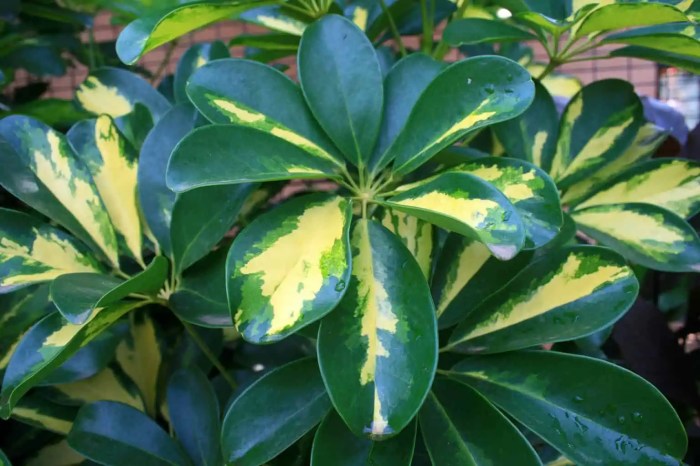
Growing Schefflera elegantissima indoors opens up a world of possibilities for adding a touch of tropical elegance to your home. This guide will delve into the specifics of providing the perfect environment for your Schefflera to thrive, from optimal light conditions to the right watering techniques, potting mixes, and more. Learn how to nurture your Schefflera and watch it flourish.
We’ll explore the key elements essential for success, including light requirements, watering techniques, ideal potting mixes, temperature and humidity control, fertilization, propagation methods, and pest/disease prevention. Understanding these aspects is crucial for achieving healthy growth and a beautiful indoor Schefflera.
Light Requirements for Indoor Growth: Growing Schefflera Elegantissima Indoors
Schefflera elegantissima, a popular houseplant, thrives in bright, indirect light. Understanding the specific light needs is crucial for maintaining its health and vibrant foliage. Insufficient or excessive light can lead to various problems, impacting the plant’s overall appearance and well-being. This section delves into the ideal light conditions, types of lighting, and the plant’s response to different light levels.
Ideal Light Conditions
Schefflera elegantissima prefers bright, indirect light. Direct sunlight can scorch the leaves, while low light levels can result in weak growth and pale foliage. Finding the right balance is key to successful indoor cultivation. A location near a window with sheer curtains or a sheer shade is often ideal. Avoid placing the plant directly in front of a south-facing window, where intense midday sun can be harmful.
Types of Indoor Lighting, Growing schefflera elegantissima indoors
Different types of indoor lighting offer varying intensities and spectral qualities. Understanding these differences allows for informed choices in providing the optimal light environment.
- Natural light is a preferred option. South-facing windows provide ample light during the day, but it’s essential to protect the plant from harsh midday sun. East-facing windows offer softer light. North-facing windows may not provide enough intensity for optimal growth.
- Fluorescent lights are a common alternative. These lights offer consistent light, but they often lack the full spectrum of natural light. This can sometimes affect the plant’s overall health, but can be a viable option when natural light is limited. The intensity of fluorescent lighting needs to be carefully considered and adjusted based on the specific needs of the plant.
- LED lights offer a highly adjustable and energy-efficient alternative. LEDs can replicate the full spectrum of natural light, making them a versatile choice. They come in various intensities, allowing for precise control over the plant’s light exposure. The intensity and spectrum of LED lights can be crucial for the plant’s growth, health, and appearance.
Assessing Light Quality
Assessing the quality of indoor light can be done through observation and measurement.
- Observe the plant’s response to existing light sources. Healthy growth, vibrant foliage, and the absence of leaf discoloration are good indicators of suitable light levels. Conversely, signs like yellowing leaves or slow growth can indicate insufficient light.
- Measure the intensity of light using a light meter. This device provides a quantitative measure of the light falling on the plant. A light meter can help determine the specific lumens required for optimal growth. Different light sources provide different levels of lumens. For example, fluorescent lights typically emit lower lumens compared to natural light or LED lights.
Comparison of Indoor Lighting Types
The table below compares different indoor lighting types based on intensity and impact on Schefflera elegantissima growth.
| Light Type | Intensity (in lumens) | Impact on Growth | Ideal Distance from Light Source |
|---|---|---|---|
| Natural Light (South-facing window, midday) | 10,000 – 20,000 lumens | Excellent growth, vibrant foliage | 1-2 feet |
| Fluorescent Light (standard) | 2,000 – 5,000 lumens | Adequate growth, may require supplementation | 1-1.5 feet |
| LED Light (full spectrum) | 3,000 – 10,000 lumens | Excellent growth, versatile | 1-2 feet |
Signs of Insufficient or Excessive Light
Recognizing the signs of insufficient or excessive light exposure is crucial for maintaining optimal plant health.
- Insufficient Light: Pale, yellowing leaves, slow growth, and leggy stems are indicators of insufficient light. The plant may also exhibit a stretched-out appearance.
- Excessive Light: Scorched, brown tips or edges on leaves, leaf drop, and a general wilting are signs of excessive light exposure. The plant’s leaves may show signs of sunburn or dehydration.
Watering Techniques

Watering your Schefflera elegantissima indoors is crucial for its health and vibrancy. Consistent and appropriate watering practices are essential for a thriving plant. Ignoring these aspects can lead to issues ranging from wilting to root rot. Understanding the specific needs of your plant is key to nurturing its growth and beauty.Proper watering schedules and methods are vital for the Schefflera elegantissima.
Overwatering can lead to root rot, while underwatering can cause the plant to wilt and eventually die. Finding the right balance is essential for maintaining a healthy plant.
Watering Schedule
The frequency of watering depends on several factors, including the size of the pot, the type of potting mix, the environmental conditions (temperature and humidity), and the plant’s overall size and vigor. A general guideline is to water when the top inch of soil feels dry to the touch. This method allows for the soil to drain properly and prevents waterlogging.
More frequent watering may be required during warmer months, while less frequent watering might be needed during cooler months.
Growing Schefflera elegantissima indoors is surprisingly rewarding. They’re relatively low-maintenance, thriving in bright, indirect light. However, if you’re looking for something a little more… interesting, you might want to check out the Venus fly trap plant profile. While fascinating, these carnivorous beauties require very specific conditions, unlike the more forgiving Schefflera.
Ultimately, both make great indoor additions, but for ease of care, the Schefflera is the clear winner.
Determining Watering Needs
The best method for determining when to water your Schefflera elegantissima is by checking the soil moisture. Stick your finger about an inch into the soil. If the soil feels dry, it’s time to water. If the soil is still moist, wait a few more days before watering again. Using a moisture meter can also provide a more precise measurement of the soil moisture.
Signs of Overwatering and Underwaterings
Overwatering is often indicated by yellowing leaves, drooping stems, and the presence of fungal growth on the soil surface. The plant may also exhibit root rot, which is a severe issue that can eventually kill the plant. Underwatering, on the other hand, can manifest as wilting leaves, brown tips, and a general lack of vitality in the plant.
The leaves might also appear crispy and dry.
Importance of Filtered or Rainwater
Using filtered or rainwater for watering is highly recommended for Schefflera elegantissima. Tap water often contains minerals and chemicals that can accumulate in the soil over time and potentially harm the plant. Filtered or rainwater provides a cleaner and healthier watering solution.
Watering Methods Table
| Method | Advantages | Disadvantages | Suitability for Schefflera elegantissima |
|---|---|---|---|
| Soaking | Ensures thorough watering, helps to saturate the entire root zone | Can be time-consuming, may lead to water runoff if not careful | Excellent; promotes deep root growth |
| Top Watering | Simple and quick | May not fully saturate the soil, prone to overwatering if not monitored carefully | Suitable, but may require more frequent applications |
| Bottom Watering | Reduces the risk of overwatering, encourages even moisture distribution | Requires a tray, can be slightly slower | Very good; ideal for avoiding overwatering |
Checking Soil Moisture
To check the moisture level of the soil, use your finger or a moisture meter. Insert your finger about an inch deep into the soil. If the soil feels dry, it’s time to water. If the soil is still moist, wait a few days. A moisture meter provides a more precise reading.
A moisture meter measures the amount of water in the soil and indicates the appropriate time to water. This prevents both overwatering and underwatering, ensuring the plant receives the right amount of hydration.
Potting Mix and Drainage
A healthy potting mix is crucial for the success of your Schefflera elegantissima. It provides the essential nutrients and aeration for robust root development. Proper drainage is equally vital, preventing root rot, a common killer of indoor plants. Understanding these elements will ensure your Schefflera thrives in its indoor environment.A well-draining potting mix allows excess water to escape, preventing waterlogged roots that can lead to fungal diseases.
This crucial aspect ensures optimal root health and overall plant vigor. The right potting mix will also retain enough moisture to keep the roots hydrated, striking a delicate balance for your Schefflera’s well-being.
Ideal Potting Mix Composition
The ideal potting mix for Schefflera elegantissima indoors should strike a balance between water retention and drainage. A good mix will allow water to drain quickly while retaining enough moisture to nourish the roots between waterings. A crucial element is the incorporation of organic matter, such as peat moss or compost, to enhance nutrient retention and aeration.
Importance of Proper Drainage
Proper drainage in the pot is essential to prevent root rot, a significant threat to Schefflera elegantissima. Excess water in the pot suffocates the roots, hindering their ability to absorb oxygen and nutrients. This ultimately leads to root decay, wilting, and eventual plant death. A well-draining mix ensures the roots receive the oxygen they need to thrive.
My Schefflera elegantissima is thriving indoors! It’s surprisingly easy to care for, and I’ve been finding creative ways to maximize its space. For example, learning how to organize a garage here has really inspired me to get creative with my plant’s pot and its surroundings. I’m looking forward to seeing how my Schefflera continues to flourish!
Creating a Well-Draining Potting Mix
A well-draining potting mix is achievable by incorporating components that promote rapid water drainage. A good ratio of coarse materials like perlite or vermiculite is key. These materials create air pockets, facilitating water flow and preventing waterlogging. A suitable potting mix recipe should include a blend of these elements, ensuring a balance between drainage and moisture retention.
Comparing Potting Mixes
Different potting mixes have varying properties regarding drainage and water retention. A commercial potting mix often contains peat moss, which holds moisture well but can retain too much water. A mix designed for cacti and succulents, on the other hand, is excellent for drainage but might not provide sufficient nutrients. A custom blend of ingredients provides the most control over the desired characteristics.
Potting Mix Ingredients
A well-balanced potting mix for Schefflera elegantissima needs a combination of ingredients. This table details the ideal proportions:
| Ingredient | Purpose | Amount (proportion) |
|---|---|---|
| Potting soil (general purpose) | Provides structure and nutrients | 50% |
| Perlite | Enhances drainage and aeration | 30% |
| Vermiculite | Retains moisture and improves aeration | 20% |
Checking for Proper Drainage
Proper drainage can be easily assessed by observing the pot’s drainage holes and the potting mix. Fill the pot with the mix and water it thoroughly. After 30 minutes, check if water has accumulated in the pot’s saucer or tray. If water collects, the drainage is inadequate, and the mix needs modification. The mix should allow water to drain freely without pooling.
Temperature and Humidity
The Schefflera elegantissima, a popular houseplant, thrives in specific temperature and humidity conditions. Understanding these factors is crucial for maintaining its health and promoting vigorous growth. Maintaining the ideal environment ensures the plant’s well-being and prevents stress.Optimal temperature and humidity levels are vital for the Schefflera elegantissima to flourish. Proper environmental conditions directly impact the plant’s overall health, affecting its growth rate, resilience, and aesthetic appeal.
By creating a suitable microclimate, you’ll encourage robust development and ensure a vibrant, healthy plant.
Optimal Temperature Range
The Schefflera elegantissima thrives in a consistent temperature range. Maintaining a steady temperature minimizes stress and allows the plant to focus on growth and development. Ideal temperatures for indoor cultivation typically fall between 18°C and 24°C (64°F and 75°F). Temperatures outside this range can negatively impact the plant’s health. Avoid exposing the plant to drastic temperature fluctuations.
Ideal Humidity Levels
Maintaining the proper humidity level is equally important for the Schefflera elegantissima. High humidity mimics its natural environment, promoting healthy leaf growth and reducing stress. The ideal humidity range for this plant is between 50% and 70%. Lower humidity can lead to leaf dryness and damage.
Maintaining Temperature and Humidity
Several methods can help maintain the ideal temperature and humidity for your Schefflera elegantissima. Placing the plant near a humidifier or grouping plants together can increase humidity. Grouping plants also creates a more natural environment, enhancing the overall aesthetic appeal of the space. Using a thermometer and hygrometer allows you to monitor the conditions and make necessary adjustments.
Regular checks will ensure the plant thrives.
Signs of Temperature or Humidity Stress
Recognizing the signs of stress is crucial for timely intervention. Signs of temperature stress include wilting, leaf browning, or a general decline in vigor. Low humidity can manifest as dry, crispy leaf margins, or even leaf drop. Regular observation allows for proactive measures and helps maintain a healthy environment for the plant.
Increasing Humidity
If the humidity levels are too low, several strategies can increase them around the plant. Group plants together to increase humidity naturally. Using a humidifier is another effective method to elevate the humidity levels. Place a tray of water near the plant, ensuring the pot does not sit in water. Regular misting can also be beneficial, though avoid over-watering.
Effects of Temperature and Humidity on Plant Health
The following table illustrates how different temperature and humidity levels affect the Schefflera elegantissima’s health and growth.
Growing Schefflera elegantissima indoors is surprisingly rewarding, but keeping those lush leaves looking their best requires a bit of care. Just like you need to know how to properly clean winter boots to keep them in good shape, you need to find the right approach to maintain your Schefflera’s vibrancy. A simple spray with a gentle cleaner, followed by thorough drying, is key to preventing any buildup.
So, if you want your Schefflera to thrive, check out these tips on how to clean winter boots for some great inspiration on maintaining your plants’ cleanliness and overall health. Now, back to those lovely Schefflera leaves!
| Temperature (°C) | Humidity (%) | Growth Rate | Potential Issues |
|---|---|---|---|
| Below 15°C | Below 40% | Slow or stunted | Leaf drop, browning, reduced vigor |
| Above 27°C | Below 50% | Moderate | Possible leaf burn, reduced growth rate |
| 18°C – 24°C | 50% – 70% | Optimal | Healthy growth, vibrant leaves |
| Above 27°C | Above 70% | Moderate | Potential for fungal issues, but good growth |
Fertilizing Practices

Feeding your Schefflera elegantissima regularly with the right fertilizer is crucial for its healthy growth and vibrant foliage. Proper fertilization supports robust root development, encourages lush leaf production, and helps the plant maintain its overall vitality. Ignoring this aspect can lead to stunted growth, pale leaves, and a weakened plant structure.
Importance of Fertilizing
Schefflera elegantissima, like many houseplants, requires regular feeding to obtain essential nutrients for optimal growth and development. These nutrients are not always readily available in the potting mix, especially as the plant matures and consumes them. Fertilizers provide a balanced supply of essential elements, enabling the plant to thrive indoors.
Best Time to Fertilize
The ideal time to fertilize a Schefflera elegantissima is during its active growth period, typically from spring to early fall. This coincides with the warmer temperatures and longer daylight hours that promote vigorous growth. Avoid fertilizing during the winter months when the plant’s growth slows down. Over-fertilizing during this period can lead to nutrient burn and harm the plant.
Appropriate Fertilizer Type
A balanced, water-soluble fertilizer formulated for houseplants is the best choice for Schefflera elegantissima. Look for a fertilizer with an NPK ratio (Nitrogen, Phosphorus, Potassium) of approximately 10-10-10 or similar, ensuring a balanced nutrient profile. Liquid fertilizers are preferred for ease of dilution and application.
Signs of Over-Fertilizing
Over-fertilizing can manifest in several ways. Yellowing or browning of leaves, leaf drop, and the presence of salt deposits on the soil surface are common indicators of over-fertilization. Burnt leaf tips are also a clear sign. These issues arise from a buildup of excess nutrients in the soil, hindering the plant’s ability to absorb them effectively.
Fertilizing Schedule
A consistent schedule promotes healthy growth. A general guideline is to fertilize your Schefflera elegantissima every two to four weeks during the growing season (spring and summer). Reduce the frequency to once a month during the fall. Adjust based on the plant’s specific needs and your observation.
Correct Dosage of Fertilizer
Always follow the manufacturer’s instructions for the correct dosage of fertilizer. Diluting the fertilizer solution to half or even a quarter of the recommended strength is often sufficient. This reduces the risk of over-fertilization and ensures a controlled supply of nutrients. A gradual increase in nutrient supply is better than large amounts at once.
Fertilizer Suitability Table
| Fertilizer Type | Benefits | Drawbacks | Ideal Application Rate |
|---|---|---|---|
| Balanced Liquid Fertilizer (10-10-10) | Provides a balanced nutrient profile, readily available and easy to apply | Potential for over-fertilization if not diluted properly | Dilute to half or quarter strength of recommended dosage |
| Slow-Release Granular Fertilizer | Sustained nutrient release over time, less frequent applications | Can be more difficult to adjust nutrient levels, potential for nutrient buildup | Follow manufacturer’s instructions carefully |
| Organic Fertilizer (e.g., fish emulsion) | Environmentally friendly, rich in micronutrients | May require more frequent applications, can have a strong odor | Follow manufacturer’s instructions for dilution |
Propagation Methods
Propagating Schefflera elegantissima indoors allows you to create new plants from existing ones, expanding your collection or sharing with others. This process, while straightforward, requires careful attention to detail and the correct technique to ensure success. Understanding the various propagation methods, their nuances, and potential challenges is crucial for achieving healthy new plants.
Methods for Propagation
Different propagation methods offer varying degrees of success and complexity. Each method leverages a unique aspect of the plant’s biology to create new specimens. Choosing the appropriate method depends on your experience level and the resources available.
Cuttings
Propagating by cuttings is a common and often successful method for Schefflera elegantissima. It involves taking a healthy stem cutting and encouraging it to develop roots and new growth.
- Step 1: Selecting the Cutting: Choose a healthy, actively growing stem, ideally between 4-6 inches long. Avoid stems with signs of disease or pests.
- Step 2: Preparing the Cutting: Make a clean cut just below a node (where leaves emerge from the stem) using a sharp, sterilized knife or pruning shears. This encourages root development at the node.
- Step 3: Rooting Medium: Use a well-draining rooting medium composed of perlite, vermiculite, or a mixture of both. This mixture allows for adequate moisture retention while preventing waterlogging.
- Step 4: Planting the Cutting: Insert the cutting into the rooting medium, ensuring the node is buried. Lightly press the medium around the cutting to secure it.
- Step 5: Maintaining Moisture and Temperature: Keep the rooting medium consistently moist, but not soggy. Maintain a warm temperature (ideally between 70-80°F) to promote root growth. A humidity dome or plastic bag can help maintain moisture levels.
- Step 6: Monitoring and Care: Regularly check the cutting for signs of root development. Once roots are visible, you can carefully transplant the cutting into a larger pot.
Leaf Cuttings
Leaf cuttings can also be used for propagation. This method often yields slower results than stem cuttings.
- Step 1: Selecting the Leaf: Select a healthy, mature leaf from the plant.
- Step 2: Preparing the Leaf: Carefully remove the leaf from the stem, making a clean cut.
- Step 3: Rooting Medium: Place the leaf cutting on a well-draining rooting medium, ensuring the cut end is buried.
- Step 4: Maintaining Conditions: Keep the medium consistently moist and warm. A humidity dome can be helpful.
- Step 5: Monitoring and Care: After several weeks, new growth might emerge from the base of the leaf, indicating root development. Transplant into a pot when roots are visible.
Air Layering
Air layering is a more complex method, but it can be effective, particularly for larger specimens. This method involves encouraging root growth on a stem while it’s still attached to the parent plant.
- Step 1: Identifying the Stem: Select a healthy stem on the plant.
- Step 2: Making an Incision: Carefully make a small, clean cut around the stem at the desired node. This incision should be just deep enough to expose the cambium layer (the layer beneath the bark).
- Step 3: Applying Rooting Hormone: Apply rooting hormone to the cut area to encourage root growth.
- Step 4: Covering the Incision: Wrap the area with moist sphagnum moss and secure it with plastic wrap or a plastic bag. This creates a humid environment for root development.
- Step 5: Monitoring and Care: Check regularly for root growth. Once roots are evident, carefully detach the rooted stem and plant it in a pot.
Comparison Table
| Method | Steps | Success Rate |
|---|---|---|
| Cuttings (Stem) | Simple, relatively quick | Generally high, especially with proper care |
| Leaf Cuttings | Slower, requires more patience | Moderately high, but often slower than stem cuttings |
| Air Layering | More complex, potentially higher risk | Good success rate, but requires careful execution |
Challenges and Solutions
Maintaining consistent moisture, temperature, and humidity levels are crucial for successful propagation. Proper sterilization of tools can prevent disease. Using appropriate rooting media is also key to avoid issues like overwatering. Patience is vital, as propagation takes time.
Common Pests and Diseases
Schefflera elegantissima, a popular houseplant, can unfortunately be susceptible to various pests and diseases. Understanding these issues and their treatments is crucial for maintaining a healthy and vibrant plant. Proper identification and timely intervention are key to preventing significant damage.
Common Pests
Pest infestations can significantly impact the health and aesthetic appeal of a Schefflera. Early detection is vital to effective treatment. Common pests include spider mites, mealybugs, aphids, and scale insects.
- Spider Mites: These tiny pests often leave a fine webbing on the leaves, which can give the leaves a stippled or mottled appearance. Leaves may also turn yellow, bronze, or drop prematurely. Close inspection with a magnifying glass is often necessary to spot them.
- Mealybugs: These pests are characterized by a powdery, white coating on the leaves and stems. They can cluster together, especially in the leaf axils or along the stems. Mealybugs can cause leaves to wilt or distort.
- Aphids: These small, soft-bodied insects are often found on the underside of leaves and stems. They can cause yellowing, curling, or distortion of leaves. A sticky honeydew substance, often accompanied by a sooty mold, can also be present.
- Scale Insects: Scale insects appear as small, hard bumps on the stems or leaves. They can cause yellowing, leaf distortion, and stunted growth. Scale insects can also secrete honeydew, attracting sooty mold.
Common Diseases
While pests are a frequent concern, diseases can also affect Schefflera. Proper watering and environmental conditions are key to disease prevention. Root rot is a common issue, caused by overwatering.
- Root Rot: This fungal disease results from excessive watering, leading to waterlogged soil. Symptoms include yellowing leaves, wilting, and eventual browning and decay of the roots. The soil may also exhibit a foul odor.
- Fungal Leaf Spots: These spots are visible as brown, black, or yellow spots on the leaves. High humidity and poor air circulation can contribute to the development of fungal leaf spots. Leaves may become discolored, distorted, or eventually fall off.
Treatment Methods
Effective treatment depends on the specific pest or disease. Insecticidal soaps or horticultural oils can be used for pests, while fungicides are often necessary for fungal diseases. For root rot, immediate action to improve drainage and reduce watering is critical.
Preventive Measures
Preventing pest and disease issues is often easier than treating them. Maintaining proper humidity levels, adequate air circulation, and avoiding overwatering are important preventive steps. Regular inspection of the plant for signs of pests or diseases is crucial.
Pest and Disease Comparison Table
Wrap-Up
In conclusion, growing Schefflera elegantissima indoors can be a rewarding experience, transforming your home into a mini-tropical paradise. By carefully considering the factors discussed in this comprehensive guide—light, water, soil, temperature, humidity, fertilization, propagation, and pest control—you can cultivate a thriving and beautiful Schefflera. Remember, consistent care and attention to detail are key to success. Now go forth and nurture your Schefflera!