


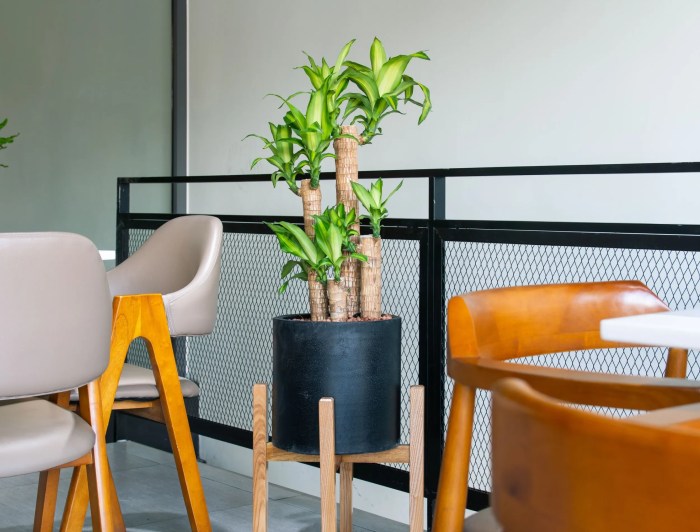
Grow dracaena fragrans indoors is your guide to cultivating this beautiful plant within your home. We’ll delve into everything from optimal lighting and watering techniques to the perfect soil composition and propagation methods. Get ready to transform your home with a thriving Dracaena fragrans!
This comprehensive guide will walk you through the intricacies of indoor Dracaena fragrans care. We’ll cover everything from understanding light requirements to mastering propagation techniques, enabling you to nurture a healthy and vibrant plant within your living space.
Light Requirements for Indoor Dracaena Growth
Dracaena fragrans, commonly known as the Madagascar Dragon Tree, is a popular houseplant prized for its elegant foliage and relatively low maintenance. However, providing the right light conditions is crucial for its health and vibrant growth. Proper light exposure ensures healthy leaf color, optimal growth rate, and overall plant vigor.Optimal indoor light conditions for a thriving Dracaena fragrans mimic the conditions it would experience in its native tropical and subtropical regions.
These conditions typically involve indirect light, with tolerance to moderate levels of direct sunlight, if introduced gradually. The specific light requirements will vary depending on the variety of Dracaena fragrans, but the general principles remain consistent.
Optimal Light Conditions for Indoor Growth
Dracaena fragrans thrives in bright, indirect light. Direct sunlight, while tolerated in moderation, can scorch the leaves. Excessively low light conditions, on the other hand, can lead to leggy growth and pale leaves. Finding the right balance is key to maintaining a healthy and visually appealing plant.
Light Sources and Suitability
Natural light is the ideal source for Dracaena fragrans. South-facing windows often provide the optimal amount of bright, indirect light. However, eastern and western exposures can also be suitable, though with the need for additional artificial light supplementation in darker or shorter seasons. Artificial light sources, such as fluorescent and LED grow lights, can also support Dracaena growth, but their effectiveness depends on the type and intensity of the light.
LED grow lights are increasingly popular due to their energy efficiency and ability to produce specific light wavelengths that are beneficial for plant growth.
Tolerance to Direct Sunlight
Dracaena fragrans can tolerate brief periods of direct sunlight, particularly during the cooler parts of the day. However, prolonged exposure to direct sunlight, especially during peak hours, can result in leaf burn, discoloration, and even plant stress. It’s best to introduce direct sunlight gradually to avoid sudden changes in light intensity. Observing the plant’s response and adjusting light exposure as needed is essential.
For example, if you notice brown or burnt tips on the leaves, it’s a clear sign that the plant is receiving too much direct light.
Growth Rate Comparisons
The growth rate of Dracaena fragrans is directly influenced by the intensity and quality of the light it receives. Plants placed in brighter, more suitable light conditions generally display a more vigorous growth rate, with fuller foliage and a more compact plant structure. Conversely, plants in low-light conditions may grow more slowly and exhibit leggy growth, with leaves that are less dense and possibly paler in color.
Growth rate variations can also be observed between different varieties of Dracaena fragrans.
Growing Dracaena fragrans indoors is surprisingly rewarding! Finding the right care is key, and one thing that often gets overlooked is the cleanliness of their feeding bowls. Before you start scrubbing those bowls by hand, check out this helpful guide on whether or not you can put pet bowls in the dishwasher can you put pet bowls in the dishwasher.
A clean bowl will keep your plant’s environment healthier and allow it to thrive even more. Proper care is essential for a healthy Dracaena fragrans.
Comparison of Light Bulbs
| Light Bulb Type | Impact on Dracaena Growth | Suitable for Dracaena fragrans? |
|---|---|---|
| Fluorescent Bulbs | Provide a good balance of light intensity and spectrum, though may not be as efficient as LED. | Yes, but potentially less effective than LED. |
| LED Grow Lights | Provide a more focused and efficient light spectrum, promoting growth and producing vibrant leaf colors. Energy efficient. | Yes, and often the preferred choice due to efficiency and specific wavelengths. |
| Incandescent Bulbs | Produce a warm light, but less efficient and may not provide the optimal spectrum for plant growth. | Potentially, but less efficient and may not be ideal. |
The table above provides a general comparison of light bulbs and their impact on Dracaena fragrans growth. Further research can provide more detailed and nuanced insights.
Watering Techniques for Indoor Dracaena
Dracaena fragrans, often called Madagascar Dragon Trees, are popular houseplants known for their elegant foliage. Proper watering is crucial for their health and vibrant appearance. Ignoring watering needs can lead to problems like wilting, yellowing leaves, and root rot. Understanding the nuances of watering is key to keeping your Dracaena thriving indoors.Watering Dracaena involves more than just periodically adding water.
A crucial aspect is allowing the soil to dry out between waterings. This allows the roots to breathe and prevents waterlogging, a common cause of root rot. Different environmental factors, like the pot size, soil type, and surrounding temperature, influence the frequency of watering. Understanding these variables will ensure that your Dracaena receives the optimal amount of water without overdoing it.
Ideal Watering Schedule
The ideal watering schedule for Dracaena fragrans indoors is to water when the top inch of soil feels dry to the touch. This is a crucial indicator for proper watering. Using your finger to check the soil moisture is an easy and effective method to avoid overwatering or underwatering.
Importance of Allowing Soil to Dry Out
Allowing the soil to dry out between waterings is essential for the health of the Dracaena’s root system. Waterlogged soil can suffocate the roots, leading to root rot and eventual plant death. This crucial step prevents the buildup of excess moisture, which is detrimental to the plant’s overall well-being.
Signs of Overwatering and Underwater
Overwatering manifests in various ways, including yellowing or drooping leaves, and a soggy soil that doesn’t dry out quickly. Underwatering, conversely, displays as brown, crispy leaves, and a consistently dry soil. Recognizing these signs is vital for prompt corrective action and maintaining optimal plant health.
Watering Methods
Different watering methods can be used to ensure thorough moisture distribution. Top watering, where water is poured directly onto the soil surface, is a common approach. However, bottom watering, where water is added to the saucer beneath the pot, can be more effective for certain soil types and plant sizes, as it allows for a more gradual absorption of water.
Choosing the right method can contribute to the plant’s overall health.
Table: Watering Frequency
| Soil Type | Environment (e.g., Temperature, Humidity) | Watering Frequency |
|---|---|---|
| Well-draining potting mix | Warm, dry environment | Once every 7-10 days |
| Potting mix with added peat moss | Cool, humid environment | Once every 10-14 days |
| Clay pots | Warm, dry environment | More frequent watering (every 5-7 days) due to faster drying |
| Terracotta pots | Warm, dry environment | Slightly less frequent watering (every 7-10 days) due to slower drying |
This table serves as a general guideline. Adjust watering frequency based on your specific Dracaena’s needs and the conditions in your home.
Soil Composition and Potting for Dracaena Growth
Dracaena fragrans, often called Madagascar Dragon Trees, thrive in well-draining soil that allows for proper aeration and water retention. The right potting mix is crucial for their health and vitality, influencing root development, nutrient absorption, and overall growth. Choosing the correct pot size is equally important, as it impacts the plant’s ability to expand its root system. This section delves into the specifics of optimal soil composition, drainage, and pot selection for your Dracaena.Proper soil composition and potting are fundamental to the health and longevity of your Dracaena fragrans.
A well-suited potting mix will ensure adequate aeration, water drainage, and nutrient availability, fostering a healthy root system. The right pot size provides enough space for root development without overcrowding, crucial for a vigorous and flourishing plant.
Best Potting Mixes for Dracaena Fragrans
Dracaena appreciate a well-balanced potting mix that combines aeration and water retention. A blend of peat moss, perlite, and vermiculite is ideal. Peat moss provides moisture retention, while perlite and vermiculite enhance drainage and aeration. This blend creates a porous structure that allows oxygen to reach the roots, crucial for healthy root development. Commercial potting mixes specifically formulated for houseplants often contain these components.
Importance of Proper Drainage in Potting Mix
Adequate drainage is vital for preventing root rot. Dracaena are susceptible to root issues if the soil retains excess water. Poor drainage can lead to waterlogging, depriving roots of oxygen and creating an environment conducive to fungal diseases. A well-draining potting mix prevents water from accumulating around the roots, promoting healthy root development.
Preparing the Ideal Soil for Dracaena Fragrans
Creating the ideal soil for your Dracaena involves a careful blend of ingredients. Mix equal parts of peat moss, perlite, and vermiculite. Alternatively, a commercial potting mix designed for succulents or cacti may be suitable, as it generally contains a good proportion of perlite or similar materials. Adding a small amount of slow-release fertilizer can also be beneficial, especially during the growing season.
Carefully mix these ingredients until evenly distributed.
Comparing Different Potting Mixes and Their Impact
Different potting mixes will have varying effects on the growth and health of your Dracaena. A mix with a high clay content will retain water excessively, potentially leading to root rot. A mix heavy in organic matter, while good for nutrient retention, might not provide sufficient drainage. A well-balanced mix, with appropriate proportions of peat moss, perlite, and vermiculite, will foster a healthy environment for your Dracaena.
Choosing the Right Pot Size for Dracaena Fragrans, Grow dracaena fragrans indoors
The pot size should accommodate the root ball without being overly large. A pot that’s too small will restrict root growth, hindering the plant’s development. A pot that’s too large will retain more water, increasing the risk of root rot. When repotting, select a pot only slightly larger than the current one. This allows the roots to expand comfortably while maintaining proper drainage.
For example, if your Dracaena is in a 6-inch pot, a 7-8 inch pot is an appropriate choice for the next size up.
Temperature and Humidity for Indoor Dracaena
Dracaena fragrans, or Madagascar Dragon Tree, thrives in specific environmental conditions. Understanding and maintaining appropriate temperature and humidity levels is crucial for healthy growth and preventing common problems. These factors significantly impact the plant’s overall well-being, from leaf health to its overall growth.Maintaining a consistent environment is key to a happy and healthy Dracaena. Small fluctuations in temperature or humidity can lead to stress, impacting the plant’s appearance and potentially leading to issues like leaf drop or slowed growth.
This article provides detailed insights into optimal temperature and humidity levels, along with practical methods for achieving and maintaining them.
Growing Dracaena fragrans indoors is surprisingly rewarding. You’ll need to keep the soil well-drained, mimicking the conditions of their natural habitat. Proper care also includes knowing how to clean your shoes how to clean your shoes after working in the garden, ensuring that soil doesn’t track into your home and compromise the plant’s environment. Ultimately, maintaining a clean, healthy environment is key to success in cultivating these beautiful indoor plants.
Ideal Temperature Range
The ideal temperature range for Dracaena fragrans indoors is between 65°F and 85°F (18°C and 29°C). This range allows for consistent growth and prevents stress from extreme temperatures. Maintaining a steady temperature is essential to preventing shock and promoting optimal development. Avoid placing the plant near drafts or heating/cooling vents, as these can cause temperature fluctuations.
Importance of Maintaining Humidity
Maintaining appropriate humidity levels is equally important for Dracaena fragrans. These plants are native to tropical regions and prefer higher humidity. Low humidity can lead to leaf tips turning brown, crispy, or dropping off, which can significantly affect the plant’s aesthetic appeal and overall health.
Methods for Increasing Humidity
Increasing humidity around the plant can be achieved through various methods. One simple method is grouping the plant with other plants, as this can create a localized microclimate with higher humidity.
- Grouping plants: Placing your Dracaena near other houseplants can increase the humidity around all of them.
- Humidity trays: Placing the pot on a tray filled with pebbles and water can help increase the humidity around the plant’s roots. Ensure the pot does not sit directly in the water to prevent root rot.
- Regular misting: Misting the leaves with water can temporarily increase humidity. However, avoid over-misting, as this can lead to fungal diseases or encourage pests. It is best to mist in the morning to allow the leaves to dry before nightfall.
- Using a humidifier: A humidifier can provide a consistent and reliable way to increase humidity, especially during dry periods. Proper humidity is key to maintaining the plant’s well-being.
Impact of Temperature Fluctuations
Temperature fluctuations can negatively impact the health of Dracaena fragrans. Sudden changes can cause stress, resulting in leaf discoloration, wilting, and potentially even death. The plant’s delicate physiology requires a consistent environment. Exposure to extreme temperatures can lead to damage to the plant’s internal systems.
Preventing Temperature-Related Problems
Preventing temperature-related problems involves careful placement and environmental control. Avoid placing the plant near heating or cooling vents, which can cause drastic temperature changes. Ensure adequate ventilation to prevent overheating, but protect the plant from drafts. Consider using a humidity tray or a humidifier, as these can help maintain a more consistent environment. Regularly checking the plant for signs of stress, such as leaf discoloration or wilting, is crucial for early detection and prompt action.
Fertilizing Dracaena for Optimal Indoor Growth
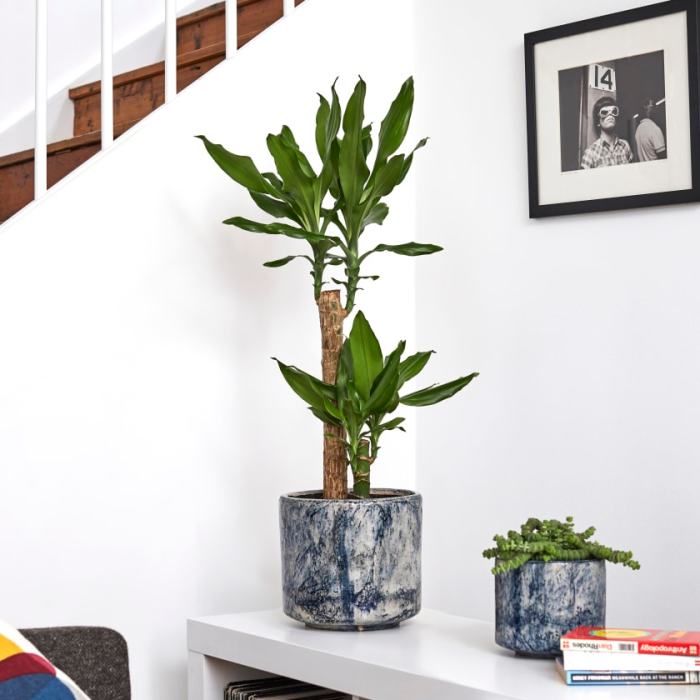
Dracaena fragrans, commonly known as the Madagascar Dragon Tree, is a popular houseplant prized for its elegant foliage. Proper fertilization is crucial for maintaining its health and vibrant appearance. Consistent and appropriate fertilization promotes robust growth, vibrant foliage, and overall plant vigor.Fertilizing a Dracaena involves understanding the optimal fertilizer types, frequencies, and amounts to achieve optimal results. Over-fertilizing or under-fertilizing can negatively impact the plant’s health.
This guide provides practical insights into creating a fertilization schedule for your indoor Dracaena fragrans.
Optimal Fertilizer Types for Dracaena
Dracaena fragrans thrives on balanced, water-soluble fertilizers formulated for flowering plants. These fertilizers provide the essential nutrients in the correct proportions for healthy growth. Avoid using fertilizers high in nitrogen, as an excess of nitrogen can lead to excessive foliage growth at the expense of root development and overall plant structure. A balanced formula with an NPK ratio (Nitrogen-Phosphorus-Potassium) of 10-10-10 or 20-20-20 is generally suitable.
Liquid fertilizers are recommended for ease of dilution and application.
Frequency and Amount of Fertilizer
Regular fertilization is essential for a healthy Dracaena. During the growing season (spring and summer), apply a diluted liquid fertilizer every 2-4 weeks. Reduce the frequency to once a month during the dormant season (fall and winter). The amount of fertilizer should be diluted to half the strength recommended on the product label. Over-application of concentrated fertilizer can cause root burn, leading to wilting and yellowing leaves.
Consequences of Over-Fertilizing or Under-Fertilizing
Over-fertilizing can lead to nutrient burn, characterized by yellowing or browning leaf tips and margins, stunted growth, and potentially leaf drop. Under-fertilizing, on the other hand, can result in stunted growth, pale or yellowish foliage, and reduced flowering or fruiting (if applicable). Observing the plant’s response to fertilization is key to maintaining optimal health.
Choosing the Right Fertilizer for Your Dracaena
When selecting a fertilizer, consider the specific needs of your Dracaena fragrans. Look for a balanced formula with a moderate NPK ratio and water-soluble components for easy absorption. Read the product label carefully to understand the recommended dilution rates. Consider factors such as the size of the pot and the overall health of the plant when deciding on the fertilizer application frequency and concentration.
Creating a Fertilizer Schedule for Indoor Dracaena
A consistent fertilizer schedule helps maintain the health and vitality of your Dracaena. Start by identifying the growing season and dormant period. During the growing season (spring and summer), apply diluted liquid fertilizer every 2-4 weeks. Reduce the frequency to once a month during the dormant season. Monitor the plant’s response to the fertilizer regimen and adjust the schedule as needed.
Record the dates of fertilization and any observable changes in the plant’s appearance. This information can help you fine-tune the fertilization schedule over time.
Propagation Methods for Indoor Dracaena: Grow Dracaena Fragrans Indoors
Propagating Dracaena fragrans, also known as Madagascar Dragon Trees, indoors is a rewarding way to expand your collection or share the beauty of these resilient plants. Different propagation methods offer varying degrees of success and complexity. Understanding these techniques will help you choose the best approach for your skills and desired outcome.Propagation methods for Dracaena fragrans, a popular houseplant, offer various ways to multiply your existing plants.
The choice of method will depend on the resources available, the desired outcome, and the experience level of the propagator. Each method has its advantages and disadvantages in terms of time, effort, and success rate.
Stem Cuttings
Stem cuttings are a common and relatively easy method for propagating Dracaena. The success rate is generally high, provided the cuttings are taken and treated correctly. This method involves removing a section of the stem, allowing it to callous over, and then planting it in a suitable growing medium.
- Taking the Cuttings: Select a healthy stem, preferably from a mature plant. Use a sharp, clean knife or pruning shears to make a clean cut just below a node (where leaves emerge). The cutting should be at least 4-6 inches long and have several nodes.
- Preparing the Cuttings: Allow the cut end of the stem to callous over for a few days, preventing the entry of bacteria and fungi. This is crucial to minimize the risk of rot. Place the cutting in a dry, shaded area, ensuring not to expose it to direct sunlight.
- Planting the Cuttings: Prepare a well-draining potting mix. Plant the cutting in the mix, ensuring the node is just below the soil level. Maintain a consistent moisture level, but avoid overwatering. Use a humidity dome or plastic bag to increase humidity and prevent drying out.
Leaf Cuttings
Leaf cuttings are another viable method, although generally less successful than stem cuttings. The success rate can vary depending on the variety of Dracaena.
- Preparing the Leaves: Carefully remove a healthy leaf from the plant. Cut the leaf lengthwise, from the base to the tip. This creates two separate leaf halves. Allow the cut end to callous over for a few days in a dry, shaded area.
- Rooting the Cuttings: Plant the leaf cutting in a well-draining mix. Maintain a humid environment, and cover the cutting with a plastic bag or humidity dome. Regular misting will keep the environment humid.
Division
Dividing a Dracaena plant is a fast and effective method, particularly for larger, established plants. It is generally the easiest and most successful method for propagating Dracaena.
- Preparing the Plant: Carefully remove the plant from its pot. Gently loosen the soil and separate the plant into smaller sections. Ensure each section has roots and shoots.
- Repotting the Divisions: Repot each division into individual pots with appropriate potting mix. Maintain the moisture level and provide adequate sunlight.
Comparison Table of Propagation Methods
| Propagation Method | Success Rate | Advantages | Disadvantages | Supplies | Steps |
|---|---|---|---|---|---|
| Stem Cuttings | High | Relatively easy, higher success rate than leaf cuttings. | Requires a healthy stem cutting. | Sharp knife/pruning shears, potting mix, pot, humidity dome (optional). | Take cutting, callous, plant, maintain humidity. |
| Leaf Cuttings | Moderate | Can be done with just a leaf. | Lower success rate, slower rooting. | Sharp knife/pruning shears, potting mix, pot, humidity dome. | Cut leaf, callous, plant, maintain humidity. |
| Division | High | Fast, easy method for larger plants. | Requires a larger plant for division. | Potting mix, pot. | Separate sections, repot. |
Common Problems and Solutions for Indoor Dracaena
Dracaena fragrans, often called Madagascar Dragon Trees, are popular houseplants known for their elegant foliage and relatively low maintenance. However, like any plant, they can encounter various issues if not cared for properly. Understanding these common problems and their solutions is crucial for maintaining a healthy and thriving Dracaena.Indoor Dracaena can experience a range of problems, from pest infestations to nutritional deficiencies, often stemming from improper environmental conditions or cultural practices.
Growing Dracaena fragrans indoors can be a rewarding experience, but sometimes a little extra know-how is needed. For instance, you might find yourself needing to remove stubborn stains on your pots or surfaces, and a surprising household item, like toothpaste, can come in handy. Learning how to use toothpaste around the house here can provide solutions for these kinds of issues, which can then be applied to maintaining the health and beauty of your Dracaena fragrans plants.
Ultimately, knowing these tricks will make your indoor gardening even more enjoyable.
Addressing these issues promptly and effectively is key to preventing more severe problems and ensuring the plant’s long-term health and beauty.
Pest Infestations
Pest infestations are a common problem for indoor plants, and Dracaena are no exception. Identifying and treating these issues promptly is essential to prevent widespread damage. Common pests affecting Dracaena include mealybugs, spider mites, and scale insects. These pests feed on plant sap, leading to stunted growth, leaf discoloration, and overall weakening of the plant.
- Mealybugs: These small, white, cottony pests cluster on leaves and stems. They can be dislodged manually or treated with insecticidal soap or neem oil.
- Spider Mites: These tiny arachnids create fine webbing on leaves. Regular wiping with a damp cloth, insecticidal soap, or horticultural oil can help control them.
- Scale Insects: These insects are immobile and typically found on stems and leaves. They can be removed mechanically or treated with insecticidal soap or horticultural oil.
Leaf Problems
Leaf problems in Dracaena can stem from various environmental factors or cultural practices. Understanding the cause is crucial for implementing the right solution.
- Leaf Drop: Sudden leaf drop can be caused by several issues, including overwatering, underwatering, temperature fluctuations, or a sudden change in light exposure. Determining the precise cause and adjusting watering, humidity, or light conditions can usually resolve the issue.
- Yellowing Leaves: Yellowing leaves often indicate a problem with watering, light, or nutrition. Overwatering can lead to root rot, while underwatering can cause the leaves to turn yellow and drop. Adequate light and balanced fertilization can help maintain healthy leaf color.
- Brown Tips/Edges: Brown tips or edges on leaves are commonly associated with low humidity, dry air, or inconsistent watering. Increasing humidity, using a humidifier, or adjusting watering schedule can usually resolve this.
Root Rot
Root rot is a serious issue that can quickly kill a Dracaena. It’s typically caused by overwatering, leading to waterlogged soil and anaerobic conditions, which prevent proper oxygen absorption by the roots. Recognizing the signs of root rot and taking swift action are crucial.
- Signs of Root Rot: Overwatering leads to waterlogged soil, causing the roots to decay. Signs include yellowing or browning leaves, and a foul odor emanating from the soil.
- Solutions: If root rot is suspected, immediately repot the plant into fresh, well-draining soil. Remove any affected roots. Adjust the watering schedule to allow the soil to dry out completely between waterings. This process helps to prevent future instances of root rot.
Table of Common Dracaena Problems
| Problem | Cause | Solution |
|---|---|---|
| Pest Infestation (Mealybugs, Spider Mites, Scale) | Feeding on plant sap | Manual removal, insecticidal soap, neem oil |
| Leaf Drop | Over/underwatering, temperature fluctuations, light changes | Adjust watering, humidity, light conditions |
| Yellowing Leaves | Overwatering, underwatering, lack of nutrients, improper light | Adjust watering schedule, provide adequate light, balanced fertilization |
| Brown Tips/Edges | Low humidity, dry air, inconsistent watering | Increase humidity, use humidifier, adjust watering |
| Root Rot | Overwatering, waterlogged soil | Repot with fresh, well-draining soil, remove affected roots, adjust watering schedule |
Visual Representation of Dracaena Growth Stages
Dracaena fragrans, often called Madagascar Dragon Trees, are popular houseplants known for their elegant, upright growth habit. Understanding the different growth stages of your Dracaena can help you identify potential problems early and ensure optimal care. Observing these visual cues allows you to tailor your watering, lighting, and fertilizing practices for each stage, promoting healthy growth.Observing a Dracaena’s visual cues provides insights into its overall health and growth patterns.
Healthy Dracaena display vibrant green foliage, firm stems, and a consistent growth rate. Conversely, unhealthy Dracaena might show signs of yellowing leaves, drooping stems, or stunted growth, signaling potential issues. Visual cues can help identify and address issues before they become severe.
Healthy Dracaena Appearance
A healthy Dracaena fragrans typically displays vibrant, deep green foliage. The leaves are firm and hold their shape well. The stems are strong and upright, showcasing a consistent growth pattern. The plant shows a balanced and vigorous growth rate, indicating appropriate care. A healthy plant demonstrates consistent and aesthetically pleasing growth.
Unhealthy Dracaena Appearance
An unhealthy Dracaena may exhibit various symptoms. Yellowing or browning leaves, particularly at the tips or edges, can indicate overwatering, underwatering, or nutrient deficiencies. Drooping leaves suggest a lack of water or potential issues with light exposure or temperature fluctuations. A weak or spindly stem signals a possible lack of essential nutrients or insufficient support. The plant’s growth rate is significantly slower, and the overall appearance is less vigorous.
These signs are crucial for pinpointing and correcting the root cause of the problem.
Growth Stages of Dracaena Fragrans
Dracaena fragrans generally progress through distinct growth stages. These stages are characterized by changes in the plant’s size, leaf density, and overall appearance. Recognizing these stages helps you understand the plant’s natural development and adjust your care accordingly.
- Seedling Stage: The seedling stage is characterized by a small, compact plant with a few leaves emerging from the stem. The growth is relatively slow, and the plant requires minimal care. The leaves are often a lighter shade of green and display a less robust structure.
- Juvenile Stage: In the juvenile stage, the Dracaena continues to grow, adding more leaves to the stem. The growth rate increases, and the plant becomes taller. The leaves often have a more distinct, vibrant green color, and the stem shows a noticeable increase in diameter.
- Mature Stage: A mature Dracaena displays a fuller and more established growth pattern. The plant’s overall size and density increase, with a robust and upright appearance. The leaves are consistently vibrant and the plant has a visually mature, balanced form.
- Old Age Stage: An older Dracaena may exhibit some slowing in growth, but it still maintains its general health. The plant might have a slightly less dense appearance, but the leaves are still healthy. It can still exhibit a vibrant, healthy appearance. The plant may show a reduced growth rate compared to its mature stage.
Visual Comparison Table
| Growth Stage | Leaf Color | Leaf Shape | Stem | Overall Appearance |
|---|---|---|---|---|
| Seedling | Light Green | Small, delicate | Thin, upright | Compact, slow growth |
| Juvenile | Deep Green | Larger, slightly pointed | Thickening, upright | Taller, faster growth |
| Mature | Deep Green | Full, mature | Strong, sturdy | Full, robust |
| Old Age | Deep Green | Maintains shape | Maintains strength | Reduced growth rate |
Conclusive Thoughts
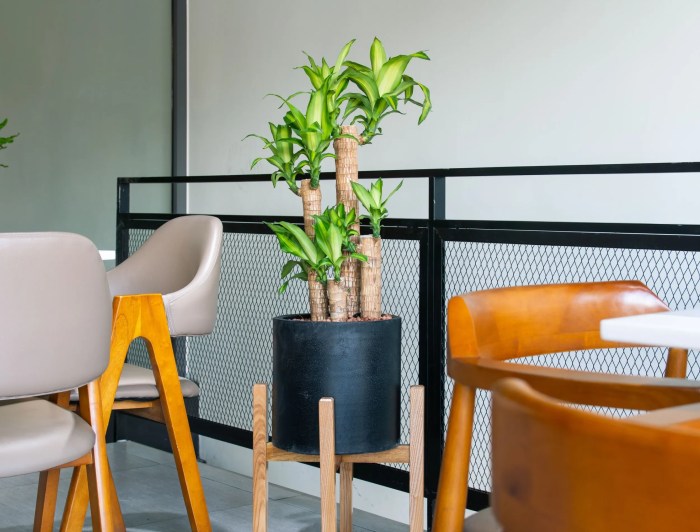
Congratulations on taking the plunge into the world of indoor Dracaena fragrans! This guide has provided a robust foundation for your journey, covering everything from light and water to soil, temperature, and fertilization. Now, it’s your turn to nurture your plant and witness its beauty flourish. Happy growing!