


How to clean countertops and kitchens with hydrogen peroxide is a powerful cleaning method. This guide dives deep into the effective use of hydrogen peroxide for sparkling clean countertops and kitchens. We’ll explore various concentrations, safety precautions, and specific cleaning techniques for different surfaces, from countertops to sinks and appliances. Get ready to discover a safer, more effective way to tackle those stubborn kitchen messes.
Hydrogen peroxide offers a versatile approach to cleaning. Its oxidizing properties make it effective against a wide range of stains and grime. From stubborn food stains to lingering grease, this guide provides detailed methods for using hydrogen peroxide safely and effectively on various kitchen surfaces. We’ll cover everything from the right concentration for your needs to the optimal cleaning techniques for different materials like granite, marble, and laminate.
Introduction to Hydrogen Peroxide Cleaning
Hydrogen peroxide, a versatile compound, is more than just a first-aid solution. Its oxidizing properties make it a surprisingly effective cleaning agent, particularly for kitchen surfaces. This post will delve into its cleaning capabilities, exploring appropriate concentrations and safety measures to ensure a safe and effective cleaning experience in your home.Understanding hydrogen peroxide’s chemical composition reveals its cleaning power.
Hydrogen peroxide (H₂O₂) decomposes into water (H₂O) and oxygen (O₂) when exposed to catalysts or heat. This process effectively lifts and neutralizes organic matter, such as food stains, grease, and mildew. This makes it an ideal choice for cleaning kitchen surfaces.
Hydrogen Peroxide Concentrations for Cleaning
Different concentrations of hydrogen peroxide offer varying levels of cleaning power and safety. The most commonly available concentrations are 3%, 6%, and 35%. Understanding the appropriate concentration is crucial for effective cleaning and safety.
Suitable Concentrations for Kitchen and Countertop Cleaning
For general kitchen and countertop cleaning, a 3% hydrogen peroxide solution is often the best choice. This concentration is readily available and poses minimal risks when handled correctly. While higher concentrations like 6% or 35% can be more effective against stubborn stains, they require greater caution and specific handling.
Safety Precautions When Using Hydrogen Peroxide
Safety is paramount when working with hydrogen peroxide, regardless of concentration. Always wear gloves and eye protection when handling any concentration. Ensure adequate ventilation in the area to prevent inhalation of vapors, especially with higher concentrations. Avoid contact with skin and eyes. Never mix hydrogen peroxide with other cleaning products, as this can create dangerous chemical reactions.
Examples of Surfaces Where Hydrogen Peroxide Can Be Safely Used
Hydrogen peroxide can be used safely on various kitchen surfaces, including countertops made of laminate, stainless steel, and even some types of ceramic. However, it’s crucial to test in an inconspicuous area first to ensure it doesn’t damage the surface. For instance, if you notice discoloration or damage after application, stop immediately and consult a cleaning professional.
Comparison of Hydrogen Peroxide Concentrations
| Concentration (%) | Cleaning Effectiveness | Safety Precautions |
|---|---|---|
| 3 | Effective for general cleaning of countertops, sinks, and appliances. Suitable for most everyday stains. | Relatively safe, readily available, and requires minimal safety precautions. |
| 6 | More effective than 3% for stubborn stains, particularly grease and food stains. | Requires more careful handling and better ventilation due to increased reactivity. |
| 35 | Extremely effective for stubborn stains and disinfecting. | Requires extreme caution; extremely hazardous to skin and eyes. Only use in well-ventilated areas. Always wear full protective gear. Consult safety data sheets for detailed information. |
Cleaning Countertops with Hydrogen Peroxide: How To Clean Countertops And Kitchens With Hydrogen Peroxide
Hydrogen peroxide, a versatile cleaning agent, can effectively tackle various countertop stains and spills. Its powerful oxidizing properties break down organic matter, leaving surfaces sparkling clean. This section delves into different methods for using hydrogen peroxide to clean countertops, emphasizing safety precautions and optimal results.Using hydrogen peroxide on countertops is a safe and effective way to remove stubborn stains and spills.
It’s important to understand the different methods and how to apply them properly for optimal results and to avoid damaging your countertop surfaces. This guide will cover various methods and provide valuable tips to ensure a thorough and safe cleaning experience.
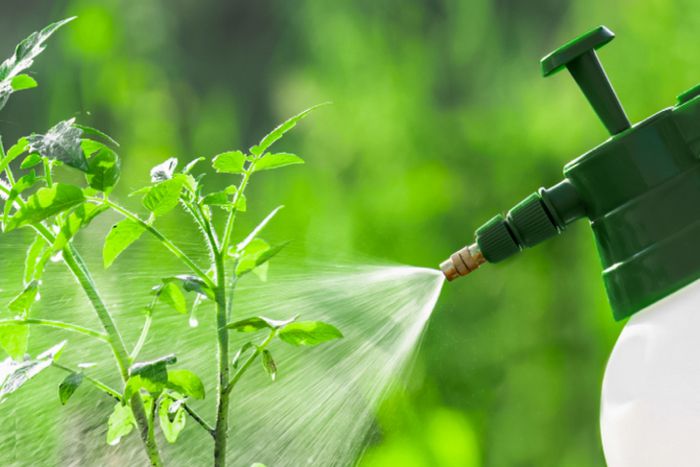
Spraying Method
Proper application of hydrogen peroxide through spraying is crucial for even distribution and effective cleaning. Spraying allows for quick coverage of large areas.
- Mix a solution of 3% hydrogen peroxide with water (a ratio of 1:1 or 1:2 depending on the stain). More concentrated solutions may damage some countertop materials. Test the solution on an inconspicuous area first to ensure compatibility.
- Spray the solution onto the stained area. Ensure even coverage to ensure all the stain is exposed to the cleaning solution.
- Allow the solution to sit for a few minutes, or as recommended by the manufacturer for the specific countertop material. The solution may begin to bubble as the hydrogen peroxide reacts with organic matter.
- Wipe the area clean with a soft cloth or sponge. Rinse the area thoroughly with water to remove any remaining solution and ensure a clean finish. Pay attention to the directions for your specific countertop material.
Wiping Method
The wiping method is ideal for smaller areas and targeted cleaning. This method is beneficial for spot cleaning and for specific spills.
- Apply a small amount of hydrogen peroxide directly onto a clean, soft cloth.
- Gently wipe the stained area in a circular motion. Avoid harsh scrubbing, which can damage the countertop surface.
- If the stain persists, repeat the process. Always monitor for any changes to the surface or signs of damage.
- Rinse the area thoroughly with water and dry with a clean cloth. Monitor the surface closely for any potential damage from the cleaning process.
Soaking Method
The soaking method is particularly useful for stubborn stains or spills that require longer contact time. Soaking is best for deeply ingrained stains that don’t respond to spraying or wiping.
- Apply a small amount of hydrogen peroxide directly to the stained area.
- Use a clean, soft cloth to gently saturate the stain with the solution. This may require a bit of elbow grease and patience.
- Allow the solution to sit for 15-30 minutes, or as long as recommended by the manufacturer or material guidelines.
- Rinse the area thoroughly with water and dry with a clean cloth. Always follow the manufacturer’s guidelines for the countertop material.
Effectiveness on Different Stains and Countertop Materials
Hydrogen peroxide is effective against various stains, including grease, food spills, and watermarks. Its effectiveness depends on the type of stain and the countertop material.
Comparison of Cleaning Methods
| Cleaning Method | Pros | Cons |
|---|---|---|
| Spraying | Quick, covers large areas, effective for light stains | May not be as effective for deep-seated stains, potential for uneven application |
| Wiping | Targeted, effective for small areas, less likely to damage the surface | Can be time-consuming for large areas, may not be effective for deep-seated stains |
| Soaking | Effective for stubborn stains, allows longer contact time | Can take longer, may not be suitable for all countertop materials |
Cleaning Different Countertop Materials
The best way to clean different countertop materials with hydrogen peroxide varies based on the material’s composition and susceptibility to damage.
- Granite: Hydrogen peroxide can effectively remove stains, but always test in a hidden area first to ensure no discoloration or etching occurs. Use a diluted solution and avoid prolonged soaking.
- Marble: Marble is delicate, so use a very dilute solution and avoid scrubbing. Test in an inconspicuous area first to verify the compatibility.
- Laminate: Hydrogen peroxide is generally safe for laminate countertops, but always test in a hidden area first to avoid discoloration or damage.
Cleaning Kitchens with Hydrogen Peroxide
Hydrogen peroxide, a versatile cleaning agent, can effectively tackle various kitchen surfaces. Its mild oxidizing properties make it suitable for removing grease, grime, and food stains without harsh chemicals. This method offers an eco-friendly alternative to traditional cleaning products. However, it’s crucial to use hydrogen peroxide safely and follow specific instructions for each surface to avoid damage.Using hydrogen peroxide for kitchen cleaning is a practical approach.
It offers a cleaner environment and potentially reduces exposure to harsh chemicals, which can be particularly important in areas with children or pets. Proper application and safety precautions are essential to prevent any negative impacts.
Cleaning Kitchen Sinks
Hydrogen peroxide is a great choice for cleaning kitchen sinks, particularly stainless steel. Its ability to disinfect and remove stubborn stains makes it a powerful tool. To clean, apply a paste of hydrogen peroxide and baking soda to the sink. Let it sit for 15-20 minutes, then scrub gently with a non-abrasive sponge or cloth. Rinse thoroughly with water.
Cleaning Stoves and Cooktops
For stovetops and cooktops, a hydrogen peroxide solution is a good option for removing grease and food residue. A mixture of equal parts hydrogen peroxide and water can be used for light cleaning. For tougher stains, use a paste of hydrogen peroxide and baking soda. Apply the mixture to the affected area, let it sit for 15-30 minutes, and scrub gently with a sponge or cloth.
Rinse thoroughly with water.
Cleaning Kitchen Appliances
Many kitchen appliances can benefit from hydrogen peroxide cleaning. For example, microwaves can be cleaned by filling a microwave-safe bowl with water and adding a few tablespoons of hydrogen peroxide. Run the microwave on high for a few minutes. Let it sit for a few minutes, then wipe down the interior with a clean cloth. For refrigerators, wipe down shelves and drawers with a solution of hydrogen peroxide and water.
This helps prevent odors and maintain cleanliness. Ensure to avoid contact with food-contact surfaces.
Cleaning Methods for Kitchen Surfaces
| Kitchen Surface | Cleaning Method | Precautions |
|---|---|---|
| Sinks (stainless steel) | Apply a paste of hydrogen peroxide and baking soda, let sit, scrub, rinse. | Avoid abrasive materials. |
| Stoves/Cooktops | Use a solution of equal parts hydrogen peroxide and water, or a paste of hydrogen peroxide and baking soda. | Avoid using on painted surfaces without testing in an inconspicuous area first. |
| Appliances (microwaves, refrigerators) | Mix hydrogen peroxide with water for cleaning. For microwaves, use a bowl of water and peroxide. | Avoid direct contact with food-contact surfaces. Test in an inconspicuous area first for painted surfaces. |
Effectiveness of Hydrogen Peroxide, How to clean countertops and kitchens with hydrogen peroxide
Hydrogen peroxide is effective at removing grease, grime, and food stains. Its oxidizing properties break down these substances, making them easier to remove. This effectiveness is seen across various kitchen surfaces, making it a valuable tool for maintaining a clean kitchen. However, its effectiveness depends on the severity of the stain.
Hydrogen peroxide is a fantastic cleaner for countertops and kitchens. It’s a natural disinfectant and can cut through grease and grime really well. For truly stunning results, check out the tips on kitchen design from the brownstone boys design tips – they’ll inspire you to create a beautiful and functional space. Plus, the right design choices can actually make cleaning easier, so it’s a win-win! Using hydrogen peroxide on your countertops and in your kitchen is a quick and effective way to maintain a sparkling clean.
Examples of Use
A common example of hydrogen peroxide use in the kitchen is cleaning a stainless steel sink. Apply a paste of hydrogen peroxide and baking soda, let it sit for a few minutes, and scrub with a sponge. Another example is cleaning a microwave. Fill a bowl with water and hydrogen peroxide, microwave on high for a few minutes, let cool, and wipe down the interior.
These methods are effective in removing stubborn stains and maintaining hygiene.
Safety and Precautions
Hydrogen peroxide, while a potent cleaning agent, can pose certain risks if not handled with care. Understanding these potential hazards and implementing appropriate safety measures is crucial for a safe and effective cleaning experience. This section details the potential dangers and emphasizes the importance of preventative measures to ensure a worry-free cleaning process.
Potential Hazards of Hydrogen Peroxide
Hydrogen peroxide, though effective at removing stains and disinfecting surfaces, can cause skin irritation and allergic reactions in some individuals. Prolonged or concentrated exposure can lead to redness, itching, and burning sensations. Additionally, some individuals might develop allergic contact dermatitis, characterized by a rash or inflammation at the contact site. This is particularly important when considering sensitive skin types or pre-existing skin conditions.
Always test a small, inconspicuous area before applying hydrogen peroxide to a larger surface to gauge potential reactions.
Safety Precautions for Hydrogen Peroxide Cleaning
To minimize the risks associated with hydrogen peroxide cleaning, strict adherence to safety precautions is essential. Using protective gear like gloves, eye protection, and a mask is paramount. These measures safeguard the skin, eyes, and respiratory system from direct contact with the cleaning solution. Appropriate ventilation is equally crucial to prevent inhaling the fumes, especially in enclosed spaces.
Ventilation Considerations
Adequate ventilation is paramount when using hydrogen peroxide. Opening windows and doors, using fans, or working outdoors can effectively disperse the fumes and minimize the risk of inhalation. If working indoors, ensure proper airflow to prevent the buildup of hydrogen peroxide vapors. Concentrated or prolonged exposure to hydrogen peroxide fumes can irritate the respiratory tract, causing coughing, shortness of breath, or even more serious health issues.
The importance of good ventilation cannot be overstated.
Comparison with Other Cleaning Agents
Hydrogen peroxide differs from other cleaning agents in its safety profile. While some cleaners may be corrosive or contain harsh chemicals, hydrogen peroxide is generally considered less hazardous. However, its oxidizing properties can still lead to damage if not handled correctly. For instance, bleach, a common cleaning agent, can be harmful if mixed with hydrogen peroxide, producing chlorine gas.
Hydrogen peroxide is a fantastic cleaner for countertops and kitchens, cutting through grease and grime. But did you know that sometimes your kitchen’s cleanliness can impact your plant’s health? If your leafy friend is always drooping, check out the possible causes, like improper watering or lack of sunlight, at reasons your plant is always droopy. Once you’ve got your plant thriving, you can return to your kitchen cleaning routine, confident that a sparkling clean space contributes to a healthy home environment.
It is essential to always follow the instructions and safety guidelines for the specific cleaning agent being used.
Safety Measures and Procedures
| Safety Measure | Protective Equipment | Emergency Procedures |
|---|---|---|
| Avoid prolonged exposure | Gloves (nitrile or latex) | Immediately flush affected area with water |
| Use proper ventilation | Eye protection (safety glasses or goggles) | Seek medical attention if irritation persists |
| Dilute hydrogen peroxide before use | Respirator (if necessary) | Report any spills or incidents |
| Test in a small area first | Apron or protective clothing | Follow facility’s emergency protocol |
Proper dilution and ventilation are crucial for minimizing risks associated with hydrogen peroxide use.
Cleaning Specific Stains and Spills
Hydrogen peroxide’s cleaning power extends beyond general kitchen surfaces. It’s surprisingly effective at tackling stubborn stains and spills, often leaving behind a sparkling, hygienic environment. Understanding how to target specific stains with the right application technique maximizes its effectiveness.Hydrogen peroxide’s bleaching properties, combined with its ability to break down organic matter, make it a valuable tool for removing various food-related stains.
The key is in understanding how different types of stains react to hydrogen peroxide, and adjusting application methods accordingly. This section will detail how to tackle common kitchen spills and stains with precision and safety.
Coffee Stains
Coffee stains, notorious for their stubbornness, can be effectively tackled with hydrogen peroxide. A solution of 3% hydrogen peroxide and a little water, applied directly to the stain, can often lift the discoloration. Allow the solution to sit for a few minutes, then blot gently with a clean cloth. Repeat if necessary. For heavily ingrained stains, you might need to gently scrub with a soft-bristled brush, taking care not to damage the countertop surface.
Wine Stains
Wine spills, especially red wine, can leave behind unsightly stains. Act quickly to prevent the stain from setting. Apply a diluted hydrogen peroxide solution (approximately 1 part hydrogen peroxide to 3 parts water) directly to the stain. Blot gently with a clean cloth. For stubborn stains, consider letting the solution sit for a longer period, but avoid prolonged exposure to prevent discoloration of the surface.
Hydrogen peroxide is a fantastic cleaner for countertops and kitchens, but did you know it can also be used for other household tasks? While cleaning, you might find yourself admiring the vibrant colors of various butterfly bushes, like the ‘Summer Beauty’ or ‘Pink Delight’. Exploring different types of butterfly bush can be a delightful way to spend your time.
Just remember to always dilute the hydrogen peroxide for safe use on your kitchen surfaces and to follow instructions carefully.
Grease Stains
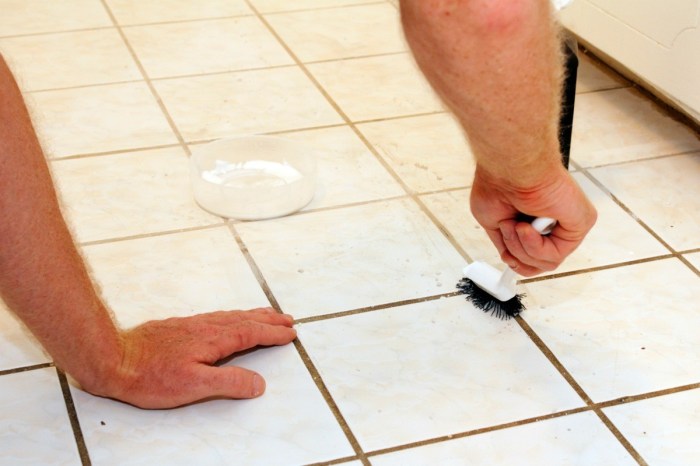
Grease is a common kitchen nemesis. A paste made from hydrogen peroxide and baking soda can be effective in absorbing grease. Apply the paste to the affected area, let it sit for about 15-20 minutes, and then scrub gently with a soft brush. Rinse thoroughly with water and wipe dry.
Effectiveness Against Food Stains
Hydrogen peroxide’s effectiveness against food stains varies depending on the type of stain and the surface material. For delicate surfaces, a diluted solution is recommended to prevent damage. On porous surfaces, like wood, it might be less effective, and it’s crucial to test in an inconspicuous area first. In general, it’s effective against many common food stains, including fruit juices, tomato sauce, and some types of sauces.
Cleaning Procedure Summary
| Stain Type | Cleaning Method | Effectiveness | Precautions |
|---|---|---|---|
| Coffee | Apply diluted hydrogen peroxide to stain, blot, and repeat if needed. | High | Avoid prolonged exposure to prevent surface discoloration. |
| Wine (Red) | Apply diluted hydrogen peroxide to stain, blot gently. Extend soaking time for stubborn stains. | Moderate to High | Test in an inconspicuous area before applying to the entire stain. |
| Grease | Mix hydrogen peroxide with baking soda, apply paste, scrub gently, and rinse. | High | Use a soft brush to avoid scratching the surface. |
| Fruit Juice | Apply diluted hydrogen peroxide, blot, and repeat if needed. | High | Test in an inconspicuous area to check for discoloration. |
| Tomato Sauce | Apply diluted hydrogen peroxide, blot, and repeat if needed. | Moderate to High | Test in an inconspicuous area to check for discoloration. |
Before and After Cleaning Illustrations

Visual demonstrations are crucial for understanding the effectiveness of hydrogen peroxide cleaning. Seeing the transformation from a stained countertop to a sparkling clean one can be highly persuasive. This section provides before-and-after images showcasing the power of hydrogen peroxide on various kitchen surfaces, along with detailed captions explaining the specific stains and cleaning methods used.
Visual Representation of Cleaning Effectiveness
The following table displays a series of before-and-after images demonstrating the cleaning power of hydrogen peroxide on different kitchen surfaces. Each image is paired with a description of the stain, the cleaning method used, and a brief explanation of the steps involved.
| Before | After | Stain Description | Cleaning Method |
|---|---|---|---|
|
Image: A countertop with a dried, dark-brown coffee spill, visibly stained into the surface. |
Image: The same countertop, now showing a pristine, light-colored surface with no trace of the coffee spill. A slight sheen is noticeable. |
Dried coffee spill |
Mix 1/2 cup hydrogen peroxide with 1 tablespoon baking soda. Apply the mixture to the spill using a soft cloth or sponge. Let it sit for 5 minutes, then gently scrub the area with a soft cloth or sponge. Rinse thoroughly with water and dry. |
|
Image: A stainless steel sink with a stubborn layer of burnt food residue. |
Image: The same stainless steel sink, now gleaming with a bright, reflective surface, showing no visible traces of burnt food. |
Burnt food residue |
Pour a small amount of hydrogen peroxide directly onto a soft cloth or sponge. Gently scrub the affected areas of the stainless steel sink with the hydrogen peroxide solution. Rinse thoroughly with water and dry. |
|
Image: A marble countertop with a dried fruit juice stain. |
Image: The same marble countertop, now showing a clean and unblemished surface with the fruit juice stain removed. The natural beauty of the marble is clearly visible. |
Dried fruit juice stain |
Apply a small amount of hydrogen peroxide directly to a clean cloth. Gently blot the stain, avoiding harsh scrubbing. Let it sit for a few minutes and then rinse with warm water. Repeat as necessary. If the stain persists, consider diluting the hydrogen peroxide with water for a gentler approach. |
Image Quality and Composition
For optimal visual impact, the before-and-after images should adhere to the following guidelines:
- Use high-resolution images to clearly show the stain and the cleaning results.
- Ensure the lighting is consistent in both the before and after images to avoid misleading comparisons.
- Position the images in a clear and concise manner, placing the “before” image on the left and the “after” image on the right for better visual clarity.
- Include a neutral background to avoid distractions from the subject matter.
Closing Notes

In conclusion, hydrogen peroxide provides a safe and effective way to clean your kitchen. By following the guidelines and safety precautions Artikeld in this comprehensive guide, you can achieve a sparkling clean kitchen without harsh chemicals. Remember to always prioritize safety and adjust the concentration based on the surface you’re cleaning. This detailed approach empowers you to tackle any kitchen cleaning challenge with confidence and precision.