




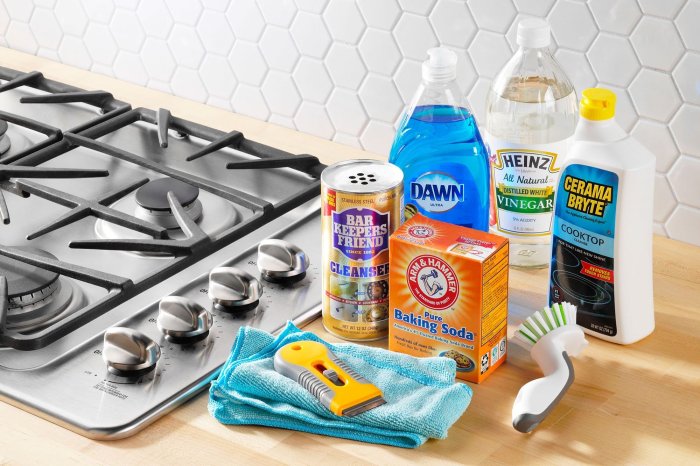
How to clean butcher block? This comprehensive guide dives deep into the world of butcher block maintenance, covering everything from daily wipes to deep cleans and specialized solutions. Whether your butcher block is hardwood, laminate, or solid surface, you’ll find the perfect cleaning routine here. We’ll explore the best methods, products, and prevention tips to keep your beautiful butcher block looking its best for years to come.
Butcher block countertops are stunning additions to any kitchen, but maintaining their beauty requires a little know-how. From avoiding scratches and cracks to handling spills and stains efficiently, this guide will walk you through every step of the process, ensuring your butcher block stays pristine and protected.
Introduction to Butcher Block Cleaning
Butcher block countertops are a popular choice for kitchens and dining areas due to their rustic charm and durability. However, maintaining their beauty and longevity requires proper cleaning practices. These surfaces, often made from hardwoods or composite materials, are susceptible to stains and damage if not cared for correctly. Understanding the nuances of each material and employing the right cleaning methods are essential for preserving the integrity and aesthetic appeal of your butcher block.
This article will delve into the various types of butcher block materials and their specific cleaning requirements.Proper cleaning isn’t just about aesthetics; it’s crucial for maintaining the health and safety of your kitchen. Food particles and spills left unattended can attract bacteria and lead to potential health risks. Choosing the right cleaning products and methods ensures that your butcher block remains a safe and functional work surface.
Butcher Block Material Types and Cleaning Needs
Butcher block countertops come in a variety of materials, each with unique characteristics that dictate the appropriate cleaning methods. Understanding these differences is key to keeping your butcher block in optimal condition.
| Material Type | Cleaning Method | Frequency | Products to Avoid |
|---|---|---|---|
| Hardwood Butcher Block | Use a gentle, non-abrasive cleaner like a mild dish soap solution or a specialized butcher block cleaner. Avoid harsh chemicals, bleach, and abrasive scrubbing pads. Wipe up spills immediately to prevent staining. After cleaning, thoroughly dry the surface. | Daily wiping up spills and crumbs; weekly deep clean with specialized cleaner. | Bleach, abrasive cleaners, steel wool, harsh chemicals, and excessive use of bleach-based products. |
| Laminate Butcher Block | Use a mild dish soap and water solution. Wipe up spills promptly. Avoid abrasive cleaners, scouring pads, and harsh chemicals that can damage the laminate surface. A damp cloth and gentle wiping action are sufficient. | Daily wiping up spills and crumbs; weekly deep clean with mild cleaner. | Abrasive cleaners, scouring pads, and chemicals that could damage the laminate. |
| Solid Surface Butcher Block | Clean with a mild dish soap and water solution. Wipe up spills promptly. Avoid abrasive cleaners and scouring pads. For stubborn stains, use a specialized solid surface cleaner. Always follow the manufacturer’s instructions. | Daily wiping up spills and crumbs; bi-weekly deep clean with a specialized cleaner. | Abrasive cleaners, scouring pads, and bleach-based solutions. |
Importance of Using the Right Cleaning Products
The cleaning products you use for your butcher block can significantly impact its longevity and appearance. Using the wrong products can lead to damage, discoloration, or even health hazards. It’s crucial to select products that are specifically formulated for butcher block surfaces.
Using a specialized butcher block cleaner will often leave a protective layer and avoid damage to the material.
Choosing the right cleaning products for your butcher block ensures that the surface is cleaned effectively without compromising its integrity. Using abrasive cleaners or harsh chemicals can scratch, dull, or even damage the material, leading to costly repairs or replacements. A gentle, non-abrasive approach is always the best practice.
Daily Cleaning Procedures

Maintaining a pristine butcher block requires a daily cleaning routine. This routine ensures food safety, preserves the beauty of the wood, and prolongs its lifespan. A quick, thorough wipe-down after each use significantly reduces the chance of buildup and deep-seated stains.Regular cleaning is crucial for preventing the accumulation of food particles, spills, and bacteria. This helps maintain a hygienic and aesthetically pleasing work surface, making food preparation safer and more enjoyable.
Daily Wipe-Down Procedure
A daily wipe-down is essential for preventing the buildup of food residue and spills. This routine should be implemented after every use, regardless of whether you’ve cooked a meal or simply prepared ingredients.
- Gather your supplies. This includes a clean, damp cloth, a spray bottle with a mild cleaner, and a paper towel or absorbent cloth.
- Wipe the surface with a damp cloth to remove loose food particles and any visible debris.
- For stubborn spills or stains, immediately blot them with a paper towel or absorbent cloth. Do not rub, as this can spread the stain or damage the wood.
- Spray a small amount of the mild cleaner onto a clean, damp cloth. Gently wipe the surface, ensuring to cover the entire butcher block. This is a vital step for keeping the surface clean and sanitized.
- Rinse the surface with a clean, damp cloth, ensuring that all traces of cleaner are removed.
- Dry the butcher block thoroughly with a clean, dry cloth or paper towels.
Immediate Spill and Stain Removal
Prompt action is key to preventing spills and stains from becoming deeply embedded in the butcher block. Quick removal minimizes the potential for discoloration and damage.
- Blot up the spill immediately with a clean paper towel or absorbent cloth.
- Avoid rubbing the spill, as this can spread the stain and potentially damage the wood’s surface.
- If the spill is sticky, use a spatula or similar tool to remove the excess, then blot and clean as described in the previous section.
- For tougher stains, use a mild cleaner, but test it in an inconspicuous area first to ensure it doesn’t damage the wood.
Supplies Needed for Daily Cleaning
Having the necessary supplies readily available will ensure a smooth and efficient cleaning process.
- Clean, damp cloth(s): A soft, absorbent cloth is ideal for wiping down the surface and removing general debris.
- Spray bottle with mild cleaner: A diluted solution of dish soap or a dedicated butcher block cleaner is recommended for general cleaning.
- Paper towels or absorbent cloths: For quickly blotting up spills and sticky substances.
- Clean, dry cloth or paper towels: For thorough drying after cleaning.
Cleaning Method Comparison
Different cleaning methods have varying degrees of effectiveness and potential impacts on the butcher block’s surface.
| Method | Description | Pros | Cons |
|---|---|---|---|
| Damp Cloth | Wiping the surface with a slightly damp cloth to remove loose debris. | Simple, readily available, gentle on the wood. | May not be effective for stubborn spills or dried-on food. |
| Specific Cleaner | Using a specialized butcher block cleaner, following the product instructions. | Effective at removing tougher stains and residues. Often contains disinfecting agents. | Can be more expensive than using a simple cleaner. Some cleaners may leave a residue if not rinsed properly. |
Deep Cleaning Techniques
Taking care of your butcher block involves more than just a quick wipe-down. Regular deep cleaning is crucial for maintaining its pristine condition and longevity. A deep clean tackles the stubborn stains and ingrained food particles that daily routines might miss. This process helps prevent the build-up of odors and ensures your butcher block remains a beautiful and functional workspace.Deep cleaning isn’t a one-time event; it’s a regular maintenance practice.
The frequency will depend on how often you use your butcher block. A high-traffic workspace might require more frequent deep cleans compared to one used less frequently.
Procedure for a Deep Clean
A deep clean involves a more thorough approach than daily cleaning. It goes beyond just wiping down the surface. The goal is to remove any ingrained dirt, stains, and food residue, ensuring a clean and hygienic surface.
Removing Stubborn Stains and Food Residue
Effective stain removal depends on identifying the type of stain. A burnt-on sauce might require a different approach than a spilled juice. Start by blotting up excess spills immediately. Then, using a soft cloth and a specialized cleaner (as described later), gently scrub the affected area. For stubborn stains, consider using a paste made from baking soda and water.
Apply the paste, let it sit for a few minutes, and then gently scrub with a soft-bristled brush. Rinse thoroughly with warm water and dry completely.
Frequency of Deep Cleaning
The ideal frequency for deep cleaning a butcher block is typically every few months. However, if you use your butcher block frequently, consider deep cleaning every 2-4 weeks to prevent buildup. Deep cleaning removes dirt and food particles, thus preventing the spread of bacteria and odors. This step ensures that the butcher block remains a healthy and attractive surface for years to come.
Removing Old, Dried-On Spills
Dealing with old, dried-on spills requires a more aggressive approach. Using a soft-bristled brush, try gently scrubbing the affected area. For particularly stubborn spills, a paste made of baking soda and water can be effective. Apply the paste, let it sit for a few minutes, then gently scrub with a soft brush. Always rinse thoroughly and dry completely.
If the stain persists, consider using a specialized cleaner for butcher blocks.
Specialized Cleaning Solutions for Deep Cleaning
Using specialized cleaning solutions is important for maintaining the butcher block’s integrity and beauty. Avoid harsh chemicals, as these can damage the surface. Look for cleaners specifically formulated for butcher blocks. Some commercial cleaners contain abrasives that can scratch the surface. If you choose to use a commercial cleaner, test it on an inconspicuous area first to ensure it won’t damage the wood.
Tips for Maintaining a Butcher Block’s Appearance
Regular maintenance is key to preventing the need for deep cleaning. Regular cleaning prevents build-up and keeps your butcher block looking its best. A few key tips include:
- Wipe up spills immediately to prevent them from setting in.
- Use cutting boards whenever possible to protect the surface from knife marks and scratches.
- Avoid using abrasive cleaners or scouring pads, as they can damage the surface.
- Regularly oil or wax the butcher block to maintain its moisture content and protect it from stains and scratches.
- Use a soft cloth or sponge for cleaning.
Preventing Butcher Block Damage: How To Clean Butcher Block
Maintaining the beauty and longevity of your butcher block countertop requires proactive measures to prevent damage. Proper handling and care are crucial to avoid scratches, cracks, and water damage, which can significantly impact its aesthetic appeal and structural integrity. By understanding the potential pitfalls and employing preventative strategies, you can safeguard your investment and enjoy a functional and attractive workspace.Careful handling and the use of appropriate tools are essential for preserving the integrity of your butcher block.
Avoiding harsh chemicals and improper cleaning methods will also contribute to the long-term health and appearance of your butcher block.
Avoiding Scratches and Cracks, How to clean butcher block
A butcher block’s natural beauty comes from its wood grain, and scratches can mar its aesthetic appeal. The hardness of the surface material, while beneficial for its durability, also makes it susceptible to scratches from sharp objects. Consequently, using cutting boards is essential for protecting the butcher block from knife-induced damage.
Using Cutting Boards
The use of cutting boards is paramount to prevent scratches and other damage. Cutting directly on the butcher block can lead to deep gouges or permanent marks. Selecting a cutting board material appropriate for the knife used is crucial. Wooden cutting boards, for instance, are often recommended for their ability to cushion the impact of the blade, thus minimizing the risk of scratching the butcher block.
Handling Hot Items
Extreme temperature changes can cause warping or cracking in butcher blocks. Avoid placing hot pans or dishes directly onto the butcher block. Always use a trivet or heat-resistant surface to protect the countertop from potential damage. A hot pan placed directly on the butcher block can cause localized heating, which may lead to warping or cracking over time.
Preventing Water Damage
Butcher blocks, like most wood surfaces, are susceptible to water damage. Water absorption can lead to warping, swelling, or even mold growth. Always wipe up spills immediately and avoid prolonged exposure to water. Never leave water standing on the butcher block for extended periods.
Proper Utensil Use
The use of sharp or heavy utensils directly on the butcher block can cause significant damage. Using a cutting board is recommended for all cutting tasks, and appropriate handling techniques should be used for heavy items. Avoid using utensils with sharp edges directly on the butcher block.
Common Mistakes to Avoid
- Directly placing hot items on the butcher block. This can cause localized heating and potential warping or cracking. Always use a trivet or heat-resistant surface to protect the countertop.
- Ignoring spills immediately. Allowing spills to remain on the surface can lead to water damage and potential mold growth. Wipe up any spills promptly with a damp cloth and then dry completely.
- Using harsh chemicals. Certain cleaning products can damage the finish or the wood itself. Stick to mild, wood-safe cleaning solutions.
- Cutting directly on the butcher block without a cutting board. This is a common cause of scratches and gouges. Always use a cutting board to protect the surface.
- Leaving wet items on the butcher block. Avoid letting water stand or wet items sit on the surface, as this can lead to swelling and warping. Ensure that all wet items are dried thoroughly before placing them on the butcher block.
- Using abrasive cleaners. These can scratch the surface and remove the protective finish. Use a gentle cleaner that is specifically designed for butcher blocks.
Troubleshooting Cleaning Issues
Maintaining a pristine butcher block requires proactive care and a keen eye for potential problems. Knowing how to identify and address common cleaning issues is crucial for preserving the beauty and longevity of your countertop. Ignoring these problems can lead to permanent damage or require extensive restoration work.Understanding the specific causes behind cleaning problems allows you to implement targeted solutions, avoiding repeated issues and ensuring a consistently clean and attractive butcher block.
This section will delve into troubleshooting various cleaning challenges, offering practical solutions and preventative measures to maintain your butcher block’s condition.
Keeping your butcher block countertop pristine is a breeze, really! Just a gentle wipe with warm soapy water and a soft cloth is usually enough. But, if you’re looking for tips on maintaining your holiday cheer, remember to check out how to keep your Christmas tree fresh how to keep christmas tree fresh for the best results.
A happy, hydrated tree will last longer, and that’s going to translate to a longer period before your butcher block needs a deep clean. Plus, a fresh-smelling tree will keep the holiday spirit alive longer!
Common Cleaning Problems and Solutions
Addressing cleaning issues promptly is key to maintaining a butcher block’s pristine condition. Mishaps like spills, burns, and improper cleaning can result in stubborn stains and damage. The following solutions provide effective strategies to resolve various problems.
- Water Spots and Discoloration: Water spots, often appearing as cloudy or hazy patches, are common occurrences on butcher block surfaces. These are typically caused by mineral deposits from hard water or by leaving wet surfaces for extended periods. To remove them, gently apply a paste of baking soda and water to the affected area, allowing it to sit for a few minutes before wiping clean with a damp cloth.
Keeping your butcher block countertop pristine is easier than you think! A good scrub with warm, soapy water is usually enough. However, for stubborn stains, you might need to consider using a palm sander or an orbital sander, depending on the severity of the damage. Choosing the right tool can make a big difference, and knowing the difference between a palm sander vs orbital sander will help you tackle any surface issues effectively.
Once you’ve addressed any imperfections, a final wipe-down with a food-safe cleaner will leave your butcher block gleaming.
For stubborn spots, consider using a mild abrasive cleaner, but avoid excessive scrubbing to prevent scratches.
- Sticky Residue or Burnt Food: Sticky residue from spills or burnt food can be challenging to remove. Start by applying a paste of baking soda and water, gently working it into the sticky area. Alternatively, a mixture of white vinegar and water can be effective for stubborn residue. For burnt food, use a spatula to remove as much of the burnt material as possible, then follow up with a cleaning solution like a combination of lemon juice and salt.
- Dulling or Discoloration of the Surface: Dulling or discoloration can be caused by excessive scrubbing, improper cleaning solutions, or prolonged exposure to acidic foods. Mild abrasive cleaners or a paste of baking soda and water can help restore shine, but always test any cleaning solution on an inconspicuous area first. Avoid harsh chemicals or abrasive cleaners that can scratch the surface.
- Hard-to-Remove Stains: Some stains, like those from colored beverages or certain foods, may be difficult to remove. A paste of lemon juice and salt can help lift some stains. If the stain persists, consider using a specialized butcher block cleaner designed for stubborn stains, always following the product instructions carefully. In extreme cases, professional restoration services might be necessary.
- Streaks or Smudges: Streaks or smudges can result from inconsistent or improper drying techniques. Always ensure the butcher block is thoroughly dried after cleaning, using a soft cloth to absorb any excess moisture. Avoid using harsh chemicals or excessive water, which can leave streaks and damage the surface.
Preventing Butcher Block Damage
Proactive measures are vital in preventing damage to your butcher block. Implementing these strategies will keep your countertop in pristine condition.
- Use Cutting Boards: Always use cutting boards when preparing food to prevent direct contact with the butcher block surface. This helps protect the surface from nicks, scratches, and stains. Choosing cutting boards made of appropriate materials (wood, plastic, or bamboo) that are suitable for your needs will help prolong the life of your butcher block.
- Avoid Harsh Chemicals: Avoid using harsh chemicals or abrasive cleaners on your butcher block, as these can damage the surface. Stick to gentle cleaners, and always test any new cleaning solution in a hidden area first. Using appropriate cleaners tailored for butcher blocks ensures that your surface remains in optimal condition.
- Prompt Clean-up: Clean up spills and food immediately to prevent them from setting into the surface. The sooner you address spills, the less likely they are to cause damage or discoloration.
Specialized Cleaning Solutions
Maintaining the pristine beauty and longevity of your butcher block requires a thoughtful approach to cleaning, extending beyond basic soap and water. Different cleaning solutions cater to various needs and preferences, and understanding their properties is key to achieving the best results. This section explores a range of options, from commercially available products to natural alternatives, to help you choose the right tool for your butcher block.Choosing the right cleaning solution is crucial for preventing damage and ensuring a healthy, hygienic surface.
This section delves into the specifics of different cleaning products, highlighting their strengths and weaknesses to guide your decision-making process. We’ll also examine natural cleaning alternatives, providing you with sustainable and effective options for maintaining your butcher block.
Comparing Cleaning Products
Different cleaning products offer varying levels of effectiveness and safety for butcher blocks. Some are specifically formulated for wood, while others may contain harsh chemicals that can damage the surface over time. Understanding the composition of these products is vital for making informed choices.
Keeping your butcher block pristine is easier than you think! A simple solution of warm, soapy water is usually all you need. However, you might want to consider what kind of plants you have in your home, as some houseplants, like certain types of philodendrons, can actually cause damage to your butcher block, much like they can damage your home’s wooden surfaces in other ways.
So, after you’ve given those lovely plants that damage your home a little extra care and attention, remember to gently wipe down your butcher block with a soft cloth to maintain its beauty. Just a quick rinse and dry will do the trick!
Natural Cleaning Alternatives
Many natural ingredients are surprisingly effective at cleaning butcher blocks. These alternatives often contain gentle ingredients, reducing the risk of surface damage and ensuring a safer environment for your kitchen.
- Baking Soda and Vinegar: A powerful yet gentle combination, baking soda gently abrades dirt and grime, while vinegar cuts through grease and odors. Combine a paste of baking soda and water to scrub the surface, then follow with a solution of equal parts white vinegar and water for a final rinse. This method is highly effective for everyday cleaning and tackling stubborn stains.
- Lemon Juice: Known for its natural bleaching properties, lemon juice can effectively remove stubborn stains and brighten the wood’s appearance. Apply fresh lemon juice directly to the stain, let it sit for a few minutes, and then wipe clean with a damp cloth. This method is great for light discoloration and general maintenance.
- Castile Soap: This mild, vegetable-based soap is a versatile cleaner for butcher blocks. Dilute a small amount of castile soap in warm water and use a soft cloth to clean the surface. Rinse thoroughly and dry completely to prevent water spots.
Using Specific Cleaners
Proper application of cleaning solutions is crucial to achieve the best results without harming the butcher block.
- Commercial Cleaners: Always follow the manufacturer’s instructions for dilution and application. Avoid harsh scrubbing and use a soft cloth or sponge. Thorough rinsing is vital to prevent residue buildup.
- Natural Alternatives: For baking soda and vinegar, apply the paste or solution to the affected area, let it sit for a few minutes, and gently scrub with a soft brush or cloth. For lemon juice, apply directly to the stain and let it sit. Rinse thoroughly with water.
Ingredients in Popular Butcher Block Cleaners
Understanding the ingredients in cleaning solutions can help you choose products that are safe and effective for your butcher block.
- Commercial Cleaners: Some commercial cleaners contain abrasives, which can damage the wood’s surface if used improperly. Others contain harsh chemicals that can be detrimental to the wood and your health. Always read the label carefully to understand the composition.
- Natural Cleaners: Natural cleaners generally contain ingredients like baking soda, vinegar, lemon juice, and castile soap. These ingredients are less likely to cause damage but still require careful application.
Cleaning Solution Comparison
| Solution | Pros | Cons | Suitable for |
|---|---|---|---|
| Baking Soda and Vinegar | Gentle, effective, affordable, environmentally friendly | Can be slightly abrasive, may not be ideal for deep cleaning | Daily cleaning, removing minor stains |
| Lemon Juice | Natural bleaching agent, brightens wood, removes light stains | May not be effective for heavy stains, can leave a lingering citrus smell | General maintenance, light discoloration |
| Castile Soap | Mild, vegetable-based, safe for wood, gentle on hands | May not be as effective for heavy grease, requires thorough rinsing | Everyday cleaning, removing light dirt and grease |
| Commercial Cleaners (specific brand) | Often effective, quick results | May contain harsh chemicals, can be expensive, potential for surface damage | Stubborn stains, heavy grease, if manufacturer instructions are followed |
Maintaining a Butcher Block
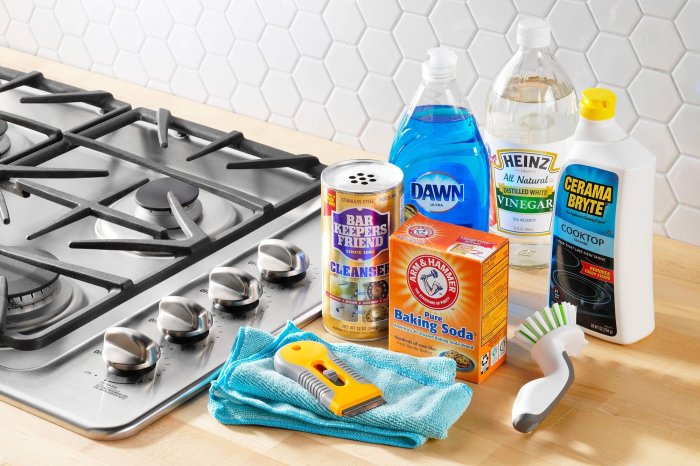
A butcher block, with its natural beauty and practicality, requires ongoing care to remain a stunning and functional work surface. Proper maintenance ensures its longevity and prevents costly repairs or replacements. This section details a schedule for routine upkeep, essential polishing techniques, and proactive measures to safeguard your butcher block against damage and seasonal changes.Maintaining a butcher block is an investment in its longevity and your kitchen’s aesthetic.
It’s a proactive approach that prevents potential problems down the road. Regular inspections and maintenance ensure your butcher block remains a beautiful and safe part of your kitchen for years to come.
Routine Maintenance Schedule
Regular maintenance is crucial for preserving the beauty and functionality of a butcher block. A consistent schedule prevents minor issues from escalating into significant problems. This proactive approach will help your butcher block remain a safe and attractive kitchen surface.
- Weekly Cleaning: A quick wipe-down with a damp cloth and mild soap is sufficient for most weekly tasks. This prevents the buildup of food particles, spills, and other debris, helping to maintain the surface’s hygiene and beauty.
- Monthly Deep Cleaning: Dedicate time for a more thorough cleaning, including a scrub with a specialized butcher block cleaner (if needed). This ensures deep-down cleaning and helps to maintain the butcher block’s overall health and appearance.
- Quarterly Inspection: Visually inspect the butcher block for any signs of damage, cracks, or uneven wear. Note any changes and address them promptly.
Polishing and Restoring Shine
Regular polishing is key to maintaining a butcher block’s lustrous surface. This section Artikels the steps to revitalize your butcher block’s shine.
- Gather Supplies: Gather a clean, soft cloth (microfiber is ideal), mineral oil, and a food-safe butcher block cleaner (optional). A clean, soft cloth is important to avoid scratching the surface.
- Prepare the Surface: Wipe the butcher block clean with a damp cloth and mild soap. Ensure the surface is completely dry before polishing.
- Apply Mineral Oil: Using a clean cloth, apply a thin layer of mineral oil to the butcher block’s surface. Rub gently in circular motions until the oil is evenly distributed.
- Buff to Shine: Use a clean, soft cloth to buff the surface until a natural shine appears. This step is essential to ensure a smooth and glossy surface.
Inspecting for Damage
Regular inspection helps identify minor issues early, preventing further damage. Addressing problems promptly saves time, effort, and money in the long run.
- Visual Check: Look for any cracks, splits, or noticeable discoloration. These issues may indicate underlying problems that require professional attention.
- Check for Uneven Wear: Pay attention to areas of the butcher block that may be more worn or have different levels of discoloration. This can highlight potential issues that need to be addressed promptly.
- Touch Test: Lightly run your finger across the surface. Unevenness or rough spots may suggest underlying problems or damage.
Protecting from Moisture
Moisture is a significant threat to butcher blocks. This section highlights strategies to mitigate its impact.
- Wipe Up Spills Immediately: Spills, even water, can cause damage if left to sit. Quick action prevents moisture from penetrating the surface and causing issues.
- Avoid Excessive Water: Avoid placing hot or wet items directly on the butcher block. This can cause warping or cracking.
- Use Trivets and Placemats: Protect the butcher block from heat and moisture by using trivets or placemats underneath hot cookware or dishes.
Preparing for Seasonal Changes
Seasonal fluctuations in humidity can affect butcher blocks. This section provides strategies to mitigate potential problems.
- Monitor Humidity Levels: Pay attention to humidity levels in your kitchen, especially during periods of high or low humidity.
- Adjust Cleaning Schedule: If humidity levels fluctuate significantly, you may need to adjust your cleaning schedule accordingly.
- Use a Humidifier or Dehumidifier: Maintaining a consistent level of humidity in your kitchen can help protect your butcher block.
Epilogue
Maintaining a beautiful butcher block involves understanding its unique material properties and implementing a consistent cleaning schedule. By following the daily, deep cleaning, and preventative measures Artikeld in this guide, you can preserve the integrity and beauty of your butcher block for years. Armed with this knowledge, you’ll be a butcher block cleaning pro in no time! Remember to choose the right cleaning method based on your butcher block’s material and use caution when handling hot items or harsh chemicals.
Enjoy your sparkling butcher block!