




How to unclog a sink? This comprehensive guide will walk you through everything from identifying the clog’s source to advanced techniques and preventative measures. We’ll cover common causes like food particles and hair, provide simple troubleshooting steps, and explore DIY methods like using baking soda and vinegar. Plus, we’ll delve into advanced solutions like drain snakes and when it’s time to call a plumber.
Unclogging a sink is a common household problem that can be easily resolved with the right approach. This guide will help you understand the various methods, from basic troubleshooting to advanced techniques, enabling you to handle the situation effectively and efficiently.
Identifying the Clog Source: How To Unclog A Sink
Unclogging a sink is often a frustrating experience, but knowing the source of the clog can make the process significantly easier and prevent future problems. This crucial step involves understanding the common culprits behind sink blockages, and how to differentiate between different types of clogs. By pinpointing the source, you can tailor your prevention methods for a more effective solution.
Common Causes of Sink Clogs, How to unclog a sink
Understanding the different types of clogs helps in preventing them in the future. Different materials require different prevention strategies. Identifying the clog’s cause will lead to more effective and less frustrating solutions.
- Food Particles: Leftover food scraps, bits of vegetables, and even pasta can accumulate in the drain pipes, eventually forming a blockage. This is a frequent occurrence, especially in kitchens. Preventing food particles from entering the pipes is paramount. A simple solution is to use a fine-mesh strainer in the sink drain to catch food before it goes down.
- Hair: Hair, particularly long hair, is a significant cause of sink clogs. It can easily get caught in the drain pipes, forming a tangled mass that obstructs water flow. The solution is straightforward: Use a drain strainer and regularly clean it. Hair-catching filters and hair-removal tools can help.
- Grease: Grease and oil, though often overlooked, can accumulate in the pipes, solidifying over time and creating a significant blockage. This is more prevalent in kitchens with a lot of cooking. The prevention of grease build-up is crucial. Use a grease trap, which is a container placed under the sink to catch grease, and ensure proper disposal methods.
- Soap Scum: Soap scum, though not as immediate a problem as food or hair, can accumulate and eventually contribute to blockages. The prevention of soap scum is important to avoid clogs. Regular cleaning of the pipes can help prevent soap scum build-up.
- Foreign Objects: Objects like toys, cotton balls, or sanitary items can find their way into the drains, eventually causing a blockage. The prevention of foreign objects from entering the drain is critical. Keep an eye on what goes down the drain.
Categorized Clog Causes
Pinpointing the source of a clog is essential for effective prevention. This table details common causes, their descriptions, prevention tips, and illustrative images.
| Cause | Description | Prevention Tips | Images |
|---|---|---|---|
| Food Particles | Leftover food scraps, vegetable pieces, and other food remnants accumulate in the drain pipes. | Use a fine-mesh strainer in the sink drain. Dispose of food scraps in the trash instead of the drain. Avoid dumping large amounts of food down the drain. | Imagine a partially clogged drain with visible bits of food debris. |
| Hair | Long hair, particularly, can get entangled in the drain pipes, forming a clog. | Use a drain strainer. Regularly clean the strainer to remove accumulated hair. Avoid letting hair enter the drain. | Imagine a drain with a tangled ball of hair. |
| Grease | Grease and oil solidify in the pipes over time, creating a blockage. | Use a grease trap under the sink. Dispose of grease properly. Avoid pouring excessive amounts of oil or grease down the drain. | Imagine a pipe with a layer of solidified grease. |
| Soap Scum | Soap scum builds up in the pipes, contributing to a gradual blockage. | Regular cleaning of the pipes can help prevent soap scum build-up. | Imagine a drain with a sticky film of soap scum. |
Basic Troubleshooting Steps
Unclogging a sink often requires a systematic approach, moving from visual inspection to using tools like drain snakes and plungers. Understanding the steps involved in each method helps you pinpoint the clog’s location and clear it efficiently, minimizing the risk of further damage. A thorough understanding of these methods will help you tackle plumbing issues confidently and effectively.Identifying the source of the clog is a crucial first step, but sometimes, it isn’t enough to simply know where the blockage is.
You need to knowhow* to address it, whether by careful inspection or by using specific tools. This section will detail the troubleshooting procedures to help you determine the clog’s location and clear it using the right tools.
Visual Inspection of the Sink Drain
A visual inspection is often the first step in troubleshooting a clogged sink. This involves carefully examining the drainpipe to identify any visible obstructions. Start by removing any obvious debris like hair, food particles, or other small objects that might be blocking the drain. Use a flashlight to illuminate any potential clogs hidden in the drainpipe. Look for any foreign objects that could be causing the blockage.
Determining the Location of the Clog
Precisely determining the clog’s location is key to choosing the appropriate tool and method for clearing it. If the clog is close to the sink’s drain opening, a plunger might be sufficient. However, if the blockage is further down the drainpipe, a drain snake is more effective. This requires careful observation of water flow and potential sounds within the drainpipe to pinpoint the clog’s location.
Using a Drain Snake or Plumbing Snake
A drain snake, also known as a plumbing snake, is a flexible metal cable with a helical or coil-like design. It’s designed to reach deep into the drainpipes to dislodge clogs. Carefully insert the drain snake into the drain opening, rotating it as you feed it down the pipe. This twisting motion helps to loosen and break up the clog.
Continue feeding the snake until you feel it encounter resistance, indicating the clog’s location. Then, carefully rotate the snake to dislodge the clog and pull it back out.
Using a Plunger to Clear a Clog
A plunger is a simple but effective tool for clearing clogs near the drain opening. First, ensure the sink is filled with enough water to cover the plunger’s cup. Place the plunger over the drain opening, creating a tight seal. Then, vigorously pump the plunger up and down, applying consistent pressure. This creates a vacuum that helps to dislodge the clog.
If the clog is stubborn, repeat the process several times, maintaining a firm seal on the drain opening.
Troubleshooting Steps Table
| Step | Action | Tools Needed | Result |
|---|---|---|---|
| 1 | Visually inspect the drain opening for obvious obstructions. | Flashlight | Identify any readily apparent clogs. |
| 2 | Run water to assess the flow. Listen for gurgling or unusual sounds. | None | Determine if the clog is close to the surface or further down the drainpipe. |
| 3 | Insert a drain snake into the drain, rotating it as you feed it down. | Drain snake | Locate the clog by feeling resistance. |
| 4 | Rotate the snake to break up the clog and pull it back out. | Drain snake | Remove the clog or loosen it enough for other methods to work. |
| 5 | Fill the sink with water to cover the plunger cup. | Plunger | Create a seal for effective suction. |
| 6 | Place the plunger over the drain opening, creating a tight seal. Pump vigorously up and down. | Plunger | Apply suction to dislodge the clog. |
DIY Unclogging Techniques
Unclogging a stubborn sink can be a frustrating experience. Fortunately, many effective DIY methods exist before resorting to a plumber. These techniques often involve readily available household materials and can save you time and money. This section delves into various approaches, from the classic baking soda and vinegar combination to the surprisingly effective power of boiling water. Understanding the strengths and limitations of each method is crucial for successful unclogging.
Baking Soda and Vinegar
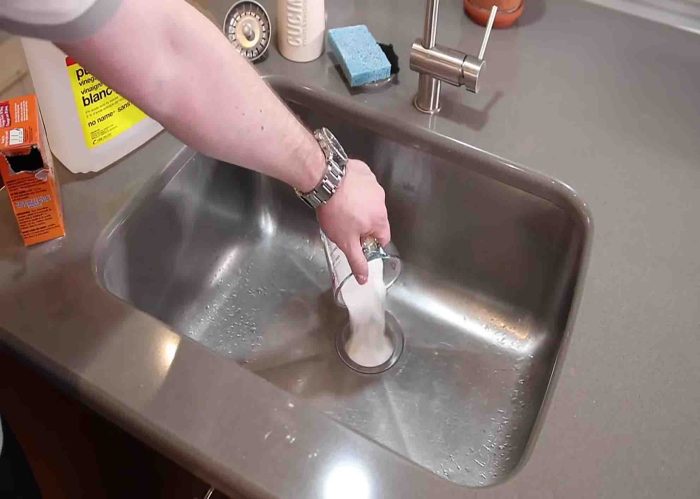
This tried-and-true method leverages the chemical reaction between baking soda and vinegar to create a fizzing action that can dislodge clogs. The fizzing helps loosen the blockage, while the vinegar also acts as a mild solvent.
- Materials Needed: Baking soda, white vinegar, and a container to mix the solutions.
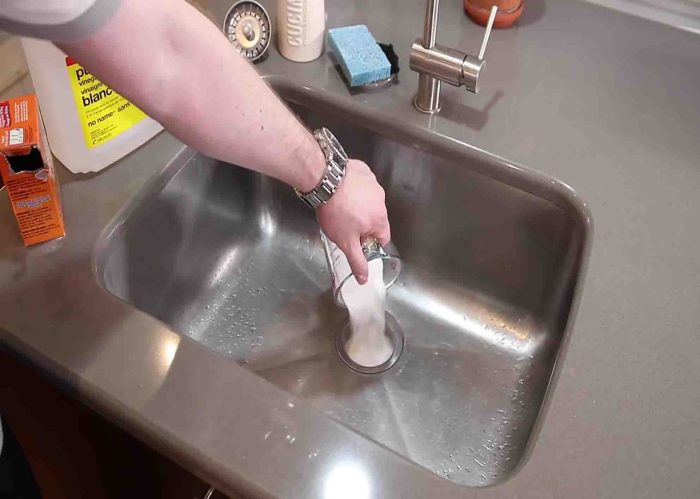
- Steps: Pour a cup of baking soda down the drain. Follow this by pouring a cup of vinegar into the drain. Let the mixture fizz for 30 minutes. Flush with hot water. If the clog persists, repeat the process.
- Effectiveness: This method is effective for smaller clogs caused by grease or food particles. It’s a safe and relatively inexpensive option.
Boiling Water
Boiling water is a powerful method for dislodging clogs, especially those caused by organic matter. The high temperature can help break down the blockage, and the sheer force of the water can push it through the drain.
- Materials Needed: A pot for heating water, a large container for pouring the hot water, and a funnel if necessary.
- Steps: Heat a pot of water to a rolling boil. Carefully pour the boiling water down the drain. The hot water will melt grease and loosen debris. Follow with a flush of cold water.
- Effectiveness: Very effective for clogs composed of grease, hair, or other organic matter. However, be extremely cautious when using boiling water, as it can damage pipes or cause scalding.
Using a Plunger
A plunger can be a lifesaver for sink clogs. The suction created by the plunger can dislodge the clog and clear the drain.
So, you’ve got a clogged sink? First things first, try a plunger. If that doesn’t work, you might be considering a more permanent solution, like tiling over your existing tile. But, before you dive into that, check out this helpful resource on whether you can actually tile over tile, can you tile over tile.
Once you’ve got the tiling situation sorted, you can get back to unclogging that sink! Baking soda and vinegar might be the next step.
- Materials Needed: A plunger (the type that fits over the drain opening), and a bucket of water.
- Steps: Ensure the drain opening is completely covered by the plunger. Fill the sink with enough water to cover the plunger cup. Push down and pull up on the plunger several times with force, repeating the process if necessary.
- Effectiveness: This is best for clogs that are closer to the drain opening. It works best on clogs in the sink itself rather than further down the pipe.
Comparison of Methods
| Method | Materials | Steps | Effectiveness | Safety |
|---|---|---|---|---|
| Baking Soda & Vinegar | Baking soda, vinegar | Mix, pour, wait, flush | Good for smaller clogs | Safe |
| Boiling Water | Pot, water | Boil, pour | Effective for organic clogs | Requires caution |
| Plunger | Plunger, water | Cover, push/pull | Effective for surface clogs | Safe |
Advanced Unclogging Techniques
Sometimes, simple methods just aren’t enough to conquer a stubborn sink clog. This section dives into more powerful techniques, including the use of specialized tools and procedures. Understanding these advanced approaches can save you from a plumbing emergency and ensure your drains are flowing freely for years to come.When basic troubleshooting fails, it’s time to escalate your efforts.
These advanced methods offer targeted solutions for a variety of clog types and locations. Careful consideration and adherence to safety precautions are paramount.
Using a Drain Auger (Plumber’s Snake)
A drain auger, also known as a plumber’s snake, is a flexible cable with a helical tip. It’s a powerful tool for snaking through pipes to grab and remove clogs. This method is effective for tackling clogs that are deeper within the drain line, beyond the reach of other tools.To use a drain auger, first, ensure the auger is properly lubricated.
This will help the cable move smoothly through the pipe. Slowly feed the auger into the drain opening, rotating it as you advance. Feel for resistance; this indicates you’ve encountered the clog. Once you’ve reached the clog, use a twisting motion to break it up or wrap it around the auger tip. Slowly pull the auger back out, carefully removing any caught debris.
Using Drain Cleaner Safely and Effectively
Drain cleaners, while effective, should be used with caution. These chemicals are powerful and can damage pipes if misused. Always follow the manufacturer’s instructions meticulously. Ensure proper ventilation when using drain cleaners. Also, be mindful of potential chemical burns.
Wear gloves and eye protection when handling drain cleaners.Chemical drain cleaners are effective at dissolving grease and organic matter that can cause clogs. Pour the appropriate amount of cleaner into the drain, following the instructions on the container. Allow the cleaner to sit for the recommended time, then flush with hot water.
Disassembling and Cleaning a Drain
Sometimes, a clog can be hidden within the drain assembly. Disassembling and cleaning the drain can reveal and remove the blockage. This technique is often necessary for stubborn clogs in areas like P-traps or under the sink.First, turn off the water supply to the sink. Then, carefully remove any visible components of the drain. If you encounter a P-trap, carefully remove it.
Inspect the trap for clogs or debris. Clean the drain parts with warm soapy water. If there’s a significant build-up, consider using a wire brush or specialized cleaning tools. Reassemble the drain components in the reverse order.
Dealing with a clogged sink can be a real pain, but luckily, there are some simple solutions. A bit of elbow grease often does the trick, but sometimes you need a plunger or a drain snake. Knowing when to apply weed killer to your lawn in spring is also important for a healthy yard, and can even help prevent clogs later on.
For the best results, check out this guide on when to put weed killer on lawn in spring to make sure you’re timing it right. Once you’ve got the lawn looking its best, you can get back to tackling those pesky sink clogs with confidence.
Cleaning the Drainpipe
A thorough cleaning of the drainpipe can prevent future clogs. This involves removing built-up debris and mineral deposits that can restrict water flow. This step is often necessary if other methods have failed.To clean the drainpipe, you’ll need appropriate tools and caution. First, identify the access point to the drainpipe. If accessible, use a drain cleaning brush to scrub the inside of the pipe, removing any blockages.
Flush the pipe thoroughly with hot water. Use a plumbing snake to clear any remaining clogs. If necessary, a professional plumber might need to access the pipes for a more thorough cleaning.
Safety Precautions for Advanced Techniques
| Technique | Tools | Steps | Safety Precautions |
|---|---|---|---|
| Drain Auger Use | Drain Auger, Lubricant | Insert auger, rotate, pull out | Wear gloves, eye protection. Be cautious of sharp edges. |
| Drain Cleaner Use | Drain Cleaner, Gloves, Eye Protection | Pour cleaner, wait, flush | Ventilate area. Follow manufacturer’s instructions carefully. |
| Drain Disassembly | Screwdrivers, Pliers, Wire Brush | Turn off water, remove components, clean | Turn off water supply. Be cautious of sharp edges. |
| Drainpipe Cleaning | Drain Cleaning Brush, Plumbing Snake | Access drainpipe, scrub, flush | Use appropriate safety equipment. Be careful when working around pipes. |
Preventing Future Clogs
Preventing sink clogs is far more effective and less frustrating than dealing with them after they occur. Understanding the common culprits and implementing preventative measures can save you time, money, and a significant amount of stress. By taking proactive steps, you can maintain a smooth-flowing drain system and avoid the hassle of clogs.Sink clogs often stem from a combination of factors, from everyday habits to the accumulation of debris over time.
By identifying these contributing elements, we can craft strategies to keep your drains flowing freely.
Common Habits Contributing to Clogs
Poor disposal habits are a major contributor to sink clogs. Food particles, grease, and other organic matter, if not disposed of properly, can quickly accumulate and solidify, creating blockages. Similarly, improper disposal of fibrous materials, like coffee grounds, hair, and even certain types of cleaning products, can also lead to clogs. Furthermore, pouring excessive amounts of oil or grease down the drain, rather than allowing them to cool and solidify in a container, significantly increases the risk of clogging.
Preventing Clogs
Proper waste disposal is key to preventing clogs. Always ensure that food scraps, grease, and fibrous materials are disposed of in the appropriate receptacles, and avoid pouring large amounts of oil or grease down the drain. Furthermore, installing a drain strainer or a garbage disposal can help prevent large items from entering the drain in the first place.
Regular maintenance, as detailed below, will further reduce the chances of clogs developing.
A clogged sink can be a real pain, but thankfully, there are simple solutions. First, try pouring a pot of boiling water down the drain. If that doesn’t work, a plunger can often do the trick. Plus, knowing how to unclog a sink efficiently is key for maintaining a clean home, just like Blake Griffin loves being neat blake griffin loves being neat.
If those fail, you might need a more drastic approach like a drain snake, but hopefully, you can avoid that! Hopefully these tips will get your sink flowing freely again.
Strategies for Maintaining a Clear Drain
Regular maintenance is essential for keeping your drains clear. This includes regularly inspecting the drain for any signs of buildup and promptly addressing any issues that arise. Keeping the drain area clean of debris is also a significant step in preventing future clogs.
Preventative Maintenance Tasks
Regular cleaning is essential for maintaining a clear drain. A monthly inspection of the drain for any signs of buildup is recommended. These inspections should include checking for any visible obstructions, such as food particles or hair, and cleaning them promptly. Furthermore, regularly cleaning the drain strainer can also help prevent clogs. Regularly inspecting the garbage disposal, if applicable, for any signs of buildup is also important.
Checklist for Regular Sink Drain Maintenance
| Task | Frequency | Description |
|---|---|---|
| Inspect drain for debris | Monthly | Visually check the drain for any food particles, hair, or other obstructions. |
| Clean drain strainer | Weekly | Remove and clean the drain strainer to prevent clogs from accumulated debris. |
| Clean garbage disposal (if applicable) | Monthly | Check for buildup and clean the disposal according to the manufacturer’s instructions. |
| Pour grease and oil into a container | Always | Never pour hot grease or oil down the drain. Allow them to cool and solidify in a container for proper disposal. |
| Dispose of fibrous materials properly | Always | Use the appropriate receptacles for disposal of fibrous materials. |
When to Call a Plumber
Sometimes, even the most determined DIY enthusiast needs to admit defeat. Knowing when to call in the professionals is just as crucial as knowing how to tackle a simple clog. This section Artikels the situations where your efforts are best left to a trained plumber, helping you avoid potential damage and costly mistakes.
Signs of a Serious Clog or Plumbing Issue
Beyond the obvious persistent clog, several signs indicate a more complex problem that requires professional attention. A slow drain that’s getting progressively slower, gurgling sounds in the pipes, or water backing up into other fixtures are all potential indicators of a larger issue. Strange smells emanating from the drains or unusually high water bills can also signal a problem that DIY methods might not solve.
Furthermore, if you’re dealing with a clog in a location that’s difficult to access or if you’re uncomfortable working with plumbing systems, it’s prudent to call a plumber to prevent further damage.
When DIY Methods Are Insufficient
There are situations where DIY unclogging techniques simply won’t cut it. If the clog persists despite multiple attempts, if you suspect a blockage deeper within the pipes, or if the problem is recurring, a plumber is likely the best solution. Furthermore, if you’re working with a particularly stubborn clog that involves drain lines running through walls, floors, or ceilings, calling a professional is often the safest and most efficient approach.
Finally, if you lack the necessary tools or expertise for the job, a professional plumber is the most reliable option.
Importance of Seeking Professional Help
Professional plumbers possess the tools, training, and expertise to diagnose and resolve plumbing issues efficiently and effectively. They can identify the source of the problem, whether it’s a tree root intrusion, a faulty pipe, or a more complex issue within the plumbing system. Ignoring a persistent clog can lead to more extensive and costly repairs in the future.
Professional help is vital to ensure the long-term health of your plumbing system.
Questions to Ask a Plumber Before Hiring
Before hiring a plumber, ask critical questions to ensure you’re choosing a reputable and qualified professional. Verify their licensing and insurance status, inquire about their experience with similar problems, and get a clear estimate of the cost, including potential additional fees. Ask about their troubleshooting methods, how they plan to identify the problem, and what preventative measures they might suggest.
Finally, get a written contract outlining the services to be performed, the cost, and the payment terms.
When to Call a Plumber: A Troubleshooting Table
This table summarizes various situations, symptoms, potential DIY solutions, and when professional help is necessary.
| Situation | Symptoms | DIY Solution | Professional Help Needed |
|---|---|---|---|
| Recurring clogs in a specific drain | Slow draining, unpleasant smells | Try different drain cleaning methods | Suspect a structural or root problem; plumbing system malfunction |
| Water backing up into multiple fixtures | Gurgling sounds, standing water | Inspect for obvious blockages | Likely a major clog, or plumbing system failure; serious pipe damage |
| Clog in a hard-to-reach area | Slow draining, water not flowing | Limited DIY options | Specialized tools and expertise required |
| Clog persists despite multiple attempts | Unresponsive to basic drain clearing | Try more advanced methods | Complex clog; structural damage possible |
Last Recap
Hopefully, this guide has equipped you with the knowledge and tools to tackle your next sink clog with confidence. Remember, prevention is key! By understanding the common causes and implementing preventative measures, you can keep your drains flowing smoothly. If the clog proves too challenging, don’t hesitate to call a professional. Armed with this information, you’re ready to tackle any plumbing problem head-on!