




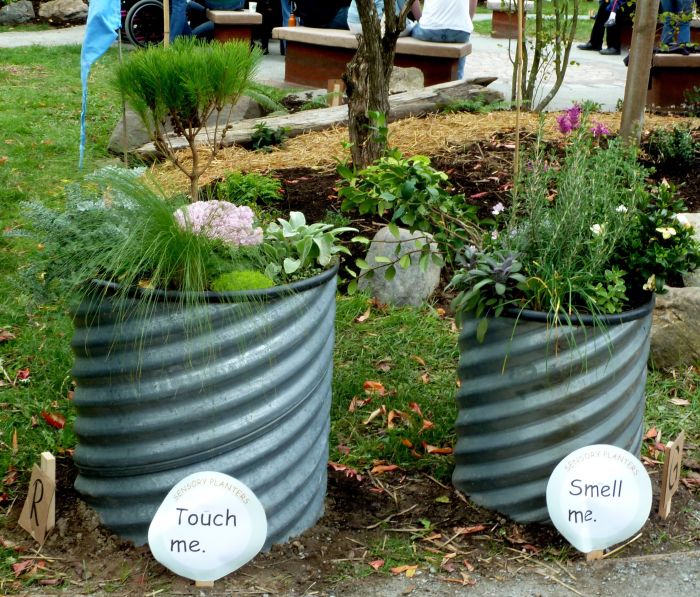
How to make a winter sensory garden sets the stage for creating a truly enchanting outdoor space, even during the coldest months. Imagine a garden brimming with life, color, and sensory delights, designed to soothe and inspire. This guide will walk you through the process, from selecting the perfect plants to crafting a mesmerizing layout, ensuring your winter garden is a year-round haven.
This guide covers everything you need to know, including choosing native winter plants that thrive in the cold, designing a visually appealing and functional layout, and understanding the essential materials and tools for successful construction. It also explores techniques for planting and maintaining your winter garden, ensuring a thriving sensory experience throughout the season. Finally, we’ll look at maintaining the garden during the winter months, and ideas for incorporating inspiring winter-themed elements to enhance your experience.
Introduction to Winter Sensory Gardens
A winter sensory garden is a carefully designed outdoor space that provides stimulating experiences through the senses during the colder months. It’s more than just a pretty landscape; it’s a place to connect with nature’s beauty and tranquility even when the world outside seems dormant. These gardens often incorporate elements that appeal to sight, sound, smell, touch, and even taste, offering a unique way to appreciate the winter season.Winter sensory gardens are distinct from typical gardens because they prioritize the sensory experience of winter.
While many gardens focus on vibrant blooms and lush greenery, winter gardens highlight the beauty and unique qualities of winter. This focus on the colder months emphasizes the resilience and beauty of nature’s cycles. Key elements like textured bark, frosty foliage, and the sounds of wind chimes are deliberately incorporated to create a particular ambiance. The experience of a winter sensory garden is intended to be both visually and emotionally stimulating.
Benefits of Winter Sensory Gardens
Winter sensory gardens offer a multitude of benefits. They provide a calming escape from the often hectic winter season, fostering a sense of peace and connection with nature. The sensory experiences offered can enhance well-being, promoting relaxation and mindfulness. The unique aesthetic of a winter sensory garden can also inspire creativity and spark a deeper appreciation for the natural world.
Creating a winter sensory garden is a fantastic way to embrace the season. Think about repurposing your existing decor for a festive touch, like using vintage ornaments or brightly coloured ribbons to add pops of holiday cheer. Check out these tips for decorating for the holidays with existing decor to inspire your own winter wonderland decorate for the holidays with existing decor.
This approach will save you money and allow you to personalize your sensory garden with unique touches. Ultimately, a winter sensory garden can be as simple or elaborate as you like.
Furthermore, these gardens can be educational and provide a unique opportunity to observe seasonal changes and the resilience of plants.
Key Elements of a Winter Sensory Garden
The unique character of a winter sensory garden stems from the intentional inclusion of elements that evoke sensory responses during the colder months. Unlike a summer garden that might emphasize vibrant colors and fragrant flowers, a winter sensory garden accentuates the beauty of frost, textures, and sounds.
- Visual Appeal: Winter gardens often incorporate elements that contrast with the muted tones of winter, such as colorful winter berries, the stark white of snow-covered branches, or the deep browns of fallen leaves. These contrasting colors can be surprisingly striking, particularly in a space where the surrounding landscape may be dominated by shades of gray and brown.
- Textural Diversity: The inclusion of various textures is crucial. Rough bark, smooth stones, and the frosted surfaces of plants provide opportunities for tactile exploration. This is especially appealing when outdoor activities are limited.
- Sound Design: Wind chimes, bird feeders (that attract winter birds), and the gentle rustle of wind through branches contribute to the auditory experience. These sounds can be calming and soothing, providing a contrast to the often-quiet soundscape of winter.
- Fragrance: While scent might be less prominent in winter, the incorporation of fragrant evergreens and certain winter-blooming plants can create a welcoming atmosphere. The gentle aroma of pine or other winter-hardy plants can enhance the overall sensory experience.
- Taste (if applicable): If the garden includes edible plants, the winter fruits or berries can provide a small taste of the season. This is an unusual element in a winter sensory garden, but can offer a unique element to the overall experience.
Target Audiences for Winter Sensory Gardens
Winter sensory gardens can appeal to a diverse range of individuals and groups.
- Individuals seeking tranquility: A winter sensory garden can provide a peaceful and reflective space for individuals to connect with nature and find solace during the winter months. These gardens can be particularly beneficial for those looking for a way to de-stress or improve their mental well-being.
- Families and children: Winter sensory gardens can be educational and engaging for families and children. The exploration of textures, sounds, and seasonal changes can be a fun and enriching experience for children of all ages. The opportunity to observe the subtle changes in the garden over time is valuable to their understanding of nature.
- Nature enthusiasts and gardeners: These gardens offer a unique way to appreciate the beauty and resilience of nature in winter. Gardeners can experiment with different plants and elements to create a visually and sensorily rich experience.
- Individuals with disabilities: Winter sensory gardens can offer unique benefits to individuals with sensory processing differences or disabilities. The deliberate use of various textures, sounds, and smells can be tailored to meet specific needs and preferences.
- Communities and organizations: Winter sensory gardens can be created as communal spaces for people to gather, connect, and enjoy the beauty of nature during the winter. Such a garden can be a valuable resource for social interaction and well-being within a community.
Choosing Plants for a Winter Sensory Garden

Creating a winter sensory garden is more than just aesthetics; it’s about engaging all your senses during the colder months. Selecting the right plants is crucial for a truly immersive experience, offering visual interest, tactile stimulation, and even delightful scents. Winter’s palette, while muted, can be surprisingly vibrant when you choose the right plants.Winter gardens, despite the seemingly dormant season, offer a unique opportunity to appreciate the resilience and beauty of nature.
These plants, often overlooked in favor of spring blossoms, hold a remarkable sensory appeal in their own right. Their unique characteristics, from the intricate textures of bark to the subtle fragrances, contribute significantly to the overall experience of a winter garden.
Native Winter Plants for Sensory Gardens
A crucial element of a successful winter sensory garden is selecting plants native to your region. Native plants are well-suited to the local climate, soil conditions, and wildlife, requiring less maintenance and contributing to a healthier ecosystem. Their presence fosters a sense of connection to the local environment.
- Winterberry Holly (Ilex verticillata): This deciduous shrub provides a burst of brilliant red berries that persist throughout the winter. The berries offer a visual delight, contrasting beautifully against the muted tones of the landscape. The berries also provide a valuable food source for birds, fostering a sense of biodiversity and natural harmony in the garden. Planting needs include partial shade to full sun, well-drained soil, and moderate watering.
The berries’ bright color is a striking feature in a winter landscape.
- American Holly (Ilex opaca): Known for its evergreen foliage, the American Holly remains a vibrant green throughout the winter, offering a constant visual interest. Its spiky leaves offer a tactile experience, providing a contrast in texture to the smoother, softer foliage of other winter plants. American Holly thrives in full sun to partial shade and well-drained soil. Moderate watering is necessary, especially during dry periods.
The deep green color provides a soothing backdrop in the winter.
- Red Osier Dogwood (Cornus sericea): This shrub is recognizable by its striking reddish-brown branches, providing a visual appeal in winter. The branches are a warm contrast to the surrounding environment. It thrives in full sun to partial shade, moist soil, and regular watering. The texture of the branches is interesting and offers a different tactile experience from the other plants in the garden.
- Winter Hazel (Corylus avellana): This deciduous shrub produces attractive, catkin-like flowers in winter. The catkins add an element of soft, delicate texture to the winter landscape. It prefers full sun to partial shade and well-drained soil. It needs moderate watering. The catkins are a unique addition to a winter garden and their delicate appearance adds a special visual appeal.
- Common Juniper (Juniperus communis): This evergreen shrub offers a textured, spiky foliage. The bluish-green needles provide a contrast in color and texture to the surrounding environment. It thrives in full sun to partial shade and well-drained soil. Moderate watering is generally sufficient. The dense, evergreen foliage provides structure and visual interest to a winter garden.
- Witch Hazel (Hamamelis): This deciduous shrub is famous for its late-winter blooms, which come in a variety of colors, including yellow, orange, and red. The flowers provide a pop of color during a time when most plants are dormant. It prefers full sun to partial shade and well-drained soil. Moderate watering is needed. The flowers are a unique and attractive feature of winter gardens.
Plant Characteristics Comparison
| Plant Name | Sensory Experience | Planting Needs | Visual Appeal | Size | Color | Texture | Scent | Lifespan |
|---|---|---|---|---|---|---|---|---|
| Winterberry Holly | Visual delight of red berries, bird attraction | Partial shade to full sun, well-drained soil, moderate watering | Bright red berries against muted winter tones | Medium | Red, Green | Smooth berries, spiky leaves | Mild | Deciduous |
| American Holly | Evergreen foliage, tactile spiky leaves | Full sun to partial shade, well-drained soil, moderate watering | Deep green foliage | Medium to large | Green | Spiky leaves | None | Evergreen |
| Red Osier Dogwood | Visual appeal of reddish-brown branches | Full sun to partial shade, moist soil, regular watering | Warm reddish-brown branches | Medium | Reddish-brown | Smooth branches | Mild | Deciduous |
| Winter Hazel | Delicate catkin flowers, soft texture | Full sun to partial shade, well-drained soil, moderate watering | Catkin flowers | Medium | Brown/Beige | Soft catkins, textured leaves | Mild | Deciduous |
| Common Juniper | Textured, spiky foliage, bluish-green | Full sun to partial shade, well-drained soil, moderate watering | Dense evergreen foliage | Medium to large | Bluish-green | Spiky needles | None | Evergreen |
| Witch Hazel | Late-winter blooms in various colors | Full sun to partial shade, well-drained soil, moderate watering | Colorful blooms (yellow, orange, red) | Medium | Yellow, orange, red | Soft petals | Mild | Deciduous |
Designing the Garden Layout
Transforming your winter garden into a sensory haven requires careful planning. A well-designed layout considers not only the aesthetic appeal but also the functionality, accessibility, and safety of the space. Think of it as crafting a winter wonderland that engages all the senses, not just sight. This involves thoughtfully arranging plants, pathways, and other features to create a truly immersive experience.
Essential Elements of Design
A successful winter sensory garden design incorporates key elements to maximize the sensory experience and enhance the overall aesthetic. These elements include strategically placed seating areas for relaxation and contemplation, pathways that wind through the garden, and visually engaging features like sculptures or trellises. Careful consideration of the placement of these elements can greatly influence the garden’s overall appeal and usability.
Microclimate Considerations
Understanding the microclimate of your garden is crucial for selecting and arranging plants. Microclimates are localized areas within a larger climate zone that have different temperature, moisture, and sunlight conditions. This localized variation directly impacts plant health and survival, especially during winter. For example, a sheltered area might experience warmer temperatures, allowing for the cultivation of more delicate plants, while a more exposed area might be better suited to hardier varieties.
Thorough research and observation of your specific microclimate will guide your choices in plant selection and layout.
Visual Appeal and Functionality
A visually appealing and functional layout prioritizes clear pathways, accessible areas, and a balanced arrangement of plants and features. Visual interest can be achieved through the careful selection and arrangement of plants with contrasting textures, colors, and shapes. Consider incorporating a focal point, such as a sculptural element or a grouping of unique plants, to draw the eye and create a sense of depth.
Functionally, pathways should be wide enough for easy movement and should connect different areas of the garden, facilitating exploration and enjoyment.
Incorporating Textures and Colors
Creating a winter sensory garden involves the intentional use of diverse textures and colors to stimulate different senses. In winter, the palette often leans towards muted tones and earthy colors, but this doesn’t mean it can’t be engaging. Use the varied textures of bark, grasses, and different plant forms to provide tactile experiences. Think about the visual contrast between smooth, icy-looking surfaces of water features or ice sculptures and the rough, textured bark of trees or shrubs.
Color variations, though subdued, play a critical role in drawing attention and providing visual stimulation.
Accessibility and Safety Considerations
Ensuring accessibility and safety within the winter sensory garden is paramount. Paths should be wide enough and free of obstructions for easy navigation, especially for individuals with mobility limitations. The incorporation of ramps or gentle inclines can enhance accessibility for everyone. Appropriate signage or markings should be used to indicate pathways and potential hazards. Placement of plants should avoid creating tripping hazards, ensuring the garden remains safe and inviting for everyone.
Creating a winter sensory garden is surprisingly easy! Think vibrant winter colours like deep reds and purples for the flowers, and add some aromatic shrubs for a wonderful scent. To really enhance the experience, consider using a top-rated laundry detergent like best smelling laundry detergent to create a wonderfully fresh atmosphere around your winter garden. This will help bring a cozy and uplifting feeling to the space, perfect for a winter wonderland.
Then, add some textures with different types of plants for a more engaging sensory experience.
Safety should be considered at every stage of the design process.
Materials and Tools for Construction
Transforming your yard into a winter wonderland requires careful planning and the right tools. The materials chosen will directly impact the longevity and aesthetic appeal of your sensory garden. Selecting appropriate soil amendments and fertilizers, as well as choosing the correct planting tools, are crucial for successful growth and enjoyment throughout the winter season.Choosing the right materials and tools for your winter sensory garden is key to a successful and enjoyable project.
This section will guide you through the essential materials and tools, from soil amendments to planting implements, ensuring your garden thrives throughout the winter months.
Essential Materials
A well-structured soil base is fundamental to the success of any garden. The right soil amendments can significantly improve drainage, aeration, and water retention, which are crucial for winter plant survival.
- Soil Amendments: Compost, peat moss, or well-rotted manure are excellent choices to enrich the soil. Compost, in particular, provides valuable nutrients and improves soil structure, while peat moss enhances drainage. Well-rotted manure adds essential nutrients and improves soil texture.
- Topsoil: Choose a high-quality topsoil that is rich in organic matter. This will provide the plants with the essential nutrients they need to flourish.
- Mulch: A layer of mulch, such as shredded bark or wood chips, helps retain moisture, suppress weeds, and regulate soil temperature, especially important in winter’s fluctuating conditions.
- Planting Pots (Optional): For smaller plants or to create raised beds, planting pots provide a contained environment for the initial growth of your winter sensory plants.
Soil Amendments and Fertilizers
The type of soil amendments and fertilizers used significantly influence the health and growth of your winter plants.
- Soil Amendments: Organic matter amendments like compost and well-rotted manure improve soil structure, drainage, and water retention, promoting healthy root development. The specific type of amendment should be chosen based on the soil’s existing characteristics. For instance, if the soil is heavy and clay-like, incorporating compost and peat moss will enhance drainage.
- Fertilizers: Winter-hardy plants typically require less frequent fertilization. A slow-release fertilizer is often preferable, as it provides a steady supply of nutrients over an extended period. Avoid fertilizers high in nitrogen, as this can lead to excessive foliage growth at the expense of root development, which can be detrimental during cold weather.
Planting and Maintaining Tools
Selecting the right tools for your tasks ensures efficient work and prevents damage to plants. Different tools are designed for different purposes.
Creating a winter sensory garden is a fantastic way to add a touch of nature’s beauty to your home during the colder months. Think textured leaves, snowy branches, and fragrant pine cones – all elements that can stimulate the senses and bring joy to your home. As you’re planning your sensory garden, consider it as one of the many home projects you should finish before the holidays, like those mentioned in this helpful guide: home projects you should finish before the holidays.
Once you’ve got your garden planned and the holiday season in full swing, you can relax and enjoy your new winter wonderland!
- Planting Tools: A trowel, hand fork, or small spade are essential for digging holes, transplanting seedlings, and amending the soil. The choice depends on the size of the planting area and the size of the plants being handled. For example, a hand fork is ideal for loosening compacted soil in larger areas, while a trowel is best for smaller plants and delicate root systems.
- Watering Tools: A watering can or a soaker hose is crucial for keeping the soil moist, particularly in dry periods. The choice depends on the size of the garden and the desired watering intensity. Soaker hoses are effective for deep watering, while watering cans are ideal for targeted watering.
- Pruning Tools: Secateurs or pruning shears are needed for shaping and maintaining the plants. The correct tool prevents damage to plant tissues and promotes healthy growth.
Material and Function Table
| Material | Function | Description |
|---|---|---|
| Compost | Enrich soil, improve structure | Decomposed organic matter, adds nutrients and improves drainage. |
| Peat Moss | Improve drainage | Spongy material that retains moisture but also improves drainage |
| Well-rotted Manure | Add nutrients | Decomposed animal manure, rich in nutrients. |
| Topsoil | Provide essential nutrients | Rich in organic matter, ideal for plant growth. |
| Shredded Bark Mulch | Retain moisture, suppress weeds | Organic mulch that helps regulate soil temperature. |
| Trowel | Digging, transplanting | Small hand tool for precise digging and transplanting. |
| Hand Fork | Loosening compacted soil | Tool with tines for loosening soil. |
| Watering Can | Targeted watering | Convenient tool for controlled watering. |
| Soaker Hose | Deep watering | Hose that delivers water directly to the roots. |
| Secateurs/Pruning Shears | Plant maintenance | Tools for trimming and shaping plants. |
Planting and Maintenance Techniques
Bringing your winter sensory garden to life involves careful planning and consistent maintenance. The right timing and techniques for planting and caring for your winter-hardy plants are crucial for a thriving and beautiful garden that provides sensory experiences throughout the season. Proper care ensures the plants survive the cold and flourish when spring arrives.
Best Time to Plant Winter-Hardy Plants
Winter-hardy plants generally have a specific planting window. Planting in the fall, ideally after the last expected frost, allows roots to establish before the harsh winter. This early establishment is essential for the plant’s survival. Waiting too late can lead to insufficient root development, increasing the risk of plant loss during the winter.
Planting Techniques for Winter Plants, How to make a winter sensory garden
Proper planting techniques are essential for successful establishment and winter survival. Dig a hole that’s roughly twice the width and depth of the root ball. Carefully remove the plant from its container, gently loosen any circling roots, and place it in the hole. Backfill the hole with soil, ensuring the plant sits at the same level as it was in the container.
Water thoroughly after planting to settle the soil around the roots.
Winter Garden Maintenance
Maintaining a winter sensory garden involves a few key steps. Mulching the garden bed is a vital task for protecting the roots from frost and temperature fluctuations. A thick layer of mulch also helps retain moisture, reducing the need for frequent watering during the cold months. Regularly checking for pests and diseases is crucial for preventing damage to your plants.
If you notice any signs of trouble, address the issue promptly to prevent further spread.
Step-by-Step Winter Plant Care
A step-by-step guide for winter plant care helps ensure your garden thrives.
- Inspection: Regularly inspect plants for signs of damage, disease, or pest infestation. Identify any areas needing attention immediately.
- Mulching: Apply a 2-4 inch layer of organic mulch around the base of plants. This protects roots from frost and maintains moisture.
- Watering: Water deeply, but infrequently, as needed. The ground may appear frozen, but the soil beneath may still hold moisture.
- Protection: Consider using frost blankets or other protective coverings for delicate plants, especially during extreme cold spells.
- Pruning: Prune dead or damaged stems, promoting new growth and overall health.
Watering Techniques for Winter Plants
Proper watering techniques are vital for winter plants. While the frequency of watering decreases during winter, the depth of watering remains important. Water deeply, but less frequently, ensuring the soil moisture reaches the roots. Avoid watering when the soil surface is frozen, as this can prevent water absorption.
Incorporating Sensory Elements: How To Make A Winter Sensory Garden
Transforming your winter garden into a truly immersive sensory experience involves carefully considering the elements that stimulate our senses. This is where the garden truly comes alive, offering a rich tapestry of sights, sounds, textures, and smells even in the coldest months. By thoughtfully incorporating these elements, you can create a space that is not just visually appealing but also deeply engaging and enjoyable throughout the winter season.
Sound
Adding auditory interest to a winter garden is surprisingly easy. The gentle rustling of wind through branches or the soothing trickle of a small, winter-safe fountain can create a peaceful atmosphere. Consider strategically placing wind chimes or bird feeders to introduce natural sounds. Even the rhythmic crackle of a small fire pit can add warmth and interest.
The key is to select sounds that complement the overall aesthetic and mood you are trying to create. Avoid harsh or jarring sounds that could disrupt the tranquility of the space.
Texture
Winter gardens offer a unique opportunity to explore a wide variety of textures. Different plants provide varying degrees of roughness, softness, and prickliness. Include textures from the surrounding environment. Incorporate textured bark from trees or logs for a rustic feel. A variety of groundcovers, like winter-hardy grasses, provide tactile stimulation for visitors to explore.
Even the smooth, glistening surfaces of ice or frost can be part of the sensory experience.
Smell
While many plants lose their vibrant colours in winter, many still retain their fragrant appeal. Select evergreen shrubs with aromatic foliage, like certain varieties of pine or juniper. You can also incorporate fragrant herbs that are winter-hardy, such as winter savory or rosemary. Even the scent of woodsmoke from a fire pit can add a unique dimension to the garden.
Remember to consider the potential for cross-pollination between fragrant plants to avoid unwanted scent conflicts.
Winter-Hardy Grasses and Groundcovers
Winter-hardy grasses and groundcovers are invaluable assets for winter sensory gardens. They provide visual interest and a variety of textures underfoot, creating a sense of softness and depth. Different types of grasses offer varying levels of height and density, which can contribute to a sense of space and movement. They also offer an important structural element to the garden, providing visual interest when bare trees are common.
Examples include native grasses and sedums.
Winter-Themed Art and Sculptures
Incorporating winter-themed art or sculptures adds a personal touch to the garden. These can range from simple, decorative elements to more elaborate pieces. Consider incorporating unique elements like ice sculptures (temporarily, of course!), or sculptures made from natural materials such as wood or stone. Wind chimes, strategically placed, can also provide a subtle, soothing element. Think about the overall aesthetic of your garden and choose art that complements it.
Sensory Element Impact Table
| Sensory Element | Description | Impact |
|---|---|---|
| Sound | Gentle wind chimes, bird feeders, or a small fountain | Creates a peaceful, soothing atmosphere; adds auditory interest. |
| Texture | Rough bark, smooth ice, various groundcovers | Provides tactile stimulation; adds visual and physical depth. |
| Smell | Evergreen shrubs, fragrant herbs, woodsmoke | Introduces comforting and evocative scents; adds another layer of experience. |
| Winter-hardy plants | Grasses, sedums, evergreens | Adds visual interest, texture, and potentially fragrance; provides structure and a sense of life in winter. |
| Winter-themed art | Ice sculptures, wooden carvings, wind chimes | Adds a personal touch; enhances the aesthetic appeal and provides visual interest; can stimulate imagination. |
Winter Garden Maintenance
Winter’s chill can test even the hardiest sensory garden. Proper maintenance during this season ensures your plants survive and thrive, setting the stage for a vibrant spring. This involves more than just a cursory glance; it’s about actively protecting and supporting your garden’s health throughout the cold months.
Protecting Plants from Harsh Weather
Winter weather can be brutal on delicate plants. Protecting them from frost, ice, and extreme temperature fluctuations is crucial for survival. Mulching is a key strategy, providing an insulating layer that buffers the soil temperature and prevents the roots from freezing. Choosing appropriate mulch types, such as shredded bark or straw, is vital. Properly placed mulch around the base of plants will significantly improve their resilience to the elements.
Consider using burlap or frost blankets for added protection, particularly for tender perennials or newly planted specimens. These coverings can help to prevent frost damage and reduce the risk of ice damage. In regions with heavy snowfall, consider using snow fences to protect plants from being crushed by the weight of the snow.
Monitoring Garden Health
Regular monitoring is paramount to detect any issues early. Inspect plants regularly for signs of frost damage, disease, or pests. Look for discoloration, wilting, or unusual growth patterns. Early detection enables timely intervention. For instance, a quick inspection might reveal a vulnerable plant struggling with the elements.
Early intervention could involve adding extra mulch or relocating the plant to a more sheltered spot. Checking for signs of fungal diseases is also important during periods of prolonged moisture or dampness.
Managing Snow and Ice Accumulation
Snow and ice accumulation can weigh down plants, potentially causing damage. Strategically removing excess snow from vulnerable areas helps prevent this. This is especially important for plants close to the ground or those with delicate structures. Removing snow from delicate shrubs and small trees will prevent their branches from breaking under the weight. Ensure that water runoff doesn’t pool around plants, as this can lead to root rot.
Consider using lightweight snow fences to deflect accumulating snow, directing it away from the plants.
Removing Dead or Damaged Plant Material
Removing dead or damaged plant material is crucial for maintaining garden health. This prevents the spread of diseases and promotes new growth. Dead leaves and stems can harbour pathogens, impacting the health of the remaining plants. Regular removal ensures the garden remains healthy and strong. Pruning dead or damaged branches, especially on shrubs and trees, promotes air circulation and sunlight penetration, preventing further damage.
Clear any fallen leaves or debris that could collect moisture and contribute to fungal growth. Composting these materials is a beneficial practice, creating nutrient-rich soil for future plantings.
Winter Garden Inspiration
Winter gardens, far from being dormant, offer a unique beauty and sensory experience during the colder months. The crisp air, the frosted foliage, and the stark beauty of the winter landscape can be captured and celebrated in a thoughtfully designed winter sensory garden. Transforming your outdoor space into a haven for the senses during winter involves selecting appropriate plants, strategically placing elements, and understanding how color and texture enhance the experience.
Inspirational Images of Winter Sensory Gardens
Winter sensory gardens can showcase the beauty of the season in a myriad of ways. Imagine a garden where frosted branches of evergreens stand out against a backdrop of snow-covered shrubs. This stark contrast can be a captivating visual, evoking a feeling of serenity and tranquility. Another image might feature a garden with a carefully sculpted snowdrift, highlighting the delicate forms of winter.
The garden’s structure could include pathways winding through the snow, inviting the viewer to explore the space and experience the unique beauty of the landscape. Imagine the visual impact of a cluster of bare, but uniquely shaped, trees, perhaps with a sculptural quality. The interplay of light and shadow on the bare branches, combined with the delicate patterns of frost on the surfaces, could create a truly magical scene.
Gallery of Inspiring Winter Garden Designs
Different designs can highlight the unique aspects of winter. A formal garden design, featuring precisely pruned evergreens and sculpted snow features, offers a sense of order and precision. A more naturalistic design, perhaps with a collection of different winter-hardy trees and shrubs, can emphasize the wild beauty of the season. Consider a woodland-style garden with winding pathways and the natural elements of snow and ice.
This kind of design often emphasizes the delicate textures of ice and frost, inviting visitors to appreciate the subtle beauty of the season. A contemporary design might use strategically placed rocks and metal sculptures to accentuate the bare branches of trees, providing a unique artistic expression. The incorporation of sculptural elements can be a crucial aspect of this design.
Diverse Winter Garden Ideas
Beyond the visual appeal, consider incorporating sounds and textures into your design. Imagine the soothing sound of wind chimes or the gentle rustling of leaves under a light snow. The inclusion of bird feeders can attract birds, offering a sense of life and activity. A small pond or water feature, if safely constructed for winter, can provide the sound of trickling water.
Consider the incorporation of a fire pit, which provides a focal point for gathering and creates a cozy atmosphere. These sensory elements can contribute significantly to the overall experience of the garden.
Role of Color and Texture in Winter Gardens
The role of color and texture in winter gardens is just as important as in any other season. While the palette is primarily muted, the subtle variations in the gray tones of bare branches, the white of snow, and the deep browns of the earth create a captivating interplay. The contrast between the smooth surfaces of ice and the rough bark of trees can be particularly engaging.
The different textures of snow, ice, and frosted foliage offer a variety of tactile experiences. This can enhance the sensory appeal of the garden and contribute to a unique winter experience.
Using Natural Elements to Enhance Sensory Experience
Natural elements play a vital role in enhancing the sensory experience of a winter garden. Incorporate textured materials like bark and rough stone to provide contrast to the smooth, frosted surfaces. Include the natural beauty of bare branches, ice formations, and snow drifts to highlight the season’s aesthetic. The inclusion of wind chimes or bird feeders can add to the sound elements of the garden, providing a sense of activity and life.
Using natural materials like wood for pathways or seating areas creates a cozy and inviting atmosphere. The natural elements can contribute to the beauty and sensory appeal of the winter garden.
Final Summary

Creating a winter sensory garden is more than just planting; it’s about crafting a unique space that engages all your senses. This guide provides a comprehensive overview, empowering you to design a winter wonderland that brings beauty and joy to your outdoor space, even in the depths of winter. From choosing the right plants to maintaining the garden throughout the season, you’ll discover how to create a truly special and sensory experience.