



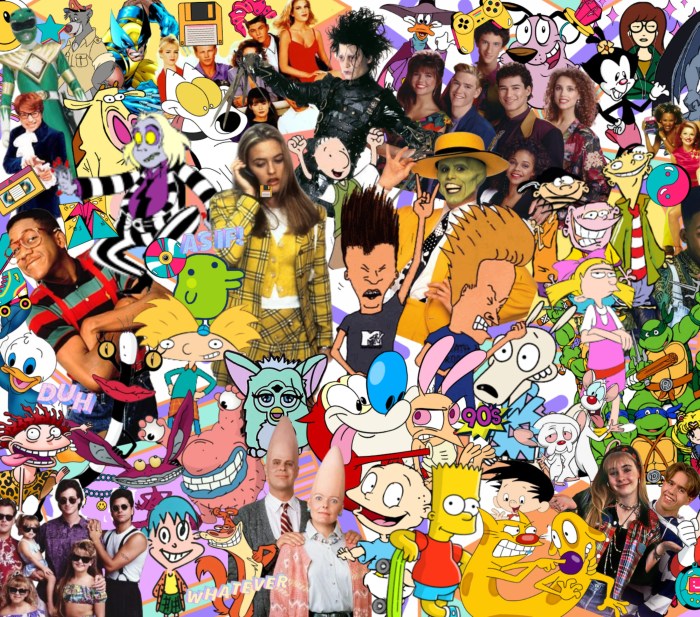
90s decor trends to avoid are a whirlwind of bold patterns, excessive accessories, and mismatched furniture. From the vibrant yet overwhelming color palettes to the oversized everything, some styles of the 90s just aren’t cutting it anymore. This post dives into the specific trends that are better left in the past, offering modern alternatives for a more sophisticated and stylish home.
Get ready to declutter your design inspiration and embrace the current aesthetic!
This post will cover several key 90s design pitfalls, such as overly bold patterns, excessive accessories, mismatched furniture, the “everything is bigger is better” approach, chintzy materials, questionable color palettes, and outdated lighting fixtures. We’ll explore why these choices are less appealing now and present more contemporary alternatives. Prepare to be inspired by a modern, refined design approach!
Overly Bold Patterns
The 1990s embraced a vibrant aesthetic, often characterized by bold, sometimes overwhelming, patterns. While these patterns were popular at the time, they can feel dated or jarring to modern sensibilities. This section will delve into specific examples of overly bold 90s patterns and propose modern alternatives that retain visual interest without sacrificing contemporary taste.
Excessive 90s Patterns and Their Modern Alternatives
The 90s saw a proliferation of bold patterns, often clashing in color and design. This often resulted in a visual cacophony, now considered less appealing. A modern approach prioritizes visual harmony and a more refined aesthetic. The following table illustrates the evolution from dated patterns to contemporary alternatives.
| 90s Pattern | Description | Modern Alternative | Explanation |
|---|---|---|---|
| Psychedelic Tie-Dye | Intense, swirling colors in vibrant, often clashing hues, often used in clothing and home décor. | Subtle Tie-Dye or Watercolor Effect | The intense colors and chaotic patterns of 90s tie-dye are often jarring to the eye now. Modern alternatives embrace the tie-dye concept with softer color palettes and more controlled patterns, often using watercolors or subtle gradients. This results in a more calming and refined aesthetic. |
| Geometric Abstracts with Neon Colors | Geometric shapes and patterns in vibrant, often neon, colors, appearing in everything from wallpaper to furniture. | Geometric Prints with Neutral Backdrops | The sheer volume of color and the often clashing geometric shapes in the 90s can feel overwhelming. A modern approach utilizes a neutral backdrop, softening the visual impact of the geometric shapes and allowing the pattern to stand out in a more controlled way. This emphasizes the form and pattern without the sensory overload of neon. |
| Floral Patterns with Excessive Detail | Intricate floral patterns with very small, detailed flowers, frequently seen in fabrics and wallpapers. | Large-Scale Floral Prints or Botanical Motifs | The abundance of small details in the 90s floral patterns can look cluttered. Modern alternatives shift to larger-scale floral prints or more stylized botanical motifs, emphasizing a more refined and elegant feel. The use of large scale gives a more contemporary feel. |
| Animal Print with Aggressive Patterns | Animal prints, especially leopard or zebra, with a very bold, often over-the-top pattern. | Subtle Animal Print Accents | The aggressive, loud patterns of 90s animal prints, such as leopard or zebra, can feel overwhelming. A modern approach involves subtle animal print accents, using smaller patterns and muted colors, or incorporating the animal print as a smaller, more contained detail in the design. This is a more tasteful and sophisticated way to incorporate animal print. |
| Bold Stripes with Clashing Colors | Stripes in extremely bright, contrasting colors, used in a variety of home décor and clothing. | Subtle Stripe Patterns with Monochromatic or Analogous Color Palettes | 90s bold stripes often feel overly loud due to the clashing colors. Modern alternatives emphasize a monochromatic or analogous color palette, creating a more harmonious and less chaotic visual experience. The simplicity of the stripes in a cohesive color scheme is a major difference. |
| Checkered Patterns with Overly Bright Colors | Checkered patterns in vibrant, sometimes clashing, colors, used in various decorative elements. | Checkered Patterns with a Neutral Color Scheme or Monochromatic Approach | Overly bright and clashing colors in checkered patterns can feel overwhelming. Modern alternatives utilize a neutral color scheme or a monochromatic approach for the checkered pattern. This keeps the pattern interesting but avoids the visual noise of clashing colors. |
Excessive Use of Accessories: 90s Decor Trends To Avoid
The 90s embraced a maximalist approach to home décor, often resulting in rooms overflowing with accessories. While the era’s vibrant energy is undeniably appealing, many of these choices, when viewed through the lens of modern aesthetics, feel overly cluttered and dated. This exploration dives into specific accessories that scream 90s and reveals how to integrate their spirit into contemporary design without sacrificing visual harmony.Accessories from the 90s, such as the abundance of patterned throw pillows, stuffed animals, and knick-knacks, often look cluttered and visually overwhelming today.
Modern design prioritizes clean lines, fewer items, and a focus on impactful statement pieces. This shift in preference doesn’t mean dismissing the charm of 90s aesthetics entirely; rather, it emphasizes a more strategic and curated approach.
Identifying 90s Accessories to Avoid
Common 90s accessories that often clash with modern sensibilities include an excessive number of patterned throw pillows, stuffed animals arranged in a chaotic manner, overly large or mismatched decorative trays, and knick-knacks in various colors and sizes placed haphazardly. These elements, while perhaps appealing at the time, can now appear cluttered and detract from the overall room’s ambiance.
Incorporating 90s Accessories in a Modern Design
To infuse the spirit of the 90s into a modern design without feeling dated, focus on curated selections. Choose one or two key accessories that evoke the era’s charm, and incorporate them strategically to highlight a particular theme or mood. For instance, a single, large, patterned throw pillow can add a touch of 90s flair without overwhelming the space.
A carefully chosen collection of smaller, matching knick-knacks, arranged on a well-placed tray, can achieve a more modern, polished feel. A key principle is to limit the number of items.
Achieving a Balanced Aesthetic
Several strategies can help create a balanced aesthetic:
- Prioritize clean lines and a minimalist approach. The key is to select fewer, well-chosen accessories rather than a multitude of smaller ones. A few thoughtfully selected items can create a stronger visual impact.
- Employ color palettes that are sophisticated and contemporary. While 90s palettes were often vibrant, a modern interpretation might involve a more nuanced use of colors.
- Focus on quality over quantity. A few high-quality pieces will last longer and make a more significant statement than many cheap, disposable items.
- Create visual focal points. Instead of scattering accessories across the room, focus on a few key pieces that draw the eye and become the focal points of the design.
Modern Alternatives to 90s Accessories
The following table highlights modern alternatives to common 90s accessories and the reasoning behind the change:
| 90s Accessory | Modern Alternative | Rationale |
|---|---|---|
| Overabundance of patterned throw pillows | A few well-chosen, high-quality throw pillows in a limited color palette | Fewer items create a more refined look, while high-quality materials enhance longevity. |
| Scattered stuffed animals | A single, statement-making plush toy or a curated collection of quality figurines | Reducing the number of stuffed animals fosters a more sophisticated aesthetic, and high-quality items enhance visual appeal. |
| Mismatched decorative trays and knick-knacks | A single, well-designed tray with a few carefully selected, complementary pieces | Visual clutter is avoided by using a cohesive design and minimizing the number of items. |
| Excessive knick-knacks in various colors and sizes | A few meaningful objects with strong visual appeal, such as a collection of small sculptures or pottery | Meaningful objects create a curated aesthetic, enhancing the overall ambiance of the space. |
Visual Representation of 90s vs. Modern Room
Imagine a 90s living room brimming with a multitude of throw pillows, stuffed animals, and mismatched decorative items on various surfaces. Contrast this with a modern equivalent featuring a few strategically placed statement pieces, a well-designed sofa, and a limited color palette. The modern room prioritizes clean lines and a sense of calm, avoiding the overwhelming effect of the 90s design.
Mismatched Furniture Styles
The 90s had a love-hate relationship with design, and sometimes that meant mixing furniture styles that just didn’t belong together. Imagine a sleek modern sofa paired with a chunky, carved wooden coffee table – that’s the kind of jarring combination we’re talking about. While mixing textures and materials can be a powerful tool in interior design, a careless approach to style can quickly make a room feel disjointed and dated.
This trend often led to spaces that lacked a cohesive aesthetic, a problem that can be easily avoided with a modern understanding of design principles.Mixing disparate furniture styles was a common design approach in the 90s, often driven by a desire to create a unique and eclectic look. However, this often resulted in visually jarring and ultimately unappealing spaces.
The key to successful interior design is creating a sense of harmony and flow, which is best achieved by sticking to a consistent style or at least a cohesive color palette and overall aesthetic.
Steering clear of 90s decor is a must, trust me. Think chunky furniture and maybe even some neon – definitely not the look for modern homes. If you’re prepping for a power outage, however, investing in a reliable generator is key. For the best dual fuel generators, check out this helpful guide: best dual fuel generators.
Ultimately, though, avoiding those 90s trends is the better choice for a truly stylish space.
Examples of Dated 90s Furniture Combinations
The 90s often embraced a “more is more” approach to furniture, leading to rooms filled with disparate pieces that clashed visually. These combinations often lacked a unifying element, making the space feel chaotic and disorganized.
- A minimalist, Scandinavian-inspired sofa paired with a bold, ornate, Victorian-style coffee table. This combination clashes due to the contrasting styles. The modern sofa, emphasizing clean lines and simplicity, is starkly opposed to the elaborate carvings and embellishments of the Victorian table.
- A high-backed, plush velvet armchair from the 1970s or 80s placed alongside a contemporary, chrome-legged dining table. The plush velvet and the vintage lines of the armchair conflict with the sleek, modern lines of the dining table, creating a disharmonious look.
- A chunky, dark-wood armoire with intricate carvings placed next to a light-colored, modern glass-fronted display cabinet. The heavy, ornate armoire clashes with the modern and minimalist display cabinet. The differences in materials, colors, and overall aesthetic create visual dissonance.
Creating a Cohesive Room with Modern Styles
A cohesive and harmonious room is built on a foundation of consistency in style. Choosing a specific style – whether it’s modern, contemporary, traditional, or eclectic – helps unify the space. It also involves considering the color palette, textures, and materials. Using a consistent color palette throughout the room can significantly enhance the sense of unity and flow.
- Consider a modern, minimalist approach with clean lines and neutral colors. This approach relies on consistent materials like glass, metal, and wood to maintain a unified aesthetic.
- Select a theme, like Scandinavian or Mid-century modern, and stick to that style throughout the space. This approach ensures the pieces complement each other and creates a unified aesthetic.
- Maintain a balance between different elements. A mix of textures, like smooth glass and soft fabrics, or varying shades of wood, can create depth and interest without sacrificing harmony.
Examples of Contemporary Furniture Combinations
Contemporary design emphasizes clean lines, neutral tones, and a focus on functionality.
Ugh, those 90s avocado green walls and frosted glass accents just scream “dated.” It’s time to ditch the trends that make your home look like it stepped out of a cheesy rom-com. Fortunately, if you’re tackling a DIY door replacement project, knowing how to install door hinges on door blanks is a crucial skill. Check out this handy guide for some expert tips on how to install door hinges on door blanks before you get overwhelmed.
Seriously, avoid those trends at all costs; they’re practically begging to be painted over!
- A sleek, modern sectional sofa paired with a minimalist coffee table made of glass or a light-colored wood. This combination creates a seamless flow, emphasizing clean lines and a modern aesthetic.
- A simple, light-colored dining table with a clean design paired with upholstered chairs in a coordinating neutral color. The chairs and the table have similar colors, and the overall design is cohesive, with no clashing styles.
- A neutral-colored, contemporary bookcase paired with a modern, geometric-patterned rug. The consistent neutral color scheme and geometric pattern of the rug work well together, creating a contemporary and cohesive look.
90s vs. Modern Furniture Styles
| 90s Style | Reason for Clash | Modern Alternative |
|---|---|---|
| Overly ornate, carved furniture | Contrasts sharply with modern, minimalist styles | Clean-lined, contemporary furniture |
| Bold, mismatched patterns | Lack of cohesion, visually jarring | Subtle patterns or neutral colors |
| Mix of disparate styles (e.g., Victorian & Modern) | Creates visual dissonance, lack of harmony | Cohesive style, consistent aesthetic |
Everything is Bigger is Better Approach
The 90s often embraced a “bigger is better” aesthetic, resulting in interior design choices that, while popular at the time, might feel overwhelming or dated today. This approach prioritized scale and volume, sometimes sacrificing visual harmony and comfort in favor of a bold statement. Understanding the motivations behind these choices and exploring alternative solutions is key to creating a contemporary space that feels both impactful and inviting.
Steering clear of 90s decor is a must for any modern home refresh. Think about how much easier it would be to avoid those dated trends if you had a professional handle the renovations. Sometimes, tackling home renos like installing new flooring or electrical work yourself can be a real headache, and lead to bigger problems. That’s why you should check out home renos you shouldnt do yourself before you start any project, especially if you’re not experienced.
After all, avoiding those chunky, mismatched patterns and neon everything will save you a whole lot of heartache.
Examples of 90s Large-Scale Decor
The “everything is bigger” philosophy manifested in several ways. Massive, ornate wall mirrors were common, often spanning entire walls. Similarly, oversized furniture pieces, like sofas and chairs with exaggerated proportions, were popular choices. Wall-to-wall carpeting, sometimes with bold, large-scale patterns, filled rooms with a sense of visual weight. Statement lighting fixtures, including oversized chandeliers or pendant lights, frequently dominated the focal point.
Another example includes massive, oversized sculptures and artwork. These elements aimed to make a grand statement and create a sense of visual impact.
Modern Alternatives to Oversized Decor
Instead of large-scale pieces, consider smaller, well-chosen details that achieve a similar visual effect without the dated feel. Instead of a single, huge mirror, use a grouping of smaller, framed mirrors arranged in a visually interesting pattern. For furniture, select pieces with clean lines and well-proportioned shapes. For example, a grouping of smaller, stylish ottomans can create a cozy seating area without being overwhelming.
Incorporating strategically placed area rugs or patterned throws can add visual interest without the visual weight of a wall-to-wall carpet. Smaller, unique light fixtures, strategically positioned, can create a focal point without being visually intrusive.
Layout Example with Scaled-Down Elements
Imagine a living room with a neutral color palette. Instead of a massive sofa, use a combination of smaller sofas and armchairs arranged in a relaxed, conversational grouping. This arrangement creates a sense of intimacy and conversation without overwhelming the space. Rather than a wall-to-wall carpet, choose a smaller area rug in a subtle pattern that anchors the seating area and defines the space without being overly dominant.
A few carefully selected, smaller-scale sculptures or artworks strategically placed on the walls can add visual interest and depth. Use a grouping of smaller, stylish lamps to highlight specific areas and create a sense of visual balance.
Psychological Impact of Large-Scale Elements
Large-scale elements in interior design can evoke a sense of grandeur, power, and even opulence. However, they can also create a feeling of being overwhelmed or claustrophobic if not carefully considered. The psychological impact of scale in a space relates to our perception of the room itself. Oversized elements might feel less inviting and more impersonal in a modern context, where a more intimate and balanced approach is often preferred.
In contrast, carefully chosen smaller-scale elements can create a more inviting and approachable environment. Smaller, carefully curated pieces can be more personal and less imposing, leading to a greater sense of comfort and connection with the space.
Chintzy or Tacky Materials

The 1990s embraced a vibrant aesthetic, but some materials, now viewed as dated, evoke a sense of kitsch or tackiness. This shift in perception stems from evolving design trends, a move towards more sophisticated aesthetics, and a greater understanding of material quality. Recognizing these past choices allows us to appreciate the evolution of design and avoid similar pitfalls in modern projects.
Identifying Problematic 90s Materials
Certain materials popular in the 90s are now often associated with a slightly dated or even cheesy look. These include faux finishes, certain types of plastics, and some fabric choices. Understanding the reasons behind this shift in perception allows us to consciously choose materials that enhance the modern design aesthetic, rather than detracting from it.
Faux Finishes: A Case Study in 90s Design
One particular area where 90s design sometimes falls short is in the use of faux finishes. Materials like faux marble, faux wood, or even faux stone often lacked the subtlety and realism of their natural counterparts. The often-over-the-top application of these materials, sometimes in multiple layers, contributed to a sense of visual overload and an overall less sophisticated aesthetic.
Today, designers often prefer a more natural approach, embracing the unique character of real materials or sophisticated alternatives with a modern finish.
Plastics: From Functional to Tacky
The 1990s saw a prevalence of certain plastics, particularly those with bold colours or glossy finishes. The abundance of these materials often created a sense of cheapness or manufactured aesthetic. This was frequently exacerbated by the lack of subtle textures or finishes that could have softened the impact of the plastic. The emphasis on sustainability and durability in modern design often steers away from overly glossy or overly bright plastics, favouring materials with a more refined appearance and eco-conscious production methods.
Fabric Choices: From Bold to Refined
Bold, sometimes clashing, patterns and colours were common in 90s fabrics. Materials like certain velvet or patterned velvets, with sometimes garish or clashing colour combinations, were often applied without consideration for harmony or balance. The current preference leans toward more muted colours, neutral tones, and refined textures. A modern approach to design values fabrics for their tactile quality, texture, and how they complement the overall aesthetic.
Modern Alternatives and Design Considerations
The table below provides a comparison between 90s materials and more refined modern alternatives, highlighting the reasons for their replacement. Choosing contemporary materials ensures the design remains fresh and avoids the unintentional tackiness of certain 90s choices.
| 90s Material | Modern Alternative | Reason for Replacement |
|---|---|---|
| Overly glossy or bright plastics | Matte or textured plastics, sustainable alternatives | Often perceived as cheap or inauthentic; modern preference for durability and sustainability |
| Faux finishes (e.g., faux marble) | Natural stone, high-quality laminate | Lack of realism and sophistication; modern focus on natural materials or sophisticated imitations |
| Bold, clashing patterns (in fabrics) | Subtle patterns, neutral colours | Often perceived as chaotic or overwhelming; contemporary emphasis on balance and harmony |
| Certain types of velvet (with garish colour combinations) | Velvet with muted colours, or natural fabrics with textured finishes | Can create a sense of visual overload; modern preference for balanced colour schemes and refined textures |
Color Palettes
The 90s brought a vibrant explosion of color into interior design, but some palettes have aged less gracefully than others. From bold, contrasting hues to unexpected combinations, certain color choices from that era might clash with contemporary aesthetics. Understanding why these palettes are less appealing now, and how modern alternatives can create a more harmonious and stylish space, is key to avoiding design pitfalls.
Today, we’ll delve into the world of 90s color palettes, exploring their impact and suggesting more contemporary alternatives.
90s Color Palettes and Their Impact
The 90s embraced a wide range of color palettes, often characterized by bold, sometimes jarring, combinations. These palettes were influenced by the pop culture of the time, reflecting a desire for vibrancy and self-expression. Let’s examine some common examples.
| 90s Color Palettes | Explanations | Modern Alternatives |
|---|---|---|
| Neon Pink and Lime Green | This pairing was ubiquitous in 90s decor, often found in furniture, accessories, and even walls. The intense brightness was meant to be eye-catching and energetic. | Muted pinks and greens, or a more subtle blend of the two. For instance, a dusty rose and sage green, or a pastel pink and mint green. |
| Electric Blue and Bright Orange | These colors, often used together, aimed for a bold and playful look. The combination was intended to evoke a sense of excitement and energy. | Deep navy and coral, or a sophisticated blue and burnt orange. These offer a similar vibrancy but with a more sophisticated and enduring feel. |
| Turquoise and Burnt Orange | This striking contrast was frequently used to create a unique and bold aesthetic. | Teal and terracotta or a muted turquoise and a warm beige. The focus shifts to a more balanced and refined harmony. |
| Hot Pink and Black | This color scheme aimed for drama and a statement look. | Deep magenta and charcoal gray or a rich crimson and a deep navy. The modern alternatives maintain the boldness while avoiding the overly youthful or dated feel. |
| Primary Colors (Red, Blue, Yellow) | This bold approach to color often resulted in a high-impact design, but sometimes felt chaotic. | Subdued versions of these colors in a color scheme that emphasizes balance and harmony. Consider a combination of deep blues, ochre yellows, and terracotta reds. |
Color Psychology and Interior Design
Color psychology plays a crucial role in interior design. Colors evoke different emotions and feelings, and a well-chosen color scheme can positively influence the atmosphere and mood of a space. 90s color palettes, while vibrant, might not resonate as effectively today because contemporary tastes lean towards more calming and balanced color combinations. A palette that felt energetic in the 90s might now feel overwhelming or even slightly aggressive.
Modern alternatives often prioritize creating a sense of tranquility, sophistication, and visual harmony.
Outdated Lighting Fixtures
The 90s, a decade of vibrant fashion and innovative technology, also saw some less-than-ideal lighting choices. These fixtures, often a product of their time, may have seemed cutting-edge then, but now feel dated and less functional in contemporary interiors. Modern lighting designs prioritize energy efficiency, aesthetic versatility, and a more refined approach to illumination. This shift in preferences means some 90s lighting trends are best left in the past.
Identifying 90s Lighting Fixtures
The 90s saw a proliferation of certain lighting fixtures that are now considered outdated. These often featured bold designs and materials, sometimes with an emphasis on technology and functionality that didn’t always translate well into modern aesthetics. Examples include:
- Crystal Chandeliers with Oversized Bulbs: These often came in exaggerated sizes, with multiple tiers of crystal that could feel overly ornate and heavy. The use of oversized bulbs in these designs created a glare and an overall harshness that is not often appreciated in modern spaces.
- Geometric Tube Lamps: Geometric tube lamps, often chrome or metallic, frequently dominated living rooms and hallways. While their modern-art aesthetic was innovative, the design often felt too stark and inflexible for most contemporary settings.
- Fluorescent Track Lighting: Track lighting systems, while functional, often lacked design flair and were often used without consideration for the aesthetics of the room. This could result in an uncoordinated look, and their harsh glare is a considerable drawback.
- Bubble Lamps: These soft, translucent globes, popular in bedrooms and living rooms, frequently featured overly-bright interior lighting. The style sometimes felt too whimsical and impractical in contemporary settings, lacking the sleekness and sophistication sought after in modern design.
Reasons for Replacement
These fixtures are no longer desirable for several reasons. Their designs often feel overly flashy or simplistic compared to the sophisticated options available today. They might not be as energy-efficient, potentially increasing utility bills. Furthermore, their styles often clash with current trends in interior design. Finally, the sheer variety of modern alternatives with greater functionality and adaptability makes them less appealing.
Modern Lighting Alternatives, 90s decor trends to avoid
Contemporary lighting offers a wide range of styles and features to complement modern interiors.
- Pendant Lights: Pendant lights are versatile and come in various shapes, sizes, and materials, allowing for diverse design integration. They can be simple and sleek or incorporate intricate details for a more ornate feel. These modern fixtures offer a more refined aesthetic while also providing ample illumination.
- Recessed Lighting: Recessed lighting provides a clean and contemporary look, seamlessly integrating into ceilings. This type of lighting is often preferred for its ability to direct light precisely, reducing glare and making it ideal for both functionality and aesthetic integration.
- Statement Lamps: Statement lamps can add a touch of personality to a room. Their unique shapes and styles can be incorporated into different design schemes, from minimalist to more ornate. These lamps serve as both a source of illumination and a decorative element.
Integrating New Fixtures
Integrating these new fixtures into various room designs is straightforward. For example, pendant lights can hang over kitchen islands, dining tables, or entryways. Recessed lighting is ideal for illuminating hallways, living rooms, or kitchens, while statement lamps can serve as a focal point in bedrooms or living rooms. Careful consideration of light color temperature (warm vs. cool) and the overall ambiance you’re aiming for is essential.
Comparison Table
| 90s Lighting Fixture | Reasons for Replacement | Contemporary Alternatives |
|---|---|---|
| Crystal Chandeliers with Oversized Bulbs | Overly ornate, harsh glare, inefficient | Sleek pendant lights, recessed lighting |
| Geometric Tube Lamps | Stark, inflexible, not versatile | Statement lamps, ambient lighting fixtures |
| Fluorescent Track Lighting | Lack of design flair, harsh glare | Recessed lighting, adjustable spotlights |
| Bubble Lamps | Overly whimsical, impractical, harsh lighting | Pendant lights, table lamps with modern designs |
Final Conclusion

Embracing current design trends means leaving behind the excesses of the 90s. Avoiding those dated patterns, accessories, and furniture styles allows you to create a more cohesive, balanced, and visually appealing space. This post has provided a comprehensive guide to help you steer clear of 90s decor that’s better left in the past. Let your home reflect the stylish sophistication of today’s trends, instead of the sometimes overwhelming elements of the 90s.