



How to wash colored clothes properly is crucial for maintaining their vibrancy and preventing color bleeding. This guide dives deep into the best practices for washing everything from delicate silks to durable denim, ensuring your clothes stay looking their best for longer. We’ll explore choosing the right washing machine settings, detergents, and drying methods, and provide troubleshooting tips for common color issues.
Proper washing techniques are essential to preserve the colors of your clothes. By understanding the different fabric types and the appropriate care, you can prevent color fading, bleeding, and shrinkage. This guide covers everything from pre-treating stains to sorting clothes effectively, whether you’re washing in a machine or by hand. We’ll also explore the best detergents and drying methods to ensure your clothes remain vibrant and beautiful.
Introduction to Washing Colored Clothes
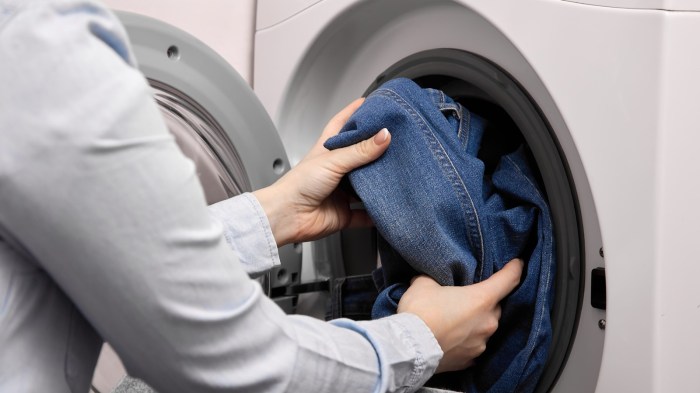
Keeping your colorful clothes vibrant and looking their best requires careful washing techniques. Ignoring proper care can lead to premature fading, color bleeding, and a significant decrease in the garment’s lifespan. This guide provides essential information on how to wash colored clothes safely and effectively, ensuring your favorite outfits remain in top condition for years to come.Improper washing methods can result in color bleeding, where dyes from one garment transfer to others in the wash, potentially ruining your whites and other colored items.
Fading is another common issue, causing the vibrant colors of your clothes to become muted over time. Following the correct washing instructions minimizes these risks and keeps your wardrobe looking its best. Basic steps, like using the appropriate water temperature and detergent, are key to maintaining color integrity.
Washing Colored Clothes Safely
Washing colored clothes safely involves understanding the fabric type and following the care instructions. The following steps provide a basic framework for washing colored garments:
1. Check the care label
Always refer to the care label on the garment for specific washing instructions. This information will guide you on the appropriate water temperature, detergent type, and drying method.
2. Separate colors
Separate light-colored clothes from dark-colored clothes to prevent color transfer. This is crucial for preserving the vibrancy of your garments.
3. Use cold water whenever possible
Cold water is generally the safest option for most colored garments, minimizing the risk of color bleeding and fading. Warm or hot water might be necessary for heavily soiled items, but always check the care label first.
4. Choose the right detergent
Use a color-safe detergent specifically designed for colored clothes. Avoid using harsh detergents or bleach, which can damage the fibers and lead to color fading.
5. Wash in a gentle cycle
Washing colored clothes can be tricky, but using cold water and a gentle cycle is key. Proper care extends beyond the washing machine; protecting your outdoor spigots from freezing weather is also crucial. To learn more about covering outdoor spigots in winter, check out this helpful guide: covering outdoor spigots in winter. This way, you avoid costly repairs and keep your water flowing smoothly, ensuring you can continue washing those clothes without a hitch.
Use a gentle wash cycle to avoid excessive agitation, which can cause color bleeding and damage the fabric.
Fabric Type Considerations
Understanding the difference between delicate and durable fabrics is essential for maintaining their integrity. The appropriate washing techniques vary depending on the fabric type.
| Fabric Type | Water Temperature | Detergent Type | Drying Method |
|---|---|---|---|
| Delicate | Cold | Gentle | Line dry or low heat |
| Durable | Warm/Cold (depending on care label) | Regular | Tumble dry on low or air dry |
Delicate fabrics, such as silk or lace, require extra care. They are more susceptible to damage from harsh detergents and high temperatures. Durable fabrics, such as cotton or denim, can tolerate more aggressive washing techniques. Always prioritize the care label instructions to ensure the best results for your specific garments.
Choosing the Right Washing Machine Settings
Washing your colored clothes effectively hinges on selecting the right washing machine settings. Understanding water temperature, spin cycles, and machine cycles is crucial to preserving color vibrancy and extending the lifespan of your garments. The wrong settings can lead to fading, bleeding, and premature wear, so taking the time to choose correctly is well worth the effort.Selecting the right washing machine settings involves more than just pressing a button.
Carefully consider the fabric type, color, and desired level of cleaning to achieve optimal results. By understanding the nuances of different settings, you can ensure your clothes come out looking their best while minimizing damage.
Water Temperature Selection
Proper water temperature is paramount in preserving the vibrancy of colored clothes. Different colors react differently to heat, and using the incorrect temperature can lead to fading or color bleeding. Cold water is generally the safest choice for most colored fabrics, as it minimizes the risk of damage.
Spin Cycle Selection
Choosing the appropriate spin cycle depends largely on the fabric type. A high spin speed can cause damage to delicate fabrics, leading to shrinking or stretching. For delicate items, a lower spin speed is recommended to avoid stress on the fibers. Heavier fabrics, on the other hand, can tolerate higher spin speeds without significant damage.
Washing Machine Cycle Selection
The choice of washing machine cycle also plays a significant role in the outcome of your laundry. Different cycles are designed for different types of fabrics and loads. Delicate cycles are designed for fabrics that are prone to damage, while normal cycles are suitable for everyday clothes. Heavy-duty cycles are best suited for items that require a more intense cleaning, such as towels or heavily soiled garments.
Washing colored clothes can be tricky, but using cold water and a gentle cycle is usually a good start. For tougher stains, pre-treating with a stain remover is a lifesaver. Knowing the best detergents for colored clothes can also make a big difference. Finding the right tools for the job is important too, like a high-quality laundry basket.
And if you’re looking to repair scuffs or scratches on leather furniture, checking out some of the best leather repair kits can be incredibly helpful. best leather repair kits can provide a quick fix for minor damage, so your furniture looks great. Ultimately, following these tips will help you keep your colored clothes looking vibrant and fresh for longer.
Recommended Water Temperatures for Colored Fabrics, How to wash colored clothes
| Fabric Color | Water Temperature | Reasoning |
|---|---|---|
| Bright/Neon | Cold | Avoid fading/bleeding; these colors are particularly susceptible to damage from heat. |
| Dark | Cold/Warm (depending on care label) | Prevent color transfer; warm water might be acceptable for some darks, but always check care labels for specific instructions. |
| Light | Cold | Minimize fading/bleeding; light colors are more prone to fading with heat. |
Selecting the Right Detergent and Additives
Choosing the right detergent is crucial for preserving the vibrancy of your colored clothes. Using the wrong product can lead to fading, discoloration, and even damage to delicate fibers. Understanding the types of detergents available and how additives affect colored fabrics will help you make informed choices.Using a color-safe detergent is paramount to maintaining the beautiful hues of your garments.
Harsh chemicals found in some detergents can strip colors from fabrics, resulting in dull and uneven tones. A color-safe formula is specifically designed to avoid these issues, keeping your clothes looking their best wash after wash.
Color-Safe Detergents
Color-safe detergents are formulated to be gentle on dyes, preventing fading and color bleeding. They typically contain fewer harsh chemicals and enzymes, which can be abrasive on delicate fabrics and dyes. These detergents are available in both powder and liquid forms, each with its own set of advantages.
Keeping your colored clothes vibrant requires a gentle hand, and a little extra care. Using cold water and a mild detergent is key. But, before you get to the laundry, consider how to prepare your home for spring pests. Ways to prepare your home for spring pests involve sealing cracks, removing clutter, and keeping food stored properly.
These steps help keep your home pest-free, just as careful washing helps preserve the color of your clothes. So, remember the basics: cold water, mild detergent, and you’re good to go!
Comparison of Color-Safe Detergent Types
Powder detergents are often a more affordable option, but they can be harder to dissolve in cold water and may leave residue. Liquid detergents, on the other hand, dissolve more readily in both hot and cold water, making them convenient for various washing conditions. The choice between powder and liquid depends largely on personal preference and the specific needs of your laundry.
Fabric Softeners and Additives
Fabric softeners, while enhancing the softness of fabrics, can sometimes affect the colors. Overuse can lead to dulling or even altering the vibrancy of colors. Other additives, such as bleach, should be used cautiously with colored garments, as they can cause discoloration or fading if not used appropriately. Always check the care labels for specific instructions and warnings.
Common Mistakes to Avoid
- Using regular detergents on colored clothes: Regular detergents often contain harsh chemicals that can damage dyes and cause color fading. Always opt for color-safe detergents.
- Overusing fabric softeners: Excessive fabric softener can lead to dulling of colors and buildup on fabrics.
- Not checking care labels: Always refer to the care label for specific instructions on washing and detergent use. Different fabrics require different treatments.
- Mixing detergents: Mixing different types of detergents can create an unintended chemical reaction, potentially affecting the colors of your clothes.
- Using too much detergent: Overusing detergent can leave residue on clothes, which can cause dulling or discoloration over time.
Detergent Brand Comparison
The following table provides a comparison of detergent brands and their color-safe formulations. This information can help you make an informed decision when choosing a detergent for your colored clothes.
| Brand | Formulation | Color-Safe Rating | Price |
|---|---|---|---|
| Brand A | Powder | Excellent | $10 |
| Brand B | Liquid | Good | $12 |
| Brand C | Liquid | Excellent | $15 |
| Brand D | Powder | Good | $8 |
Washing Clothes Properly: How To Wash Colored Clothes
Taking care of your colored clothes involves more than just tossing them into the washing machine. Proper washing techniques, including pre-treating stains, sorting clothes correctly, and respecting care labels, are crucial for maintaining vibrant colors and extending the lifespan of your garments. Understanding these steps ensures that your favorite colored shirts, jeans, and other items stay looking their best.Effective washing is about more than just cleanliness; it’s about preserving the quality and vibrancy of your clothes.
The right approach minimizes color fading, prevents shrinkage, and keeps fabrics feeling soft and comfortable. Different fabrics react differently to washing, and proper techniques are vital to prevent damage.
Pre-treating Stains
Knowing how to pre-treat stains is key to removing them effectively before washing. Pre-treatment prevents the stain from setting into the fabric, making removal much easier. Applying a stain remover directly to the affected area allows the cleaning agent to work its magic before the entire wash cycle begins.
- Identify the stain type. Different stains require different treatments. For example, protein-based stains (like blood or egg) need a different approach than oil-based stains (like grease or paint).
- Apply a stain remover to the stain. Follow the product instructions carefully. Work the solution into the stain gently with a clean cloth or your fingers.
- Allow the stain remover to sit for the recommended time. This gives the cleaning agent time to break down the stain.
- Rinse the treated area thoroughly with cold water before washing. This removes any residue from the stain remover.
Sorting Clothes by Color and Fabric Type
Sorting clothes by color and fabric type before washing is essential for preventing color bleeding and fabric damage. This meticulous sorting method preserves the vibrancy of your clothes and ensures they remain in good condition for longer.
- Separate dark colors from light colors. Dark colors are more likely to bleed, so washing them separately prevents color transfer to lighter garments.
- Group clothes by fabric type. Different fabrics (like cotton, wool, silk, or synthetics) require different washing settings. Mixing fabrics can lead to shrinkage, damage, or uneven washing results.
- Check care labels. Care labels provide specific instructions for each garment, so always check before washing. This is especially crucial for delicate fabrics like silk or lace.
Checking Care Labels
Care labels are your guide to proper washing procedures. They offer crucial instructions for maintaining the quality of your clothes. Ignoring these labels can lead to irreversible damage or color loss.
- Care labels provide washing instructions, including water temperature, drying methods, and whether the garment can be machine washed or hand-washed.
- Always check the label before washing any garment. A simple glance can save you from ruining a favorite item.
- Understanding symbols on care labels helps you determine the best washing method. For example, a symbol indicating a low temperature wash means you should use cold water.
Washing Colored Clothes in a Washing Machine
Effective washing in a washing machine requires the right settings and attention to detail. Following these steps ensures your colored clothes are washed properly and remain vibrant.
- Use cold water whenever possible. Cold water helps prevent color bleeding and shrinkage.
- Select a gentle cycle if available. A gentle cycle minimizes agitation, reducing the risk of damage to delicate fabrics.
- Use a color-safe detergent. This type of detergent is formulated to protect colors and prevent fading.
- Load the washing machine carefully, ensuring the garments are not overloaded. Overloading can lead to uneven washing and potential damage to fabrics.
- Do not overload the washing machine. This allows the detergent and water to properly reach every part of the clothes, and it prevents excessive agitation, which can cause damage to fabrics and cause fading.
Hand-Washing Colored Garments
Hand-washing is a delicate approach to washing colored garments. It requires extra care to prevent damage or color loss.
- Fill a basin with cool water. Use a color-safe detergent.
- Submerge the garment gently. Avoid twisting or wringing the garment, which can damage the fabric.
- Gently agitate the garment. Avoid harsh scrubbing.
- Rinse the garment thoroughly. Make sure all traces of detergent are removed.
- Gently squeeze excess water out of the garment. Do not wring or twist.
Drying Colored Clothes
Drying colored clothes is a crucial step in maintaining their vibrancy and preventing damage. Proper drying methods significantly impact the longevity and appearance of your garments. Choosing the right drying method and avoiding harsh conditions are essential for preserving the quality of your clothes.Drying colored clothes is not simply about getting them dry; it’s about protecting their colors and preventing unwanted shrinkage.
Different fabrics react differently to heat and moisture, so understanding these nuances is vital for successful drying. The following sections will guide you through various drying methods, emphasizing ways to avoid color fading and shrinkage.
Methods for Drying Colored Clothes
Various methods are available for drying colored clothes, each with its own advantages and disadvantages. Understanding these methods allows for informed decisions based on your specific needs and fabric types.
- Air Drying: Air drying is a gentle method that minimizes the risk of color fading and shrinkage. This method is ideal for delicate fabrics like silk, wool, and certain blends. Hang clothes on a clothesline or drying rack in a well-ventilated area, away from direct sunlight. This method is often the best choice for preserving the original color and shape of garments.
- Tumble Drying: Tumble drying is a convenient method for quickly drying clothes. However, it can be more damaging to colors and fabrics compared to air drying, particularly if high heat settings are used. Choose a low to medium heat setting, especially for colored clothes, to prevent color loss and shrinkage. Always check the care label for specific drying instructions.
Preventing Color Fading and Shrinkage
To prevent color fading and shrinkage during drying, careful consideration of settings and fabric types is crucial. Understanding these factors ensures that your clothes remain vibrant and maintain their original size.
- Low Heat Settings: For most colored clothes, especially those made from synthetic or blended fabrics, using low heat settings during tumble drying is highly recommended. This protects the fibers and reduces the risk of color bleeding or fading.
- Check Care Labels: Always refer to the care labels on your clothes. Care labels often provide specific drying instructions, including recommended heat settings and whether air drying is preferred.
- Avoid Overdrying: Overdrying can lead to significant color fading and shrinkage. Ensure that clothes are dried to the recommended level of dryness, as indicated on the care label or based on fabric type.
Avoiding Wrinkles in Dried Clothes
Wrinkles can mar the appearance of freshly dried clothes, and the method used for drying can significantly impact the final look.
- Remove Clothes Immediately: Once clothes are dry, remove them from the dryer or drying rack promptly to minimize wrinkling. This is particularly important for delicate or synthetic fabrics.
- Using a Wrinkle-Resistant Setting: If tumble drying, using a wrinkle-resistant setting can help prevent wrinkles from forming in the first place. This can significantly reduce the need for ironing.
- Folding or Hanging: Folding or hanging clothes immediately after drying can also help prevent wrinkles. Use appropriate folding techniques to minimize creases.
Risks of Using High Heat Settings
Using high heat settings during the drying process can lead to several negative consequences, especially when dealing with colored clothes. Understanding these risks allows you to make informed decisions about the drying process.
- Color Fading: High heat can cause color fading, as the heat can break down the dye molecules in the fabric.
- Fabric Shrinkage: High heat can lead to significant shrinkage, especially in certain fabrics like cotton or wool.
- Damage to Fibers: The high temperatures can damage the fibers of the fabric, leading to a decrease in durability over time.
Drying Clothes Safely: Flowchart
This flowchart Artikels the steps for drying clothes safely to avoid damage:
| Step | Action |
|---|---|
| 1 | Check care label for specific drying instructions. |
| 2 | Select appropriate drying method (air dry or tumble dry). |
| 3 | If tumble drying, select appropriate heat setting (low or medium). |
| 4 | Dry clothes until desired level of dryness is reached. |
| 5 | Remove clothes promptly from dryer or drying rack to minimize wrinkling. |
| 6 | Iron or fold clothes as needed. |
Troubleshooting Color Issues
Maintaining the vibrant hues of your colored clothes requires careful attention throughout the washing process. Small mistakes can lead to significant color damage, resulting in faded or unevenly colored garments. This section delves into common color problems and provides practical solutions for restoring and maintaining the vibrancy of your wardrobe.
Identifying Common Color Problems
Color issues often manifest as bleeding, fading, or uneven color distribution. Bleeding occurs when dyes from one garment transfer to others during washing. Fading signifies a gradual loss of color intensity over time, usually due to repeated washing or exposure to sunlight. Uneven color distribution typically appears as blotches or streaks of differing shades on the fabric.
Solutions for Resolving Color Issues
Properly addressing color issues hinges on understanding the root causes and implementing effective solutions. A crucial step is separating garments by color. Washing light-colored clothes separately from dark-colored clothes helps prevent dye transfer. Using cold water whenever possible minimizes color fading. Choosing the appropriate detergent and washing cycle settings is equally vital.
Following care labels for specific instructions ensures optimal care and prevents damage.
Importance of Following Care Labels
Care labels provide crucial information about the fabric’s composition and recommended washing instructions. Following these guidelines is essential for preserving the garment’s color and preventing damage. For example, some fabrics may require hand-washing, while others may tolerate only specific temperatures or detergents.
Dealing with Stubborn Stains on Colored Clothes
Stubborn stains can be a concern for colored garments. Pre-treating stains with a color-safe stain remover before washing is often the first step. Using a gentle approach, like blotting with a damp cloth, can help remove the stain without causing damage. Applying the stain remover directly to the stain and letting it sit for a few minutes before washing can also prove effective.
Testing the stain remover in an inconspicuous area first is always recommended to ensure it doesn’t damage the fabric or alter the color.
Handling Colors That Bleed During Washing
Bleaching during washing can result in color loss or transfer to other garments. Washing new garments separately in cold water is often the best preventative measure. Using a color-safe detergent is essential. Adding a color catcher to the wash is also a good idea. The color catcher will help to absorb the dye from the clothing before it has a chance to transfer to other garments.
Avoiding harsh chemicals and high water temperatures is paramount in preventing bleeding. Following these guidelines helps to protect the integrity of your clothing’s color.
Concluding Remarks
In conclusion, washing colored clothes effectively involves a combination of understanding fabric types, selecting the right detergents and settings, and practicing proper pre-treatment and drying techniques. Following these guidelines will not only keep your clothes looking their best but also extend their lifespan. Remember to always check care labels for specific instructions and don’t hesitate to seek out further information on specific color issues.