




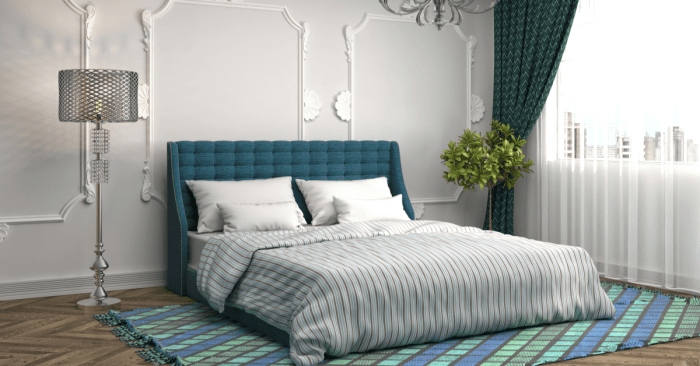
What size rug under king bed? This crucial decision impacts the overall aesthetic and feel of your bedroom. Choosing the right rug size isn’t just about aesthetics; it’s about creating a balanced and inviting space. The right rug can visually anchor the room, complementing your bed and other furniture. Conversely, an ill-fitting rug can make the room feel cramped or disjointed.
This guide explores various factors to consider when selecting the perfect rug for your king-sized bed, from room dimensions to personal preferences.
We’ll delve into the considerations for rug size, focusing on the relationship between bed dimensions, room size, and your personal style. We’ll also explore different placement strategies and the impact of color, pattern, and texture on the overall visual appeal of the space. From full-room coverage to strategically placed accents, we’ll discuss how to maximize the impact of your rug choice.
Practical considerations like material, pile height, and maintenance will also be addressed.
Rug Size Considerations for King Beds
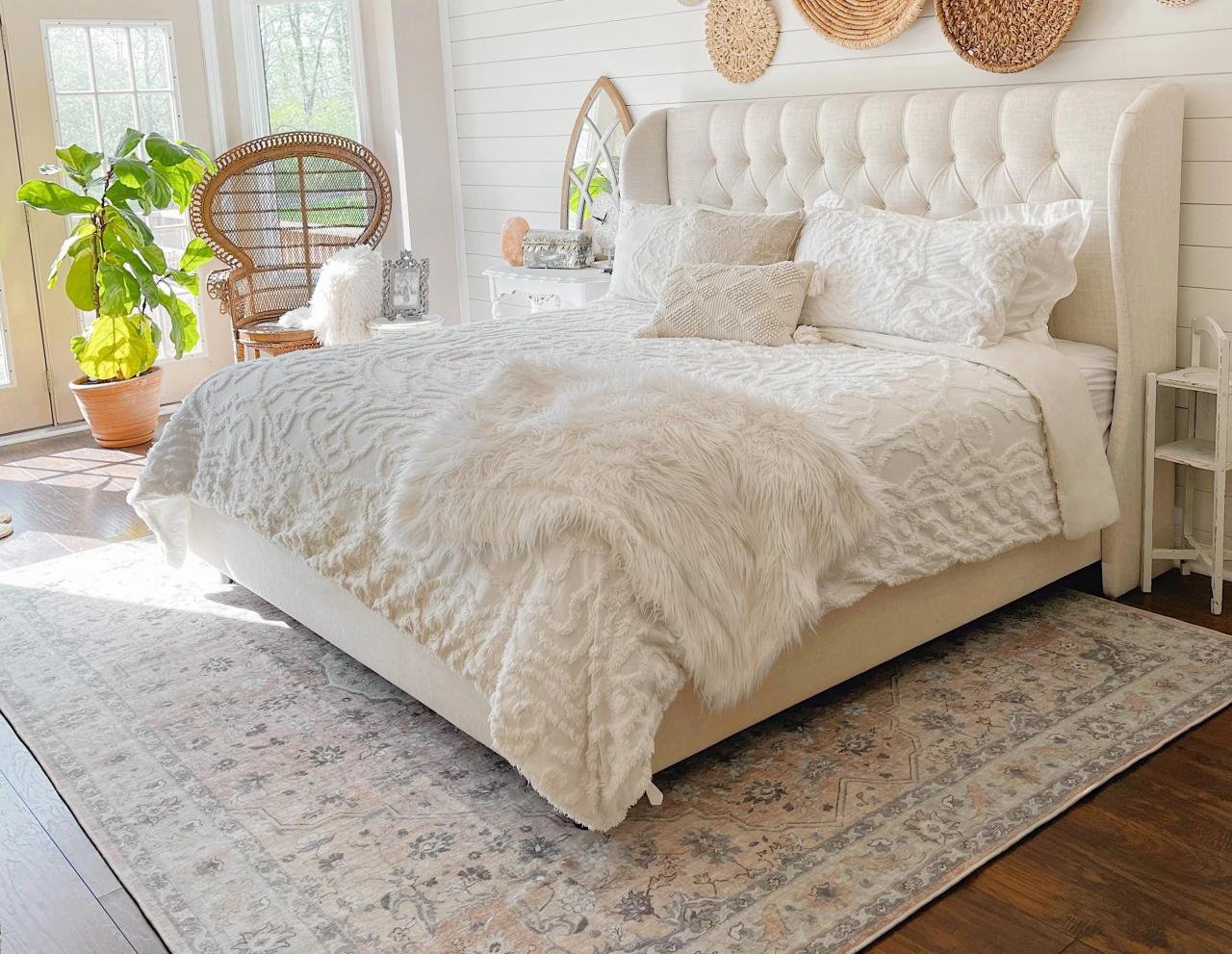
Choosing the right rug size for a king-sized bed is more than just aesthetics; it significantly impacts the overall feel and functionality of the bedroom. A well-chosen rug can define the space around the bed, creating a cozy and inviting atmosphere, while a poorly chosen one can make the room feel cramped or disjointed. Understanding the key factors involved in rug selection is crucial for maximizing the impact of this important home decor element.A king-sized bed takes up a considerable amount of space.
Therefore, the rug needs to be carefully considered to create visual balance and harmony in the room. The rug should be large enough to accommodate the bed and any seating or other furniture placed near it without looking too small or overwhelming. The size, shape, and placement of the rug will dictate the overall look and feel of the space, so careful planning is essential.
Bed Dimensions and Room Size
The size of the king bed itself is a primary factor in determining the appropriate rug size. King beds typically measure approximately 76 inches wide by 80 inches long. The rug should extend beyond the bed’s footprint to create a sense of spaciousness and to allow for comfortable movement around the bed.Room size is another critical consideration. In a smaller bedroom, a larger rug can overwhelm the space.
Conversely, a tiny rug in a large room will look lost and insignificant. Consider the dimensions of the room and how the rug will visually interact with the other furniture and elements in the space.
Rug Shapes and Visual Impact
Different rug shapes offer unique visual effects. Rectangular rugs are the most common and versatile, easily accommodating king-sized beds and offering a classic and balanced look. Round or oval rugs can create a more dynamic and informal feel, but might not be as practical for king beds, particularly if the bed is positioned centrally. Contemporary rugs in unusual shapes might complement specific décor styles but need to be carefully chosen to maintain a harmonious aesthetic.
Rug Size and Space Around the Bed
The relationship between rug size and the amount of space needed around the bed is crucial for creating a balanced and comfortable space. A rug that’s too small will leave the bed exposed and create a sense of disconnection. Conversely, a rug that’s too large can overwhelm the room and make it feel cluttered. A general guideline is to have the rug extend at least 12 to 18 inches beyond the bed on all sides, offering ample space for walking around.
This space should allow easy movement without feeling cramped.
Examples of Appropriate Rug Sizes
The optimal rug size for a king-sized bed will depend on the specific room configuration and personal preferences. In a large master bedroom, a rug measuring 9×12 feet or 10×14 feet could work well, extending comfortably beyond the bed. In a smaller guest room, a 6×9 foot rug might be more suitable. Consider the layout of the room and the positioning of the bed.
For example, a rug that’s too large might impede the flow of the space, while a rug that’s too small can make the bed look isolated.
Rug Size Comparison Table
| Rug Size | Typical Dimensions (Approximate) | Visual Effect |
|---|---|---|
| Small | 5×7 feet, 6×9 feet | Can look cramped, especially with a king-sized bed, unless the room is also small. |
| Medium | 8×10 feet, 9×12 feet | A good balance between visual appeal and practical space. Provides sufficient room for movement around the bed. |
| Large | 10×14 feet, 12×15 feet | Suitable for larger rooms or if the bed isn’t centrally located, giving a more spacious and dramatic feel. |
Rug Placement Strategies for King Beds
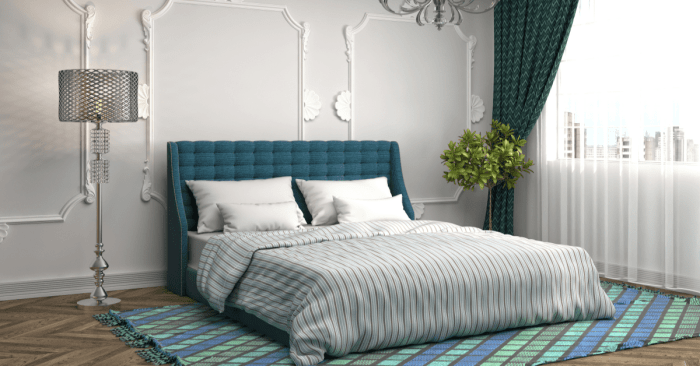
Choosing the right rug placement for a king-sized bed is crucial for creating a visually appealing and functional bedroom. A well-placed rug can dramatically enhance the room’s ambiance, drawing the eye and setting the tone for the entire space. It can also impact the perception of the bed’s size and the overall flow of the room.Proper rug placement not only improves aesthetics but also contributes to the comfort and practicality of the bedroom.
A thoughtfully chosen rug can define areas, create visual zones, and enhance the overall experience of the space. The key is understanding how different placement strategies affect the room’s visual balance and how to use a rug to make the most of the king-sized bed’s presence.
Rug Placement Options for King Beds
Different rug placement options cater to various aesthetic preferences and room configurations. Understanding these options is key to achieving the desired visual effect.
| Placement Strategy | Description | Visual Example | Aesthetic Effect |
|---|---|---|---|
| Full-Room Coverage | The rug extends beyond the bed, encompassing most of the floor space in the designated seating area. | Imagine a large, rectangular rug that covers the entire sitting area, including the space in front of the king-sized bed. The rug flows from the seating area to the bed’s base. | Creates a sense of spaciousness, especially in smaller rooms. It visually connects different zones and minimizes the feeling of the bed taking up too much space. Can give the room a warm and inviting feeling, but might look overwhelming in a very large room. |
| Bed-Centered | The rug is positioned directly beneath the king-sized bed, typically extending a few feet out on each side. | Visualize a rug positioned directly under the king-sized bed, with its edges slightly extending past the bed’s footprint. It creates a focal point on the bed. | This is a classic approach, highlighting the bed as the central element of the room. It works well in rooms with a simple aesthetic, where the focus is on the bed. It also keeps the visual center of the room centered and helps to visually separate the bed from the rest of the room. |
| Partial Coverage | The rug only covers the area directly in front of the king-sized bed, or just a portion of the area directly in front of it. | A smaller rug positioned only under the foot of the bed, with no other portion of the rug extending beyond the bed. It creates a defined area around the bed. | This approach is ideal for larger rooms or when the focus is on creating a cozy seating area rather than the bed itself. It visually isolates the bed but maintains a sense of openness and avoids the room feeling crowded. The smaller rug area will make the bed appear larger if there is enough space around it. |
| L-shaped Coverage | The rug covers the space in front of the king-sized bed and extends into another area of the room in an L-shape. | Imagine a rug positioned in front of a king-sized bed and extending into the seating area at a 90-degree angle, creating an L shape. | This is a good option for rooms with a defined seating area. It creates a visual connection between the bed and the seating area, and it creates a sense of flow in the space. It can work well for rooms with limited space, or for a room with a specific layout. |
Visual Impact of Rug Placement
Careful consideration of rug placement can significantly influence the visual perception of a room. By strategically placing a rug, you can extend a room, highlight or downplay the size of a king-sized bed, and balance the overall visual appeal of the space.
- Extending the Room: A rug that extends beyond the bed into the room visually expands the space. This is particularly useful in smaller bedrooms, where a large rug can create the illusion of more space.
- Highlighting the Bed: A rug placed directly under the bed, or partially under the bed, draws attention to the king-sized bed, making it a focal point. This is a classic approach, emphasizing the bed’s position and style.
- Downplaying the Bed’s Size: Placing a rug that is smaller or positioned only under the foot of the bed, can make the king-sized bed appear less imposing. This works well in rooms where a large rug might overwhelm the space.
- Flow and Balance: Strategic rug placement influences the flow of the room. A rug that extends into a seating area creates a visual connection, making the room feel more unified. The placement of the rug can be used to balance the visual weight of other elements in the room, such as furniture and décor.
Visual Impact of Rugs Under King Beds
Choosing the right rug for a king-sized bed isn’t just about practicality; it’s about creating a captivating and harmonious atmosphere in your bedroom. A well-chosen rug can transform a space from ordinary to extraordinary, influencing the mood and the overall aesthetic of the room. By thoughtfully considering color, pattern, and texture, you can elevate your bedroom’s visual appeal and create a space that truly reflects your personal style.The visual impact of a rug extends beyond simply covering the floor.
Choosing the right rug size for a king-sized bed often involves a bit of trial and error. You want something that extends beyond the bed’s footprint, providing a sense of warmth and space, but not so large it overwhelms the room. Speaking of space and beauty, have you ever seen flowers that look astonishingly like birds? Flowers that look like birds are truly fascinating.
A good rule of thumb is to choose a rug that’s at least 3 feet wider and longer than the bed, creating a comfortable transition area around it. This will keep the visual flow in balance, no matter what size rug you select.
It acts as a crucial element in defining the space, drawing the eye, and tying together various design elements. A strategically placed rug can delineate different areas of the room, such as a seating area or a sleeping zone, creating a sense of visual separation and order. The right rug can enhance the room’s perceived size, making a small room feel larger or a large room feel more intimate.
Consider these factors to maximize the impact of your rug.
Color and Pattern Choices
Color and pattern selection significantly influence the overall ambiance of a bedroom. Neutral tones such as beige, gray, or cream often create a calming and sophisticated atmosphere. Bold colors like deep blues or rich reds can inject energy and personality into the space. Patterns, from subtle stripes to intricate florals, add visual interest and can create a sense of warmth or elegance.
The right combination can create a sophisticated, balanced, or lively aesthetic.
Choosing the right rug size for a king-sized bed can be tricky. You want something that complements the bed without overwhelming the room, and a good rule of thumb is to ensure the rug extends at least a few inches beyond the bed’s edges on all sides. Speaking of plants, have you ever considered air plants? They’re fascinating, low-maintenance additions to any home, and can add a unique touch to a room.
Ultimately, the rug should create a sense of balance and flow in the space, and it’s up to you to determine the ideal size for your king-sized bed and overall décor. To learn more about these fascinating plant types, check out this great resource: what are air plants. A good-sized rug will also add warmth and visual appeal to the bedroom.
Defining Space and Creating Focal Points
Rugs act as visual anchors, defining the space around the king-sized bed and creating focal points. A rug placed beneath the bed visually separates it from the rest of the room, drawing attention to the bed as the central element of the bedroom. The rug can also serve as a transitional piece, creating a smooth flow between different areas of the room, such as the bed and a seating area or a dressing table.
Tying Together Decor Elements
A carefully selected rug can tie together different elements of the room’s decor. For instance, if the room has a color palette of blues and grays, a rug with a blue and gray pattern can seamlessly integrate the different elements and create a cohesive aesthetic. This harmony extends to textures as well. A plush rug can soften the look of a room, while a more contemporary, geometric rug can complement a modern design.
Influencing Room Size Perception
The size and placement of a rug can impact the perceived size of a bedroom. A large, well-placed rug can make a smaller room feel more spacious, while a smaller rug can create a more intimate feel in a large room. In a large bedroom, using a rug can visually ground the space and prevent it from feeling overwhelming.
Strategic placement, considering the overall size of the room, is key.
Color Palettes and Rug Patterns for King-Sized Beds
Different color palettes and rug patterns complement various king-sized bed styles and room designs. For a classic bedroom, a rug with neutral colors and subtle patterns, like a simple geometric design, can create a timeless appeal. For a modern bedroom, a rug with bold colors and geometric patterns or a neutral rug with a modern abstract design can complement the contemporary style.
Examples of Color Palettes and Rug Patterns
| Color Palette | Rug Pattern | Visual Example |
|---|---|---|
| Soft blues and grays with cream accents | Subtle stripes | Imagine a rug with light blue stripes on a cream background, placed beneath a king-sized bed with a similar color scheme. |
| Warm beige and browns with touches of gold | Intricate floral pattern | Picture a rug with a rich, golden floral pattern on a warm beige background, complementing a king-sized bed with warm-toned bedding and accents. |
| Deep greens and creams with hints of gold | Geometric shapes | Visualize a rug with bold geometric shapes in deep greens and creams, situated under a king-sized bed in a modern or contemporary bedroom. |
Practical Considerations for Choosing Rugs: What Size Rug Under King Bed
Choosing the right rug for your king-sized bed is more than just aesthetics. It significantly impacts comfort, durability, and the overall feel of your bedroom. Careful consideration of material, pile height, construction, and maintenance needs will ensure your rug serves you well for years to come. It’s about finding a rug that complements your lifestyle and the desired atmosphere in your space.A well-chosen rug can tie together the room’s decor, add a touch of warmth, and improve the overall comfort level.
However, a poorly chosen rug can detract from the design and potentially cause more issues than it solves. Therefore, understanding practical considerations such as material, pile height, and construction is essential for making the right choice.
Rug Material and Durability
Rug material plays a crucial role in determining the rug’s durability, comfort, and ease of maintenance. Different materials react differently to foot traffic, spills, and everyday wear and tear.
- Wool rugs are renowned for their resilience and natural stain resistance. Their inherent properties make them ideal for high-traffic areas. Wool fibers are strong and can withstand significant wear and tear, making them a durable choice for families with children or pets.
- Synthetic rugs, such as nylon or polypropylene, offer a compelling balance of affordability and durability. They are often more resistant to stains and water damage than natural fibers. The versatility of synthetic fibers allows for a wide range of colors and designs, making them a popular choice for various decor styles.
- Natural fiber rugs like jute or sisal are known for their unique textures and earthy tones. They often bring a natural, rustic appeal to a space, but they may require more frequent maintenance due to their absorbency.
Rug Pile Height and Comfort
Pile height significantly affects both the comfort and visual impact of a rug. A higher pile height provides a plusher, softer feel underfoot.
- Higher pile rugs offer superior comfort and warmth. They create a more luxurious and inviting atmosphere, especially in bedrooms or areas where you spend extended periods.
- Lower pile rugs tend to be more durable and easier to maintain, often a better choice for high-traffic areas.
Rug Construction and Longevity
Rug construction is a vital factor in determining its longevity. A well-constructed rug is more likely to retain its shape and appearance over time.
- Durable rug construction involves the use of strong backing materials, proper knotting techniques, and high-quality yarns, all of which contribute to the rug’s longevity. Consider a rug’s construction when choosing, as this significantly impacts its lifespan and ability to withstand everyday use.
- Rugs with tightly woven or knotted structures are generally more durable and resistant to wear. These construction methods create a strong, resilient rug that will withstand regular use. Loosely woven or knotted rugs tend to lose their shape and fray more quickly.
Rug Materials for High-Traffic Areas
High-traffic areas, such as hallways or entrances, require rugs with exceptional durability and stain resistance.
Choosing the right size rug for a king-sized bed can be tricky. You want something that looks good, but you don’t want it to feel too small or too large. It’s a similar concept to how you would approach installing kitchen cabinets – careful measurement and planning are key! Consider the room’s overall style and how the rug will look with your furniture arrangement.
For a king bed, a rug that extends a few feet beyond the bed’s footprint on all sides usually works well. For more on the technical side of home improvement projects, check out how to install kitchen cabinets – it’s a great resource! Ultimately, the perfect rug size comes down to personal preference and the look you’re going for.
- Nylon or polypropylene are excellent choices for high-traffic areas due to their stain and water resistance. These materials are also highly durable, meaning they can withstand daily wear and tear. They are a practical and budget-friendly option for such spaces.
- Wool, with its inherent resilience, is another strong contender for high-traffic areas. Its natural stain resistance and durability make it a worthwhile investment.
Rug Material Comparison Table
| Rug Material | Pros | Cons |
|---|---|---|
| Wool | Durable, stain-resistant, naturally insulating, luxurious feel | Can be expensive, prone to shrinkage if not properly cared for |
| Nylon | Durable, stain-resistant, water-resistant, affordable | Can feel less luxurious than wool |
| Polypropylene | Very durable, stain-resistant, water-resistant, affordable, easy maintenance | Can feel less luxurious than wool or nylon |
| Jute | Natural, earthy tones, durable, affordable | More absorbent than other materials, requires more maintenance |
| Sisal | Natural, textured look, durable, affordable | Can be scratchy underfoot, more absorbent than other materials |
Rug Size and Room Dimensions
Choosing the right rug size isn’t just about aesthetics; it significantly impacts the overall feel and functionality of a room. A rug that’s too small can make a space feel cramped and disconnected, while one that’s oversized can overwhelm the room. Understanding the relationship between rug size and room dimensions is crucial for achieving a harmonious and inviting atmosphere.Proper rug sizing correlates directly with the overall dimensions of the room.
A rug’s presence anchors the space, visually defining seating areas and creating zones within a larger room. This interaction between rug size and room proportions affects how the space is perceived.
Correlation of Rug Size to Room Dimensions
Rug size should be in proportion to the room’s dimensions. A rug that’s too small will make the furniture appear isolated, while a rug that’s too large will overwhelm the space and diminish the sense of scale. Finding the right balance is key to creating a visually appealing and functional area. Consider the size of your furniture, particularly the seating arrangement.
Examples of Rug Sizes for Different Room Sizes, What size rug under king bed
A good starting point is to determine the size of your primary furniture pieces. A rug should ideally extend a few inches beyond the front legs of your sofa and chairs. For a living room with a large sofa and a coffee table, a rug that is at least 8 feet by 10 feet is often suitable. For a smaller living room, a rug that is 6 feet by 9 feet might suffice.
A dining room rug should be large enough to accommodate all the chairs pulled out from the table.
Impact of Rug Size on Space Perception
A rug’s size significantly impacts the perception of space. A smaller rug in a large room can make the room feel more compartmentalized and less expansive. A large rug in a small room can make the space feel cozier and more intimate. Consider the effect the rug size has on the overall flow and balance of the room.
Impact of Rug Size on Traffic Flow
Rug size is also crucial for traffic flow. A rug that’s too small can disrupt the natural movement throughout the room. A rug that’s too large can make walking or moving around the furniture cumbersome. A rug should not obstruct the primary pathways in the room.
Methods for Determining Appropriate Rug Size
To determine the appropriate rug size, measure the dimensions of the room and the furniture pieces. Consider the furniture arrangement and the desired aesthetic. Determine where the rug’s edges should fall in relation to the furniture.
Table of Recommended Rug Sizes
| Room Size (Approximate) | Recommended Rug Size (Approximate) |
|---|---|
| Small Living Room (10′ x 12′) | 6′ x 9′ |
| Medium Living Room (12′ x 15′) | 8′ x 10′ |
| Large Living Room (15′ x 20′) | 9′ x 12′ or 10′ x 14′ |
| Dining Room (10′ x 12′) | 6′ x 9′ |
| Dining Room (12′ x 15′) | 8′ x 10′ or 9′ x 12′ |
These measurements are guidelines; the actual size you choose will depend on the specific layout of your room and the overall style you are aiming for.
Outcome Summary
In conclusion, selecting the right rug size under a king-sized bed is a multifaceted process. By considering room dimensions, bed positioning, and personal preferences, you can create a truly stunning and comfortable bedroom. Remember, the right rug can visually extend the room, define space, and create a focal point. By thoughtfully considering the factors Artikeld in this guide, you can choose a rug that complements your king-sized bed and enhances the overall beauty and functionality of your bedroom.
Ultimately, the key is to strike a balance between visual appeal and practicality, making the most of your space and personal style.