



How to declutter toys is a common struggle for parents. This guide provides a step-by-step approach to tackling the toy mountain, helping you create a fun and organized play space for your little ones. We’ll cover everything from identifying excess toys to creative storage solutions, and even how to handle sentimental favorites. Get ready to transform your playroom into a haven of joy and order!
This comprehensive guide delves into the art of decluttering toys, providing practical strategies and creative solutions. From identifying unwanted items to implementing efficient storage systems, we’ll walk you through every step of the process. We’ll explore methods for managing sentimental toys and donating or discarding excess items in a responsible manner. We’ll also discuss how to create a fun and engaging play environment for your child.
Let’s get started!
Identifying Excess Toys
Decluttering your child’s toy collection can feel daunting, but it’s a rewarding process that frees up space and encourages a more intentional play experience. By systematically identifying excess toys, you can create a more stimulating and organized environment for your child to explore their creativity. This process also helps prevent overwhelming them with too many choices.A crucial step in decluttering is identifying which toys are truly excess.
This involves considering more than just visual clutter; it’s about understanding the underlying principles of play and the impact toys have on a child’s development.
Methods for Identifying Unneeded Toys
Identifying unneeded toys is best done methodically. Avoid impulsive decisions and instead focus on careful consideration. Here are several ways to evaluate your toy collection:
- Observation: Pay close attention to how your child interacts with their toys. Do they gravitate toward certain toys more than others? Are certain toys gathering dust while others are constantly in use? This observation period provides valuable insights into your child’s play preferences.
- Age Appropriateness: Consider if the toys align with your child’s current developmental stage and interests. Toys that are too advanced or too simple for their age may not be engaging.
- Frequency of Use: Track how often each toy is played with over a specific period. A toy rarely used likely isn’t essential to your child’s play routine.
- Duplicate Items: Are there multiple copies of the same or similar toys? This often leads to a surplus of similar play options. Consider if your child truly needs multiple versions.
- Sentimental Value: While sentimental value is important, prioritize your child’s current play interests. If a toy holds significant emotional value, consider alternative storage solutions like a designated keepsake box.
Criteria for Determining Excess Toys
Not all toys are created equal, and their value should be assessed through multiple lenses. Here’s a breakdown of criteria for determining if a toy is truly excess:
- Age Appropriateness: Toys that are significantly below or above the child’s developmental stage may not be stimulating. A toddler might not engage with a complex construction set, while a teenager might find a simple dollhouse less engaging.
- Frequency of Use: A toy that hasn’t been touched in months likely doesn’t hold significant play value for the child. If a toy is rarely played with, it’s likely surplus.
- Sentimental Value: While sentimental toys can be cherished, consider if their value outweighs their current play utility. If the toy is rarely played with, but still holds value, consider alternative storage.
Examples of Common Excess Toys
Some toys are more prone to becoming excess than others. Here are some examples:
- Multiple versions of the same toy: Children often have duplicate toys, which leads to clutter and confusion. Consider keeping only one or two similar toys.
- Toys that are no longer engaging: As children grow, their interests evolve. Toys that once held fascination may become uninteresting.
- Broken or damaged toys: While repair is possible, broken toys often gather dust and are rarely used.
Sorting Toys into Categories
A systematic sorting process is essential for effective decluttering. Categorize toys into specific groups for easier management:
- Keep: Toys that are frequently used, align with the child’s current interests, and are in good condition.
- Donate: Toys in good condition that are no longer used or are no longer appropriate.
- Sell: Toys in excellent condition that are still desirable and could generate revenue.
- Discard: Broken, damaged, or inappropriate toys that cannot be repaired or reused.
Simple Checklist for Identifying Excess Toys
This checklist will help guide you through the process of identifying excess toys:
| Toy | Frequency of Use | Age Appropriateness | Sentimental Value | Action |
|---|---|---|---|---|
| [Toy Name] | [Frequency – e.g., Daily, Weekly, Rarely] | [Age Appropriateness – e.g., Appropriate, Too Young, Too Old] | [Sentimental Value – e.g., High, Low] | [Action – e.g., Keep, Donate, Sell, Discard] |
Decluttering Strategies
Decluttering toys can feel overwhelming, but a systematic approach makes the process manageable and rewarding. It’s not just about getting rid of things; it’s about creating a space where your child can thrive, fostering a love for organization and a sense of ownership over their belongings. This section dives into effective decluttering methods, storage solutions, and the importance of a designated toy area.Effective decluttering strategies for toys go beyond simply tossing items.
They involve thoughtful consideration of the child’s needs and the space available, leading to a more organized and enjoyable environment for everyone. This approach maximizes the use of available space and fosters a sense of order, reducing stress and maximizing playtime.
KonMari Method for Toys
The KonMari method, popularized by Marie Kondo, emphasizes keeping only items that “spark joy.” For toys, this involves considering whether each toy brings a feeling of happiness and excitement. Items that don’t spark joy are either donated, sold, or discarded. This method encourages children to actively participate in the process, fostering a sense of responsibility and attachment to their possessions.
A key aspect of the KonMari method is to focus on one category at a time. This targeted approach prevents the process from feeling overwhelming.
Donation Drives and Community Support
Donation drives can be a wonderful way to declutter toys. Contacting local charities, schools, or community organizations is a great way to find places to donate unwanted toys. This not only helps declutter your home but also provides opportunities for children in need to receive toys and enjoy playtime. Partnering with community initiatives provides a positive impact on the community and reduces waste.
Comparison of Decluttering Approaches
Different approaches to decluttering toys have varying levels of emphasis on sentimental value. The KonMari method prioritizes personal joy, while donation drives focus on community needs. Consider your family’s values and the specific needs of your child when selecting a decluttering method. A combined approach might be the most effective.
Designated Space for Toys
Creating a designated space for toys is crucial for maintaining a clutter-free environment. A dedicated area establishes clear boundaries for toys, making it easier for children to put things away and for parents to keep the space organized. This reduces the tendency for toys to accumulate in other areas of the house, preventing clutter and promoting order. A designated space also helps children learn responsibility and respect for their belongings.
Step-by-Step Guide to Organizing a Toy Storage Area
1. Assess the Space
Measure the area available for toy storage. This helps in selecting appropriate storage solutions.
2. Gather Supplies
Gather storage bins, shelves, or other organizing tools. Label them for clear identification.
3. Sort and Categorize
Group toys by type (e.g., dolls, cars, building blocks). Separate items that need repair or replacement.
4. Choose Storage Solutions
Select storage solutions based on the size, type, and quantity of toys.
5. Arrange Toys
Place toys in their designated storage areas. Ensure the storage area is accessible for children.
Common Toy Storage Solutions
| Storage Solution | Description | Suitability |
|---|---|---|
| Bins | Durable containers in various sizes and materials. | Ideal for grouping toys by category or type. |
| Shelves | Horizontal surfaces for displaying or storing toys. | Excellent for showcasing larger toys or collections. |
| Drawers | Compartments for smaller toys and accessories. | Useful for organizing small parts and delicate items. |
| Storage Ottomans | Ottomans with hidden storage compartments. | Great for adding seating and hidden storage. |
| Wall-Mounted Organizers | Storage solutions attached to walls. | Save floor space and add visual appeal. |
Creative Storage Solutions
Decluttering toys is only half the battle. Effective storage is crucial for maintaining a tidy space and preventing a chaotic toy pile from forming again. Clever storage solutions not only keep toys organized but also inspire a love for tidying and help children develop organizational skills. This section dives into innovative storage options, repurposing ideas, and the importance of labeling for a truly functional toy kingdom.Clever storage isn’t just about aesthetics; it’s about practicality and efficiency.
Thoughtful organization promotes a sense of order, making it easier for children to find what they need and put things away. This, in turn, fosters independence and a sense of responsibility. By implementing the right systems, you can transform a cluttered play area into a vibrant, inspiring space for imaginative play.
Innovative Storage Solutions
A well-organized toy storage system promotes a sense of order and helps children develop organizational skills. Choosing the right storage solutions can significantly impact the effectiveness of your decluttering efforts. Here’s a table showcasing diverse storage solutions tailored to different toy types:
| Toy Type | Storage Solution | Description | Benefits |
|---|---|---|---|
| Building Blocks | Stackable Plastic Bins | Clear plastic bins with varying sizes, stacked in a designated area. | Easy visual identification of blocks, promoting efficient retrieval and sorting. |
| Action Figures | Small, Decorative Boxes | Small, themed boxes or containers for each figure. | Keeps figures protected and organized by character or theme, making them easier to find and display. |
| Soft Toys | Fabric Baskets or Drawers | Soft, colorful fabric baskets or drawers for plush toys. | Keeps soft toys from getting crushed or tangled, and provides a soft, visually appealing storage solution. |
| Board Games | Dedicated Storage Cabinets | Cabinets or shelves with designated sections for board games, cards, and accessories. | Preserves the integrity of game pieces and keeps games organized, ready for play. |
| Art Supplies | Acrylic Storage Boxes | Clear, acrylic containers for crayons, markers, paints, and other art supplies. | Allows for easy visual identification of art supplies and prevents them from getting lost. |
Repurposing Existing Containers
Repurposing existing containers is a cost-effective and creative way to enhance toy storage. A little creativity can transform ordinary containers into unique and functional storage solutions.Empty shoeboxes, cardboard boxes, or even repurposed food containers can be decorated and used to store smaller toys or craft supplies. Adding colorful paint, stickers, or washi tape to the containers makes them visually appealing and helps children recognize their designated storage spaces.
Labeling Toy Storage Containers
A well-labeled storage system is essential for efficient toy retrieval. Clearly labeling containers makes it easier for children to locate and return toys to their designated spots, fostering a sense of ownership and responsibility.Use labels with clear, simple text. Stickers, printable labels, or even handwritten labels are suitable options. If possible, use images alongside text to enhance the visual identification of the toys inside.
Consider using colors to group items by category or type.
Clear Containers for Toy Storage
Using clear containers for toy storage is highly beneficial. The transparency of clear containers allows for easy visual identification of the toys within, making retrieval quick and efficient.This clarity helps children understand where items belong, contributing to their organizational skills and independence. Children can easily see what’s inside, reducing the time spent searching for specific toys. The visual appeal of clear containers also helps maintain a visually appealing play area.
Toy Organization and Child Development
A well-organized play area plays a significant role in a child’s development. Organization fosters a sense of order and control, which can positively impact a child’s emotional well-being and cognitive development.Organized spaces promote a sense of calm and reduce stress. Children can focus on play without feeling overwhelmed by clutter. The process of finding and putting away toys can teach children valuable organizational and time-management skills, contributing to their overall development.
Managing Toy Rotation
Keeping toys engaging for children is crucial for preventing boredom and fostering a love of play. A well-structured toy rotation system ensures that toys remain exciting and encourages exploration of new possibilities. This system not only benefits the child but also reduces clutter and promotes a more organized play area.Rotating toys isn’t just about decluttering; it’s about optimizing play and stimulating creativity.
By strategically removing and reintroducing toys, children can develop a renewed appreciation for their existing playthings. This approach fosters a sense of excitement and discovery, making playtime more enjoyable and less repetitive.
Rotating Toys for Engagement
A well-planned toy rotation schedule can significantly impact a child’s play experience. By strategically removing and reintroducing toys, you can maintain their interest and prevent boredom. This approach can spark a renewed sense of discovery and excitement, turning playtime into an adventure.
Toy Rotation Schedule
A consistent schedule for toy rotation is key to its effectiveness. A simple, manageable schedule, such as weekly or monthly rotations, can be implemented. This allows children to appreciate the change and anticipate the new arrivals.
- Weekly Rotation: This schedule is ideal for younger children or when introducing new toys regularly. It allows for a quick refresh of the available toys and fosters a sense of anticipation. The advantage of weekly rotation is the quick turnaround, allowing for a change of pace in play, while keeping the frequency manageable.
- Monthly Rotation: A monthly rotation is suitable for older children and can involve a more significant shift in available toys. It allows for a broader range of play and can introduce new concepts or themes. This schedule provides a longer window for exploration and can be used to incorporate seasonal themes or special events into the play experience.
Advantages of Toy Rotation
Toy rotation offers numerous benefits, both for children and parents. These benefits extend beyond simply managing clutter.
- Increased Engagement: Rotating toys prevents boredom by introducing new options, keeping children interested and stimulating their imaginations.
- Reduced Clutter: A well-defined rotation schedule makes it easier to organize and maintain a tidy play area.
- Enhanced Creativity: By introducing new toys and play possibilities, children can develop their creativity and explore different ways of playing.
- Improved Focus: A more focused play experience can be achieved when toys are rotated, encouraging children to concentrate on specific play themes.
Making Toy Rotation Fun
Involving children in the rotation process can make it more enjoyable. Explaining the reasons behind the rotation, such as introducing new themes or keeping things exciting, can make the experience more engaging.
- Involve Children: Involve children in selecting which toys will be part of the rotation. This makes them feel more involved and excited about the upcoming play. This participation allows them to actively choose what they want to play with, encouraging a greater sense of ownership and engagement.
- Use a Reward System: A simple reward system can motivate children to cooperate with the rotation process. This can involve small rewards for tidying up or participating in the toy selection process.
- Create Themes: Organize the rotation around themes or seasons. This allows children to connect the toys to specific interests and events, making playtime more engaging.
Visual Representation of Toy Rotation Schedule
A simple visual representation can help with clarity and adherence to the schedule. A chart, calendar, or even a whiteboard can be used.
| Week | Toys In | Toys Out |
|---|---|---|
| Week 1 | Action figures, building blocks | Dolls, stuffed animals |
| Week 2 | Dolls, stuffed animals | Action figures, building blocks |
This table represents a basic weekly rotation schedule. Adjust the toys and timeframes to suit your child’s needs and interests.
Dealing with Sentimental Toys
Letting go of toys, especially those with sentimental value, can be challenging. Often, these cherished items hold memories, representing significant milestones or special moments shared with children. Navigating this emotional aspect of decluttering is crucial for creating a more organized and less overwhelming play space. Understanding how to approach sentimental toys allows for both a smoother decluttering process and the preservation of precious memories.Preserving sentimental toys doesn’t necessitate overwhelming a space with them.
The key is to thoughtfully curate and display these items in a way that respects their value without sacrificing functionality or aesthetic appeal. This involves recognizing the significance of each item and choosing the best method for keeping it, while simultaneously creating a clutter-free environment.
Tidying up toys can feel overwhelming, but tackling it one room at a time makes it manageable. My “one room a day cleaning routine” my one room a day cleaning routine helps me stay organized, and it’s perfect for tackling the toy clutter in the kids’ room. Categorizing toys by type and age appropriateness, then donating or discarding the ones they no longer use, helps immensely.
It’s a great way to keep things from piling up again!
Strategies for Keeping Sentimental Toys
Careful consideration should be given to how sentimental toys are displayed. Rather than scattering them across surfaces, consider dedicated spaces for these cherished items. This could be a designated shelf, a special box, or even a corner specifically for sentimental treasures. These designated areas provide a sense of order and allow for a focused appreciation of the memories represented.
Preserving Sentimental Toys Without Overwhelming the Space
Minimizing the number of sentimental toys on display is essential. Choose a select few items to showcase at any given time, rotating them periodically to maintain visual interest and avoid a cluttered appearance. This prevents the space from feeling overwhelming, while allowing for the appreciation of a wider range of memories.
Creative Ways to Display Sentimental Toys
Displaying sentimental toys can be both functional and aesthetically pleasing. Consider using decorative boxes, shadow boxes, or tiered shelves to showcase the toys in an organized and visually appealing manner. These methods offer a blend of preserving the toys’ value and showcasing them in a visually appealing way. For example, a shadow box can house a child’s first drawing, while a decorative box can hold a favorite stuffed animal.
Another creative idea is to create a scrapbook or memory book that incorporates photos and mementos associated with the toys, which can be stored in a visually appealing way.
Situations Where Downsizing is Appropriate
Sometimes, downsizing sentimental items is necessary. If a toy is taking up valuable space and not actively contributing to a child’s current play, consider downsizing. This is especially true if the item has lost its play value, but still holds sentimental value for the child. This could be a good time to have a conversation with the child about the toy and its significance.
Tidying up those overflowing toy bins can feel overwhelming, but sometimes a fresh perspective helps. Think about how a little organization can go a long way. You might be surprised by how much easier it is to keep things neat once you’ve decluttered. For instance, inspiration can come from unexpected places, like the easy upgrades you can make to a bathroom for a more stylish look.
Easy upgrades to make bathroom stylish often involve clever storage solutions, and these can translate perfectly to decluttering toy areas. After all, if you can make a bathroom look amazing with a few simple tweaks, decluttering toys becomes a manageable project too!
A compromise might be to store the item safely in a box or closet for future retrieval or to donate the toy to a charity or someone else who could appreciate it.
Importance of Conversation with Children, How to declutter toys
Open communication with children about sentimental toys is crucial. Engage in a discussion about the toy’s significance and its connection to memories. This helps children understand the value of the item and develop an appreciation for their past experiences. This conversation can be a positive experience, allowing children to express their feelings and create lasting memories. This can help children process the decision to keep or let go of the toy.
Donation and Disposal: How To Declutter Toys
Giving unwanted toys a new life or properly disposing of them is a crucial part of decluttering. This involves more than just tossing items into a bin; it’s about being mindful of the environmental impact and ensuring responsible practices. Finding the right channels for donation and disposal is key to creating a sustainable approach to toy management.Properly donating or disposing of unwanted toys is an environmentally conscious practice.
By thoughtfully considering these options, you contribute to a more sustainable approach to managing your child’s toys and promoting responsible waste management.
Donation Options
Donating unwanted toys to a local charity can provide a second chance for children in need. This is a rewarding way to give back to the community and ensure the toys are put to good use.
- Research local charities:
- Contact charities directly to confirm their toy donation policies.
- Determine the types of toys they accept.
- Coordinate drop-off or pick-up arrangements.
Reputable Toy Donation Organizations
Many organizations are dedicated to collecting and distributing toys to underprivileged children.
- Salvation Army: Known for their extensive network of donation centers and their work in providing essential resources, including toys, to those in need.
- Toys for Tots: A well-regarded organization specifically focused on collecting and distributing toys to children in need during the holiday season.
- The Children’s Charity: A dedicated organization working towards providing toys and other necessities for children facing hardship.
- Local Community Centers: Check with local community centers and shelters; they often run toy drives or accept donations.
Disposal of Broken or Unusable Toys
Broken or unusable toys often present a disposal challenge. Proper disposal methods are essential for both safety and environmental responsibility.
- Recycling Programs: Check local recycling programs for options; some municipalities offer specific toy recycling programs.
- Hazardous Material Disposal: If a toy contains batteries or other hazardous materials, follow local guidelines for safe disposal.
- Secure Disposal: Dispose of broken or unusable toys in a manner that prevents children or pets from accessing them.
Environmental Impact of Toy Disposal
The disposal of toys can have a significant environmental impact. Understanding the potential effects can motivate more responsible disposal practices.
Tidying up those overflowing toy bins can feel daunting, but it’s a surprisingly rewarding task! One tip is to really consider what your child plays with most. Then, maybe, to help with the decluttering, you could plant some hummingbird-attracting flowers in your yard. Think about what flowers would work best for your space, and research the best plants to attract hummingbirds to your yard here.
Once you’ve got those hummingbirds buzzing around, you can get back to decluttering those toys with a renewed sense of purpose!
- Landfill Waste: Unwanted toys ending up in landfills contribute to the accumulation of waste.
- Resource Depletion: The manufacturing process for toys consumes resources.
- Pollution: Improper disposal can contribute to environmental pollution.
Recycling Programs for Toys
Some municipalities and organizations offer recycling programs for toys.
- Check local guidelines: Research local recycling programs to find out what types of toys can be recycled.
- Toy-specific recycling: Look for programs that specifically accept toys for recycling.
Maintaining a Clutter-Free Toy Environment
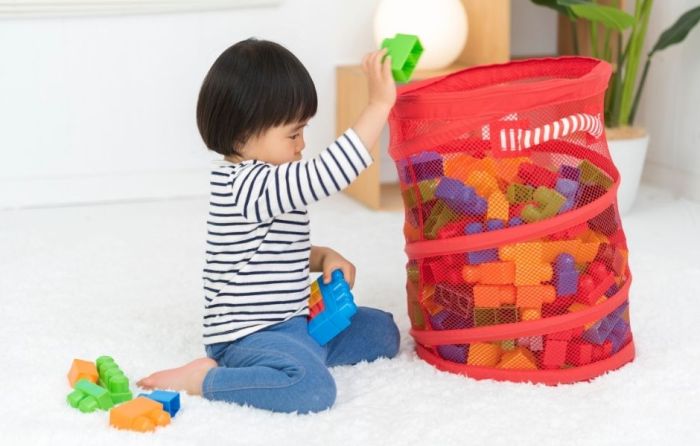
Keeping toys organized and decluttered isn’t just about aesthetics; it’s about creating a more functional and enjoyable play space for children. A well-organized environment fosters a sense of calm and encourages exploration. It also reduces frustration and potential accidents, allowing children to focus on play rather than searching through piles of toys.A consistent routine, combined with parental involvement and open communication with children, is key to long-term success.
This proactive approach not only keeps toys in check but also teaches valuable life skills like responsibility and organization.
Establishing a Regular Routine
A consistent routine for toy organization is essential for maintaining a clutter-free environment. This routine shouldn’t feel like a chore, but rather a natural part of playtime. Children are more likely to cooperate with a routine if they understand its purpose and are involved in the process.
- Designated Toy Areas: Clearly define specific areas for different types of toys. This might include a designated area for blocks, another for dolls, and a space for cars. This visual separation helps children understand where each toy belongs. Using baskets, bins, or shelves with labels can further enhance this separation.
- Time-Bound Clean-Up: Establish a specific time for tidying up after play. This could be a 15-minute clean-up period after each play session or at the end of the day. This helps children develop the habit of putting toys away in a timely manner. Using a timer or a short song can create a playful structure for this process.
- Playtime Zones: For larger play areas, designating specific zones for different activities can further streamline the organization process. For example, a quiet reading corner might have a different set of toys compared to a play zone for active games. This helps with the categorization of toys and makes it easier to find them.
Parental Involvement
Parental involvement is crucial in maintaining a clutter-free environment. Parents are not just supervisors; they are active participants in the process.
- Modeling the Behavior: Children learn by example. Parents should actively participate in tidying up their own belongings, and demonstrating a positive attitude towards tidying up will influence children’s behavior.
- Age-Appropriate Expectations: Expectations for tidying up should be adjusted according to the child’s age and developmental stage. Younger children may only need help putting toys in designated places, while older children can be responsible for more complex organization tasks. Focus on gradual development of independence rather than perfection.
- Positive Reinforcement: Acknowledge and praise children for their efforts in tidying up. Positive reinforcement motivates them to continue the habit. This could involve verbal praise, stickers, or small rewards, focusing on the effort and cooperation rather than the perfection of the outcome.
Regular Toy Maintenance Checklist
Regular maintenance of toys is vital for preventing clutter and ensuring their longevity.
- Inspecting Toys: Regularly inspect toys for damage, wear and tear, or missing parts. Repair or replace damaged toys promptly to avoid accumulating broken or unusable items.
- Cleaning Toys: Clean toys according to the manufacturer’s instructions. This will prevent the build-up of dust, dirt, and germs, keeping toys clean and safe for play. Use appropriate cleaning materials to avoid damaging the toys.
- Organizing by Category: Regularly reorganize toys by category to maintain a clear and accessible environment. This prevents mixing up different types of toys, making it easier for children to find the toy they want.
Common Mistakes Leading to Toy Clutter
Certain behaviors or lack of planning can contribute to a toy-filled environment.
- Overbuying: Too many toys can quickly overwhelm a play area. Only purchase toys that align with the child’s current interests and developmental stage.
- Lack of Storage Solutions: Insufficient storage space or poorly designed storage solutions can lead to toys piling up. Consider the child’s play habits and needs when choosing storage solutions.
- Inadequate Supervision: Without consistent supervision and reminders, children may not put toys away properly, leading to clutter. Active involvement in the tidying process can prevent this.
Teaching Children to Tidy Up
Teaching children about the importance of tidying up is an important part of the process.
- Involve Them in the Process: Involve children in the toy organization process from the start. Let them participate in choosing storage solutions, organizing toys, and creating routines.
- Making it Fun: Transform tidying up into a game or activity. This can include using music, creating a reward system, or turning it into a competition (with age-appropriate limitations).
- Positive Language: Use positive language when talking about tidying up. Focus on the benefits of having an organized space, rather than scolding or criticizing.
Final Wrap-Up
Successfully decluttering toys isn’t just about tidying up; it’s about creating a more enriching play experience for your child. By implementing the strategies in this guide, you can create a space where your child can thrive, explore their creativity, and develop essential organizational skills. Remember, a clutter-free play area fosters a more focused and enjoyable playtime for everyone.
Take a deep breath, and let’s get those toys organized!