



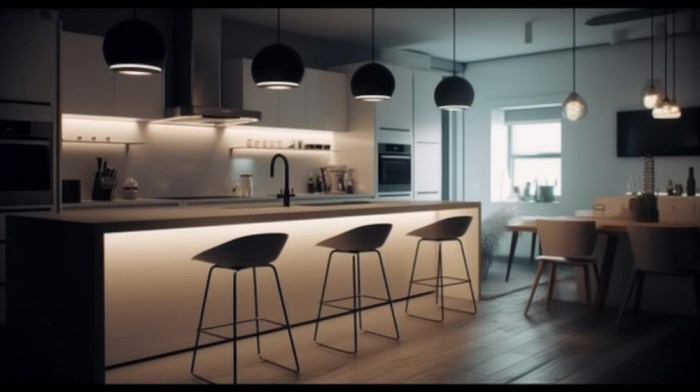
Best under cabinet lighting transforms your kitchen from functional to fabulous. It’s more than just illumination; it’s about enhancing your cooking experience and creating the perfect ambiance. This guide delves into everything you need to know to choose the ideal under-cabinet lighting for your space, from different types and installation methods to practical considerations and budget-friendly options.
From illuminating your countertops for precise chopping to creating a warm and inviting atmosphere, the right under-cabinet lighting can dramatically improve your kitchen’s functionality and aesthetic appeal. We’ll explore various lighting styles, discuss factors like color temperature and intensity, and provide practical tips for installation, maintenance, and troubleshooting.
Introduction to Under Cabinet Lighting

Under cabinet lighting is a crucial element in modern kitchens, transforming a functional space into a visually appealing and highly usable environment. Its primary purpose is to illuminate work surfaces, enhancing task performance and creating a warm, inviting atmosphere. This lighting solution effectively tackles the common kitchen challenge of shadows cast by overhead lighting, providing focused illumination exactly where it’s needed.Under cabinet lighting significantly improves both the safety and functionality of kitchen tasks, such as food preparation, meal assembly, and cleaning.
It enhances the aesthetic appeal by highlighting the beauty of kitchen cabinets and countertops, and it contributes to a more inviting ambiance.
Types of Under Cabinet Lighting
Various lighting technologies are available for under cabinet applications, each with its unique characteristics and advantages. Understanding these differences allows homeowners to make informed choices that meet their specific needs and preferences.
- LED (Light Emitting Diode) lighting is a popular choice due to its energy efficiency, long lifespan, and compact size. LEDs produce a bright, even light output and are available in a wide range of color temperatures, enabling customization to match specific kitchen aesthetics. They are a cost-effective long-term solution.
- Halogen lighting, while still used in some applications, is less common due to its lower energy efficiency compared to LEDs. Halogen bulbs produce a warm, yellowish light, which can create a cozy ambiance but may not be as bright as LEDs for task lighting. Their shorter lifespan and higher energy consumption compared to LED technology make them less appealing for modern kitchens.
- Fluorescent under cabinet lighting, once a common option, is less prevalent today. Fluorescent tubes provide a good light output, but they are bulkier and less energy-efficient than LEDs. Their lifespan is also shorter than LEDs. Fluorescent fixtures may be more challenging to integrate into existing cabinet setups compared to LEDs.
Benefits of Under Cabinet Lighting
Under cabinet lighting provides a multitude of benefits that contribute to a better kitchen experience.
- Task lighting is significantly improved by under cabinet lights. Focused illumination directly on work surfaces eliminates shadows, reducing strain on the eyes and enhancing precision during tasks like chopping vegetables, assembling meals, or washing dishes. This improved visibility directly translates to increased efficiency and safety.
- Ambiance and aesthetics are also enhanced. The strategic placement of under cabinet lights can dramatically change the mood and atmosphere of a kitchen. Warm, inviting light can create a cozy feel, while cool, bright lighting can provide a more modern aesthetic. The addition of under cabinet lighting transforms a kitchen from a functional space to a visually appealing and enjoyable environment.
Installation Methods
The installation method chosen depends on the type of cabinet and the desired aesthetic.
- Recessed installation is often preferred for its clean, streamlined look. Recessed fixtures are installed within the cabinet’s frame, creating a seamless and uncluttered appearance. The installation process involves cutting an opening in the cabinet’s bottom, placing the light fixture, and sealing the opening for a professional finish. This is typically more involved but results in a more polished appearance.
- Surface mount installation is simpler and quicker. Surface-mounted fixtures are affixed directly to the cabinet’s bottom, which eliminates the need for cutting and potentially damaging the cabinet. This is often the preferred option for DIY projects due to its lower installation complexity.
Factors Influencing Lighting Choice
Choosing the right under-cabinet lighting is crucial for enhancing kitchen functionality and aesthetics. It’s not just about illumination; it’s about creating a space that’s both practical and beautiful. Careful consideration of various factors ensures that the lighting effectively serves its purpose and complements the overall kitchen design.Kitchen layout and design significantly impact lighting selection. A galley kitchen, for example, will require a different lighting strategy than a large, open-concept kitchen.
The placement of cabinets, countertops, and other elements affects the optimal placement and type of lighting fixtures. Understanding the specific needs of each area of the kitchen is essential.
Kitchen Layout and Design Considerations
Proper under-cabinet lighting needs to be tailored to the specific kitchen layout. The arrangement of cabinets, the presence of islands or peninsulas, and the overall flow of the kitchen all play a role in the selection process. A long, narrow galley kitchen, for example, might benefit from a continuous strip of lights along the base cabinets. A large, open kitchen might be best served by multiple, strategically placed fixtures for focused task lighting.
A key consideration is ensuring adequate illumination for work areas, such as countertops and sinks, without harsh shadows.
Light Color Temperature and Aesthetics
Light color temperature, measured in Kelvin (K), significantly influences kitchen aesthetics. Warm white (2700K-3000K) creates a cozy, inviting atmosphere, often preferred for dining areas. Cool white (4000K-5000K) offers a bright, modern look, suitable for kitchens with a contemporary design. Neutral white (3500K) strikes a balance between warmth and coolness, creating a versatile option for kitchens with various design styles.
The color temperature should be carefully chosen to complement the overall color scheme and style of the kitchen.
Light Intensity and Beam Angle
Light intensity and beam angle directly impact task performance and visual appeal. Higher intensity allows for better visibility, making tasks like chopping vegetables or preparing meals easier. However, excessively bright lighting can be harsh and uncomfortable. The beam angle determines the area covered by the light. A wider beam angle provides a more even illumination over a broader space, while a narrower angle creates focused light ideal for specific tasks.
Balancing intensity and beam angle is crucial for a comfortable and efficient work environment.
Comparison of Lighting Styles
Different lighting styles (modern, farmhouse, traditional) suit various kitchen designs. Modern kitchens often benefit from sleek, linear lighting fixtures with cool white tones. Farmhouse kitchens typically incorporate warm white lights in fixtures with a more rustic aesthetic. Traditional kitchens may benefit from fixtures that are more ornate and feature warm white tones for a classic feel. The choice of style should be aligned with the overall design aesthetic of the kitchen.
Comparison of Lighting Technologies
| Lighting Technology | Advantages | Disadvantages |
|---|---|---|
| LED | Energy efficiency, long lifespan, compact size, customizable color temperatures | Initial cost may be higher, potential for flickering if not properly installed |
| Halogen | Warm light, relatively low cost, readily available | Lower energy efficiency compared to LEDs, shorter lifespan, heat generation |
| Fluorescent | Cost-effective, good light output | Can flicker, harsh light, limited color temperature options, potential for mercury content |
Choosing the appropriate technology involves a balance between cost, performance, and longevity.
Features and Benefits of High-Quality Lighting
High-quality under-cabinet lighting isn’t just about aesthetics; it’s about functionality and long-term value. Choosing the right features ensures your kitchen or workspace stays bright and efficient for years to come. Proper lighting improves task visibility, creating a safer and more productive environment.Beyond illumination, high-quality under-cabinet lighting offers a significant return on investment by increasing the usability and overall appeal of your space.
Investing in durable, energy-efficient options saves money on electricity bills and minimizes the frequency of replacements.
Energy Efficiency
Energy efficiency is paramount in modern lighting design. LED under-cabinet lights are significantly more energy-efficient than traditional incandescent or halogen options. This translates to substantial savings over the lifespan of the lights, making them a cost-effective long-term solution. For example, an LED strip using 12V technology can reduce your energy consumption by 80% compared to incandescent bulbs.
Durability and Longevity
Durable construction is key to the longevity of under-cabinet lighting. Look for lights with robust housings and materials resistant to moisture and impacts. Aluminum housings, for example, are known for their ability to withstand the rigors of a kitchen environment. High-quality components, such as premium-grade LEDs and durable wires, contribute to a longer lifespan, minimizing the need for replacements and reducing waste.
Consider the warranty offered by the manufacturer; a longer warranty indicates confidence in the product’s durability.
Brightness and Color Accuracy
The brightness and color accuracy of under-cabinet lighting directly impact task performance and the overall ambiance of the space. LED lights provide excellent color rendering indexes (CRI), meaning they accurately represent colors as they appear in natural light. This is crucial for tasks like food preparation or working with fine details. High brightness levels, while important, must be balanced with glare reduction, which can be addressed with suitable diffuser technologies.
Measurements of lumen output, alongside color rendering indices, are crucial when comparing different options.
Adjustable Brightness Levels
Adjustable brightness levels offer remarkable versatility and customization options. This feature allows you to fine-tune the illumination to match specific tasks or moods. For example, a brighter setting is ideal for meal preparation, while a softer setting can create a warm and inviting ambiance for evening gatherings. Dimmable options often incorporate advanced controls and offer a wide range of brightness settings.
The ability to adjust the lighting dynamically is a significant advantage for spaces with varying needs throughout the day.
Mounting Options and Compatibility
Different mounting options cater to various cabinet types and installation preferences. A table showcasing common mounting options and their compatibility with different cabinet styles is presented below:
| Mounting Option | Cabinet Type Compatibility | Description |
|---|---|---|
| Surface Mount | Most cabinets | Simple and straightforward installation directly onto the cabinet face. |
| Recessed Mount | Cabinets with suitable cutouts | Provides a flush fit, creating a more streamlined look. |
| Clip-on/Adhesive Mount | Smooth cabinet surfaces | Quick and easy installation without drilling or tools. |
| Rail Mount | Cabinets with rails | Allows for easy positioning and adjustment of the light along the cabinet. |
Mounting options should be carefully considered based on the cabinet material, style, and the desired aesthetic.
Practical Considerations for Installation
Installing under-cabinet lighting correctly is crucial for both safety and optimal performance. Proper installation ensures the lights function as intended, illuminating the workspace efficiently and safely. Ignoring safety precautions can lead to electrical hazards, and improper wiring can cause malfunction or damage to the lighting system. Careful attention to detail throughout the installation process is paramount.
Step-by-Step Installation Guide
This detailed guide provides a step-by-step process for installing under-cabinet lighting, ensuring a smooth and safe installation.
- Preparation: Carefully measure the cabinet space to determine the appropriate length and number of lights required. Select the appropriate fixtures, considering the type of light, wattage, and mounting method. Ensure the chosen lighting system is compatible with the existing electrical wiring in your kitchen.
- Wiring Connections: Disconnect the power to the circuit supplying the cabinets. Carefully follow the manufacturer’s instructions for wiring. Connect the wires according to the wiring diagram. Ensure proper connections and secure all wiring to prevent loose connections. A loose connection can lead to fire hazards.
- Fixture Mounting: Position the lighting fixtures along the underside of the cabinet. Secure the fixtures using the provided mounting hardware, ensuring they are properly aligned and level. Use a level to ensure the lights are positioned straight and not tilted.
- Power Connection: Reconnect the power to the circuit supplying the cabinets. Turn on the lights to verify proper operation and functionality. Test all the lights to confirm they are working as intended.
- Finishing Touches: Check for any loose wires or connections. Clean up any debris or materials from the installation area. Ensure the lights are functioning correctly and meet the desired aesthetic needs.
Safety Precautions and Required Tools
Prioritizing safety is paramount during the installation process. This section Artikels the necessary precautions and tools to ensure a secure and hazard-free installation.
- Electrical Safety: Always disconnect the power supply to the circuit before beginning any electrical work. Use non-contact voltage testers to verify the power is off. Use insulated tools to prevent accidental shocks.
- Tools: Gather necessary tools such as a screwdriver, wire strippers, pliers, a level, a voltage tester, and a drill (if required for mounting). Having the right tools can save you time and ensure a professional-quality installation.
- Proper Clothing: Wear appropriate safety gear, including safety glasses and gloves, to prevent injuries during the installation process.
- Working Space: Ensure a well-lit and clear workspace to prevent accidents. Keep children and pets away from the installation area to avoid potential injuries.
Importance of Proper Wiring and Electrical Connections
Proper wiring and electrical connections are essential for both safety and functionality. Inadequate wiring can lead to electrical fires or malfunctions.
Proper electrical connections ensure the lights operate safely and efficiently. Ensure the wires are securely connected and insulated to prevent short circuits.
Finding the best under cabinet lighting can dramatically improve your kitchen’s ambiance, but sometimes those stylish lights don’t quite cut it if your house is drafty. Understanding why your house is so drafty, like checking for air leaks around windows and doors, is crucial for creating a warm, inviting space. Ultimately, though, good under-cabinet lighting will enhance your cooking experience, whether your home is a cozy haven or a bit chilly.
Addressing those drafts, as explained in the article why is my house so drafty , will make a huge difference. Investing in the right under-cabinet lighting can help make your kitchen feel more welcoming regardless of the insulation issues.
Incorrect wiring can result in shock hazards and potential damage to the electrical system. This includes verifying the gauge of the wire and ensuring it is appropriate for the amperage of the lighting system.
Wiring Methods Diagram
The following diagram illustrates different wiring methods for under-cabinet lighting.
Finding the perfect under-cabinet lighting can really transform a kitchen. Bright, focused light is key for easy meal prep and cleanup. Speaking of cleaning, did you know you can reuse old socks for cleaning various surfaces? It’s a surprisingly effective and eco-friendly hack! Check out this guide on reuse old socks for cleaning for some innovative ideas.
Regardless of your cleaning methods, good under-cabinet lighting makes everything easier and more enjoyable.
(Insert a simple diagram here showing parallel and series wiring methods. Label each wire, connection, and component clearly.)
Necessary Materials Table
This table Artikels the necessary materials for different installation scenarios.
| Installation Scenario | Materials Required |
|---|---|
| Basic Installation | Lighting fixtures, wire, connectors, screws, and electrical tape. |
| Installation with Existing Wiring | Lighting fixtures, wire connectors, wire strippers, electrical tape, voltage tester, and screws. |
| Installation with Existing Circuit Breaker | Lighting fixtures, wire connectors, wire strippers, electrical tape, voltage tester, circuit breaker, and screws. |
Examples of Effective Lighting Solutions
Under-cabinet lighting is more than just a functional addition; it’s a powerful design tool. Choosing the right configuration can transform a kitchen, dramatically improving visibility and creating a more welcoming atmosphere. Well-planned lighting solutions can also enhance the overall aesthetic appeal, turning a mundane task into a visually engaging experience.
Modern Minimalist Kitchens
Modern minimalist kitchens often feature sleek, clean lines and a focus on functionality. Under-cabinet lighting in these spaces should complement this aesthetic. Recessed LED strips, with their low profile and subtle illumination, are ideal. These strips can be strategically placed along the full length of the cabinets, highlighting the sleekness of the design without drawing too much attention to themselves.
Alternatively, a series of smaller, individually controlled LED lights can be used to illuminate specific work areas. This offers both functionality and a modern, contemporary touch.
Traditional Farmhouse Kitchens
Farmhouse kitchens, with their warm, inviting tones and often open layouts, benefit from a softer, more ambient lighting approach. Using warm-toned LED strip lights or Edison-style bulbs in clear glass fixtures, positioned beneath the cabinets, creates a cozy and inviting ambiance. The soft glow emphasizes the natural warmth of the wood cabinets and creates a welcoming atmosphere for family meals.
Coastal-Inspired Kitchens
Coastal-inspired kitchens often feature light-colored cabinetry and natural materials. The key here is to highlight the natural elements. Use a cool-toned LED strip light to create a sense of spaciousness and emphasize the clean lines of the cabinetry. The crisp, even illumination enhances the natural beauty of the space without overwhelming it. Consider using frosted or translucent covers over the LED strips to diffuse the light and create a subtle, diffused glow.
Lighting for Specific Kitchen Tasks
Effective under-cabinet lighting enhances functionality in the kitchen. In areas dedicated to food preparation, such as countertops and cutting boards, brighter, focused illumination is crucial. Use high-output LED strips, or individual LED spotlights strategically placed over countertops and cutting boards, to illuminate work surfaces. This allows for clear visibility of ingredients and precise preparation.
Finding the perfect under-cabinet lighting is crucial for a well-lit kitchen. But before you dive into the dazzling options, consider adding some natural charm to your space. A citronella plant, for example, can add a beautiful touch and a pleasant aroma, while also potentially deterring pesky insects. Learning how to grow these fragrant beauties is simple, as you can see in this helpful guide: citronella plant growing guide.
Once your citronella plant is thriving, you can focus on finding the best under-cabinet lighting to illuminate your kitchen workspace and highlight the beautiful greenery.
Visual Impact and Highlighting Features
Under-cabinet lighting can be a powerful tool for highlighting specific features within a kitchen. For example, showcasing a beautiful backsplash requires targeted lighting. Using a combination of LED strip lights and accent lights can create a focal point. Consider using a warmer color temperature for cabinetry, and a cooler color temperature for backsplashes, allowing each feature to stand out.
Lighting Configuration and Cost
| Lighting Configuration | Description | Estimated Cost (USD) |
|---|---|---|
| Recessed LED Strips (Minimalist) | Low-profile, subtle illumination along cabinet length. | $50-$150 |
| Individual LED Spots (Minimalist/Multi-Purpose) | Targeted lighting over specific work areas. | $75-$200 |
| Warm-toned LED Strips (Farmhouse) | Soft, ambient illumination for a cozy atmosphere. | $60-$180 |
| Edison-style Bulbs (Farmhouse) | Clear glass fixtures for a warm, inviting glow. | $80-$250 |
| Cool-toned LED Strips (Coastal) | Crisp, even illumination for light-colored cabinetry. | $50-$150 |
Note: Prices are estimates and may vary based on the specific fixtures, wattage, and features.
Maintenance and Troubleshooting: Best Under Cabinet Lighting
Keeping your under-cabinet lighting in top condition is crucial for both its longevity and the aesthetic appeal of your kitchen. Proper maintenance and prompt troubleshooting can prevent costly repairs and ensure your lights continue to provide the perfect illumination for your workspace. Regular checks and preventative measures are key to maximizing the lifespan of your lighting system.
Proper Maintenance Procedures
Regular cleaning and inspection are essential to maintain the performance and appearance of under-cabinet lighting. Wipe down the fixture with a soft, damp cloth to remove dust and debris. Avoid using harsh chemicals or abrasive materials that could damage the finish or components. Inspect the light bulbs for any signs of damage or discoloration, replacing them as needed.
Common Problems and Solutions, Best under cabinet lighting
Several issues can affect under-cabinet lighting. One common problem is flickering or dimming. This could indicate a loose connection in the wiring, a faulty bulb, or a problem with the ballast (if applicable). Replacing the bulb or tightening loose connections often resolves this issue. Another problem is complete failure to illuminate.
This often stems from a blown bulb, a faulty transformer, or a tripped circuit breaker. Checking the bulb and ensuring the power supply is functional are initial troubleshooting steps. In cases of continued issues, consult a qualified electrician.
Importance of Wiring Inspection
Regularly inspecting the wiring and connections is crucial to prevent electrical hazards and ensure the longevity of the lighting system. Look for any signs of damage, such as frayed wires, exposed wires, or loose connections. These issues can lead to short circuits, electrical fires, or even electrocution. Addressing these issues promptly is essential for maintaining safety and preventing costly repairs.
Troubleshooting Guide
A proactive approach to troubleshooting is vital. Here’s a list of potential issues and corresponding troubleshooting steps for under-cabinet lighting:
- Flickering or Dimming: First, check the bulb. If it’s the problem, replace it. Next, ensure all connections are secure. If the problem persists, consult an electrician.
- No Illumination: Verify the power supply to the fixture is on. Check the circuit breaker. If the circuit breaker is tripped, reset it. If the problem persists, check the bulb and connections. If the issue persists after checking all these, consult an electrician.
- Dimming/Flickering/No Power to Entire Kitchen: Check the circuit breaker. If the breaker is tripped, reset it. If it continues, check the wiring in the fixture or its connections. If the problem persists, contact a qualified electrician.
- Buzzing/Humming Sound: A buzzing sound could indicate a loose connection or a faulty transformer. Tighten any loose connections. If the issue continues, consult a qualified electrician.
Troubleshooting Table
The table below Artikels potential lighting issues and corresponding repair strategies:
| Lighting Issue | Possible Causes | Repair Strategy |
|---|---|---|
| Flickering/Dimming | Loose connections, faulty bulb, ballast issues | Tighten connections, replace bulb, if needed, consult an electrician |
| No Illumination | Blown bulb, faulty transformer, tripped circuit breaker | Replace bulb, check transformer, reset circuit breaker, if needed, consult an electrician |
| Dimming/Flickering/No Power to Entire Kitchen | Tripped circuit breaker, faulty wiring | Reset circuit breaker, check wiring, if needed, consult an electrician |
| Buzzing/Humming | Loose connections, faulty transformer | Tighten connections, consult an electrician |
Budget-Friendly Options

Budget-conscious homeowners can still achieve stunning under-cabinet lighting without breaking the bank. Finding affordable options that deliver great performance and a long lifespan is key. This section explores various budget-friendly solutions, comparing them to higher-end alternatives and providing DIY inspiration.Budget-friendly under-cabinet lighting often utilizes readily available components, allowing for creative DIY solutions. While premium options might boast advanced features, affordable choices can still provide a practical and attractive solution.
The key is understanding the trade-offs and optimizing the impact of your chosen budget-friendly lighting.
Comparison of Budget and High-End Lighting
Budget-friendly options typically use LED strips with lower wattage and simpler control systems. High-end solutions often incorporate advanced dimming capabilities, integrated sensors, and more sophisticated color temperature options. The difference in price often reflects the features and quality of materials. For example, a budget-friendly strip might use a less durable adhesive, whereas a high-end option could feature a more robust, heat-resistant adhesive.
Affordable Lighting Solutions
Several affordable options provide excellent performance. LED strip lights, available in various colors and lengths, are a popular and cost-effective choice. Consider strips with a higher lumen output for adequate brightness. Also, look for strips with a reliable, waterproof rating to ensure they withstand moisture, which is often a concern in kitchens. Energy-efficient LED bulbs are another excellent choice.
Their long lifespan and low energy consumption translate to significant long-term savings.
Maximizing Impact of Budget Lighting
A well-chosen budget-friendly option can have a dramatic effect on the kitchen’s aesthetic. Strategically placed lighting can highlight specific areas or create a welcoming ambiance. Using a warm-white color temperature will create a cozy and inviting atmosphere. Consider using multiple strips to create a more even and diffused light distribution. Proper installation and careful placement are critical to maximizing the visual appeal and functionality of the lighting.
Factors for Durable and Long-Lasting Affordable Options
Durability is paramount when choosing affordable lighting. Look for LED strips with a high-quality adhesive and robust construction. A waterproof or water-resistant rating is essential in a kitchen environment. Ensure the power supply is reliable and compatible with the chosen LED strips. A well-regarded manufacturer is often a good indicator of the longevity of the product.
For example, some reputable brands offer extended warranties, reflecting their confidence in the product’s durability.
DIY Under Cabinet Lighting Solutions
Crafting your own under-cabinet lighting system can be a rewarding and cost-effective project. LED strips, adhesive, and a power supply are the core components. Use a well-lit work area and carefully follow the manufacturer’s instructions. Consider using a dimmer switch to fine-tune the light intensity. For example, creating a custom layout with multiple strips can highlight different areas of the countertop or cabinetry.
Ensure the installation is neat and secure to prevent potential hazards. Consider using a voltage regulator for a safe and reliable setup.
Epilogue
In conclusion, achieving the perfect under-cabinet lighting solution is a journey of exploration, balancing aesthetics with practicality. This comprehensive guide empowers you to make informed choices, ensuring your kitchen shines with the ideal combination of style and functionality. Whether you prioritize energy efficiency, modern design, or a more traditional feel, the information provided will help you select the best under-cabinet lighting for your unique kitchen.