


Plants that are weeds are a fascinating, often frustrating, part of the natural world. From the seemingly innocuous dandelion in your lawn to the aggressive kudzu vine choking a forest, understanding these plants is crucial for effective management and appreciation of their ecological roles. This guide delves into the intricacies of weeds, from their defining characteristics and identification to effective control strategies and ecological impacts.
This comprehensive guide will explore the various aspects of weeds, including their defining characteristics, different types, identification methods, control strategies, ecological impacts, and preventive measures. We will cover everything from basic definitions and classifications to advanced concepts like integrated pest management and sustainable weed control.
Defining Weeds
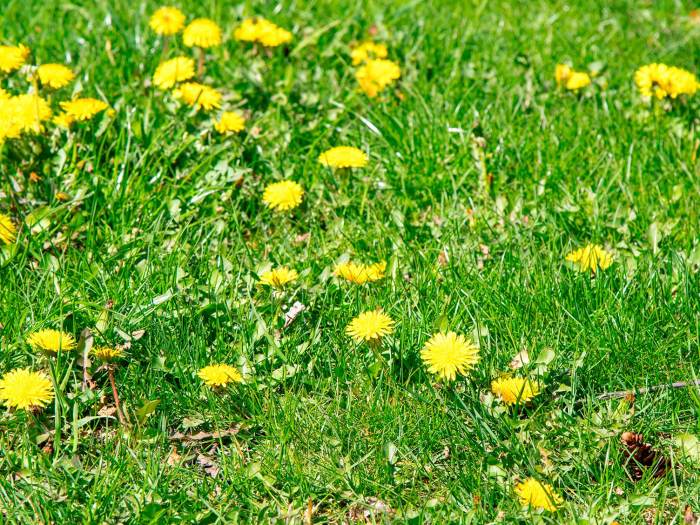
A weed is often seen as an unwanted plant, a nuisance in gardens and agricultural fields. But beyond the annoyance, weeds play a complex role in ecosystems, and their definition can be surprisingly nuanced. Understanding what constitutes a weed requires looking beyond the purely aesthetic perspective and exploring the multifaceted relationship between these plants and the environment.Defining a weed isn’t as simple as saying it’s any plant growing where it’s not wanted.
The concept is heavily influenced by human perspectives and actions. Different cultures and regions will have varying ideas about which plants are considered weeds, depending on their agricultural practices and environmental conditions.
Distinguishing Characteristics of Weeds
Weeds often share certain characteristics that differentiate them from desirable plants. These traits frequently enable them to thrive in disturbed or challenging environments, outcompeting cultivated species for resources. They exhibit remarkable adaptability and resilience, often displaying rapid growth rates, extensive root systems, and prolific seed production. These characteristics allow them to quickly colonize and spread, sometimes making them difficult to control.
These plants often have a strong ability to survive and reproduce under less-than-ideal conditions.
Cultural and Geographical Variations in Weed Definitions
The perception of a plant as a weed is heavily influenced by cultural and geographical factors. In some regions, plants considered weeds in one area might be valued for their medicinal properties or used as food in another. Agricultural practices and land use also play a significant role. For example, a plant considered a valuable forage crop in one region might be considered a weed in another where it competes with cultivated crops.
These differences highlight the subjective nature of the weed definition.
Ecological Role of Weeds
Weeds, despite their reputation, often play vital ecological roles. They can provide food and shelter for various animal species, including insects, birds, and small mammals. They also contribute to soil stabilization and nutrient cycling. Their presence can help maintain biodiversity in a given area. In some cases, they can even act as indicators of specific environmental conditions, signaling the presence of disturbed areas or nutrient-rich soils.
Common Traits of Weed Species
Several common traits unify diverse weed species. These traits include rapid growth, prolific seed production, and extensive root systems. These features allow them to rapidly colonize new areas and outcompete other plants for resources. High seed production ensures a large number of offspring, enabling them to quickly repopulate disturbed areas. Another common trait is the ability to adapt to a wide range of environmental conditions.
These plants often thrive in disturbed habitats, which allows them to quickly take advantage of any openings in the environment.
Those pesky plants we call weeds can be surprisingly tenacious, right? But sometimes, a little inspiration can help us appreciate even the most unassuming things. For example, imagine a laundry room makeover, brimming with bright colors and sleek designs, like the ones found in inspiring laundry room design ideas. Even the most unloved weeds, when looked at in a different light, can offer a bit of that same stubborn charm and resilience.
Maybe we should all take a leaf out of their book.
Impact of Human Activities on Weed Prevalence
Human activities significantly influence the prevalence and distribution of weeds. Agriculture, construction, and land clearing often create disturbed environments where weeds can flourish. The introduction of non-native species through transport and trade also contributes to the spread of weeds. In addition, the overuse of herbicides can lead to the development of herbicide-resistant weeds, further complicating their management.
These human activities can dramatically shift the balance of plant communities, with weeds often thriving in the disturbed areas created.
Comparison of Weeds and Desirable Plants
| Characteristic | Weeds | Desirable Plants |
|---|---|---|
| Growth Rate | Rapid | Variable, often slower |
| Seed Production | Prolific | Variable, often moderate |
| Root System | Extensive, often deep | Variable, often less extensive |
| Adaptability | High | Variable, often lower |
| Resource Competition | Strong | Variable, often moderate |
| Environmental Tolerance | High | Variable, often lower |
Types of Weeds
Weeds, those unwelcome guests in our gardens and fields, come in a surprising variety. Understanding their diverse forms and characteristics is crucial for effective control strategies. From the tenacious dandelions to the creeping vines, each weed species has its own set of survival mechanisms and growth patterns. Knowing these patterns allows for targeted and more effective weed management.Weeds exhibit remarkable adaptability, thriving in a wide range of environments.
This adaptability is driven by their unique traits, from rapid growth rates to robust root systems. This adaptability allows them to outcompete desired plants for resources like sunlight, water, and nutrients.
Weed Classification by Plant Family
Different weed species belong to various plant families. Knowing the family helps to understand the characteristics of the weeds. For instance, grasses often exhibit similar growth patterns and competitive traits. Understanding these families provides a framework for classifying weeds and allows for more targeted management strategies.
Sometimes, the most annoying “plants” are the ones we don’t want—weeds! They seem to pop up everywhere, much like those forgotten toiletries and cleaning supplies tucked away in your bathroom. Clearing out those overlooked spots to declutter in your bathroom here can be surprisingly satisfying, and honestly, it’s a similar feeling to pulling out those pesky weeds from your garden.
And then, you can finally appreciate the beautiful plants you do want to grow!
- Asteraceae (Sunflower Family): This family includes common weeds like dandelions, thistles, and hawkweeds. Dandelions are known for their bright yellow flowers and persistent taproots, while thistles often have spiny leaves and stems. Hawkweeds are characterized by their daisy-like flowers and sometimes aggressive spread.
- Poaceae (Grass Family): This family encompasses a wide range of weeds, including crabgrass, foxtail, and barnyardgrass. These grasses often exhibit fast growth rates and a tendency to form dense mats. Their competitiveness stems from their ability to quickly cover large areas.
- Brassicaceae (Mustard Family): This family includes weeds like wild mustard and charlock. These plants are often characterized by their relatively rapid growth and production of seeds. Wild mustard, for example, is notorious for its rapid seed dispersal and ability to establish new populations quickly.
Weed Classification by Growth Habit
Weed growth habits play a crucial role in their control. Understanding these habits helps in devising targeted strategies to manage them. Annuals, biennials, and perennials have vastly different life cycles and growth patterns.
- Annuals: These weeds complete their life cycle within a single growing season. Common examples include pigweed and many grasses. They rapidly reproduce and spread, requiring consistent control measures throughout the season.
- Biennials: These weeds complete their life cycle in two growing seasons. A good example is the common burdock. They typically flower and produce seeds in their second year, after a period of vegetative growth in the first year.
- Perennials: These weeds persist for more than two years. Examples include dandelions and some grasses. Their extensive root systems and ability to survive through harsh winters make them persistent problems that require long-term management strategies.
Weed Characteristics in Different Environments
The characteristics of weeds can vary depending on the environment. Factors like sunlight, water availability, and soil composition all affect the weeds’ growth and survival.
- Lawns: Common lawn weeds include crabgrass, dandelions, and clover. Their rapid growth and ability to tolerate compacted soil make them prevalent in lawns. Often, their presence signals problems with soil health and moisture levels.
- Gardens: Garden weeds can include various species like chickweed, purslane, and bindweed. Their ability to outcompete garden plants for resources can lead to significant yield losses.
- Agricultural Fields: Common agricultural weeds include pigweed, foxtail, and morning glory. These weeds can significantly reduce crop yields through competition for resources. Their ability to thrive in the conditions of agricultural fields often makes them particularly problematic.
Adaptability and Growth Rates
Weeds exhibit remarkable adaptability to various environmental conditions. Their survival strategies include rapid growth, extensive root systems, and effective seed dispersal mechanisms.
- Growth Rates: Some weeds, like crabgrass, possess exceptionally fast growth rates. This allows them to quickly establish dominance in favorable conditions. Others, like dandelions, have a more gradual growth rate but maintain a persistent presence through their deep roots and resilience.
- Survival Strategies: Weeds use various survival mechanisms to overcome environmental challenges. This includes seed dormancy, which allows them to survive unfavorable conditions. Another key mechanism is the production of a large number of seeds, ensuring that some will survive and germinate under suitable conditions.
Common Weeds in Different Geographical Regions, Plants that are weeds
| Geographical Region | Common Weed Species | Description |
|---|---|---|
| North America (Lawns) | Dandelion | A perennial weed with bright yellow flowers and a deep taproot. Known for its resilience and ability to quickly spread. |
| Europe (Gardens) | Charlock | A fast-growing annual weed from the mustard family, characterized by its broad leaves and yellow flowers. A common problem in gardens and agricultural fields. |
| Australia (Agricultural Fields) | Pigweed | A fast-growing annual weed with distinctive reddish stems. Often a significant problem in agricultural fields due to its ability to quickly outcompete crops. |
Weed Identification
Unveiling the secrets of weeds often hinges on accurate identification. Knowing your enemy is the first step in effective weed control. This crucial step involves understanding visual cues, growth patterns, and utilizing reliable resources to differentiate weeds from desirable plants. Accurate identification ensures that you target the correct plant, preventing harm to valuable crops or landscape elements.
Visual Cues for Weed Identification
Identifying weeds often begins with a keen eye for visual details. Careful observation of leaf shapes, stem structures, and overall plant morphology is essential. Different weeds exhibit unique characteristics that set them apart from each other and from desirable plants. A systematic approach to observation, combined with detailed notes, can significantly improve identification accuracy.
- Leaf Shapes and Patterns: Leaf shapes and patterns can vary greatly among weed species. Some weeds have broad, lobed leaves, while others have narrow, linear leaves. Consider the arrangement of leaves on the stem (alternate, opposite, whorled), the presence of hairs or textures on the leaves, and the overall shape of the leaf blade (oval, lanceolate, etc.).
- Stem Structures: Stem characteristics, including thickness, height, branching patterns, and the presence of hairs or spines, can be crucial in weed identification. Notice the color, texture, and the way the stem grows and supports the plant.
- Flower and Fruit Structures: If the weed has flowers or fruits, their structure and appearance can be valuable identification features. Note the color, shape, size, and arrangement of flowers. Similarly, fruit characteristics like shape, size, and color can be helpful.
Importance of Reliable Resources
Using reputable resources for weed identification is paramount. Incorrect identification can lead to ineffective or even harmful control measures. Unreliable resources may misidentify a weed, leading to the use of incorrect herbicides or other control methods. Therefore, relying on trustworthy sources is critical.
- Field Guides: Field guides are invaluable tools for identifying weeds. They often provide detailed descriptions and illustrations of various weed species, along with their key identifying characteristics. These guides are commonly available in bookstores, libraries, and online.
- Online Databases: Numerous online databases and websites offer extensive information about weeds. These resources often include photographs, descriptions, and distribution maps, making it easier to identify unknown weeds.
- Local Agricultural Extension Offices: Local agricultural extension offices are excellent resources for weed identification. They often have experienced staff who can assist with identifying local weed species and provide recommendations for control.
Weed Identification in Different Growth Stages
Weed identification accuracy is greatly enhanced by considering the plant’s stage of growth. Young plants often exhibit different characteristics than mature plants.
- Seedling Stage: Identifying weeds in their seedling stage can be challenging, as they often have limited visible features. Focus on early growth patterns, leaf arrangement, and overall plant structure.
- Vegetative Stage: As the weed matures and enters the vegetative stage, more features become apparent. This stage allows for a more thorough examination of leaves, stems, and overall plant morphology.
- Reproductive Stage: The reproductive stage, characterized by flowers or fruits, usually offers the most definitive identification cues. The characteristics of the flowers, fruits, and seeds are often the most reliable means of identification.
Distinguishing Between Similar Weed Species
Several weed species share similar visual traits, making differentiation challenging. Careful observation and comparison of multiple characteristics are crucial.
- Detailed Comparison: When encountering weeds that appear similar, meticulously compare their leaf shapes, stem structures, flower characteristics, and overall growth patterns.
- Use of Resources: Refer to reliable field guides or online databases to confirm the identification based on the observed traits. This comparison process helps differentiate between species.
- Detailed Notes: Keep detailed notes on the observed features to aid in future identification. A comprehensive record of plant characteristics helps to confirm identifications and avoid misidentifications.
Key Features for Identifying Weeds in Various Growth Stages
| Growth Stage | Key Features | Image Description |
|---|---|---|
| Seedling | Small size, rudimentary leaves, emerging stems | A small, young plant with delicate leaves and a thin stem. The leaves might be barely visible or still in the process of unfolding. |
| Vegetative | Well-developed leaves, stems, and branching patterns | A more mature plant with clearly defined leaves and stems. Notice the arrangement of leaves and the overall shape of the plant. |
| Reproductive | Presence of flowers or fruits, distinct seed heads | A plant in full bloom or producing fruits. The presence of flowers or fruits should be noted, along with the shape, color, and arrangement of these features. |
Weed Control Strategies
Controlling weeds is a crucial aspect of agriculture and landscaping. Effective weed management is essential for maintaining healthy crops, preventing soil erosion, and preserving desirable plant life. A variety of methods, each with unique benefits and drawbacks, can be employed to achieve this goal. Understanding these methods and their implications is vital for making informed decisions about weed control in specific situations.
Cultural Weed Control Methods
Cultural methods focus on creating conditions unfavorable for weed growth. These strategies aim to prevent weeds from establishing themselves in the first place rather than eliminating them after they’ve sprouted. This approach is often more sustainable and environmentally friendly than chemical or mechanical methods.
- Crop Rotation: Alternating different crops in a field can disrupt the life cycle of specific weed species. Different crops have different root systems and nutrient requirements, thus minimizing the resources available for weeds to thrive. For example, rotating corn with soybeans can suppress certain weed populations, as the differing root systems and nutrient uptake patterns alter the soil environment.
- Proper Tillage Practices: Careful tillage, such as shallow cultivation or no-till methods, can help suppress weeds by burying their seeds or disturbing their growth. These techniques must be carefully implemented to avoid soil erosion and damage to desirable plants.
- Competitive Planting: Planting fast-growing, vigorous crops can outcompete weeds for resources like sunlight, water, and nutrients. This approach is particularly effective for certain weed species. For example, planting cover crops in fallow fields can suppress weed growth and improve soil health.
- Weed-Free Seedbed Preparation: Ensuring a clean seedbed by removing weeds before planting is critical. This involves careful tillage, hoeing, or hand-pulling to minimize the presence of weed seeds in the soil.
Mechanical Weed Control Methods
Mechanical methods involve physically removing weeds from the area. These methods can be effective, but they may have limitations depending on the scale of the operation and the type of weed being controlled.
- Hand Pulling: For small areas, hand pulling is a viable option for removing weeds. This method is labor-intensive but can be very effective, especially for young weeds. This method is usually most effective for single or small groups of weeds, but it’s not practical for larger areas.
- Hoeing and Cultivating: Using hoes or cultivators to physically remove weeds is an effective way to control weed populations. This method is more efficient than hand pulling and can be used in larger areas.
- Mowing: Mowing can be used to control the growth of grassy weeds, but it won’t eliminate the root system and may encourage regrowth. Mowing may be effective as a short-term control measure, but repeated mowing is needed for sustained control.
- Tillage and Cultivation: Tillage and cultivation can disrupt weed growth and control weed populations, but this method can also damage the soil and potentially harm desirable plants.
Chemical Weed Control Methods
Chemical weed control involves using herbicides to kill weeds. Herbicides can be highly effective, but they can also pose environmental risks if not used responsibly. Careful consideration of the type of herbicide and application method is crucial.
- Pre-emergent Herbicides: These herbicides are applied before weed seeds germinate, preventing weed growth. This approach can be effective for suppressing weed populations, but it requires accurate timing and proper application.
- Post-emergent Herbicides: These herbicides are applied after weeds have emerged. This method is often used for controlling established weeds, but it’s crucial to choose the right herbicide for the specific weed species and to follow application instructions carefully.
- Selective Herbicides: These herbicides target specific types of weeds without harming desirable plants. The choice of selective herbicide is critical to avoid harming crops or other plants.
Integrated Pest Management (IPM)
Integrated Pest Management (IPM) is a holistic approach to weed control. It involves combining different strategies, including cultural, mechanical, and chemical methods, to effectively manage weeds while minimizing environmental impact. It prioritizes the use of less harmful methods when possible and only resorts to chemical control when necessary.
Choosing the Right Control Method
The choice of weed control method depends on factors like the type of weed, the size of the area, and the desired environmental impact. Carefully considering the potential benefits and drawbacks of each method is crucial for achieving effective and sustainable weed control.
Examples of Successful Weed Control Strategies
Successful weed control strategies often involve a combination of cultural, mechanical, and chemical methods tailored to specific agricultural settings. For example, in organic farming, cultural and mechanical methods are prioritized to minimize reliance on chemical herbicides. In conventional farming, a combination of approaches, including selective herbicides, is often employed.
Weed Control Methods Summary
| Method | Effectiveness | Environmental Impact |
|---|---|---|
| Cultural | Preventive, often sustainable | Low |
| Mechanical | Effective for specific weeds, labor-intensive | Moderate |
| Chemical | Highly effective, but potentially harmful | High (if not used responsibly) |
Weed Ecology and Impacts
Weeds, though often perceived as mere nuisances, significantly impact the environment and human activities. Their ecological roles extend beyond simple competition; they alter native plant communities, soil structure, and even water resources. Understanding these impacts is crucial for effective weed management and conservation efforts.
Ecological Impact on Native Plant Communities
Weeds often outcompete native plants for resources like sunlight, water, and nutrients. This competitive pressure can lead to a decline in native species populations, potentially disrupting the delicate balance of the ecosystem. The introduction of non-native weeds can be particularly damaging, as they lack natural predators and competitors, allowing them to proliferate unchecked. This disruption in the food web and ecological balance can have far-reaching consequences for the entire community.
Competitive Interactions between Weeds and Desirable Plants
Weeds and desirable plants compete for the same limited resources. This competition can be direct, with weeds physically shading desirable plants or extracting water and nutrients from the soil, or indirect, by altering the soil conditions in a way that is unfavorable to desirable plants. The outcome depends on factors like the specific species involved, environmental conditions, and the time of year.
For example, dense stands of certain weeds can significantly reduce the amount of sunlight reaching the soil surface, making it difficult for desirable plants to germinate and grow.
Impact of Weeds on Soil Health and Nutrient Cycling
Weeds can impact soil health and nutrient cycling in several ways. Some weeds can alter soil structure, impacting water infiltration and aeration. Others may deplete soil nutrients, leading to a decline in fertility for other plants. Additionally, some weeds can increase soil erosion by destabilizing the soil surface. Furthermore, the decomposition rates of weeds can affect the release of nutrients, potentially affecting the overall nutrient cycling within the soil.
Impact of Weeds on Water Resources
Excessive weed growth can lead to increased water consumption. This can strain water resources in areas where water availability is already limited, particularly in agricultural settings. Furthermore, weed-infested waterways can affect water quality, potentially introducing pollutants and affecting aquatic ecosystems. Weed growth can also alter water flow patterns, potentially causing erosion and flooding.
Economic Impacts of Weeds in Agriculture and Other Settings
Weeds pose significant economic challenges in agriculture and other settings. They reduce crop yields, increase production costs (due to herbicide use, labor, and equipment), and decrease the quality of products. In addition, weed infestations can decrease property values and negatively impact tourism or recreational areas. For instance, extensive weed growth in pastures can reduce the amount of grazing land available, leading to financial losses for livestock farmers.
Negative Impacts of Weeds on Various Ecosystems
| Ecosystem | Negative Impacts |
|---|---|
| Agricultural Fields | Reduced crop yields, increased production costs, decreased quality of produce, loss of market value |
| Forests | Reduced tree growth, altered forest structure, loss of biodiversity, increased fire risk |
| Pastures | Reduced grazing area, decreased livestock productivity, loss of income for farmers |
| Urban Areas | Aesthetic damage, increased maintenance costs, potential health hazards from certain weeds |
| Waterways | Water quality degradation, reduced water flow, increased risk of flooding, habitat disruption for aquatic life |
Weed Prevention
Weeds, those unwelcome guests in our gardens and fields, can quickly take over if left unchecked. Proactive measures are crucial to minimizing their spread and impact. Preventing weed establishment is often far more effective and less costly than trying to eradicate them after they’ve taken root. This approach also preserves soil health and reduces the need for harmful herbicides.
Land Management Practices
Proper land management is foundational to weed prevention. Regular cultivation, including tilling and hoeing, can disrupt weed seed germination and growth. This is particularly effective in newly established areas where weed seeds are more likely to germinate and establish. Additionally, maintaining the appropriate soil moisture level helps to prevent weed germination and growth.
Controlling Weed Seeds
Controlling weed seeds is a vital part of a comprehensive prevention strategy. This involves removing weed debris from the area, preventing weed seed dispersal, and ensuring proper seedbed preparation to minimize the number of seeds that germinate. Clearing out dead plant material, including stems, leaves, and roots, reduces the weed seed bank. Employing techniques that prevent seed dispersal, such as covering the soil or using barriers, can drastically reduce the amount of weed seed introduced into the area.
Proper seedbed preparation ensures the soil is free from weed seeds, promoting healthy crop establishment.
Crop Rotation and Cover Cropping
Crop rotation and cover cropping are powerful tools for disrupting weed cycles. Rotating crops with different root systems and nutrient requirements can prevent the buildup of specific weed species adapted to those conditions. This reduces the overall weed seed bank and minimizes the chances of specific weeds dominating the area. Cover crops, such as legumes or grasses, actively compete with weeds for resources, suppress their growth, and improve soil health, contributing to overall weed prevention.
For instance, a farmer planting soybeans after corn might see a reduction in corn-specific weeds like foxtails.
Ugh, those pesky weeds! They seem to pop up everywhere, even when you’re trying to cultivate something beautiful like azaleas. Knowing when azaleas bloom is key to understanding their needs, and how to best combat those unwanted plant intruders. For example, if you’re trying to get a good look at the azalea bloom cycle, check out this handy guide on when do azaleas bloom.
Ultimately, understanding plant life cycles is crucial for managing your garden, whether you’re battling weeds or nurturing gorgeous blooms.
Mulching Techniques
Mulching is a highly effective method for suppressing weed growth. Organic mulches, such as straw, wood chips, or shredded leaves, create a barrier that prevents sunlight from reaching weed seeds, inhibiting their germination and growth. The thick layer of mulch also helps to retain soil moisture, which is another factor in reducing weed establishment. Inorganic mulches, like plastic sheeting, can be effective, but may not offer the same soil benefits as organic mulches.
Preventive Measures Effectiveness
| Preventive Measure | Effectiveness | Description |
|---|---|---|
| Regular Cultivation | High | Disrupts weed seed germination and growth, especially in new areas. |
| Controlling Weed Seeds | High | Removes weed debris, prevents seed dispersal, ensures proper seedbed preparation. |
| Crop Rotation | Moderate to High | Prevents buildup of specific weed species by rotating crops with different root systems and nutrient requirements. |
| Cover Cropping | High | Competes with weeds for resources, suppresses growth, improves soil health. |
| Mulching | High | Creates a barrier preventing sunlight from reaching weed seeds, inhibits germination and growth; retains soil moisture. |
Case Studies
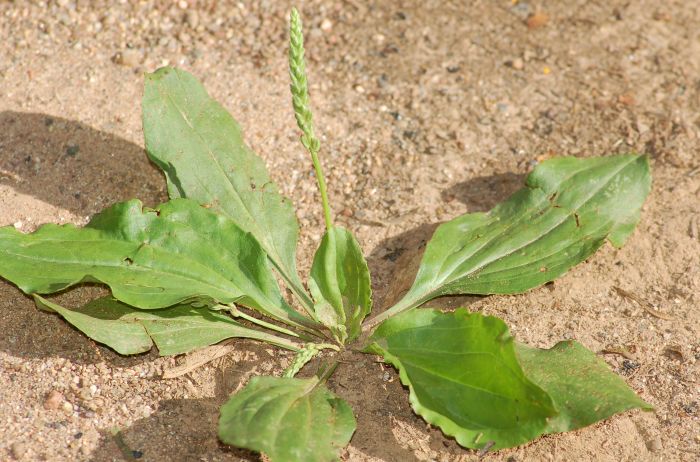
Weed management is not a one-size-fits-all approach. Successful programs often hinge on a deep understanding of local conditions, including soil types, climate patterns, and the specific weed species present. Learning from past successes and failures in various agricultural settings is crucial for developing effective and sustainable strategies. This section presents case studies highlighting successful weed management programs, emphasizing the challenges and lessons learned.Case studies in weed management offer valuable insights into the interplay of environmental factors, control strategies, and long-term impacts.
By examining real-world applications, we can gain a practical understanding of the complexities of weed control and refine strategies for optimal results.
Successful Weed Management Programs in Rice Paddies
Several successful programs in rice paddy ecosystems illustrate the importance of integrating various control methods. These programs often prioritize cultural practices like proper water management, crop rotation, and timely transplanting.
- Integrated Weed Management (IWM) in the Mekong Delta: This region in Vietnam has implemented IWM programs focusing on the use of mechanical weeding, herbicides, and biocontrol agents. They have demonstrated a significant reduction in herbicide use while maintaining high rice yields, emphasizing the role of integrated approaches. The program also involved educating farmers on the benefits of IWM, demonstrating the importance of community engagement in successful weed management initiatives.
- Use of Cover Crops in Northern Thailand: Farmers in Northern Thailand have shown positive results from incorporating cover crops into their rice cultivation. These crops effectively suppress weed growth, reducing the need for chemical herbicides. This approach showcases the long-term benefits of employing cover crops and the positive environmental impact of reducing reliance on chemical controls.
Challenges and Lessons Learned
Successful weed management programs often encounter challenges related to weed adaptation, resistance to herbicides, and environmental concerns. These challenges highlight the importance of adapting control strategies over time.
- Herbicide Resistance: In some regions, weeds have developed resistance to certain herbicides. This necessitates the rotation of herbicides or the integration of other control methods to maintain efficacy. A critical lesson learned is the importance of careful herbicide selection and application strategies to mitigate the risk of resistance development.
- Environmental Impacts of Herbicides: The use of herbicides can have unintended consequences on non-target organisms. Implementing strategies to minimize the environmental impact of herbicides, such as precise application techniques and careful selection of herbicides with lower environmental risks, is essential. This requires a thorough understanding of local ecosystems and potential ecological effects.
Impact of Environmental Factors
Environmental factors significantly influence the effectiveness of weed control strategies. Variations in rainfall, temperature, and soil conditions can impact weed growth and the efficacy of different control methods.
- Climate Change Impacts: Changes in temperature and rainfall patterns can alter the growth cycles of weeds, potentially impacting the effectiveness of timing-dependent control methods. The frequency and severity of extreme weather events can also disrupt control efforts. This underscores the need for adaptive management strategies to address changing environmental conditions.
- Soil Conditions: Soil pH, nutrient levels, and water content directly affect weed germination and growth. Weed management programs need to account for variations in soil conditions and adapt control strategies accordingly. Understanding the specific needs of both the target crop and the weed species is crucial.
Comparative Analysis of Case Studies
| Case Study | Primary Weed Control Strategy | Environmental Factors | Challenges | Lessons Learned |
|---|---|---|---|---|
| IWM in the Mekong Delta | Integrated approach (mechanical, herbicides, biocontrol) | Variable rainfall, fertile soil | Herbicide resistance, cost of biocontrol agents | Importance of community engagement and adaptive strategies |
| Cover Crops in Northern Thailand | Cover crops | Seasonal rainfall, relatively infertile soil | Crop competition, cover crop selection | Long-term benefits of reducing chemical inputs |
Future Trends
The relentless march of innovation promises exciting developments in weed management, offering both efficiency and sustainability. Emerging technologies and research are poised to revolutionize how we tackle this persistent agricultural challenge. This shift emphasizes environmentally conscious strategies and harnesses the power of biotechnology to create long-term solutions.The future of weed management is intertwined with a deeper understanding of weed biology and ecology.
This knowledge, coupled with innovative technologies, will lead to more targeted and sustainable approaches, minimizing environmental impact while maximizing crop yields.
Emerging Research and Technologies
Modern research is exploring novel approaches to weed control, moving beyond traditional methods. Researchers are delving into the intricate genetic mechanisms of weed development and resilience. This knowledge is essential for creating highly effective and targeted herbicides. New techniques like gene editing hold great promise for creating herbicide-resistant crops while simultaneously reducing weed populations.
Potential Future Advancements in Weed Control Methods
The quest for more precise and sustainable weed control methods is accelerating. Precision agriculture techniques, incorporating advanced sensors and drones, enable the targeted application of herbicides. This minimizes the environmental footprint and optimizes resource utilization. Development of bioherbicides, utilizing naturally occurring compounds, presents a promising alternative to synthetic herbicides. These approaches can significantly reduce the environmental impact associated with weed control.
Importance of Sustainable Weed Management Practices
Sustainable weed management strategies emphasize the preservation of biodiversity and ecosystem health. Integrated pest management (IPM) systems, integrating various weed control methods, are gaining traction. These approaches prioritize the use of cultural, biological, and mechanical techniques, reducing the need for chemical interventions. Implementing these sustainable practices ensures the long-term health of agricultural ecosystems and minimizes potential risks to human and environmental well-being.
Role of Biotechnology in Addressing Weed Issues
Biotechnology offers a powerful tool in the fight against weeds. Genetic engineering techniques are being employed to develop herbicide-tolerant crops, reducing the need for broad-spectrum herbicides. This can lead to reduced herbicide use and a significant decrease in environmental pollution. Research into plant-based bioherbicides is also gaining momentum, presenting a potential solution that is both effective and environmentally friendly.
Developing crops with enhanced competitive traits could reduce weed pressure, further minimizing the need for herbicide intervention.
Future Trends in Weed Management
| Trend | Possible Solutions |
|---|---|
| Precision Weed Control | Targeted herbicide application using drones and sensors, optimized fertilizer strategies to strengthen crop competitiveness, and specific cultivation practices to reduce weed germination and growth. |
| Bioherbicides | Developing natural compounds, like certain microorganisms or plant extracts, to control weeds. |
| Gene Editing | Creating herbicide-resistant crops while simultaneously minimizing weed populations through targeted genetic modification. |
| Sustainable IPM | Integrating cultural, biological, and mechanical methods to manage weeds, reducing the reliance on chemical interventions. |
| Biotechnology for Weed Control | Developing herbicide-tolerant crops, plant-based bioherbicides, and crops with enhanced competitive traits. |
Conclusion: Plants That Are Weeds
In conclusion, plants that are weeds, though often viewed negatively, play a significant role in ecosystems. Understanding their characteristics, identification, and control strategies is essential for maintaining healthy and productive landscapes, both in our gardens and natural areas. This exploration offers a nuanced perspective, moving beyond simple eradication to appreciating the complex ecology of these often-overlooked plants.