


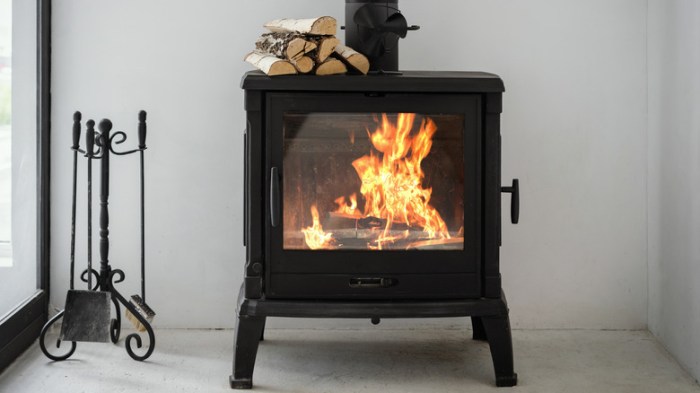
How often should you have your chimney cleaned? This crucial question impacts your home’s safety and longevity. From understanding the different chimney types to recognizing the dangers of creosote buildup, this guide provides a comprehensive look at maintaining a clean and safe chimney. Knowing the ideal cleaning frequency, whether you have a masonry or metal chimney, is vital for preventing costly repairs and potential hazards.
Factors like the type of fuel you use, how frequently you use your fireplace, and the overall condition of your chimney all play a role in determining the appropriate cleaning schedule. Proper maintenance can prevent dangerous chimney fires, which can cause significant damage and even endanger lives.
Frequency of Chimney Cleaning
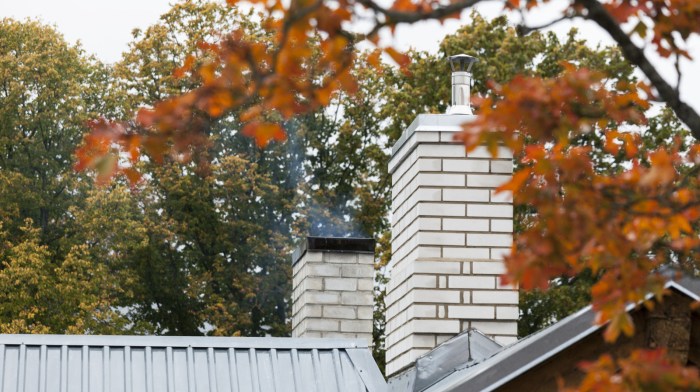
Maintaining a clean chimney is crucial for both safety and efficiency. A properly maintained chimney minimizes the risk of chimney fires and ensures optimal performance of your heating system. Understanding the factors that influence cleaning frequency is vital for homeowners and property managers alike.
Factors Influencing Chimney Cleaning Frequency
Several factors contribute to the frequency with which a chimney should be cleaned. These include the type of chimney, its usage, and the overall condition of its components.
- Chimney Type: Different chimney constructions require varying cleaning schedules. Masonry chimneys, often built with brick or stone, tend to accumulate creosote and soot more readily than metal chimneys. Metal chimneys, particularly those with stainless steel liners, are generally less prone to creosote buildup, leading to less frequent cleaning needs.
- Chimney Usage: The frequency of use significantly impacts the need for cleaning. Homes used frequently for heating throughout the year will require more frequent cleaning than those used only seasonally. High-volume wood-burning appliances in commercial settings will necessitate even more rigorous cleaning schedules.
- Chimney Condition: The condition of the chimney components, such as the liner, mortar, and flashing, is another crucial factor. Damage or deterioration of these components can affect creosote buildup and increase the risk of fire. Older chimneys with compromised mortar or damaged liners require more frequent cleaning than newer, well-maintained systems.
- Creosote Buildup: The accumulation of creosote, a flammable substance formed during combustion, is a key indicator of cleaning needs. Heavy creosote buildup increases the risk of chimney fires. Regular inspections can identify the amount of creosote present and guide cleaning schedules.
Typical Lifespan of Chimney Components
The lifespan of chimney components, including liners and mortar, plays a critical role in determining cleaning frequency. Factors like material quality, environmental conditions, and usage patterns influence these lifespans.
- Liners: Stainless steel liners, for example, have a much longer lifespan than clay liners. Proper installation and maintenance can significantly extend the lifespan of liners.
- Mortar: Chimney mortar can degrade over time due to weathering, freeze-thaw cycles, and other environmental stresses. This deterioration can impact the structural integrity of the chimney and contribute to creosote accumulation. Regular inspection and repair of mortar can prolong its lifespan and minimize the need for frequent cleaning.
Residential vs. Commercial Chimney Cleaning
Residential and commercial chimneys have distinct needs regarding cleaning frequency. The volume of use and the potential for larger amounts of creosote buildup influence these differences.
- Residential: Residential chimneys, typically used for seasonal heating, may require cleaning once or twice a year, depending on factors like the type of fuel used and frequency of use.
- Commercial: Commercial chimneys, often used for significant heating demands, require more frequent cleaning, potentially monthly or even more frequently depending on usage intensity.
Importance of Regular Chimney Inspections
Regular chimney inspections are essential for determining the appropriate cleaning frequency. These inspections can identify potential problems, such as creosote buildup, damage to components, and structural issues.
- Inspections and Cleaning: An inspection identifies the level of creosote buildup and the overall condition of the chimney. This information guides the cleaning schedule and prioritizes maintenance needs.
Relationship Between Chimney Use and Cleaning
The frequency of chimney use directly impacts the need for cleaning. A frequently used chimney, particularly for wood-burning, will accumulate creosote more quickly than one used less often.
Cleaning Frequency Table
| Chimney Type | Usage Frequency | Recommended Cleaning Frequency |
|---|---|---|
| Masonry | Seasonal | Annually |
| Masonry | Frequent (daily) | Quarterly |
| Metal (Stainless Steel Liner) | Seasonal | Every 2-3 Years |
| Metal (Stainless Steel Liner) | Frequent (daily) | Annually |
Impact of Creosote Buildup
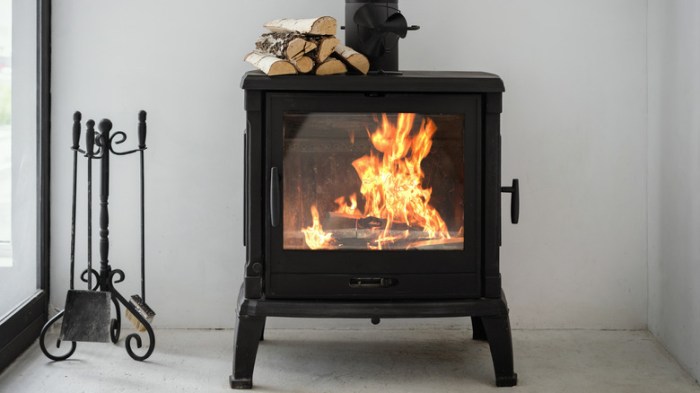
A chimney is more than just a passage for smoke; it’s a crucial component of your home’s safety system. Understanding the impact of creosote buildup is paramount to preventing potentially devastating chimney fires. Creosote, a byproduct of incomplete combustion, can accumulate over time, creating a highly flammable substance within the chimney. This buildup, if left unchecked, can significantly increase the risk of fire.Creosote forms when certain components of wood, such as lignin and cellulose, don’t fully burn during the combustion process.
These unburned particles are carried up the chimney with the smoke. Over time, these particles cool and condense, sticking to the chimney walls. This gradual accumulation, if not properly addressed, can become a serious fire hazard.
Creosote Formation and Dangers
Creosote, a dark, tar-like substance, is a significant fire risk. It’s formed from the incomplete combustion of organic materials in wood and other fuels. The chemical composition of creosote makes it extremely flammable, and its accumulation in chimneys can cause dangerous chimney fires.
Consequences of Inadequate Chimney Cleaning
Neglecting regular chimney cleaning allows creosote to build up to dangerous levels. This buildup can significantly increase the risk of chimney fires, leading to extensive property damage and even injuries. The longer the buildup goes unaddressed, the greater the potential for a catastrophic fire event.
Regular chimney cleaning is crucial for safety and preventing chimney fires. While you’re focusing on home maintenance, consider how to clean red tile grout, a task that requires a bit of elbow grease and the right cleaning products. Proper grout cleaning techniques, like those outlined in this guide how to clean red tile grout , can extend the life of your tiles.
So, how often should you have your chimney inspected and cleaned? Ideally, every year, especially after a period of heavy use.
Creosote Buildup and Chimney Fires
A critical relationship exists between creosote buildup and chimney fires. A high concentration of creosote creates an extremely flammable layer within the chimney. A spark, even a small one, can ignite this accumulated creosote, resulting in a rapid and intense chimney fire. Such fires can quickly spread to the surrounding structure, causing significant damage.
Visual Indicators of Excessive Creosote Buildup
Visual inspection is crucial in identifying potential fire hazards. A tell-tale sign of excessive creosote buildup is a dark, sticky residue coating the chimney walls. This residue can range from a dark brown to black color. The buildup might appear as a thick layer or a series of streaks along the inner surface. Pay close attention to the chimney lining; significant deposits there also indicate a problem.
In some cases, the buildup may be noticeable on the exterior of the chimney as well.
Severity of Creosote Buildup and Potential Fire Risks, How often should you have your chimney cleaned
| Severity Level | Visual Appearance | Potential Fire Risk |
|---|---|---|
| Low | Thin, light brown or black coating | Low; occasional cleaning sufficient |
| Moderate | Thick, dark brown or black coating; streaks | Moderate; cleaning recommended annually |
| High | Thick, almost solid layer of black creosote; significant buildup | High; immediate cleaning is necessary to prevent fire |
Potential Causes for Creosote Buildup
Several factors can contribute to creosote buildup. Understanding these factors can help prevent future problems.
- Fuel Type: Certain types of wood produce more creosote than others. Oaks, for example, tend to produce more creosote than softwoods. Using improper or unsuitable fuel types can also increase the likelihood of creosote buildup.
- Combustion Efficiency: If your fireplace or stove isn’t burning efficiently, it will lead to more unburned particles, increasing the amount of creosote produced. Inspect your appliance regularly to ensure it’s operating optimally. This includes making sure that the flue is open and free of obstructions.
- Burning Practices: How you burn your fuel significantly impacts creosote production. Burning too quickly or with insufficient air supply will lead to incomplete combustion and increased creosote. Maintaining proper burning practices, like allowing the fire to burn at a steady rate, can reduce creosote buildup. This is important to prevent sudden increases in creosote buildup.
Safety Considerations During Cleaning
Chimney cleaning, while crucial for home safety, presents inherent risks if not approached with caution. Understanding the potential hazards and implementing appropriate safety measures are paramount to ensuring a safe and successful cleaning process. Proper equipment and techniques, coupled with a thorough understanding of the procedures, are vital to mitigate risks and prevent accidents.Chimney cleaning is not a DIY project to be undertaken lightly.
The confined space, the presence of potentially dangerous materials like creosote, and the risk of falls or equipment malfunctions highlight the importance of professional expertise. Ignoring safety precautions can lead to serious injuries or even fatalities.
Safety Precautions
Understanding the potential hazards associated with chimney cleaning is the first step towards ensuring a safe process. This involves recognizing the risks of falling debris, handling hazardous materials, and the potential for fire. Implementing safety precautions like proper ventilation, protective gear, and adhering to established procedures reduces the likelihood of accidents. Safety should be the utmost priority during every step of the process.
Appropriate Cleaning Tools and Techniques
Using the right tools and following the correct techniques is crucial to minimizing risks. This includes selecting tools designed for chimney cleaning, avoiding tools that could damage the chimney structure, and following established procedures for creosote removal. The correct tools, along with careful technique, can prevent injuries and ensure the efficiency of the cleaning process.
Safety Hazards Associated with Chimney Cleaning
Several safety hazards are associated with chimney cleaning. Falls from ladders or scaffolds are a significant risk, as is the possibility of being struck by falling debris. Improper handling of tools or materials can also lead to injuries. Furthermore, the presence of creosote and potential chimney fires pose significant dangers. These hazards highlight the need for meticulous preparation, careful execution, and the use of appropriate safety equipment.
Steps to Take if a Chimney Fire Occurs During Cleaning
A chimney fire during cleaning is a serious emergency. Immediate action is critical. Evacuate the area immediately and contact emergency services. If possible, attempt to extinguish the fire with a fire extinguisher designed for chimney fires. Do not attempt to enter the chimney or re-enter the area until the fire has been extinguished and the area has been deemed safe by the fire department.
Safety Equipment and Procedures
| Safety Equipment | Procedures |
|---|---|
| Safety Glasses | Always wear safety glasses to protect eyes from debris. |
| Gloves | Use appropriate gloves to protect hands from chemicals and debris. |
| Hard Hat | Wear a hard hat to protect the head from falling debris. |
| Fall Protection | Use proper fall protection equipment if working at heights. |
| Fire Extinguisher | Have a fire extinguisher readily available and trained on how to use it. |
| Carbon Monoxide Detector | Check for carbon monoxide before and after cleaning. |
Thorough understanding of the appropriate safety equipment and procedures is paramount to mitigating risks. The table above illustrates the essential safety measures for a safe chimney cleaning process.
Importance of Professional Chimney Cleaning Services
Professional chimney cleaning services are equipped with the expertise, tools, and training to handle the risks associated with chimney cleaning safely and effectively. They understand the unique challenges of cleaning chimneys, and their experience helps prevent accidents and ensure a thorough and safe cleaning. Professionals are familiar with various chimney types and have the knowledge to handle them safely.
Potential Risks Associated with DIY Chimney Cleaning
DIY chimney cleaning poses significant risks. Improper techniques, inadequate equipment, and lack of experience can lead to accidents, injuries, and potentially devastating chimney fires. Ignoring safety precautions or using unsuitable tools can lead to chimney damage, injuries, or even fatalities. The potential risks associated with DIY chimney cleaning outweigh the potential savings.
Recommended Cleaning Intervals
Regular chimney cleaning is crucial for maintaining the safety and efficiency of your heating system. Proper cleaning prevents dangerous creosote buildup, which can lead to chimney fires. This section details recommended cleaning intervals, taking into account various factors.Understanding the frequency of cleaning is vital for preventing chimney fires and ensuring the longevity of your chimney. Different chimney types and usage patterns require varying cleaning schedules.
Chimney cleaning frequency really depends on usage. If you use your fireplace regularly, it’s crucial to have it cleaned at least once a year. This prevents creosote buildup, a common fire hazard. Just like you might use the shake method for laundry to refresh your clothes, a proper chimney cleaning removes the dust and soot that can build up, ensuring a safe and efficient fireplace.
However, if you only use it occasionally, maybe every few years is sufficient. The key is to prioritize safety and prevent potential issues.
A personalized approach, considering specific circumstances, is key to maintaining safety and efficiency.
Recommended Cleaning Frequencies
Different fuel types and usage levels influence the frequency of chimney cleaning. The following table provides a general guideline for recommended cleaning intervals.
| Fuel Type | Usage Frequency (per year) | Recommended Cleaning Interval (Years) |
|---|---|---|
| Wood (Stove) | Daily/Frequent | 1-2 |
| Wood (Fireplace) | Weekly/Monthly | 2-3 |
| Wood (Insert) | Occasional | 3-4 |
| Gas | Daily/Frequent | 3-5 |
| Gas | Occasional | 5-7 |
Impact of Usage on Cleaning Intervals
The frequency of use significantly affects the rate of creosote buildup. Daily use with wood-burning stoves necessitates more frequent cleaning than occasional use with gas fireplaces. A daily use wood stove will likely require cleaning every 12 to 24 months, whereas a gas fireplace that is used infrequently may only need cleaning every 3 to 5 years.
Chimney cleaning frequency really depends on how often you use your fireplace, but a good rule of thumb is to get it done annually. This is crucial for safety, preventing creosote buildup, and ensuring your home’s air quality isn’t compromised. However, if you’re struggling to determine if your houseplant is truly dead, you might want to check out this helpful guide on how to tell if your plant is actually dead.
Ultimately, a well-maintained chimney, just like a healthy houseplant, is key to a comfortable and safe home.
Comparison of Cleaning Schedules
Wood-burning stoves, due to their higher heating capacity and frequent use, require more attention to cleaning schedules. Gas fireplaces, used less frequently, require less frequent cleaning. The usage pattern and type of fuel are critical in determining the best cleaning schedule.
Importance of Adhering to Recommended Schedules
Adhering to the recommended cleaning intervals is essential for safety and efficiency. Ignoring these schedules can lead to hazardous creosote buildup, increasing the risk of chimney fires. These fires can damage the chimney, home, and cause serious injuries.
Consequences of Exceeding Recommended Intervals
Exceeding recommended cleaning intervals significantly increases the risk of creosote buildup. This buildup can lead to chimney fires, posing a serious threat to life and property. Damage to the chimney and the potential for catastrophic fires are significant risks.
Calculating Your Cleaning Schedule
To determine the appropriate cleaning schedule for your specific situation, consider the following factors:
- Fuel Type: Wood stoves and fireplaces require more frequent cleaning than gas fireplaces.
- Usage Frequency: Daily or weekly use necessitates more frequent cleaning than occasional use.
- Chimney Inspection: A professional inspection can assess the current condition and recommend a cleaning schedule.
“A professional chimney sweep can provide a tailored cleaning schedule based on your specific situation and needs.”
Professional vs. DIY Cleaning: How Often Should You Have Your Chimney Cleaned
Choosing between a professional chimney sweep and tackling the job yourself involves careful consideration of the potential risks and rewards. While the allure of a DIY approach might seem appealing, the inherent dangers and potential consequences of improper cleaning should be a significant factor in the decision-making process. Ultimately, prioritizing safety and the longevity of your chimney is key.
Pros and Cons of Hiring a Professional
Professional chimney sweeps bring a wealth of experience and specialized tools to the table. They are equipped to handle complex situations and potential hazards that a homeowner might not be aware of. They also possess the knowledge to identify and address underlying issues within the chimney system, such as structural problems or obstructions. Conversely, hiring a professional comes with associated costs.
- Pros: Expertise in identifying and resolving complex issues, specialized tools for efficient cleaning, reduced risk of injury or damage to the chimney structure, adherence to safety regulations, potential long-term cost savings by preventing costly repairs.
- Cons: Cost of hiring a professional, potential scheduling conflicts, the need to coordinate the appointment with the service provider.
Cost and Benefit Comparison
Comparing the costs and benefits of professional and DIY chimney cleaning reveals a nuanced picture. While DIY cleaning might seem economical in the short term, the potential for damage to the chimney and increased risk of injury can lead to substantial costs in the long run. Professional cleaning, while requiring an upfront investment, provides peace of mind, ensuring the chimney is thoroughly and safely cleaned.
| Feature | DIY Cleaning | Professional Cleaning |
|---|---|---|
| Cost | Potentially lower initial cost; higher potential for future repairs and costs | Higher initial cost; lower potential for future repairs and costs |
| Safety | Higher risk of injury and chimney damage; potential for fire hazards | Lower risk of injury and chimney damage; adherence to safety protocols |
| Expertise | Limited to homeowner’s knowledge and skills | Extensive expertise and training in chimney cleaning |
| Time Commitment | Significant time investment, potentially spread over several days | Generally a shorter time commitment, typically one visit |
Qualifications and Certifications of Professional Chimney Sweeps
Professional chimney sweeps often hold certifications and licenses from relevant organizations. These certifications demonstrate their knowledge and expertise in chimney safety, cleaning procedures, and identifying potential problems. Verifying the certifications of a potential chimney sweep is crucial for ensuring a qualified and reliable professional.
“Certified chimney sweeps have demonstrated a high level of competency in chimney cleaning and safety procedures.”
Legal Ramifications of Improper Chimney Cleaning
Improper chimney cleaning can lead to legal ramifications. Homeowners may face liability if a fire or other incident occurs due to inadequate cleaning. This underscores the importance of hiring a qualified professional or adhering to proper DIY procedures to mitigate any potential legal issues.
Potential Risks of DIY Chimney Cleaning
DIY chimney cleaning carries significant risks, ranging from minor injuries to catastrophic damage to the chimney structure. Using improper tools or techniques can lead to chimney damage, fire hazards, or even serious injuries. The potential consequences of a poorly performed DIY cleaning far outweigh the perceived savings.
Checklist for Evaluating DIY Chimney Cleaning
This checklist can help you evaluate whether DIY chimney cleaning is appropriate for your situation.
- Experience: Do you have prior experience with chimney cleaning?
- Equipment: Do you have the necessary tools and safety equipment?
- Safety: Are you comfortable working at heights and handling potentially hazardous materials?
- Knowledge: Are you familiar with the specific cleaning techniques required for your chimney type?
- Certification: Do you have any relevant certifications or licenses?
Final Thoughts
In conclusion, maintaining a clean chimney is essential for both safety and longevity. Regular inspections and professional cleaning, when needed, are key to avoiding costly repairs and potentially catastrophic chimney fires. Understanding the factors that influence cleaning frequency, along with the pros and cons of DIY versus professional cleaning, empowers you to make informed decisions for your home’s well-being.
This guide has provided a comprehensive overview, but always prioritize safety and consult a professional if needed.