




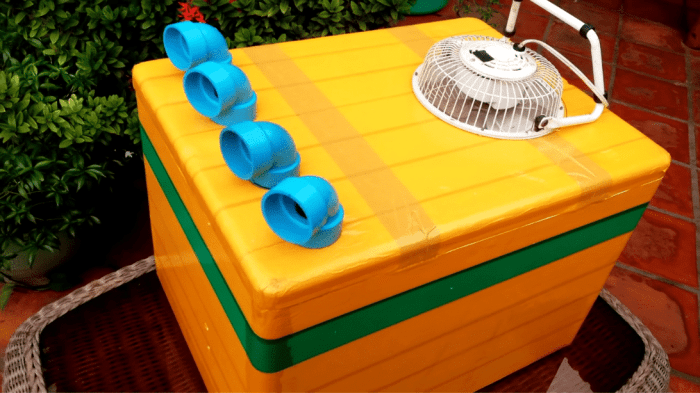
How to set up a DIY air conditioner sets the stage for this enthralling narrative, offering readers a glimpse into a world of home improvement and innovative cooling solutions. From understanding the different types of DIY systems, like evaporative coolers and swamp coolers, to the essential materials and tools required, this guide provides a comprehensive overview. Learn the principles of air conditioning, the advantages and disadvantages of DIY systems compared to traditional units, and discover how to design, build, install, and maintain your own personal cooling oasis.
This comprehensive guide walks you through the entire process, from initial design considerations to final testing and troubleshooting. We’ll cover crucial aspects like safety precautions, different system designs, and alternative cooling methods. Get ready to transform your home’s comfort level with this step-by-step guide to building your own DIY air conditioner.
Introduction to DIY Air Conditioning
DIY air conditioning systems offer a potentially cost-effective alternative to traditional central AC units. They often require less upfront investment and can be tailored to specific needs and spaces. However, they typically involve more hands-on work and may not provide the same level of consistent cooling performance as professionally installed systems. Understanding the various types and their limitations is crucial before embarking on a DIY project.Different DIY air conditioning systems cater to varying needs and budgets.
Evaporative coolers, also known as swamp coolers, rely on evaporation to cool the air, while DIY window units often employ a refrigeration cycle, albeit on a smaller scale. The choice of system depends heavily on factors such as climate, desired cooling capacity, and available resources. Each approach has its own set of advantages and disadvantages that need careful consideration.
Types of DIY Air Conditioning Systems
Various DIY air conditioning systems exist, each with its unique characteristics. Understanding the different types allows you to make an informed decision based on your specific requirements.
- Evaporative Coolers (Swamp Coolers): These systems use the evaporation of water to cool the air. They are highly effective in dry climates where the air’s humidity is low. The water is typically sprayed into a chamber, and the resulting evaporation lowers the air temperature. This method works best when the outside air is relatively dry and the humidity is low.
- DIY Window Units: These systems, often smaller versions of commercial units, use a refrigeration cycle to cool the air. They are installed in windows and are more powerful than evaporative coolers, but they require electricity and may need more space and technical skill to install correctly.
Basic Principles of Air Conditioning
Air conditioning works by removing heat and moisture from the air. This process often involves a refrigerant that absorbs heat and then releases it outside the structure. The cycle of absorption and release creates a cooling effect within the space. The fundamental principle of cooling is the absorption and release of heat, facilitated by the phase change of a refrigerant or the evaporation of water.
The cooling effect is a result of the latent heat of vaporization. When water evaporates, it absorbs heat from the surrounding environment. This process lowers the temperature of the air.
Comparative Analysis of DIY Air Conditioning Systems
The following table provides a comparative overview of different DIY air conditioning systems, highlighting their advantages, disadvantages, and estimated costs. The estimated costs are approximations and may vary depending on specific materials, labor costs, and location.
| System Type | Pros | Cons | Estimated Cost |
|---|---|---|---|
| Evaporative Cooler | Relatively inexpensive, energy-efficient, and environmentally friendly. Works well in dry climates. | Less effective in humid climates, requires consistent water supply, and may not provide sufficient cooling in extreme heat. | $100-$500 |
| DIY Window Unit | Provides more powerful cooling than evaporative coolers, suitable for a wider range of climates. | Higher initial cost, requires electricity, and can be more complex to install. | $200-$800 |
Materials and Tools Required: How To Set Up A Diy Air Conditioner
Building your own DIY air conditioning system requires careful planning and gathering the right materials and tools. This crucial step ensures a smooth installation process and prevents potential problems down the line. A well-prepared toolkit and a precise understanding of the materials needed will contribute significantly to the success of your project. Thorough preparation also helps minimize safety risks.
Essential Materials
The selection of materials for a DIY air conditioning system depends on the specific design and the desired cooling capacity. Key materials include components for the refrigeration cycle, the cooling coil, and the ventilation system. These components work together to effectively transfer heat from the indoor space to the outdoor environment. Different materials have varying thermal properties and suitability for different tasks.
- Refrigerant: Properly chosen refrigerant is essential for efficient cooling. Using the correct type and amount is crucial for both safety and effectiveness. Always refer to manufacturer specifications and safety guidelines for the specific refrigerant being used. R-22, for example, has been phased out in many regions, highlighting the importance of compliance with environmental regulations.
- Copper tubing: This is vital for the refrigerant lines, ensuring proper flow and preventing leaks. The quality of the copper tubing impacts the system’s durability and efficiency.
- Compression unit: The heart of the cooling system, the compressor circulates the refrigerant, providing the necessary pressure for cooling.
- Expansion valve: This controls the flow of refrigerant to the cooling coil, maintaining the proper pressure and temperature for efficient cooling.
- Cooling coil: The cooling coil absorbs heat from the air, enabling the refrigerant to change phase and absorb the heat from the indoor space. The material of the cooling coil influences its effectiveness and longevity.
- Insulation: Proper insulation around the system components reduces heat transfer and energy loss, which enhances the efficiency of the system.
- Ducts and vents: These components direct the cooled air to the desired areas. Appropriate ductwork material and sizing are crucial for efficient air circulation.
Necessary Tools
A well-equipped toolkit is essential for the safe and effective installation of a DIY air conditioning system. The right tools ensure precision, minimize damage, and promote safety. The selection of tools should align with the specific components and complexity of the system.
- Soldering iron and solder: For joining copper tubing, ensuring a leak-proof connection is critical. The correct wattage soldering iron and appropriate solder are essential.
- Pliers: Used for bending and manipulating copper tubing, ensuring proper connections and fittings.
- Safety glasses and gloves: Essential for protecting your eyes and hands from potential hazards.
- Measuring tape and level: Accurate measurements and proper alignment are critical for a correctly functioning system.
- Drill and drill bits: For creating holes and securing components.
- Refrigerant recovery equipment: Essential for safely handling refrigerant, preventing environmental damage. Proper disposal of refrigerant is crucial.
- Electric meter and multimeter: Crucial for checking voltage and ensuring electrical safety.
Safety Precautions
Working with electricity and potentially hazardous materials requires utmost care. Adhering to safety guidelines prevents accidents and ensures a safe working environment. Ignoring safety precautions can lead to severe injuries and property damage.
- Electrical safety: Always disconnect power before working on any electrical components. Use appropriate grounding and safety measures to avoid electrical shock.
- Refrigerant handling: Refrigerant is a compressed gas under pressure. Follow safety guidelines for handling and disposing of refrigerant. Proper ventilation is crucial when working with refrigerants.
- Material handling: Use appropriate personal protective equipment (PPE) when handling materials, including gloves, eye protection, and respirators, as needed.
- Proper disposal: Ensure proper disposal of materials according to local regulations. Environmental regulations regarding refrigerant and other materials should be adhered to.
Material/Tool List
| Material/Tool | Description | Quantity |
|---|---|---|
| Refrigerant | R-134a or similar, appropriate for the system | As per system requirements |
| Copper tubing | Specific diameter and length | As per system requirements |
| Compression unit | Matching the system’s cooling capacity | 1 |
| Soldering iron | Appropriate wattage | 1 |
| Safety glasses | Eye protection | 1 pair |
| Gloves | Protective hand wear | 1 pair |
Designing Your DIY System
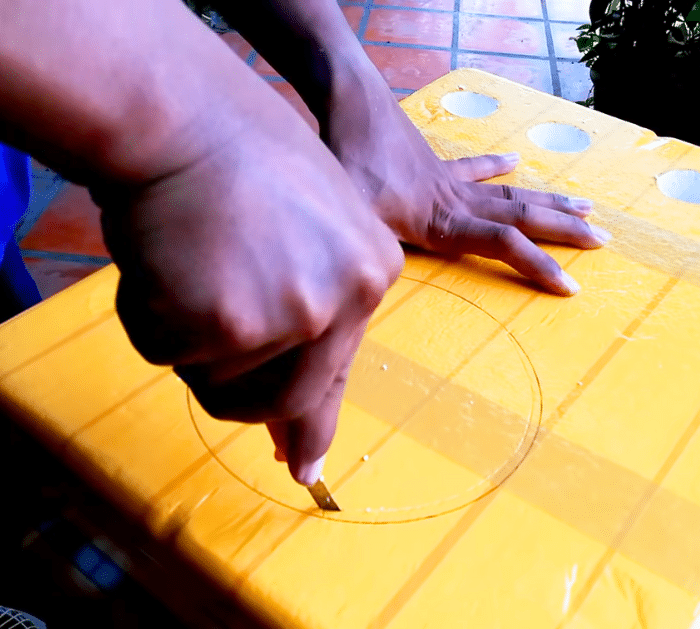
Crafting a DIY air conditioning system involves careful planning and consideration of several crucial factors. A poorly designed system might fail to effectively cool the space, consume excessive energy, or prove difficult to install. Understanding the nuances of room size, climate, and budget will be instrumental in creating a system that effectively addresses cooling needs while staying within your limits.Careful design, encompassing factors like fan selection, insulation strategies, and ventilation techniques, is paramount to an efficient and effective DIY system.
Understanding the principles of airflow will be crucial to achieving optimal cooling. This involves analyzing the interaction of air movement with the system’s components and the environment.
Room Size and Climate Considerations
Room size directly influences the cooling capacity required. A small room necessitates a less powerful system than a large one. Consider the volume of the space you intend to cool. Similarly, the climate plays a significant role. Hot, humid climates require more substantial cooling than dry, temperate regions.
Analyze average temperatures and humidity levels in your area to determine the necessary cooling capacity. Budgetary constraints should also be considered, as more powerful cooling systems often translate to higher costs.
System Design Approaches
Various approaches can be implemented for designing an effective DIY system. One strategy involves strategically placing fans to maximize airflow. Another method incorporates insulation to minimize heat gain from the surrounding environment. Ventilation techniques, like proper air intake and exhaust, are crucial for maintaining a consistent cooling cycle. A combination of these approaches often yields the most satisfactory results.
Importance of Airflow
Proper airflow is paramount in a DIY air conditioning system. Air movement circulates the cooled air throughout the space, ensuring consistent temperature reduction. Obstructions or inadequate airflow paths can hinder the effectiveness of the system. A well-designed system prioritizes smooth air movement to maximize cooling impact. Consider the use of strategically placed vents or fans to direct airflow effectively.
Comparison of System Designs
| System Design | Energy Efficiency | Installation Complexity | Cost |
|---|---|---|---|
| Passive Cooling (Insulation, Ventilation) | High | Low | Low |
| Basic Fan System (Portable Fans, Evaporative Cooler) | Medium | Medium | Medium |
| Evaporative Cooler System | High (depending on model and climate) | Medium | Medium |
| Refrigeration Cycle (DIY Chiller) | Low | High | High |
The table above provides a comparative overview of different DIY cooling system designs. Factors like energy efficiency, installation complexity, and cost are taken into account. The choice of system depends on the specific needs and resources available. Passive cooling, utilizing insulation and ventilation, typically boasts high energy efficiency and low cost, though it might not be ideal for extremely hot climates.
Figuring out how to build a DIY air conditioner involves a lot of clever engineering. Understanding the intricacies of cooling systems is key, but also knowing about the different types of plants like Virginia creeper, which is a fascinating subject, can actually be helpful. For example, the taxonomy of Virginia creeper reveals how its various forms and growth patterns might relate to air flow in your home, a fascinating consideration for your DIY project.
Ultimately, the best way to make a DIY air conditioner work is to focus on the engineering aspects and practical application.
For medium-sized spaces and moderate climates, a basic fan system or an evaporative cooler might prove a suitable solution. More complex systems, like a DIY refrigeration cycle, may yield the greatest cooling effect but come with higher installation complexity and cost.
Building the System
Now that you’ve chosen your components and designed your system, it’s time to assemble it. This crucial step requires meticulous attention to detail and adherence to safety protocols. Proper assembly is essential for ensuring the system functions effectively and safely, avoiding potential hazards or inefficiencies. Remember to consult your component manuals for specific instructions.
Constructing the Evaporator and Condenser Units
The evaporator and condenser units are the heart of your DIY air conditioning system. Their construction involves carefully securing the components and ensuring proper airflow. The evaporator, responsible for absorbing heat, should be positioned strategically for efficient heat transfer, while the condenser, responsible for releasing the heat, should be located to prevent overheating and facilitate proper air circulation.
- Evaporator Unit Assembly: Connect the refrigerant lines to the evaporator coil, ensuring proper sealing. Secure the coil to the mounting bracket. This step requires careful handling of the refrigerant lines to prevent leaks.
- Condenser Unit Assembly: Attach the condenser coil to its mounting bracket. Connect the refrigerant lines to the condenser coil. Ensure the condenser is positioned to allow for adequate airflow, crucial for efficient heat rejection. Use appropriate clamps and fittings for securing components.
- Refrigerant Charging (Important): This is a critical step that must be performed by a qualified technician. Improper charging can lead to system failure or safety hazards. Incorrect refrigerant quantities or pressures can cause compressor damage or leaks. The technician should use specialized tools to accurately measure and introduce the correct amount of refrigerant, preventing over- or under-charging.
Assembling the System
This section details the process of connecting the evaporator and condenser units to the compressor and expansion valve. Ensure all connections are tight and leak-free to prevent refrigerant loss.
- Connecting Components: Connect the evaporator unit to the compressor using the appropriate refrigerant lines and fittings. Connect the condenser unit to the compressor in a similar manner. Secure all connections with appropriate clamps and fittings. Carefully follow the diagram provided with your system’s components.
- Wiring the System: Connect the electrical wiring to the compressor, ensuring proper polarity. The electrical connections must comply with local electrical codes and safety regulations. Consult a qualified electrician if necessary. Using a multimeter to check for proper voltage and current is recommended.
- Plumbing Connections: Carefully connect the refrigerant lines to the expansion valve. Tighten all connections thoroughly. Properly sealing all plumbing connections is essential to prevent refrigerant leaks. Use a leak detector to confirm all connections are sealed.
Mounting the System
Mounting your DIY air conditioning system requires careful planning and adherence to safety regulations. The chosen mounting method should depend on the type of wall or structure. A poorly mounted system can lead to structural damage or system failure.
| Wall Type | Mounting Method |
|---|---|
| Drywall | Use appropriate wall anchors and screws. Ensure the anchors are suitable for the weight of the unit. |
| Concrete | Use concrete anchors or drilling methods that will secure the mounting brackets. Use a drill bit that is appropriate for the thickness of the concrete wall. |
| Brick | Use masonry anchors or drilling methods that will secure the mounting brackets. Use a drill bit that is appropriate for the thickness of the brick wall. |
- Mounting the Evaporator and Condenser Units: Secure the evaporator and condenser units to the mounting bracket using appropriate screws or fasteners. The brackets should be securely attached to the wall or structure.
- Mounting the Compressor: Mount the compressor on a stable surface, preferably one that can handle the weight of the unit. Securely fasten the compressor to the mounting structure.
- Ensuring Stability: Double-check all mounting points to ensure the system is stable and won’t shift or fall over. Ensure the mounting system is secure enough to withstand the system’s weight.
Installation and Testing
Installing your DIY air conditioning system requires careful attention to detail and adherence to safety protocols. Incorrect installation can lead to system malfunction, damage to property, or even personal injury. This section provides a step-by-step guide to ensure a safe and effective installation, followed by procedures for testing the system and identifying potential issues.
Installation Procedures
Thorough preparation and adherence to safety protocols are crucial for a successful DIY air conditioning installation. Carefully following each step minimizes the risk of errors and ensures the system functions as intended. This includes meticulous measurements and connections to ensure proper airflow and pressure.
- Secure the refrigerant lines: Properly secure all refrigerant lines to prevent leaks. Using clamps and securing them to a sturdy support structure is vital for safety and efficiency. Overlooking this step can lead to costly refrigerant loss and potential system failure.
- Install the evaporator coil: Ensure the evaporator coil is properly installed within the designated area. The coil should be positioned to maximize air circulation and heat exchange. Insufficient air circulation can reduce cooling effectiveness.
- Connect the condenser unit: Connecting the condenser unit to the evaporator coil requires careful attention to the refrigerant lines and electrical connections. Ensure all connections are tight and secure to prevent leaks and electrical hazards. Loose connections can lead to malfunctions or even damage.
- Install the ductwork: Properly installing the ductwork is essential for efficient airflow throughout the space. Ensure the ducts are sealed to minimize air leakage, which significantly affects the system’s cooling capacity.
- Electrical Connections: Verify that all electrical connections are made securely and in accordance with local electrical codes. Incorrect wiring can lead to fire hazards or system damage. Double-check all connections to ensure they are firmly in place.
Safety Precautions
Safety should be paramount throughout the entire installation process. Adhering to safety precautions minimizes the risk of accidents and ensures a safe working environment.
| Step Number | Description | Safety Precautions |
|---|---|---|
| 1 | Inspect all materials for damage before installation. | Check for any signs of damage, such as cracks, dents, or leaks, which could compromise the system’s integrity or lead to leaks. |
| 2 | Ensure all electrical connections are correctly wired. | Consult an electrician if necessary. Incorrect wiring can cause electrical hazards. |
| 3 | Follow manufacturer’s instructions for refrigerant handling. | Refrigerant is harmful and requires careful handling. Always wear appropriate safety equipment, including gloves and eye protection. |
| 4 | Do not exceed the maximum pressure or temperature ratings. | Check the system’s pressure and temperature limits and avoid exceeding them. This prevents system damage or malfunction. |
| 5 | Work in a well-ventilated area. | Ensure proper ventilation to prevent refrigerant exposure. |
Testing the System
Thorough testing ensures that the DIY air conditioning system functions correctly and efficiently. Identifying any issues early allows for timely repairs and avoids major problems.
- Initial Power-On Check: Turn on the system and monitor for any unusual sounds or smells. Any unusual sounds or smells could indicate a problem.
- Temperature Monitoring: Measure the temperature in different parts of the room. The temperature difference between the intake and output should be significant to ensure adequate cooling. An inconsistent temperature difference indicates a problem with airflow.
- Leak Detection: Inspect the refrigerant lines and connections for any leaks. Leaking refrigerant can lead to system failure and environmental damage. Use soapy water to check for leaks.
- Airflow Assessment: Ensure the system is providing adequate airflow throughout the space. Check for any blockages or restrictions in the ductwork. Uneven airflow indicates issues that need attention.
Troubleshooting and Maintenance
Maintaining your DIY air conditioning system is crucial for its longevity and effectiveness. Proper troubleshooting and regular maintenance can prevent costly repairs and ensure optimal cooling performance. This section details common problems, their solutions, and preventative measures to keep your system running smoothly.
Common Problems and Solutions
Troubleshooting a DIY air conditioning system often involves identifying the source of the issue. Careful observation and systematic checks are key to successful problem-solving. Below are some common problems and their solutions:
- Insufficient Cooling: Insufficient cooling can stem from various factors, including refrigerant leaks, inadequate airflow, or a malfunctioning compressor. Thoroughly checking the refrigerant levels, ensuring proper airflow through the system’s components, and inspecting the compressor for signs of damage are crucial steps in addressing this issue.
- Leaks: Refrigerant leaks are a frequent problem in DIY systems. A hissing sound or a noticeable drop in cooling capacity often indicates a leak. Using a leak detector (available at hardware stores) is essential for identifying the precise location of the leak. Small leaks can sometimes be fixed with sealant, while larger ones may necessitate a complete system recharge.
DIY air conditioning is surprisingly straightforward, but accurate measurements are key. Before you dive into the installation, you’ll need to figure out the precise dimensions of your room, similar to how you’d measure for carpet. Knowing the exact square footage is crucial for choosing the right size unit and ensuring proper airflow. Once you’ve got those measurements nailed down, you can confidently proceed with your DIY air conditioner setup.
how to measure for carpet will help with this crucial first step.
- Electrical Issues: Electrical problems can range from faulty wiring to tripped circuit breakers. A lack of power, strange noises from the system, or a burning smell indicate potential electrical issues. Checking the wiring connections, ensuring the system is properly grounded, and confirming the circuit breaker isn’t tripped are vital steps in diagnosing and resolving these problems. Using a multimeter to test the voltage and current of the system’s components can pinpoint the exact location of the problem.
- Poor Airflow: Obstructions in the ductwork or inadequate fan speed can result in poor airflow. Inspecting the ductwork for blockages, cleaning air filters, and ensuring the fan is functioning correctly are important steps to address this issue. A clogged filter restricts airflow and hinders cooling performance. Regularly cleaning the filter is essential for maintaining optimal airflow and efficiency.
Figuring out how to build a DIY air conditioner can be tricky, but the key is meticulous planning. It’s all about careful consideration of airflow and insulation. To ensure your plant thrives, consider this: a proper understanding of the Thai Constellation Monstera’s specific needs, like light and humidity, is crucial – check out the Thai Constellation Monstera care guide for a deeper dive.
Once you grasp those fundamentals, building your DIY AC will feel much more manageable.
Routine Maintenance Guide, How to set up a diy air conditioner
Regular maintenance is essential to prevent potential problems and extend the lifespan of your DIY air conditioning system. Following a routine maintenance schedule ensures your system operates at peak efficiency and minimizes costly repairs.
- Filter Cleaning: Regularly cleaning or replacing the air filter is crucial. A dirty filter restricts airflow, reduces efficiency, and can lead to premature wear and tear of other components. Cleaning the filter every few weeks or months, depending on usage, will prevent these issues.
- Refrigerant Check: Periodically checking the refrigerant levels is important. Low refrigerant levels can drastically reduce cooling capacity. Using a refrigerant gauge and following the manufacturer’s recommendations for checking and topping off refrigerant levels is essential.
- Electrical Inspection: Inspecting electrical connections and components for any signs of damage or wear is vital. Loose connections can lead to overheating and potential fire hazards. Regularly checking the wiring and connections, ensuring they are secure, can prevent future electrical problems.
- Ductwork Inspection: Inspecting the ductwork for any signs of damage, leaks, or blockages is important. Inspecting ductwork for leaks and ensuring proper insulation will improve efficiency and prevent energy loss.
Troubleshooting Table
The table below summarizes common issues and their solutions:
| Issue | Solution |
|---|---|
| Insufficient Cooling | Check refrigerant levels, airflow, and compressor. |
| Leaks | Use a leak detector to locate leaks, then repair or replace components. |
| Electrical Issues | Check wiring connections, circuit breakers, and components with a multimeter. |
| Poor Airflow | Clean or replace filters, inspect ductwork for blockages. |
Safety Precautions
Building a DIY air conditioning system can be rewarding, but safety should be paramount throughout the entire process. Ignoring safety precautions can lead to serious injuries or even fatalities. This section details crucial safety measures to protect you and your home while constructing your DIY AC.
Electrical Safety
Improper handling of electricity can lead to severe shocks or even fires. Always ensure that all electrical connections are secure and properly insulated. Never overload circuits, and always use the correct gauge wire for the amperage of the components. Grounding is critical to prevent electrical shocks; ensure all metal parts are properly grounded. Use a qualified electrician to check your system if you have any doubts.
Disconnect power to the entire system before any work is performed.
Water Safety
Water-related hazards are another concern. Carefully consider water leaks or potential water damage when designing and installing the system. Proper sealing and drainage are vital to prevent water damage to your home and ensure the safety of the system. Use appropriate water-resistant materials and connections. Have a plan in place to quickly shut off water sources if there’s a leak.
Potential Hazards and Safety Measures
Proper planning and precautions can minimize risks during the DIY air conditioning project. Consider the potential dangers and their mitigation strategies.
| Potential Hazard | Safety Measures |
|---|---|
| Electrical Shock | Use properly insulated tools and wire. Disconnect power before working on any electrical components. Ensure proper grounding. |
| Water Leaks | Use water-resistant materials. Implement a leak detection and prevention system. Have a plan to quickly shut off water supply. |
| Chemical Exposure | Use appropriate personal protective equipment (PPE) like gloves and eye protection when handling refrigerants or other chemicals. Follow manufacturer instructions carefully. |
| Falls | Use appropriate safety equipment like ladders or scaffolding. Ensure a secure work area and proper footing. Be aware of potential tripping hazards. |
| Mechanical Injuries | Use tools and equipment in the intended manner and with proper care. Wear appropriate safety glasses or goggles, and work gloves. Take breaks to avoid fatigue. |
Ventilation
Proper ventilation is crucial to avoid the buildup of harmful gases and ensure the system’s effectiveness. Insufficient ventilation can lead to health issues or even damage to your home. Adequate ventilation should be factored into the design of the system. Ensure proper airflow through the system. Exhaust fans can help reduce the buildup of refrigerant vapors and other gases.
Protective Gear
Using appropriate protective gear can prevent injuries. Safety glasses, gloves, and sturdy footwear are essential to protect your eyes, hands, and feet. Wear a mask or respirator if you are working with refrigerants or other chemicals. Proper attire, such as long sleeves and pants, will provide additional protection.
Alternative DIY Cooling Methods
DIY cooling doesn’t always require a complex air conditioning system. Several simpler, often more affordable, methods can effectively lower temperatures in your home or workspace. These approaches are particularly valuable when a full-blown AC system isn’t feasible or if you’re looking for supplementary cooling solutions.These alternative cooling methods offer different advantages and drawbacks compared to a DIY AC system.
Understanding their strengths and weaknesses is crucial for choosing the best solution for your specific needs and budget. They often rely on different physical principles, leading to variations in efficiency and cost-effectiveness.
Fan-Based Cooling
Fans are a fundamental tool for cooling. Their effectiveness stems from their ability to circulate air, carrying away heat and moisture from your body. Using multiple fans strategically positioned throughout a room can enhance this effect. This method is inexpensive and readily available.
- Positioning: Placing fans strategically, especially those with oscillating capabilities, ensures a more even distribution of cooled air. Consider placing fans near windows to draw in cooler air from outside.
- Types of Fans: Desk fans, box fans, and even ceiling fans can all be part of a fan-based cooling strategy. The choice depends on the size of the area to be cooled and your desired level of comfort.
- Cost-Effectiveness: Fans are among the most budget-friendly cooling solutions. The cost is minimal compared to other DIY cooling methods and AC systems.
Ice Packs and Cooling Packs
Ice packs and cooling packs can offer localized cooling, effectively reducing the temperature of specific areas. These are particularly helpful for cooling a small space or for targeted cooling of a body part, such as during a heat wave.
- Application: Strategically placing ice packs on surfaces, such as a tabletop or beside your bed, can absorb heat from the surrounding air. Using cooling packs strategically in clothing or on the skin can be an effective localized cooling method.
- Effectiveness: Ice packs are most effective in smaller spaces or for localized cooling needs. They are not a replacement for comprehensive cooling systems for larger areas.
- Duration: The cooling effect of ice packs is temporary, lasting only as long as the ice remains cold. Frequent replenishment is necessary for sustained cooling.
Evaporative Cooling
Evaporative cooling utilizes the principle of evaporation to lower temperatures. Water is placed in a container, and the evaporation process absorbs heat from the surrounding air, creating a cooling effect.
- Setup: A simple evaporative cooler can be made by placing water in shallow trays or containers. Consider adding fans to enhance the circulation of the evaporated water vapor.
- Effectiveness: Evaporative cooling is particularly effective in humid climates, as the evaporation process is enhanced by the presence of moisture in the air. This method works best when the air is dry.
- Maintenance: Regular maintenance is crucial to prevent the buildup of dust and debris in the evaporative system, ensuring optimal cooling performance. Cleaning the system regularly is vital.
Closure
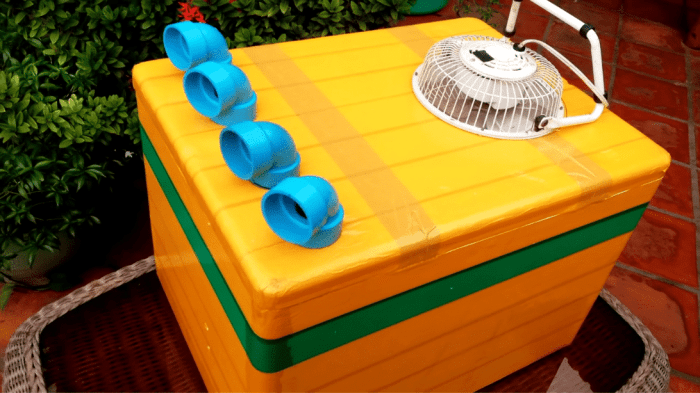
In conclusion, building a DIY air conditioner is a rewarding project, but it’s crucial to understand the potential benefits and drawbacks. This guide has provided a thorough overview of the entire process, from initial planning to final maintenance. Remember to prioritize safety throughout the project and consider the pros and cons of various DIY methods. With careful planning and execution, you can create a personalized cooling solution that meets your specific needs and budget.
Now, get out there and create your own refreshing haven!