



How to grow and care for dinner plate dahlias? This comprehensive guide delves into the fascinating world of these magnificent blooms, exploring their unique characteristics, cultivation needs, and maintenance techniques. From understanding the different varieties to mastering the art of propagation, we’ll equip you with the knowledge to nurture these impressive flowers from seed to stunning display.
Discover the ideal growing conditions for dinner plate dahlias, including sunlight, soil, and watering requirements. Learn the proper planting techniques, including spacing and depth, and discover effective strategies for staking and support to prevent breakage. Explore essential care practices, such as fertilization, pruning, and pest control, ensuring your dahlias thrive and bloom profusely.
Introduction to Dinner Plate Dahlias: How To Grow And Care For Dinner Plate Dahlia
Dinner plate dahlias are a captivating spectacle in any garden. Their large, showy blooms, often resembling dinner plates, are a feast for the eyes. These dahlias, with their incredible size and vibrant colors, are a favorite among gardeners seeking a dramatic and impressive floral display. Beyond their aesthetic appeal, these dahlias boast a rich history and a variety of forms that add to their allure.These magnificent blooms are not simply a modern trend; their popularity stems from a long tradition.
The dahlia, in general, is native to Mexico, and the dinner plate variety, with its expansive blossoms, evolved over time from the earlier forms. Their development is a testament to the dedication of plant breeders who have sought to create larger and more impressive blooms.
Types of Dinner Plate Dahlias
Dinner plate dahlias, while broadly classified as such, exhibit slight variations in form and size. These variations aren’t always formally categorized into distinct types, but rather represent the spectrum of sizes and shapes within the general dinner plate category. The differences are primarily reflected in the bloom form, from the more rounded and full to those with a slightly more open or ruffled appearance.
Each variation contributes to the aesthetic appeal of these flowers.
Size and Shape Differences
The sheer diversity in size and shape among dinner plate dahlias is remarkable. Some varieties boast blooms spanning up to 20 cm in diameter, while others maintain a more compact form. Bloom shapes can range from perfectly round to slightly irregular or even slightly ruffled, adding a unique visual touch to each flower. The choice of a specific variety depends heavily on the gardener’s desired aesthetic and the space available for the plant to grow.
Comparison Table of Dinner Plate Dahlia Varieties
| Variety | Height (cm) | Bloom Size (cm) | Color |
|---|---|---|---|
| ‘Giant Sumo’ | 90-120 | 15-20 | Deep crimson |
| ‘Dinner Plate Perfection’ | 80-100 | 18-25 | Soft pink |
| ‘Golden Delight’ | 75-90 | 16-22 | Golden yellow |
| ‘Royal Elegance’ | 95-115 | 17-23 | Dark purple |
| ‘Sunburst’ | 85-105 | 18-24 | Orange with yellow center |
This table provides a glimpse into the diversity of dinner plate dahlia varieties. Note that the specific dimensions may vary slightly based on growing conditions and care.
Growing Conditions
Dinner plate dahlias, with their stunning blooms, require specific growing conditions to thrive. Understanding these needs will significantly impact the health and beauty of your plants. Providing the ideal environment for root development, proper sunlight, and appropriate watering ensures a bountiful harvest of magnificent blooms.Optimal growing conditions ensure robust plants and abundant blooms. Factors like sunlight exposure, soil composition, drainage, and the timing of planting all contribute to a successful dahlia experience.
Knowing these specifics will allow you to nurture your dinner plate dahlias to their fullest potential.
Sunlight Requirements
Dinner plate dahlias are sun-loving plants. They need at least 6-8 hours of direct sunlight per day for optimal growth and bloom production. Partial shade is acceptable, but prolonged periods in the shade can result in fewer flowers and less vibrant colours. Consider the location of your garden and the specific sun exposure during different times of the day when selecting a planting spot.
This careful consideration will ensure that your dahlias receive the necessary sunlight to flourish.
Soil Composition and pH
Dahlias thrive in well-drained, fertile soil. A soil mix rich in organic matter, such as compost or well-rotted manure, provides the necessary nutrients and improves drainage. The ideal soil pH range for dahlias is 6.0 to 6.8. A soil test can help determine the pH of your garden soil, allowing you to adjust it if necessary. Amendments like peat moss or sulfur can help to adjust the soil pH to the optimal range.
This ensures the proper absorption of nutrients and healthy root development.
Drainage
Proper drainage is crucial for preventing root rot, a common issue with dahlias. Dahlias dislike soggy soil. If your soil tends to retain water, consider adding amendments like perlite or coarse sand to improve drainage. Raised beds are also a good option for enhancing drainage. The addition of these elements allows for adequate oxygen circulation around the roots, promoting healthy growth.
Planting Time
The ideal planting time for dinner plate dahlias in your region depends on your specific climate. In areas with mild winters, planting can occur in early spring, after the last frost has passed. In colder climates, wait until the soil has warmed sufficiently to ensure the roots can establish properly. Research the average last frost date for your area to determine the optimal planting time for your region.
This timing ensures that the plants have ample time to grow before the heat of summer.
Watering Needs
Watering is essential for dinner plate dahlias, especially during dry periods. Water deeply and thoroughly, ensuring the water reaches the roots. Avoid overhead watering, as this can lead to fungal diseases. Water in the morning to allow the foliage to dry before nightfall. Watering frequency depends on factors like the weather and soil type.
In hot and dry climates, more frequent watering might be necessary. Monitor the soil moisture regularly and water as needed. This careful approach ensures adequate hydration for your dahlias.
Planting and Care
Dinner plate dahlias, with their magnificent blooms, require careful attention to thrive. Proper planting, staking, fertilization, pruning, and pest control are crucial for achieving a stunning display of these large-flowered beauties. Following these guidelines will ensure your dahlias reach their full potential, rewarding you with vibrant blooms throughout the season.Planting dinner plate dahlias involves several key steps for optimal growth.
Understanding the right depth, spacing, and soil preparation will determine the success of your dahlia plants.
Planting Procedure
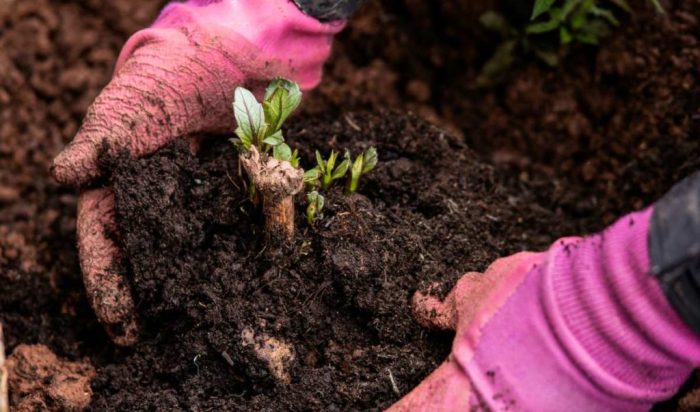
Proper planting ensures healthy root development and strong stems for the blooms to flourish. Dahlias need a well-drained soil, ideally with a pH between 6.0 and 7.0. Dig a hole slightly wider than the root ball and twice as deep. Place the dahlia tubers (or corms) with the growing eyes facing upwards. Fill the hole with soil, gently firming it around the roots.
Water thoroughly after planting. Maintain a spacing of at least 2-3 feet between plants to allow for adequate air circulation and prevent overcrowding.
Staking and Support
The large blooms of dinner plate dahlias are susceptible to breakage due to their weight. Providing adequate support is essential for preventing damage and maintaining the aesthetic appeal of the flowers. Using stakes or cages to support the stems, especially as the plants mature, is crucial. Choose stakes that are sturdy enough to withstand the weight of the blooms.
Tie the stems gently to the stakes as needed, ensuring the blooms are supported without being damaged.
Fertilizing
Regular fertilization is essential for promoting robust growth and abundant blooms. Use a balanced fertilizer formulated for flowering plants, applying it every 2-3 weeks during the growing season. Follow the manufacturer’s instructions carefully to avoid over-fertilizing, which can harm the plants. Liquid fertilizers can be diluted and applied directly to the soil around the base of the plants, ensuring even distribution of nutrients.
Pruning
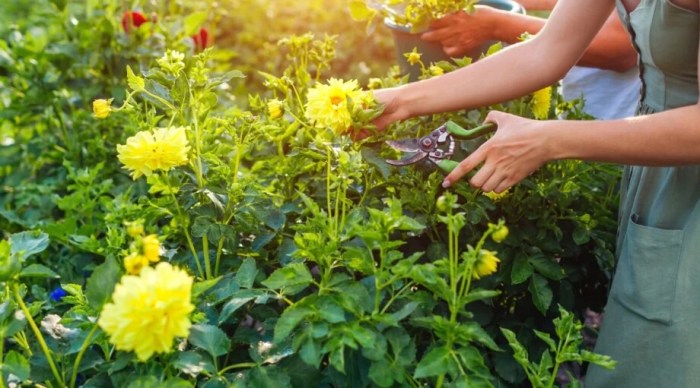
Pruning encourages bushier growth and promotes more flower production. Regularly remove dead or diseased leaves and stems to maintain the plant’s health and appearance. Cutting back spent flowers will encourage the development of new blooms. Focus on removing any stems that are crossing or rubbing against each other.
Pest and Disease Control
Preventing and addressing pest and disease issues is vital for healthy dahlia plants. Early detection and prompt action are key to minimizing damage and maintaining the overall health of your plants. Consistent monitoring of your plants will allow you to catch problems early.
Dinner plate dahlias are stunning, but they need a bit of TLC to thrive. Plenty of sun and well-drained soil are key. And if you’re looking to keep your greenhouse or even your garden area warm during the cooler months, consider investing in the best electric heaters for your home, like the ones featured on this site: best electric heaters for your home.
This will help create an ideal microclimate for your dahlias to flourish. Proper watering and regular deadheading will ensure your dinner plate dahlias reach their full, beautiful potential.
| Pest | Description | Control Method |
|---|---|---|
| Aphids | Small, sap-sucking insects that appear as clusters on leaves and stems. They can distort growth and cause yellowing. | Spray with insecticidal soap or neem oil. Introduce beneficial insects like ladybugs to the garden. |
| Slugs | Sluggish, nocturnal mollusks that feed on leaves and flowers, leaving distinctive slime trails. | Use slug traps (beer traps or commercial slug baits) or handpick slugs from the plants at night. |
Blooming and Maintenance
Dinner plate dahlias, with their magnificent blooms, are a true reward for the effort put into their care. Understanding their blooming cycle and maintenance techniques is key to enjoying their beauty throughout the growing season. Proper care during the blooming phase and through the fall ensures a spectacular show and healthy plants for the following year.Continuous blooms and vibrant colors are attainable with the right strategies.
Techniques for encouraging continuous blooms, harvesting, and preserving the flowers, and maintaining healthy plants for future seasons are vital for success. Knowing how to deadhead spent blooms and protect them through the winter months maximizes your enjoyment and the longevity of these stunning plants.
Typical Blooming Period
Dinner plate dahlias typically bloom from mid-summer to the first frost. This period can vary based on your specific climate and the chosen variety. Some early varieties might start blooming as early as June, while others might continue into early fall. The duration of the blooming period often depends on consistent watering, proper fertilization, and the overall health of the plant.
Dinner plate dahlias are stunning, but they need some TLC to thrive. Regular watering is key, especially during dry spells. Using rice water for plants as a supplement to your regular watering schedule can really boost their health. This helps keep them happy and produces those magnificent blooms we all love. Just remember to dilute it before applying it to your dahlias.
Encouraging Continuous Blooming
Consistent watering, appropriate fertilization, and timely deadheading are crucial to promoting a prolonged blooming period. A regular watering schedule, especially during dry spells, ensures the plant has the necessary moisture to produce more flowers. Proper fertilization, using a balanced fertilizer formulated for flowering plants, provides the nutrients needed for robust blooms. Regularly removing spent blooms, a process known as deadheading, encourages the plant to redirect its energy to producing new flowers.
Harvesting and Preserving Blooms
Harvesting dinner plate dahlias at their peak allows you to enjoy their beauty both fresh and preserved. Pick flowers in the morning when they are fully open and dew has dried. Cut the stems at a slight angle to promote water absorption. To preserve the blooms, place them in a vase with cool water, adding flower food or a few drops of bleach to prevent bacteria growth.
You can also dry or press the blooms for long-term enjoyment.
Deadheading Spent Blooms
Deadheading, the removal of spent blooms, is an essential maintenance practice for dinner plate dahlias. This process encourages the plant to focus on producing new flowers. Simply snip off the spent flower heads just below the first set of leaves. This helps prevent the plant from expending energy on seed production, keeping the energy focused on new blooms.
Protecting Dinner Plate Dahlias During Winter
Protecting dinner plate dahlias from harsh winter conditions is vital for their survival. Once the first frost occurs, the foliage will begin to die back. Dig up the tubers, brush off the soil, and store them in a cool, dry place, like a cellar or a garage, for the winter. Ensure the tubers are not in direct sunlight and not overly moist.
Propagation
Dinner plate dahlias, with their magnificent blooms, are often desired for years to come. Successfully propagating them allows you to expand your dahlia collection and share these beauties with friends and family. This section will delve into the different methods for propagating dinner plate dahlias, from simple division to the more involved process of cuttings. Understanding the optimal times for propagation is also crucial for achieving the best results.
Dinner plate dahlias are stunning, but they need a little TLC to thrive. Regular watering and well-drained soil are key, and for a truly healthy bloom, consider using a gentle, natural cleaner like mrs meyers probiotic cleaner for everyday use to keep your pots and tools clean. This helps prevent diseases and keeps the soil healthy, ultimately leading to beautiful blooms.
Just remember consistent care for optimal growth!
Division, How to grow and care for dinner plate dahlia
Division is a straightforward method for propagating dinner plate dahlias. It involves separating the existing plant into smaller sections, each containing roots and shoots. This method is particularly effective for established plants that have produced multiple crowns or rhizomes.
- Carefully dig up the entire dahlia plant, being mindful not to damage the roots.
- Gently shake off excess soil to expose the root system.
- Using a sharp, clean spade or knife, divide the plant into sections, ensuring each division has a healthy amount of roots and shoots.
- Replant the divisions immediately into individual pots or prepared garden beds.
- Water thoroughly and maintain consistent moisture until the divisions establish themselves.
Cuttings
Taking cuttings from dinner plate dahlias is a viable method, albeit more involved than division. It allows for propagation from specific, desirable plant characteristics.
- Select a healthy stem from the plant, ideally one that is between 4-6 inches long.
- Remove the lower leaves from the stem, leaving only a few leaves at the top.
- Dip the cut end of the stem into rooting hormone to stimulate root development.
- Plant the cutting in a pot filled with a well-draining potting mix.
- Keep the cutting moist and in a warm, shaded location.
- Maintain a consistent moisture level for successful root development. Regular misting can be helpful.
- Gradually acclimate the cutting to full sun once roots appear.
Best Time for Propagation
The ideal time for propagating dinner plate dahlias is during the spring. This coincides with the period when new growth emerges and the plant is actively producing new stems and roots. This timing allows the plant ample time to establish before the onset of harsh weather.
Troubleshooting
Dinner plate dahlias, with their magnificent blooms, can sometimes face challenges during their growth cycle. Understanding the common problems and their solutions is crucial for maintaining healthy plants and ensuring a bountiful display of flowers. Knowing how to address these issues promptly can save your dahlias from significant setbacks and help them reach their full potential.Troubleshooting is an essential part of successful gardening.
By identifying the causes of problems and implementing appropriate remedies, you can prevent further damage and maintain the health of your dinner plate dahlias. Early detection and swift action often lead to better outcomes.
Common Problems and Solutions
Knowing the possible issues that your dinner plate dahlias may encounter and how to remedy them can save your plants a lot of stress. The table below summarizes some common problems, their probable causes, and suggested remedies.
| Problem | Cause | Remedy |
|---|---|---|
| Wilting | Insufficient water, especially during hot weather, or poor drainage leading to root rot. Also, overwatering can lead to root problems. | Ensure consistent watering, especially during dry spells. Improve drainage by amending the soil with organic matter like compost or perlite. Avoid overwatering, which can lead to root rot. Check the soil moisture regularly. Water deeply but less frequently. |
| Yellowing leaves | Nutrient deficiencies (especially nitrogen), disease, or pests. Overwatering or underwatering can also cause yellowing leaves. Sunlight deprivation is also a possible cause. | Test the soil for nutrient levels and amend as needed. Identify and treat any diseases or pests. Adjust watering schedule to ensure consistent moisture without overwatering. Ensure adequate sunlight for the dahlias. If nutrient deficiencies are suspected, use a balanced fertilizer. |
| Spotted or brown leaves | Fungal diseases like powdery mildew or leaf spot. Pests like aphids or spider mites can also cause damage. | Identify the specific disease or pest. Treat with appropriate fungicides or insecticides. Proper air circulation around the plants can help prevent fungal diseases. Maintain good hygiene by removing infected leaves and debris. |
| Small or fewer flowers | Nutrient deficiencies, insufficient sunlight, or overcrowding. Poor soil quality can also play a role. | Provide the plants with balanced fertilizer. Ensure adequate sunlight, ideally 6-8 hours per day. Thin out crowded plants to improve air circulation and access to nutrients. Improve soil quality with compost or other organic matter. |
| Poor growth | Insufficient sunlight, poor soil quality, or planting in an inappropriate location. | Move the plants to a location with adequate sunlight. Improve soil quality with compost or other organic matter. Ensure the plant is not in a location that is prone to frost or extreme heat. Consider repotting the dahlia to a larger pot or into the garden. |
Preventing Problems
By taking preventative measures, you can minimize the risk of encountering these issues. Regular monitoring of your dinner plate dahlias is key. This includes observing the plants for any signs of stress or disease, such as wilting leaves or unusual discoloration. Proper watering techniques, such as deep watering less frequently, can help prevent issues like root rot and wilting.
Also, appropriate fertilization can prevent nutrient deficiencies and promote healthy growth.Consistent soil moisture and well-draining soil are crucial. Providing enough sunlight, protecting plants from harsh weather, and monitoring for pests are equally important. These proactive steps can help prevent future problems and ensure the continued health and beauty of your dinner plate dahlias.
Visual Representation
Dinner plate dahlias are a feast for the eyes, boasting a stunning display of size, shape, and color. Their large, almost saucer-like blooms make them a standout in any garden. These magnificent flowers are a testament to the beauty and diversity of the dahlia family.These magnificent blooms aren’t just aesthetically pleasing; they also provide a valuable visual guide for understanding the health and development of the plants.
Observing the stages of growth, from seedling to full bloom, offers a deeper appreciation for the process and allows gardeners to address any potential issues early on.
Dinner Plate Dahlia in Bloom
A dinner plate dahlia in full bloom is a sight to behold. Imagine a large, flattened flower head, often 8-12 inches (20-30 cm) across, resembling a giant dinner plate. The petals, which can number in the dozens, are typically arranged in a flat, open display, creating a wide, almost saucer-like shape. The central disc of the flower, often a different shade than the petals, adds to the overall visual appeal.
This structure supports a substantial flower head, perfectly embodying the “dinner plate” moniker.
Stages of Growth
Observing the stages of growth from seedling to mature plant with blooms allows gardeners to understand the plant’s needs and address any potential issues. Visual cues, like leaf development and stem strength, can signal potential problems.
- Seedling Stage: The first visible signs of growth are small, delicate leaves emerging from the soil. These initial leaves are usually a deep green color and display a rounded, slightly lobed shape. The stem at this stage is soft and thin. Early growth conditions, including adequate sunlight and watering, play a crucial role in establishing a healthy foundation for the plant’s future development.
- Vegetative Growth: The plant rapidly develops a sturdy stem and a profusion of leaves. These leaves grow larger, often reaching 4-6 inches (10-15 cm) in length. This stage is characterized by a significant increase in leaf mass and overall plant size. The leaves should be a vibrant green and free of any noticeable discoloration or deformities. Maintaining a healthy soil environment is vital for the plant to thrive at this stage.
- Flower Bud Development: As the plant matures, flower buds begin to appear. Initially, these buds are small and tight, showing signs of the eventual large blooms to come. Careful observation of the bud formation and its color allows gardeners to gauge the health of the plant and anticipate the bloom cycle.
- Full Bloom: The fully opened dinner plate dahlia is a breathtaking display. The flower head expands to its full potential, reaching its maximum diameter. Petal arrangement, color, and pattern are at their peak, creating a striking visual statement in the garden.
Colors and Patterns
Dinner plate dahlias exhibit a stunning array of colors and patterns. They come in a wide range of hues, from deep reds and vibrant oranges to soft pinks and delicate lavenders. Some varieties feature intricate patterns, like a multi-colored blend or subtle shading. The colors and patterns are a significant part of what makes each variety unique.
- Single-color varieties: Many dinner plate dahlias showcase a single, vibrant color, such as a deep crimson or a bright yellow. These solid-colored blooms offer a striking contrast against other flowers in the garden.
- Blended varieties: Other varieties feature a blend of colors, with subtle gradations or contrasting tones within the same bloom. These multicolored blooms add a touch of elegance and sophistication to the garden.
- Patterned varieties: Some varieties feature intricate patterns, like stripes, spots, or marbling, adding an extra layer of visual interest. These patterned blooms are often a source of admiration and delight.
Flower Structure and Petals
The flower structure of a dinner plate dahlia is unique and contributes significantly to its overall visual appeal. The petals are usually broad, creating a large, flat flower head.
- Petal Shape: The petals exhibit a range of shapes, from rounded to slightly pointed, adding to the overall visual complexity. The petal shape is a key feature that distinguishes different varieties.
- Petal Arrangement: Petals are typically arranged in a symmetrical pattern around the central disc, contributing to the dinner plate’s characteristic shape. The tight arrangement of petals creates a substantial, full flower head.
- Central Disc: The central disc of the flower, or the flower’s core, is usually a different shade than the petals, often a darker color. The contrasting color of the central disc enhances the overall visual impact of the bloom.
Conclusive Thoughts
In conclusion, growing dinner plate dahlias is a rewarding experience. By understanding their specific needs and implementing the proper care techniques, you can cultivate these impressive blooms to their full potential. From selecting the right variety to nurturing them through the seasons, this guide provides a complete resource for successful cultivation. Enjoy the beauty and wonder of these extraordinary flowers!