




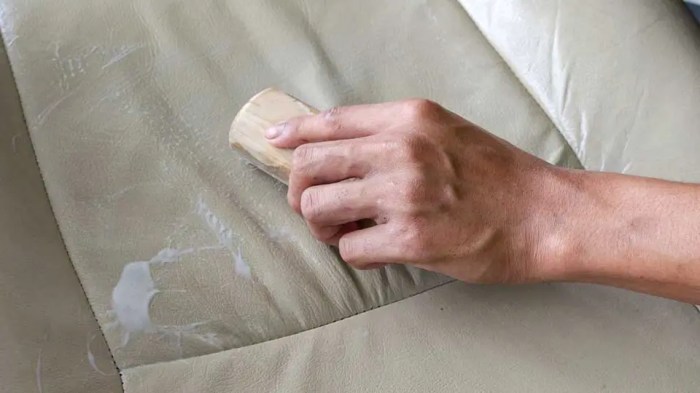
How to get every type of stain out of leather? This comprehensive guide will equip you with the knowledge and techniques to tackle any stain on your leather furniture or accessories. From everyday spills to more stubborn marks, we’ll cover various leather types, stain identification, and safe removal methods. Get ready to banish those unsightly blemishes and keep your leather looking its best!
We’ll delve into different leather types, their varying stain resistances, and the importance of identifying the stain’s source before attempting removal. Understanding the stain’s origin is crucial for selecting the right cleaning method. This guide will also cover preventative measures, troubleshooting common mistakes, and specific stain removal procedures for various types of leather, including suede, nubuck, and patent leather.
Introduction to Leather Stain Removal
Leather, a versatile and beautiful material, comes in various forms, each with its own characteristics. Understanding these characteristics is crucial for effective stain removal. From the robust full-grain to the more delicate bonded leather, each type responds differently to stains and cleaning methods. Knowing the type of leather you’re working with is the first step in a successful stain removal process.Identifying the stain’s origin and nature is equally important.
A greasy stain from a spilled milkshake requires a different approach than a water-based stain from a spilled drink. Knowing the nature of the stain allows for the most appropriate and safe cleaning method. This proactive approach minimizes damage and maximizes the chances of a successful restoration. Safety is paramount; always test any cleaning solution on an inconspicuous area first to prevent unintended damage.
Leather Types and Stain Susceptibility
Different leather types exhibit varying degrees of stain resistance. This inherent characteristic is influenced by the manufacturing process and the type of tanning used. Understanding these differences will help you select the most suitable cleaning methods.
| Leather Type | Description | Stain Resistance | General Cleaning Considerations |
|---|---|---|---|
| Full-Grain Leather | The top layer of the hide, exhibiting natural markings and variations. | Generally high resistance to stains due to its thick and dense structure. | Requires gentle cleaning methods to avoid scratching or damaging the natural surface. |
| Top-Grain Leather | A layer of the hide with minimal imperfections, often sanded for a smooth finish. | Moderately resistant to stains, depending on the finish applied. | Gentle cleaning methods and specialized leather cleaners are recommended. |
| Corrected-Grain Leather | A layer of the hide that has been treated to mask imperfections. | Lower stain resistance than full or top-grain, susceptible to damage from abrasive cleaners. | Requires extra care and specialized leather cleaners to avoid damage. |
| Bonded Leather | A combination of leather fibers and a backing material, often less expensive. | Low stain resistance due to its thinner and less dense structure. | Requires gentle cleaning methods and specific leather cleaners to avoid damage or degradation. |
General Principles of Leather Stain Removal
Thorough preparation is essential for successful leather stain removal. This involves identifying the type of stain and the type of leather. By following these steps, you minimize the chances of damage and maximize the chances of a successful restoration. Always prioritize safety.
- Identify the Stain: Determine the source of the stain (e.g., oil, water, ink). This crucial step guides the cleaning method. Different stains need different treatment.
- Test on a Hidden Area: Before applying any cleaning solution to the entire stained area, test it on an inconspicuous area of the leather. This allows you to evaluate the solution’s effect on the leather and prevent any unintended damage.
- Apply Solution Gently: Apply the cleaning solution with a soft cloth or sponge in a circular motion. Avoid scrubbing, as this can damage the leather’s surface.
- Wipe Clean: Once the stain is removed, wipe the area thoroughly with a clean, damp cloth to remove any residue.
- Allow to Dry Completely: Allow the leather to air dry completely before handling. Avoid using a heat source, as this can damage the leather or cause uneven drying.
Preventative Measures for Leather
Protecting leather from stains is always preferable to removing them. Implementing preventative measures can prolong the life and beauty of your leather items.
- Regular Cleaning: Regularly clean your leather items to remove dust and dirt that can attract stains. Use a soft, clean cloth and a leather-specific cleaner.
- Protective Coatings: Apply a protective coating, like a leather conditioner, to enhance stain resistance. This creates a barrier against many types of stains.
- Protective Covers: Use covers or protectors for leather items when not in use to prevent accidental spills and stains.
- Careful Handling: Handle leather items with care to prevent scratches or scuffs that can become breeding grounds for stains.
Identifying Different Stains: How To Get Every Type Of Stain Out Of Leather
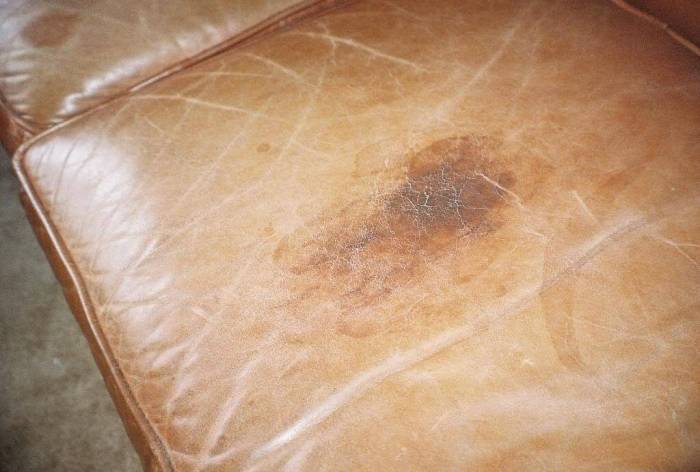
Knowing the source of a leather stain is crucial for effective removal. Different stains react differently to cleaning solutions, and using the wrong method can worsen the damage. Understanding the characteristics of various stains will allow you to choose the most appropriate approach and prevent further issues.
Common Types of Leather Stains
Leather can be susceptible to a wide array of stains, from everyday occurrences like spilled food to more unusual incidents like ink or blood. Identifying the specific type of stain is the first step towards successful removal. This often involves examining the stain’s appearance, its color, and its consistency.
Categorization of Leather Stains
The following table categorizes common leather stains based on their source and typical appearance. This table provides a quick reference guide for identifying stains and understanding their potential characteristics.
| Stain Source | Typical Appearance | Example |
|---|---|---|
| Food | Often colored, ranging from light to dark, may have a sticky or oily residue. | Spilled juice, sauces, coffee, butter |
| Beverages | May appear as a colored stain (e.g., wine, tea), potentially with a wet or diluted appearance, or leaving a sticky residue. | Wine, coffee, soda, tea |
| Ink | Usually dark-colored, may appear as a blot or a streak. Consistency can vary from liquid to semi-solid. | Ballpoint pen ink, marker ink, permanent ink |
| Oil | Often appears as a greasy or oily stain, can be light-colored or dark-colored, depending on the oil type. May have a glossy or slick appearance. | Cooking oil, motor oil, cosmetics, lotions |
| Blood | Usually reddish-brown in color, can be wet or dry, potentially showing a coagulated texture. | Cut or accident, animal blood. |
| Makeup | May appear as a colored stain (e.g., lipstick, eyeshadow), often with a powdery or oily texture. | Lipstick, mascara, foundation, blush |
| Chemicals | Can vary significantly in appearance, from light discoloration to deep staining, potentially leaving a residue or altering the leather’s texture. | Cleaning solutions, harsh chemicals, bleach |
Stain Removal Approaches Based on Nature
Different stain removal methods are necessary depending on the stain’s origin. A stain from a spilled beverage will require a different approach than a stain from a spilled oil. Understanding the characteristics of the stain is vital to selecting the right cleaning solution and preventing further damage. The approach must consider the type of leather and the severity of the stain.
- Food Stains: Often require blotting to remove excess moisture and then using a gentle cleaner, such as a specialized leather cleaner or a mild soap and water solution. Avoid harsh scrubbing, which could damage the leather.
- Beverage Stains: Similar to food stains, blotting is essential to remove excess moisture. Follow with a gentle cleaner, potentially using a specialized leather cleaner designed for liquid spills. Always test any cleaning solution in an inconspicuous area first.
- Ink Stains: Ink stains often require specialized ink remover or a solution of rubbing alcohol. Apply the cleaner gently and blot away excess liquid to avoid spreading the stain.
- Oil Stains: Absorb excess oil with paper towels or a clean cloth, and then use a leather cleaner formulated for oil-based stains. Avoid harsh scrubbing, as this can spread the stain or damage the leather.
- Blood Stains: Act quickly to remove blood stains by blotting the stain with a clean, absorbent cloth. Using a solution of cold water and a mild detergent is often sufficient. Be careful not to rub, which can set the stain.
- Makeup Stains: Gently blot the stain with a clean cloth, and then use a specialized makeup remover or a mild soap and water solution. Test the solution in an inconspicuous area first.
- Chemical Stains: The best approach depends on the specific chemical. Consult a leather repair specialist or leather care expert for guidance, as incorrect handling can cause permanent damage. Always test any cleaning solution in an inconspicuous area first.
Safe and Effective Stain Removal Methods
Removing stains from leather requires a delicate touch and the right approach. Different types of leather react differently to various cleaning agents, so it’s crucial to understand the specific characteristics of your leather before attempting any stain removal. Rushing the process or using harsh chemicals can damage the leather, leading to discoloration, cracking, or even irreversible damage. This section provides detailed procedures and comparisons to help you safely and effectively remove various stains from your leather items.
Gentle Handling and Initial Assessment
Always prioritize gentle handling when dealing with leather. Avoid scrubbing, as this can cause damage to the leather’s fibers. Begin by identifying the type of leather (full-grain, top-grain, bonded) and the nature of the stain. Knowing the type of leather will guide you in selecting the appropriate cleaning solution and technique.
Blotting and Absorbent Materials
For many stains, blotting is the initial and crucial step. Use a clean, absorbent cloth (such as a microfiber cloth) to gently blot the stain. Avoid rubbing, as this can spread the stain or damage the leather. Paper towels or white cloths are generally recommended as they won’t transfer color to the leather. Blot from the outside edges of the stain inwards, working outwards to minimize the spread.
Cleaning with Specific Solutions
Once blotting is complete, you might need a specialized solution for stubborn stains. Diluted mild dish soap (like a few drops in a cup of warm water) is a safe option for many stains. For more specific stains, like oil or grease, use specialized leather cleaning products designed for that particular type of stain. Always test the solution on an inconspicuous area of the leather first to ensure it doesn’t cause discoloration or damage.
Be sure to follow the instructions on the product label carefully.
Using Specialized Leather Cleaners
Specialized leather cleaners are formulated to address specific stain types and leather types. These cleaners are typically more effective than household solutions and are often recommended for delicate or high-value leather items. Always read the product label and follow the instructions precisely. Apply the cleaner using a soft cloth, blotting gently to avoid saturating the leather. Some cleaners may require a specific rinsing method, so follow the instructions carefully.
Comparing Stain Removal Techniques for Different Leather Types
Different leather types react differently to cleaning solutions. Full-grain leather, being more robust, can tolerate more aggressive cleaning methods than delicate, aniline-dyed leather. For delicate leathers, blotting and gentle cleaning with diluted solutions are recommended. For full-grain leather, more aggressive stain removal methods might be applicable, but always test on an inconspicuous area first. Consider the leather’s color and finish when choosing a cleaning method.
For example, if the leather has a waxed finish, you might need a specialized cleaner for waxed leather.
Stain Removal Method Comparison Table
| Stain Type | Blotting | Specific Solution | Leather Cleaner | Leather Type Considerations |
|---|---|---|---|---|
| Water | Yes (Immediately) | Diluted dish soap | Leather-specific water stain remover | All leather types |
| Oil/Grease | Yes (immediately) | Specialized cleaner (oil-based) | Leather-specific oil remover | Full-grain leather can tolerate more aggressive methods. |
| Ink | Yes (immediately) | Specialized cleaner (ink-based) | Leather-specific ink remover | Test on inconspicuous area for any color change. |
| Wine | Yes (immediately) | White vinegar solution | Leather-specific wine stain remover | Delicate leathers may require more gentle treatment. |
Specific Stain Removal Procedures
Leather, with its diverse textures and rich aesthetics, is a popular choice for furniture and accessories. However, accidents happen, and stains can mar its beauty. Knowing how to address these stains promptly and correctly is crucial to preserving the integrity and appearance of your leather items. Effective stain removal relies on swift action, appropriate cleaning solutions, and careful attention to the specific type of stain.Understanding the unique characteristics of different stains is essential for successful removal.
The approach for eliminating an ink stain will differ significantly from removing a food stain, for example. Different cleaning agents and techniques are required for each type of stain, and employing the wrong method can worsen the damage. This section delves into detailed procedures for various common stains, providing actionable steps to restore your leather’s pristine condition.
Ink Stain Removal
Ink stains, especially from ballpoint pens or markers, can be particularly stubborn. Prompt action is key to minimizing the stain’s impact. Immediately blot the affected area with a clean, absorbent cloth or paper towel to prevent the ink from spreading. Avoid rubbing, as this can push the ink deeper into the leather. For a gentle cleaning solution, try a mixture of equal parts water and white vinegar.
Apply a small amount of the solution to a clean cloth and gently blot the stain. Repeat this process until the ink begins to lift. If the stain persists, consider using a leather-specific cleaning solution, following the manufacturer’s instructions carefully.
Food Stain Removal
Food stains vary greatly depending on the type of food. A greasy pizza stain will require a different approach than a sugary juice spill. First, identify the type of food. For greasy foods, use a specialized leather cleaner or a mixture of mild dish soap and water. For sugary or sticky substances, blot with a damp cloth to remove excess, then apply a mixture of rubbing alcohol and water, followed by blotting with a clean, dry cloth.
Figuring out how to get every type of stain out of leather can be tricky, but a little know-how goes a long way. For example, blotting, not rubbing, is key to preventing further damage. Knowing the best approach for different stains is crucial, and luckily, there’s a wealth of information online! Plus, if you’re trying to create a green thumb in your apartment, apartment gardening for beginners can be surprisingly easy.
Just remember, the same meticulous care you apply to your plants should also be applied to your leather goods, ensuring both flourish! Careful cleaning techniques are the best way to tackle those tough leather stains.
For dried food stains, gently scrape off any solid residue and then proceed with the appropriate cleaning solution for the specific type of food.
Oil Stain Removal
Oil stains, from cooking spills to accidental oil drips, can be problematic. The key is to absorb the oil as quickly as possible. Use a clean, absorbent cloth or paper towel to blot the area. Avoid rubbing, which can spread the oil. Next, use a specialized leather cleaner designed for oil stains.
Follow the manufacturer’s instructions carefully. Once the stain has been treated, use a clean cloth to blot the area until no more oil is absorbed.
Wine Stain Removal
Wine stains, especially red wine, require immediate attention. Prompt action is critical to preventing the stain from setting in. Blot the affected area with a clean, absorbent cloth to remove as much wine as possible. Apply a mixture of white vinegar and water to the stain and blot gently. If the stain persists, use a leather-specific cleaning solution and follow the manufacturer’s instructions.
Preventing the wine from penetrating the leather is crucial to a successful removal.
Blood Stain Removal
Blood stains should be treated immediately. Use cold water and a clean cloth to blot the stain. Do not rub, as this will spread the stain. For stubborn stains, a mixture of cold water and a mild dish soap can be effective. Continue blotting until the stain is removed.
If the stain remains, consult a professional leather cleaner. Thorough blotting and immediate action are essential to prevent permanent damage.
Makeup Stain Removal
Makeup stains, from lipstick to eyeshadow, can be effectively removed with gentle care. Avoid harsh scrubbing, as this can damage the leather’s surface. Blot the stain with a clean, damp cloth. If the stain is stubborn, try a makeup remover specifically designed for leather. Follow the manufacturer’s instructions carefully, and blot the area until clean.
Avoid using harsh chemicals or abrasive materials.
Prevention and Maintenance
Protecting your precious leather items from the inevitable spills and stains is crucial for their longevity. Proactive measures are key to keeping your leather looking its best and avoiding costly repairs down the line. By understanding the nuances of leather care and implementing simple preventative strategies, you can significantly extend the lifespan of your furniture and accessories.
Preventing Stains
A well-maintained leather piece is a testament to foresight and care. Proactive measures, such as preventing spills and using protective coverings, are critical to the longevity of your leather. These simple steps can save you from costly repairs and keep your leather looking its best for years to come.
- Spill Protection: Always place coasters or protective mats beneath items like glasses, mugs, and trays. This simple precaution prevents spills from reaching the surface and causing damage. Using a tray or placemat, even on a leather coffee table, will safeguard it from spills, protecting its pristine appearance. A spilled glass of wine on a leather sofa can lead to significant staining if not addressed immediately.
- Protective Coverings: For furniture, consider using protective slipcovers or blankets when not in use, especially during seasonal changes or when pets are present. This creates a barrier between the leather and potential sources of dirt and debris. Using a protective cover on your leather couch or chair, particularly during high-traffic periods or when there’s potential for accidental spills, can save it from dust, pet hair, and other environmental elements.
- Appropriate Storage: Store leather goods in a clean, dry environment, away from direct sunlight and extreme temperatures. These conditions can damage the leather over time, leading to cracking, discoloration, and reduced flexibility. Leather items should be stored in a cool, dry place, away from direct sunlight or heat sources. This will help maintain their integrity and prevent premature aging.
Maintaining Leather’s Beauty
Regular cleaning and conditioning are vital for maintaining the supple texture and rich appearance of leather. Consistent care will ensure your leather items stay vibrant and supple for many years.
- Regular Cleaning: Use a soft, clean cloth to dust or wipe down leather furniture and accessories regularly. This simple act removes surface dust and debris, preventing the buildup of grime and dirt. Gentle wiping with a soft cloth, ideally once a week, can help maintain the leather’s appearance and keep it free from dust and dirt.
- Conditioning: Apply leather conditioner regularly, following the manufacturer’s instructions. Conditioning replenishes the leather’s natural oils, keeping it supple and preventing dryness and cracking. Regular conditioning is essential for maintaining the leather’s elasticity and preventing it from becoming brittle.
- Professional Cleaning: For heavily soiled or stained leather items, consider professional cleaning services. Professional cleaners have the specialized equipment and expertise to handle delicate leather without causing further damage. This is particularly important for high-value or antique leather items, ensuring they are cleaned correctly without damaging the leather’s structure.
Prolonging the Life of Leather
By implementing these preventative measures, you can significantly increase the longevity of your leather items. Careful care and attention to detail will make a significant difference in how long your leather items last.
Figuring out how to get every type of stain out of leather can be tricky, but a little know-how goes a long way. For instance, blotting the stain immediately is crucial. And while you’re at it, consider investing in some top-notch waffle bath towels; they’re surprisingly effective for cleaning up spills and are a fantastic alternative to harsh chemicals.
Best waffle bath towels are a game-changer for quick stain removal, and then you can follow up with the appropriate leather cleaning solution. Ultimately, remember that careful action is key to successfully removing any stain from your leather items.
- Regular Inspections: Regularly inspect your leather furniture and accessories for any signs of damage or wear. Early detection of issues like cracking or discoloration allows for prompt repairs, preventing further deterioration. This preventative approach can help identify any potential problems early on, saving you from more extensive repairs or replacements in the future.
- Avoid Harsh Chemicals: Avoid using harsh chemicals or abrasive cleaners on leather surfaces. These products can damage the leather’s protective coating and cause discoloration or cracking. Stick to leather-specific cleaning products to avoid damaging the leather’s delicate structure.
Troubleshooting and Common Mistakes
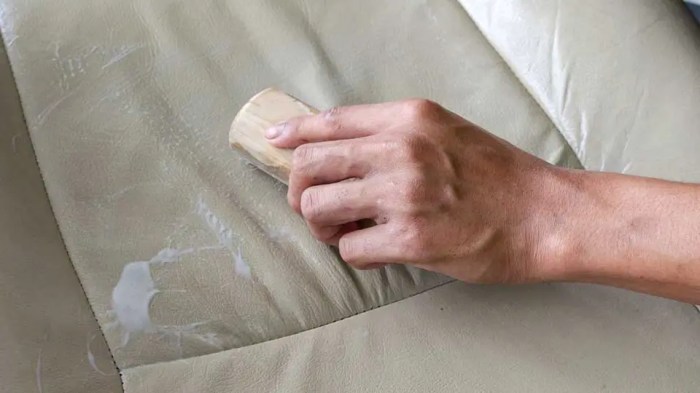
Leather, with its delicate nature, can be susceptible to damage if not treated carefully during cleaning. Understanding potential pitfalls and how to rectify them is crucial for maintaining the beauty and longevity of your leather goods. This section delves into common mistakes, troubleshooting strategies, and preventative measures.Incorrect cleaning methods can lead to irreversible damage. Over-aggressive scrubbing, using harsh chemicals, or applying the wrong cleaning solution can cause discoloration, cracking, and even the deterioration of the leather’s fibers.
Knowing what to look for and how to address these issues is key to successful stain removal.
Knowing how to get every type of stain out of leather is crucial, especially if you’re a busy person. But have you considered how much stuff you could potentially save by getting rid of unnecessary items? Minimalists, for example, often throw out things like expired makeup or old receipts, as detailed in this insightful article about things minimalists throw out weekly.
Understanding what to keep and what to let go can free up space and mental energy, just as knowing the right cleaning methods can save you from frustrating leather stains.
Common Stain Removal Mistakes
Misapplying cleaning solutions or using inappropriate tools can lead to unforeseen problems. For instance, applying excessive pressure or using abrasive materials during the cleaning process can damage the leather’s surface. This can result in scratches, scuffs, or even the removal of the leather’s protective coating. Similarly, using cleaning solutions that are too harsh can alter the leather’s natural color or cause irreversible damage to the fibers.
Therefore, careful consideration of the cleaning method and the specific type of leather is paramount.
Addressing Ineffective Stain Removal Methods, How to get every type of stain out of leather
Sometimes, a stain removal method fails to yield the desired results. This could be due to various factors, including the type of stain, the age of the leather, or the specific cleaning solution used. If a stain persists after trying the recommended method, it is crucial to identify the root cause and try alternative solutions. For example, a stubborn grease stain might require a specialized grease remover.
Or, if the leather is particularly delicate, a more gentle approach might be necessary.
Testing Cleaning Solutions on a Small Area
Before applying a cleaning solution to the entire stain, it’s essential to test it on a small, inconspicuous area of the leather. This allows you to assess the solution’s effect on the leather and ensure it doesn’t cause discoloration, damage, or a change in texture. If the test area shows no adverse reaction, you can proceed with applying the solution to the stain.
This preventative step is critical to avoid unwanted outcomes.
Specific Leather Types and Maintenance
Different types of leather react differently to cleaning solutions. For example, aniline leather is a type of leather that absorbs cleaning solutions easily, and requires a delicate approach to avoid discoloration. Top-grain leather, on the other hand, is more resistant to stains and can tolerate stronger cleaning solutions. Additionally, the type of leather determines the best approach to stain removal and maintenance.
Therefore, knowing the type of leather you’re working with is crucial for successful stain removal and prevention.
| Leather Type | Maintenance Tips |
|---|---|
| Aniline Leather | Use mild, leather-specific cleaning solutions. Avoid harsh chemicals. |
| Top-Grain Leather | Can tolerate stronger cleaning solutions but always test in a hidden area first. |
| Full-Grain Leather | Requires extra care and should only be cleaned with a leather-specific cleaner. |
Leather Types and Stain Removal
Different leather types react differently to stains and cleaning agents. Understanding these nuances is crucial for effective stain removal and preventing further damage to your valuable leather goods. This section delves into specific stain removal methods tailored to various leather types, highlighting the importance of appropriate cleaning agents and techniques for each.Leather finishes, such as smooth, suede, nubuck, and patent, all require unique approaches to stain removal.
A mismatched technique could lead to unwanted results, from discoloration to irreversible damage. This detailed guide aims to equip you with the knowledge to tackle any stain effectively, without compromising the integrity of your leather items.
Suede and Nubuck Leather Stain Removal
Suede and nubuck leathers, with their characteristic nap, are prone to showing dirt and stains more prominently. A gentle approach is paramount to avoid damaging the delicate nap. Avoid harsh scrubbing or abrasive cleaners. Instead, use specialized suede and nubuck brushes to lift dirt and stains. A soft, dry cloth can be used to gently blot away any excess moisture.
Using a leather-specific eraser can also help lift some stubborn marks.
Patent Leather Stain Removal
Patent leather, with its glossy finish, requires a different approach. Its smooth surface is susceptible to scratching if abrasive materials are used. Avoid harsh scrubbing or cleaners that might dull or mar the shine. For most stains, use a damp, soft cloth to gently blot the stain. A specialized leather cleaner designed for patent leather can be effective in removing stubborn marks without damaging the finish.
Always test any cleaning agent in an inconspicuous area first to ensure compatibility.
Full-Grain Leather Stain Removal
Full-grain leather, known for its natural texture and durability, can handle a slightly more robust cleaning process. Use a leather cleaner formulated for full-grain leather, following the manufacturer’s instructions carefully. Apply the cleaner sparingly and gently blot with a soft cloth to remove the stain. Avoid excessive moisture, as this can lead to discoloration or damage. A damp cloth should only be used to wipe off any excess cleaner.
Table of Cleaning Procedures for Various Leather Types
| Leather Type | Common Stains | Cleaning Agent | Technique |
|---|---|---|---|
| Suede/Nubuck | Dirt, Ink, Grease | Suede brush, leather eraser, specialized cleaner | Gently lift with brush, blot with soft cloth, use eraser for stubborn marks |
| Patent | Water marks, Ink, Grease | Damp soft cloth, specialized patent leather cleaner | Blot gently, avoid harsh scrubbing, test cleaner in hidden area |
| Full-Grain | Food stains, Oil stains, Water marks | Leather cleaner, damp soft cloth | Apply cleaner sparingly, blot gently with soft cloth, avoid excess moisture |
Illustrations and Visual Aids
Visual aids are crucial for effectively learning and applying stain removal techniques. Clear, detailed images can dramatically improve understanding of the steps involved and help avoid common mistakes. These visuals will illustrate the correct application of cleaning solutions, the different types of leather, and the varying ways to approach various stains.Visual representations, such as diagrams and photos, can convey complex information in a readily understandable format.
They enhance the learning process by providing concrete examples of the procedures and considerations needed for successful leather stain removal.
Demonstrating Stain Removal Methods
Visual aids effectively showcase the various stain removal methods. Images can depict the precise steps involved, from blotting up spills to applying cleaning solutions. A series of photographs could show the application of a specific cleaning solution to a leather surface, highlighting the proper amount and duration of contact. Images can clearly illustrate how to use a soft cloth or sponge for gentle application.
Illustrating Application to Different Leather Types
Different leather types react differently to cleaning solutions. Visual aids are essential for demonstrating the appropriate application of cleaning solutions for various types of leather. For example, a diagram could compare the application of a leather cleaner to full-grain leather versus suede leather, emphasizing the differences in texture and porosity. Illustrations should highlight the need for gentle, controlled application for delicate leather types.
Images can demonstrate the importance of avoiding harsh scrubbing or excessive pressure.
Diagramming Leather Types and Characteristics
A diagram can visually represent the different types of leather and their characteristics, such as their porosity, grain, and surface texture. This diagram can include examples of common leather types like full-grain, top-grain, and bonded leather. The diagram can highlight how these characteristics affect the stain removal process, helping users understand why some methods are more suitable for certain types of leather than others.
Correct and Incorrect Stain Removal Approaches
Visual aids are valuable for illustrating both the correct and incorrect ways to approach stain removal. A series of images or a simple before-and-after comparison can show the consequences of improper methods, such as excessive scrubbing, which can damage the leather. These illustrations can highlight the importance of using appropriate cleaning solutions, tools, and techniques for each specific leather type.
A side-by-side comparison of a properly cleaned stain and one treated incorrectly can effectively convey the desired outcome.
Last Word
So, whether you’re dealing with a wine spill, ink stain, or a more challenging mark, this guide provides a comprehensive approach to leather stain removal. Remember to always test any cleaning solution on a hidden area first and prioritize gentle handling. By following these steps, you can effectively restore your leather items to their original beauty and maintain them for years to come.
Happy cleaning!