



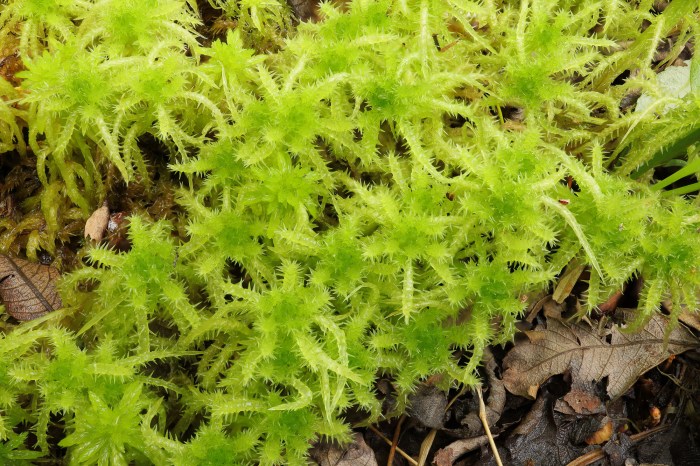
What is sphagnum moss? This fascinating plant, often called peat moss, is more than just a pretty face. It’s a remarkable organism with unique properties and a surprising array of uses. From its intricate cellular structure to its vital ecological roles, sphagnum moss is a true wonder of nature. This exploration dives deep into its world, covering everything from its scientific classification to its economic applications, and even its role in conservation efforts.
Sphagnum moss, a type of moss, thrives in specific environments, often damp and acidic bogs. Its unique cellular structure allows it to absorb water and nutrients efficiently, making it a valuable resource in various fields. We’ll explore its incredible adaptations, from its vibrant green hues to its soft texture, and examine how these characteristics contribute to its diverse uses.
This in-depth look into sphagnum moss will be a journey into its remarkable life cycle, its importance in maintaining biodiversity, and its potential in solving real-world problems.
Introduction to Sphagnum Moss
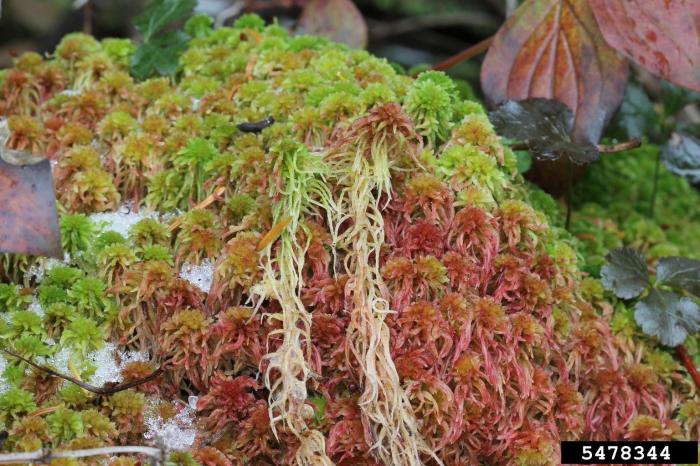
Sphagnum moss, a fascinating and ecologically vital plant, thrives in diverse wetland environments. Its unique characteristics, including its ability to absorb water and retain moisture, make it a valuable resource in horticulture, agriculture, and even medicine. Understanding its scientific classification and the varied species allows us to appreciate its significance in the natural world.This exploration delves into the world of sphagnum moss, providing a concise overview of its definition, classification, common names, and a comparative analysis of different species.
Scientific Classification
Sphagnum moss belongs to the genusSphagnum*, part of the family Sphagnaceae. This classification places it within the Bryophyta division, which encompasses the mosses, liverworts, and hornworts. Importantly, it’s distinct from flowering plants (Anthophyta) and ferns (Pteridophyta). This classification reflects the unique evolutionary lineage of sphagnum, differentiating it from other plant groups.
Common Names
Sphagnum moss, often referred to as peat moss, is widely recognized by this name in various horticultural contexts. Other common names, sometimes used regionally, include bog moss and sphagnum.
Species Comparison
Understanding the variations within theSphagnum* genus is crucial for appreciating its ecological roles. This table highlights key characteristics of several notable species.
| Species Name | Habitat | Key Characteristics |
|---|---|---|
| *Sphagnum magellanicum* | Moist to wet, acidic habitats, often in high-latitude regions | Known for its resilience in challenging conditions, frequently found in bogs and fens. Displays a characteristic reddish-brown hue. |
| *Sphagnum fimbriatum* | Wetlands and bogs, particularly in temperate zones | Often found in association with other sphagnum species, exhibiting distinct leaf morphology, crucial for identifying it from other species in the same region. |
| *Sphagnum palustre* | Wetlands, swamps, and bogs, tolerating a range of conditions | Widely distributed, this species often forms extensive mats in wetlands. Its robust nature allows it to survive in various waterlogged environments. |
| *Sphagnum rubellum* | Moist to wet acidic habitats | A small species, it’s often a component of moss carpets in peatlands, playing a vital role in the overall ecosystem. |
Morphology and Structure
Sphagnum moss, a remarkable plant, possesses a unique cellular structure and physical characteristics that enable its survival in diverse environments. Understanding these features provides insight into its ecological roles and practical applications. Its adaptability is crucial in many ecosystems, from bogs and wetlands to horticulture and even medical fields.Sphagnum’s exceptional cellular structure is the key to its remarkable properties.
Specialized cells, unlike those in most other plants, contribute to its water-holding capacity and other unique functions. The moss’s distinctive physical characteristics, from color and texture to form, also reflect its specific adaptations. These traits contribute to its ability to thrive in particular environments.
Unique Cellular Structure
The cells of sphagnum moss are highly specialized and different from typical plant cells. They contain large, empty hyaline cells, often referred to as dead cells, which are a key component of the plant’s water-holding capacity. These cells are often transparent and contribute to the overall light-reflective nature of the moss. Other cells, known as chlorophyll-containing cells, are involved in photosynthesis, similar to other plants.
The combination of these cell types is what makes sphagnum moss unique and allows it to flourish in specific environments.
Sphagnum moss is a fascinating plant, known for its absorbent qualities and unique properties. While it might not be the first thing that comes to mind when you think of plants that repel mosquitoes, plants that repel mosquitoes can be a great addition to your garden or home. But sphagnum moss itself, with its acidic nature, actually helps create a less hospitable environment for certain insects, making it a useful addition to a natural pest control strategy.
It’s a truly versatile plant, both in its ecological role and in its application in gardening.
Physical Characteristics
Sphagnum moss exhibits various colors and textures, depending on the species and maturity. The typical color range varies from pale green to yellowish-brown, often with a hint of reddish tones in certain species. The texture is typically soft and spongy, with a slightly fibrous feel. Its form is usually in the shape of clumps or mats, commonly found in moist, shaded environments.
The color and texture are integral to the plant’s adaptation to its environment.
Adaptations for Specific Environments
Sphagnum moss’s ability to thrive in specific environments is directly related to its adaptations. Its unique cellular structure allows it to retain significant amounts of water, a crucial trait in waterlogged environments like bogs. This high water retention capacity, coupled with its acidic nature, creates a unique environment inhibiting the growth of many other plants, which allows sphagnum to dominate these areas.
These adaptations are crucial for maintaining the specific conditions in which sphagnum thrives.
Parts of a Sphagnum Moss Plant
- Hyaline Cells: These empty, transparent cells are crucial for water retention. They are the major contributors to the moss’s exceptional ability to absorb and hold water, forming a sort of sponge-like structure. The abundance of hyaline cells allows sphagnum to thrive in saturated environments.
- Chlorophyll-Containing Cells: These cells are responsible for photosynthesis. These cells are distributed throughout the moss, similar to other plants, enabling the plant to produce energy through photosynthesis.
- Specialized Cells for Attachment: These cells assist in attaching the moss to surfaces or other plants, facilitating its spread in various habitats. This is essential for the moss to maintain its position and spread in its environment.
| Part of the Plant | Function |
|---|---|
| Hyaline Cells | Water retention and structural support |
| Chlorophyll-Containing Cells | Photosynthesis |
| Specialized Attachment Cells | Anchorage and spread |
Habitat and Distribution
Sphagnum moss, with its remarkable water-holding capacity and tolerance for acidic conditions, thrives in a surprisingly diverse range of habitats. Its presence often signals specific environmental conditions, making it a valuable indicator species. Understanding these habitats and the factors influencing distribution is crucial for conservation efforts and appreciating the ecological role of this fascinating moss.Sphagnum mosses are predominantly found in cool, moist, and often shady locations.
These conditions are ideal for their unique physiology and life cycle. Their ability to retain water contributes to their dominance in wetlands, bogs, and other areas with high humidity. The distribution patterns are complex, influenced by both climate and soil characteristics, as well as the presence of other plant species. This intricate interplay underscores the importance of ecological factors in shaping the distribution of sphagnum.
Typical Habitats
Sphagnum moss is a common inhabitant of bogs, fens, and swamps, where the waterlogged conditions are ideal for its growth. It also frequently colonizes areas with acidic soil, like coniferous forests and tundra regions. The presence of sphagnum in these areas often signifies a unique ecosystem with specific moisture and nutrient levels. Sphagnum mosses are less frequently found in areas with very dry conditions or excessive salinity.
Geographical Distribution
Sphagnum mosses exhibit a wide global distribution, with various species thriving in different parts of the world. Northern latitudes, particularly in regions like Canada, Alaska, and Scandinavia, are known for their rich sphagnum moss populations. These regions often have a combination of cool temperatures and adequate moisture, creating suitable environments for sphagnum growth. Sphagnum mosses are also found in mountainous regions and high-altitude areas with similar moisture levels.
Environmental Factors Influencing Distribution
Several environmental factors play a critical role in shaping the distribution of sphagnum moss. These include temperature, precipitation, soil acidity, and the availability of nutrients. High humidity and cooler temperatures are generally beneficial, allowing for moisture retention and supporting the unique physiology of sphagnum. The acidity of the soil is a key factor, as many sphagnum species prefer acidic environments.
Sphagnum moss, a fantastically absorbent plant, is a natural wonder. It’s amazing for so many things, including gardening and, interestingly enough, it’s also surprisingly versatile for reusing old blankets! You can check out some creative ways to reuse blankets by looking at this great guide ways to reuse blankets. The absorbency of sphagnum moss makes it ideal for holding moisture, which is a quality that can be helpful in various DIY projects or even for making homemade insulation.
Really, sphagnum moss is a surprisingly useful and eco-friendly material!
Distribution Table
| Species | Common Regions | Specific Countries/Continents |
|---|---|---|
| Sphagnum magellanicum | Southern Hemisphere | South America (Chile, Argentina), parts of New Zealand |
| Sphagnum fimbriatum | Northern Hemisphere | North America, Europe, Asia |
| Sphagnum palustre | Temperate regions | Europe, North America, Asia |
| Sphagnum fallax | Boreal regions | Canada, Scandinavia, Russia |
Note: This table provides a simplified overview. The distribution of sphagnum moss species is complex and varies based on specific microclimates and other ecological factors.
Ecological Importance
Sphagnum moss, a remarkable plant, plays a vital role in various ecosystems. Its unique characteristics contribute significantly to biodiversity, water management, and carbon cycling. This section delves into the profound ecological impact of this fascinating moss.Sphagnum moss’s ability to thrive in diverse environments and its remarkable adaptations make it a cornerstone of many ecosystems. Its impact on water quality, nutrient cycling, and carbon sequestration is substantial.
Understanding these ecological contributions provides insights into the importance of conserving these vital ecosystems.
Role in Maintaining Biodiversity
Sphagnum moss provides crucial habitat for a wide array of organisms. Its dense mats and varied microhabitats support a complex web of life, including insects, amphibians, and small mammals. The unique water retention properties of sphagnum create moist environments that support specialized flora and fauna, often found nowhere else. This diversity is crucial for the overall health and resilience of the ecosystem.
Furthermore, sphagnum moss often acts as a crucial intermediary, bridging the gap between different environments and fostering biodiversity.
Contribution to Water Purification and Retention
Sphagnum moss possesses exceptional water-holding capacity, acting as a natural sponge. This property significantly contributes to water purification and retention within its ecosystem. The moss’s ability to absorb and filter pollutants from water sources helps maintain water quality. The water retention aspect is vital in mitigating droughts and flooding, as sphagnum moss acts as a natural reservoir, slowly releasing water back into the environment.
This regulated release prevents sudden water fluctuations, which can be detrimental to aquatic life and downstream ecosystems.
Importance in Carbon Sequestration
Sphagnum moss is a remarkably efficient carbon sink. Its unique structure allows it to accumulate large amounts of carbon over time. The decomposition rate of sphagnum is extremely slow, resulting in the long-term storage of carbon in peat bogs and other wetland ecosystems. This sequestration process is crucial in mitigating climate change, as it effectively removes atmospheric carbon dioxide.
Studies have shown that sphagnum peatlands can store significantly more carbon than other terrestrial ecosystems, making them a vital component in the global carbon cycle.
Ecosystem Services Provided by Sphagnum Moss
| Ecosystem Service | Description |
|---|---|
| Water Purification | Sphagnum moss effectively filters pollutants from water, improving water quality. |
| Water Retention | The moss’s exceptional water-holding capacity regulates water flow, preventing both droughts and floods. |
| Habitat Provision | Sphagnum moss provides diverse microhabitats for a wide array of organisms, supporting biodiversity. |
| Carbon Sequestration | Sphagnum moss efficiently stores carbon in peat bogs, mitigating climate change. |
| Nutrient Cycling | The moss plays a role in nutrient cycling, contributing to the overall health of the ecosystem. |
Economic Uses and Applications: What Is Sphagnum Moss
Sphagnum moss, a remarkable plant, has found diverse applications throughout history and continues to be a valuable resource today. Its unique properties, such as water retention and antimicrobial qualities, make it a versatile material with uses spanning horticulture, agriculture, medicine, and more. This section delves into the various ways sphagnum moss contributes to different industries.
Historical Uses
Sphagnum moss has a long history of practical use. Early civilizations utilized its absorbent properties for wound dressings and packing materials. Its ability to retain moisture made it a crucial element in preserving food and maintaining a stable environment. The historical importance of sphagnum moss is demonstrated by its extensive use in diverse cultures across the globe.
Horticultural and Landscaping Applications
Sphagnum moss plays a significant role in modern horticulture and landscaping. Its exceptional water retention capacity and aeration properties make it an ideal component in potting mixes for orchids and other sensitive plants. It helps maintain optimal moisture levels, preventing both overwatering and underwatering. In landscaping, it’s often employed as a mulch to suppress weeds and retain moisture around plants.
Sphagnum moss’s aesthetic qualities also contribute to its popularity as a decorative element in gardens and terrariums.
Agricultural Applications
Sphagnum moss’s ability to retain water and nutrients makes it a valuable addition to agricultural practices. It can improve soil structure and aeration, leading to enhanced root development and nutrient uptake by plants. This characteristic is particularly important in areas with inconsistent rainfall, helping to create a more stable and productive growing environment. Its use in seed starting and propagation also aids in creating healthier seedlings.
Medical and Pharmaceutical Applications
The antimicrobial properties of sphagnum moss have led to its use in the medical and pharmaceutical industries. Traditional medicine systems often utilize it as a wound dressing due to its ability to absorb exudates and maintain a clean environment. Its ability to inhibit the growth of certain bacteria and fungi makes it a valuable material for wound care and various medical applications.
Modern research continues to explore its potential in pharmaceutical development.
Table of Sphagnum Moss Applications
| Industry/Use Case | Specific Application |
|---|---|
| Horticulture | Potting mix component, mulch, propagation medium |
| Landscaping | Mulch, erosion control, decorative element |
| Agriculture | Soil amendment, seed starting, propagation |
| Medicine | Wound dressing, antiseptic agent |
| Pharmaceuticals | Potential ingredient in wound healing products |
| Packing/Shipping | Protecting delicate items during transport |
| Gardening | Creating moist environments for propagation and growth |
Conservation Status and Threats
Sphagnum moss, with its vital ecological roles and economic applications, faces increasing threats in various ecosystems. Understanding these pressures is crucial for developing effective conservation strategies and ensuring the long-term health of these valuable mosses. Their unique characteristics and habitats make them particularly vulnerable to environmental changes.The survival of sphagnum moss populations is significantly impacted by a range of factors, from habitat destruction to pollution.
Addressing these threats requires a comprehensive understanding of the specific vulnerabilities of different sphagnum species and the environments they inhabit. This understanding allows for the development of tailored conservation strategies.
Conservation Concerns
Sphagnum mosses are crucial components of many ecosystems, acting as crucial indicators of environmental health and playing essential roles in water purification and nutrient cycling. Their decline can have cascading effects throughout the entire ecosystem. Significant concerns arise regarding the future of these species, highlighting the need for focused conservation efforts.
Sphagnum moss is amazing stuff, incredibly absorbent and perfect for holding moisture. But, if you’re planning on using it as a base for a painted project, you’ll need to consider how long it takes spray paint to dry here’s a helpful guide. Knowing the drying time is key to ensuring a beautiful, lasting finish on your sphagnum moss creations.
Factors Impacting Sphagnum Moss Populations
Several factors contribute to the decline of sphagnum moss populations. These include habitat loss, climate change, and pollution. Deforestation, often driven by agriculture or logging, is a primary cause of habitat loss, directly impacting the available space for sphagnum mosses to thrive. Climate change, through altered precipitation patterns and temperature fluctuations, disrupts the delicate balance of these ecosystems.
Pollution, including acid rain and heavy metal contamination, can harm sphagnum mosses directly or indirectly by altering their surrounding environment.
Threats to Sphagnum Moss Habitats
Several threats jeopardize the survival of sphagnum moss populations. These include:
- Deforestation: Clearing forests for agriculture, logging, or urbanization drastically reduces the available habitat for many sphagnum moss species. The loss of these habitats leads to a decrease in the overall population size and potential for genetic diversity.
- Climate Change: Altered temperature and precipitation patterns can disrupt the delicate balance of sphagnum moss ecosystems. Changes in water availability, temperature extremes, and increased frequency of extreme weather events can all negatively affect sphagnum moss survival and reproduction.
- Pollution: Acid rain, heavy metal contamination, and other forms of pollution can directly harm sphagnum mosses and indirectly affect the surrounding environment. These contaminants can alter the pH of the water and soil, impacting the overall health and viability of the ecosystem.
- Invasive Species: The introduction of invasive plant species can outcompete sphagnum mosses for resources and space, leading to a decline in their populations. The competition for sunlight, water, and nutrients significantly impacts the ability of sphagnum mosses to flourish.
Mitigation Strategies
Effective conservation strategies for sphagnum mosses involve several key approaches. These include:
- Protected Areas: Establishing protected areas dedicated to preserving sphagnum moss habitats can safeguard these crucial ecosystems and maintain biodiversity. Protecting these areas safeguards crucial habitat for sphagnum moss survival and growth.
- Sustainable Land Management Practices: Promoting sustainable forestry and agricultural practices can reduce deforestation and habitat loss. This involves minimizing the impact of human activities on sphagnum moss ecosystems and promoting sustainable land management.
- Pollution Control: Implementing measures to control pollution, such as reducing emissions of acid rain precursors and heavy metals, is crucial for protecting sphagnum moss populations and maintaining ecosystem health. This involves taking measures to mitigate the impact of pollutants on sphagnum mosses and their surrounding environments.
- Species-Specific Conservation Plans: Developing tailored conservation plans for individual sphagnum moss species can help identify specific threats and tailor conservation efforts to the unique needs of each species. This approach recognizes the variations in the vulnerabilities of different species.
Conservation Status Table, What is sphagnum moss
The table below provides a summary of the conservation status of different sphagnum moss species and the threats they face. This table offers a glimpse into the challenges faced by various sphagnum species.
| Species | Conservation Status | Primary Threats |
|---|---|---|
| Sphagnum palustre | Near Threatened | Habitat loss, drainage, pollution |
| Sphagnum magellanicum | Data Deficient | Climate change, habitat degradation |
| Sphagnum fimbriatum | Least Concern | Limited data on specific threats |
Sphagnum Moss in Various Applications (Illustrative)
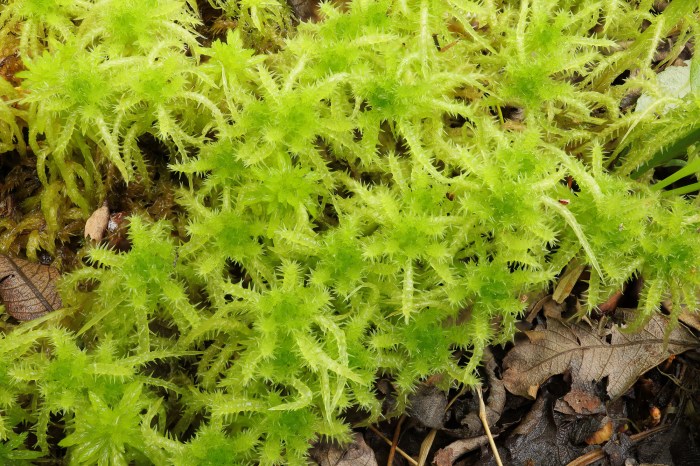
Sphagnum moss, with its unique properties, finds diverse applications in various fields. Its absorbent nature, coupled with its antimicrobial properties, makes it a valuable resource in horticulture, agriculture, and even healthcare. This section explores the versatility of sphagnum moss, highlighting its role in soil improvement, propagation, artificial growing media, wound care, and water filtration.Sphagnum moss’s ability to retain water and nutrients, combined with its capacity to inhibit the growth of harmful microorganisms, makes it an exceptional material for diverse applications.
Its consistent performance in different settings, coupled with its biodegradability, further solidifies its position as a sustainable resource.
Sphagnum Moss as a Soil Amendment
Sphagnum moss, due to its exceptional water retention capacity and aeration properties, is a valuable soil amendment. It improves soil structure by increasing porosity and water-holding capacity, leading to better root development and overall plant health. This is particularly useful in areas with poor drainage or sandy soils, where water retention is a significant concern. The addition of sphagnum moss can help prevent waterlogging while ensuring adequate moisture for plant roots.
Furthermore, its ability to release nutrients gradually supports sustained plant growth.
Sphagnum Moss in Horticulture for Propagation
Sphagnum moss is commonly used in horticulture for propagation. Its moisture-retaining properties and ability to prevent fungal growth make it an ideal medium for germinating seeds and rooting cuttings. The consistent moisture level provided by sphagnum moss helps create a conducive environment for healthy root development, leading to increased germination rates and successful plant establishment. This is particularly crucial in nurseries and greenhouses where controlled environments are maintained for optimal plant growth.
Sphagnum Moss in Artificial Growing Media
Sphagnum moss is a key component in creating artificial growing media for various plants. Its combination with other materials like perlite, vermiculite, or peat moss, creates a well-draining, moisture-retentive medium that supports optimal root development and plant growth. This customized mix enhances plant health and productivity, especially in cases where the natural soil is unsuitable. The versatility of sphagnum moss in artificial growing media allows for greater control over the growing conditions for a wide range of plants.
Sphagnum Moss in Wound Care Applications
Sphagnum moss’s inherent properties make it useful in wound care. Its absorbent capacity helps to wick away excess moisture, creating a dry environment that promotes healing. The antimicrobial properties of the moss help prevent infection, further aiding in the healing process. Traditional use and modern research have highlighted the positive effects of sphagnum moss in promoting faster healing and reducing scarring.
Sphagnum Moss in Water Filtration
Sphagnum moss, due to its unique structure and capacity for absorbing impurities, has been utilized in water filtration systems. Its fibrous nature traps suspended particles, sediments, and impurities, leading to cleaner and safer drinking water. This traditional application, combined with its biodegradability, highlights sphagnum moss’s role in sustainable water purification.
Contrasting Uses of Sphagnum Moss
| Application | Specific Use | Benefits |
|---|---|---|
| Soil Amendment | Improving soil structure, water retention, and aeration. | Enhanced root development, increased plant health, improved drainage in poor soils. |
| Horticultural Propagation | Germinating seeds, rooting cuttings. | Increased germination rates, improved root establishment, controlled environment. |
| Artificial Growing Media | Creating a mix with perlite, vermiculite, or peat moss. | Optimal root development, enhanced plant growth, customizable growing conditions. |
| Wound Care | Promoting wound healing, preventing infection. | Faster healing, reduced scarring, traditional use in various cultures. |
| Water Filtration | Trapping impurities in water. | Improved water quality, removal of suspended particles, sustainable purification. |
Last Recap
In conclusion, sphagnum moss is a remarkable plant with a complex interplay of ecological and economic significance. Its unique characteristics and versatility make it a valuable resource across various industries, from horticulture and landscaping to wound care and water filtration. Understanding its role in maintaining biodiversity, its ability to absorb and retain water, and its crucial role in carbon sequestration provides a valuable insight into the importance of this fascinating plant.
The journey into the world of sphagnum moss has just begun. Further research will undoubtedly reveal even more hidden treasures about this vital part of our planet.