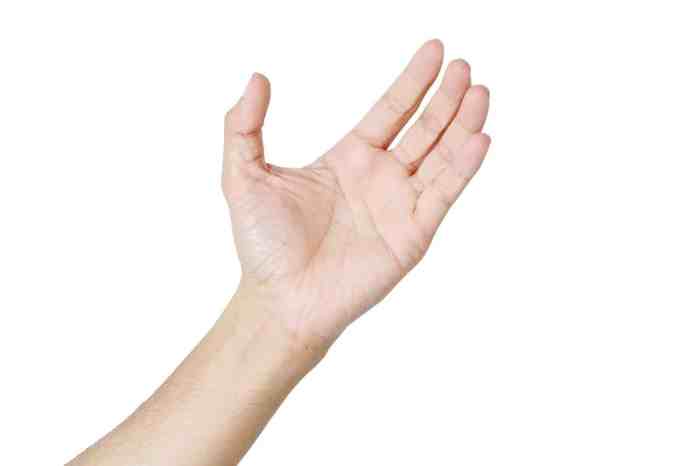



How to hand wash clothes effectively is a skill worth mastering. Whether you’re dealing with delicate silks, stubborn stains, or simply want a more eco-friendly approach, hand washing offers a unique set of advantages. This guide delves into the complete process, from prepping your clothes to drying them properly. We’ll cover everything you need to know to get the job done right.
From understanding the history and importance of hand washing to exploring the pros and cons compared to machine washing, this guide provides a comprehensive overview. We’ll equip you with the knowledge and practical steps to hand wash clothes effectively, whether you’re dealing with everyday laundry or special care items.
Introduction to Hand Washing Clothes
Hand washing clothes, a practice deeply rooted in history, remains a vital skill in various situations. From preserving delicate fabrics to dealing with stubborn stains, understanding the nuances of hand washing offers a valuable alternative to machine washing. This method, though sometimes more time-consuming, can often be more gentle on clothing, leading to a longer lifespan and better care for the environment.Hand washing clothes has always been a practical necessity, especially before the widespread adoption of washing machines.
From hand-cranked washing machines to simple tubs, the practice has evolved alongside technological advancements. Its importance is now amplified by considerations of sustainability and the need for specialized care for certain fabrics.
Scenarios Requiring Hand Washing
Hand washing is essential for maintaining the integrity of delicate garments, including lace, silk, wool, and other fabrics susceptible to damage in a machine. Special care is also needed for garments with intricate embroidery, embellishments, or delicate embellishments that could get caught or snagged in a machine. It is also often the preferred method for items with removable parts, like some children’s clothing or items with appliqués.
Further, garments that have been treated with special finishes, like water-repellent or stain-resistant treatments, often require hand washing to preserve their performance.
Advantages of Hand Washing
Hand washing clothes offers several advantages over machine washing. It allows for a more thorough inspection of each item, enabling the removal of stubborn stains before they set. The gentler approach to washing prevents wear and tear on the fabric, often extending the garment’s lifespan. Hand washing also reduces the risk of shrinkage or damage to the garment’s shape and structure.
It allows for the use of specialized detergents and treatments that are often not suitable for machine washing.
Disadvantages of Hand Washing
Hand washing clothes, however, is not without its drawbacks. It generally requires more time and effort than machine washing, and it can be physically more demanding, especially for large loads or heavily soiled items. It also typically uses more water than machine washing, and the process of rinsing thoroughly to remove all traces of detergent is crucial. Not all stains can be removed effectively by hand, and it may require additional steps, like soaking, to tackle stubborn stains.
Comparison of Hand Washing and Machine Washing
| Factor | Hand Washing | Machine Washing |
|---|---|---|
| Time | Longer (typically 30-60 minutes per load) | Shorter (typically 15-30 minutes per load) |
| Effort | Higher (requires manual scrubbing and rinsing) | Lower (minimal physical effort) |
| Water Usage | Higher (multiple rinses needed) | Lower (optimized water usage in modern machines) |
| Environmental Impact | Potentially higher (depending on water source and detergent use) | Potentially lower (with efficient machines and detergents) |
| Fabric Care | Gentle on delicate fabrics | Potentially harsh on delicate fabrics |
Gathering the Necessary Supplies: How To Hand Wash Clothes
Hand washing clothes is a rewarding experience, allowing you to preserve delicate fabrics and garments for years to come. A crucial aspect of this process is gathering the right tools and materials. The right supplies can make all the difference in achieving a successful and gentle hand wash, minimizing damage and maximizing the lifespan of your clothes.Proper preparation is key to a successful hand wash.
Knowing what supplies to gather ensures a clean and effective process, preserving the integrity of your garments. Careful selection of materials and tools will help you maintain the quality and beauty of your clothes for a longer time.
Essential Items
To effectively hand wash clothes, gather these essential items:
- A clean basin or tub: Choose a container large enough to comfortably hold the garments you’re washing. A basin or tub is preferable to a sink, as it offers more space and prevents water from splashing.
- Clean water: Fresh, clean water is paramount. Use cool or lukewarm water, as hot water can damage delicate fibers.
- Mild detergent or soap: Opt for a gentle detergent specifically designed for delicates. Harsh detergents can strip natural oils from fabrics, leading to damage. Avoid using dish soap, as it can leave residue.
- Soft cloth or sponge: A soft cloth or sponge is ideal for gently agitating and rinsing the garments. Harsh scrubbing can cause damage.
- Clothespins or a drying rack: These are essential for drying your clothes without stretching or damaging them. Air drying is usually the best option for preserving delicate fabrics.
Recommended Cleaning Agents for Delicates
Careful selection of detergents is vital for maintaining the quality of your delicate fabrics. Harsh chemicals can damage fibers and cause discoloration. Choose specifically designed products.
- Silk and wool-specific detergents: These detergents are formulated to be gentle on delicate fibers like silk and wool, preventing damage and maintaining their integrity.
- Neutral detergents: These detergents are a good option for general delicates, offering a balanced cleaning power without harsh chemicals.
- Baby shampoo: Baby shampoo is another gentle option, often used for silk, lace, and other delicate fabrics.
Fabric-Specific Hand Washing Procedures
This table Artikels the recommended hand washing procedures for various fabric types. Careful consideration of the fabric’s composition is vital to maintaining its integrity.
| Fabric Type | Water Temperature | Detergent | Procedure |
|---|---|---|---|
| Silk | Cold | Silk-specific detergent or neutral detergent | Submerge the garment in the water. Gently swirl or dab, avoiding harsh rubbing. Rinse thoroughly with cool water. Do not wring or twist the garment. |
| Wool | Cold | Wool-specific detergent or neutral detergent | Submerge the garment in cool water. Gently squeeze or roll the garment to remove dirt. Rinse thoroughly with cool water. Do not wring or twist the garment. Lay flat to dry. |
| Lace | Cold | Neutral detergent or baby shampoo | Soak the garment in a basin of cool water. Gently agitate and rinse until all traces of detergent are removed. Lay flat to dry. |
| Cotton | Lukewarm | Neutral detergent | Soak the garment in lukewarm water. Gently agitate the garment. Rinse thoroughly with clean water. Gently squeeze excess water out of the garment. |
Preparing the Clothes for Washing
Hand washing clothes effectively requires more than just dipping them in water. A crucial step is preparing the garments for washing. This involves pre-treating stains, sorting clothes, and understanding the fabric types to ensure optimal cleaning and prevent damage. Proper preparation minimizes the effort required during the actual wash cycle and helps maintain the longevity of your clothes.
Hand washing clothes can be surprisingly easy, especially when you’re mindful of the right techniques. For example, using a gentle detergent and cool water is key, and don’t forget to pre-treat any stains! You can even repurpose items around your house, like cardboard drink holders, for a more eco-friendly approach. Did you know that ways to reuse your cardboard drink holder can be super creative, like making a unique plant pot?
Ultimately, the best way to hand wash clothes is to take your time and be careful, and that’s the key to getting your clothes clean and ready to wear again.
Pre-treating Stains and Dirt
Pre-treating stains before washing is essential for effective removal. Fresh stains are easier to eliminate than those that have set. Prompt action significantly increases the likelihood of complete stain eradication. A quick response minimizes the chances of the stain becoming embedded into the fabric fibers.
Hand washing clothes gently is key – avoid harsh scrubbing, which can damage delicate fabrics. Learning about different plant species, like the Australian tree fern, australian tree fern overview , can be a fascinating side-note. For best results, use cool water and a mild detergent, then gently rinse until the water runs clear. Finally, lay your clothes flat to dry.
Stain Removal Techniques
Various techniques can be employed for stain removal. Baking soda, a natural cleaning agent, can be used to absorb odors and loosen dirt. A paste of baking soda and water can be applied to the stain and left to sit for a few minutes before washing. Lemon juice, another effective natural cleaning agent, is particularly good for removing some types of stains, especially those caused by food or drink.
A small amount of lemon juice can be applied directly to the stain and gently rubbed before washing. For more stubborn stains, a combination of these methods, or specialized stain removers, may be necessary. Always test any stain remover on a hidden area of the garment first to prevent discoloration or damage.
Sorting Clothes by Color and Fabric Type
Sorting clothes by color and fabric type before washing is crucial to prevent color bleeding and fabric damage. Dark colors should be separated from light colors to avoid color transfer. Different fabric types require different washing methods. For example, delicate fabrics like silk or lace should be washed separately to avoid damage. Delicate fabrics are more prone to snags and stretching, which is why it is necessary to separate them from tougher fabrics like denim or cotton.
Proper sorting helps to maintain the integrity of your garments and prevents unwanted color bleeding.
Step-by-Step Procedure for Preparing Clothes for Hand Washing
- Inspect the clothes for any visible stains. Note the type of stain and its location on the garment. This allows for targeted pre-treatment. Identify and categorize any stains before attempting to treat them. This helps to ensure you use the appropriate method and prevent further damage.
- Pre-treat any visible stains with the appropriate method. Use baking soda or lemon juice for various types of stains. Apply the chosen solution directly to the stain and gently rub it into the fabric. Always test the cleaning agent on an inconspicuous area of the garment first to ensure it doesn’t cause any damage or discoloration. This precaution is essential to prevent unwanted results.
- Sort the clothes by color and fabric type. This prevents color bleeding and damage to delicate fabrics. Separate light colors from dark colors, and delicate fabrics from tougher fabrics. This process helps to protect your clothes from unwanted damage.
- Place the prepared clothes in a basin or tub for washing. The basin or tub should be large enough to hold all the clothes without overcrowding. Ensure the basin or tub is suitable for the amount of clothing you intend to wash.
The Hand Washing Process
Hand washing clothes is a delicate art, requiring careful consideration of fabric types and water temperatures. Proper technique ensures your garments remain vibrant and their longevity is maintained. By following the steps Artikeld below, you can effectively clean your clothes by hand while preserving their quality.The hand washing process demands precision. Incorrect handling can damage fabrics, fade colors, or even cause shrinkage.
Understanding the specific needs of each fabric type is crucial for maintaining its original condition and beauty.
Water Temperature Considerations
Different fabrics react differently to varying water temperatures. Wool, silk, and delicate synthetics often require cold water to prevent shrinkage and color loss. For lightly soiled items made of cotton or linen, lukewarm water is typically sufficient. Hot water is best for heavily soiled items, but be mindful that some colors might bleed or fade. Always check the care label for specific instructions.
Detergent Mixing Procedure
Mixing detergent with water is a crucial step. Too much detergent can leave a residue, while too little may not effectively remove dirt. Dissolve the detergent in a small amount of warm water before adding it to the larger wash basin. This prevents clumps and ensures even distribution. A general rule of thumb is to follow the manufacturer’s instructions on the detergent packaging.
Gentle Agitation and Scrubbing Techniques
Gentle agitation and scrubbing are key to hand washing. Avoid harsh rubbing or twisting, which can damage fibers. Instead, gently swirl and press the clothes against the basin. Use a soft-bristled brush or your hands to target stains, but avoid harsh scrubbing.
Scrubbing Techniques for Different Stains and Fabrics
Different stains and fabrics require tailored scrubbing techniques. For stubborn stains like grease or ink, use a soft-bristled brush or a small amount of stain remover. Avoid harsh scrubbing on delicate fabrics like silk or lace, which can easily be damaged. Instead, gently massage the stain with a mild detergent solution and allow it to soak for a few minutes.
For tough stains, consider soaking the item in a mixture of mild detergent and cool water for a period of time.
Hand Washing Process Steps
| Step | Description |
|---|---|
| 1 | Fill a basin with the appropriate temperature water (check care labels). |
| 2 | Dissolve detergent in a small amount of warm water before adding to the basin. |
| 3 | Submerge the garment and gently swirl, avoiding twisting or harsh rubbing. |
| 4 | Focus on stain areas with a soft brush or by gently pressing. |
| 5 | Rinse thoroughly until the water runs clear. |
| 6 | Gently squeeze out excess water, avoiding twisting. |
| 7 | Lay the garment flat to dry or use a mesh laundry bag. |
Rinsing and Drying the Clothes
Hand washing, while gentle, requires meticulous attention to detail, especially in the rinsing and drying stages. A thorough rinse is crucial to ensure all traces of detergent are removed, preventing potential skin irritation and build-up in your clothes. Proper drying techniques are just as important for maintaining the garment’s shape and preventing wrinkles.
Importance of Thorough Rinsing
Removing all traces of detergent is vital for the health of your skin and the longevity of your clothes. Residual detergent can irritate skin, especially for sensitive individuals, and can also contribute to the build-up of soap residue over time, leading to dullness or a stiff texture in the fabrics. Thorough rinsing ensures a fresh, clean feel and avoids potential problems.
Methods for Effective Rinsing
Proper rinsing goes beyond a quick dip in water. Employing multiple water changes is a highly effective technique. Fill the basin with fresh, clean water, gently agitate the garment, and drain the water. Repeat this process several times, until the water runs clear and no suds remain. This ensures that all detergent is removed.
Drying Clothes Effectively
Drying clothes properly is key to preventing wrinkles and maintaining their shape. Two primary methods are air drying and using a clothesline.
Air Drying
Air drying is an excellent way to gently dry your clothes without harsh heat or potential shrinkage. For best results, lay garments flat on a clean, dry surface, such as a towel or drying rack, ensuring the fabric is spread out to allow for even drying. Avoid overcrowding the drying area to prevent wrinkles.
Using a Clothesline
Using a clothesline provides excellent airflow, promoting faster and more even drying. Hang garments on the line, ensuring that they are not touching each other. Adjust the position of garments as needed to maintain good airflow and prevent wrinkles. If using a clothesline, consider the weather conditions; strong winds can cause damage or wrinkles.
Avoiding Wrinkles During Drying
Wrinkles can be a significant concern when drying clothes. To avoid them, gently roll the fabric into a loose bundle or use clothespins to secure garments in a way that promotes even drying without causing creases. Another helpful tip is to hang garments on hangers immediately after rinsing, especially for items like shirts and dresses, as this prevents wrinkles from setting in.
Troubleshooting Common Issues
Hand washing clothes, while gentle, can sometimes present challenges. Understanding potential problems and their solutions is key to maintaining the quality and longevity of your garments. This section will address common issues like stubborn stains, fabric damage, and difficulties with drying.Effective troubleshooting requires a methodical approach. Identify the nature of the problem, consider the fabric type, and select the appropriate solution.
By following these steps, you can successfully address any issue that arises during your hand washing routine.
Stubborn Stains and Discoloration
Different stains require different treatments. A pre-soak with a suitable stain remover is often the first step. Test any cleaning solution on an inconspicuous area of the fabric to avoid further damage.
Hand washing clothes is surprisingly rewarding, especially when you’re aiming for gentle care. A key to successful hand washing is understanding the delicate balance between cleaning and preserving the fabric’s integrity. Just like meticulously tending to the growth of orchid leaves in rice, propagating orchid leaves in rice requires a careful approach. Ultimately, the same principles apply to hand washing clothes – you need a gentle touch and the right tools to get the best results!
- For grease stains, use a mixture of dish soap and warm water. Rub gently to lift the stain. For particularly stubborn stains, a paste of baking soda and water might be effective.
- Protein-based stains, like blood or egg, require immediate action. Cold water is crucial to prevent the stain from setting. A mixture of cold water and mild detergent is often sufficient. For more severe stains, consider a dedicated stain remover.
- For ink stains, use rubbing alcohol or a commercial ink remover. Apply the solution carefully, working from the outside of the stain inward to prevent spreading. If the stain persists, consult a professional dry cleaner.
Fabric Damage During Washing
Care is crucial to prevent fabric damage during hand washing. Avoid harsh scrubbing, which can lead to pilling, snags, or even holes. Gentle handling and appropriate techniques are key.
- Avoid twisting or wringing the garment excessively. This can distort the fabric’s shape and cause damage.
- Be cautious when using sharp objects, such as pins or needles, near the fabric. Always use gentle pressure when manipulating the fabric. Protect the garment from snagging on other items.
- Use gentle detergents and avoid using abrasive cleaners. These can degrade the fabric’s fibers, leading to premature wear and tear.
Clothes Not Drying Properly
Several factors can contribute to clothes not drying adequately after hand washing. The method of rinsing and the environmental conditions play a significant role.
- Adequate rinsing is essential. Remove all traces of detergent to prevent buildup and ensure proper drying. Rinse thoroughly until the water runs clear.
- Ensure the garment is properly squeezed, not wrung, to remove excess water. Excessive twisting can damage the fabric and prolong drying time.
- Allow the clothes to air dry in a well-ventilated area. Avoid direct sunlight, which can fade the colors of some fabrics. Use a clothesline or drying rack to facilitate air circulation.
Additional Tips and Tricks
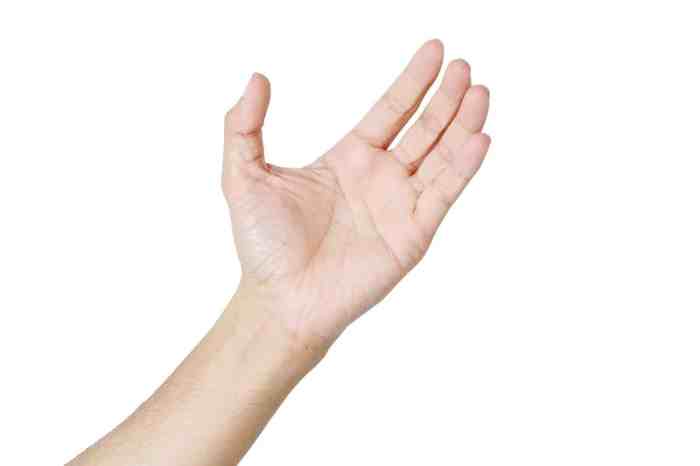
Hand washing clothes is a rewarding way to care for your garments and reduce your environmental impact. Beyond the basics, there are numerous strategies to maximize effectiveness, especially when dealing with delicate fabrics and various garment types. These tips will help you achieve pristine results and extend the life of your favorite clothes.
Maximizing Hand Washing Effectiveness
A few simple techniques can significantly enhance the hand-washing experience. Using cool or lukewarm water, instead of hot water, is often the best approach for most fabrics. This prevents shrinkage and preserves the vibrant colors of your garments. Using a gentle detergent specifically designed for hand washing is also essential. Avoid harsh chemicals and strong detergents that can damage the fabric and leave residues.
Pre-treating stains promptly, before the washing process, will increase your chances of removing them effectively.
Maintaining Delicate Fabrics
Delicate fabrics, such as silk, lace, and cashmere, require extra care during hand washing. Submerging these items in water for extended periods should be avoided. Using a mesh laundry bag is highly recommended to protect them from snags and damage during the washing process. Always choose a mild detergent, and avoid harsh scrubbing or twisting, which can distort the delicate fibers.
Hand Washing Techniques for Different Garment Types, How to hand wash clothes
Different garment types benefit from specific hand washing techniques. For example, knits and sweaters, should be gently submerged and swished in the water, avoiding harsh twisting or squeezing. Similarly, delicates, such as lingerie or silk garments, require a gentle approach, preferably using a soft cloth or sponge to avoid any damage. For items with intricate embellishments, such as embroidery or beading, careful handling is crucial to prevent damage to the delicate details.
Avoid submerging items with embellishments for extended periods.
Eco-Friendly Hand Washing Practices
Adopting eco-friendly practices while hand washing clothes can minimize your environmental footprint. Using reusable cloth towels and laundry bags reduces the need for disposable items. Conserving water by using only the necessary amount during the rinsing process and choosing eco-friendly detergents that are free from harmful chemicals are other valuable steps. Considering these simple practices can make a positive impact on the environment.
- Use cold water whenever possible.
- Choose biodegradable detergents.
- Avoid over-rinsing.
- Reuse washcloths and towels.
- Air-dry clothes whenever possible.
Final Summary
In conclusion, hand washing clothes offers a rewarding alternative to machine washing, particularly for delicate fabrics and eco-conscious individuals. By understanding the process, from preparation to drying, you can enjoy cleaner, better-preserved garments while minimizing your environmental impact. This guide provides a clear and comprehensive roadmap to mastering the art of hand washing. Remember to choose the right detergents and techniques for different fabrics to maintain their quality and beauty.